Shirakawa-go's UNESCO Farmhouses, Takayama's Old Town, and 1,300 Years of Cormorant Fishing
Living in Gifu
A landlocked Chubu prefecture whose northern highlands contain UNESCO World Heritage gassho-zukuri farmhouses built without nails, whose mountain castle town produces Japan's most nationally celebrated autumn festival, and whose river fishermen have been training cormorants to catch sweetfish on a leash since the 7th century.
Why People Choose Gifu
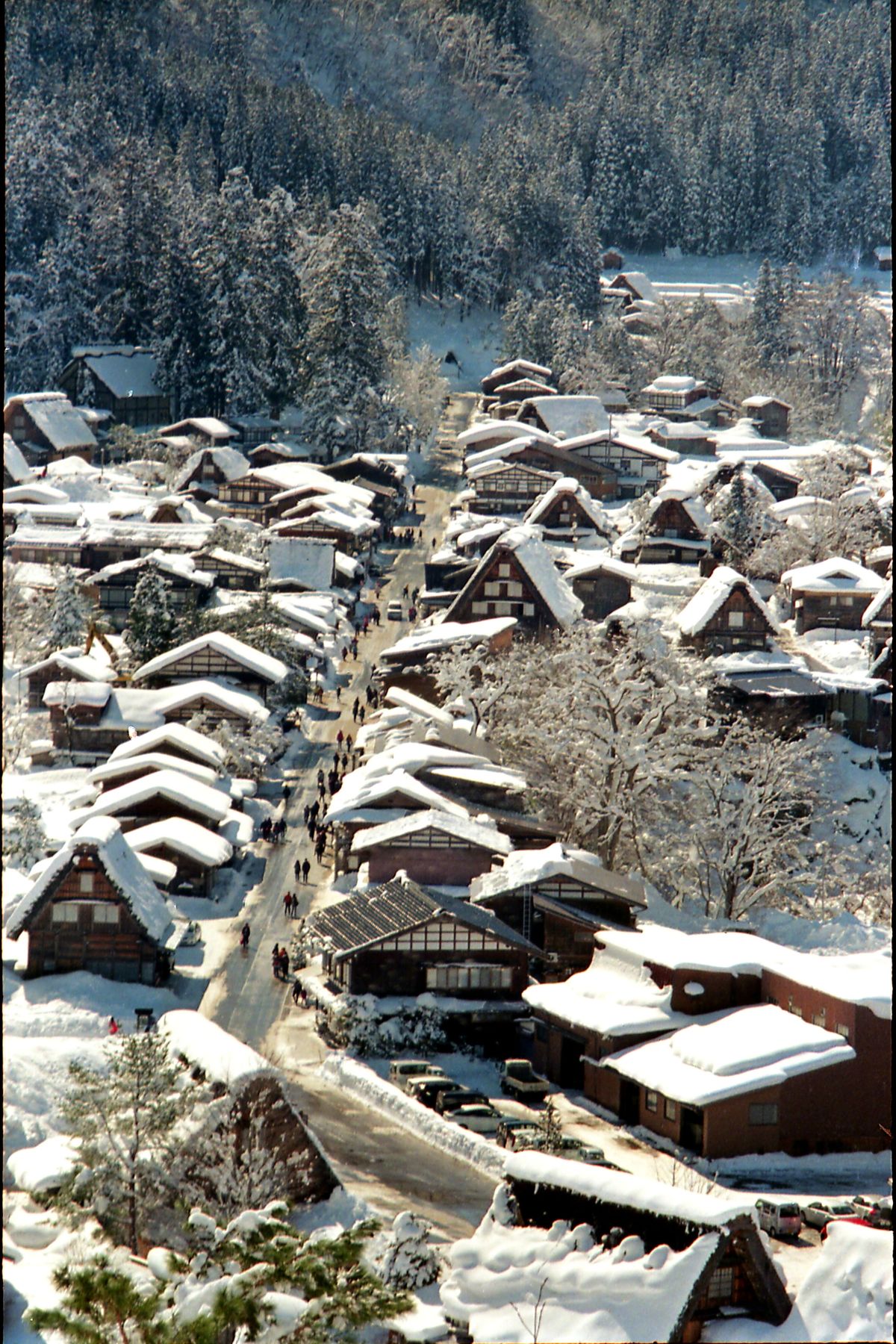
Gifu is chosen by people who want access to two of Japan's most significant cultural landscapes — Shirakawa-go and Takayama — without paying the accommodation premium that comes with staying inside them. Gifu City is 18 minutes by express train from Nagoya (and therefore within 2 hours of Tokyo on the Shinkansen), with direct bus access to both heritage sites and a full urban infrastructure. It is the most practical base for exploring northern Gifu Prefecture.
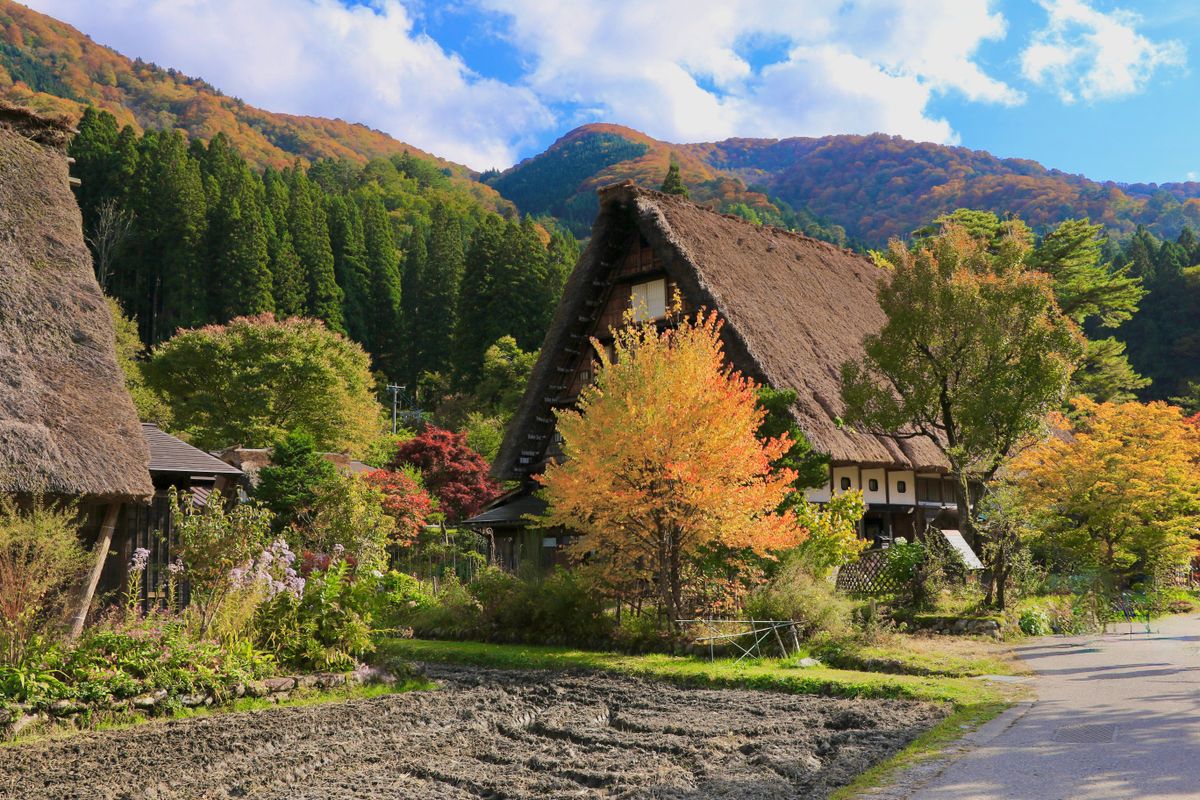
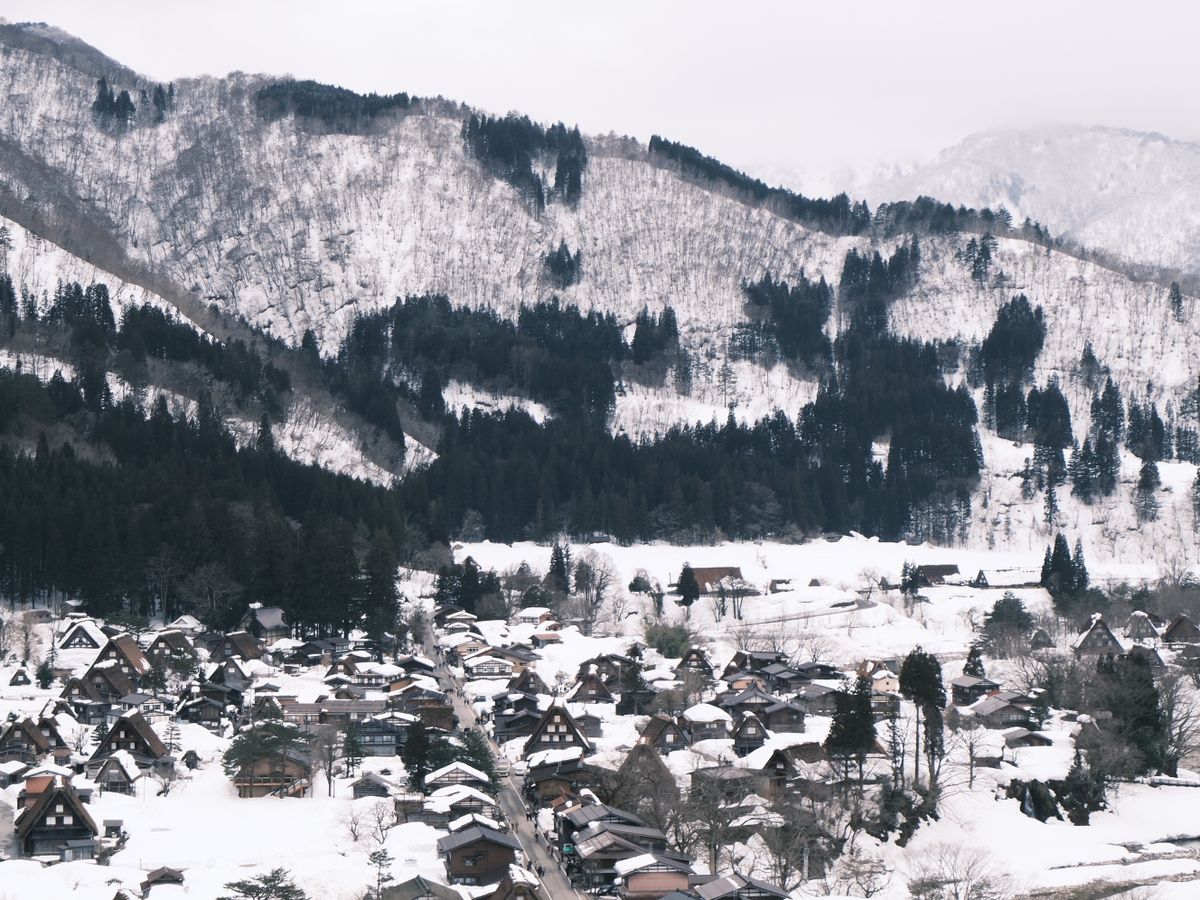
Shirakawa-go is what happens when a community adapts completely to its climate. The gassho-zukuri construction — steeply pitched thatched roofs at 60 degrees, three-storey interiors used for silkworm cultivation, no nails in the primary structure — is a direct engineering response to four metres of annual snowfall in a narrow mountain valley. The result is a building tradition unlike anything else in Japan, and the village has retained enough intact examples (114 surviving gassho houses) across a working agricultural community to make it comprehensible as a system rather than just a collection of photogenic buildings.
Takayama is the inland Japan that overseas visitors consistently rate highest. The Sanmachi Suji district — three parallel Edo-period merchant lanes with operating sake breweries, craft workshops, and unchanged shopfronts — is in daily use, not rope-cordoned. The morning market runs daily on the Miyagawa River bank. The Sanno Matsuri in April and Hachiman Matsuri in October deploy eleven floats with mechanical karakuri puppet stages that took decades of craftwork to build — the Japan Tourism Agency's designation as one of Japan's three most beautiful festivals is not disputed.
Gifu City (population ~400,000) is the prefectural capital, located on the Nagara River with direct Shinkansen access from Nagoya (18 minutes) and a full urban infrastructure. Takayama (population ~85,000) is smaller and more defined by its heritage district — a working mountain city with hospitals, schools, and local industry alongside its tourist core. Shirakawa-go is a living village of about 1,700 residents, not a museum; farming and guesthouse operation remain the main occupations.
Gifu City: Tokaido Shinkansen stops at Gifu-Hashima (15 min by bus from central Gifu), or take the JR Tokaido Line from Nagoya (18 min). Takayama: JR Takayama Line from Nagoya (about 2h15 limited express) or from Toyama (1h20). Shirakawa-go: expressway bus from Takayama (50 min) or Kanazawa (1h15); no railway access. A car gives full access to the Hida highland villages, the Gujo Hachiman river town, and the Sekigahara battlefield. Driving in winter in the Shirakawa valley requires snow tyres.
Gifu City properties typically ¥5M–¥20M; Takayama town houses ¥8M–¥25M with a premium for proximity to the Sanmachi Suji heritage district. Shirakawa-go gassho houses listed for sale (rare) start around ¥15M but require very significant renovation investment; the village association regulates exterior changes. Rural Hida highland akiya are available from ¥500K–¥3M; Gifu Prefecture has an active akiya support programme. Gujo area properties are significantly more affordable than Takayama equivalents.
The prefectural capital: Gifu Castle on Mt. Kinka, Shorenji Temple, the cormorant fishing site on the Nagara River, and 18 minutes from Nagoya by express train.
The most completely preserved Edo-period merchant town in inland Japan: Sanmachi Suji sake-brewery district, Jinya government archive building, Hida Folk Village, and the Sanno Matsuri in April and October.
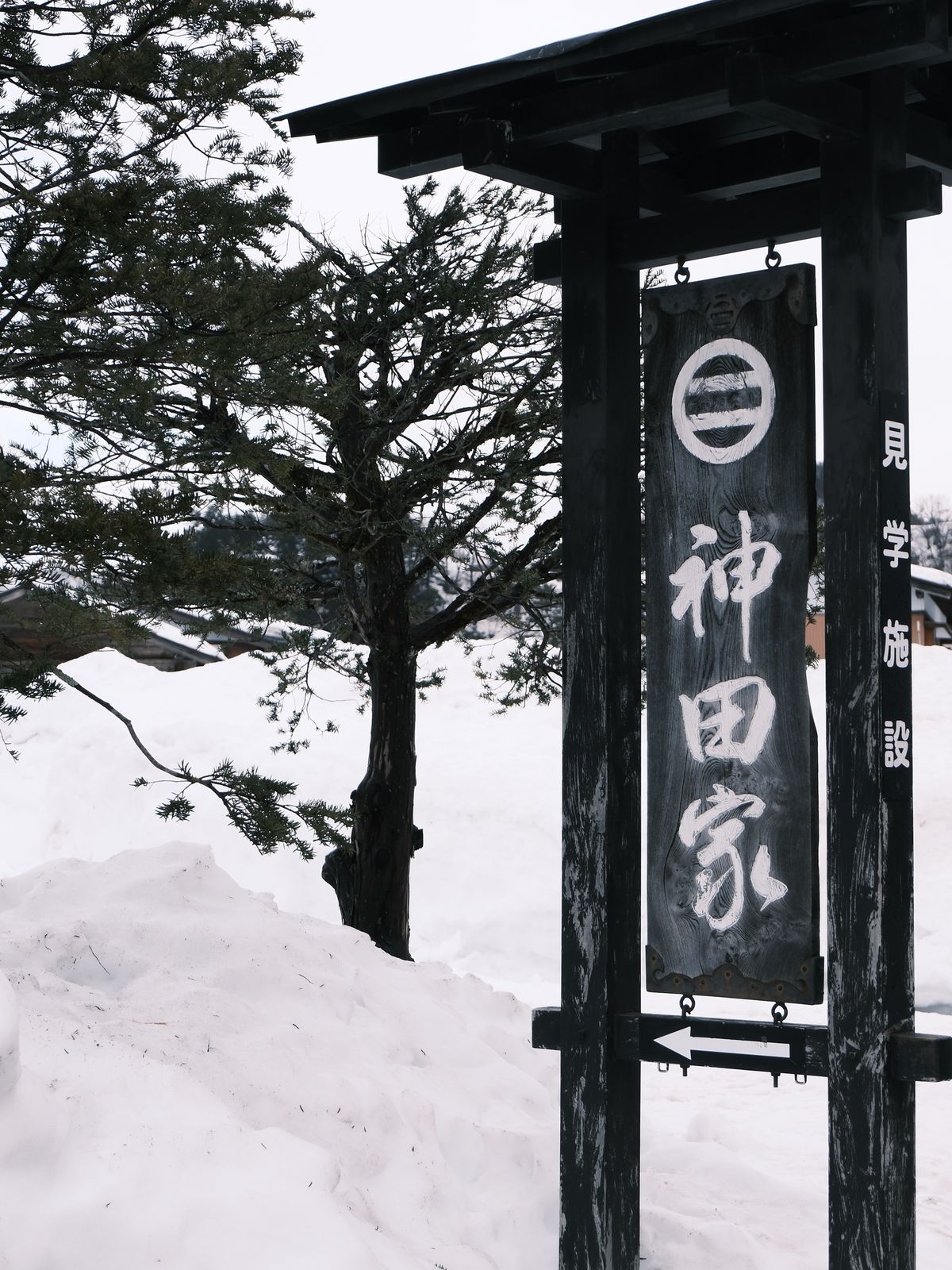
UNESCO World Heritage gassho-zukuri village in the Shokawa valley: 114 surviving farmhouses, the Wada-ke and Nagase-ke residences open to visitors, and the Shirakawa Hachiman Shrine at the centre.
A castle-and-river town in the Yoshida River valley, best known for the Gujo Odori summer dance festival (33 consecutive nights, July–September) and its remarkably clear river water — residents still use the river for washing vegetables.
Where To Start
Four ways to start in Gifu
The <a href="https://shirakawa-go.gr.jp/en/" target="_blank" rel="noopener" class="text-blue-600 dark:text-blue-400 hover:underline">Shirakawa-go Illumination event</a> (select Saturday nights in January and February) lights the gassho farmhouses from below against a dark sky and fresh snowfall. Buses run from Takayama and Kanazawa. The event is heavily subscribed — booking a gassho minshuku the night before avoids the day-visitor crowds and allows a dawn walk through the village when it is near-empty and the snow on the thatched roofs is still undisturbed.
The <a href="https://www.hidahachimangu.jp/osakamatsuri_eng.html" target="_blank" rel="noopener" class="text-blue-600 dark:text-blue-400 hover:underline">Sanno Matsuri</a> proceeds through Takayama's Edo-period merchant streets with 11 yatai (festival floats) carrying multi-deck stages with mechanical karakuri puppets that perform string-operated acrobatics. The October Hachiman Matsuri uses the same floats. The Takayama Festival Float Exhibition Hall near Jinya houses four floats year-round and explains the karakuri mechanism in detail.
The <a href="https://www.ukai-gifu.com/" target="_blank" rel="noopener" class="text-blue-600 dark:text-blue-400 hover:underline">Nagaragawa ukai</a> runs every evening from May 11 to October 15 (except Harvest Moon night and high-water days). Spectator boats follow the fishing boats at close range; the sight of torchlight on the river and cormorants diving and being hauled back by their masters is best viewed from water level, not from the riverbank. Book through Gifu City's tourism office at least a week ahead in peak season.
The <a href="https://www.gujohatiman.com/en/" target="_blank" rel="noopener" class="text-blue-600 dark:text-blue-400 hover:underline">Gujo Odori festival</a> runs for 33 consecutive nights from mid-July to early September in the castle town of Gujo Hachiman. The dances — ten different folk dance forms performed in rotation — are taught informally on the street; visitors are actively invited to join the circle. The Bon Odori nights in mid-August include one all-night session running from 8pm to 4am, a tradition maintained without interruption for over 400 years.
Daily Life in Gifu
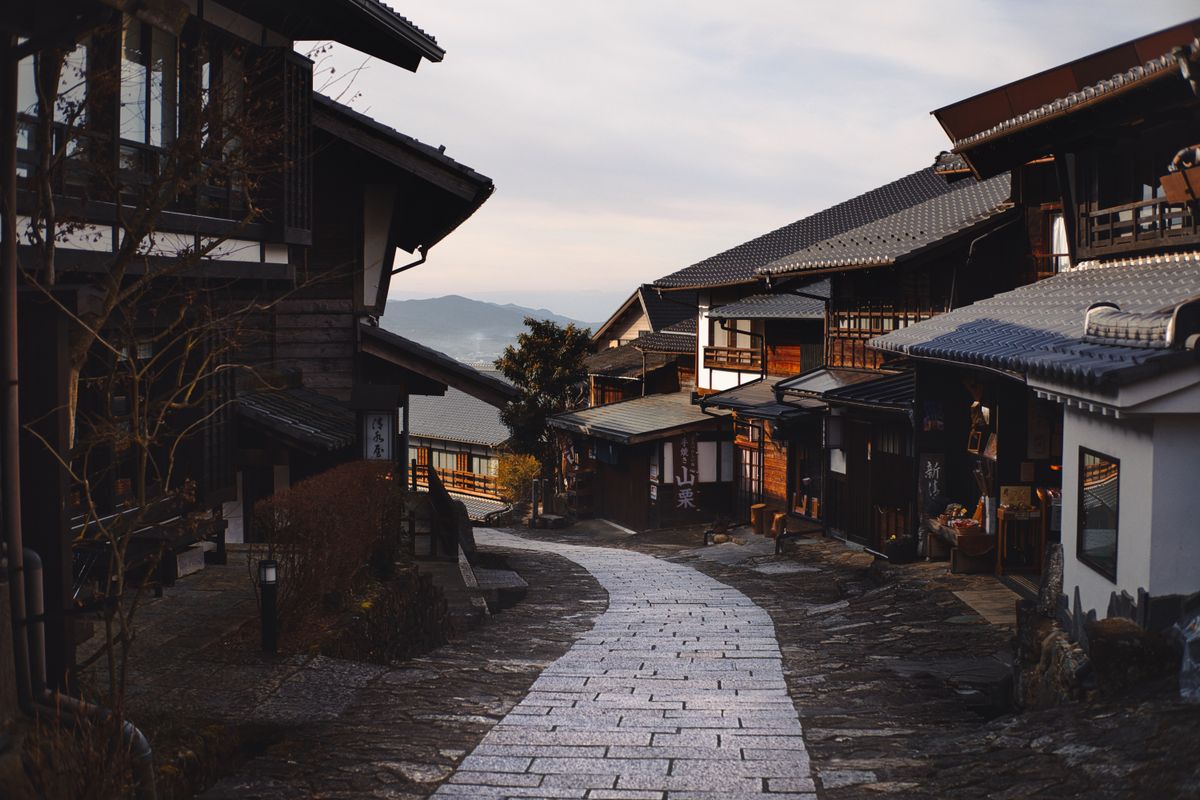
Gifu City operates as a full regional capital (population ~400,000) with immediate proximity to Nagoya's infrastructure. The 18-minute Tokaido express connection means residents have access to one of Japan's largest cities for major medical facilities, international schools, and employment without living there. Gifu itself has Gifu University Hospital, multiple large shopping centres, and a city centre compact enough to manage without a car.
Takayama (population ~85,000) functions as a self-contained mountain city. It has its own hospital network, a full shopping arcade, an active agricultural market, and an economy that balances tourism revenue with local industry — forestry, sake brewing, and woodcraft. The city's morning markets (Jinya-mae and Miyagawa) are genuine produce markets that locals use alongside visitors. The cold mountain climate means the ski season (Okunohida resorts nearby) is a genuine part of the annual rhythm for residents.
Shirakawa-go is a village, not a suburb, and should be understood as such. About 1,700 people live in the Ogimachi district; they operate guesthouse minshuku, farm rice and mountain vegetables, and manage a UNESCO-listed built environment under a village association that regulates changes to the exterior appearance of every building. Long-term residents have a clear community identity and significant obligations — the gassho roofs require coordinated re-thatching every 30–40 years, a community effort called "yuui" that mobilises the whole village.
Food and Drink
Hida beef is the Gifu equivalent of the great wagyu tradition — a black-haired Japanese cattle breed raised in the Hida highlands (the mountainous northern half of the prefecture) and graded at A4 or A5 consistently. Less internationally known than Kobe or Yonezawa, it is served primarily within the prefecture at Takayama specialist restaurants as steak, sukiyaki, and nigiri. The Miyagawa morning market sells Hida beef croquettes from a roadside stand that is one of Takayama's most reliable street food stops.
Mitarashi dango are the street food of Takayama's heritage district: rice-flour dumplings on bamboo skewers, grilled over charcoal and glazed with a sweet soy sauce. They differ from the Kyoto version (which has the same name) in being savoury-glazed rather than sweetened. The dango sellers on the Miyagawa market lane have been making them the same way for generations. Sarubobo charms — red cloth dolls without facial features, the traditional Hida baby talisman — appear in every craft shop, but the originals are handmade in the Hida villages.
Hida sake is produced using mountain spring water from the Okuhida valleys — water cold enough and mineral-soft enough to support highly refined ginjo fermentation. The Sanmachi Suji has six active breweries within a five-minute walk of each other; most offer free tastings. Hirase Sake Brewery (Hirase Shuzoten, established 1792) and Funasaka Brewing are among the most visited. The cedar sugidama balls above the door are replaced each autumn when the new season's brewing begins — when the ball turns from green to brown, the new sake is ready.
Culture and Events
The Takayama Sanno Matsuri (April 14–15) and Hachiman Matsuri (October 9–10) are the same event in two seasons: eleven yatai (festival floats) with multi-deck karakuri puppet stages are drawn by rope through Takayama's Edo-period merchant streets. The mechanical puppets — string-operated figures that pour tea, perform somersaults, and launch paper butterflies — took master craftsmen decades to build and are maintained by specialist conservators. The floats are kept in the Takayama Festival Float Exhibition Hall and four are displayed year-round.
The Gujo Odori (July–September in Gujo Hachiman) is Japan's longest continuous dance festival: 33 nights across 10 weeks, including one all-night session during Obon. The ten folk dance forms — each with distinct movement vocabulary and musical accompaniment — are performed in the streets around the town centre with no formal barrier between performers and spectators. Visitors who join the circle are welcomed. The Gujo tradition of hand-carved food replicas (sampuru) used in restaurant window displays originated here and is now industrially produced across Japan.
The Sekigahara battlefield (accessible from Gifu-Hashima Shinkansen station or Sekigahara Station on the JR Biwako Line) is the site of the decisive 1600 battle that determined the Tokugawa shogunate. An estimated 160,000 troops engaged across a three-hour morning battle; Tokugawa Ieyasu's victory established a political order that lasted 268 years. The Sekigahara Battlefield History and Heritage Museum, opened 2020, uses VR to reconstruct the battle across the actual terrain.
Weekends and the Outdoors
The Okuhida Onsen-go cluster — five onsen villages (Hirayu, Fukuji, Shin-Hirayu, Tochio, Kamitakara) at the foot of the Northern Alps, accessible from Takayama in 40–60 minutes by bus — is among the most concentrated hot spring areas in Japan. The villages have a combined 800+ years of recorded onsen history; individual ryokan on mountain streams in Shin-Hirayu and Kamitakara are among the more traditional. Hirayu is the most accessible and has the most facilities; Kamitakara the most secluded.
The Hida highlands hiking network connects Takayama to the Northern Alps trails including the approach to Yarigatake (the "Matterhorn of Japan") via the Kamikochi valley (Nagano side) and the Nishi-Hotaka ridge traverse. Day hiking from Takayama is possible at Shiroyama Park (the former castle hill, 30-minute circuit) and the Higashiyama pilgrimage route connecting eight temples east of the city.
Nagaragawa ukai (Gifu City, May–October) is the most accessible of Japan's remaining cormorant fishing traditions. Three to seven master fishermen work simultaneously from separate boats; the torchlight, the sound of the birds diving, and the pull-and-release technique of the usho (master) on his leashed birds are visible from a spectator boat at a distance of about 10 metres. The fishing rights on the Nagara River have been held by the Imperial Household Agency since the Meiji era.