
Udon Capital, Contemporary Art Island, and Japan's Most Demanding Pilgrimage
Living in Kagawa
The smallest prefecture in Japan by area contains the country's most-visited outdoor art destination, a garden that took 100 years to build, and a food identity so complete that local residents measure their week in bowls of udon.
Why People Choose Kagawa
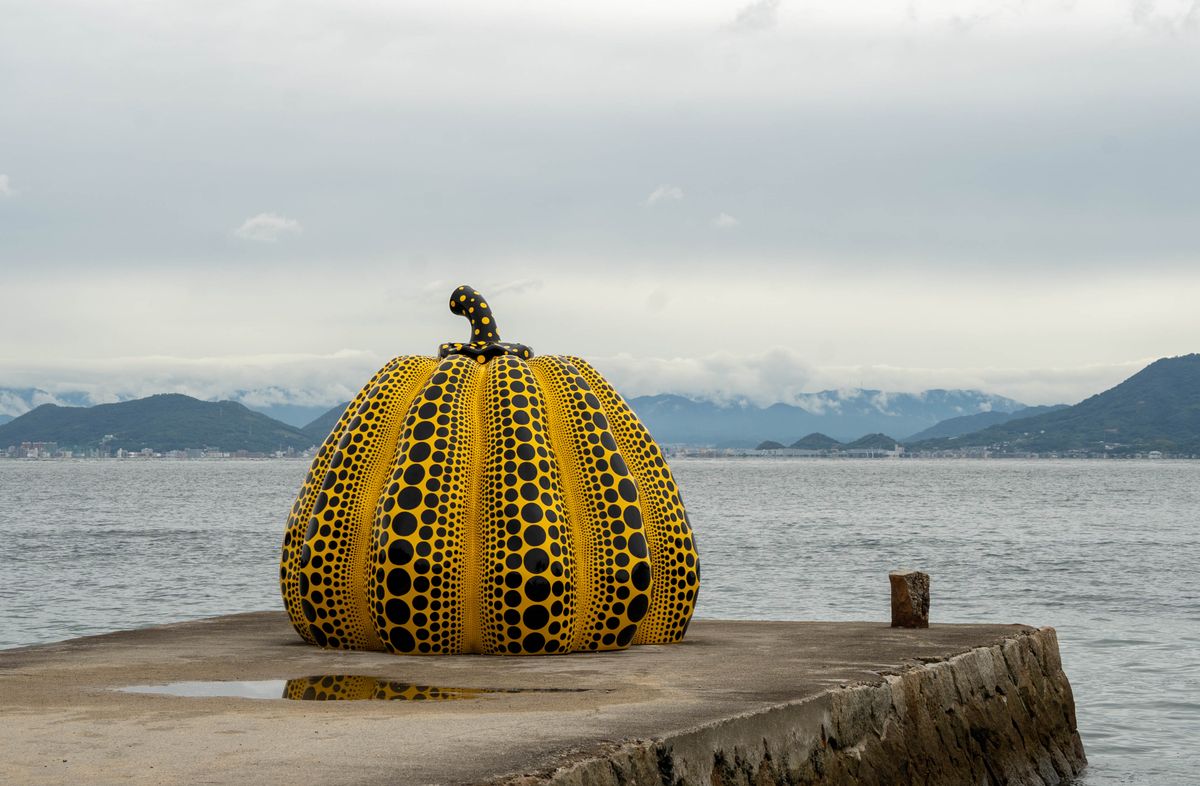
Kagawa is a small prefecture with a very large cultural footprint. The Naoshima island complex — developed by Benesse Holdings with architects Tadao Ando and others — has become one of the most significant outdoor art destinations in the world. Benesse Art Site Naoshima contains three dedicated Ando-designed underground museums (Chichu, Benesse House, Lee Ufan Museum), the Art House Project across seven converted village buildings, and James Turrell's Open Sky installation — all on an island 50 minutes by ferry from Takamatsu. Yayoi Kusama's yellow pumpkin on the seafront pier has become one of the most photographed artworks in Japan.
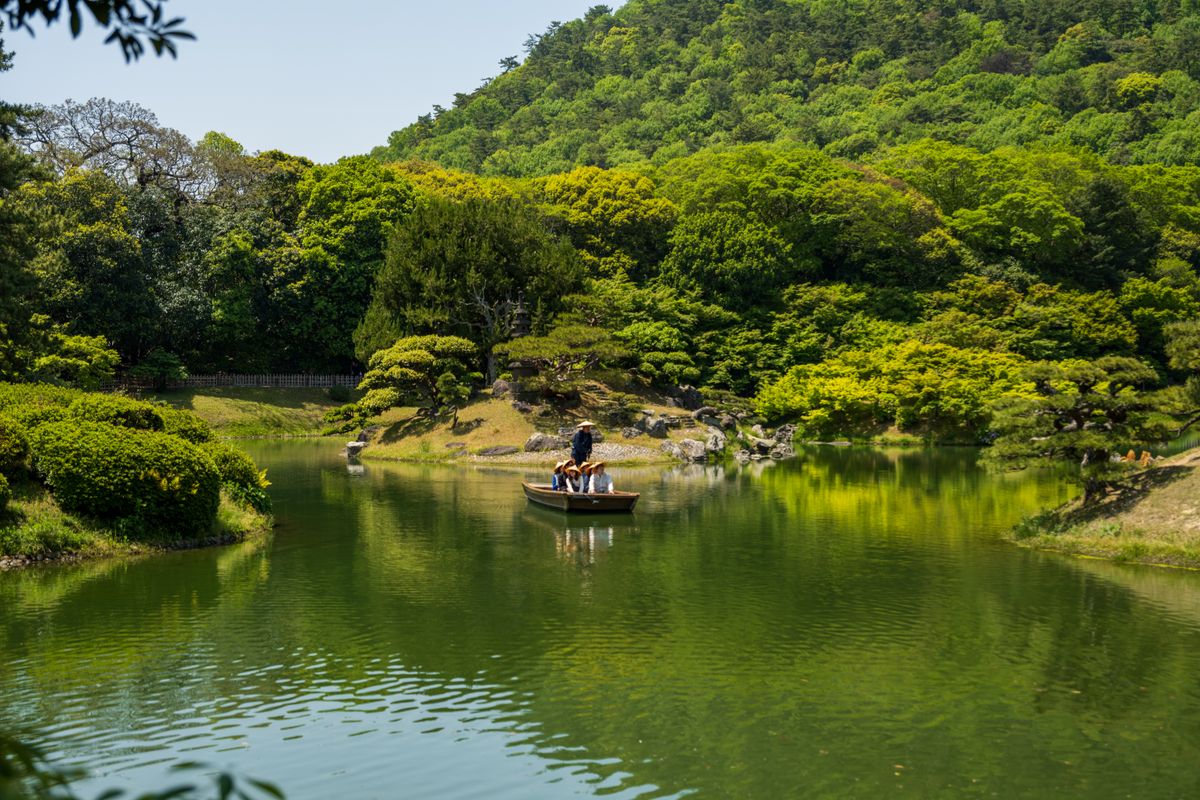
Ritsurin Garden in Takamatsu is the other anchor. Constructed over more than a century by successive feudal lords and completed in 1745, its 750,000 square metres contain 1,400 shaped pine trees, six ponds with viewing positions calculated for specific seasonal effects, and a teahouse that has served on the same pond since the Edo period. The garden consistently ranks among Japan's finest outside the Imperial properties in Kyoto.
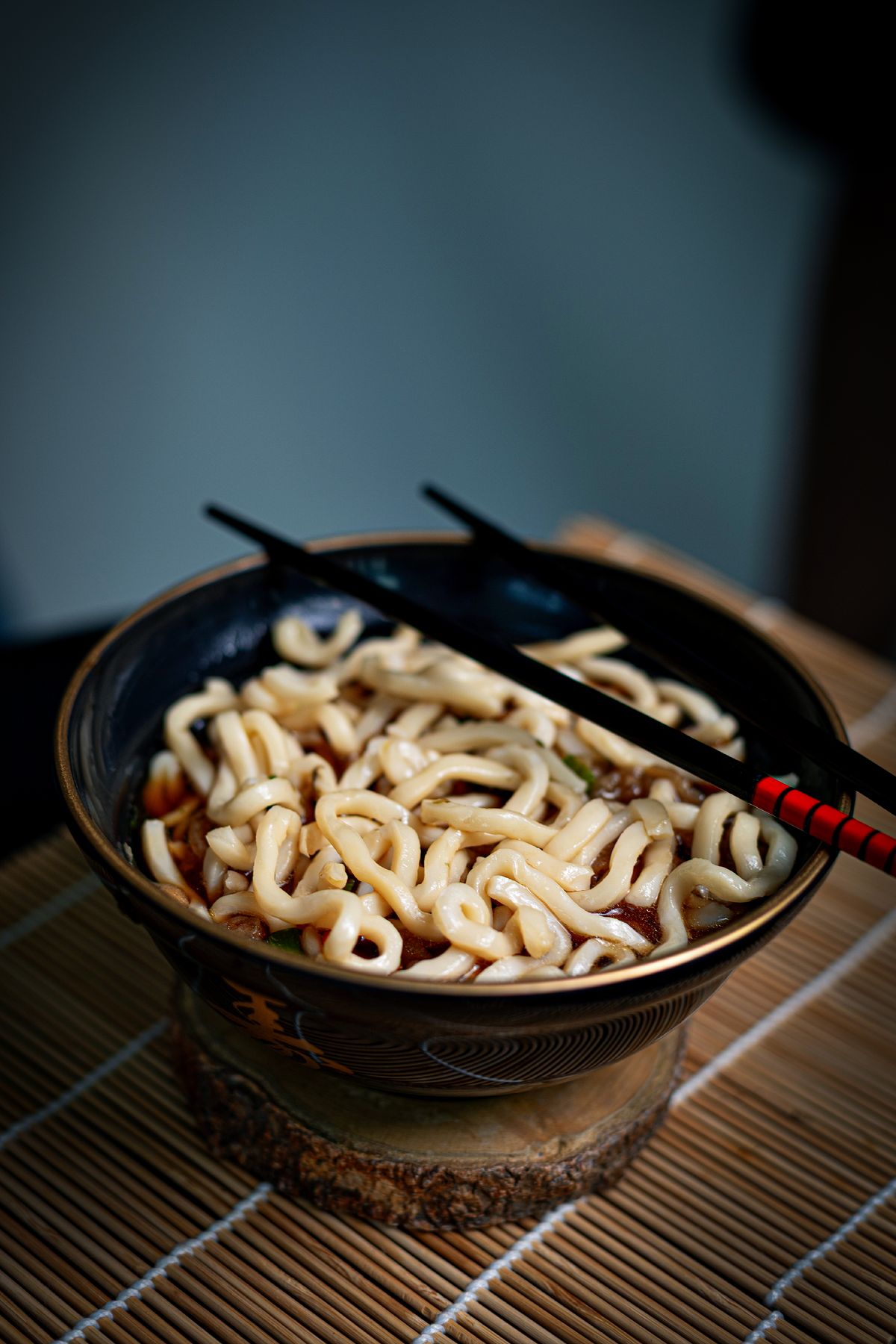
The udon culture is both food identity and daily reality. Over 800 specialist udon shops operate in a prefecture of under one million people. Breakfast udon at a standing counter — ¥300–¥500, self-service toppings, gone in 10 minutes — is a normal weekday practice for large numbers of Kagawa residents. Property prices reflect a shrinking population: Kagawa has lost roughly 100,000 residents since 2000, creating a buyer's market that persists across most of the prefecture outside central Takamatsu.
Takamatsu (population 420,000) is Kagawa's capital and its largest city — a well-functioning regional centre with a tram network, large shopping arcades, good transport links, and a waterfront facing the Seto Inland Sea. Outside Takamatsu, the prefecture is quiet: Marugame and Sakaide are mid-sized towns with local economies; the island districts of Shodoshima and Naoshima operate on ferry schedules and seasonal tourism. Kagawa has an ageing demographic and a gradually declining population — a reality that pushes property values down and creates space for newcomers.
JR Yosan Line and Kotoku Line connect Takamatsu to Matsuyama in Ehime (about 2h30) and to Tokushima (about 1h). The Mariners ferry from Takamatsu to Naoshima takes 50 minutes. High-speed ferry to Osaka takes about 4 hours. There is no Shinkansen on Shikoku — intercity travel uses limited express trains or expressway buses. A car is necessary for anywhere outside Takamatsu city proper.
Takamatsu city apartments ¥2M–¥10M; detached houses ¥5M–¥18M. Outer towns (Marugame, Sakaide, Kannonji) from ¥1M–¥8M. Island properties (Shodoshima, smaller islands) from ¥500K with renovation required. Prices reflect the prefecture's declining population — some of the lowest in the Seto Inland Sea region for equivalent property quality.
The prefectural capital: Ritsurin Garden, covered shopping arcades (one of the longest in Japan), ferry access to Naoshima and the Seto islands, and full urban services. Most practical base for Kagawa living.
The pilgrimage town at the base of Konpira-san — a small, quiet community entirely organized around the mountain approach, the shrine, and the river valley below. Distinctive character, limited infrastructure.
The largest island in the Seto Inland Sea after Awaji: olive groves, somen noodle production, a scenic gorge, and a permanent community of about 26,000. Ferry from Takamatsu (35 minutes by high-speed). Island living with functional amenities.
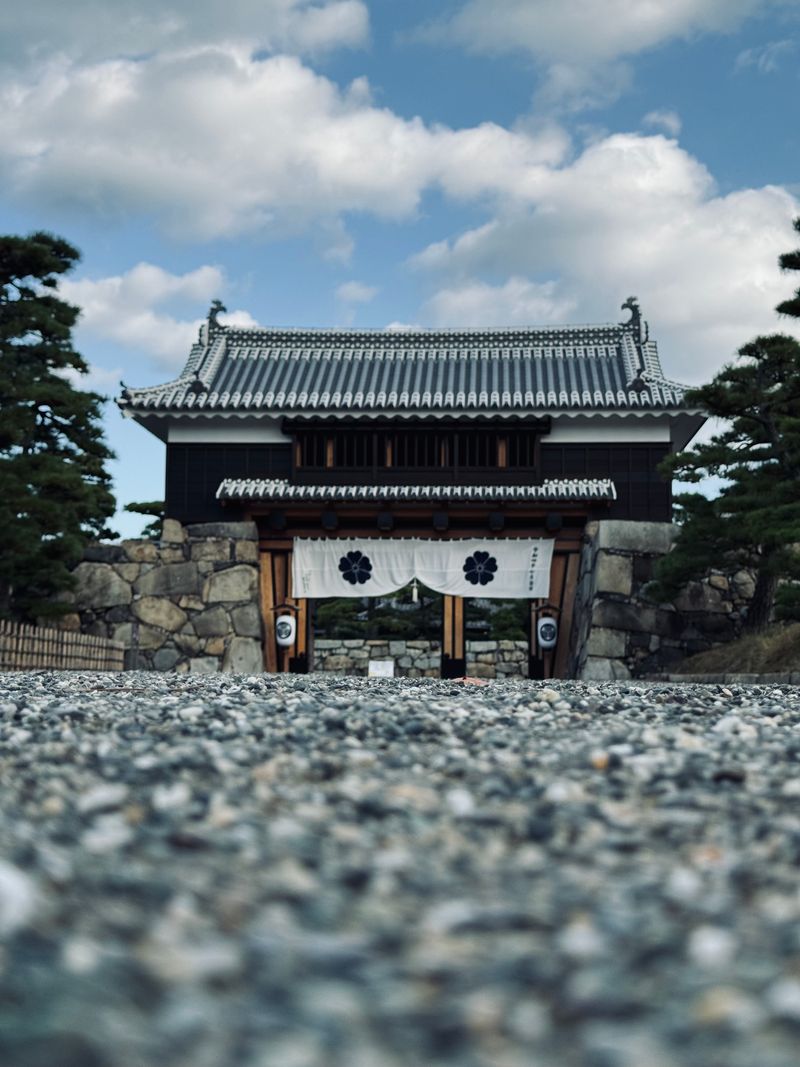
Midsize city known for uchiwa (painted fans) and a surviving original castle keep — one of only 12 in Japan. More affordable than Takamatsu, good expressway access.
Where To Start
Four ways to start in Kagawa
Take the first morning ferry from Takamatsu Sunport (about 50 minutes to Miyanoura pier). Rent a bicycle at the pier and circuit the island in roughly 4 hours, pausing at the seafront pier for Kusama's yellow pumpkin, then riding up to the <a href="https://benesse-artsite.jp/en/art/chichu.html" target="_blank" rel="noopener" class="text-blue-600 dark:text-blue-400 hover:underline">Chichu Art Museum</a> — booking ahead is mandatory. The museum contains five Monet paintings in a naturally lit underground room designed specifically for them, plus James Turrell's Open Sky installation. Return via the Art House Project in Honmura village — abandoned traditional houses converted into permanent site-specific installations.
The 785-step stone staircase approach to Kotohira-gu is one of Japan's great physical pilgrimages — steep, cedar-lined, and lined with historic lanterns and vendor stalls. Come on a weekday morning to avoid tour groups. Able-bodied visitors can continue to the inner shrine at 1,368 steps for panoramic views of the Sanuki plain. The main shrine dates from the late Heian period; the current gate buildings are Edo-period. Gold coins are still used as offerings.
Kagawa's most authentic udon experience is not at a destination restaurant — it is at a self-service counter open from 6 or 7am, where you choose your noodle temperature (hot broth, warm water, cold), add toppings from a counter (tempura, raw egg, spring onion), and eat standing or at a low shared table. <a href="https://www.shikoku-np.co.jp/udon/" target="_blank" rel="noopener" class="text-blue-600 dark:text-blue-400 hover:underline">Shikoku Shimbun's udon map</a> (Japanese) lists specialist shops by town. The defining variety is Sanuki kake udon — noodles in a clear iriko (dried sardine) dashi broth.
<a href="https://ritsuringarden.jp/en/" target="_blank" rel="noopener" class="text-blue-600 dark:text-blue-400 hover:underline">Ritsurin Garden</a> takes about 90 minutes at a walking pace. The garden divides into south (the older ornamental section with six ponds, thirteen hills, and 1,400 shaped pine trees) and north (a more natural landscape). The teahouse Kikugetsu-tei serves seasonal sweets and matcha on the southern pond, with views designed from a specific tatami viewpoint looking toward Shiun-zan mountain. Early morning in spring (late March) is when the wisteria walkway and cherry blossoms overlap with the pine silhouettes.
Daily Life in Kagawa
Takamatsu provides a full range of urban services within a compact footprint: the covered Hyogomachi arcade is among Japan's longest shopping streets at over 2 kilometres end-to-end, JR and private ferry terminals are within walking distance of each other, and the city has hospitals, international schools, and the commercial infrastructure that supports 420,000 residents. The pace is distinctly slower than Osaka or Fukuoka — this is a regional capital, not a metropolitan one.
Outside Takamatsu, daily life in Kagawa is quiet and car-dependent. Marugame (population 108,000) has a surviving Edo-period castle keep, a uchiwa (round fan) craft tradition, and functioning local shops. Kannonji, in the far west, is known for its sand-etched coin symbol on the beach. The islands — Shodoshima especially — operate on ferry schedules and have slower rhythms still: olive oil production, somen noodle workshops, and a community of permanent residents who choose the island deliberately.
The prefecture's declining population has produced an unusually visible set of community efforts to attract new residents — subsidized renovation loans, regional migration support offices, and akiya banks with properties listed at nominal prices. The infrastructure that remains (public transport, hospitals, schools in Takamatsu) is well-maintained; the challenge is in smaller towns further from the capital.
Food and Drink
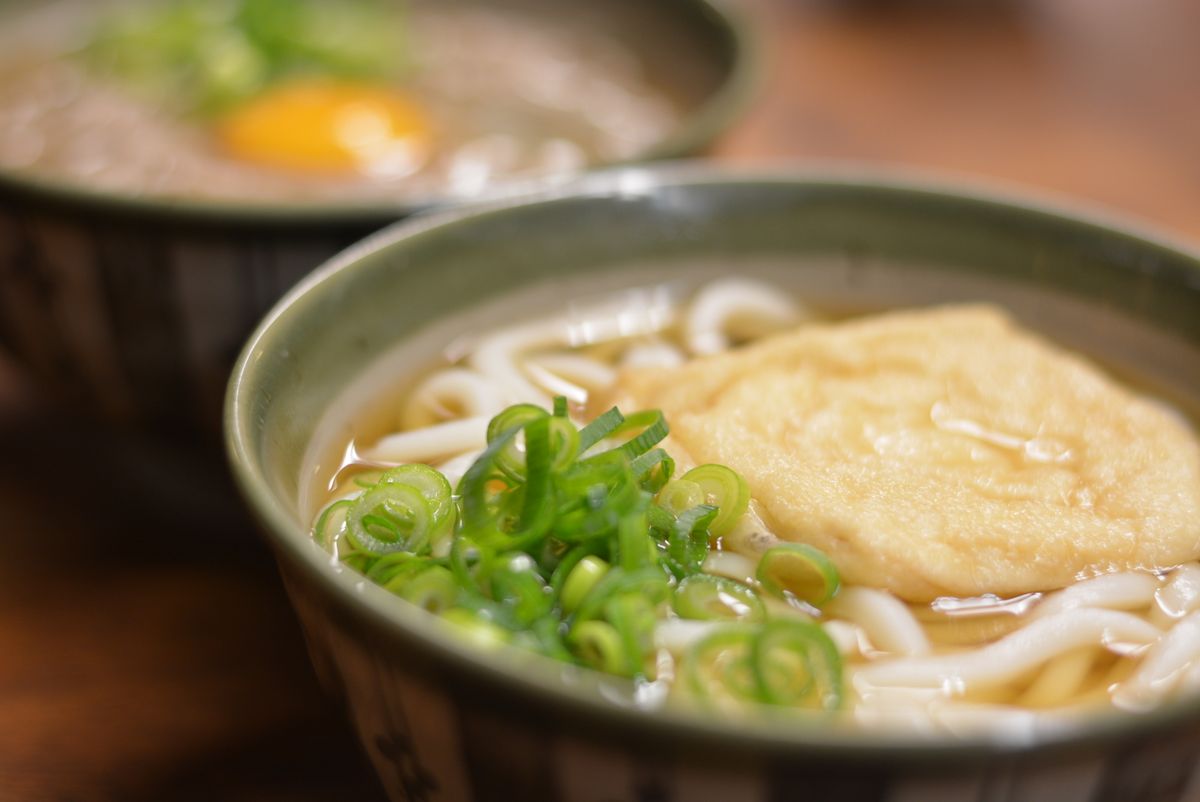
Sanuki udon is not just food in Kagawa — it is a daily practice and a point of local identity strong enough to sustain over 800 specialist restaurants in a prefecture smaller than some Tokyo wards. The noodle is thick, firm-cheeked (koshi), and made from hard wheat flour grown in Kagawa's warm, dry climate. The base broth is iriko dashi — made from dried small sardines from the Seto Inland Sea — with the ratio and temperature varying by shop. The main styles: kake (warm broth), zaru (cold dipping), kamaage (freshly boiled, served with dipping sauce). Most serious shops are self-service: collect your bowl, choose from a row of tempura and toppings, pay by count at the end. Prices ¥300–¥600.
Beyond udon: Shodoshima olive oil has been produced since 1908 on Japan's only Mediterranean-climate island. The island produces some of Japan's best domestic olive oil and a full range of olive-based products. Shodoshima somen — very fine wheat noodles, hand-stretched — is a premium national product; the island accounts for a significant portion of Japan's somen output. Sanuki wagyu beef (olive-fed cattle on Shodoshima) has developed into a recognized premium product in recent years.
Takamatsu's covered arcade runs the full length of the central shopping district, with izakaya, udon shops, and independent restaurants operating across multiple cross streets. Konpira-san's approach sells kama-age udon in riverside restaurants below the steps; the quality here is reliably high because pilgrimage traffic sustains a competitive market.
Culture and Events
The Setouchi Triennale — the art festival hosted across Naoshima and eleven neighbouring islands — runs for roughly 100 days every three years and attracts over one million visitors. It has become one of the most significant international art events in Asia, with commissions from artists including Cai Guo-Qiang, Chiharu Shiota, and Leandro Erlich installed across island venues. The permanent Benesse Art Site installations are open year-round; the Triennale adds temporary works and new commissions.
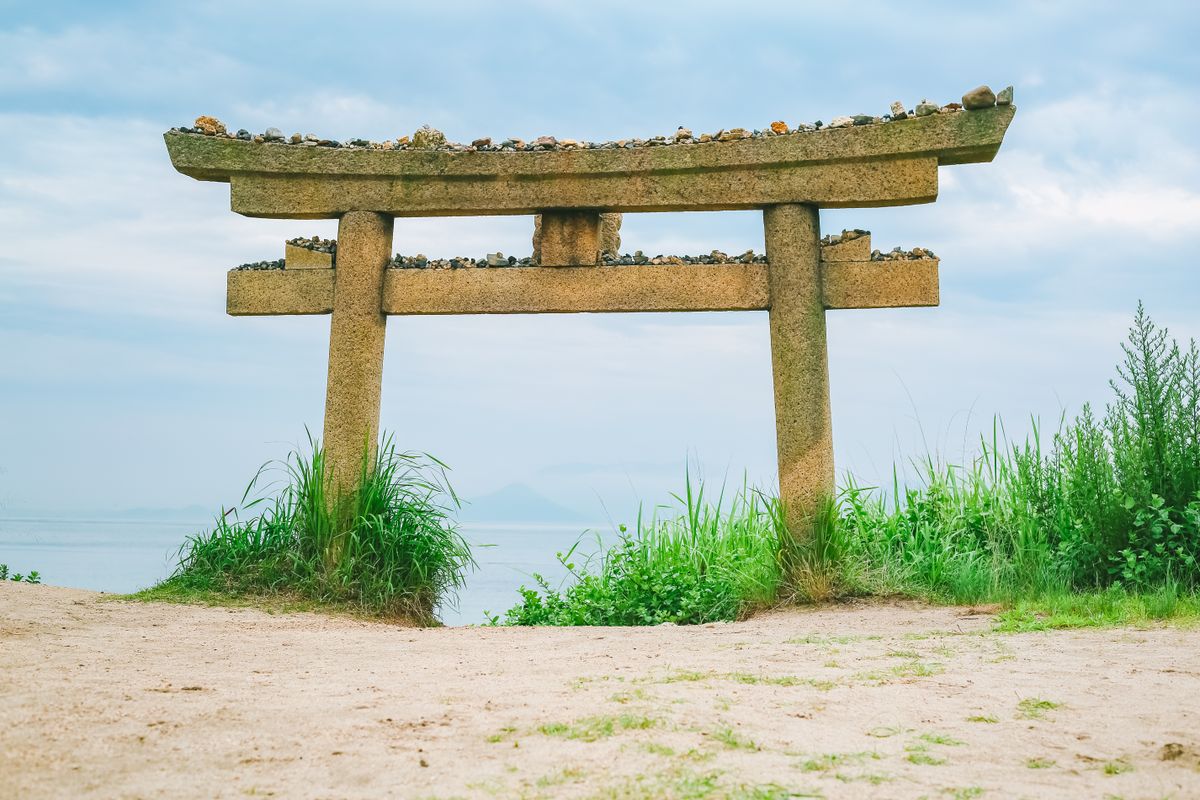
Kotohira-gu (Konpira-san) is one of Japan's most visited shrines — historically the protector deity of seafarers, it attracts visitors from across Japan who climb the 785 stone steps to offer thanks or make petitions for safe travel. The shrine complex contains a Noh stage (active for performances during festivals), a collection of votive ship paintings stretching back centuries, and the Ema-do hall displaying historical sea voyage mementos. The October autumn festival includes processions of mikoshi (portable shrines) carried through the steep approach.
Marugame's uchiwa (round fan) craft tradition produces over 90% of Japan's total uchiwa output. The fans — made from a single piece of bamboo split and spread into the frame — have been manufactured here since the Edo period. The Marugame Uchiwa Museum (Japanese) shows the full production process; working craftspeople demonstrate splitting, coating, and shaping on request.
Weekends and the Outdoors
The Seto Inland Sea island network is Kagawa's primary outdoor destination. Naoshima (art), Teshima (rice terraces, the Teshima Art Museum embedded in a hillside), Inujima (copper refinery ruins converted into a permanent art site), and Shodoshima (olive groves, the Kankakei Gorge, somen noodle workshops) are all reachable by ferry from Takamatsu in under two hours. Each island has its own character; a weekend circuit of two or three islands is a natural rhythm for Kagawa residents.
Yashima — the flat-topped mesa north of Takamatsu — is a 20-minute tram ride from the city centre. The plateau was the site of a major 12th-century Genpei War naval battle; the hillside temple (Yashima-ji, temple 84 on the 88-temple Shikoku pilgrimage) contains artefacts from the battle. The views from the plateau edge cover the Seto Inland Sea and the islands.
Cape Muroto (in neighbouring Kochi but easily accessed from Takamatsu) and the 88-temple Shikoku Pilgrimage circuit are within range for longer weekend excursions. Kagawa contains the final 23 temples of the 1,400km circuit — many pilgrims complete their walk in Kagawa and return by ferry or bus. The henro (pilgrim) culture is visibly present: white-clad walkers, pyramid-topped walking sticks, and the cedar smoke of temple incense are part of daily life along the circuit.
Three Days In Kagawa
A simple first-trip route
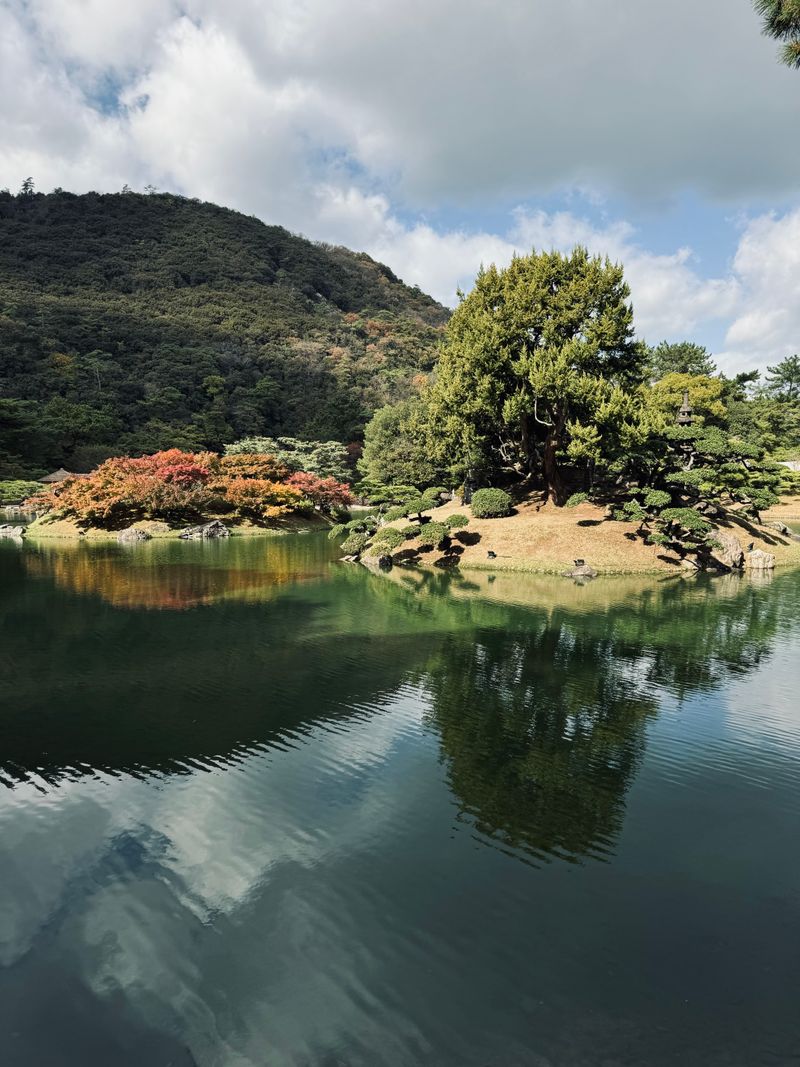
Fly or ferry into Takamatsu. Spend the morning at Ritsurin Garden — arrive at opening (8:30am) to have the south section near-empty. Take matcha at Kikugetsu-tei teahouse overlooking the central pond. Afternoon: walk the covered shopping arcades (Marché Gotomachi runs 470 metres, one of Japan's longest) and eat udon at a self-service counter. Evening: waterfront at Sunport, with Setouchi Artisan Square nearby for local craft shopping.
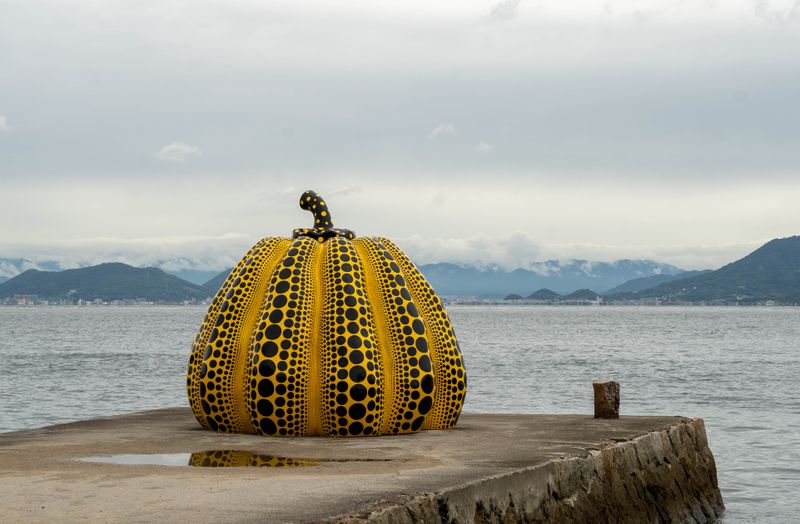
Take the 8:10am Mariners ferry from Takamatsu Sunport — 50 minutes to Miyanoura pier. Book Chichu Art Museum in advance (mandatory online booking). Rent a bicycle at the pier and start with the seafront Kusama pumpkin, then the hillside museum trail (Chichu, Lee Ufan Museum), then Benesse House Museum. Afternoon: Honmura village and the Art House Project — seven converted village buildings, each a permanent work by Hiroshi Sugimoto, James Turrell, and others. Return evening ferry.
JR from Takamatsu to Kotohira (about 45 minutes). The stone staircase approach to Kotohira-gu begins at the base of the town. The first 365 steps reach the main gate; continue to 785 for the main shrine, or 1,368 for the inner shrine (Oku-sha) if conditions allow. The Ema-do votive picture hall contains ship paintings from the 19th century — Konpira-san has been the guardian deity of sea voyages for centuries. Return via Kotohira's small centre for kama-age udon at a riverside restaurant.