
Japan's Last Clear River, Flame-Seared Bonito, and the Revolutionary Who Ended the Shogunate
Living in Kochi
The largest and least-populated prefecture on Shikoku holds Japan's last undammed major river, produces the country's most dramatically prepared fish dish, and was the birthplace of the man whose backroom political deals dismantled 265 years of Tokugawa rule.
Why People Choose Kochi
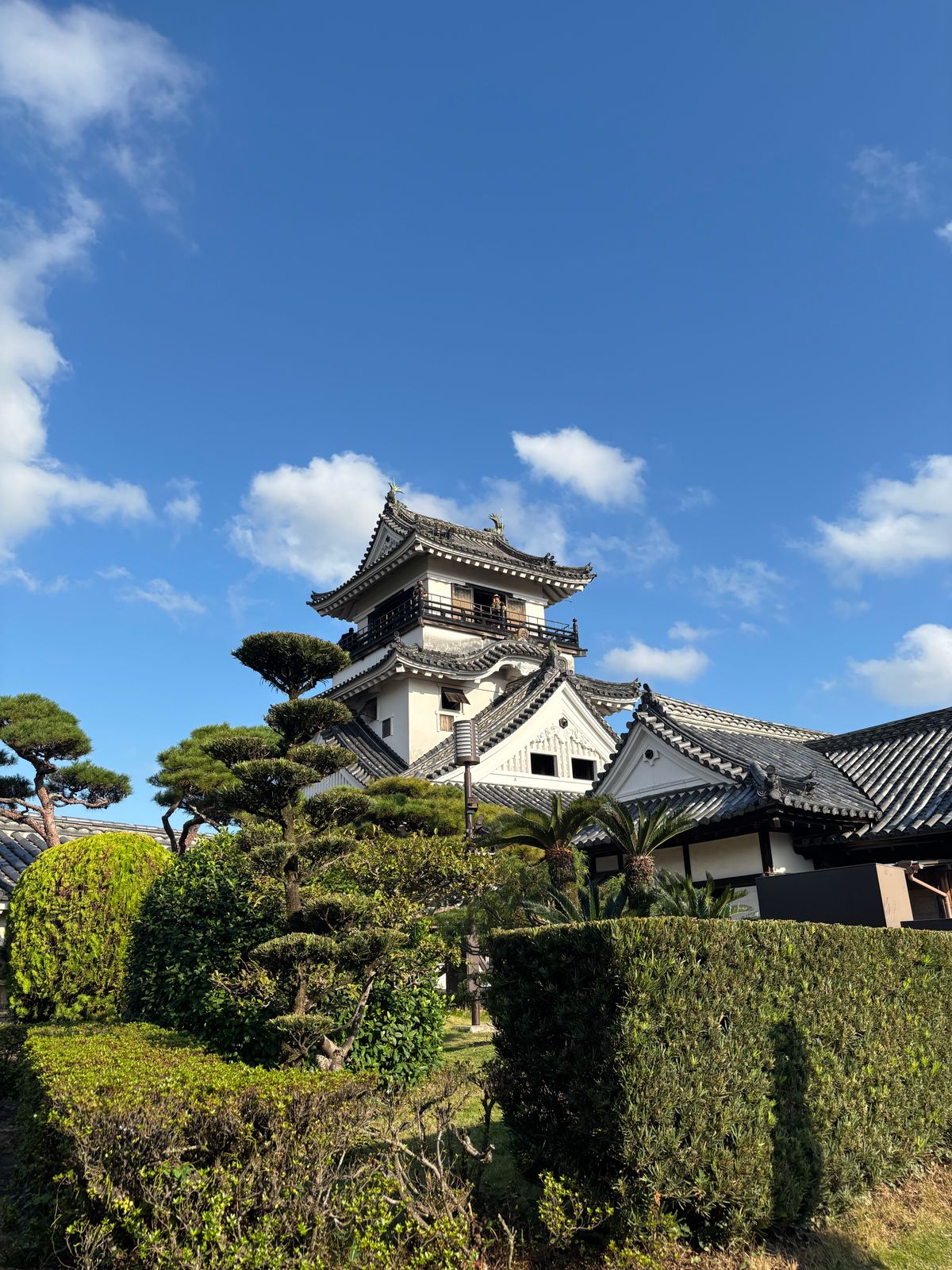
Kochi's appeal is space, nature, and price. The prefecture is large (Shikoku's largest by area), forested, Pacific-facing, and has one of the lowest population densities of any prefectural capital region in Japan outside Hokkaido. For buyers seeking land, river frontage, or a coastal position without the premium prices of Wakayama or the Izu Peninsula, Kochi offers comparable or superior landscapes at a significant discount.
The Shimanto River is the specific natural credential — Japan's last undammed major river, running 196km from mountain to sea through valleys that are as forested now as they were a century ago. The river sustains the ayu (sweetfish) runs that have defined the regional cuisine; the canoe culture that treats the river as a recreational axis rather than a managed channel; and a riverside settlement pattern of small towns and farms that feels genuinely different from the engineered river landscapes of most of Japan.
Kochi city is small enough to be navigable on foot or by tram but large enough to have real food culture and the infrastructure a newcomer needs. Hirome Market — a covered food hall near the castle where katsuo and sake are consumed standing at communal benches from morning — is genuinely one of the best informal food destinations in Shikoku. And the legacy of Ryoma Sakamoto gives the city a local pride that is specific and historically grounded rather than generic regional boosterism.
Kochi city (population 330,000) is the prefectural capital and main urban centre — a relaxed mid-sized city with a covered arcade (Obiya-machi, one of the longest in Shikoku), Sunday farmers market (Kochi Sunday Market, operating for 300 years), Hirome Market as a food hall and social centre, and the castle on the hill above. Outside the city, Kochi is genuinely rural: towns are small, distances are long, and public transport outside the tram network requires a car. The prefectural population has been declining for decades.
Kochi Airport has direct flights to Tokyo (1h15), Osaka, and Nagoya. JR Dosan Line connects Kochi to Takamatsu (2h15) and Matsuyama (2h50). The Shimanto area is car-only. Kochi city has a tram network covering the main urban corridors. The Tosaden tram (a single-track coastal route to Sukumo in the far west) is a 3h journey for the full run. A car is essential for anywhere outside Kochi city proper.
Kochi city apartments ¥2M–¥8M; houses ¥3M–¥12M in the city. Shimanto area properties from ¥300K–¥5M — large houses with land at very low prices reflecting distance and infrastructure costs. Coastal towns (Tosa, Muroto) from ¥500K. Kochi has some of the most affordable property in western Japan, with a large akiya stock in rural areas.
The practical base: Hirome Market as daily social life, the Kochi Sunday Market, Kochi Castle (one of twelve original keeps), tram network, and the full range of urban services. The most developed area for newcomers.
Along the river's 196km course: canoe rental towns, ryokan with river-viewing rooms, onsen villages, and properties starting at very low prices. Car-dependent but the landscape is unmatched.
The southwestern cape — the southernmost point of Shikoku, famous in the pilgrimage tradition, with dramatic Pacific views and a remote coastal community.
Northeastern cape town: dramatic volcanic coastline, geopark, whale watching (sperm whales migrate past the cape), and a surfing culture attached to the Pacific swell.
Where To Start
Four ways to start in Kochi
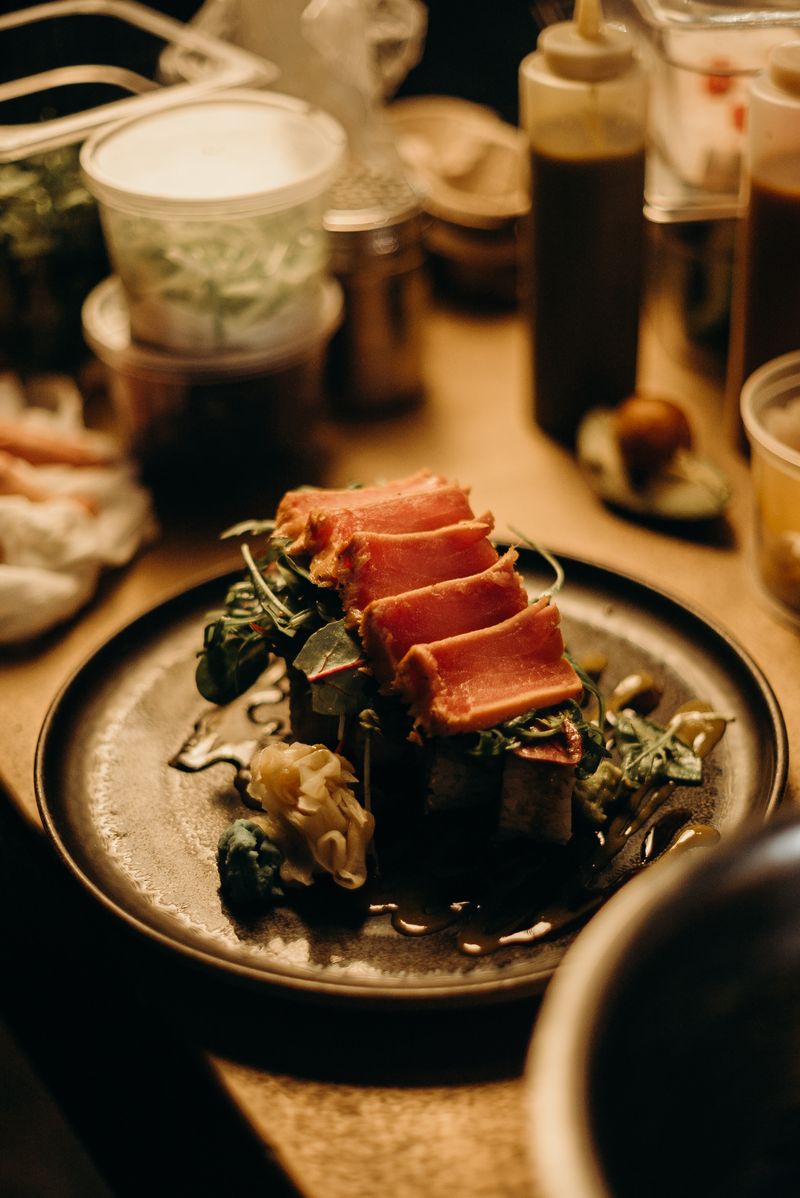
<a href="https://hirome.co.jp/" target="_blank" rel="noopener" class="text-blue-600 dark:text-blue-400 hover:underline">Hirome Market</a> in central Kochi is a covered food hall with shared bench seating, multiple katsuo stalls, standing drinking counters, and a social atmosphere that operates from morning until late evening. Order at a katsuo stall — the warayaki (straw-smoking) is often done in view — bring the plate to a shared table, pour sake or shochu into a small glass, and eat standing or perched. The bonito loin is seared on all four sides at high heat for approximately 10 seconds per side over burning rice straw; the interior stays raw, the surface chars. Add sliced raw garlic (not ginger — that is the Kochi version) and spring onion, dress with ponzu.
The Shimanto River's upper section near Nishitosa offers the most dramatic undeveloped landscape — narrow gorge, forested banks, and the characteristic "sinking bridges" (chinkabashi) that submerge during floods rather than obstructing water flow. <a href="https://shimanto-kankou.com/" target="_blank" rel="noopener" class="text-blue-600 dark:text-blue-400 hover:underline">Shimanto River tourism</a> provides canoe rental and guided trips from multiple access points. The lower section near Shimanto city is wider and calmer — suitable for beginners. The river is best in late spring and autumn when water levels are stable.
Kochi's Sunday Market (Nichiyo-ichi) has operated on the Otesuji boulevard every Sunday for over 300 years. It begins at around 6am and winds down by noon. Over 350 vendors sell vegetables, fish, tools, plants, antiques, and prepared food — this is a genuine farm and fishing market, not a tourist craft fair. Come early for the warayaki katsuo vendors who set up near the castle end. The market runs the full length of the boulevard from Kochi Castle to the river.
The <a href="https://yosakoi.com/" target="_blank" rel="noopener" class="text-blue-600 dark:text-blue-400 hover:underline">Kochi Yosakoi Festival</a> (August 9-12 each year) fills the city's major streets and squares with 200+ competing teams of dancers performing coordinated routines to electronic-amplified music while wielding naruko (wooden clappers). Teams range from local neighbourhood groups to corporate sponsors and university clubs from across Japan. The atmosphere is not the quiet formality of traditional Japanese festival — it is loud, physical, and competitive. Viewing stands and free street viewing positions are both available; city accommodation books out months in advance.
Daily Life in Kochi
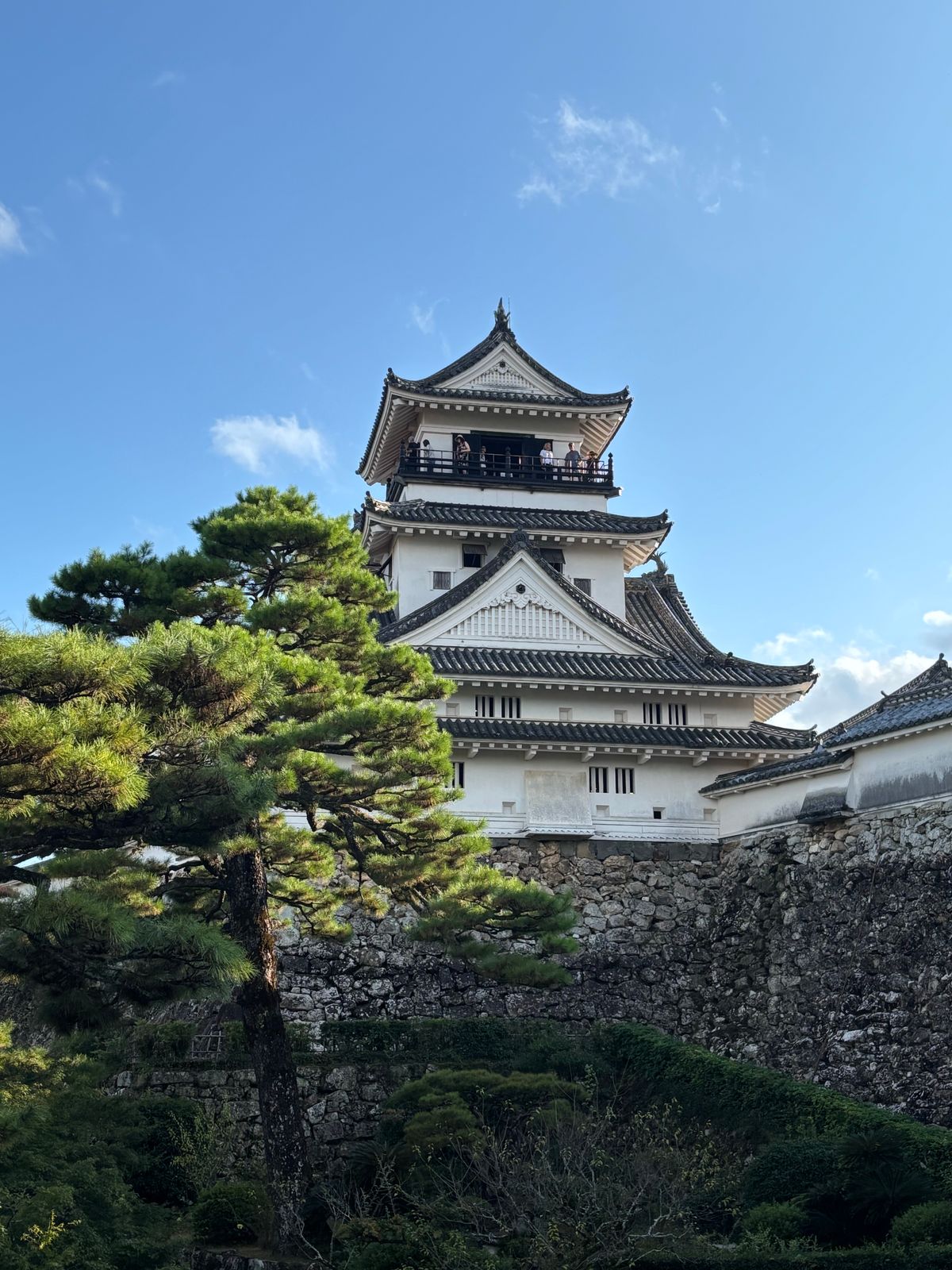
Kochi city's daily rhythm is shaped by its covered arcade (Obiyamachi, one of Shikoku's longest), the Sunday Market on Otesuji boulevard (operating every Sunday for 300 years), and Hirome Market as the social heart. The tram network covers the main urban corridors; the castle and its surrounding park are walkable from the central shopping area. The city has the relaxed pace of a Japanese provincial capital where people know each other — closer to Kanazawa in atmosphere than to Osaka.
Outside the city, Kochi operates at the rhythm of its rivers and coast. The Shimanto valley towns — Shimanto city, Towa-cho, Nishitosa — are small, car-dependent, and organized around agricultural and river economies. The coastal towns from Tosa Bay east to Muroto are fishing communities with seasonal whale watching, surfing (Pacific swell hits the cape towns consistently), and the pilgrimage route that crosses all of them. Life here is genuinely rural by most standards — a selling point for buyers who want space, and an honest warning for those who need urban amenities daily.
The prefecture's decline in population (Kochi has lost nearly 200,000 residents since 1980) has created a large akiya stock in rural areas and a municipality system that actively recruits migrants with subsidized renovation programs and settlement support. The challenge is not finding affordable property — it is the infrastructure reality of a region where school consolidations, hospital closures, and bus service cuts have followed the population.
Food and Drink
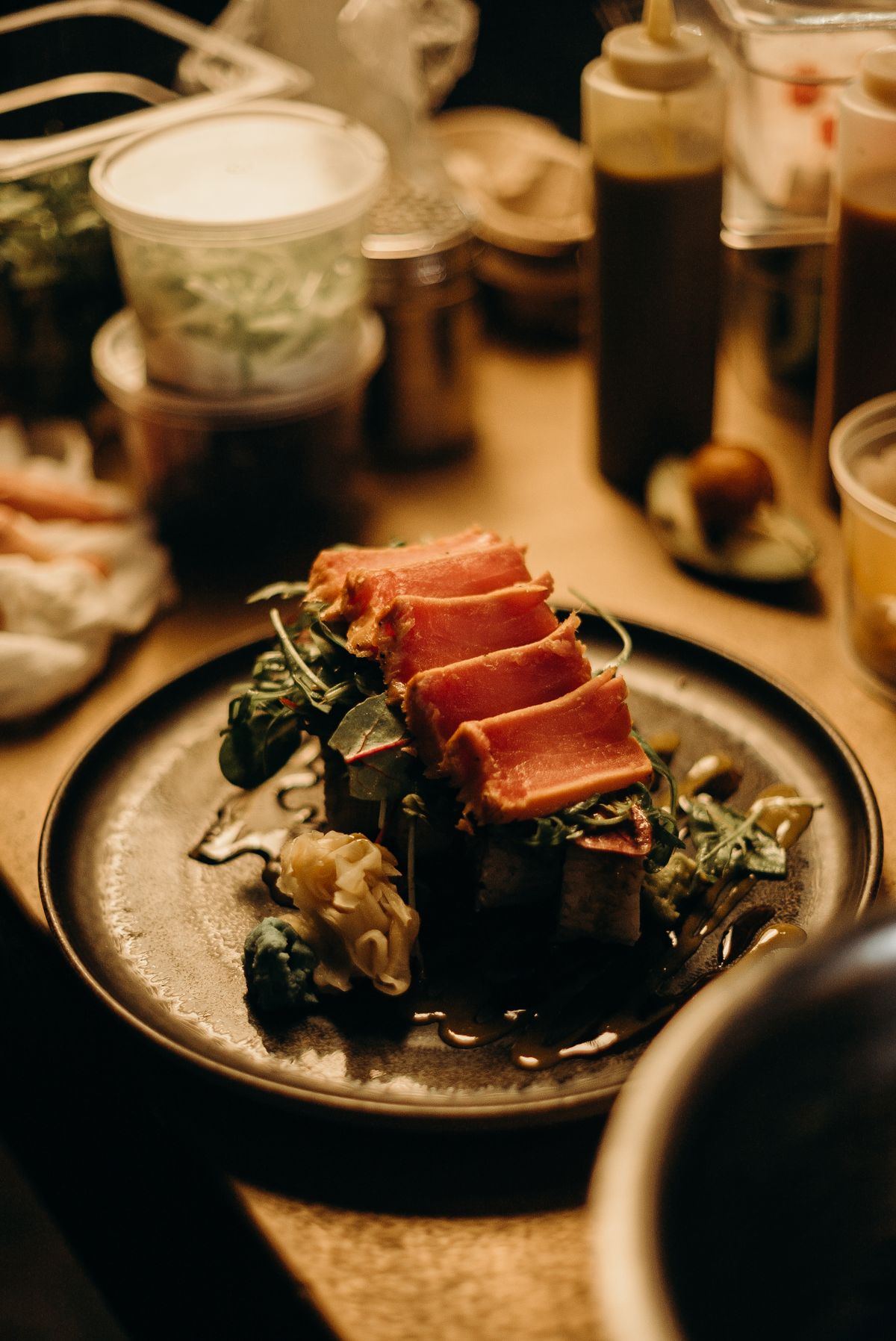
Katsuo no tataki is the definitive dish — bonito loins flame-charred over burning rice straw at temperatures that blister the surface in under a minute while leaving the interior raw. The straw (wara) produces a specific smoke that no other fuel replicates; the charred exterior, the smoke flavor, and the raw core are the three textures eaten simultaneously. The garnish in Kochi is raw sliced garlic and spring onion with ponzu (yuzu citrus and soy) — not ginger, which is the Tokyo version. At Hirome Market, the katsuo stalls operate from morning, with the straw fires visible from across the hall.
Kochi's drinking culture is one of the most specific in Japan. The prefecture has the highest per-capita sake consumption in Japan and a parallel shochu culture. Kochi-style drinking involves "okiagari" sessions — rounds where the host pours for all guests before the glass can be set down. The local term is "bekku" — a shallow lacquer cup used for formal sake rounds at izakaya. The coastal shochu from Tosa Shuzo has won international awards. Tosa Sake (Japanese) maps the prefecture's breweries.
Ayu (sweetfish) from the Shimanto River are a seasonal specialty from May to October — grilled on salt sticks at riverside restaurants, their flesh sweet from feeding on algae in unpolluted water. Tosa wagyu beef (raised in Kochi's mountain valleys) is nationally recognized. Yuzu citrus grown in the Umaji and Kitagawa valleys is processed into juice, ponzu, and citrus products that appear in virtually every Kochi dish. Umaji Village's yuzu juice cooperative (Umaji Village) ships nationally and exports internationally.
Culture and Events
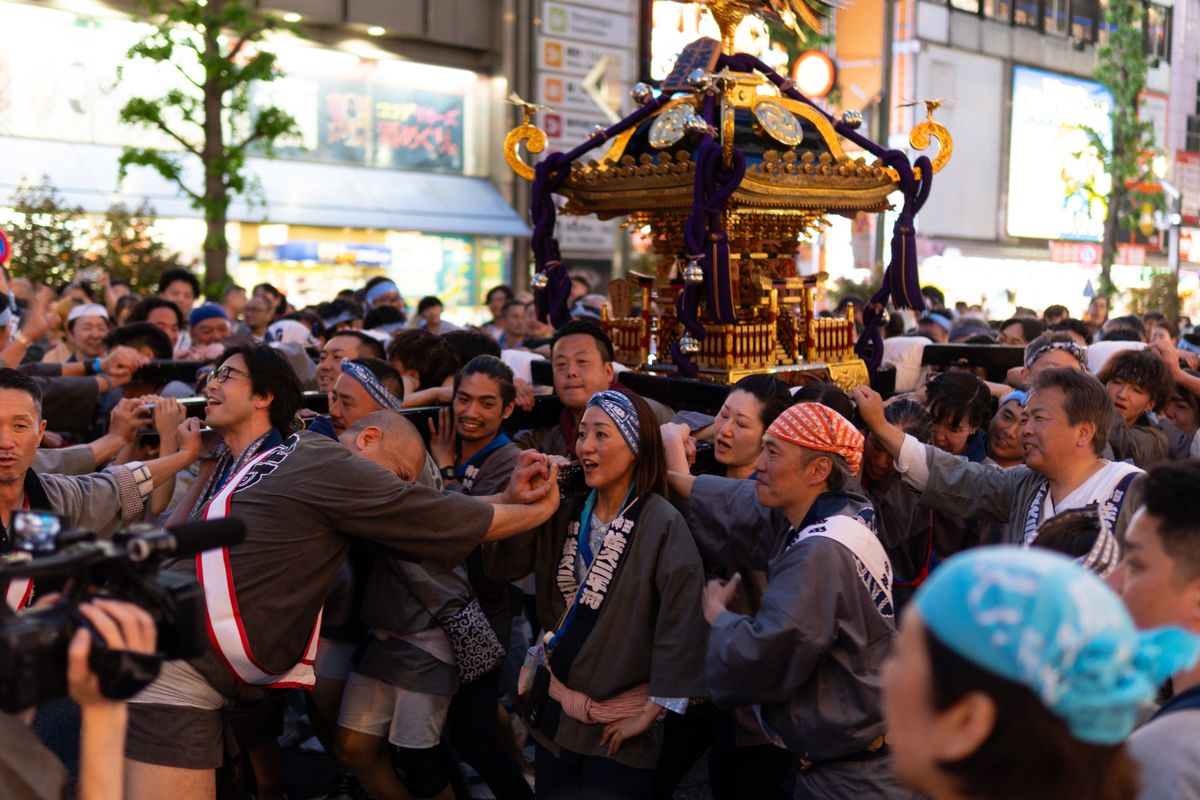
The Kochi Yosakoi Festival (August 9-12) is one of Japan's most physically dynamic festivals — competing teams of 200+ dancers perform synchronized routines to amplified music while waving naruko (wooden clappers) along designated streets and squares. The Yosakoi format, invented in Kochi in 1954, has since been adopted by festivals across Japan (the Sapporo YOSAKOI Soran is modeled on it); the original Kochi version remains the most competitive and the most serious. Over 200 teams from across Japan register; judging criteria include music arrangement, costume design, and group coordination. The final evening's parade on Otesuji boulevard draws the largest crowds.
Ryoma Sakamoto's legacy is woven into Kochi city's physical fabric — the Ryoma Memorial Museum in Katsurahama, the Ryoma statue on the beach, the reconstructed Kaientai maritime trading company building downtown, and the Tosa Domain Archive at Kochi Castle. Sakamoto's actual achievement — the 1866 Satsuma-Choshu Alliance that made the Meiji Restoration possible — involved secret negotiations between rival feudal domains that had been in formal hostility for years. He was 30 years old when assassinated. His image appears on Kochi products, street signage, and local sake labels with a consistency that makes him the prefecture's de facto brand ambassador 160 years after his death.
Tosa Inu sumo — ritual matches between the massive Tosa fighting dogs bred for ceremonial sumo — are held at the Tosa Token Center in Kochi city on a regular schedule. The Tosa breed was developed from 19th-century crossings between the native Shikoku dog and European mastiffs and bulldogs; the animals can weigh over 60kg. Matches follow sumo rules, with formal ceremony and a referee.
Weekends and the Outdoors
The Shimanto River is the primary outdoor destination. The river valley is accessible by car from Kochi city in about 90 minutes (to Shimanto city) or 2–2.5 hours to the upper sections at Nishitosa. The activity is primarily canoeing, camping, and fishing (ayu season May–October, tenaga shrimp in clear mountain tributaries year-round). The riverside chinkabashi (sinking bridges) are physical evidence of the river's unmanaged character — when water rises, the bridges disappear rather than creating dams. The full river valley drive from Nishitosa to the estuary at Tosa Shimizu covers some of the most undeveloped landscape in Japan.
Muroto Geopark is an accessible day trip by car (2 hours east of Kochi city). The cape's coastline is formed by ancient ocean floor uplifted by the Nankai Trough seismic activity — the angular basalt formations at sea level are walkable on a coastal path. Whale watching boats (sperm whales year-round, humpbacks in winter) operate from Muroto Port; the deep water off the cape is part of the Kuroshio Current trajectory that makes it one of Japan's most reliable whale watching locations.
Katsurahama Beach (15 minutes south of Kochi city) is the starting point for the Tosa coastline — black sand, Pacific surf, and the Ryoma statue facing the sea. The beach is not swimmable (rip currents) but the surrounding cliffs, the Tosa fighting dog arena at the Tosa Token Center above, and the aquarium make it a half-day destination from the city. The sunset from the headland south of the beach is one of the better views in the prefecture.
Three Days In Kochi
A simple first-trip route
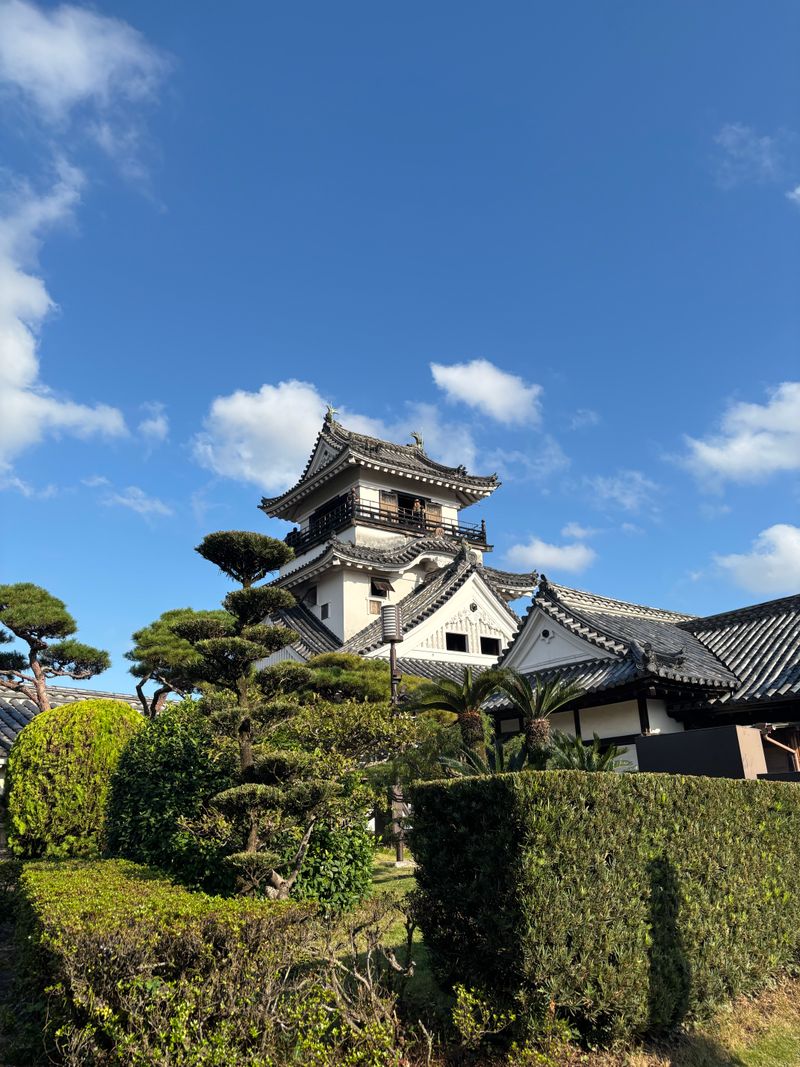
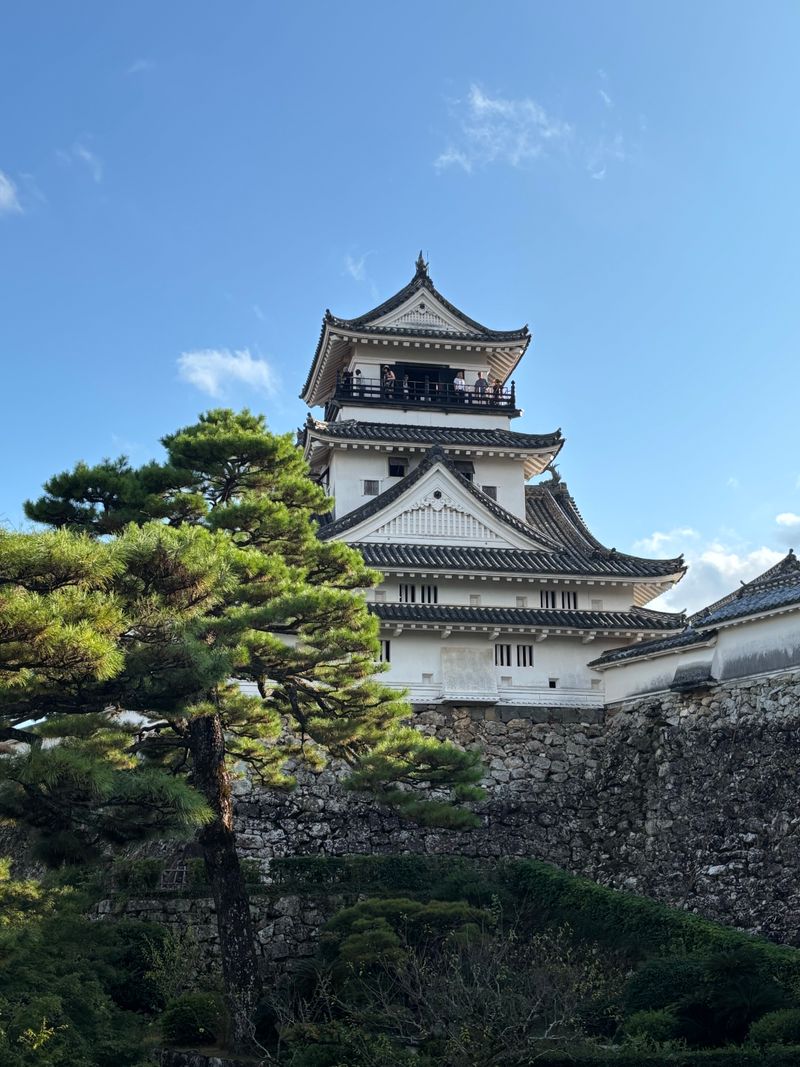
Fly or take the limited express from Takamatsu (2h15) into Kochi. Morning: walk up to Kochi Castle — one of twelve original Edo-period keeps, the only one to retain its entire honmaru (main citadel) complex intact. The castle's outer walls and the inner keep have survived all subsequent fires and wartime bombing. Afternoon: Kochi Sunday Market if visiting on Sunday (6am–noon along Otesuji boulevard), or the Kochi Prefectural Makino Botanical Garden (named for Tomitaro Makino, the self-taught botanist who classified 1,500 new Japanese plant species). Evening: Hirome Market for katsuo no tataki and local sake.
Drive or take the Shimanto Toson bus west from Kochi (about 2 hours to Shimanto city). The Shimanto River's characteristic low-water sinking bridges (chinkabashi) are concentrated in the upper valley — wooden structures set flush with the river level to submerge rather than dam flood water. Iwama Bridge and Kaji Bridge are both driveable; Nagatani Bridge at Nishitosa requires a 15-minute walk. Canoe rental at Shimanto city or Towa-cho gives 2–4 hour river sections. Return via the riverside Route 381, with views of uninterrupted river bends and forested slopes down to the water.
Drive or take the Tosa Kuroshio Railway and bus east to Cape Muroto (about 2 hours from Kochi). The Muroto Geopark coastline is formed by ancient ocean floor uplifted by tectonic movement — the distinctive angular rock formations along the foreshore are at sea level and walkable. The cape's deep waters attract sperm whales year-round; whale watching boats (November–April peak season) operate from Muroto port. The cape temple — Hotsumisaki-ji, temple 24 on the 88-pilgrimage — marks the site where Kukai (founder of Shingon Buddhism) achieved enlightenment in the 9th century.