
Ancient Capital, 1,600 Temples, and Japan's Most Complete Traditional Culture
Living in Kyoto
Japan's imperial capital for 1,074 years, with 17 UNESCO World Heritage Sites, a food culture ranked among the world's finest, and a property market that has shifted dramatically as the city's quality of life becomes globally understood.
Why People Choose Kyoto
Kyoto is the city where Japan's traditional culture survived intact. As capital from 794 to 1868, it accumulated 1,600 Buddhist temples, 400 Shinto shrines, 17 UNESCO World Heritage Sites, and an unbroken lineage of craft traditions — Nishijin textile weaving, Kiyomizu ceramics, Kyoto lacquerware, gold leaf gilding — that have been practised in the same neighbourhoods for centuries. When Japan modernised in the Meiji period and moved the capital to Tokyo, Kyoto's position as the cultural and ceremonial centre was maintained rather than diluted.
The practical case has strengthened in the past decade. Kyoto is 13 minutes from Osaka by Nozomi Shinkansen and 2h15 from Tokyo — close enough to both economic centres to work from, far enough to feel like a different world. The city's residential wards (Sakyo-ku, Ukyo-ku, Fushimi-ku) operate at a scale and pace that contrast sharply with the tourist core. Properties in these areas allow daily life within walking distance of temple gardens and mountain trails, with Osaka's full urban services 13 minutes away.
The property market has shifted significantly since 2018, when international awareness of Kyoto's livability reached a tipping point. Kyomachiya (traditional merchant townhouses) that required demolition-consideration 10 years ago now sell at renovation premium. North Kyoto villages — Ohara, Kurama, Kibune — have attracted buyers who want the mountain access and temple atmosphere while remaining within 30 minutes of the city. The window for acquiring these at pre-discovery prices is narrowing.
Kyoto is a genuinely liveable city that also receives 50 million tourists annually. The tourist pressure concentrates in Arashiyama, Fushimi Inari, and Higashiyama — the residential wards (Sakyo, Ukyo, Fushimi, Nishikyo) operate at a completely different pace and mostly without foreign visitors.
Nozomi Shinkansen to Tokyo in 2h15, Osaka in 13 minutes, Hiroshima in 58 min. Kyoto Subway (two lines, the Karasuma and Tozai). City bus network covers temple districts. Bicycle is the most practical daily transport — the central grid is flat, many neighbourhoods are bike-accessible, and cycling in northern Kyoto's lanes is unlike anywhere else in urban Japan.
Central Kyoto apartments ¥8M–¥20M. Higashiyama and Gion area ¥15M–¥50M+. Kyomachiya (traditional townhouses) ¥5M–¥30M depending on condition and location. North Kyoto (Ohara, Kurama, Kibune) ¥2M–¥8M for rural properties. Fushimi-ku and Nishikyo-ku residential areas ¥6M–¥15M. Prices have risen significantly since 2020 as international awareness of Kyoto's livability increased.
Nakagyo-ku and Shimogyo-ku: the commercial core, Nishiki Market, the covered Teramachi and Shinkyogoku arcades, Kyoto Station, and the most urban concentration the city offers.
The hillside temple district: Kiyomizu-dera, Yasaka Shrine, the Hanamachi where geiko and maiko still work, and the stone-paved Ninen-zaka and Sannen-zaka lanes. Residential properties here are expensive and often machiya townhouses in need of renovation.
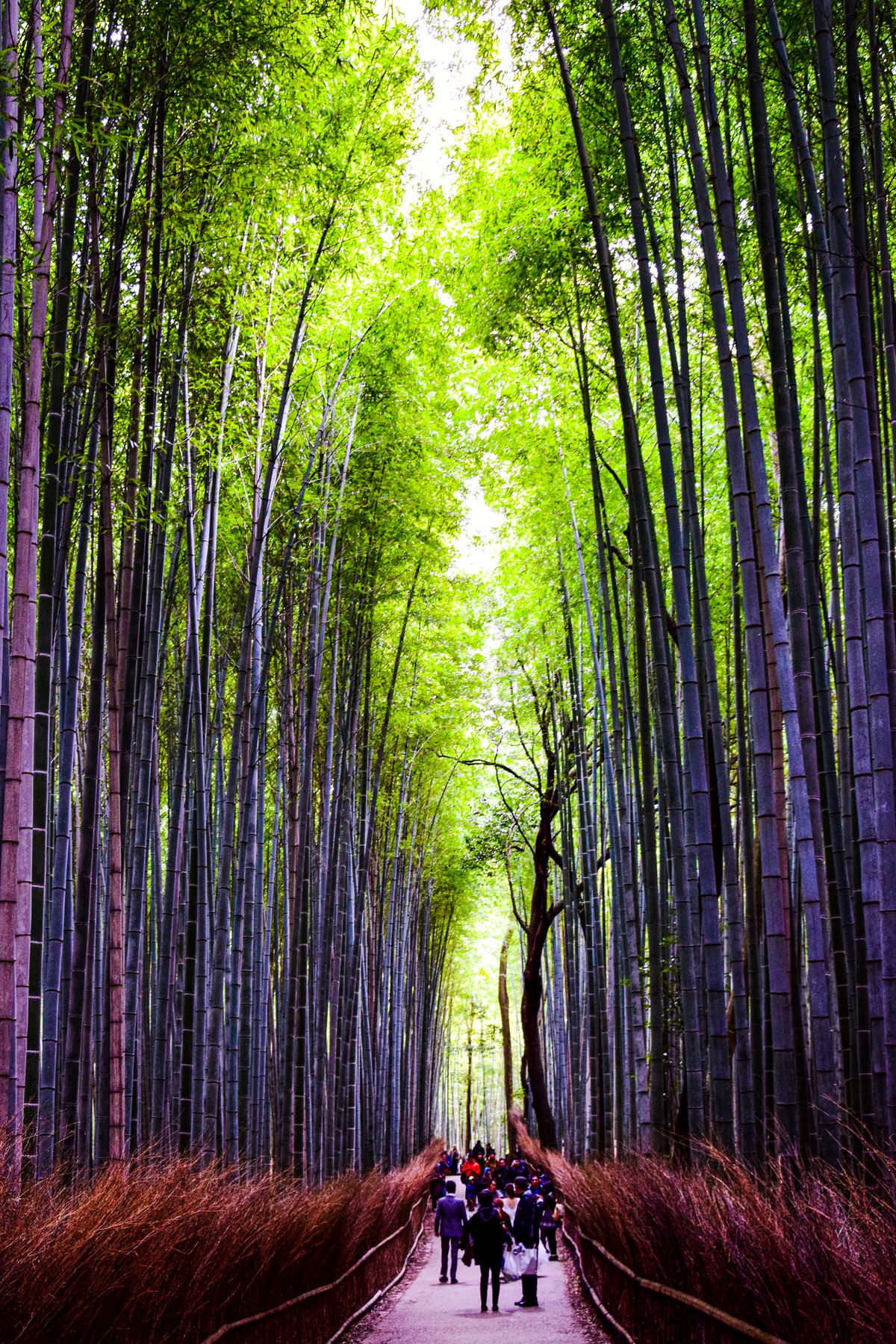
The western mountains: bamboo grove, Tenryu-ji, the Oi River, and a quieter residential zone behind the tourist core that is increasingly sought after for its proximity to both nature and the city.
The mountain villages north of the city: temple complexes in forested valleys, river dining in summer, Kibune shrine in winter snow, and properties that function as rural retreats within 30 minutes of central Kyoto.
Where To Start
Four ways to start in Kyoto
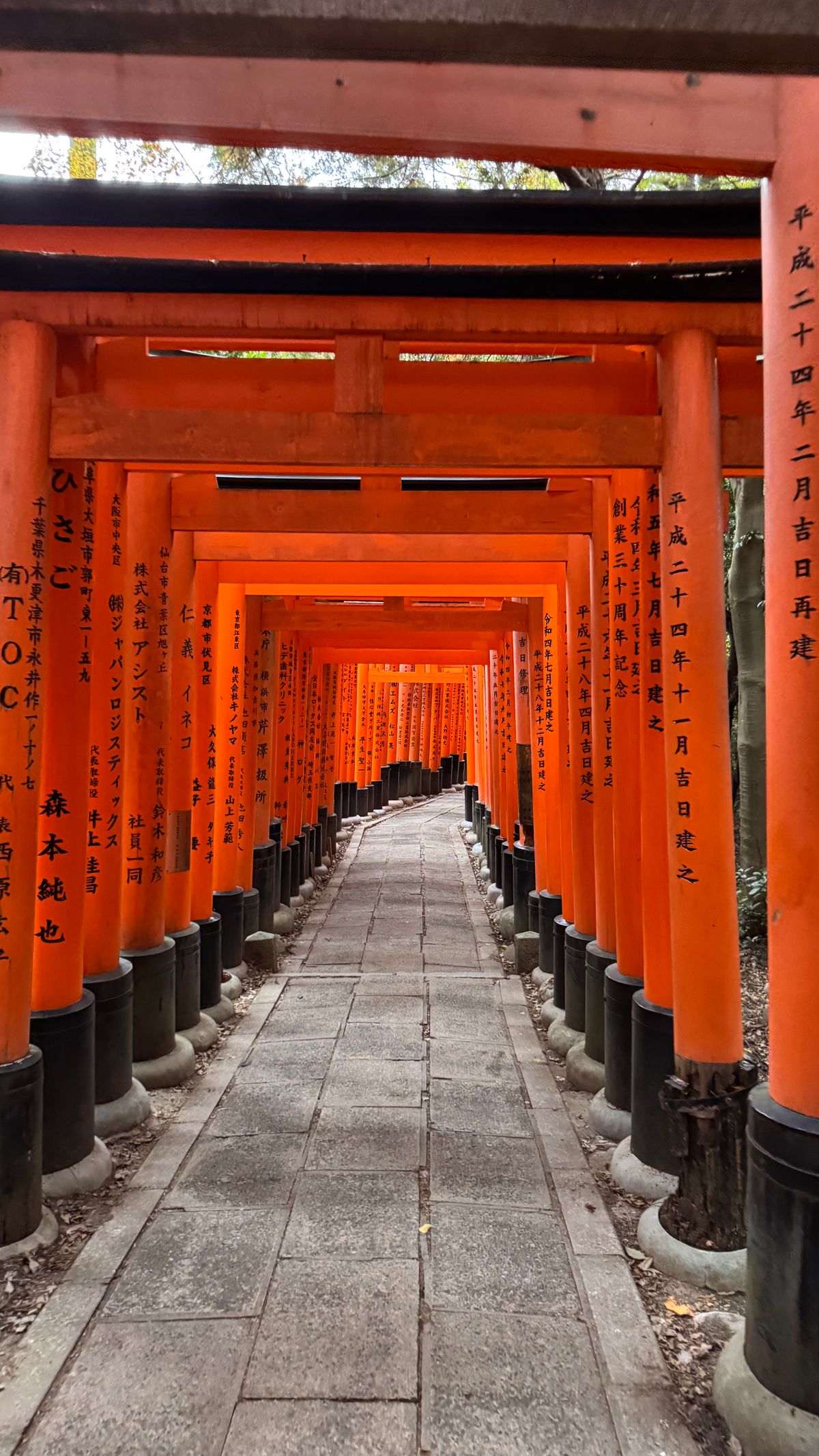
The tunnel of 10,000 torii gates at Fushimi Inari is one of Japan's most photographed places — and genuinely extraordinary at dawn when it is almost empty. The path to the summit (Inari-san, 233m) takes 2-3 hours and passes smaller shrines and mountain viewpoints that the daytime crowds never reach.
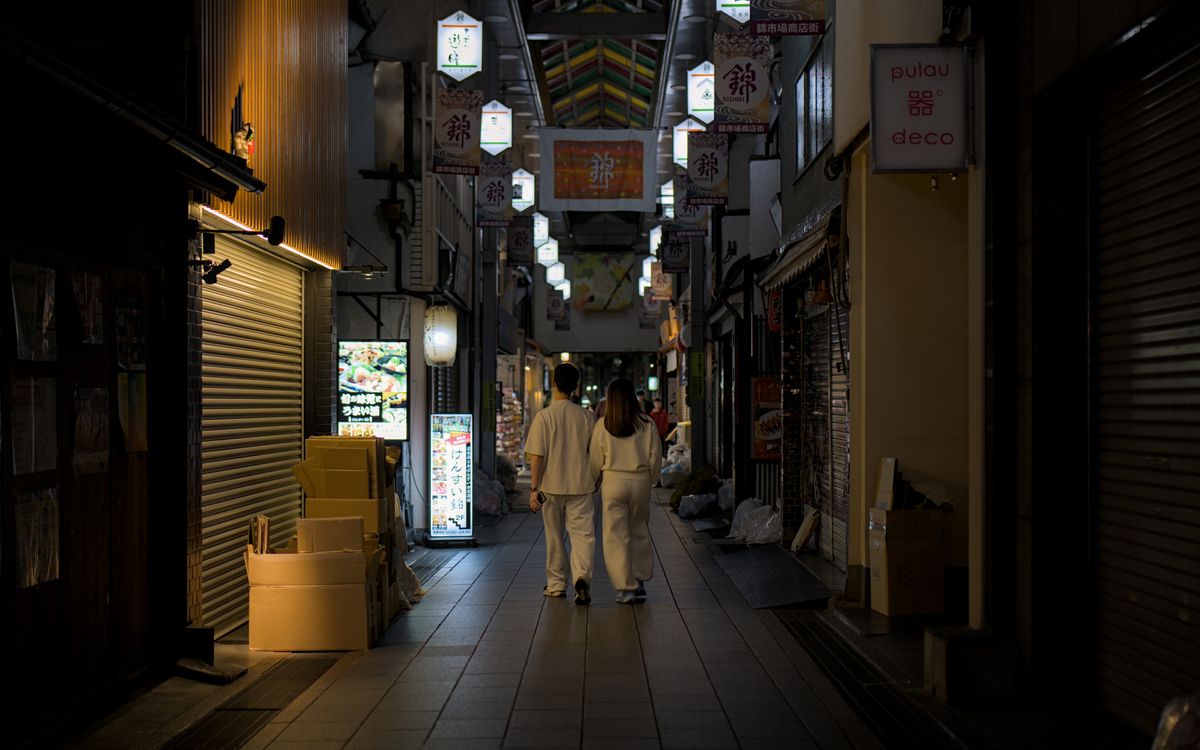
The five-block covered market west of Teramachi Street is Kyoto's provisioning ground — pickled vegetables, fresh tofu, Kyoto vegetables (kyo-yasai), grilled skewers, and the full range of ingredients that support the restaurant culture. Arrives at 10am when the stalls open; leaves by noon before the tourist surge.
Rent a bicycle from Kyoto Station and cycle the 6km to Arashiyama. Walk the bamboo grove at 8am before the buses arrive. Continue into Sagano on the lanes between the bamboo stands, past temple walls and rice fields that persist improbably within the city boundary.
Kyoto ryōri at its formal level — kaiseki — requires reservation and patience, but a dinner at a restaurant in the Kiyamachi, Muromachi, or Nakagyo area for ¥10,000–¥20,000 per person is the best way to understand why the city's cuisine is discussed differently from the rest of Japan. The seasonal ingredient logic is rigorous and the technique is accumulated across centuries.
Daily Life in Kyoto
Kyoto's 1.4 million residents live mostly in the residential wards that bracket the tourist core. Sakyo-ku north of the city center has university districts, craft workshops, and lanes that transition between urban and forested within a few minutes' walk. Ukyo-ku to the west has the Arashiyama base and quieter residential character. Fushimi-ku to the south has the sake brewing district and a working-city atmosphere at significantly lower prices than central Kyoto. The tourist city and the residential city coexist with surprising separation — Higashiyama and Arashiyama draw the crowds; Kinrin-cho and Yojohan and Fushimi see almost none.
The bicycle is the city's essential tool. The central grid is flat and well-marked for cycling; the Kamo River path runs north-south through the city without traffic. Cycling into the residential quarters north of the city center — past temple walls, ryokan gates, and neighbourhood shops that have been in the same family for generations — is the experience of Kyoto that the guided bus tours cannot provide. The city's public transport (two subway lines and an extensive bus network) covers the tourist sites; the bicycle covers everything else.
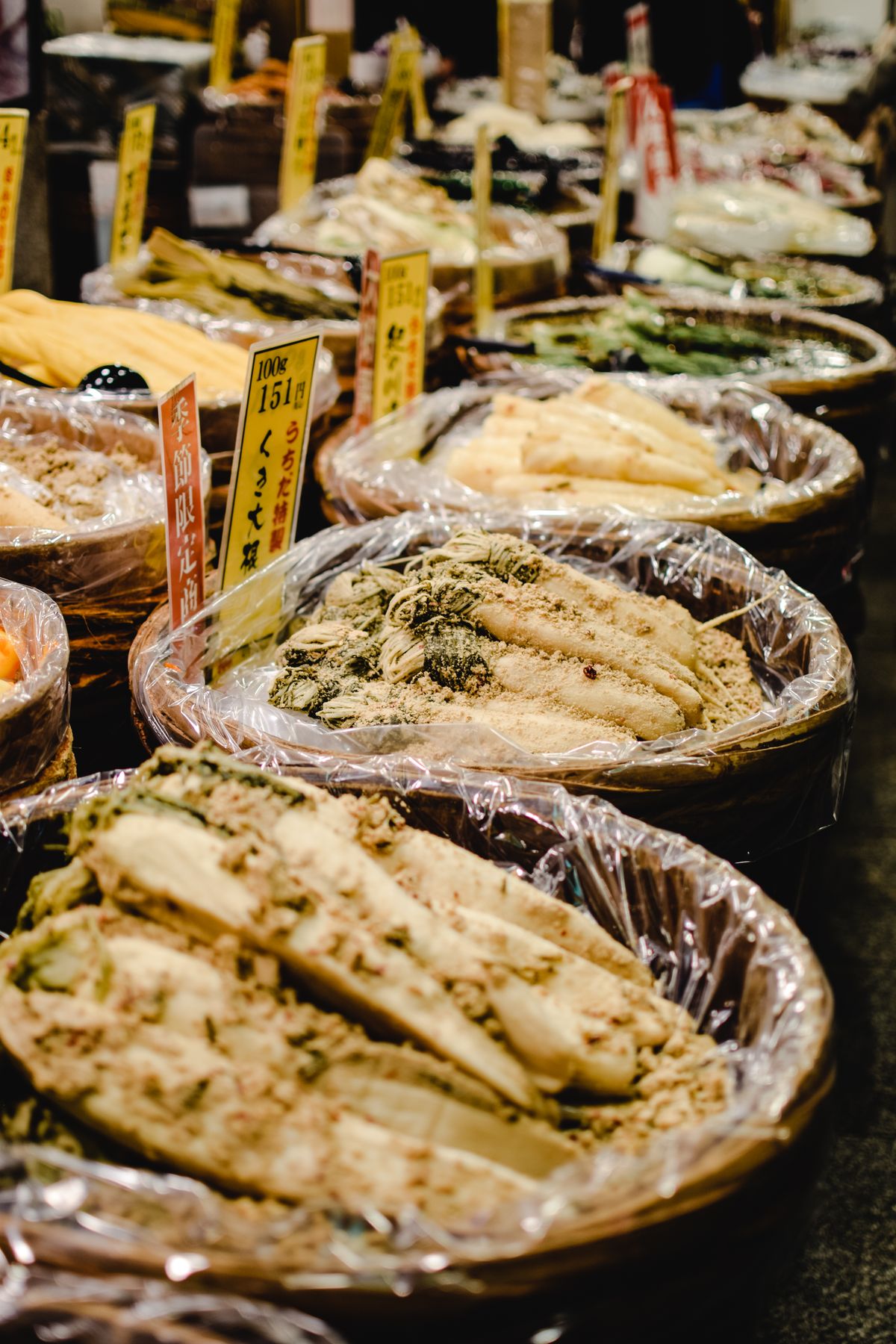
Nishiki Market, the 400-year-old covered food market running five blocks west of Teramachi Street, is the physical expression of how Kyoto eats. Fresh tofu, pickled vegetables in every combination, fu (wheat gluten cake), grilled river fish, yuba (tofu skin), and the seasonal kyo-yasai vegetables that define Kyoto cuisine are all here. Restaurants in the city source from Nishiki — for residents, it becomes the natural provisioning ground for ingredients available nowhere else in the country.
Food and Drink
Kyoto cuisine (Kyoryori) has been organised around three constraints that became its defining character: limited access to fresh seafood (the city is landlocked), proximity to the finest mountain vegetables, tofu, and fermented ingredients, and a Buddhist temple culture that developed refined vegetarian cooking (shojin ryori) over centuries. The result is a cuisine that is restrained in technique, seasonal to a degree that surprises visitors, and dependent on ingredient quality rather than complexity of preparation.
Kaiseki is the formal expression — a multi-course progression built around the current season's vegetables, fish from the Inland Sea, and Kyoto-specific preparations, served in lacquerware and earthenware with a precision that reflects the tea ceremony aesthetics the cuisine evolved alongside. Accessible kaiseki is available for ¥10,000–¥20,000 per person at restaurants throughout the city; the highest expression (Kikunoi, Nakamura, and the machiya restaurants around Kiyamachi) requires months of advance booking.
Obanzai is the everyday version — small dishes of preserved, simmered, and pickled ingredients eaten with rice, served in the small restaurants and sake bars across the city. Nishiki Market sells the ingredients; the city's neighbourhood restaurants cook them. Yudofu (hot tofu in kombu broth, served with condiments) is the temple-district lunch — specifically at the Sagano and Arashiyama restaurants near Tenryu-ji, where it has been served in largely unchanged form since the 18th century. Matcha — Kyoto is the centre of Japan's premium green tea culture, with Uji (30 minutes south) producing the benchmark grade — appears at every level from street-corner soft serve to the tea ceremony houses of Urasenke and Omotesenke.
Culture and Events
Kyoto's cultural calendar is anchored by three great matsuri. The Gion Festival (July) has run continuously since 869 — the yamaboko float processions through central Kyoto on July 17 and 24 are preceded by weeks of neighbourhood celebrations, each float maintained by the family associations that have owned them for centuries. The Aoi Matsuri (May) sends a procession in Heian court dress from the Imperial Palace to Kamigamo and Shimogamo shrines. The Jidai Matsuri (October) recreates 1,000 years of Kyoto history in a costumed procession from the Imperial Palace to Heian Shrine.
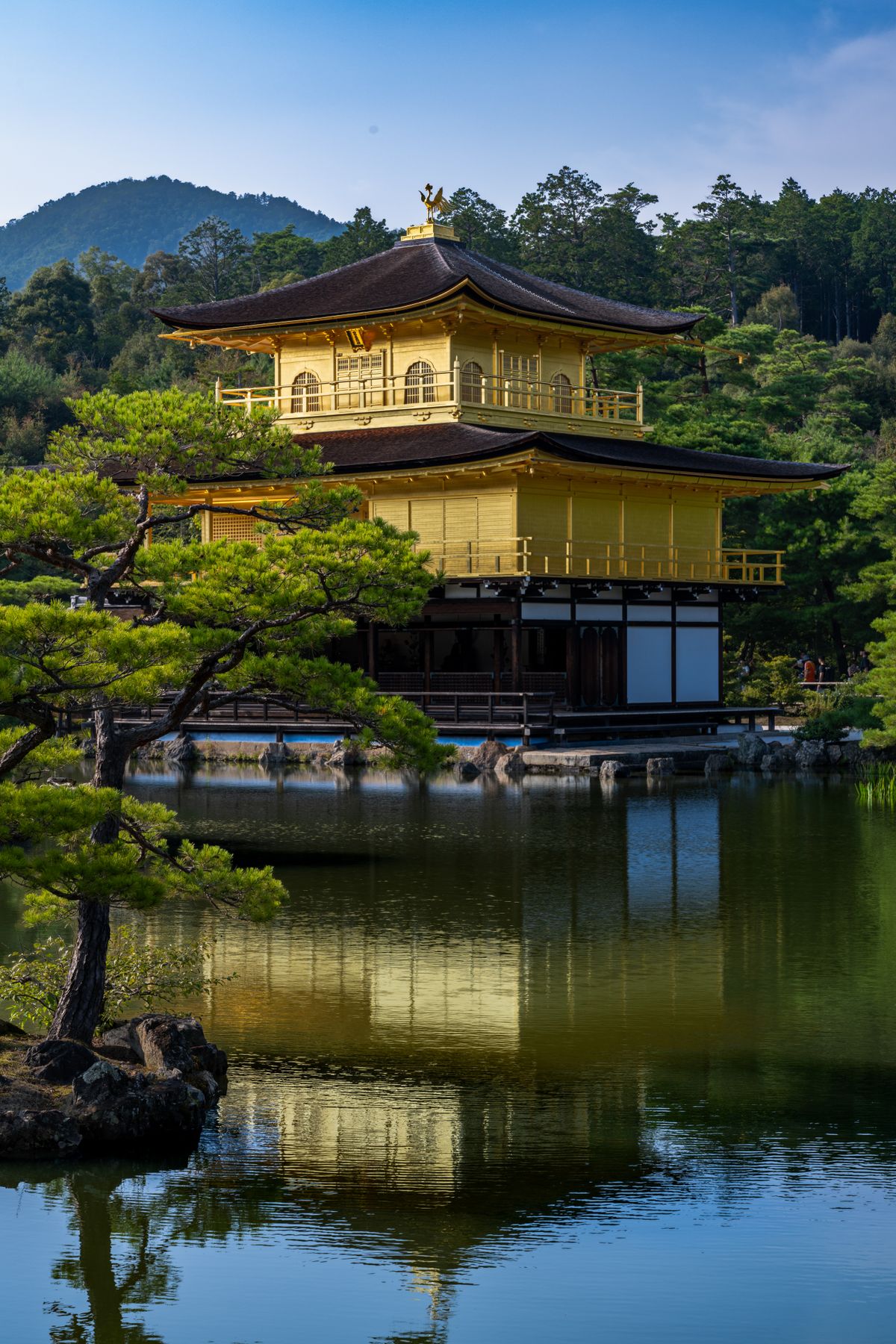
Kinkaku-ji (the Golden Pavilion, rebuilt 1955) and Ryōan-ji (the rock garden, 15 stones arranged so that one is always hidden from any single viewpoint) represent the Zen aesthetic at its most refined — and most visited. The autumn koyo (leaf turning) season in November brings Kyoto to its visual peak; Eikan-do, Tofuku-ji, and Rurikoin are the specialist autumn destinations that require some planning but avoid the worst crowds of the main temples. Gion Hanamachi, the geisha district centred on Gion Shinbashi, is best approached as a neighbourhood rather than a performance — the most satisfying encounters happen by chance, walking the stone-paved lanes in the early evening.
Weekends and Escapes
The mountains to the north and west of the city provide the weekend escapes that Kyoto residents use most. Kurama and Kibune (30 min by Eizan Railway from Demachiyanagi) have a mountain temple on the approach to Kurama, a connecting forest trail to Kibune Shrine, and in summer a string of kawadoko platform restaurants suspended over the Kibune River serving grilled fish and cold noodles — a distinctly Kyoto summer experience. Ohara (an hour by bus from central Kyoto) holds Sanzen-in temple in a valley that functions as a kind of concentrated Kyoto aesthetic — moss gardens, thatched gates, autumn colours, and a village market selling local mountain vegetables.
Uji (30 min south by JR) is Japan's matcha capital — the Uji River and the hillside tea plantation estates produce the benchmark grade used in formal tea ceremony. The Byodoin phoenix temple (depicted on the 10 yen coin) sits at the river's edge. Further afield, Nara is 45 minutes by Kintetsu from Kyoto — Todai-ji's great bronze Buddha, Kasuga Taisha shrine in the cedar forest, and Nara Park's freely roaming deer are all within the most walkable day trip from any Japanese city.