
Art Islands, Historic Canal Towns, and Japan's Sunniest Coast
Living in Okayama
A Sanyo Shinkansen city with a Korakuen garden, a black castle, and ferry access to one of Japan's great contemporary art destinations — all in one of the country's least expensive prefectures.
Why People Choose Okayama
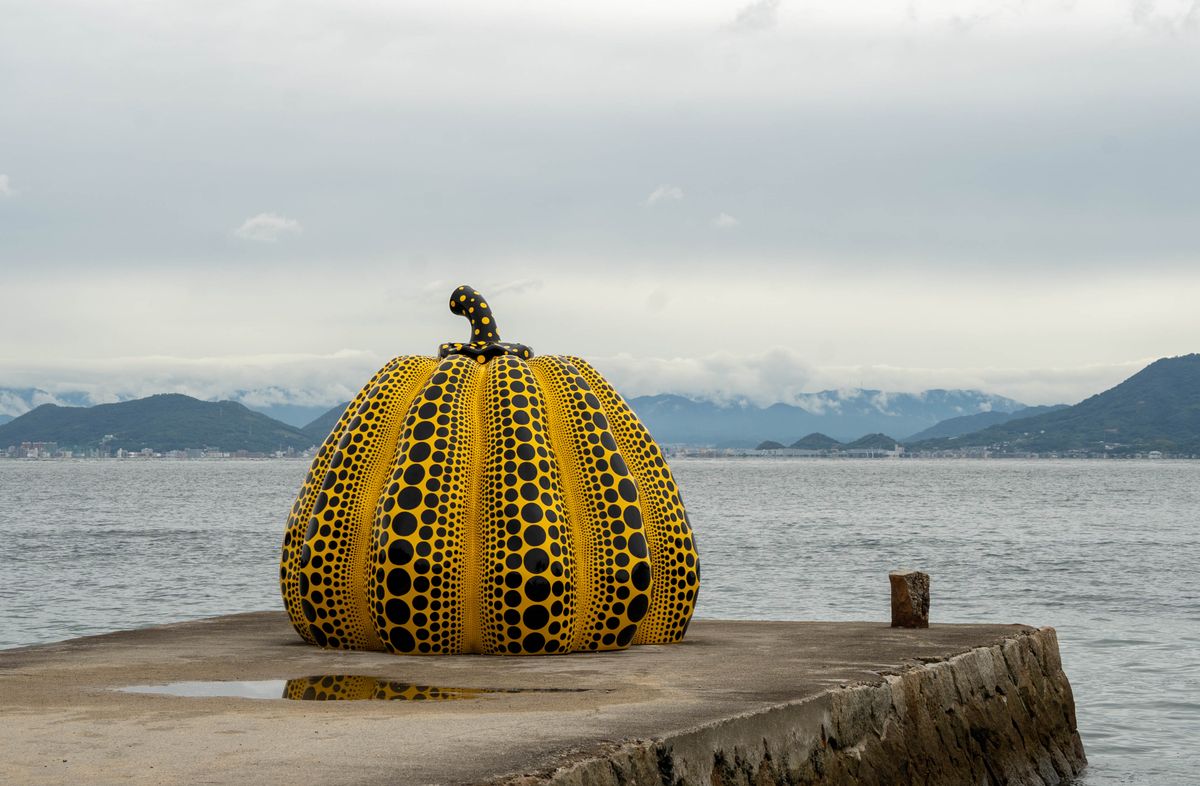
Okayama is one of those Japanese prefectures that consistently surprises people who move here — not because it is dramatic, but because it is genuinely easy. The Seto Inland Sea to the south provides the defining landscape and the best of the food culture: calm, island-scattered, mild in winter, and consistently clear. The prefecture holds one of Japan's three great classical gardens (Korakuen), a well-preserved merchant canal district in Kurashiki, and ferry access to Naoshima — a small island that attracts more serious international attention than most Japanese cities.
The practical case is equally strong. Okayama sits on the Sanyo Shinkansen corridor, putting Osaka 38 minutes away and Hiroshima 30 minutes in the other direction. The city itself is compact, flat, and walkable in ways that larger Sanyo cities (Kobe, Hiroshima) are not. Property prices have not responded to the quality of life proposition — central Okayama city is significantly cheaper than comparable Kobe or Kyoto, and the prefecture's rural inventory is among the most undervalued in western Honshu.
The title "Sunshine Prefecture" is statistically earned: Okayama records more clear days per year than almost any other Japanese prefecture. Snow is rare on the coast. The combination of mild climate, urban practicality, and a weekend destination on the level of Naoshima makes this one of the most coherent lifestyle propositions in western Japan.
Okayama city is compact, transit-connected, and genuinely liveable. Kurashiki, 15 minutes by JR, has a split personality — tourist canal district on one side, working city on the other. Outside both cities, the prefecture thins quickly into rice-growing countryside.
Sanyo Shinkansen: Osaka 38 min, Hiroshima 30 min, Tokyo 3h40. Ferry to Naoshima from Uno Port (20 min). A car expands the prefecture considerably — the Kibi Plain, the Hiroshima border, and the mountain areas are all accessible but not urban.
Okayama city apartments ¥3M–¥12M. Kurashiki houses ¥4M–¥15M depending on proximity to the canal. Rural akiya across the prefecture ¥500K–¥3M. Coastal Setouchi town properties ¥1M–¥5M. One of the strongest value cases in western Honshu.
The practical base: Korakuen garden, the black Crow Castle, covered shotengai arcades, and everyday infrastructure at a fraction of Osaka or Hiroshima prices.
The historic city 15 minutes west: canal district, the Ohara Museum of Art (Japan's first Western art museum, opened 1930), and a merchant-town character that the grid suburbs around it have preserved by accident.
Towns like Tamano and Asakuchi line the coast south of Okayama city, with sea views, mild winters, and ferry access to the outer islands — a very different proposition from the inland options.
The northern mountain belt: older houses, stronger akiya inventory, cooler summers, and local markets that have not yet been discovered by mainland buyers.
Where To Start
Four ways to start in Okayama
Start at Korakuen — one of Japan's three great classical gardens — before 9am when it is nearly empty. The combination of raked lawn, pond, teahouse, and the silhouette of Okayama Castle across the river is the best single scene in the prefecture.
The canal district is crowded at midday; arrive by 4pm and the light on the whitewashed kura storehouses shifts into something worth photographing. Walk past the tourist core into the residential streets behind — that is where everyday Kurashiki starts.
Drive or train to Uno Port and take the 20-minute ferry. Half a day gives you the Chichu Art Museum and a walk between Art House Project sites in Honmura village. A full day adds Benesse House and the Te's Café above the harbour.
The flat farmland west of Okayama city follows an ancient road through burial mounds and Kibitsu Shrine. Rent a bicycle from Kibi-Tsuyama station and ride the 15km path — the most underrated half-day trip in western Honshu.
Daily Life in Okayama
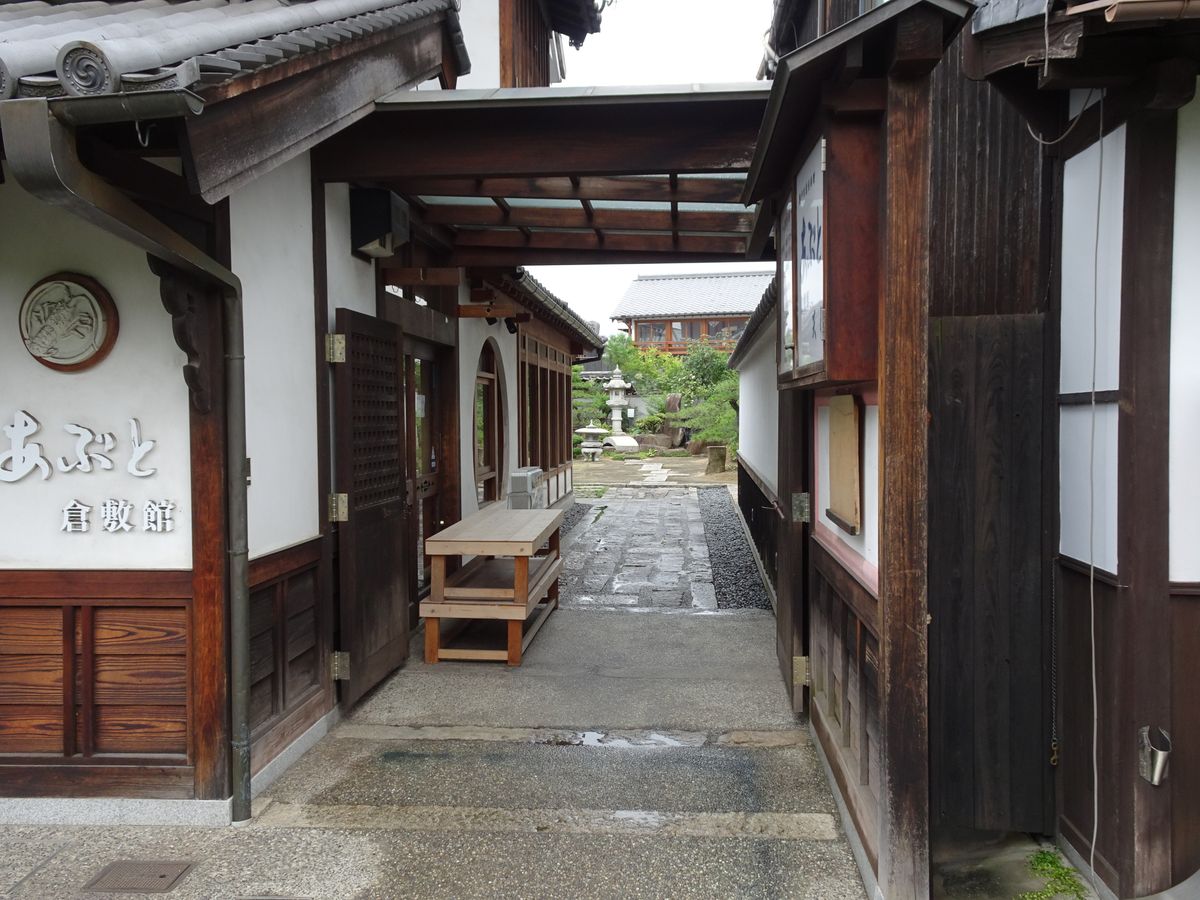
Okayama city runs on a compact grid anchored by the Omotecho and Ekimae covered shopping arcades — among the longest in western Japan, connecting the station to the castle area in a single unbroken covered walk. The city has a tram line, a castle in the central park, and a Shinkansen station that is genuinely central rather than marooned at the edge of town. Daily life here has a low-friction quality: everything needed exists, crowds are manageable, and the population — around 700,000 in the city proper — is large enough to have infrastructure but small enough to use it without queuing.
Kurashiki, 15 minutes west by JR, is a city of about 470,000 with a split personality. The Bikan historical quarter — whitewashed kura merchant storehouses along a willow-lined canal — is one of the most photographed scenes in western Japan, and on weekends it shows. Behind the tourist core, Kurashiki is a working industrial city with Mitsubishi Jukogyo plants, a container port, and residential neighbourhoods where prices drop sharply once you leave the preserved district. The Ohara Museum of Art, opened in 1930 and holding a serious Western art collection (El Greco, Monet, Renoir) inside a neoclassical building in the canal district, is an institution that deserves far more international attention than it gets.
Beyond the two cities, the prefecture offers real variety. The Setouchi coast towns — Tamano, Asakuchi, Kasaoka — have sea views, mild winters, and ferry connections to the outer islands. The Kibi Plain west of Okayama follows an ancient road through rice fields and burial mounds. The mountain belt north toward Tsuyama has older housing stock and a slower pace. Car ownership expands the prefecture properly; the JR network is useful but does not cover everything.
Food and Drink
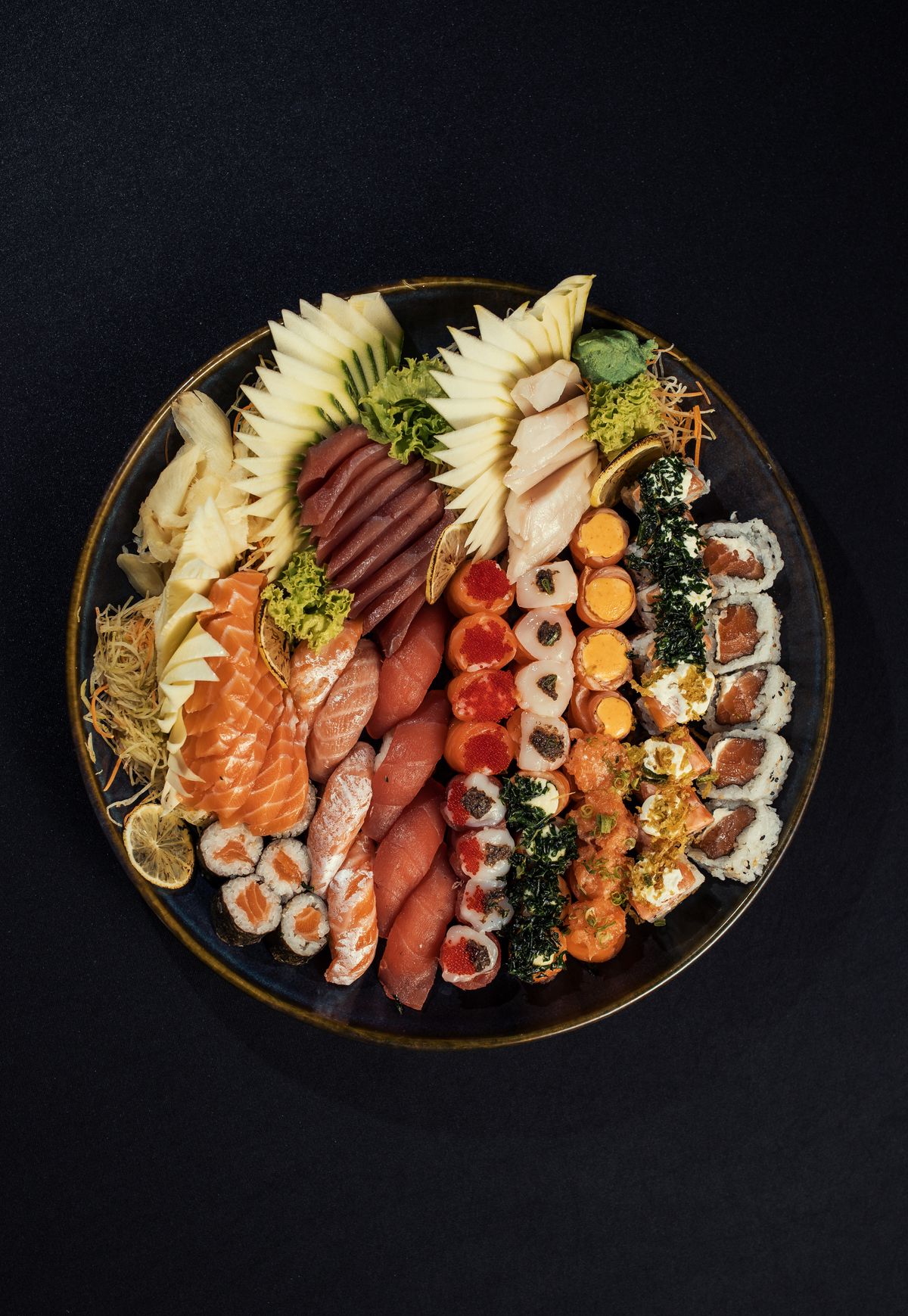
Okayama's most characteristic dish is barazushi — scattered sushi combining seasoned rice with conger eel (anago), shrimp, lotus root, burdock, shiitake, and toasted egg. Unlike Tokyo's nigiri or Osaka's oshi-zushi, barazushi is a bowl dish, vibrant and varied in each bite, and it appears at everything from school lunches to formal celebrations. The Setouchi fishery provides the seafood base: sea bream (tai), flat-headed grey mullet, Spanish mackerel, and Tamano oysters from the protected inland waters are all eaten fresh and locally.
Okayama is Japan's premier stone-fruit prefecture. White peaches (shiro momo) and muscat grapes, grown in the fertile Kibi Plain and Asakuchi basin, have a reputation for quality that puts Okayama-branded fruit in Tokyo department stores at prices that locals find quietly satisfying. The peach season runs from July through August — eating one bought from a farm roadside stand is a non-negotiable experience. Kibi dango (millet dumplings, the souvenir snack sold at every station and linked to the Momotaro folk story) are pleasant but secondary to the actual fruit.
The food culture in Okayama city clusters around the Omotecho arcade and the izakaya blocks north of the station. The covered markets in Kurashiki sell Setouchi produce daily. For buyers who care about access to good everyday food — and the slow pleasure of eating seasonally and locally — Okayama's agricultural surround and coastal fishery deliver consistently without requiring a large city budget.
Culture and Events
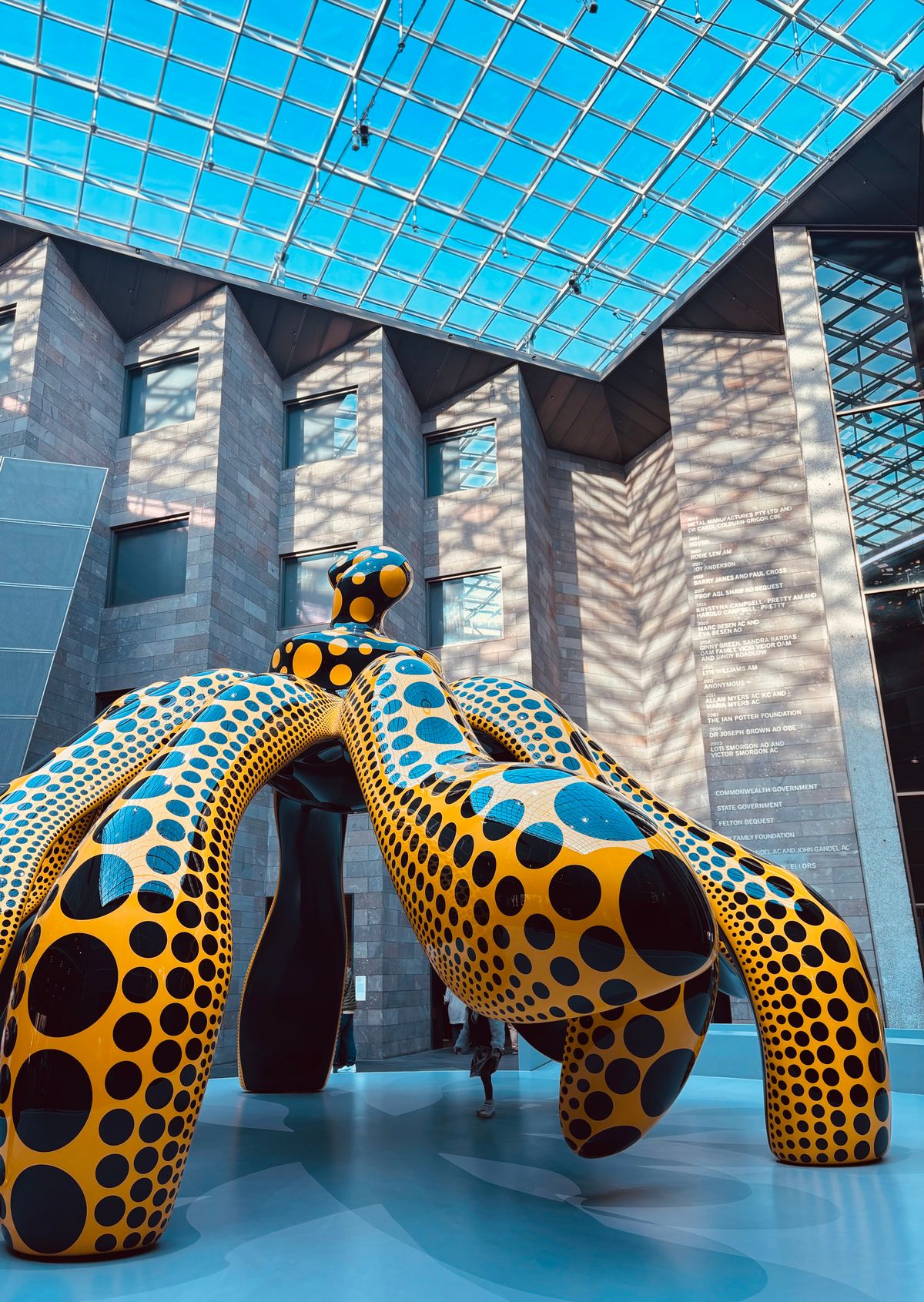
The Setouchi Triennale runs across the art islands — Naoshima, Teshima, Megijima, Ogijima, Shodoshima — every three years, with the main Okayama gateway at Uno Port. Between triennales, Benesse Art Site Naoshima runs year-round: the Chichu Art Museum (Tadao Ando building housing works by Monet, Turrell, and de Maria), the Benesse House museum-hotel, and the Art House Project in Honmura village — seven historic buildings transformed by artists including Hiroshi Sugimoto and Tatsuo Miyajima. This is contemporary art at the level of Dia Beacon or the Serpentine, on an island of 3,000 people.
Korakuen, dating from 1700 and one of Japan's three great classical gardens alongside Kenroku-en in Kanazawa and Kairaku-en in Mito, frames a large lawn garden with ponds, teahouses, rice fields, and seasonal planting. Okayama Castle — rebuilt in 1966 but immediately distinctive for its lacquered-black exterior (earning the nickname Karasu-jo, Crow Castle) — sits across the Asahi River and reflects in it at night. Kibitsu Shrine, 10km west of the city on the ancient Kibi Road, is one of Japan's largest and most unusual shrine buildings — an asymmetric structure with a connected hall running nearly 40 metres, built in 1425 and still standing as built.
Weekends and Escapes
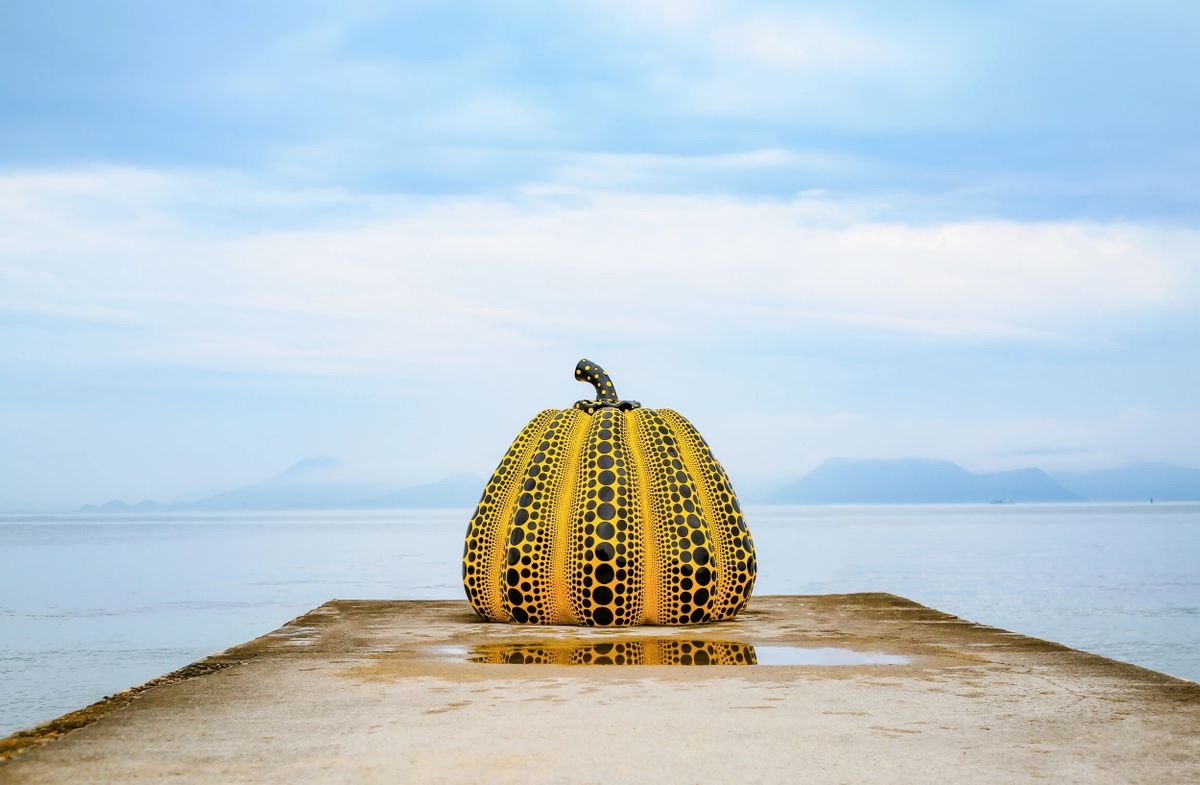
The natural weekend axis is south, toward the Seto Inland Sea. From Uno Port (30 minutes from Okayama city by local train) the ferry to Naoshima takes 20 minutes. A day trip covers the Chichu Art Museum and the Art House Project; a night at Benesse House or one of the island guesthouses makes it a proper weekend. From Uno, ferries also run to Teshima (the Teshima Art Museum is a concrete shell open to the sky with water emerging from the floor — one of Japan's quietest and most affecting spaces), and to Shodoshima for olive groves, gorges, and a slower version of island life.
On the mainland, the Kibi Plain cycling path runs 15km along an ancient road from Kibi-Tsuyama station past burial mounds (some of the largest in western Japan) and Kibitsu Shrine to Soja — a flat, rural, and completely unhurried half-day. North, the mountain town of Tsuyama has a restored castle ruin, a historic samurai district (Joto), and local sake breweries operating in storehouses that have survived unmodified. The Hiruzen Highland near the Tottori border offers dairy farming country, volcanic peaks, and walking in a register entirely different from the coastal south.