
Japan's Oldest Shrine, the Black Castle, and the Month When All the Gods Come Home
Living in Shimane
The prefecture where Japanese mythology lives — Izumo Taisha, the second most sacred Shinto site in Japan, receives all 8 million of the country's kami each October; Matsue Castle is one of only five original castle keeps designated National Treasure; the Adachi Museum's garden has been ranked Japan's finest for over 20 consecutive years.
Why People Choose Shimane
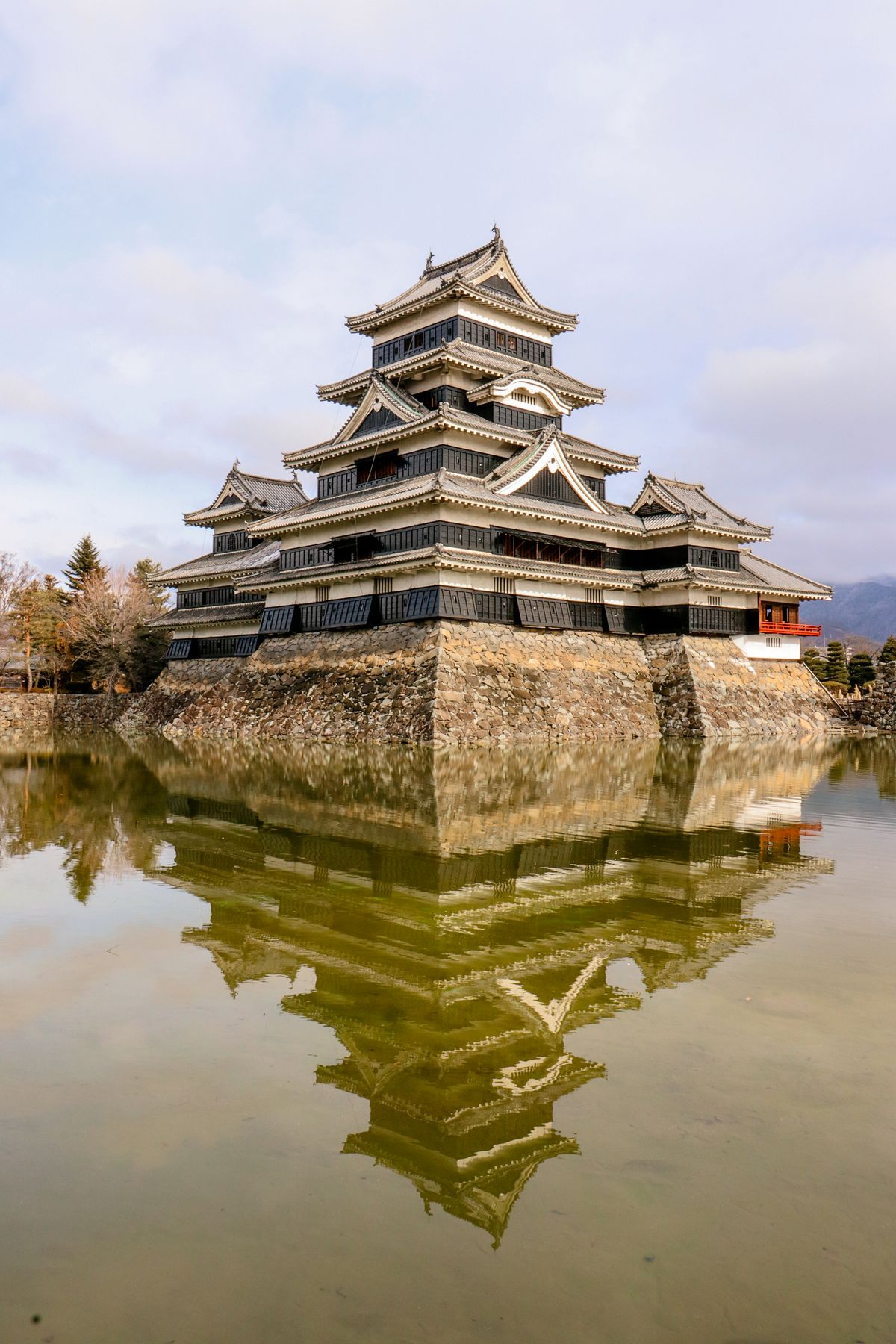
Shimane is chosen by people who want something Japan rarely offers in combination: the deepest strata of Japanese historical culture alongside property prices that reflect genuine remoteness. The prefecture contains Izumo Taisha — not merely an old shrine but the oldest documented shrine in Japan, whose creation myths predate the historical record and whose deity governs the connections between all people — and Matsue Castle, one of only five original castle keeps in the entire country to hold National Treasure status. These are not secondary attractions: they are first-tier cultural sites that in a more accessible prefecture would generate enormous visitor volumes. In Shimane, they sit within a manageable city of 195,000 people.
The Adachi Museum of Art adds a third first-rank institution: its garden has been ranked Japan's finest by The Journal of Japanese Gardening for 22 consecutive years — a streak longer than any comparable garden recognition in the country. The founder, Zenko Adachi, designed the landscape to be experienced from inside the museum, with each room offering a framed view of the garden as a living painting. The museum collection of Yokoyama Taikan paintings is the largest in the world.
For buyers, the practical argument is stark: Shimane is losing population at a rate that makes quality properties available at prices that would be unthinkable in any prefecture with this cultural density. The akiya bank is among the most active in Japan. Winter is cold and Sea of Japan weather can be difficult, but the summers are fine and the quality of life — clean coastline, navigable city, extraordinary food from the sea — is genuine.
Matsue (population 195,000) is the prefectural capital and the most comfortable daily base — a compact, water-threaded city with a functioning hospital system, several universities, and a downtown anchored by the castle and Shinjiko Lake. The city's canal system makes it distinctively navigable on foot or by bicycle. Izumo City (population 170,000) is the second largest city and the access point for Izumo Taisha — more industrially oriented but well-serviced. Rural Shimane (particularly the Iwami region in the west) is genuinely remote: an older population, declining services, and akiya properties available at minimal cost.
Izumo Airport connects to Tokyo Haneda in 1h20. The San'in Main Line connects Matsue to Yonago (Tottori) and Masuda, with slower services west toward Hagi (Yamaguchi). The Yakumo Limited Express connects Matsue to Okayama (for Shinkansen) in about 2h30. A car is strongly recommended for exploring the Iwami Silver Mine UNESCO site, the Nima Sand Museum, and the coastal Iwami region in the west.
Matsue city properties ¥3M–¥12M; Izumo city ¥2M–¥10M; rural Iwami region ¥200K–¥3M. Shimane has some of the lowest property prices in Honshu, reflecting the declining population — the prefecture loses roughly 5,000 residents annually. Shimane's akiya bank is one of the most active in Japan, with properties in small coastal and mountain towns that have very few competing buyers.
The cultural and practical capital: Matsue Castle, canal city, Lafcadio Hearn connections, Shinjiko Lake, and the most complete urban infrastructure in the prefecture. Best base for buyers combining history and liveability.
Shrine city: Izumo Taisha access, increasingly developed around shrine tourism, with a more industrially mixed economy. Less atmospheric than Matsue but well-connected.
Adachi Museum gateway: a small city with the finest garden in Japan as its centrepiece, good access to Daisen Mountain, and quieter property than the two larger cities.
The remote western region: Iwami Ginzan silver mine (UNESCO World Heritage), rugged coast, small fishing towns, and very low property prices. Best for buyers seeking genuine rural immersion.
Where To Start
Four ways to start in Shimane
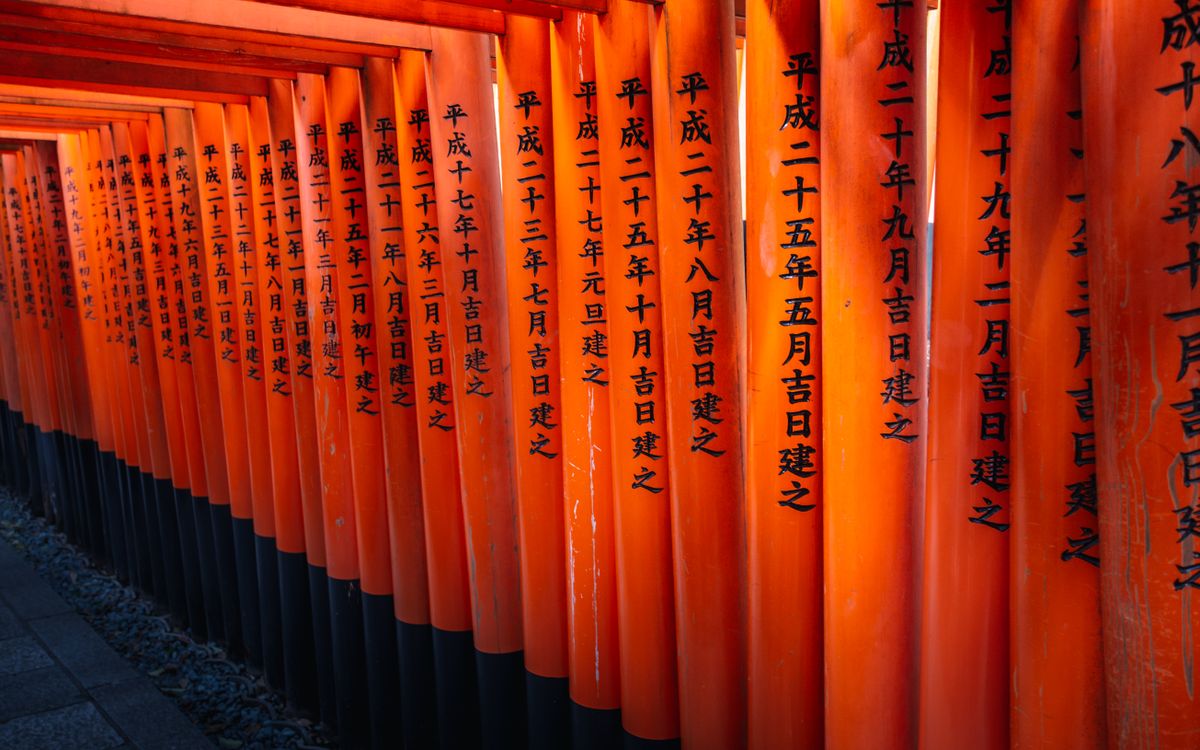
The Grand Shrine is impressive year-round — its distinctive shimenawa (sacred rope), at 13m and 5 tonnes, is one of the largest in Japan — but October transforms Shimane. The Kamiari Festival (Kaminasazuki) in October brings the deity assemblage, with 10 days of special rituals at the shrine and at Inasa Beach (where the kami are believed to arrive from the sea). <a href="https://www.izumooyashiro.or.jp/en/" target="_blank" rel="noopener" class="text-blue-600 dark:text-blue-400 hover:underline">Izumo Taisha official site</a> has current ritual schedules. The correct visit order is: outer approach → outer torii → inner torii → inner sanctum; and uniquely at Izumo Taisha, worshippers clap four times rather than the standard two.
The 50-minute <a href="https://www.matsue-horikawa.jp/en/" target="_blank" rel="noopener" class="text-blue-600 dark:text-blue-400 hover:underline">Matsue Horikawa Sightseeing Boat</a> circuit passes through the castle moat and around the historic core of the city, going under 18 bridges — some low enough that passengers must flatten themselves on the boat floor. The route connects the castle to the Shiomi Nawate samurai house district and gives a close-up view of the black castle keep from the water. Operates year-round with heated kotatsu blankets in winter.
Lafcadio Hearn (1850–1904) — Irish-Greek journalist, translator, and writer — arrived in Japan in 1890, settled in Matsue in 1891, married into a local samurai family, and became Japanese citizen Koizumi Yakumo. His house in the Shiomi Nawate district is preserved and open to the public; the adjacent <a href="https://www.matsue-tourism.com/en/lafcadio/" target="_blank" rel="noopener" class="text-blue-600 dark:text-blue-400 hover:underline">Lafcadio Hearn Memorial Museum</a> documents his life and work. Kwaidan — his anthology of Japanese ghost stories published in 1904 — remains the most widely read Western interpretation of Japanese supernatural folk tradition.
Tamatsukuri Onsen, documented in the Izumo Fudoki (733 AD, the oldest surviving regional record in Japan), is one of the oldest hot spring resorts in the country. The town is also famous for magatama (comma-shaped jade ornaments) — a tradition going back to the Yayoi period — and several shops along the onsen street offer jade-polishing workshops where visitors grind and finish their own magatama. <a href="https://www.tama-onsen.jp/" target="_blank" rel="noopener" class="text-blue-600 dark:text-blue-400 hover:underline">Tamatsukuri Onsen Tourism</a> has workshop schedules.
Daily Life in Shimane
Matsue operates on an unhurried scale appropriate to a city of 195,000. The canal system — connecting Shinjiko Lake to the Sea of Japan — allows water taxis and sightseeing boats to move through the historic core; the castle grounds, Shiomi Nawate samurai district, and Lafcadio Hearn neighbourhood are all within 20 minutes' walk of the station. There are three universities, two major hospitals, and a city economy built on public administration, manufacturing, and a growing tourism industry centred on the castle and the Shinto trail.
Matsue is nationally famous for wagashi (Japanese confectionery) — it is listed alongside Kyoto and Kanazawa as one of Japan's three great wagashi cities. This is not incidental: the tradition developed because Matsue was a feudal castle town with a powerful lord (Fumai Matsudaira, an 18th-century tea ceremony master) who elevated local sweet-making as part of his tea culture. The confectionery shops along Shiomi Nawate still make seasonal wagashi following Fumai's documented tea ceremony menus.
Outside Matsue and Izumo, Shimane's daily life is distinctly rural. The Iwami region in western Shimane is among the most depopulated areas of Honshu — beautiful coastline, small fishing communities, and the Iwami Ginzan silver mine (UNESCO World Heritage, one of Japan's most important pre-modern industrial sites) — but services are thin and a car is absolutely essential.
Food and Drink
Shinjiko shijimi — freshwater clams from Lake Shinji (Shinjiko), the lake at the heart of Matsue — are Shimane's most distinctive everyday ingredient. The clams grow in the lake's brackish water where sea and fresh water mix, producing a particular depth of flavour prized across Japan. Shijimi miso soup is served at virtually every traditional breakfast in Matsue; shijimi also appear as rice toppings, in hot pot dishes, and in clam sake. Shimane Tourism lists shijimi-focused restaurants around the lake.
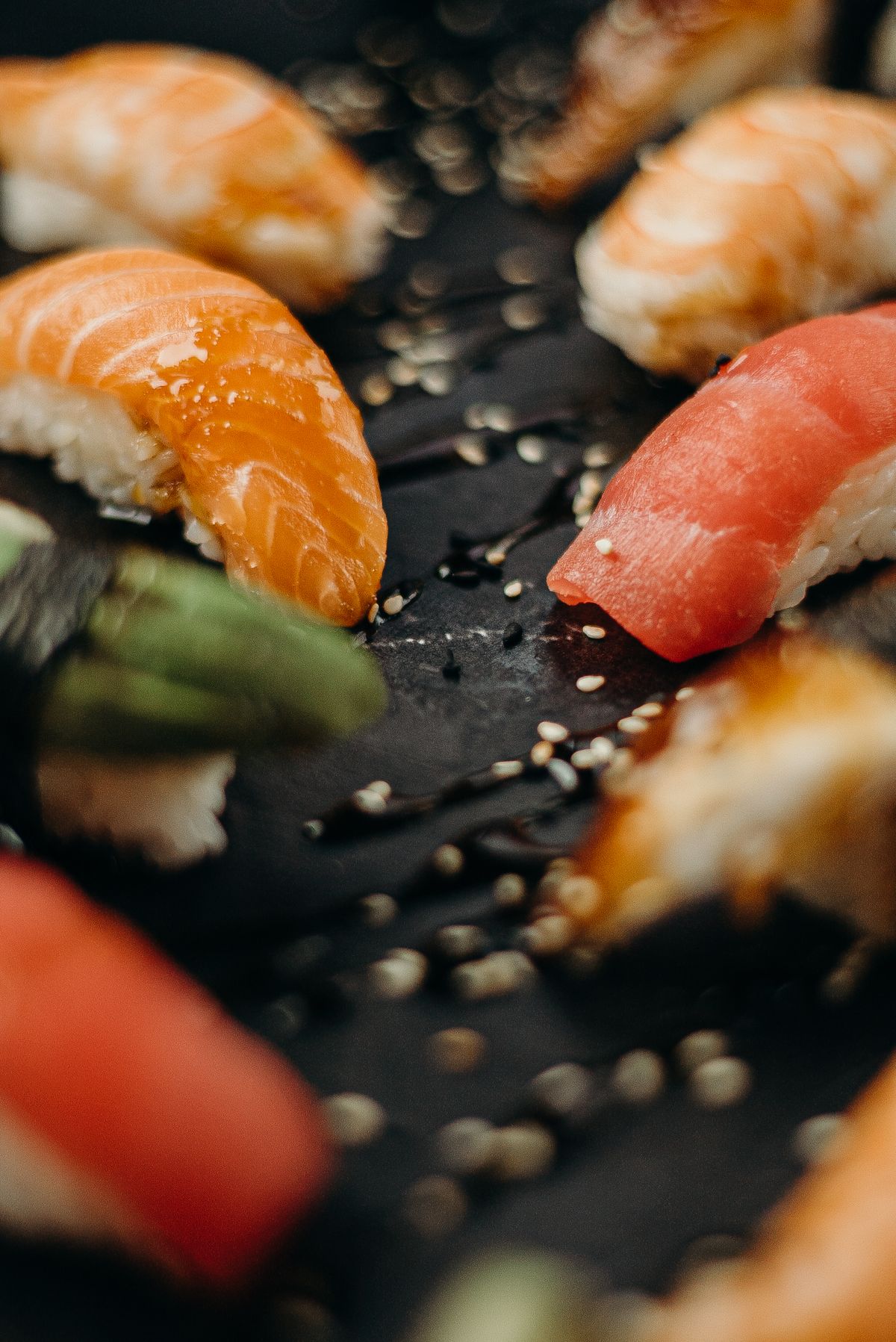
Nodoguro (blackthroat seaperch, also called akamutsu) has become the most coveted fish on the Sea of Japan coast. Once too oily and rich for Tokyo tastes, the nodoguro's extraordinary fat content is now prized — it melts like butter at body temperature and is best eaten as sashimi or lightly grilled with salt. Top Tokyo sushi restaurants now source it from Shimane ports. The local price for nodoguro at Hamada Port is a fraction of the Tokyo market rate.
Matsue wagashi are worth a dedicated detour. The city's confectionery tradition dates to the 18th century under Lord Fumai Matsudaira, a tea master who commissioned seasonal sweet designs to accompany his tea ceremony. The leading producers — Kyorakudo, Shimeikan, and Kanshundo — make nerikiri (moulded sweet bean paste) shaped in seasonal forms: chrysanthemum in autumn, plum blossom in winter, maple leaves in November. The forms change monthly. Buy them on the day they are made.
Culture and Events
Kannazuki (the "Month Without Gods," October by the lunar calendar) is the defining cultural event in Shimane. According to Shinto mythology, all 8 million kami of Japan travel to Izumo each October for their annual meeting — to arrange the marriages, relationships, and fates of people for the coming year. In every other prefecture, October is called "Kannazuki" (Month Without Gods); in Shimane alone it is called "Kamiari-zuki" (Month With Gods). The Kamiari Festival at Izumo Taisha runs for 10 days in late October and early November with rituals on the beach at Inasa, processions through the shrine precincts, and evening ceremonies in the inner sanctum. Izumo Taisha publishes the full ritual calendar each year.
The Iwami Ginzan Silver Mine in Oda City is a UNESCO World Heritage Site that at its 17th-century peak produced one-third of the world's silver output. The mine and the surrounding preserved merchant town — Omori — are accessible by a short walk; the mine tunnels can be entered with a guide. The site is remarkable for including not just the mine itself but the entire landscape of processing facilities, roads, and port infrastructure that moved silver from mountain to ships.
Lafcadio Hearn's Kwaidan — published 1904, the year of his death — collected Japanese ghost stories and folklore in prose that remains the most accessible literary introduction to pre-modern Japanese supernatural belief. His Matsue period (1891–1892) produced In Ghostly Japan and Glimpses of Unfamiliar Japan, both of which documented Shimane specifically. The memorial museum in Matsue documents his transformation from Western journalist to Japanese citizen; his garden (visible from the house) was designed to the specifications of a traditional samurai garden.
Weekends and the Outdoors
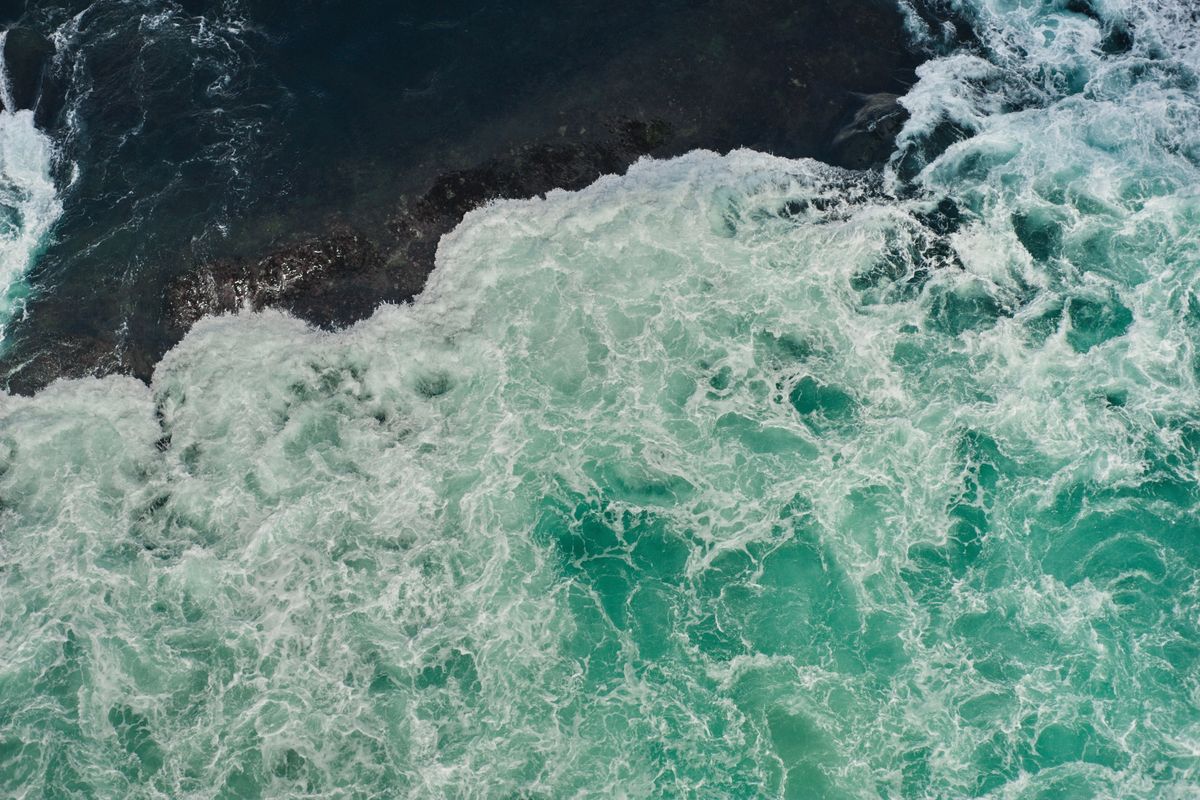
The Shimane Peninsula extends 60km east from Matsue City into the Sea of Japan, forming a rugged coastline of sea cliffs, fishing harbours, and pine forests. The Hinomisaki Lighthouse at the western tip is the tallest stone lighthouse in Japan and is surrounded by cliff-top trails with views across the Sea of Japan to the Oki Islands. The Shimane Peninsula UNESCO Geopark runs cycling and walking routes along the northern coast.
The Oki Islands — a UNESCO Global Geopark 60–80km offshore from Matsue — are reachable by ferry in 2.5–3 hours. The four inhabited islands (Dogo, Nakanoshima, Nishinoshima, Chiburishima) have dramatic columnar basalt coastlines, wild horses, and a small resident population. The ferry from Shichirui Port (Matsue) operates year-round; the islands are most visited in summer for the clear-water diving, but the volcanic landscape is compelling in any season.
Near Matsue, Yomigaeri no Michi (Road of Rebirth) is a 3km forested path leading from the castle town to Sada Shrine — one of the most important smaller shrines in Shimane, where a ritual transfer of deity seats (Gozasen Shinji) has been performed without interruption for at least 500 years. The walk passes through cedar and oak forest above the Shinjiko lakeside. Evening walks in summer are particularly atmospheric, returning along the canal by boat from Sada Shrine back to the Horikawa boat pier.
Three Days In Shimane
A simple first-trip route
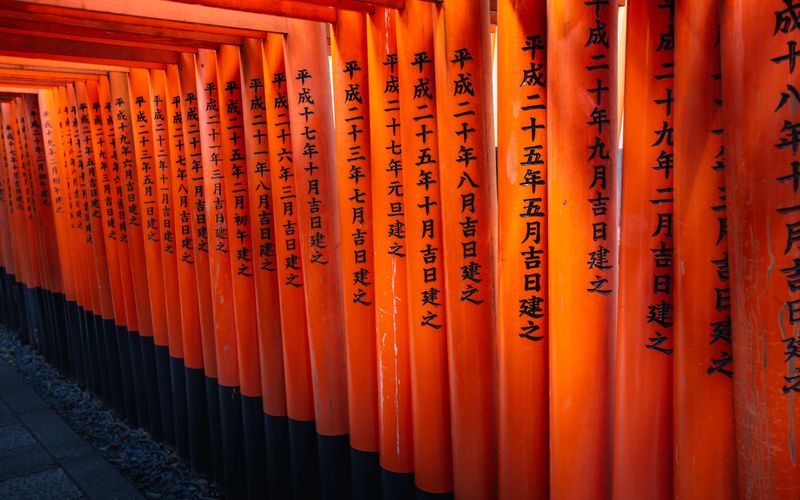
Fly to Izumo Airport from Tokyo (1h20). Take the Ichibata Railway directly to Izumo Taisha-mae station (35 min). The shrine approach on the Sando walkway, flanked by stone lanterns, sets the atmosphere from the outer torii. The main hall (honden) is off-limits to visitors, but the inner precincts — the kagura-den with its massive shimenawa rope — are extraordinary in scale. Walk to Inasa Beach (15 min on foot) where the kami are said to arrive from the sea in October, and watch the sunset over the Sea of Japan. Dinner in Izumo City.
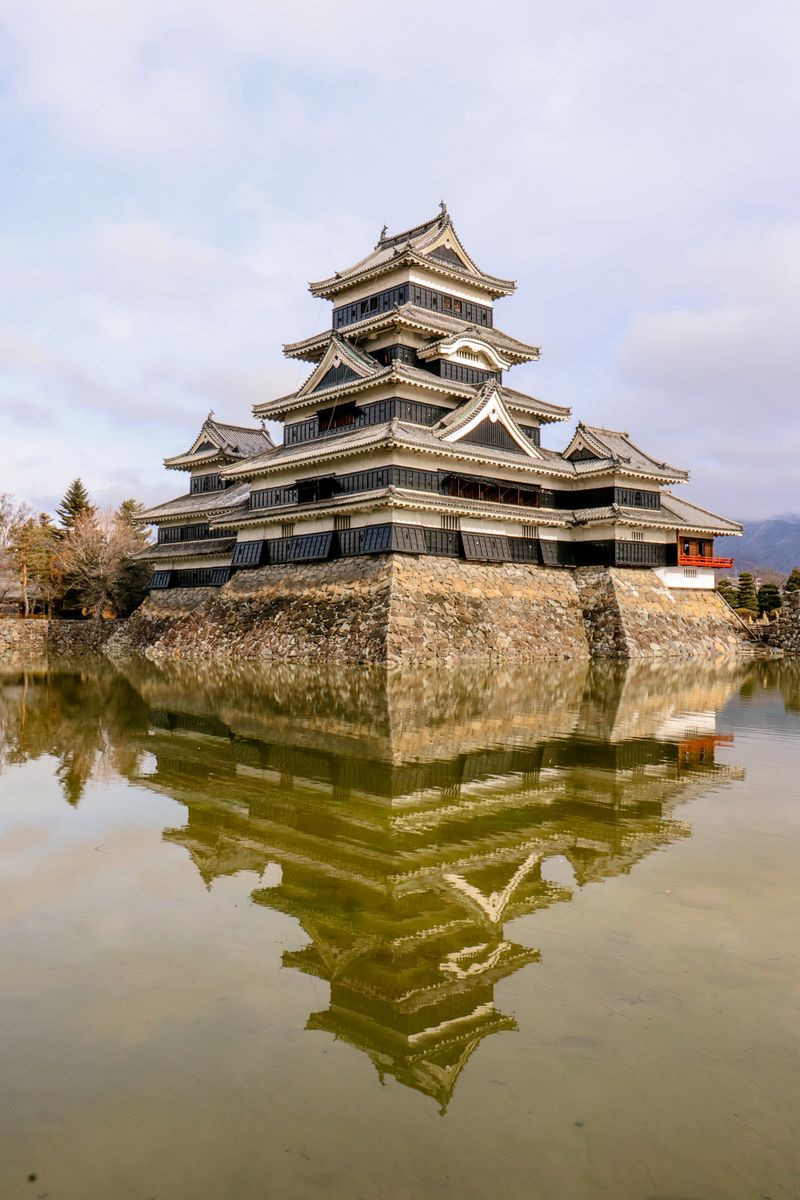
Drive or take the JR Sanin Line to Matsue (30 min). Matsue Castle opens at 8:30am — climb to the top floor for the Shinjiko Lake panorama before the tour groups arrive. Take the 50-minute Horikawa Sightseeing Boat around the moat. Afternoon: walk the Shiomi Nawate samurai house district — the preserved streets running north from the castle moat — to Lafcadio Hearn's former residence and the memorial museum. End at Shiomi Nawate's Yakumo-an teahouse for matcha and Matsue wagashi (Japanese confectionery, for which Matsue is nationally famous as one of Japan's three great confectionery cities).
Drive 30 minutes east to the Adachi Museum of Art in Yasugi. The garden alone justifies the visit — ranked Japan's finest for 22 consecutive years, it is designed to be viewed from inside the museum building through large glass panels, with each window framing a composed landscape picture. The permanent collection includes major Yokoyama Taikan paintings. Afternoon: 15-minute drive to Tamatsukuri Onsen for a bath in Japan's oldest documented onsen. Try the magatama jade-polishing workshop if time permits. Return from Matsue or Izumo Airport.