Japan's Only Desert, the Most Expensive Crab in the World, and a Town Built Around a Manga Detective
Living in Tottori
Japan's least populated prefecture punches wildly above its weight: a 16-kilometre coastal sand dune system, snow crab whose auction prices make national news each winter, a mountain whose silhouette has been venerated for centuries, and an entire town redesigned around a children's manga character.
Why People Choose Tottori
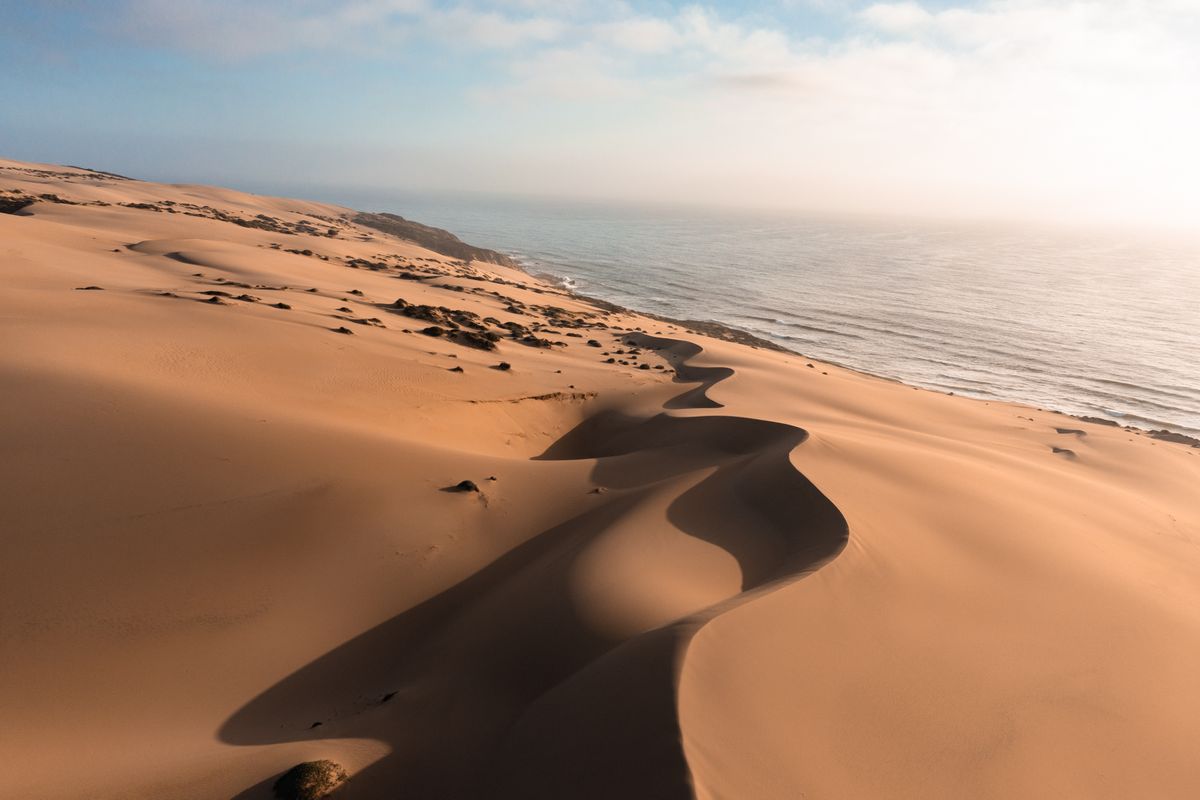
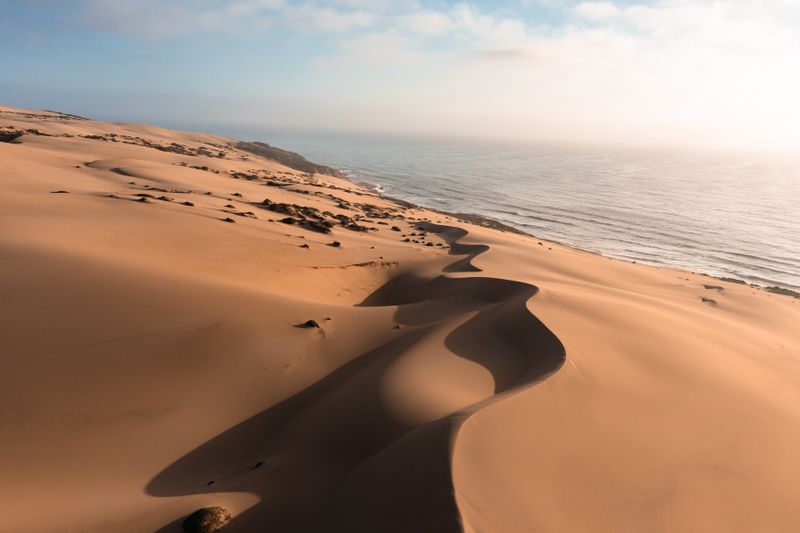
The sand dunes are the most obvious reason — and appropriately, they are the most unexpected thing about Tottori. Japan is not a country people associate with desert landscapes, which makes the Tottori dunes genuinely disorienting on first encounter: 16km of wind-sculpted coastal sand, some formations reaching 90m, with the Sea of Japan grey-blue at the base and pine forests at the dune margins. The Tottori Sand Dunes form part of a UNESCO Geopark along the San'in coast, and the associated Sand Museum — which commissions international artists each year to build sculptures exclusively from sand — is among the most architecturally unusual museums in Japan.
For buyers, the case is principally about value and lifestyle. Tottori is the least populated prefecture in Japan, which translates to minimal competition for property, extremely low prices, and a quality of daily life — clean air, open coast, mountains accessible within 30 minutes of the city — that comparable coastal locations in more visited prefectures cannot offer at anywhere near the same price. The Sea of Japan coast faces northwest rather than south: winters are colder and snowier than the Pacific coast, but the seafood — particularly the crab — is exceptional.
The prefecture is also home to one of the most concentrated quirk-to-area ratios in Japan: a town redesigned around a manga character, a mountain with a cult following for its Fuji-like silhouette, an onsen certified by the government as medicinally radioactive, and a seafood that makes national news when its first-of-season unit sells for the price of a car.
Tottori City (population 185,000) is a compact, walkable prefectural capital with its own university, hospital system, and retail district. The atmosphere is genuinely unhurried — low traffic, visible sky, and a city that functions on a human scale rather than a metropolitan one. Yonago (population 145,000), the second city, is closer to the Daisen mountain access and the San'in Kinki National Park. Both are self-contained enough to live in without a car for daily needs, though a car becomes necessary for sand dune access and rural exploration.
Tottori Station on the San'in Main Line is connected to Osaka by the Super Hakuto Limited Express in about 2h30; to Kyoto in approximately 2h50. The Chugoku Expressway and Tottori Expressway connect the prefecture by road. Flights from Conan Airport (Miho Yasuno) serve Tokyo Haneda directly (1h10). A car is strongly recommended for the sand dunes, Daisen trailheads, and the coastal towns east of Tottori City.
Tottori City properties ¥2M–¥10M; Yonago ¥3M–¥12M; rural coastal properties ¥300K–¥3M (many akiya bank listings). Property prices are among the lowest in the San'in region. The very low population means competition for desirable properties is minimal — buyers with patience often find oceanview or mountain-view properties at prices that would be unthinkable in more populated coastal prefectures.
The city adjacent to the sand dunes: compact, walkable, university-town atmosphere, and the most direct access to the dune coast. Best base for buyers wanting urban services and dramatic landscape within minutes of each other.
Western hub city: Daisen mountain access, international airport for Tokyo flights, and a larger commercial base. More industrial in character than Tottori City but with better connections and a growing food scene around the seafood markets.
The preserved whitewashed kura warehouse district along the Tamagawa River: Tottori's equivalent of a small heritage town, with good access to Misasa Onsen and the Daisen foothills.
The coastal towns east of Tottori City along the UNESCO Geopark coastline: small fishing communities, dramatic sea cliffs, and some of the most affordable waterfront property in Honshu.
Where To Start
Four ways to start in Tottori
The Tottori Sand Dunes are a 20-minute bus ride from Tottori Station. The main dune ridge — reached in about 20 minutes on foot from the visitor centre — gives a view across 16km of coastline with the Sea of Japan on one side and the hinterland on the other. At sunrise with low-angle light, the shadows thrown by the dune formations are extraordinary. The camel ride circuit operates from 9am; <a href="https://www.sakyu-vc.com/en/" target="_blank" rel="noopener" class="text-blue-600 dark:text-blue-400 hover:underline">Sand Dunes Activity Centre</a> books paragliding lessons and sandboard rentals in advance.
The <a href="https://www.gamf.jp/english/" target="_blank" rel="noopener" class="text-blue-600 dark:text-blue-400 hover:underline">Gosho Aoyama Manga Factory</a> in Hokuei town documents the creation of Detective Conan (Case Closed) — the manga series that has sold over 270 million copies worldwide since 1994 — with original manuscripts, character histories, and interactive exhibits. The town has installed 32 bronze statues of Conan and other characters at locations throughout its commercial streets. The airport, officially renamed Conan Airport, has a life-sized statue of Conan at arrivals.
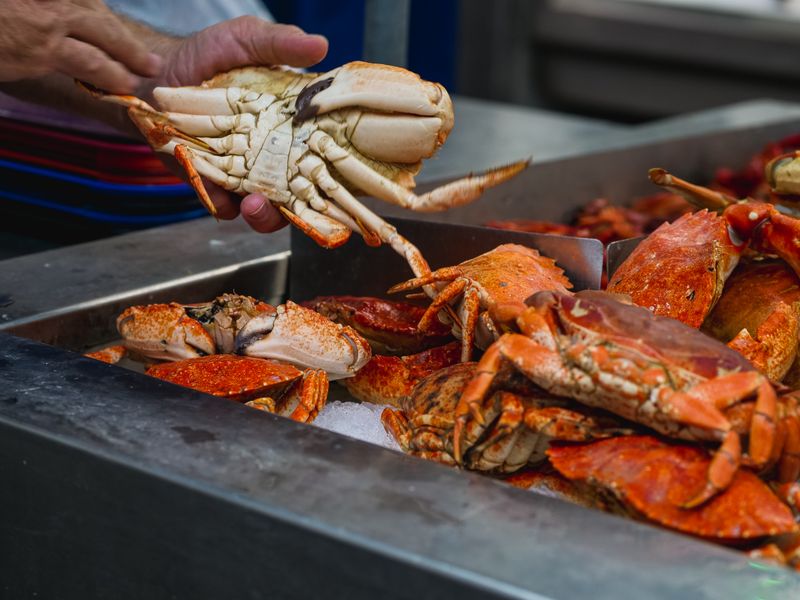
The matsuba gani (snow crab) season opens 6 November each year with a morning auction at Karo Port or Tottori Port. Restaurants around both ports serve the crabs same-day — steamed or raw sashimi — at prices that are still very high but far below the auction premium. The Japan-certified "Matsuba Gani" tag (a blue label) guarantees the crab was caught off Tottori; <a href="https://www.torican.jp/en/" target="_blank" rel="noopener" class="text-blue-600 dark:text-blue-400 hover:underline">Visit Tottori City</a> lists certified restaurants. Reserve well in advance for the opening weeks.
The summer trail from Daisen-ji temple (1h from Yonago by car) reaches the summit plateau at 1,709m in about 2.5 hours. The mountain is protected as a Special Natural Monument and the summit ridge trail is lined with ancient beech forest; the peak is above the tree line with panoramic views across the San'in coast and, on clear days, across the Sea of Japan to the Korean Peninsula. <a href="https://tourismdaisen.com/en/" target="_blank" rel="noopener" class="text-blue-600 dark:text-blue-400 hover:underline">Daisen Mountain Tourism</a> has trail conditions updated seasonally.
Daily Life in Tottori
Tottori City functions well for its size. The Tottori University hospital provides regional medical care; the shopping district around Tottori Station has the major chains alongside local independents; the fish market is exceptional. The city feels spacious — wide streets, visible mountains from most central vantage points, little of the crowding that defines larger Japanese cities. University students from Tottori University give it a younger demographic overlay than many similarly sized rural cities.
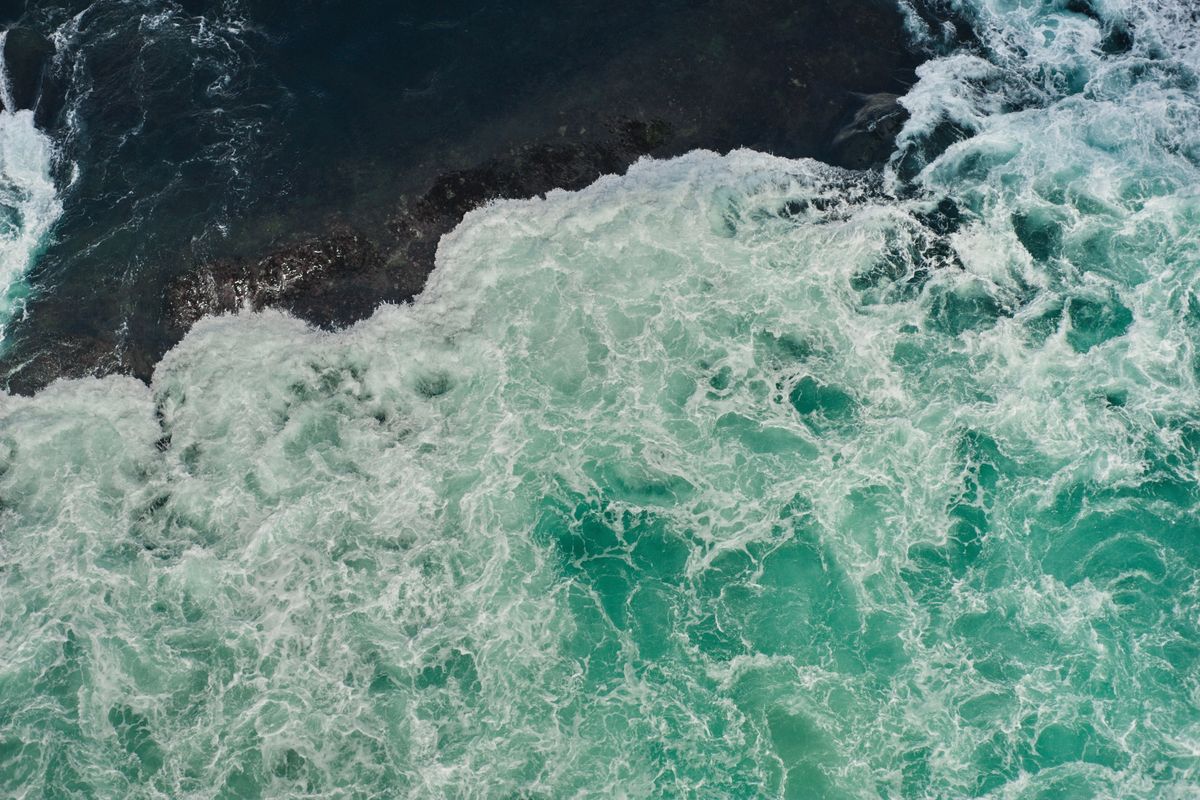
The rhythm of daily life in Tottori is shaped by its coastline. Seafood is central — local fishermen land catches of snow crab, rock oysters, and white shrimp at ports up and down the coast, and the connection between where food comes from and where you buy it is more direct here than in most Japanese cities. Seasonal food culture (crab from November, white shrimp from April, watermelon from June, Nijisseiki pears from August) gives the year a distinct structure.
Winters are cold and sometimes snow-heavy — Tottori faces the Sea of Japan's weather pattern, which brings moisture-laden winds from the continent. This is not a prefecture for buyers seeking year-round warm weather. Spring (April–May) and autumn (September–November) are the peak seasons for outdoor activity, and the sand dunes are genuinely beautiful in low-angle autumn light.
Food and Drink
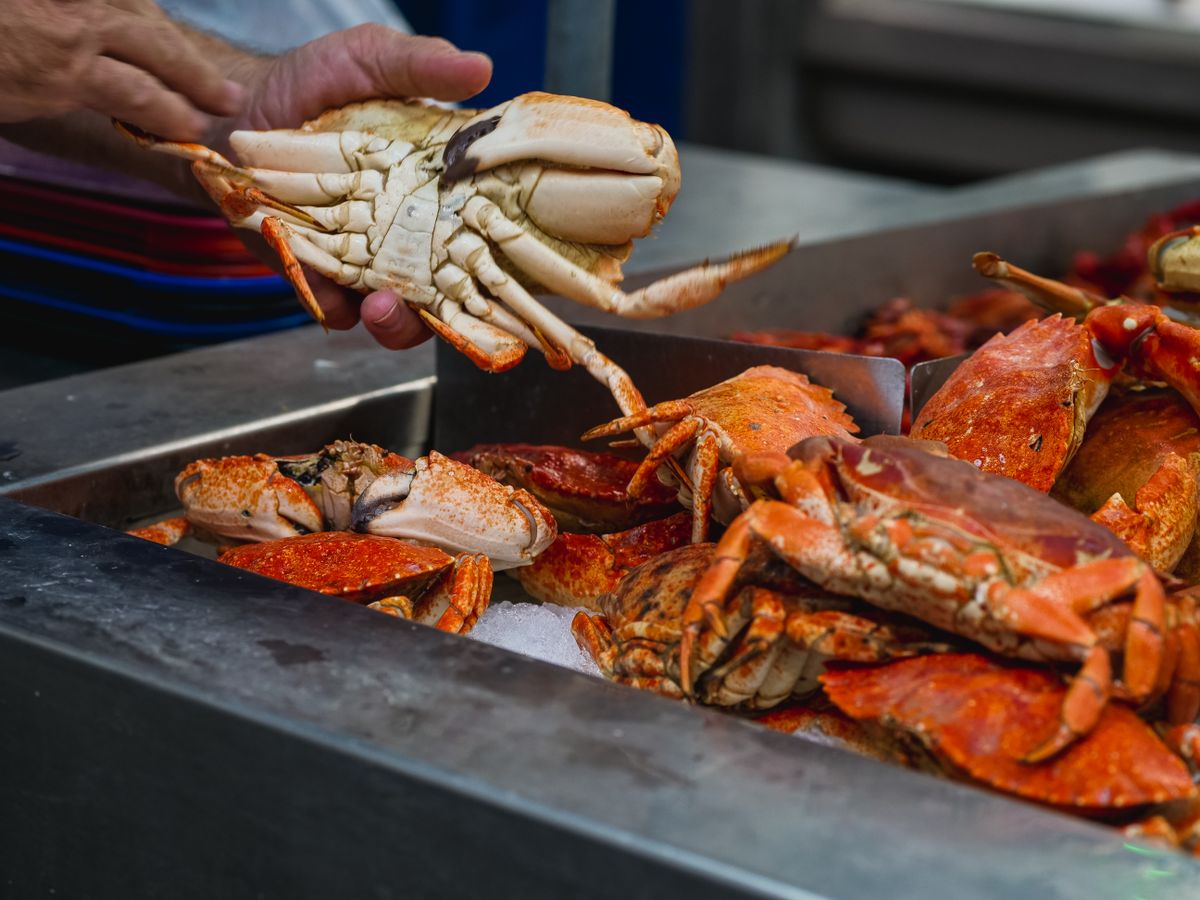
Matsuba gani (snow crab, the male of the species — female is called "kobako gani") is the single most important food product in Tottori. The crab season opens on 6 November at designated ports, and the morning auction of the first landed crabs is a national media event — individual certified specimens have sold for ¥5,000,000 at auction, and even standard market-price crabs run ¥15,000–¥50,000 during peak season. The distinctive blue tag attached to each certified crab guarantees it was caught off the Tottori coast rather than imported from elsewhere. Official Tottori crab restaurants are certified and listed by the prefecture.
Tottori Wagyu is the beef product of comparable quality. Raised on Tottori's pastures and fed on straw and barley, Tottori Wagyu has won the national Wagyu Olympic competition (held every five years) on multiple occasions. The beef is less internationally known than Kobe or Matsusaka Wagyu, which keeps prices lower relative to quality. Several Tottori City restaurants specialise in both crab and wagyu, making this the only prefecture in Japan where you can genuinely consider eating either at the same meal.
Nijisseiki pear (Twentieth Century pear) is the prefecture's fruit contribution to Japan's food culture: a crisp, pale-green pear grown in the Tottori agricultural plains, harvested in August–September. It is sold nationally but the local harvest-season pears — eaten the day they are picked — are in a different category of freshness from the supermarket version. The pear orchards around Tottori City open for picking in late August; Tottori Pear Tourism coordinates farm visits.
Culture and Events
The Gosho Aoyama Manga Factory in Hokuei is the most distinctive cultural institution in Tottori. Gosho Aoyama, born in Hokuei in 1963, created Detective Conan (Case Closed) — the manga series running since 1994, adapted into 27 feature films and over 1,000 anime episodes, with 270 million volumes in print worldwide. The Conan Museum contains original manuscripts, character design archives, and interactive exhibits. Outside, the town has installed 32 bronze statues throughout its commercial district, and the local airport has been officially renamed "Conan Airport" (Miho Yasuno Airport, commercially). Visiting Hokuei has the distinctive quality of an entire municipality having reorganised its identity around a single cultural product.
The Sand Museum near the dunes operates annually from October to January, commissioning international sand sculptors to build large-scale installations on a single theme inside a purpose-built warehouse. Past themes have included the Silk Road, Northern Europe, and Latin America; the sculptures reach 5–6 metres in height and represent months of work. The museum is unusual globally — sand sculpture on this scale exists in very few places — and Tottori's long tradition of sand artistry dates back to the early tourism development of the dunes.
Misasa Onsen is Tottori's most medically singular destination. The spring water contains radon gas at concentrations that the Japanese government has formally designated as having therapeutic effects — a claim that would be controversial in some medical traditions but reflects a long local belief. The onsen town has several public open-air baths free to use, and a hot-spring river (Misasa River) where visitors bathe in the thermal water flowing through the town centre.
Weekends and the Outdoors
Mount Daisen (1,729m) is the dominant outdoor destination for residents of western Tottori. The mountain is volcanically formed and has a distinctive broad, gentle profile from the north — the shape that earned it the name "Hoki Fuji" — but reveals sharp ridges and crumbling cliffs on its south face. The Natsuyama Trail from Daisen-ji temple is the primary access route: well-maintained with mountain huts, reaching the summit plateau in about 2.5 hours. The summit ridge is above the tree line; the views extend across the Sea of Japan coast and, on clear winter days, to the Korean Peninsula. Daisen Tourism has current trail conditions.
The Uradome Coast along the San'in Kinki Geopark is the prefecture's most dramatic coastal scenery: white sand coves, sea caves, and columnar basalt formations that represent 15-million-year-old volcanic activity. Glass-bottom boat tours from Iwai Port run April–November, circling the rock stacks and sea caves visible from below. The coast road by bicycle or car offers continuous cliff-top views; the San'in Trail (a long-distance walking route under development) connects sections on foot.
Sand activities at the dunes go beyond sight-seeing. Paragliding lessons operate year-round from the main dune with certified instructors (sessions about 2 hours, ¥7,000–¥12,000 depending on operator). Sandboard rental is available — the technique is between snowboarding and surfing, and the soft sand cushions falls. Sunset at the dunes is particularly good from late September to November when the light hits the western face of the main ridge at a low angle and the shadows thrown across the sand formations are at their longest.
Three Days In Tottori
A simple first-trip route
Fly from Tokyo Haneda to Conan Airport (1h10) or take the Super Hakuto from Osaka (2h30). Head directly to the dunes — 20-minute bus from Tottori Station. Spend the morning on the dune ridge (rental sandboards available) and try the camel ride circuit. Afternoon: Sand Museum (open October–January, the world's largest indoor sand sculpture exhibition — a new theme each year, 2024 was "Journey around the Mediterranean"). Return for sunset from the dune peak: the Sea of Japan turns gold and the sand shadows lengthen dramatically. Dinner at a sushi restaurant in Tottori City using local Sea of Japan catches.
Drive 30 minutes west of Tottori City to Hokuei town for the Gosho Aoyama Manga Factory. The museum is small but detailed; walk the bronze-statue trail through the town streets afterwards. Lunch at the Conan-themed cafe. Afternoon: drive east along the San'in Kinki Geopark coastline — the cliff formations at Uradome Coast are accessible by glass-bottom boat (30-minute circuit from Tottori Port, operates April–November) giving views of the sea-carved sea caves and rock stacks from below. Return to Tottori City for crab dinner if visiting in November–March.
Drive 40 minutes southwest of Tottori City to Kurayoshi — the whitewashed kura warehouse district along the Tamagawa River is one of the best-preserved merchant streetscapes in western Honshu, with sake breweries, craft workshops, and small galleries. Continue 15 minutes by car to Misasa Onsen for a soak in the radon-rich spring waters. The onsen town has several open-air public baths (rotenburo) free of charge. On the return leg, stop at the Daisen Ochi viewpoint for the mountain silhouette — the broad, gentle profile that earned it the title "Hoki Fuji" — before returning to Tottori or driving on to Yonago for the flight home.