Historic 1931 Timber Home with Spacious Gardens on Sado Island
The property's equipment and facilities include electricity, a septic tank (浄化槽), propane gas, public water supply, and a garden. A special note indicates the property is located outside the public sewer supply area. The agent's remarks provide key distances to local amenities: a general hospital is 3.4km away, city hall is 3.5km, a kindergarten is 2.2km, an elementary school is 1.4km, a junior high school is 3.0km, a supermarket is 1.5km, a post office is 2.3km, and a bus stop is 0.6km away. The total number of units in the building is one. The defining feature of the property is its location within a lush, green residential area (緑豊かな住宅地).
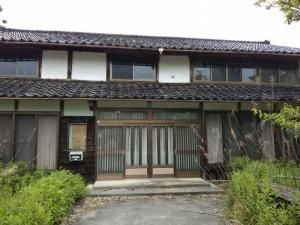
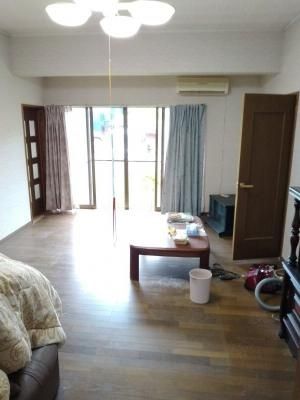
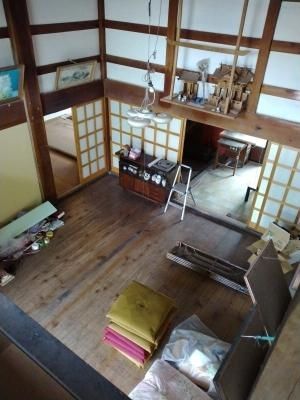
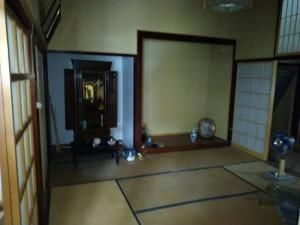
The property requires significant repair, and the seller wishes to transfer it in its current condition. Roof repair is specifically recommended. It is situated in a quiet, south-facing residential neighborhood and includes desirable features such as parking for two or more cars, city gas, a system kitchen, two toilets, a reheating function for the bath, suitability for two-generation living, a corner lot location, and a monitor-equipped intercom.
The property is located in the Kamayabari area of Sado City, Niigata Prefecture. Sado Island is rich in history and culture, famously known as a place of exile for political dissidents and intellectuals during the feudal era, including the founder of Noh drama, Zeami. The closest major landmark is Sado Kinzan, a historic gold mine that was once one of the most productive in Japan and is now a fascinating museum and UNESCO World Heritage candidate site, offering a glimpse into the island's prosperous past.