Historic Kami-Hirose Kominka Estate in Echizen City, Fukui Prefecture
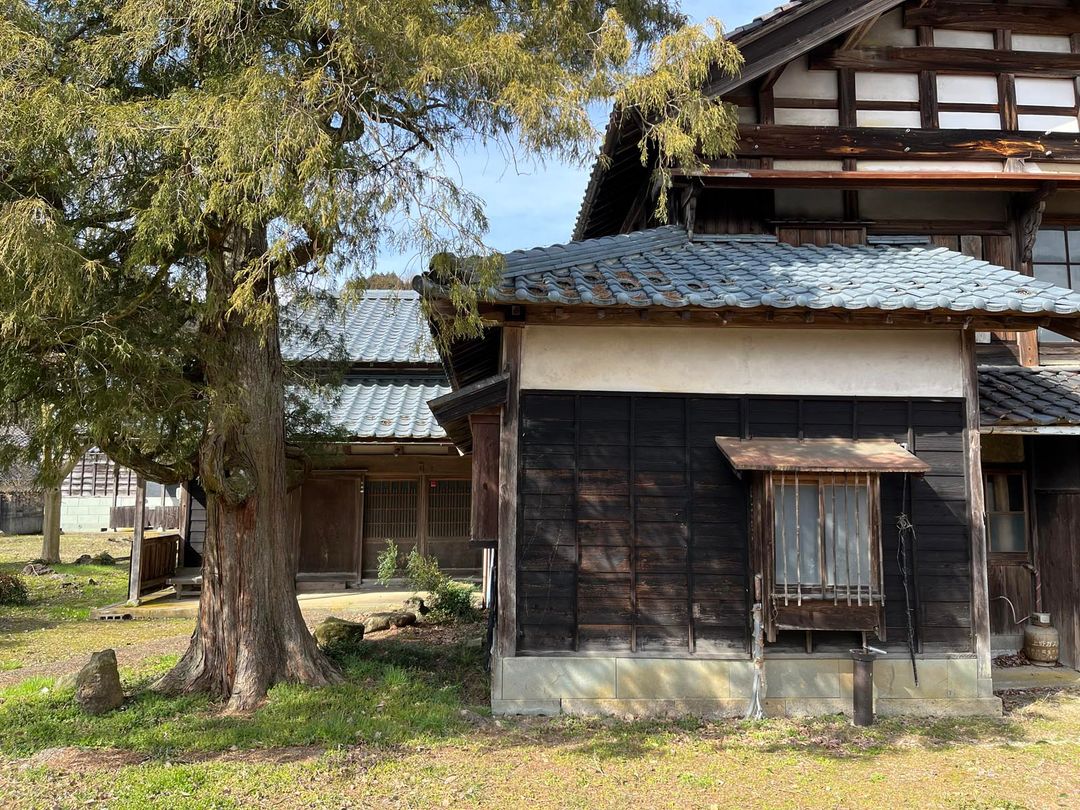
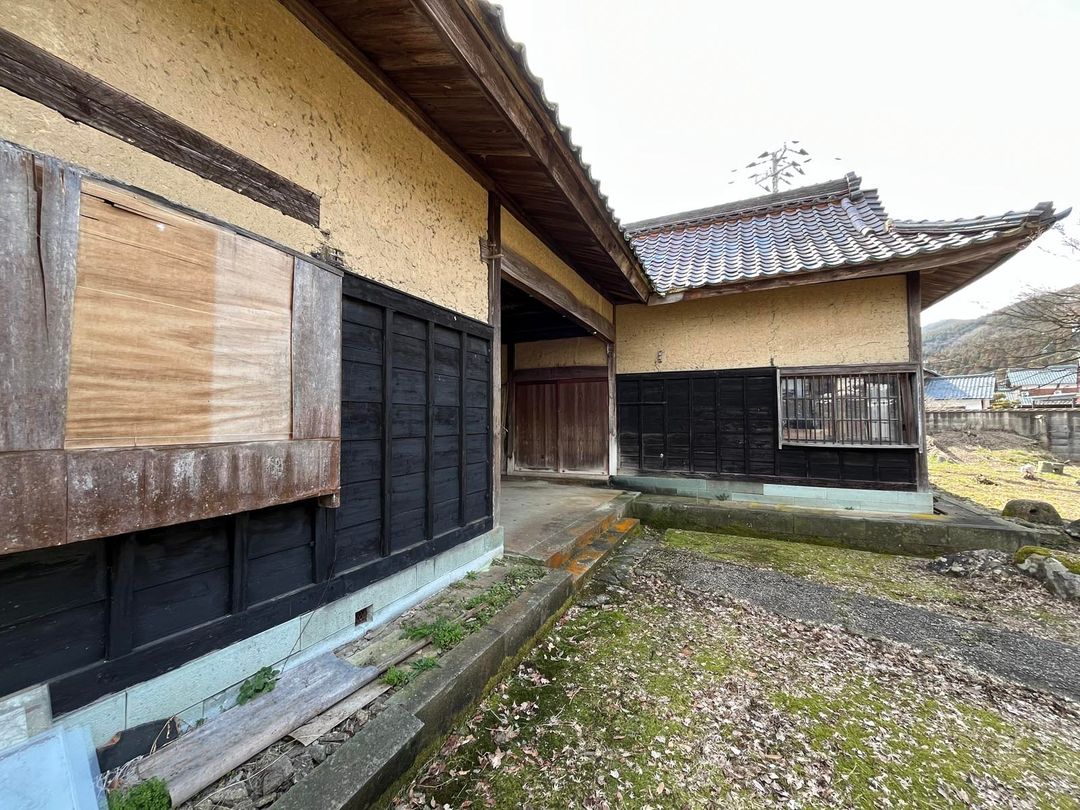
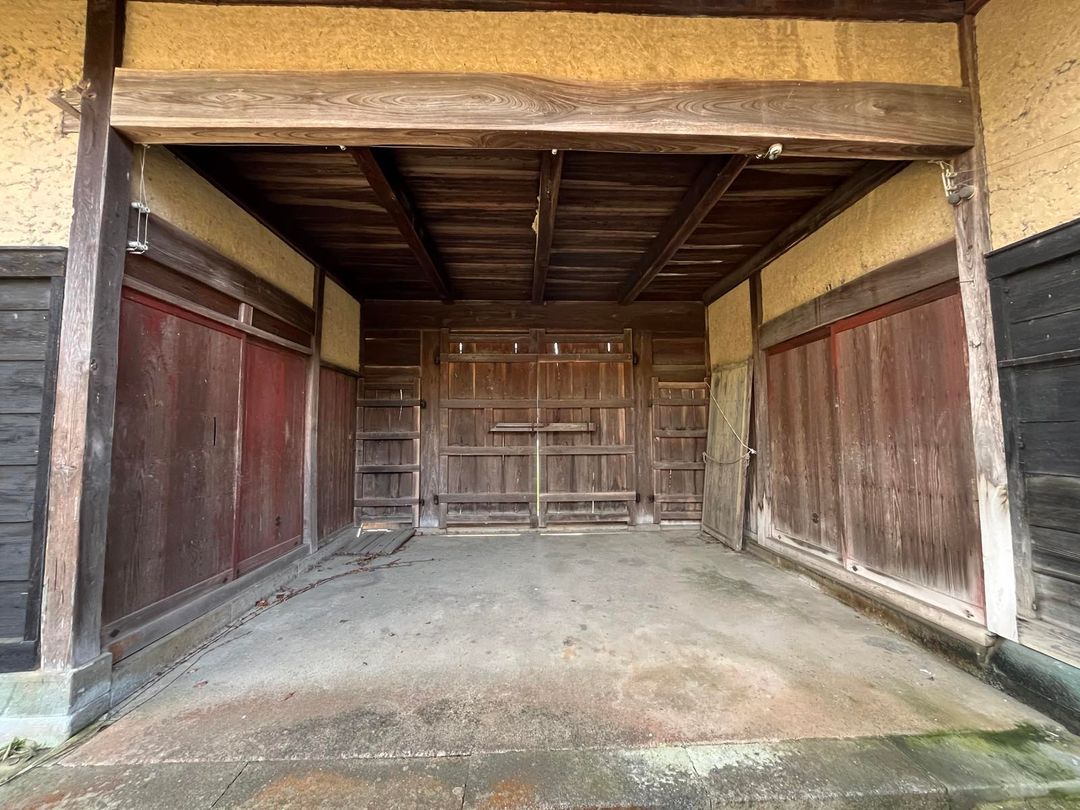
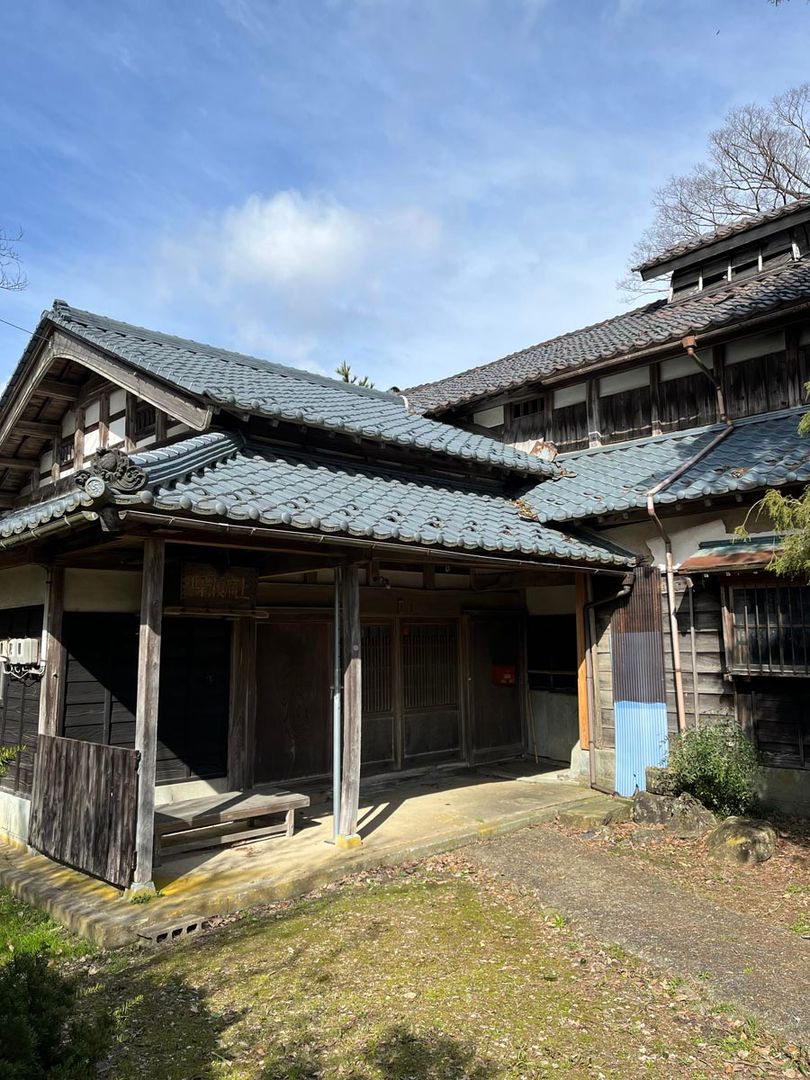
This remarkable property in Echizen City, Fukui Prefecture, is a registered National Tangible Cultural Property. It comprises multiple structures: a main house built in 1891 (Meiji 24), a large kura storehouse built in 1892 (Meiji 25), and a Nagaya-mon gatehouse built in 1862 at the end of the Edo period. The estate was once the home of the Baba family, who served as Oshoya (village headman) and oversaw dozens of surrounding villages. The property sits on a land area of 1,568.01 square meters, with a total floor area of 256.19 square meters. The main house features a 7DK+S layout (7 rooms, dining room and kitchen, service room) and retains many original architectural details, including a kitchen with a traditional irori hearth, historic water areas (washroom, bath, and toilet), a massive central pillar, high-quality flooring, and refined shoin-style details. The second floor includes an elegant tatami room and a spacious attic likely used for storage. The property includes two traditional kura storehouses; the larger one has a raised stone foundation, high protective wooden siding, and thick plaster walls. The Nagaya-mon gate features imposing double wooden doors, high protective siding, and an irimoya-style roof reminiscent of castle architecture. The garden features a graceful Shinji-ike pond with long, flowing curves, a landscaped mound symbolizing a sacred mountain, and views of rice fields and the snow-capped peak of Mt. Hekosan (1,464 m). The property is located along a quiet road with an irrigation canal, and is a 20-minute bus ride or 12-minute car ride to Takefu Station on the Hapi Line, or a 30-minute car ride to Fukui Station on the Hokuriku Shinkansen. The property is vacant and has parking available for 3 or more cars. Water and electricity are connected; sewerage and gas are under investigation.