Historic 126-Year-Old Japanese Home with Attached Farmland in Asakuchi, Okayama
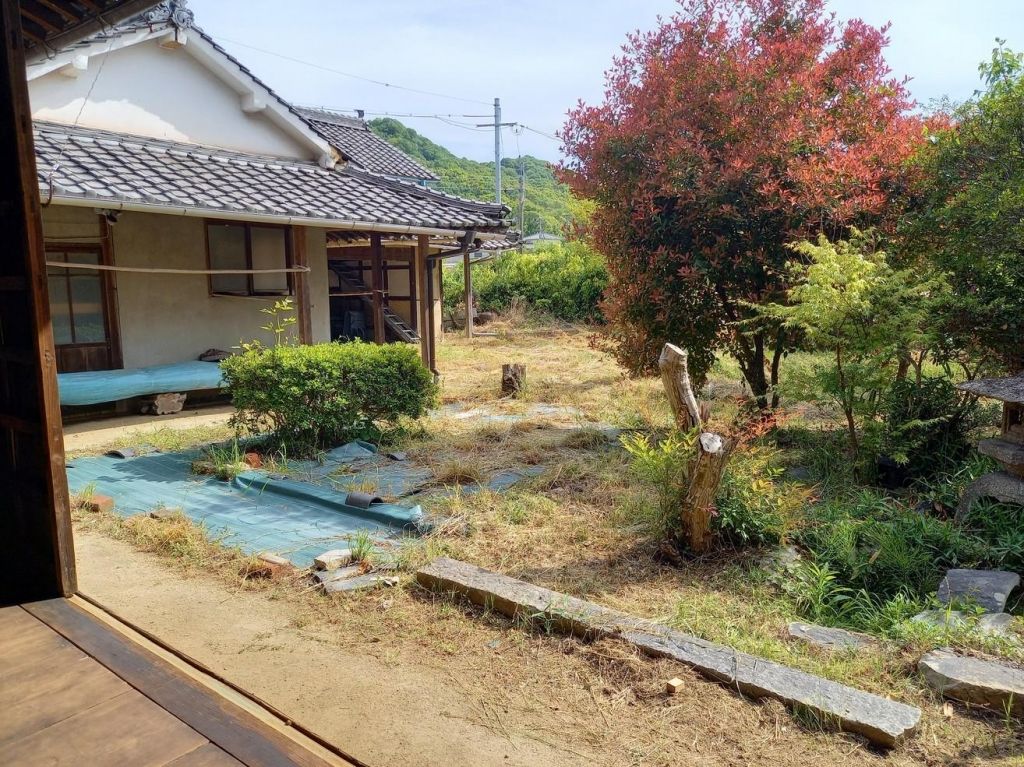
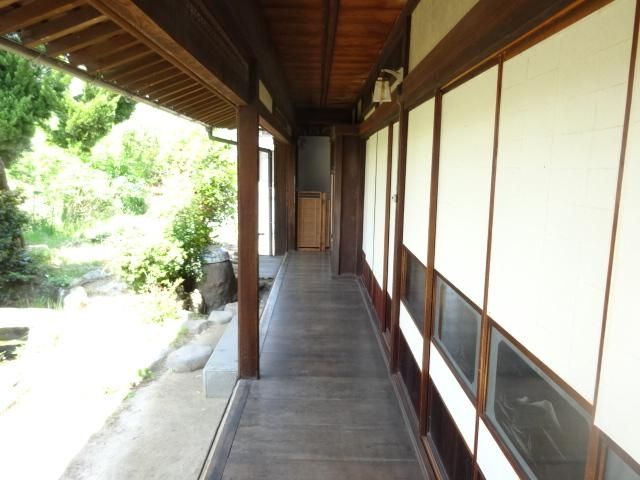
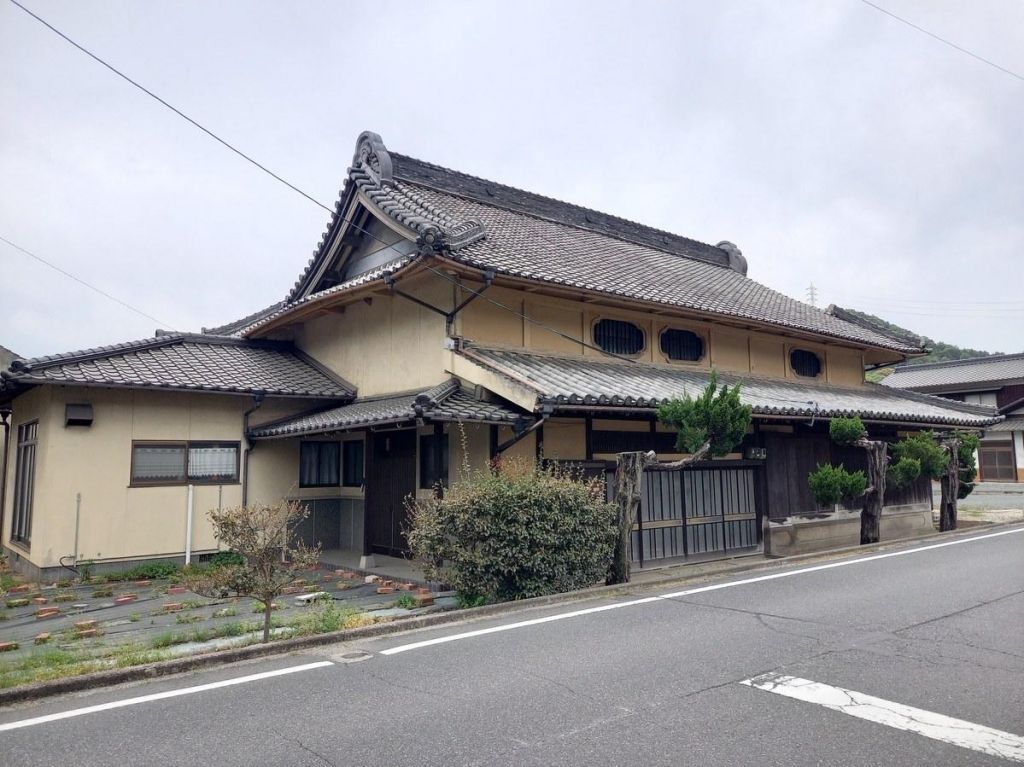
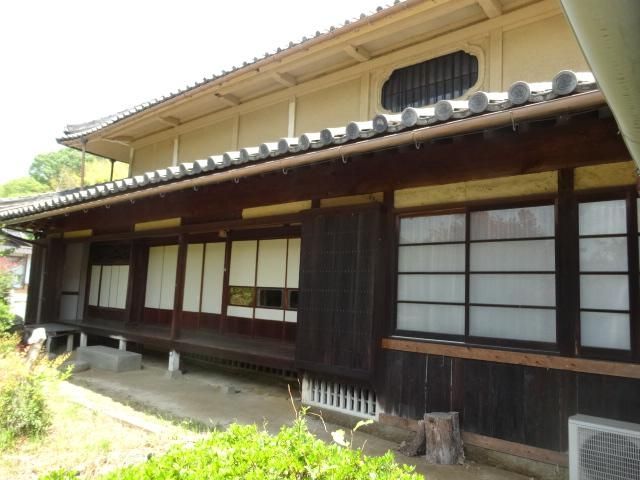
This unique property, listed as property number 163 on the Asakuchi City Akiya Bank, presents a rare opportunity to own a piece of history. Originally built as a kimono shop in July 1899, this spacious 7DK wooden house spans 232.72 square meters across its floors. While the water fixtures show their age, the home is in a condition that allows for immediate occupancy. The asking price has recently been reduced to 7.2 million yen.
The property's equipment and facilities include hot water supply, tap water, a septic tank (requiring periodic emptying), propane gas, a well, lighting fixtures, and air conditioning. Special notes from the agent are critical: the listed land size of 828.57 square meters represents only the residential plot. Additional attached land includes farmland (both rice paddies and fields) and forested mountains, some of which may be protected forest. The seller expresses a hope that the future owner will be someone willing to engage in farming. Furthermore, reinforcement of the floor framing is recommended.
Key features of the property highlight its desirable characteristics: adjacent buildings are situated more than 2 meters away, it is located on a corner lot, and it enjoys excellent sunlight exposure. The home is situated in a quiet residential area and includes amenities such as a system kitchen, two toilets, a reheating function for the bath, a monitor-equipped intercom, and parking for two or more vehicles, making it suitable for multi-generational living.
The property is located in the Yorishima-cho district of Asakuchi City, Okayama Prefecture. The area offers a tranquil, rural lifestyle with easy access to nature. An interesting local fact is that Asakuchi City is home to the Kasaoka Islands, a group of islands in the Seto Inland Sea known for their beautiful scenery and citrus farming. The closest major landmark is the historic Kurashiki Bikan Historical Quarter, approximately a 40-minute drive away, famous for its beautifully preserved Edo-period merchant houses and willow-lined canals.