
A Nostalgic Journey into a Retro Renovated House
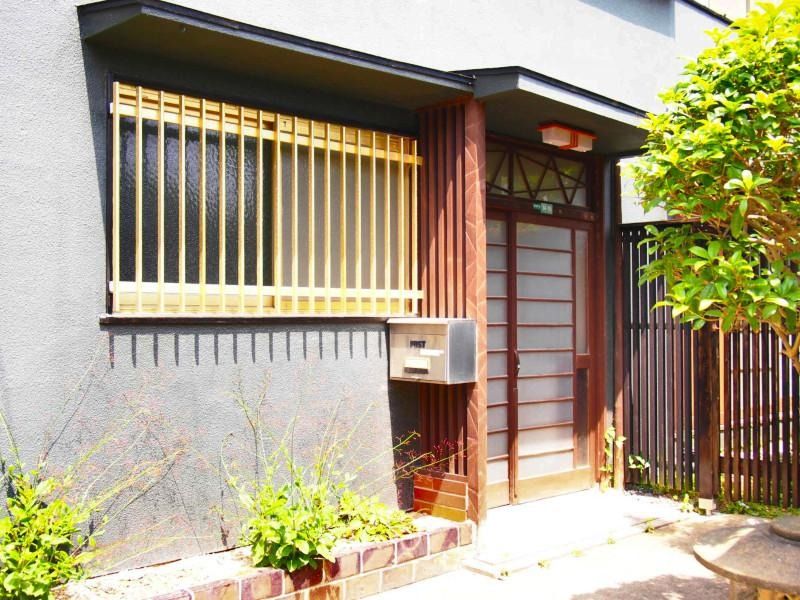
This property is a charming renovated house that exudes a palpable sense of nostalgia and retro character. The entrance immediately sets the tone with its wooden frame, frosted glass, and intricately crafted transom. The interior features a sophisticated grey wall, a result of partial renovations, adding a modern touch. The traditional floor plan is filled with numerous sliding doors, creating a classic Japanese layout. The first floor includes a dining area and a Japanese-style room (washitsu), where glossy wooden floors transition to tatami mats, complemented by amber-colored pillars and ceilings. The soft light filtering through the frosted glass creates a gentle atmosphere. The tokonoma (alcove) is perfect for displaying art or greenery.
The kitchen, though compact, is a highlight. It features a unique small service window, complete with a lock, that likely once served as a pass-through to the back entrance—a delightful and charming detail. A practical work counter is located at the back. Adjacent to the kitchen, the bathroom is a dreamy space in lavender and pink tones, offering a cozy retreat. The toilet uses three different types of tile, and the washbasin area is a textural delight with handmade tiles, slight imperfections, and a vintage faucet peeking through a wooden-framed window.
One Western-style room on the first floor has been renovated with a refreshing mint green wall, suitable for use as a workspace or atelier. The second floor is bright, with large windows. It contains four Japanese-style rooms connected by fusuma (sliding doors). One 4.5-tatami mat room includes a simple kitchenette and a separate toilet with soft yellow tiles. A washbasin is also present, making the floor suitable for a shared living arrangement. The property faces a junior high school across the street, meaning the sounds of students and school chimes are part of the environment.
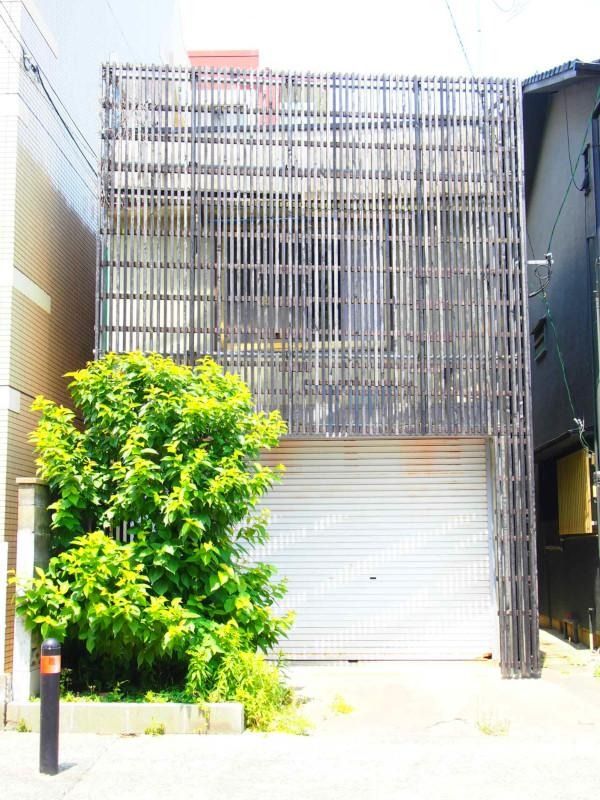
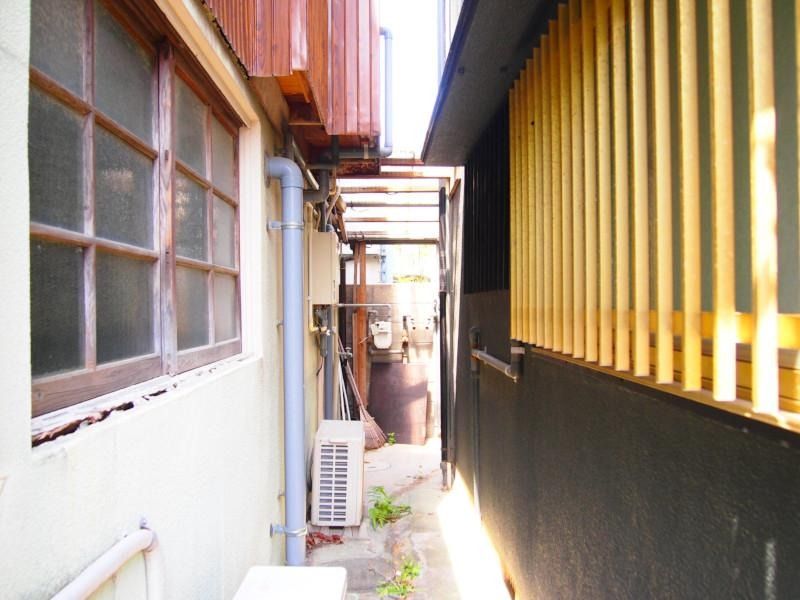
A separate building next to the main house, which serves as a parking area and storage shed, is included in the contract. The pathway between the main house and the shed features a small, well-maintained garden with trees and a stone lantern, visible from the Japanese rooms. The house is filled with nostalgic昭和 (Showa era) details: soft wood that dents easily, old-fashioned latch locks, rusty doorknobs, a faded nameplate with an old postal code mark, and a rare ceramic light switch with beautiful kanji font.
The area offers a blend of quiet residential life with a touch of community vibrancy due to the nearby school. An interesting local fact is that Fukuoka Prefecture, where this property is located, is famous for its vibrant yatai (food stall) culture, offering some of the best street food in Japan. The closest major landmark is the Fukuoka Tower and Seaside Momochi area, a modern waterfront development with parks, museums, and panoramic views of Hakata Bay.