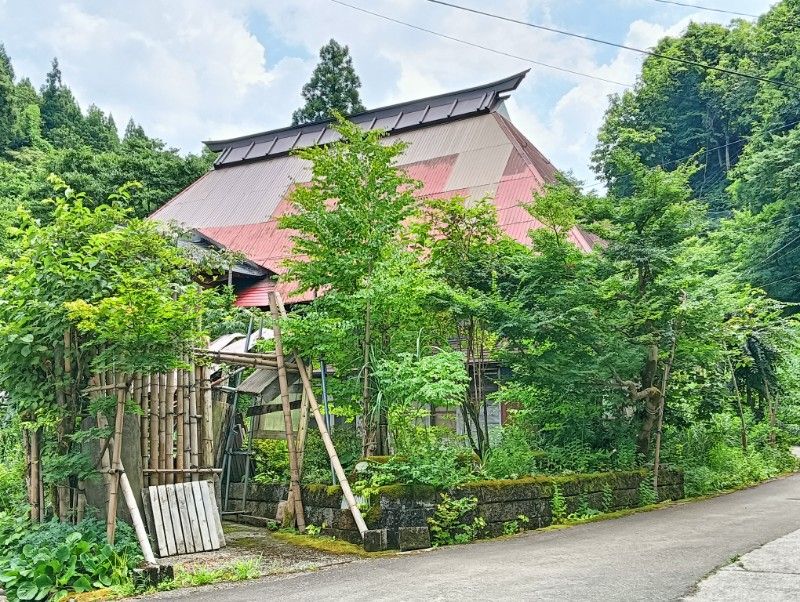
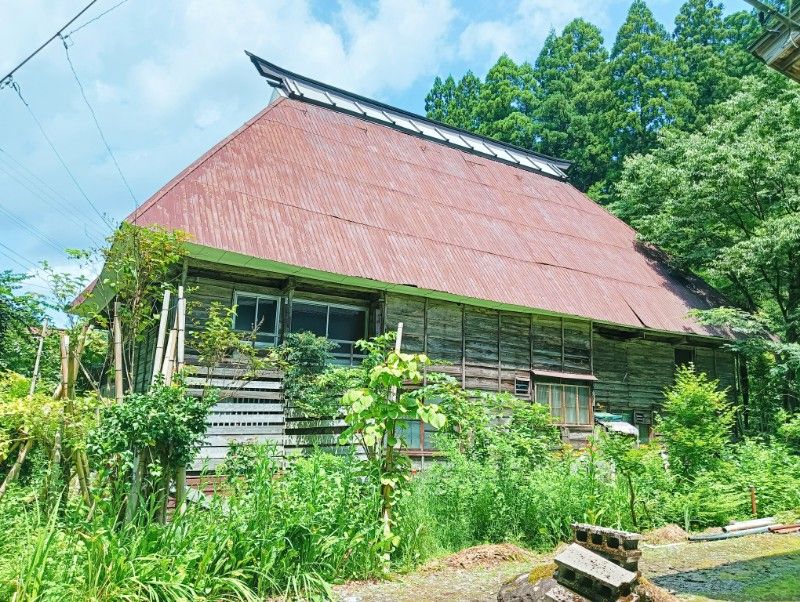
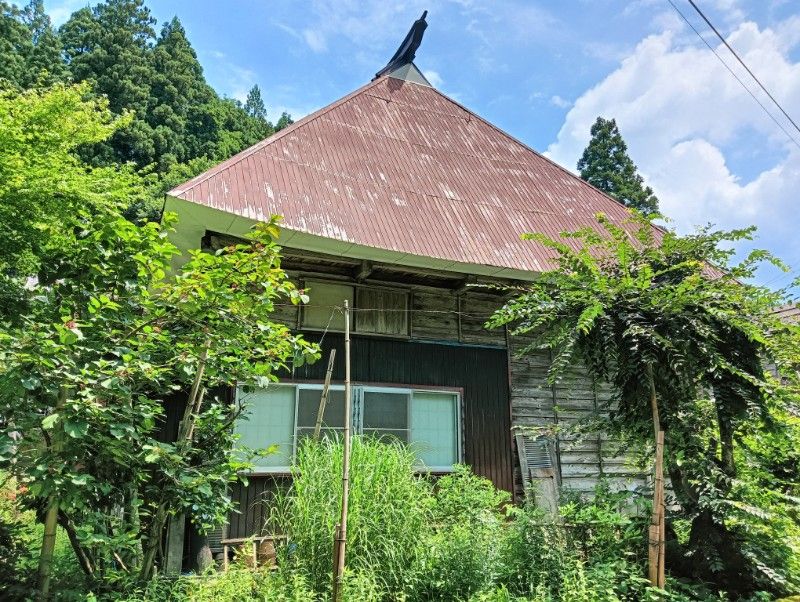
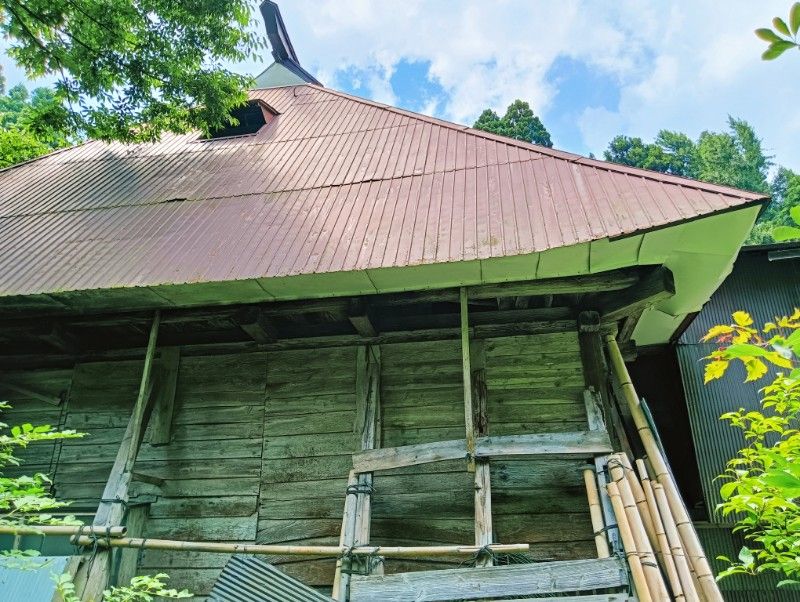
Mu Souan: A Cherished Edo-Period Kominka with a Tea Room and Garden Legacy
Mu Souan is a historic kominka (traditional Japanese house) built in the late Edo period, situated in a semi-rural setting. It was originally the home of a family of sake brewers (杜氏). The previous owners lived in a neighboring village a five-minute drive away, with the husband working as a salaried employee, the wife running a shop, and the grandmother residing in this main house. Remarkably, the property has never been left vacant for its entire 150-year history.
The current owner acquired the thatched-roof kominka 25 years ago upon retirement, selecting it from dozens of candidate properties to fulfill a dream of countryside living. The owner, who loves mountain wildflowers and trees, was inspired by visiting private open gardens in New Zealand during a retirement trip. This, combined with a desire to support his wife's tea ceremony classes by providing 'chabana' (tea flowers), led to a deep commitment to the garden. For years, the owner lived here alone from March to December, making the 250km journey from Saitama, hosting around 50 guests annually including family and old friends. The gardening efforts, aligned with the Kashiwazaki Plant Friends group, led to the property being featured as an open garden in the June 2019 issue of the Niigata Nippo magazine 'CARREL'.
The area around Kashiwazaki City in Niigata Prefecture offers a rich natural and cultural landscape. An interesting local fact is that Kashiwazaki is home to the largest nuclear power plant in the world by net electrical power rating. The closest major landmark is the scenic Sado Island, a short ferry ride away, known for its history as a place of exile, its gold mines, and the endangered Japanese crested ibis.