Restoration Opportunity: Traditional Wooden Home in Chiba Prefecture
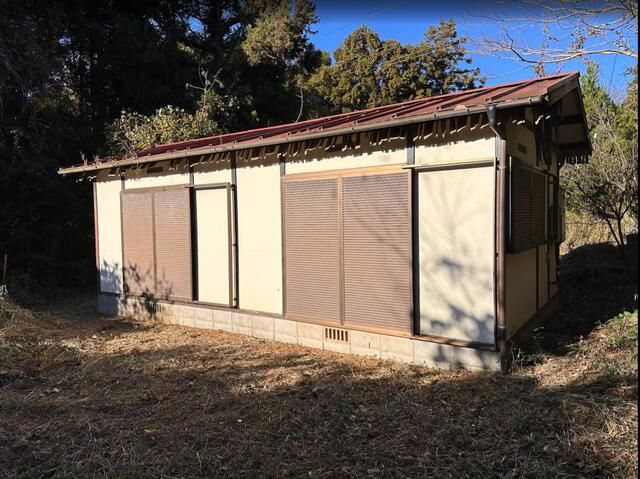
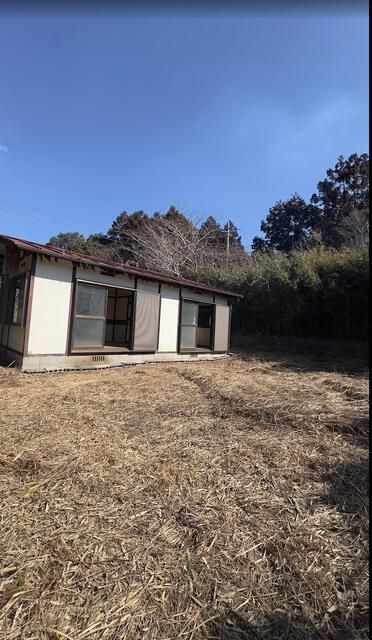
This single-story wooden house in Asahi, Chiba Prefecture, presents an authentic akiya restoration opportunity. Built in 1995, the property occupies 25.92 square meters of living space on 240 square meters (approximately 72.6 tsubo) of privately owned land. Currently vacant and ready for occupancy, the home appeals to those committed to preserving and revitalizing traditional Japanese residential architecture.
Essential property details require careful consideration. The property has no water connection—a critical factor that buyers must address independently. While electricity is connected and available, the unit bath, though present, is non-functional and cannot be used. There is no kitchen; the "K" designation in the layout exists solely for registration purposes. The building structure remains unregistered following its relocation in 2000. These factors are typical of akiya properties and represent the primary restoration challenges.
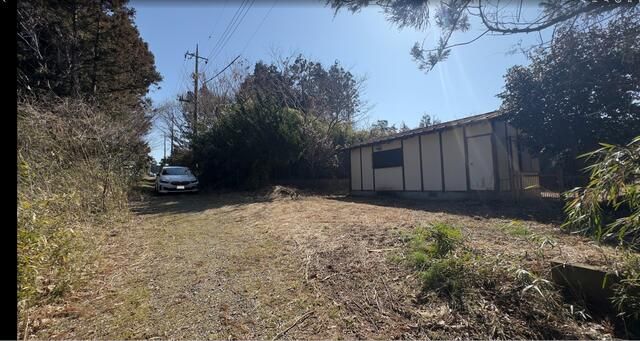
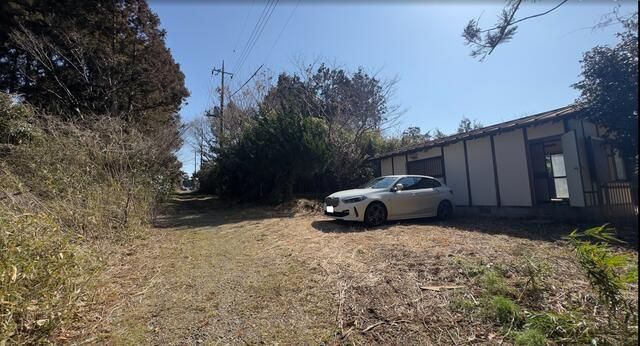
The property sits in a mountainous forestry zone outside designated urban planning areas, reflecting its rural position. Zoning restrictions are minimal, offering flexibility for future development plans. Access requires a 36-minute walk to Kurahashi Station on the Sobu Main Line. The land, entirely owned in perpetuity, includes a necessary setback on the southern road access. The property carries an asking price of 3.5 million yen, positioning it as an affordable entry point for akiya enthusiasts.
Asahi is located in northern Chiba Prefecture, a region celebrated for agriculture and maritime heritage. The nearby Kujukuri Beach stretches for 60 kilometers along the coast, making it one of Japan's longest and most historically significant sandy shores. The area's traditional fishing villages, local seafood cuisine, and seasonal cultural events reflect a deep connection to Japan's coastal traditions.