Historic Estate in the Shadow of Shibusawa Eiichi's Legacy
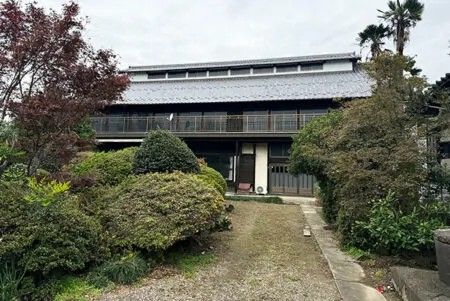
This distinguished large-scale kominka (traditional Japanese house) stands in a prime location directly facing the serene Seien Park, named after the literary name of the famed industrialist Shibusawa Eiichi. The property is situated behind the 'Nakanchi,' the former Shibusawa residence and a prefecturally designated historic site open to the public. The area, centered around the beautiful flow of the Shimizu River, offers a peaceful retreat.
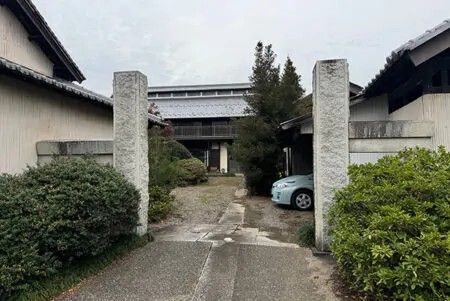
The property itself is a grand kominka with a dignified presence that rivals the neighboring Shibusawa estate. It was once the home of a prominent family that prospered through the sericulture industry. A unique architectural feature is the western boundary wall, constructed from the same distinctive red bricks used for Tokyo Station and Fukaya Station. The interior has been moderately updated while preserving spaces that evoke the feel of Japan's dawn period, allowing for various potential uses.
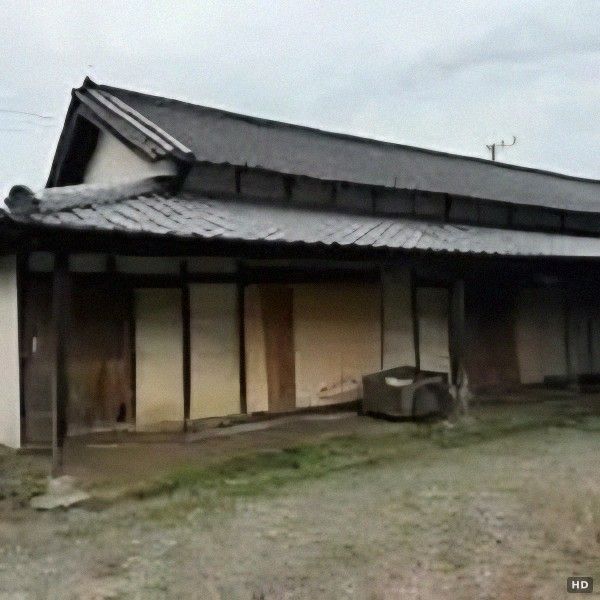
According to the agent's notes, the property is equipped with electricity, public water supply, a well, flush toilets (via a septic tank), and parking. The land is flat, zoned as residential, and located outside the city planning area. Building confirmation is required per the city's regulations. The site has frontage to a paved public road approximately 6 meters wide on the south side and 2.7 meters wide on the north side. Additional structures on the premises include two storehouses (土蔵), a shed, a hut, and a garage.
The surrounding area of Fukaya City is deeply connected to the 'father of Japanese capitalism,' Shibusawa Eiichi. An interesting local fact is that the city is also known as the birthplace of the 'Fukaya Negi' (green onion), a staple ingredient in Japanese cuisine. For history enthusiasts, the nearby Shibusawa Eiichi Memorial Museum provides a deep dive into his life and impact on modern Japan. The property offers a rare opportunity to become the steward of a significant piece of local heritage, a kominka worthy of being passed on to the next generation.