Historic Earthen Warehouse in Kahoku, Yamagata
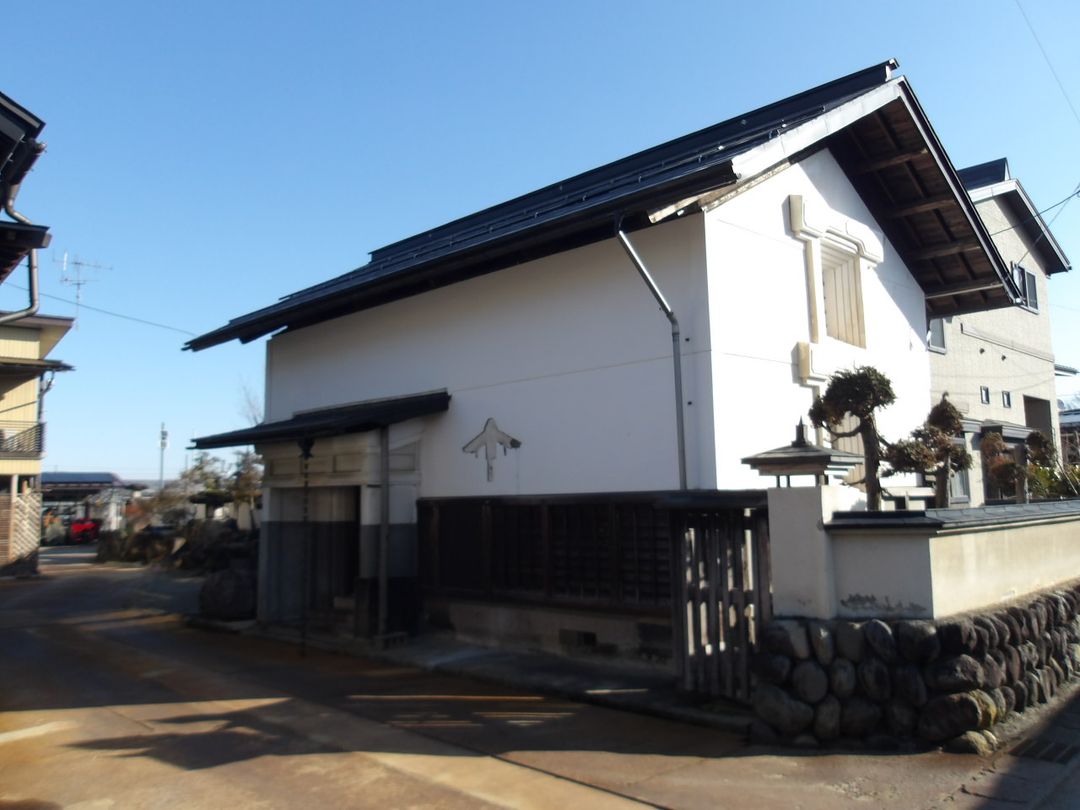
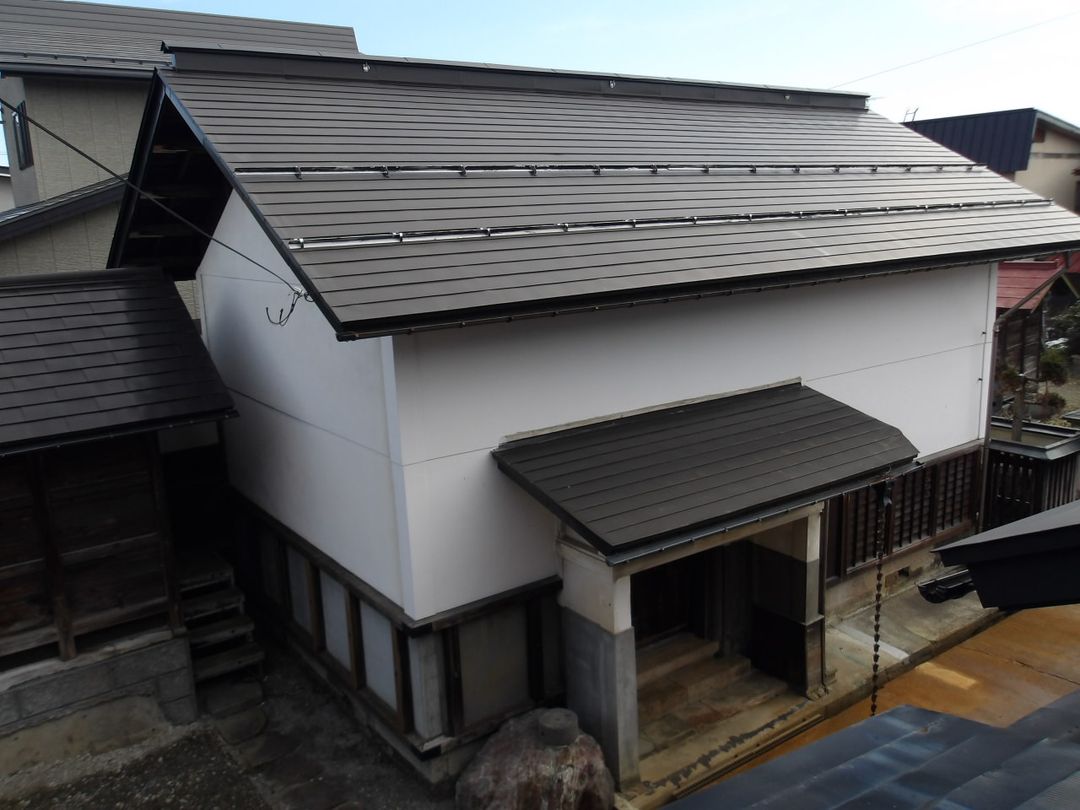
This is a registered earthen warehouse (土蔵) located in Kahoku Town, Nishimurayama District, Yamagata Prefecture. The property was registered in 1912 (Meiji 45), though it remains unclear whether it was actually built in 1912 or 1896 (Meiji 29). This structure is notable as the only building in the area to survive a major fire in 1918 (Taisho 7), as well as air raids during World War II. Traces of several renovations can be seen, but the basic framework and earthen walls have reportedly never been altered, although there are signs of plaster repairs.
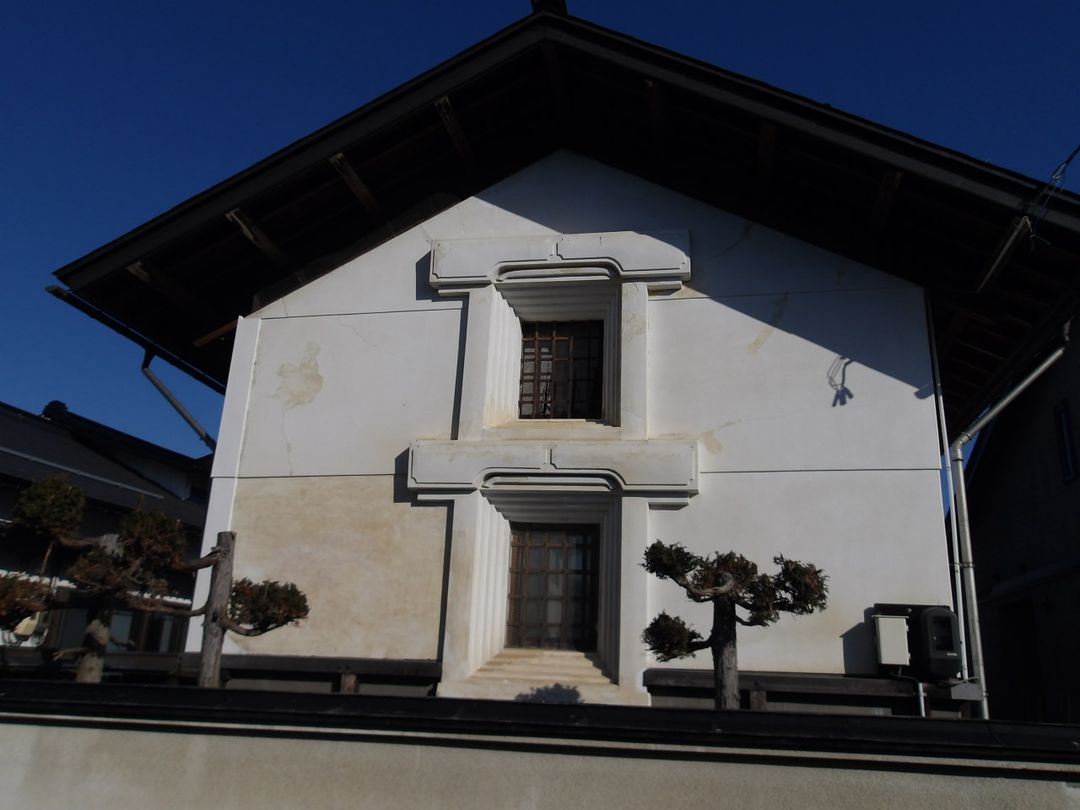
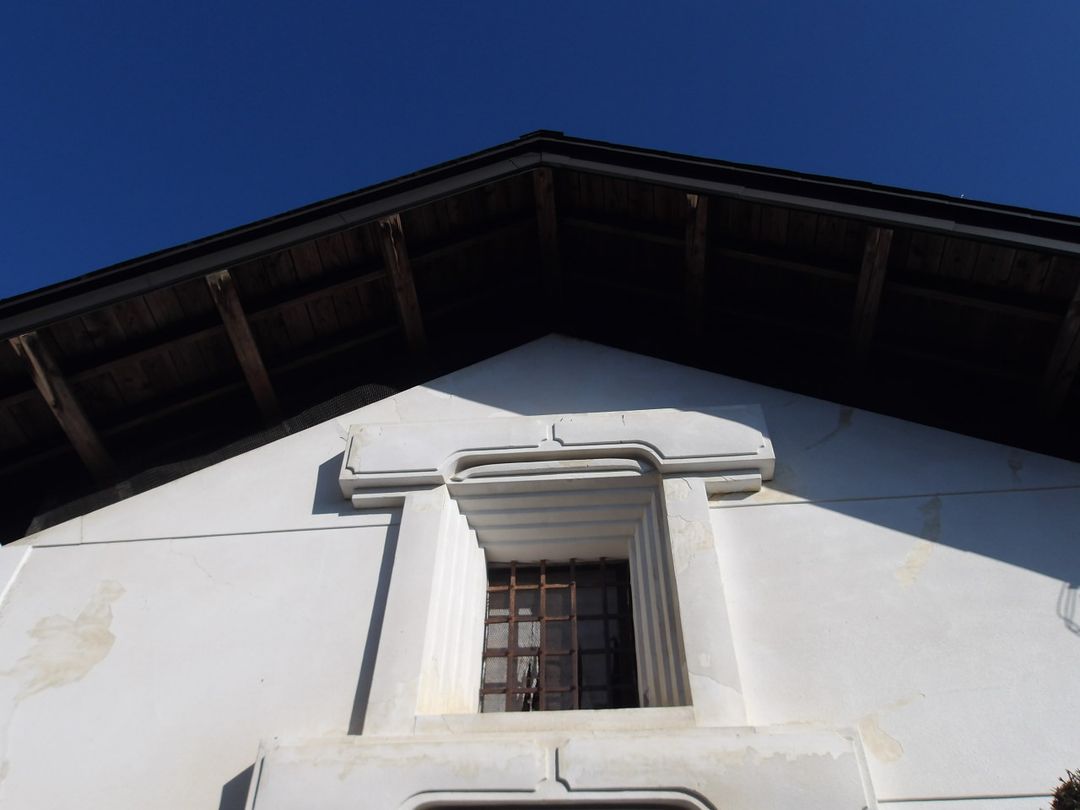
The warehouse features a stone foundation with ventilation openings, a lattice door on the inner entrance, an outer door, and a fire-resistant door. The east side shows the condition of the plaster finish. The second floor has a window. The property is located at 398 Yachi, Kahoku Town, Yamagata Prefecture. The desired price is 10,000 yen.