Traditional Nagaya-Style Home in Kitakyushu's Wakamatsu Ward
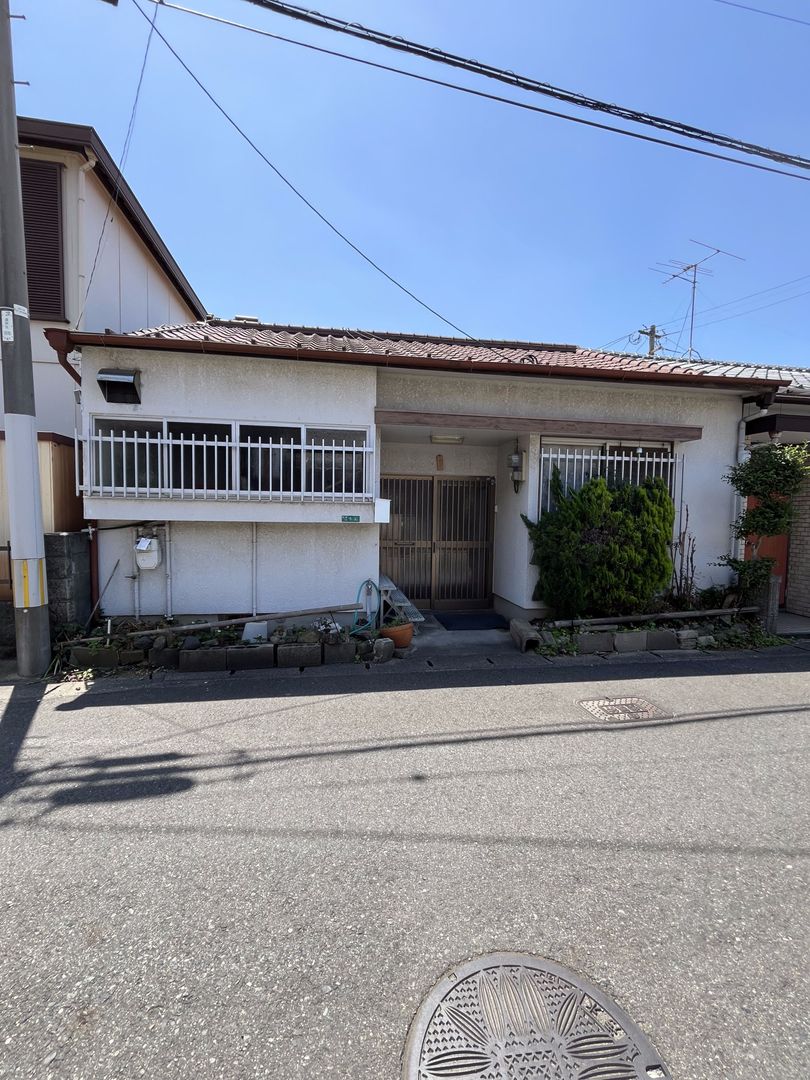
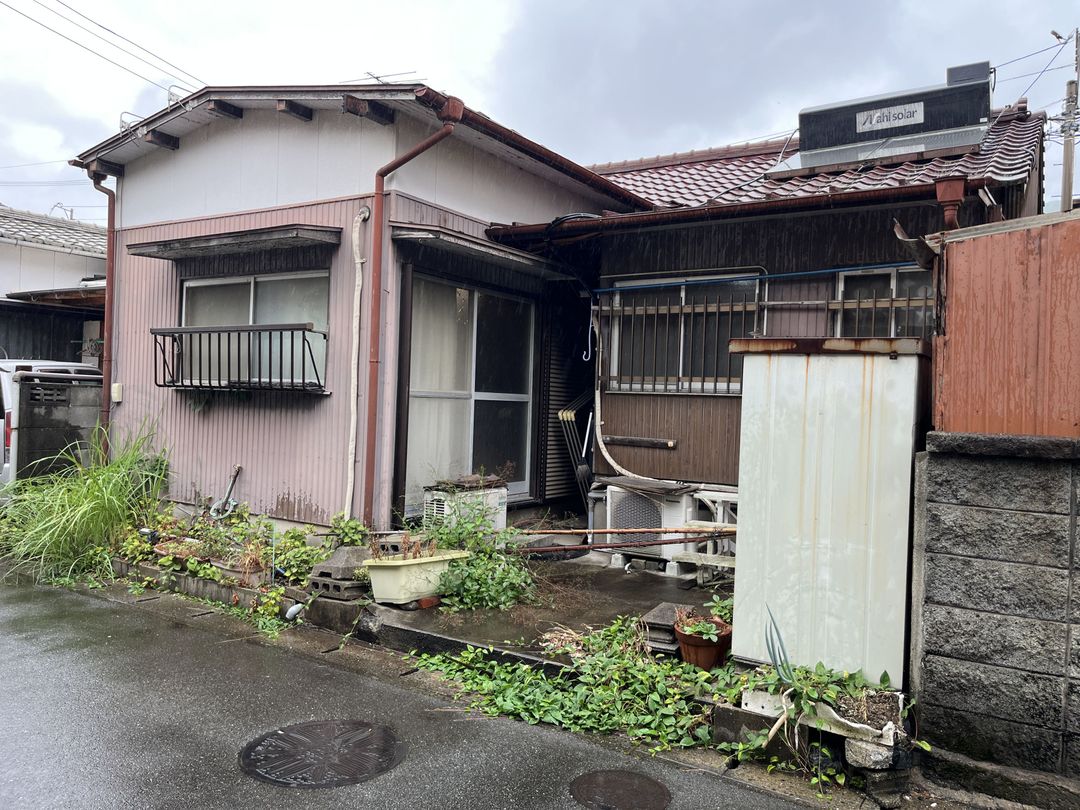
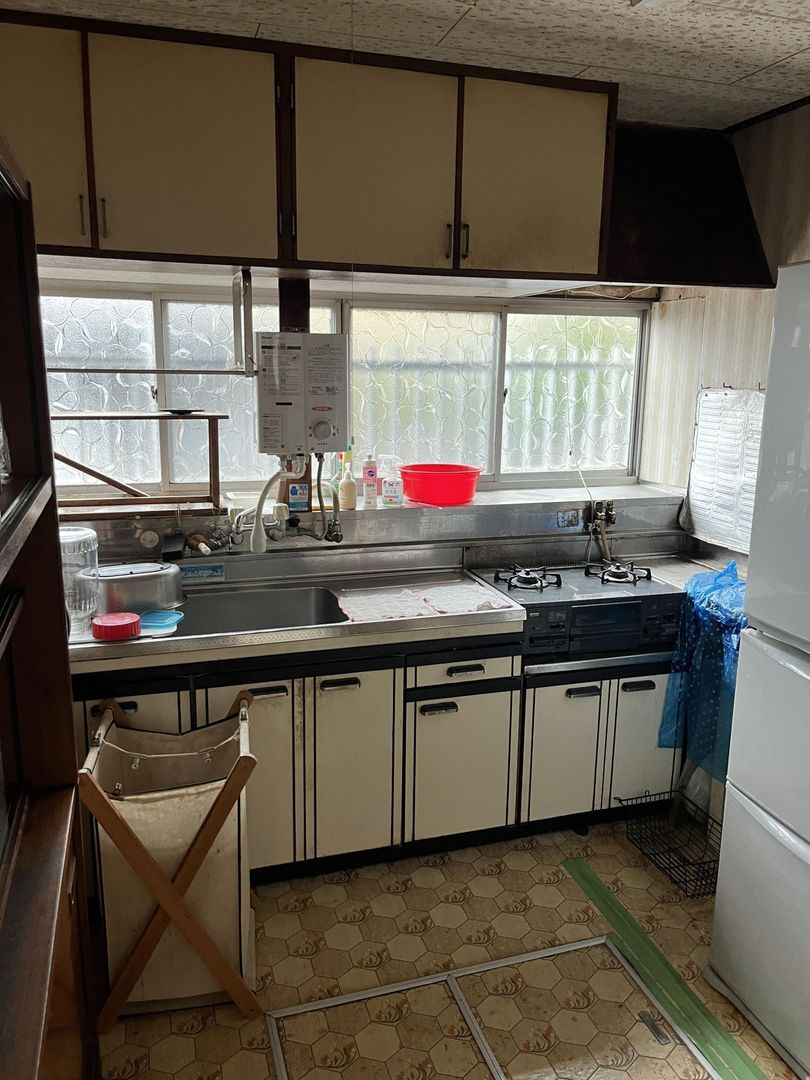
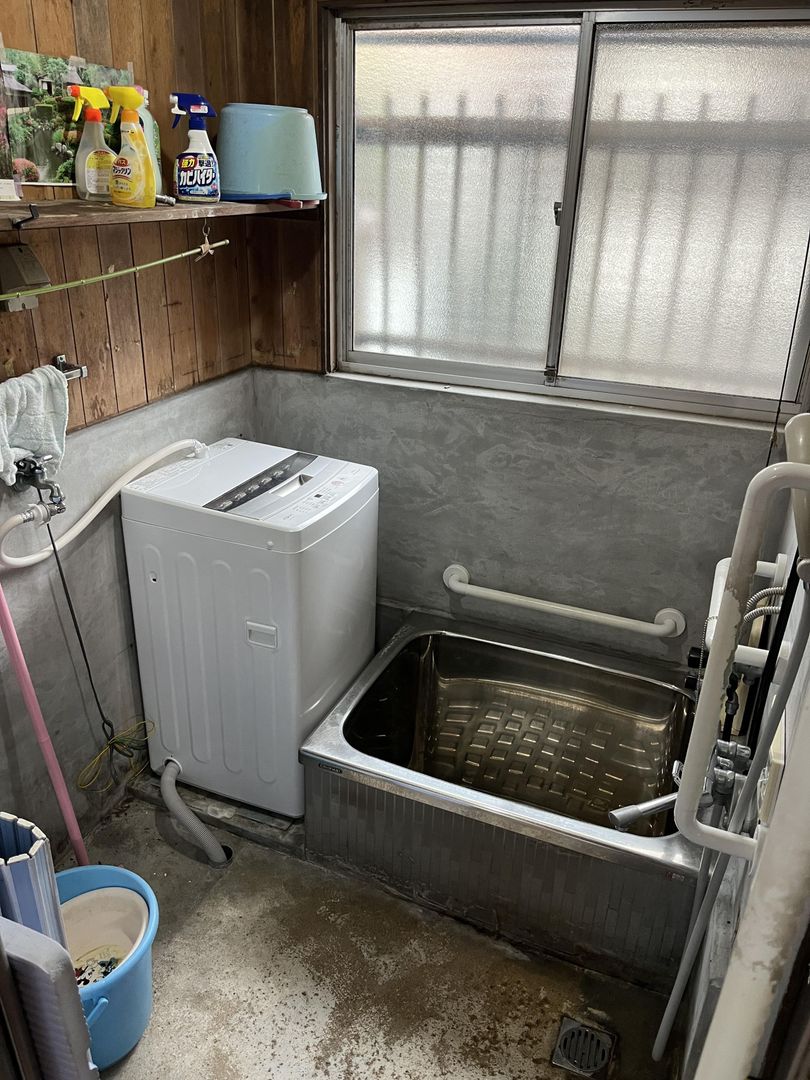
This property is a traditional Japanese nagaya (row house) located at 9-32 Higashi Futashima 1-chome, Wakamatsu Ward, Kitakyushu City, Fukuoka Prefecture. The land area is 84.22 sqm (approximately 25.47 tsubo) with a registered building area of 38.35 sqm (approximately 11.6 tsubo). The structure is a single-story wooden house built in January 1977, making it approximately 49 years old. The layout is a 4DK, offering four rooms plus a dining-kitchen area.
Critical agent notes have been translated and must be included. The property access details are as follows: it fronts on two sides. The breakdown is: North side, 5.8m wide, public road; South side, 3.8m wide, public road. Important remarks: This is a nagaya property. The property boundaries are not explicitly indicated, and the contract includes a disclaimer for non-conformity liability. There are residual items on the premises (the property will be handed over in its current state). The exact year of building construction is unknown, but it was confirmed to exist as of January 1977. The floor area on the official registry is 38.35 sqm, while the taxable floor area on the tax statement is 61.23 sqm. There is an unregistered extension; the property will be delivered in its current condition without performing a building title change registration.
The property is situated in a First Category Medium-to-High-Rise Residential Exclusive Zone within an urbanization promotion area. It does not include a parking space. The closest major train station is Okidokai Station on the Chikuho Main Line, an 8-minute walk away, providing regional rail access.
The surrounding Wakamatsu area is a historic part of Kitakyushu, once a major coal shipping port. An interesting local fact is that the nearby Kanmon Straits separate Honshu and Kyushu, and the undersea Kanmon Pedestrian Tunnel allows you to walk between the two main islands of Japan. For a notable tourist attraction, a short drive will take you to the iconic Mojiko Retro District, a beautifully preserved early 20th-century port area with Western-style buildings, museums, and scenic waterfront views, offering a glimpse into Japan's Meiji and Taisho era international trade history.