Kanmaki-shinmachi Kominka: A Spacious Traditional Estate in Nara
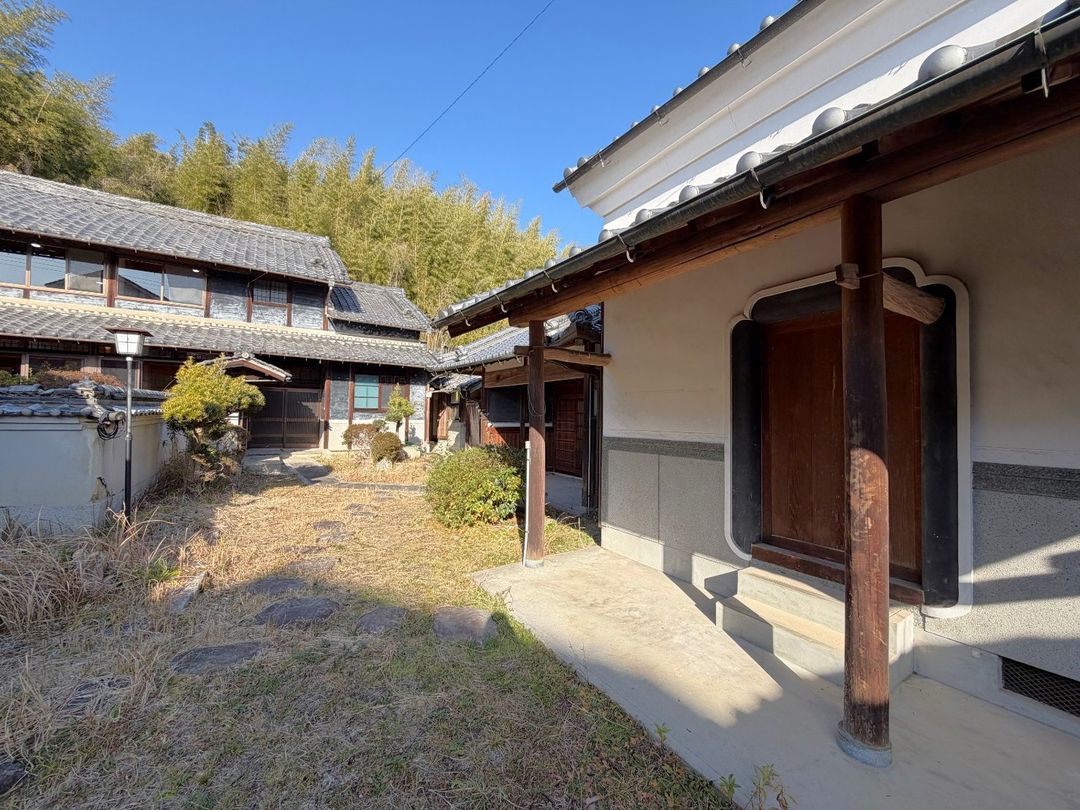
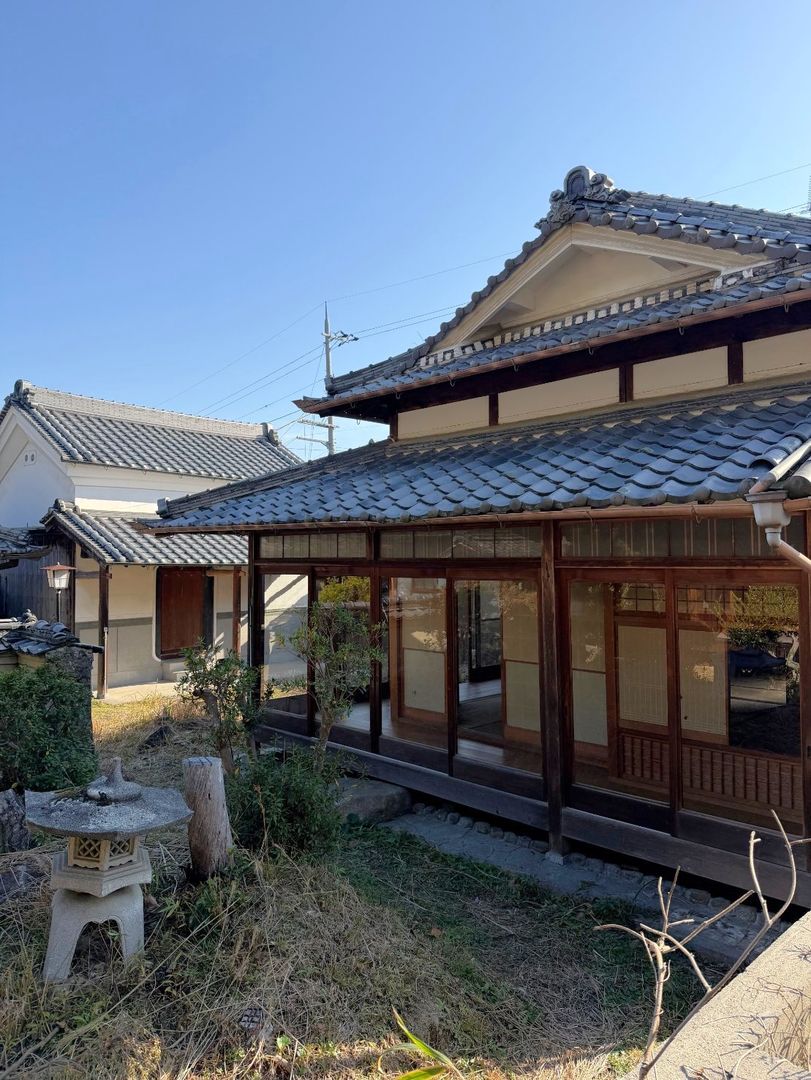
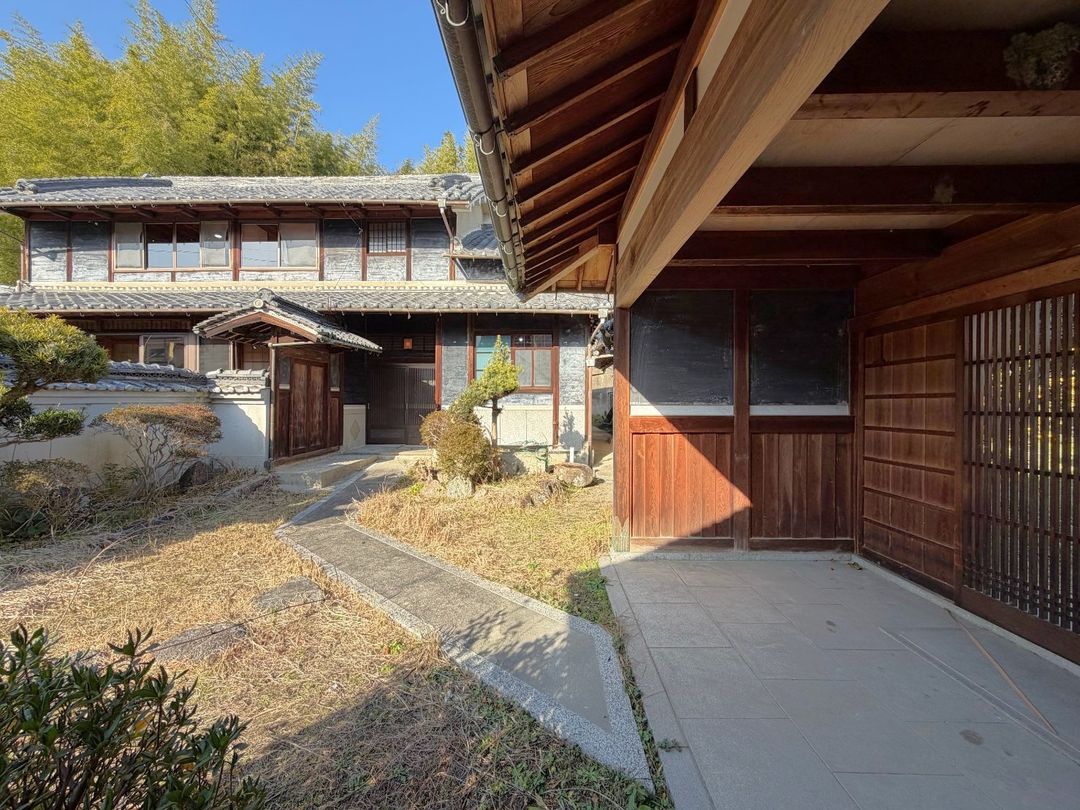
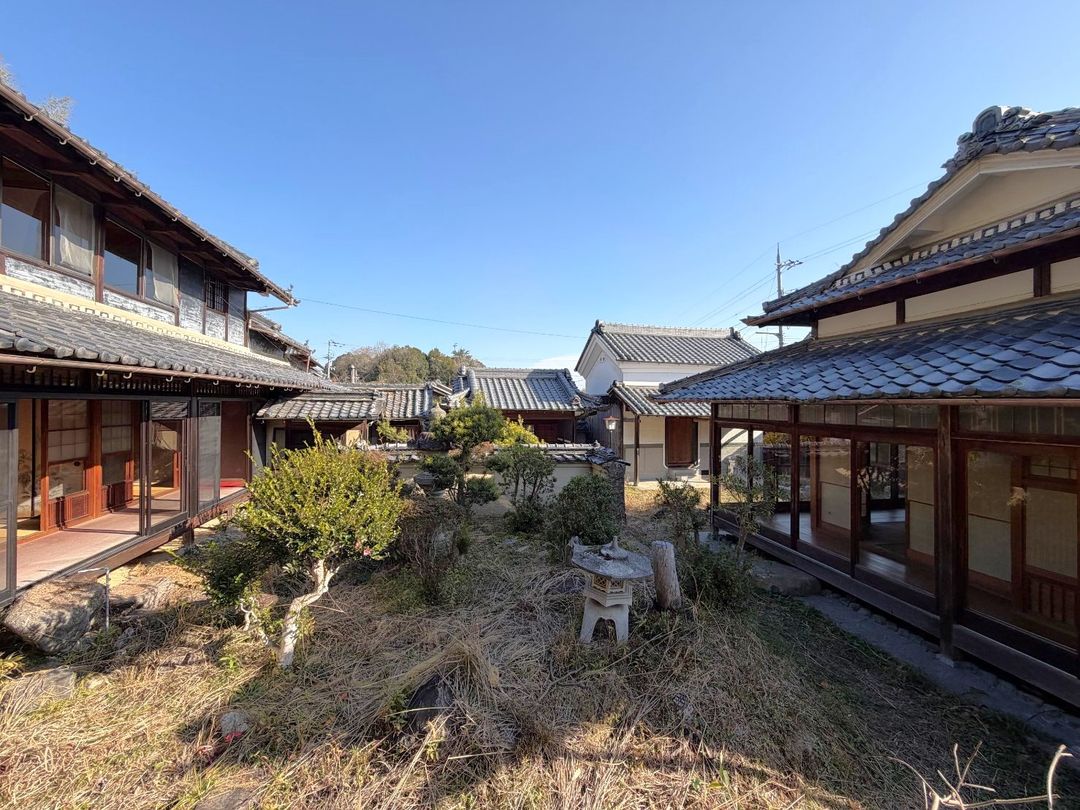
This impressive kominka (traditional Japanese house) stands on a generous 1,867.30 sqm plot at the edge of an old village in Kanmaki Town, Nara Prefecture. The property features a stately gate and traditional buildings arranged around an inner courtyard, creating an elegant atmosphere. The interior is well-maintained, with modern updates to the main house's water facilities and exterior doors, ensuring comfortable living. With 12 rooms plus a living, dining, and kitchen area (12LDK), numerous rooms, and a detached annex, the layout allows for flexible zoning, making it suitable for guest accommodations or multi-generational living.
According to agent notes, the property is subject to the Landscape Act and the Act on the Regulation of Land Development and Specific Embankments. In December 2025, the interior wood was cleaned. The property is currently vacant. The land use classification is residential, and it is located in an urbanized area with a Category 1 exclusively low-rise residential district zoning designation, allowing for a 50% building coverage ratio and 80% floor area ratio. Parking is available for more than 10 cars, though there are some narrow areas when entering. Utilities include public water, public sewer, propane gas, and available electricity.
The area of Kanmaki City sits on expansive hills in the northwestern Nara Basin, a region rich in history with numerous ancient burial mounds reflecting its role in early Japan. While much of the hills has developed into a bedroom community for the Osaka metropolitan area, tranquil scenery of bamboo groves, woodlands, rice fields, and ponds still remains. A short walk from the property leads to a newer residential area with shops and daily amenities, allowing residents to enjoy both suburban calm and urban convenience. Nara and central Osaka are just over 30 minutes by car, and Kansai International Airport is under an hour away. An interesting local fact is that the area is part of the ancient Yamato Province, the political and cultural heart of Japan during the Kofun period (250-538 AD), which is why the landscape is dotted with keyhole-shaped burial mounds known as kofun. The closest major landmark is the historic Horyu-ji Temple, a UNESCO World Heritage site and one of the world's oldest wooden structures, located approximately a 20-minute drive away.