Tamaki Apartments Unit 301: A Convenient Corner Apartment in Naha
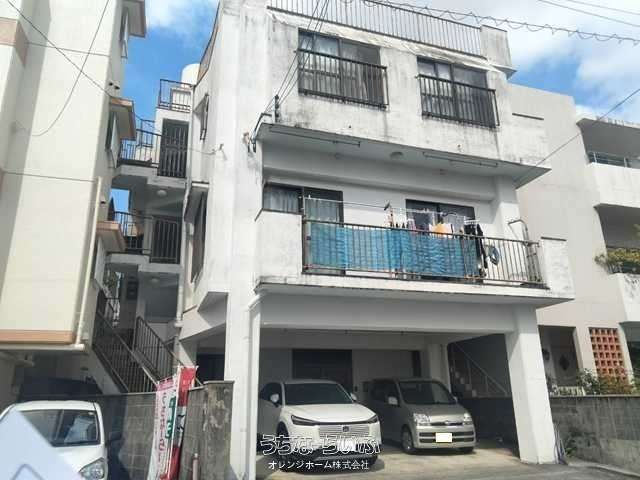
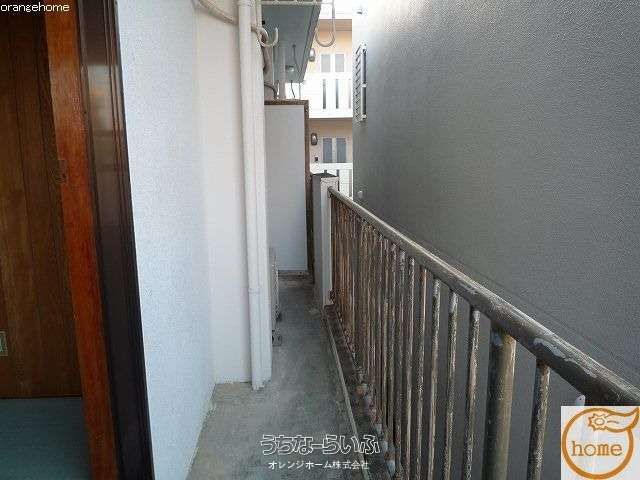
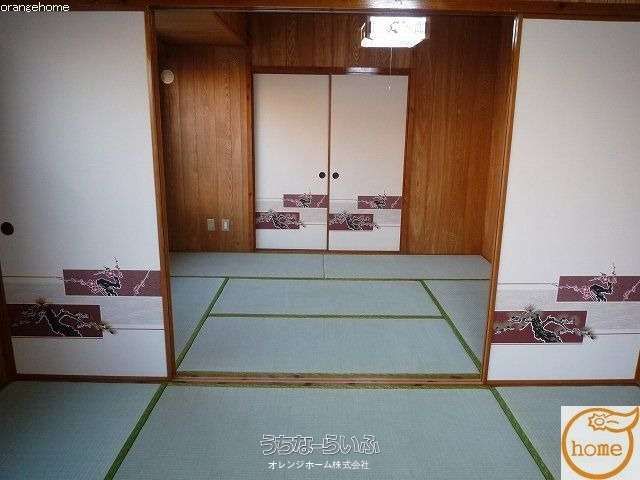
This rental apartment, Unit 301 in the Tamaki Apartments building, offers a practical and well-located living space in the heart of Naha City, Okinawa Prefecture. The property is a corner unit on the top (3rd) floor of a 3-story reinforced concrete (RC) building constructed in January 1991. The layout is a 2DK, featuring two Japanese-style rooms (each 6 tatami mats in size) and a dining-kitchen area.
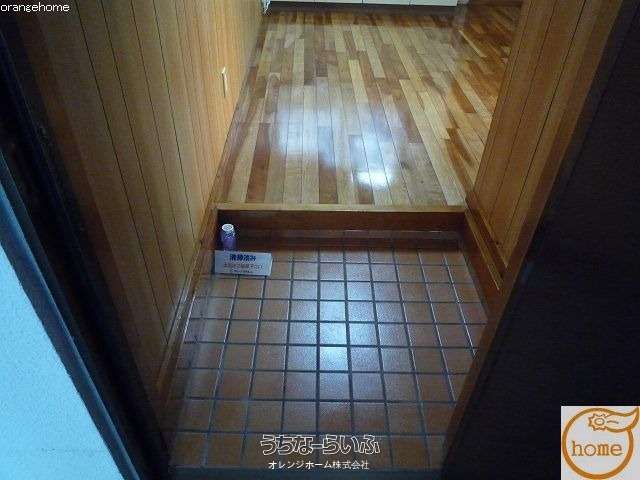
The agent's notes provide essential details about the property's facilities and conditions. The equipment includes an indoor space for a washing machine. A special note regarding fees mentions that fire insurance is required, costing approximately 13,000 yen for a two-year period. The agent also remarks, "Please be sure to check out our company website at http://www.o-home.jp! We have many properties listed, mainly in Naha City." The apartment comes with air conditioning, though it is noted that there is no warranty on the units, and includes a shoe box for storage.
The monthly rent is 48,000 yen with a 2,000 yen common area maintenance fee. The initial costs include a one-month security deposit and a one-month key money (礼金). A brokerage fee equivalent to 1.1 months' rent is applicable. The contract is a fixed-term lease for two years, with a renewal fee of 22,000 yen. A guarantee company is required, with an initial cost of 50% of one month's rent (minimum 20,000 yen) and an annual commission fee of 10,000 yen. Parking is not available, but consultation is possible. Pets are not permitted.
The location is highly convenient for daily life and transportation. It is approximately an 8-minute walk to the Yui Monorail's Asato Station and about a 3-minute walk to the Tsuboya bus stop. Convenience stores and a Yoshinoya restaurant are nearby, and the Sakae-machi Ryubo shopping area is within walking distance. The area is part of the historic Tsuboya district, famous for its traditional Okinawan pottery, or *Tsuboya-yaki*. A short walk will lead you to the Tsuboya Pottery Street, a major tourist attraction where you can see working kilns, purchase unique ceramics, and learn about this centuries-old craft central to Okinawan culture.