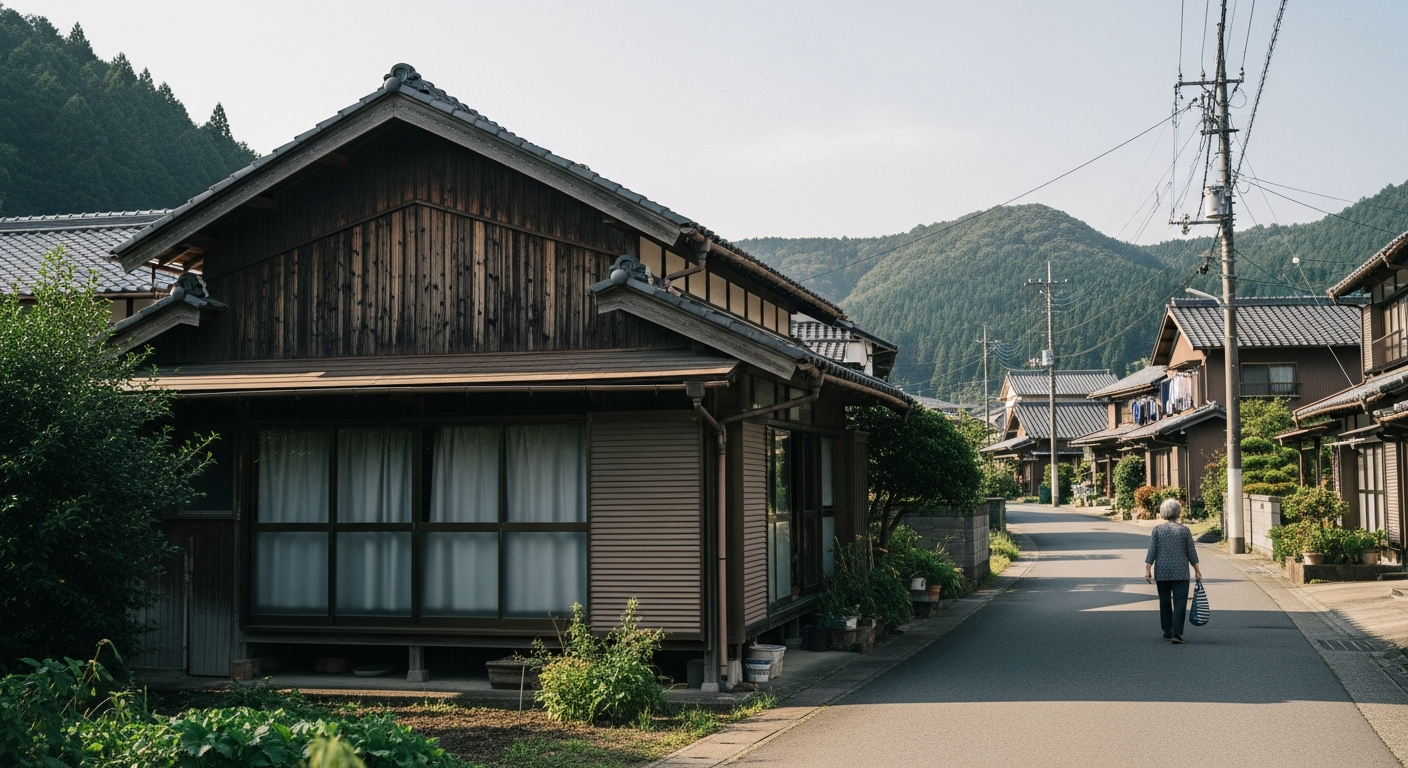
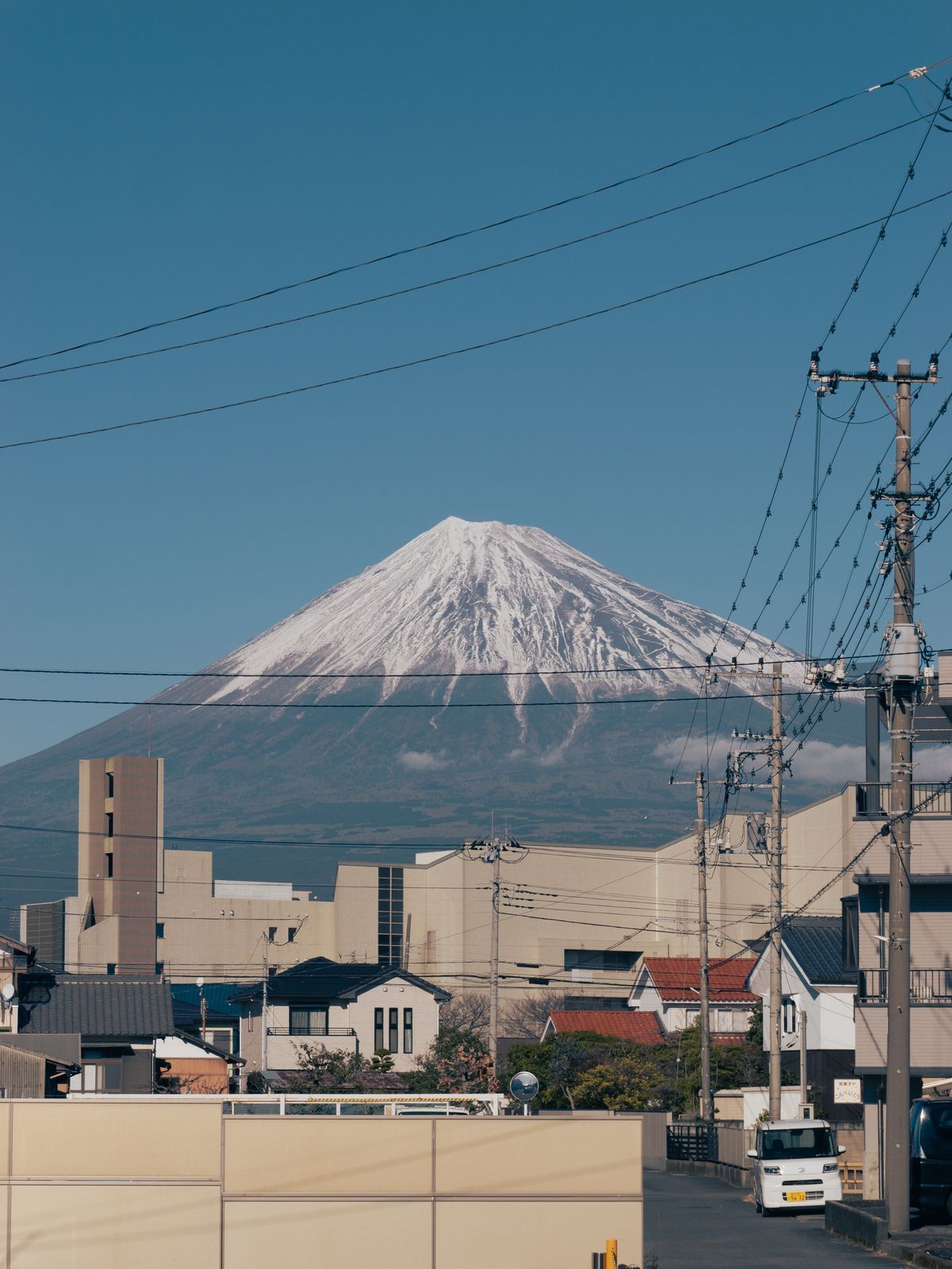
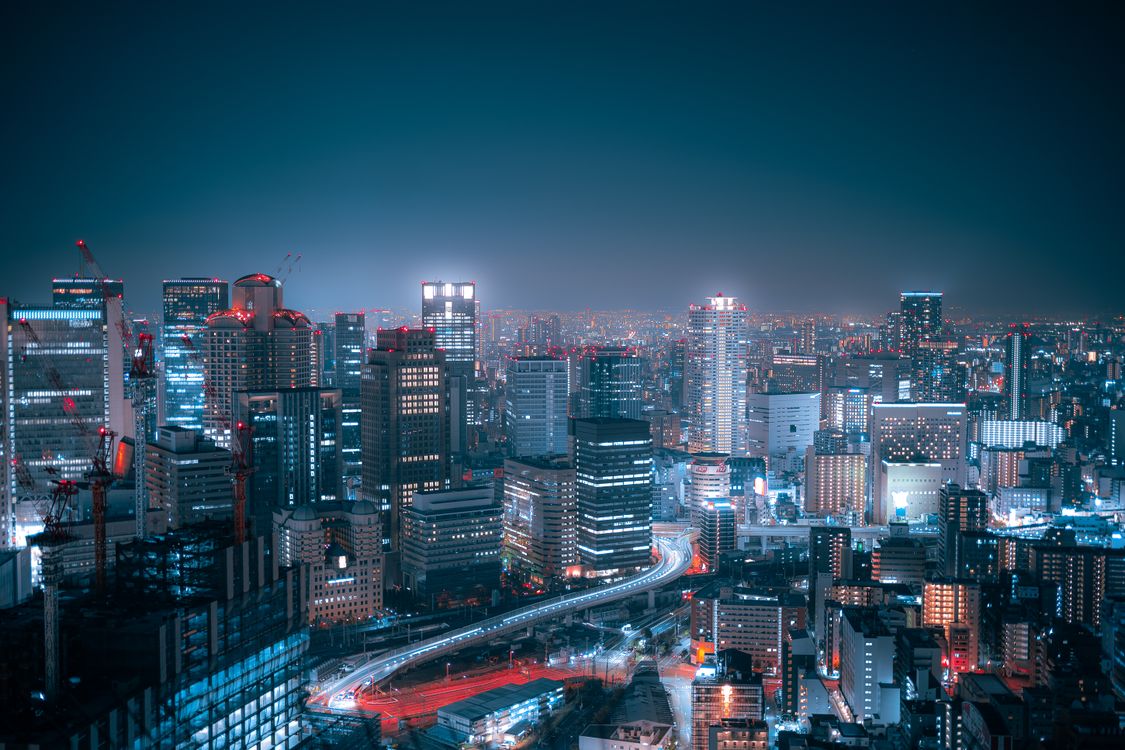
Japan is not the first country most people think of when they hear "surf town." But it should be. With over 30,000 kilometres of coastline, typhoon-generated swells that rival anything in the Southern Hemisphere, and an estimated 1.2 million active surfers, Japan has quietly built one of the most vibrant surf cultures in Asia — and possibly the world.
What makes Japan's coastal towns particularly interesting for property buyers is the convergence of three factors: world-class waves, extremely affordable real estate (especially akiya and older coastal homes), and the infrastructure of a first-world country. You can paddle out at dawn, work remotely from a café with fibre-optic internet by mid-morning, and catch the evening glass-off — all while paying a fraction of what you'd spend in Bali, Byron Bay, or Southern California.
This guide covers Japan's best surfing regions, the towns where surf culture and affordable living overlap, and what to know before buying property near the coast.
A Brief History of Surfing in Japan
Japan's relationship with wave-riding stretches back further than most realise. The earliest written record dates to 1821, when children in Yamagata Prefecture were documented riding waves on itago — small wooden belly boards fashioned from boat planks. Modern surfing arrived with American military personnel stationed at Yokosuka in the post-war decades, and by the 1970s a domestic surf scene had taken root along the Pacific coast.
The watershed moment came in 1991. During Typhoon Orchid, legendary surfer Tom Curren paddled out at the Nichinan coast in Miyazaki and rode enormous waves over jagged reef. That session — captured on film and circulated worldwide — shattered the perception that Japan was a flat-water country. The spot is still called "Curren's Point."
Miyazaki hosted the World Amateur Surfing Championships in 1990 (the first in Asia) and ASP World Tour events from 1991 to 1993. Then, in 2021, surfing made its Olympic debut at Tsurigasaki Beach in Chiba — cementing Japan's status as a legitimate surf nation on the global stage.
The Major Surf Regions
Shonan Coast, Kanagawa — "Japan's Malibu"

The stretch of coast from Chigasaki through Fujisawa to Kamakura is where Japanese surf culture was born. Chigasaki — officially a sister city of Honolulu — carries the mellow, Hawaii-inflected vibe that defines Shonan. Locals pride themselves on their aloha spirit, with surf shops and beachside restaurants bearing Hawaiian names up and down the coast road.
Key beaches: Kugenuma (the most popular surf beach on the Shonan shore), Shichirigahama (a reef break with Mt. Fuji views and thinner crowds), and Yuigahama (beginner-friendly, walkable from Kamakura station).
Waves: Best from November to March when winter swells bring more power. Summer is ideal for beginners — smaller, warmer, and forgiving. Long jetties at Chigasaki create reliable right-handers.
Living here: Shonan is the most expensive of Japan's surf towns owing to its proximity to Tokyo (about one hour by train). Average rent for a small apartment runs around ¥59,000/month. But the trade-off is unbeatable access — commutable to the capital, yet distinctly coastal in character. The area has become increasingly popular with foreign professionals working remotely.
Property opportunity: Older homes in the backstreets of Chigasaki and western Fujisawa sometimes appear at accessible prices, particularly wooden houses from the Showa era that need renovation. Competition is stiffer here than in more rural surf regions, but the resale value and rental demand are also stronger.
Chiba Prefecture — "Chibafornia"
If Shonan is Japan's Malibu, Chiba is its North Shore — the place serious surfers gravitate toward for year-round consistency. The outer Boso Peninsula faces directly into the Pacific, catching swells that the more sheltered Shonan coast misses entirely.
The epicentre is Ichinomiya, a town of roughly 12,000 that punches wildly above its weight. Three kilometres of beach road lined with over 20 surf shops, cafés, and shapers' studios. An estimated 600,000 surfers visit annually. And it was here — at Tsurigasaki Beach — that Olympic surfing made its debut.
The post-Olympics effect has been significant. Ichinomiya gains approximately 500 new residents per year, and a 2019 survey found that 32.3% of newcomers cited surfing as their primary reason for relocating. The town has pioneered "surf and work" shared offices, catering to the remote-work wave that accelerated during the pandemic.
Key beaches: Tsurigasaki/Shidashita (Olympic venue, powerful beach breaks), Kujukuri (a 66-kilometre stretch of beginner-friendly sand), and Katsuura's reef breaks further south — nicknamed "Malibu" for their long, peeling walls.
Waves: Year-round consistency — the best in Japan. Expect 3–8 foot faces during typhoon season (August to October), and clean northeast groundswells through winter. Summer produces smaller, fun waves for all levels.
Living here: Average rent around ¥53,000/month in the broader Chiba area. Ichinomiya itself is about 90 minutes from Tokyo by limited express train — close enough for occasional city trips, far enough to feel like a different world.
Property opportunity: The outer Boso peninsula, particularly around Katsuura and Onjuku, has older housing stock at prices well below Ichinomiya proper. These towns offer excellent surf access without the premium of the Olympic spotlight.
Miyazaki Prefecture — The Warm-Water Capital

Miyazaki sits on the southeastern coast of Kyushu, where palm-lined streets and warm Pacific water give it a distinctly tropical feel. This is where Tom Curren made history, where the ISA World Surfing Games have been held, and where a growing community of surfers — both Japanese and international — are settling permanently.
The Nichinan coast stretching south from Aoshima is the main draw. Aoshima itself is a beautiful beach town anchored by the striking "Devil's Washboard" — a natural rock formation of wave-cut platforms extending into the sea. The Aoshima Beach Park, opened in 2015, brought a California-influenced aesthetic with English signage and Western-style food stalls. According to one local surf school, 90% of new clients are young women aged 25 to 40 — a sign that Miyazaki's surf culture is broadening well beyond the traditional core demographic.
Further north, Hyuga is emerging as a digital nomad hub. Coworking spaces like the Stairs of the Sea Surf Office sit directly overlooking the ocean — the kind of setup that would cost a fortune in Bali or Lisbon but comes at Miyazaki prices.
Waves: Year-round surfable conditions, with the best swells from July to October. Kisakihama (the ISA Games venue) produces powerful, competition-quality waves during typhoon season.
Living here: Miyazaki is one of Japan's most affordable prefectures. Average rent for a small apartment is around ¥34,000/month, and monthly living costs can sit as low as ¥131,000 — roughly half of what you'd spend in Shonan.
Property opportunity: Strong. The Nichinan coast south of Aoshima is still developing, with affordable properties available. Miyazaki's combination of warm weather, low costs, and improving infrastructure makes it one of the most compelling coastal areas for property buyers who want to live rather than just invest.
Shikoku's Pacific Coast — The Purist's Choice
Ask a well-travelled Japanese surfer where the best waves are, and the answer is often Shikoku. The island's Pacific-facing coast — running through Kochi and Tokushima prefectures — is wild, rugged, and blissfully uncrowded. Miles of reef breaks, beach breaks, and rivermouths with nobody on them.
The standout is the Kaifu River mouth in Tokushima, sometimes called the "Japanese Pipeline" for its hollow, barrel-producing waves. It requires experience and respect, but on its day it rivals anything in Southeast Asia. For something more approachable, Irino Beach in Kochi offers consistent, beginner-friendly surf on a long stretch of sand.
Waves: Highly seasonal — peak conditions run from July to October when typhoon swells light up the coast. When it's on, Shikoku produces what surfers describe as "pumping right-hand points that barrel like a wave pool."
Living here: Remote, peaceful, and deeply affordable. This is authentic rural Japan — the kind of place where neighbours bring vegetables to your door and the nearest convenience store might be a 20-minute drive.
Property opportunity: Kochi prefecture has some of the most affordable ocean-facing akiya in Japan. The combination of world-class surf, low property prices, and a rugged coastal landscape makes this region ideal for buyers who want solitude, space, and waves without compromise.
Other Notable Surf Regions
| Region | Character | Best Season | Distance to Major City |
|---|---|---|---|
| Wakayama | Kansai's surf hub. Rocky reefs, hidden breaks. Shirahama's white sand beach. | Year-round (reef breaks), Jul–Oct (swells) | 1.5–2h to Osaka |
| Shimoda, Izu Peninsula | Historic port town with white sand beaches. Hosts digital nomad events. Iritahama regularly voted Japan's most beautiful beach. | Typhoon season (Aug–Oct) | ~2h to Tokyo |
| Tanegashima | Island off southern Kyushu. Home to Japan's space centre AND great surf. Catches swell from both Pacific and East China Sea. | Year-round (high consistency) | 1.25h ferry to Kagoshima |
| Hokkaido | Black sand beaches, deserted lineups, left-hand point breaks. Cold water, thick wetsuits. For the adventurous. | Dec–Mar (winterswell), Jun–Aug (typhoons) | Varies widely |
Seasonal Wave Guide
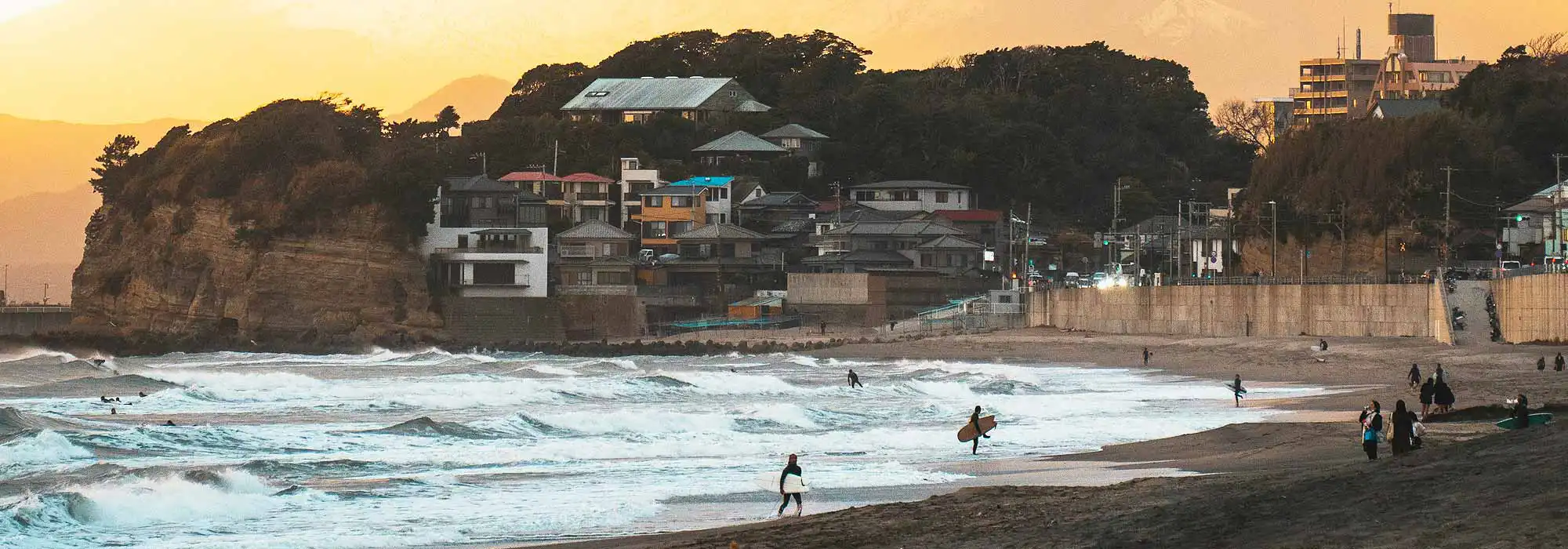
Japan's surf calendar is dictated by two main swell sources: typhoons in the warm months and winter storm systems in the cold ones.
| Season | Swell Source | Best Regions | Wave Heights |
|---|---|---|---|
| Aug–Oct (Peak) | Typhoon-generated S/SE groundswell | All Pacific-facing coasts | 4–15 ft, powerful |
| Nov–Mar (Winter) | NW/NE winter storm systems | Chiba, Hokkaido, Sea of Japan coasts | 2–6 ft, clean |
| Apr–Jul (Spring/Summer) | Lighter windswells, early typhoons | Shonan, Chiba | 1–4 ft, beginner-friendly |
The typhoon strategy: Experienced surfers in Japan monitor typhoon tracks closely. The golden window is one to three days before a typhoon arrives — clean groundswells in the 4–10 foot range roll in ahead of the storm itself, producing excellent conditions without the dangerous winds. The two to four days after a typhoon passes also offer quality clean-up sets. Direct strikes, of course, are to be avoided entirely.
Water temperature: Ranges from 24–28°C in summer (boardshorts or a spring suit) down to 12–16°C in winter (full wetsuit, boots, and gloves in northern areas). Miyazaki and Tanegashima stay warmer year-round.
Cost of Living: Surf Town Comparison
One of the most compelling aspects of Japan's surf towns is the price. Compared to surf destinations elsewhere in the developed world, the cost of living is remarkably low — especially outside the Tokyo commuter belt.
| Location | Avg. Monthly Rent (1R) | Monthly Living Cost | Surf Consistency |
|---|---|---|---|
| Tanegashima | ~¥25,000 | ~¥100,000 | High (year-round) |
| Kochi / Shikoku | ~¥30,000 | ~¥120,000 | Seasonal (Jul–Oct peak) |
| Miyazaki | ~¥34,000 | ~¥131,000 | Year-round |
| Shimoda / Izu | ~¥40,000 | ~¥150,000 | Seasonal (typhoon best) |
| Chiba (Ichinomiya area) | ~¥53,000 | ~¥180,000 | Year-round (best in Japan) |
| Shonan (Kanagawa) | ~¥59,000 | ~¥200,000+ | Seasonal (winter/typhoon) |
For context, comparable surf-town living in Bali runs ¥150,000–200,000/month, Byron Bay ¥300,000+, and anywhere in coastal California ¥400,000+. Japan's rural surf towns offer first-world infrastructure at developing-world prices.
Buying Coastal Property: What to Know
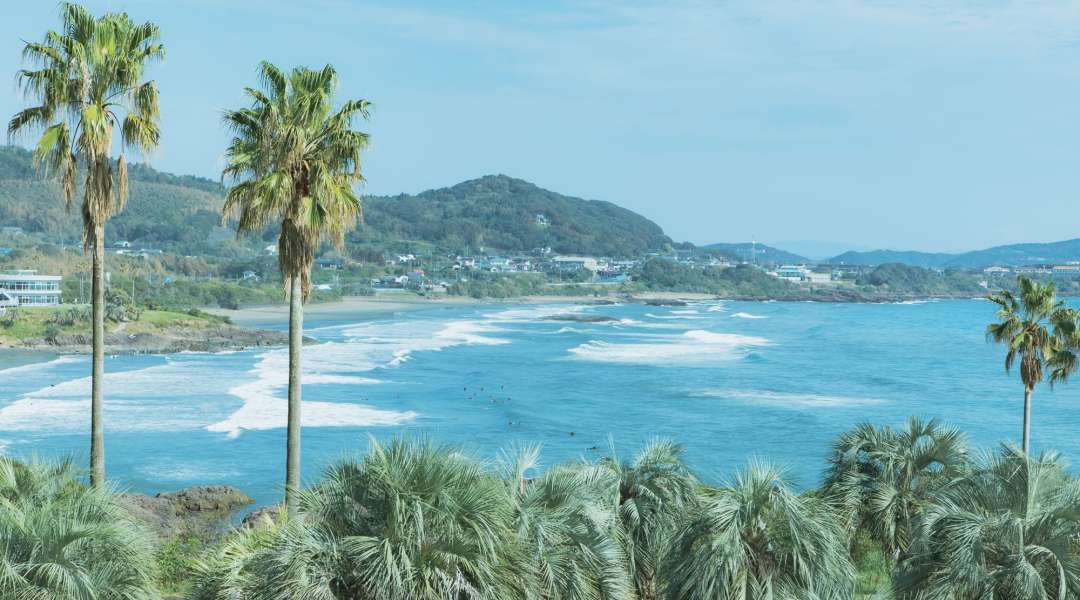
Japan places no restrictions on foreign property ownership, and coastal akiya (abandoned or vacant houses) represent some of the best value in the country. Rural coastal properties typically range from ¥500,000 to ¥5,000,000 ($3,500–$35,000 USD), with renovation costs usually running two to three times the purchase price.
Best Prefectures for Coastal Akiya
- Kochi (Shikoku): The strongest overlap of world-class surf and affordable akiya. Miles of rugged coastline, the Shimanto and Kuroshio areas in particular, with ocean-facing properties at prices that would be unthinkable elsewhere.
- Miyazaki: Growing surf tourism infrastructure meets affordable housing. The Nichinan coast south of Aoshima is still in its early development phase — early movers get the best value.
- Chiba (Outer Boso): Pricier than the rural south, but akiya exist in the areas around Katsuura and Onjuku — further from the Olympic spotlight, closer to excellent waves.
- Wakayama: The southern Kii Peninsula has affordable coastal properties near surf breaks, with the added benefit of relative proximity to Osaka.
Coastal Property Considerations
Salt air corrosion: Properties within a few hundred metres of the ocean experience accelerated wear on metal fixtures, roofing, and exterior paint. Budget for more frequent maintenance than an inland property would require. Stainless steel and treated timber hold up best.
Tsunami and flood zones: Japan takes natural disaster preparedness seriously. Before buying, check the local hazard map (hazādo mappu) — every municipality publishes one. Properties at elevation or set back from the immediate coast carry less risk. Most coastal towns have clearly marked evacuation routes and elevated shelters.
Seasonal access: Some coastal roads in more remote areas (Shikoku, parts of the Kii Peninsula) can be affected by typhoon damage or landslides during the rainy season. Ensure your property has reliable year-round access if you plan to live there full-time.
Community and neighbours: Coastal fishing villages in Japan tend to be tight-knit. Making an effort to participate in local events — beach cleanups, festivals, neighbourhood associations — goes a long way toward integration. Many surf communities organise regular cleanups of their breaks, which is an easy entry point.
The Remote Work Factor
The convergence of remote work and surf culture is reshaping Japan's coastal towns. Ichinomiya's "surf and work" shared offices were ahead of the curve, and other towns are following. Hyuga in Miyazaki has coworking spaces overlooking the ocean. Shimoda on the Izu Peninsula hosts annual month-long digital nomad events.
Japan's fibre-optic broadband reaches surprisingly deep into rural areas — even small coastal towns often have gigabit connections available. Combined with the April 2024 digital nomad visa (allowing stays of up to six months), the infrastructure for location-independent work in a surf town is already in place.
For property buyers, this trend has a practical implication: coastal homes that can double as live-work spaces — or that have the layout to accommodate a home office — will hold stronger long-term value as the remote-work shift continues.
Where to Start
For buyers who want the safest introduction to coastal Japan, Chiba offers the best balance of wave quality, community, and accessibility. For those prioritising affordability and warmth, Miyazaki is hard to beat. And for surfers who want the road less travelled — uncrowded lineups, raw coastline, and the deep quiet of rural Japan — Kochi on Shikoku's Pacific coast is the move.
Whatever the destination, the pattern is the same: Japan's coastal towns offer a quality of life that most surf destinations can't match. Clean water, safe communities, reliable infrastructure, and waves that — when the typhoon swells line up — rival anywhere on earth. The fact that you can buy a house near the beach for the price of a used car is just the beginning.
Browse coastal properties across Japan on Akiya Japan's property search, or explore specific regions on the interactive map.