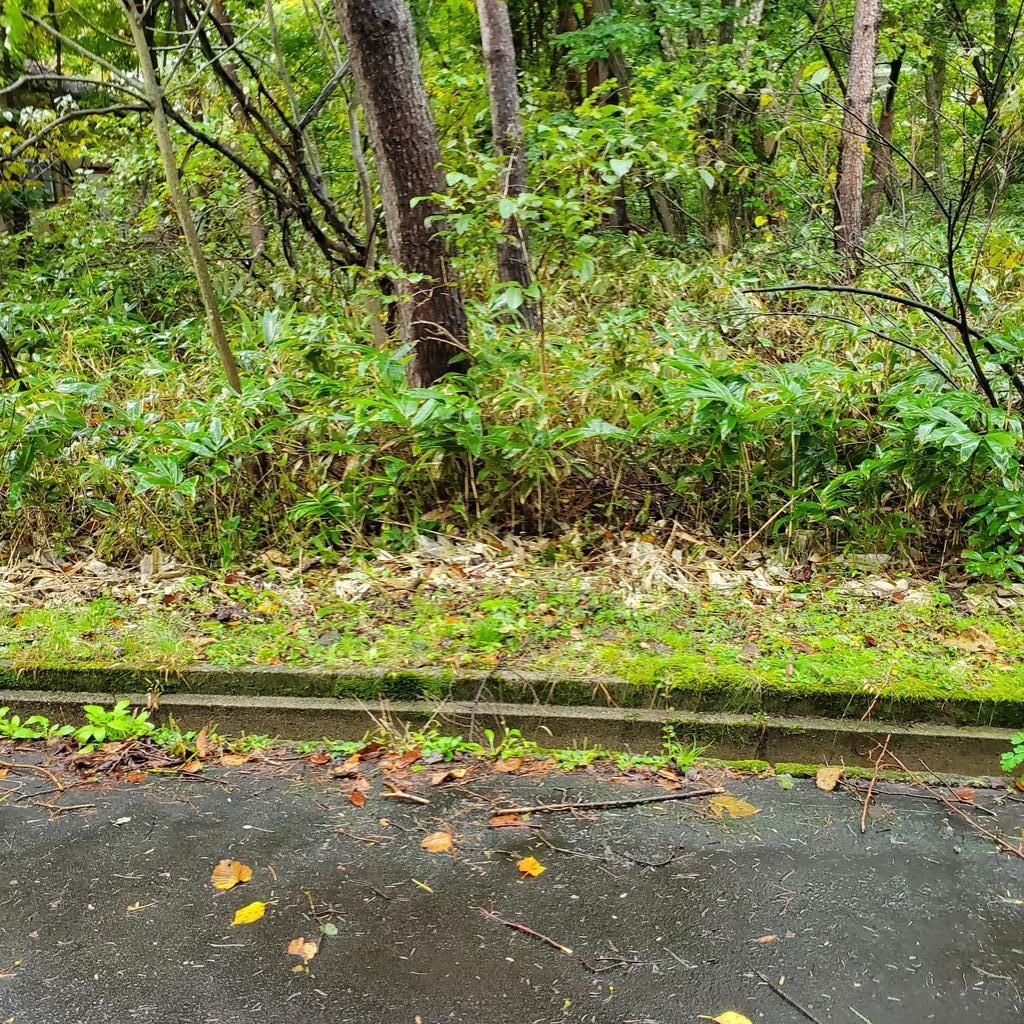
Hachimantai is a city in Iwate Prefecture in the Tohoku region of Japan. With 38 properties currently listed, it offers a range of real estate options including houses, land, and apartments. Browse the latest listings below to find your ideal property in Hachimantai.
Hachimantai Property for Sale
37
properties
Market Overview
37
Total Listings
¥1,500,000
From
¥7,871,667
Average
¥25,490,000
Up to
Properties in Hachimantai
Showing 18 of 37


Hachimantai, Iwate Prefecture
Buy
House
Move-in Ready
Garden
+4
4
309m²
112m²
 Family Mart - 132 min walk / 26 min drive


Hachimantai, Iwate Prefecture
Buy
House
Renovation Project
Near Station
+6
507m²
279m²
Family Mart - 16 min walk / 3 min drive

Hachimantai, Iwate Prefecture
Buy
House
Mountain Property
Ski Resort Area
+3
3
700m²
90m²
 Lawson - 8 min walk / 2 min drive


Hachimantai, Iwate Prefecture
Buy
House
Akiya Bank
Ski Resort Area
+5
5
298m²
118m²
Family Mart - 6 min walk / 1 min drive


Hachimantai, Iwate Prefecture
Buy
House
Akiya Bank
Ski Resort Area
+6
4
406m²
85m²
Family Mart - 21 min walk / 4 min drive


Hachimantai, Iwate Prefecture
Buy
House
Akiya Bank
Ski Resort Area
+6
3
256m²
97m²
Family Mart - 7 min walk / 1 min drive
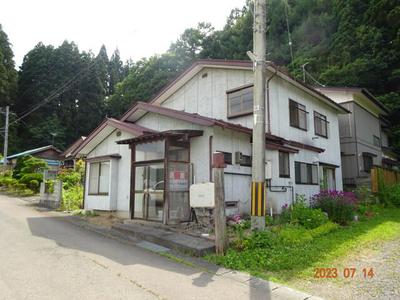
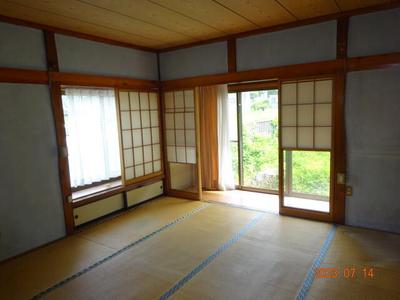
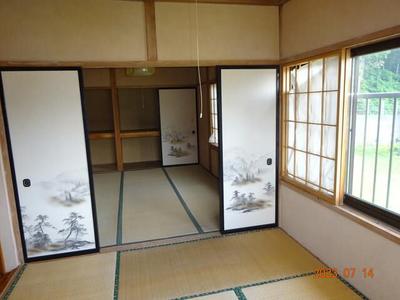
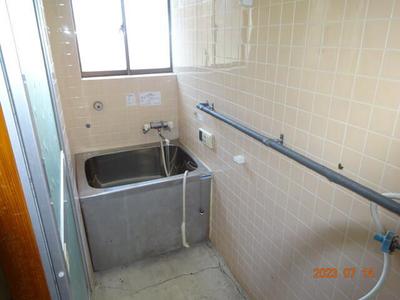
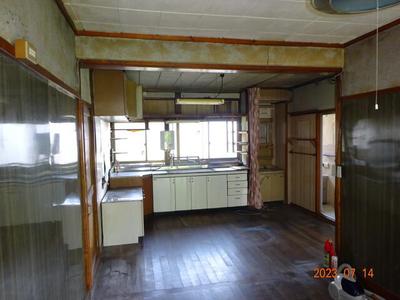
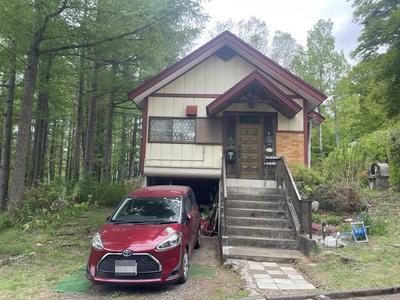
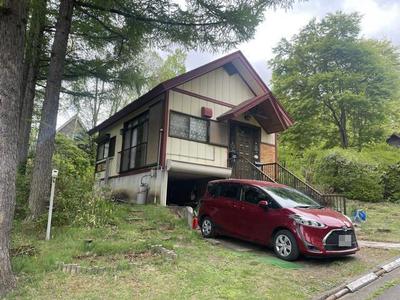
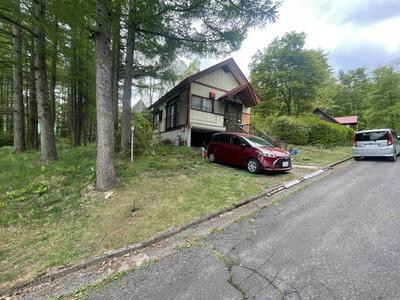
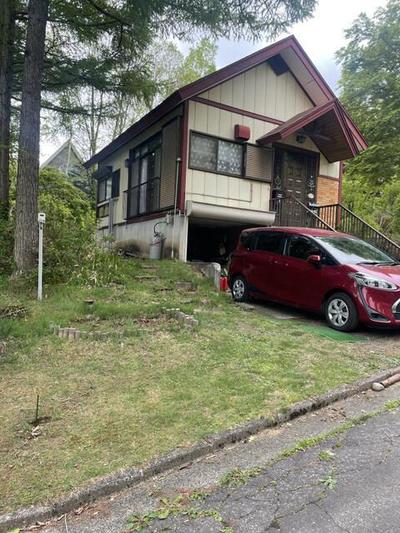
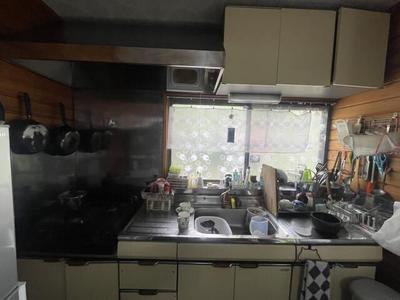
Hachimantai, Iwate Prefecture
Buy
House
Onsen Water Connected
Ski Resort Area
2
724m²
79m²
Family Mart - 114 min walk / 23 min drive
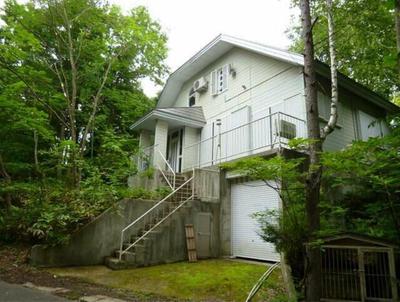
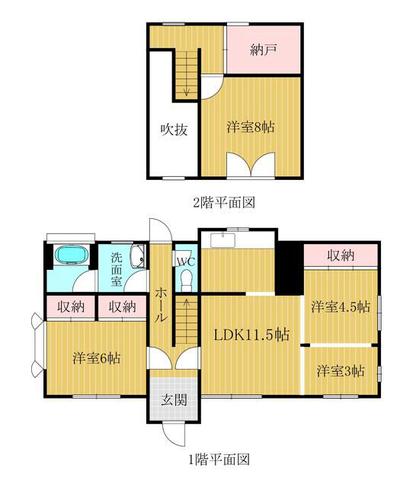
Hachimantai, Iwate Prefecture
Buy
House
Garden
4
384m²
108m²
Family Mart - 131 min walk / 26 min drive
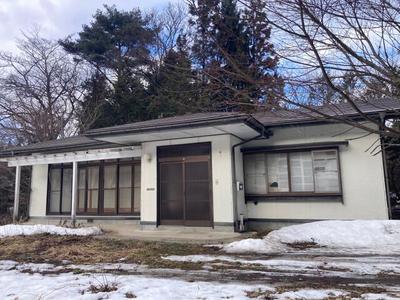
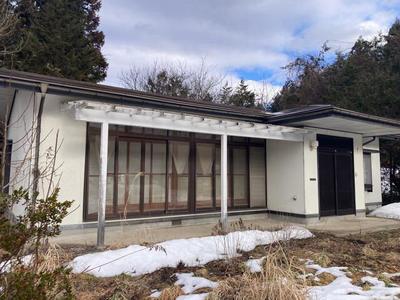
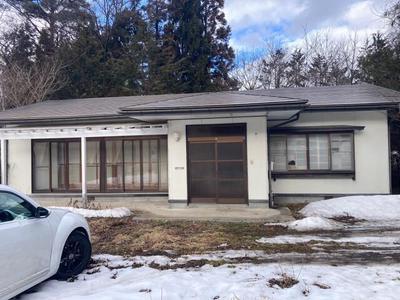
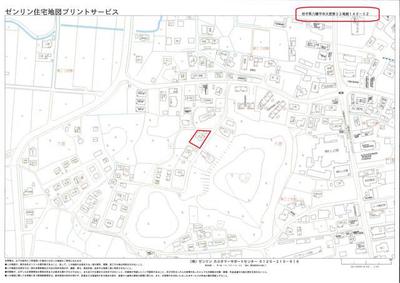
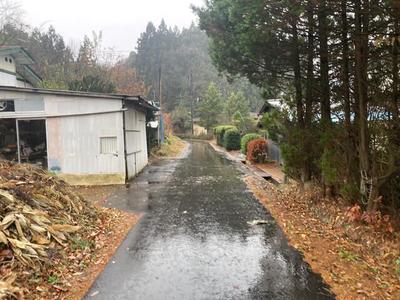
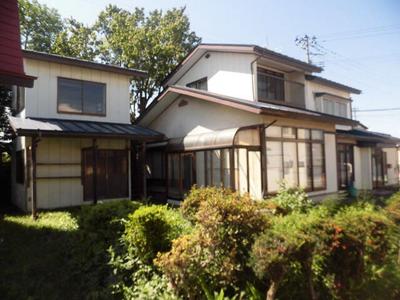
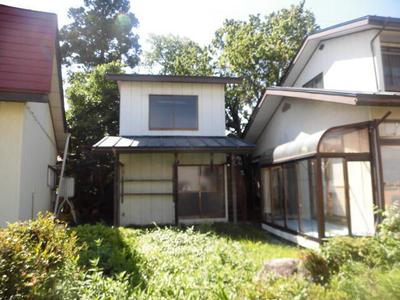
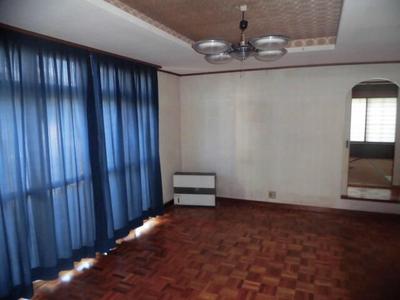
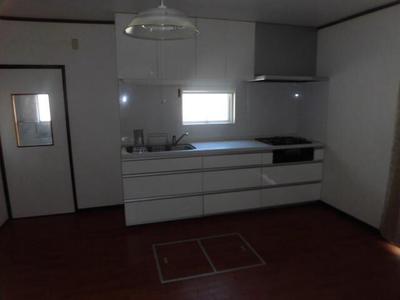
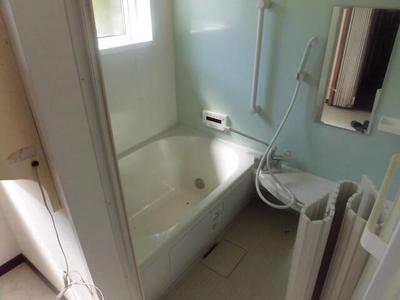
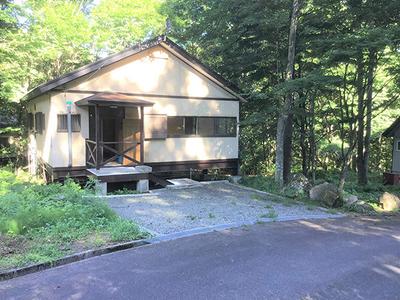
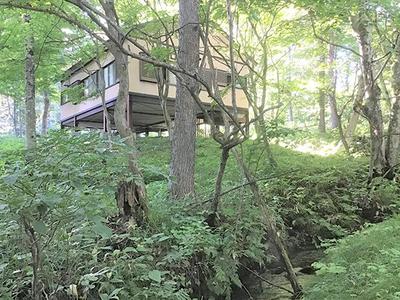
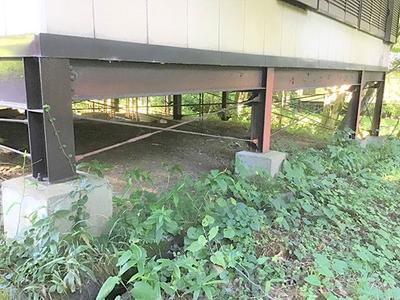
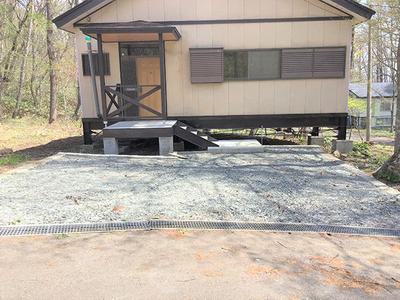
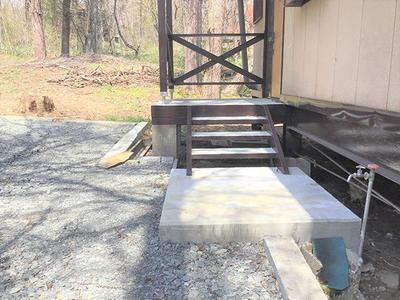
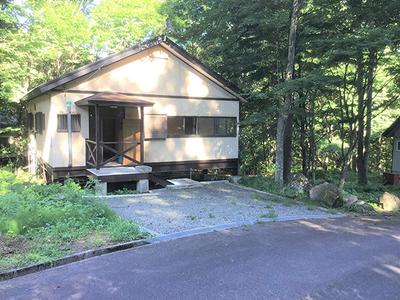
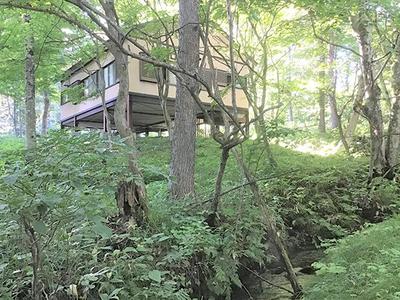
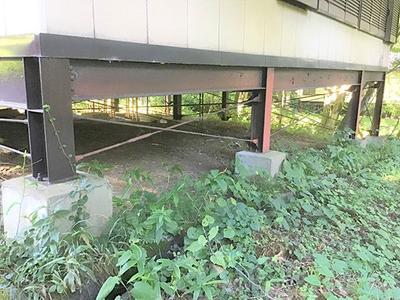
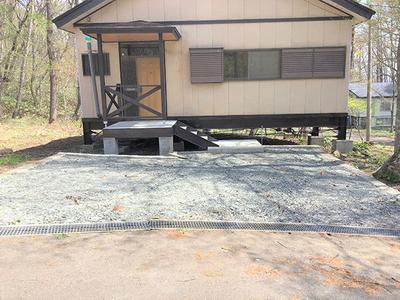
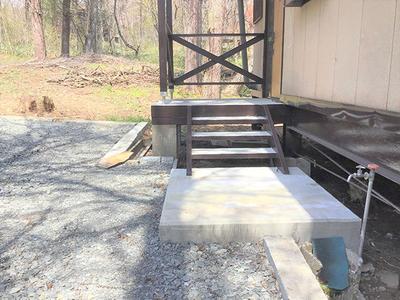
![[Real Estate Japan] Property details: Property information for Oobuke 22nd lot, Hachimantai City, Iwate Prefecture / Oobuke Station: Used detached house — Image 1, Hachimantai, Iwate](https://akiyajapan.sgp1.cdn.digitaloceanspaces.com/storage/property/fp/fp_32727a54-8005-11ef-a4fb-c240eba69b7c_391e9ae615b8b_thumb.jpg)
![[Real Estate Japan] Property details: Property information for Oobuke 22nd lot, Hachimantai City, Iwate Prefecture / Oobuke Station: Used detached house — Image 1, Hachimantai, Iwate](https://akiyajapan.sgp1.cdn.digitaloceanspaces.com/storage/property/fp/fp_32727a54-8005-11ef-a4fb-c240eba69b7c_6077e640f5513_thumb.jpg)
![[Real Estate Japan] Property details: Property information for Oobuke 22nd lot, Hachimantai City, Iwate Prefecture / Oobuke Station: Used detached house — Image 2, Hachimantai, Iwate](https://akiyajapan.sgp1.cdn.digitaloceanspaces.com/storage/property/fp/fp_32727a54-8005-11ef-a4fb-c240eba69b7c_f04258b7a0c50_thumb.jpg)
![[Real Estate Japan] Property details: Property information for Oobuke 22nd lot, Hachimantai City, Iwate Prefecture / Oobuke Station: Used detached house — Image 3, Hachimantai, Iwate](https://akiyajapan.sgp1.cdn.digitaloceanspaces.com/storage/property/fp/fp_32727a54-8005-11ef-a4fb-c240eba69b7c_b500dc400be79_thumb.jpg)
![[Real Estate Japan] Property details: Property information for Oobuke 22nd lot, Hachimantai City, Iwate Prefecture / Oobuke Station: Used detached house — Image 4, Hachimantai, Iwate](https://akiyajapan.sgp1.cdn.digitaloceanspaces.com/storage/property/fp/fp_32727a54-8005-11ef-a4fb-c240eba69b7c_d67a943baf0c8_thumb.jpg)
Browse All 37 Properties
Create a free account to save favorites and set up alerts.
Market Snapshot
Recent Sales in Hachimantai
A cleaner view of recent sold pricing, volume, and the kind of inventory actually moving in Hachimantai.
Avg. Sold Price
¥7,182,228
Sales (12 months)
18
Price Range
¥100 – ¥22,000,000
Avg. Days on Market
561
Houses
¥8,710,011
9 sold
Land
¥1,933,333
6 sold
Recently Sold
Hachimantai, Iwate
Land
¥2,700,000
Apr 2026
Size:
953m²
Hachimantai, Iwate
House
¥100
Apr 2026
Size:
252.00m²
Hachimantai, Iwate
House
¥13,490,000
Apr 2026
Size:
116.79m²
Hachimantai, Iwate
Property
¥2,300,000
Mar 2026
Size:
—
Hachimantai, Iwate
House
¥7,000,000
Jan 2026
Size:
247.80m²
Hachimantai, Iwate
House
¥12,000,000
Jan 2026
Size:
185.12m²
What is an akiya in Hachimantai?
An akiya (空き家) is an abandoned or vacant house in Japan. Hachimantai has 37 akiya properties currently listed, ranging from traditional Japanese homes to more modern structures. These properties are often available at significantly lower prices than typical real estate.
Can foreigners buy property in Hachimantai?
Yes, foreigners can freely purchase property in Hachimantai and anywhere in Japan. There are no restrictions on foreign ownership of real estate in Japan. However, buying property does not grant residency rights. We recommend working with a licensed real estate agent familiar with Hachimantai.
How much do akiya cost in Hachimantai?
Akiya prices in Hachimantai vary widely depending on location, condition, and size. Some properties are available for under ¥1,000,000 (around $7,000 USD), while others in better condition or locations may cost more. Some may even be free but require renovation.
What should I know before buying an akiya in Hachimantai?
Before purchasing an akiya in Hachimantai, consider: (1) Property condition - many need renovation, (2) Location accessibility, (3) Legal requirements - clear title and no liens, (4) Ongoing costs - taxes, maintenance, utilities, (5) Language barriers - consider a bilingual agent.