Japan's Industrial Capital with a Castle, a Shrine, and Serious Food
Living in Aichi
A Tokaido Shinkansen city with Japan's finest reconstructed castle, one of its two most sacred shrines, and a food culture — Nagoya meshi — that residents defend as passionately as any regional cuisine in Japan.
Why People Choose Aichi
Aichi sits at the exact centre of the Tokaido corridor — 1h40 from Tokyo, 48 minutes from Osaka — and operates as a functioning industrial and commercial capital that most property buyers undervalue because it lacks the cultural brand of Kyoto or the financial cachet of Tokyo. What it does have is infrastructure: nine subway lines, direct Shinkansen, an international airport running connections to Southeast Asia and East Asia that rival Kansai International, and a property market that has not caught up with any of these advantages.
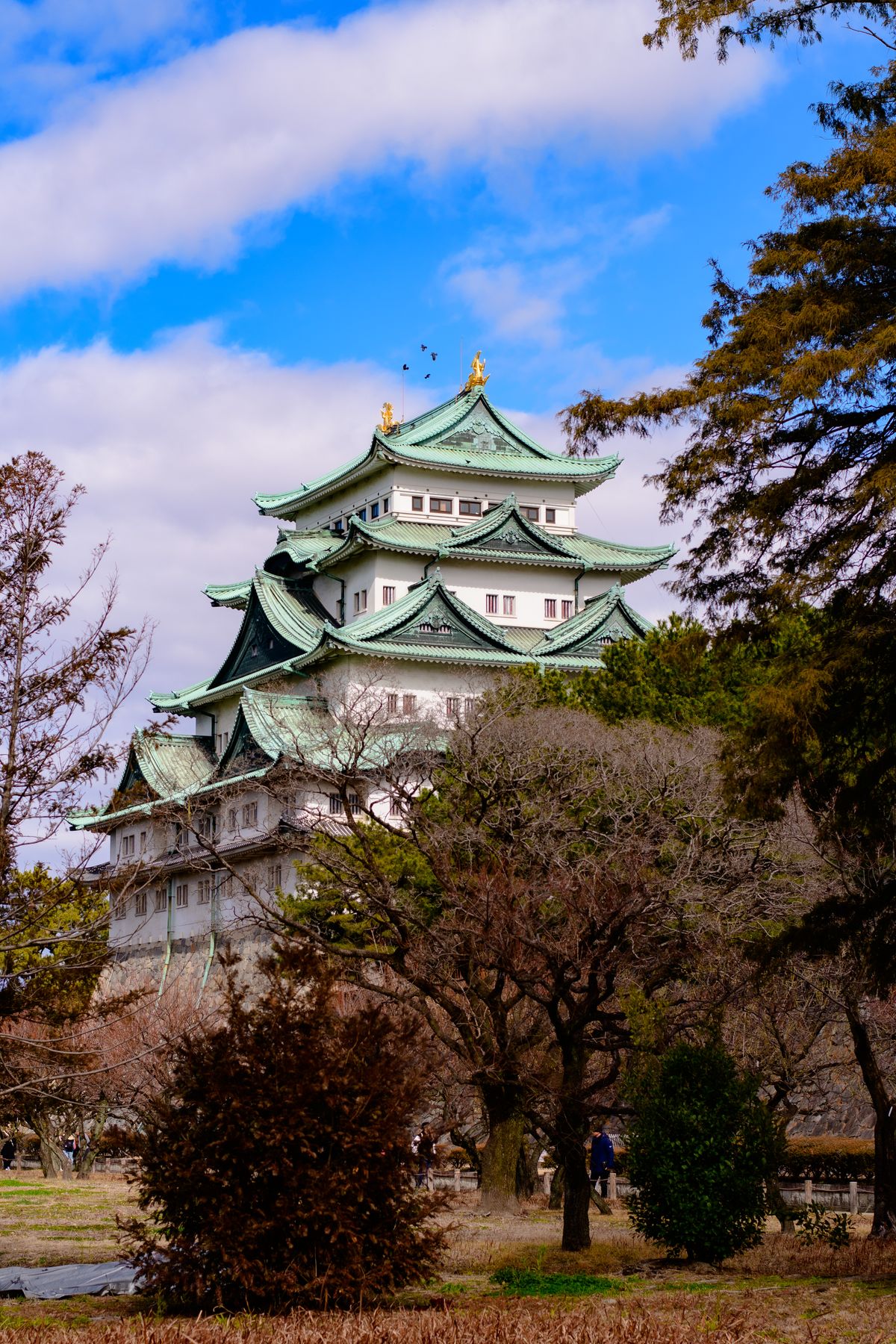
Nagoya Castle is the centrepiece of the argument for Aichi's cultural weight. The honmaru palace reconstruction, completed in 2018 using traditional wooden joinery and artisans trained specifically for the project, is the most serious historical restoration work in modern Japan — and it sits at the centre of a city of 2.3 million. Atsuta Shrine, founded in the first century and holding the Kusanagi-no-Tsurugi sword of the imperial regalia, ranks alongside Ise Jingu as Japan's most sacred site. Both are in Nagoya city.
For buyers, the practical proposition is this: a major city on the Tokaido corridor, with direct fast access to Tokyo and Osaka, where property prices are substantially lower than either, the food culture is serious and distinct, and the region has not been marketed to international buyers with anything like the energy that Kyoto or Osaka receive. That gap is not going to persist indefinitely.
Nagoya is a city with serious infrastructure — subway, bullet train, international airport — running with less congestion than Tokyo and at significantly lower cost. The Sakae and Fushimi districts are the urban core; residential neighbourhoods spread from there at prices that still surprise people who've been comparing Tokyo rents.
Tokaido Shinkansen: Tokyo 1h40, Osaka 48min, Hiroshima 1h40. Nagoya Subway (9 lines). Chubu Centrair International Airport by train in 28 minutes — international connections to Southeast Asia and East Asia are stronger than most non-Tokyo Japanese airports.
Central Nagoya apartments ¥5M–¥18M. Residential areas (Chikusa, Tenpaku, Midori) ¥6M–¥15M for houses. Toyota City and surrounding industrial towns ¥2M–¥8M. Rural southern Aichi coastal properties from ¥500K. One of the clearest value gaps relative to infrastructure quality in Japan.
Subway-connected, walkable, and the strongest urban infrastructure in central Japan outside Tokyo. Sakae and Fushimi are the entertainment and commercial cores.
The established residential wards east of the city center — family neighbourhoods with good schools, parks, and quiet streets at prices that are still reasonable by Tokaido corridor standards.
The northern edge: older, quieter, with access to the Kiso Valley and the original Inuyama Castle looking down over the Kiso River.
The Chita and Atsumi Peninsulas have sea views, fishing culture, and affordable inventory that gets very little attention from buyers who focus on the city.
Where To Start
Four ways to start in Aichi
Start at the castle — the 2018 reconstruction of the honmaru palace uses traditional wooden joinery without nails and is the most serious castle project in modern Japan. The Ninomaru Garden below it is one of the city's quietest spaces.
Nagoya's morning culture (morning service: coffee, toast with red bean paste — ogura toast — and sometimes eggs) is a specific ritual. Komeda Coffee is the chain that defined it; local kissaten across the city do their own versions.
Miso katsu at Yabaton (dark hatcho miso, not the lighter versions), hitsumabushi at Atsuta Horaiken (grilled eel over rice, eaten three ways), and tebasaki chicken wings — these are the tests of whether Nagoya meshi becomes habit or just novelty.
The city 30 minutes north by Meitetsu train has Japan's oldest surviving original castle (1537), cormorant fishing on the Kiso River in summer, and a small town grid that hasn't been overrun by tourism.
Daily Life in Aichi
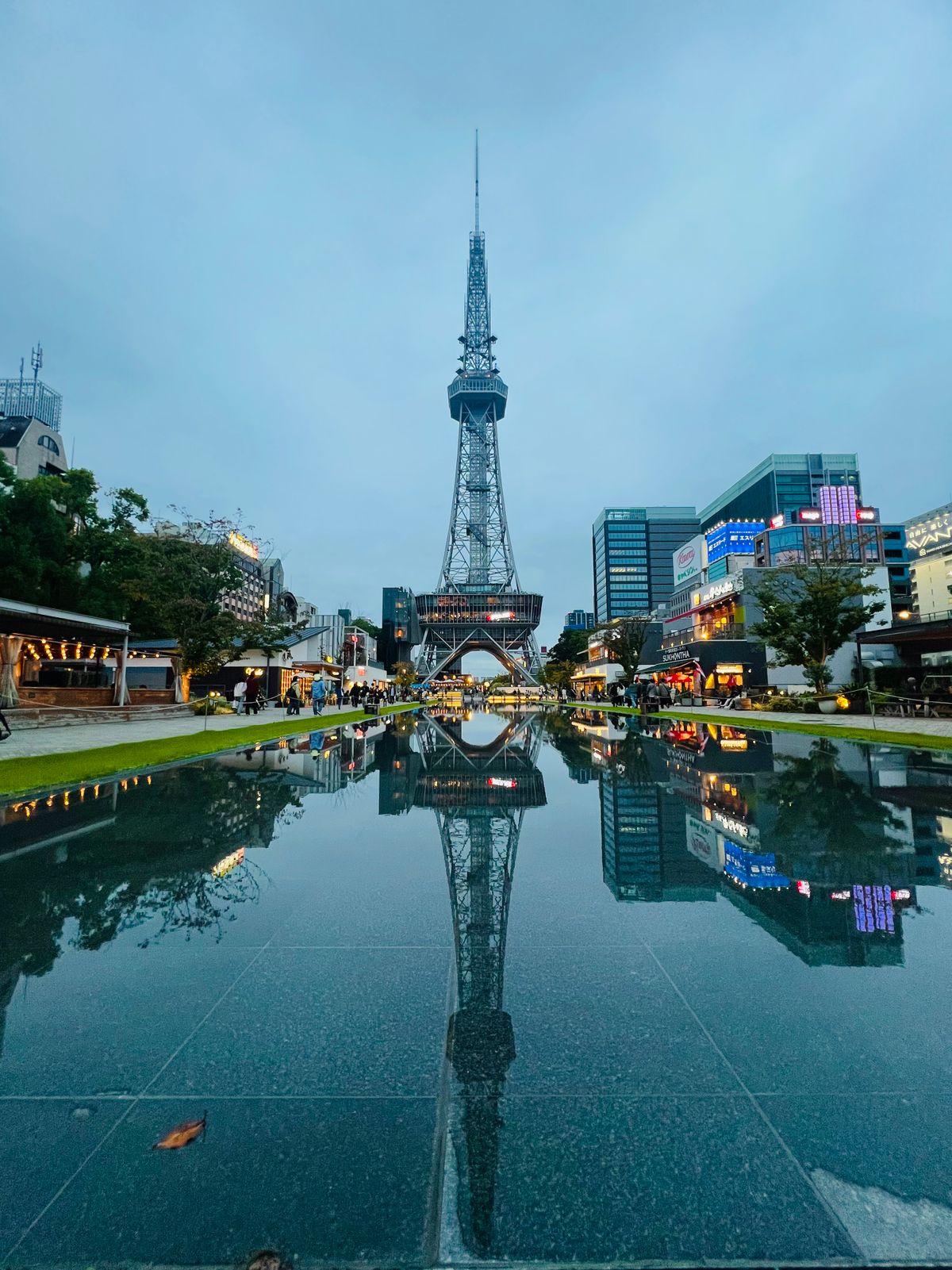
Nagoya is a city that functions efficiently without being dramatic about it. The subway network covers the urban area comprehensively; the Sakae and Fushimi districts handle the commercial and nightlife functions without the overcrowding that equivalent Tokyo or Osaka areas produce. The morning coffee shop ritual is a Nagoya institution — kissaten across the city serve morning coffee with toast loaded with red bean paste (ogura toast), hard-boiled eggs, and sometimes a small salad, all included in the price of a cup of coffee before 11am.
The city's residential neighbourhoods — Chikusa-ku, Tenpaku-ku, Meito-ku, and the hillside areas to the northeast — are where families actually live, with good schools, parks, and quiet streets at prices that remain reasonable for a city of 2.3 million with Shinkansen access. Nagoya is notably car-oriented outside the central subway corridors — wider streets, more parking, and a driving culture that reflects the city's relationship with the automotive industry it anchors.
Beyond Nagoya city, Aichi Prefecture extends to the Chita Peninsula south toward Ise Bay (fishing towns, sandy coastlines, sea views), north toward Inuyama and the Kiso Valley (older houses, castles, mountain atmosphere), and east toward Toyota City (industrial but prosperous, with a different demographic). Each direction offers a meaningfully different lifestyle proposition from the urban center.
Food and Drink
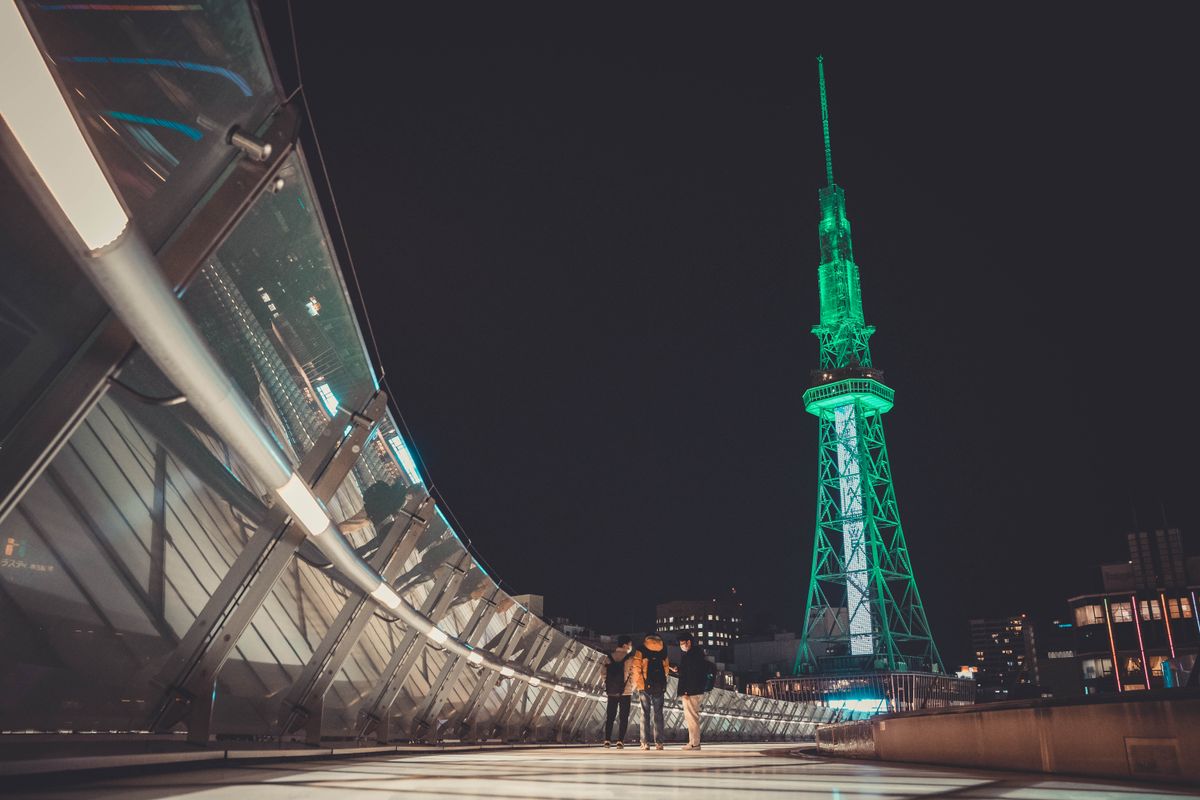
Nagoya meshi is a category, not a marketing phrase. The defining dishes are: hitsumabushi (grilled freshwater eel over rice, served in a lacquer box, eaten three ways — plain first, then with condiments, then poured over with green tea broth), miso katsu (pork cutlet in rich hatcho miso sauce, darker and earthier than the standard tonkatsu sauce everywhere else), and tebasaki (chicken wings marinated and fried, served at restaurants across the city with a technique developed in Nagoya in the 1960s).
The morning food culture deserves its own paragraph. Komeda Coffee — the chain that originated in Nagoya in 1968 and now has branches across Japan — invented the morning service concept: order coffee before 11am and receive toast, a soft-boiled egg, and sometimes a small salad at no additional charge. Local kissaten throughout the city do their own versions; the quality difference from Tokyo convenience store breakfasts is immediate and noticeable.
Ogura toast (thick toast spread with sweet red bean paste, sometimes butter-topped) is the Nagoya morning staple that outsiders find curious until they try it. Ankake spaghetti — thick wheat noodles in a spiced gravy sauce, invented in Nagoya in the 1960s as a Japanese interpretation of Italian pasta — is the dish that best illustrates how the city adapts external influences into something distinctly its own.
Culture and Events
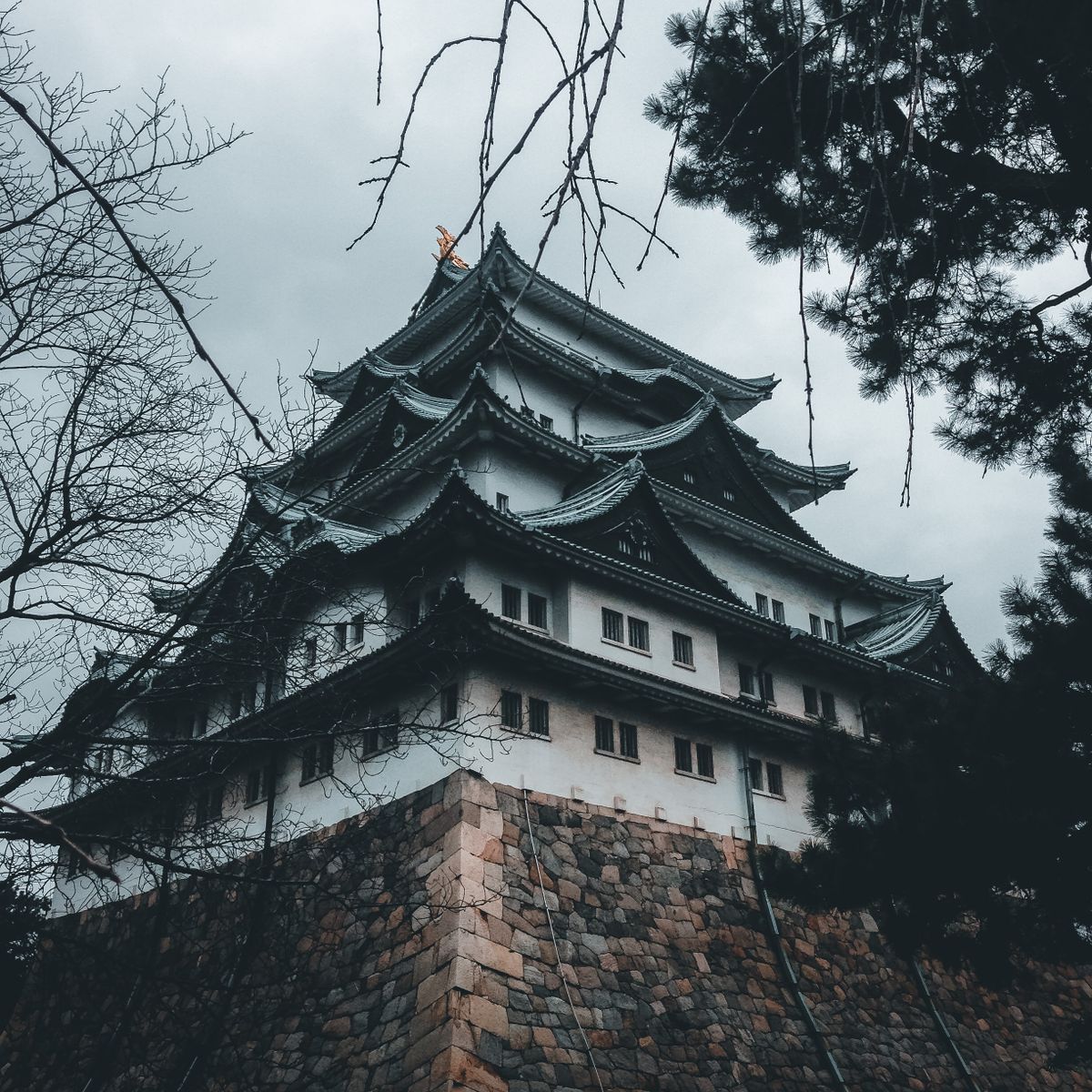
Nagoya Castle (1612, rebuilt after wartime destruction, with the honmaru palace reconstruction completed in 2018) is the anchor of Aichi's cultural calendar — the cherry blossom season in the castle park draws hundreds of thousands, and summer illuminations of the castle walls and towers are a different spectacle entirely. Atsuta Shrine's festivals — the Atsuta Festival in June is one of Japan's three greatest shrine festivals — bring the city to the southern ward in a way that does not appear in international tourism coverage.
Meiji Mura (open-air museum 30km north of Nagoya) has relocated 67 Meiji-era structures to a hillside site above Lake Iruka — including the lobby of Frank Lloyd Wright's original Imperial Hotel, transported from Tokyo. Inuyama Castle (1537) is Japan's oldest surviving original castle, set above the Kiso River in a town that has preserved enough of its Edo-period grid to feel genuinely old rather than reconstructed. The Toyota Commemorative Museum of Industry and Technology in Nagoya is one of the best industrial museums in the world — a former textile factory turned exhibition space covering the complete history of automated manufacturing.
Theme Parks
Legoland Japan opened in April 2017 on Kinjo Futo, a reclaimed island in Nagoya's Minato Ward — the first Legoland in Asia. Getting there is satisfyingly straightforward: the Aonami Line runs directly from Nagoya Station to Kinjo Futo Station in 24 minutes, no transfers, no confusion. The park is built for families with children between 2 and 12. Rides are gentler than at standard coaster parks, but the standout attraction is Miniland: a meticulous LEGO brick recreation of Japanese landmarks — Tokyo Tower, Osaka Castle, the Shinkansen — all built to surprising scale and detail. Seven themed areas cover everything from Kingdoms to the Ninjago ride to a dedicated Factory Tour showing how LEGO bricks are actually made.
Forty minutes west of Nagoya by highway bus from Nagoya Station is Nagashima Spaland, technically sitting just inside Mie Prefecture in Kuwana city but firmly part of Nagoya's day-trip circuit. Its star attraction is Steel Dragon 2000, one of the longest roller coasters on earth at 2,479 metres of track — a record it has held since opening in 2000. The complex is more than just a coaster park: Nagashima Onsen provides a full hot-spring resort, Mitsui Outlet Park is attached for post-ride shopping, and the scale of the place makes it a full-day commitment rather than an afternoon side trip. The combination of theme park thrills, onsen recovery, and outlet shopping is hard to find anywhere else in Japan.
For families choosing a base in Aichi, both parks represent strong evidence for the region. Legoland is the obvious choice for younger children who want themed rides without the intensity. Nagashima Spaland suits older kids and thrill-seeking adults who want something that genuinely competes with the best parks in the world. Day trips from a Nagoya-area property to either park are well inside the two-hour range that makes regular visits realistic rather than occasional.
Weekends and Escapes
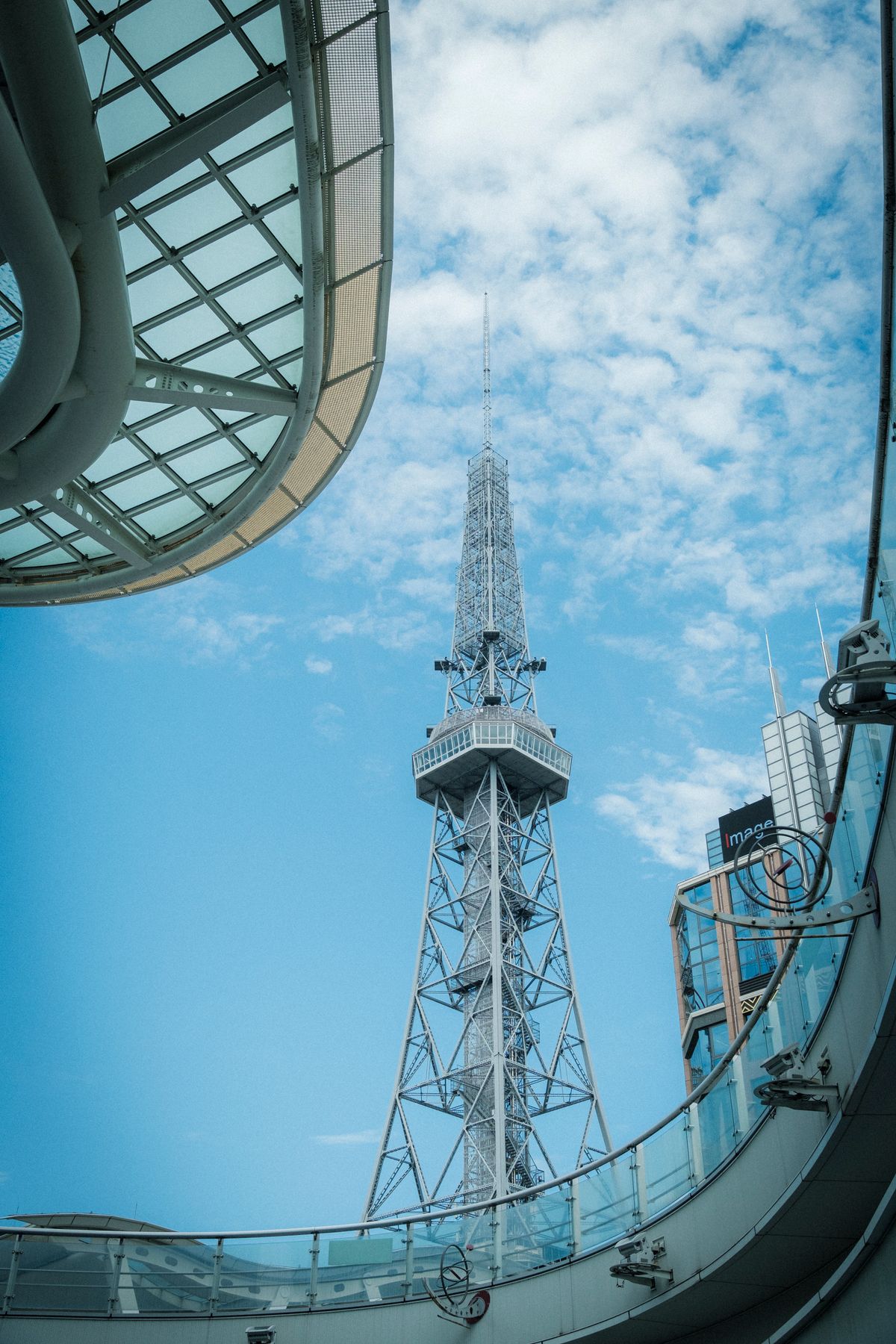
The Kiso Valley runs northeast from Nagoya along the Kiso River — a series of preserved post towns (Narai, Tsumago, Magome) that served Edo-period travellers on the Nakasendo highway. Narai-juku is the longest preserved post town in Japan at one kilometre of unbroken Edo-period architecture. From Nagoya, the Chuo Line reaches Narai in about 1h40. The valley floor walks between Magome and Tsumago (8km, forested, well-marked) remain one of the best half-day walks in central Japan.
The Chita Peninsula south of Nagoya has a different character from the mountain escapes — fishing towns with fresh seafood, small beaches, and bay views across to Ise. Gamagori on the Mikawa coast has the Meikun beach area and direct access to the three islands of Mikawa Bay. Ise itself is 90 minutes from Nagoya by Kintetsu Limited Express — the Grand Shrine of Ise (Japan's most sacred Shinto site, rebuilt every 20 years) sits in forested grounds that feel set apart from the ordinary world in a way that surprises most visitors.