Kanto Lanterns, Namahage Demons, and Japan's Deepest Sake Country
Living in Akita
A Tohoku prefecture where men balance twelve-metre bamboo poles loaded with 46 paper lanterns on their foreheads each August, where UNESCO-listed oni demons knock on doors at New Year, and where the rice climate produces some of Japan's most celebrated sake — at property prices that still reflect how thoroughly the rest of Japan underestimates it.
Why People Choose Akita
Akita gets chosen for two reasons that rarely appear in the same sentence: heritage and value. The prefecture has a per-square-metre property price among the lowest of any Shinkansen-served prefecture in Japan, and it also contains Kakunodate — one of the most complete surviving samurai districts in the country, with 400-year-old buke-yashiki residences still occupied by the original families behind unmoved stone walls and weeping cherry trees.
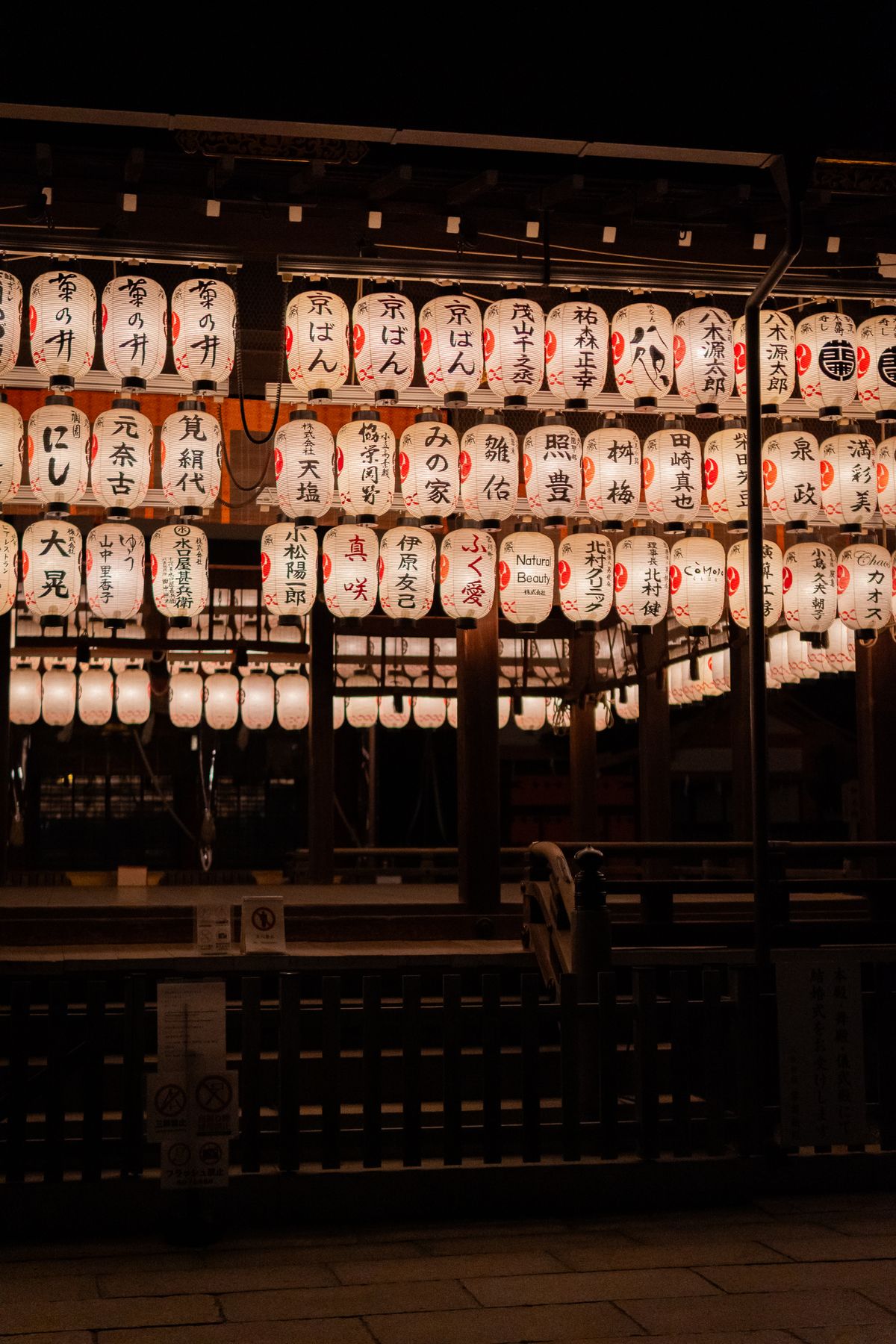
The Akita Kanto Festival (August 3–6 in Akita City) is one of Japan's genuinely distinctive events. The kanto — bamboo poles up to 12 metres tall with 46 paper lanterns attached — are balanced on foreheads, palms, shoulders, and hips by performers who train year-round for three nights of public performance. Each pole weighs up to 50kg. The scale of the event (over 250 poles, 10,000 participants, 1 million spectators across four nights) and the specific skill involved put it in a category of its own among Japanese summer festivals.
Beyond the festival: the Namahage ritual on the Oga Peninsula (UNESCO Intangible Cultural Heritage) has men dressed as straw-costumed oni demons visiting houses on New Year's Eve to demand whether children and lazy adults have mended their ways. The Namahage Museum in Oga shows masks and costumes from across the peninsula's villages, each with distinct regional variants. Lake Tazawa at 423 metres remains unfrozen year-round. And the sake — particularly from breweries in Akita City and along the Ou Mountain piedmont — represents a regional character (soft water, high-polish rice) that has won more national awards than its reputation outside Japan would suggest.
Akita City (population ~300,000) is the prefectural capital with full city infrastructure — hospitals, universities, major shopping, direct shinkansen access to Tokyo. Kakunodate (part of Semboku City) is a smaller heritage town of about 12,000 people where daily life happens around the samurai district, the Aniei-gawa riverbank, and the covered shotengai arcade. Life in both places slows significantly in winter; the season runs roughly November to March and snow depths in inland areas can exceed two metres.
Akita Shinkansen: Akita City to Tokyo in about 4 hours (Komachi limited express, direct). Kakunodate is on the same Shinkansen line, about 40 minutes from Akita City. A car is essential for anywhere outside the Shinkansen corridor — rural Akita has minimal public transport, and many villages become effectively cut off in heavy snow without one.
Akita City properties typically range ¥3M–¥12M for houses, with central apartment stock from ¥1M–¥8M. Kakunodate properties near the samurai district carry a heritage premium — expect ¥8M–¥20M for restored machiya. Rural akiya across the broader prefecture start below ¥1M with significant restoration required; the prefecture has an active akiya bank. Prices are among the lowest of any prefectural capital on the Tohoku Shinkansen line.
The prefectural capital: direct Shinkansen access, Akita Museum of Art (Tadao Ando-designed), the Kanto Festival grounds, and a full urban infrastructure. The most practical base for working residents.
The heritage anchor: 400-year-old samurai residences, weeping cherry trees, Denshokan craft museum, and a preserved merchant town alongside. The most visually distinctive town in the prefecture.
Surrounds Japan's deepest lake (423m, intensely blue year-round) with onsen villages, ski slopes at Tazawako Ski Resort, and direct Shinkansen access at Tazawako station.
The Oga Peninsula is the heartland of Namahage ritual culture — UNESCO-listed New Year demons, Oga Aquarium, and a rugged coastline that sees the full force of the Sea of Japan winter.
Where To Start
Four ways to start in Akita
The <a href="https://kantou.gr.jp/english/" target="_blank" rel="noopener" class="text-blue-600 dark:text-blue-400 hover:underline">Akita Kanto Festival</a> (August 3–6) is best experienced from the pavement of Chuo-dori Avenue, not from the reserved grandstand seating. Standing close, you can see the tremor in the pole, the micro-adjustments the performer makes to rebalance 46 lanterns using only their body. The yelling from the crowd — "Dotto sho! Dotto sho!" — is part of the rhythm. The daytime practice sessions on August 4 and 5 are less crowded and allow close access.
The samurai district is most atmospheric when the tourist coaches are absent. Come on a weekday morning and walk the full length of Bukeyashiki-dori: six buke-yashiki residences are open to visitors, including the Ishiguro-ke and Aoyagi-ke, which have been in the same families since the 17th century. The weeping cherry trees (shidare-zakura) bloom in late April — about a week after Hirosaki — and the combination of pink blossom and black-earth samurai walls is exceptional.
The Kariho Brewery in Mitane-cho and <a href="https://www.dewatsuru.co.jp/" target="_blank" rel="noopener" class="text-blue-600 dark:text-blue-400 hover:underline">Dewatsuru in Akita City</a> both offer tours and tastings. Akita sake is characterised by a soft, clean profile — the Ou Mountain snowmelt produces water low in minerals, which brewers use to make highly refined junmai daiginjo. The Akita Sake Happy Hour, held at Akita Station area restaurants in late September each year, is a useful time to sample across multiple breweries simultaneously.
Kiritanpo — pounded rice grilled on cedar skewers then simmered in Hinai-jidori chicken stock with burdock, seri herb, and mushrooms — originated in Odate City and is at its best in Akita Prefecture between September and March. The dish is available at izakaya across Akita City, but the dedicated kiritanpo restaurants in Odate serve it in its original form: made tableside in an earthenware pot over a gas flame, eaten as the main event rather than a side dish.
Daily Life in Akita
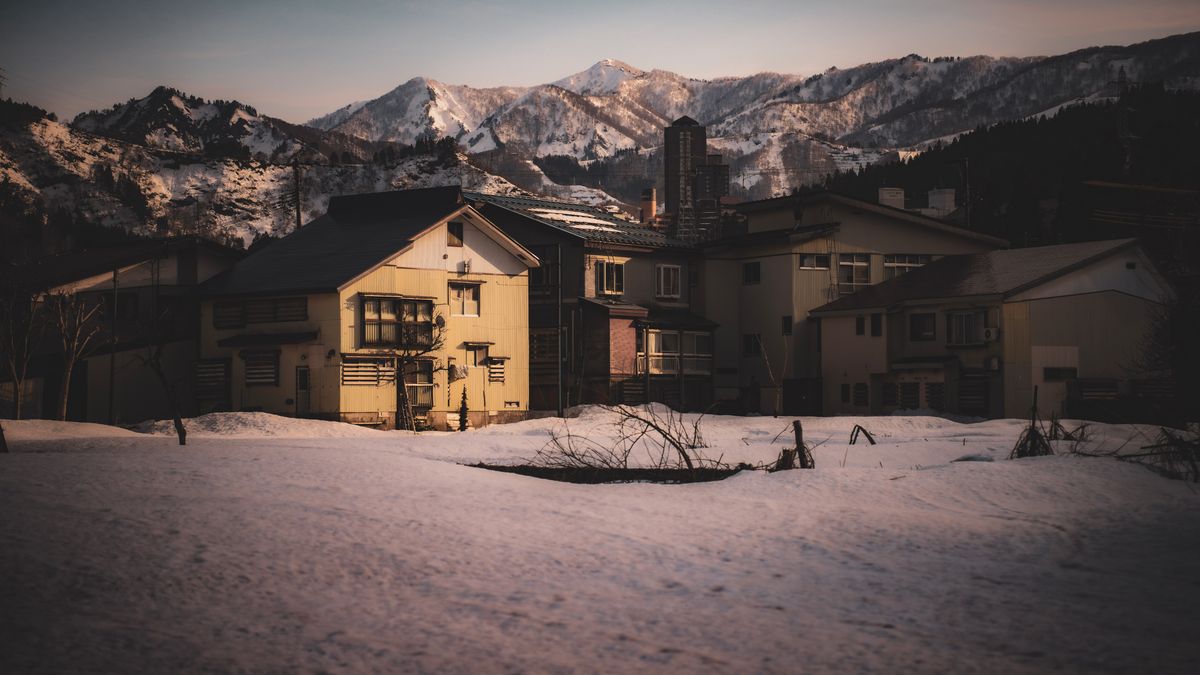
Winter in Akita is not a background condition — it is the defining fact of daily life from November to March. Akita City receives average snowfall of around 250cm per season; inland areas considerably more. Houses are built accordingly: steeply pitched roofs, reinforced structures, and enclosed passageways between buildings. The social infrastructure of winter — the izakaya, the onsen, the covered shotengai arcade shopping streets — is correspondingly robust.
Akita City operates as a full regional capital with population around 300,000: prefectural government offices, major hospitals including Akita University Hospital, national university, multiple large department stores and shopping centres, and a direct Shinkansen connection to Tokyo. The city's commercial centre around Akita Station is compact and walkable. Outside the station corridor, a car is useful.
Kakunodate's daily rhythm is quieter: a small city of about 12,000 that functions as a heritage destination for visitors but a genuine market town for surrounding agricultural communities. The covered shotengai has everyday shops alongside craft galleries. The Aniei-gawa river walk connecting the samurai district to the merchant area takes about 20 minutes on foot and passes through the tunnel of weeping cherry trees that defines the town in spring.
Food and Drink
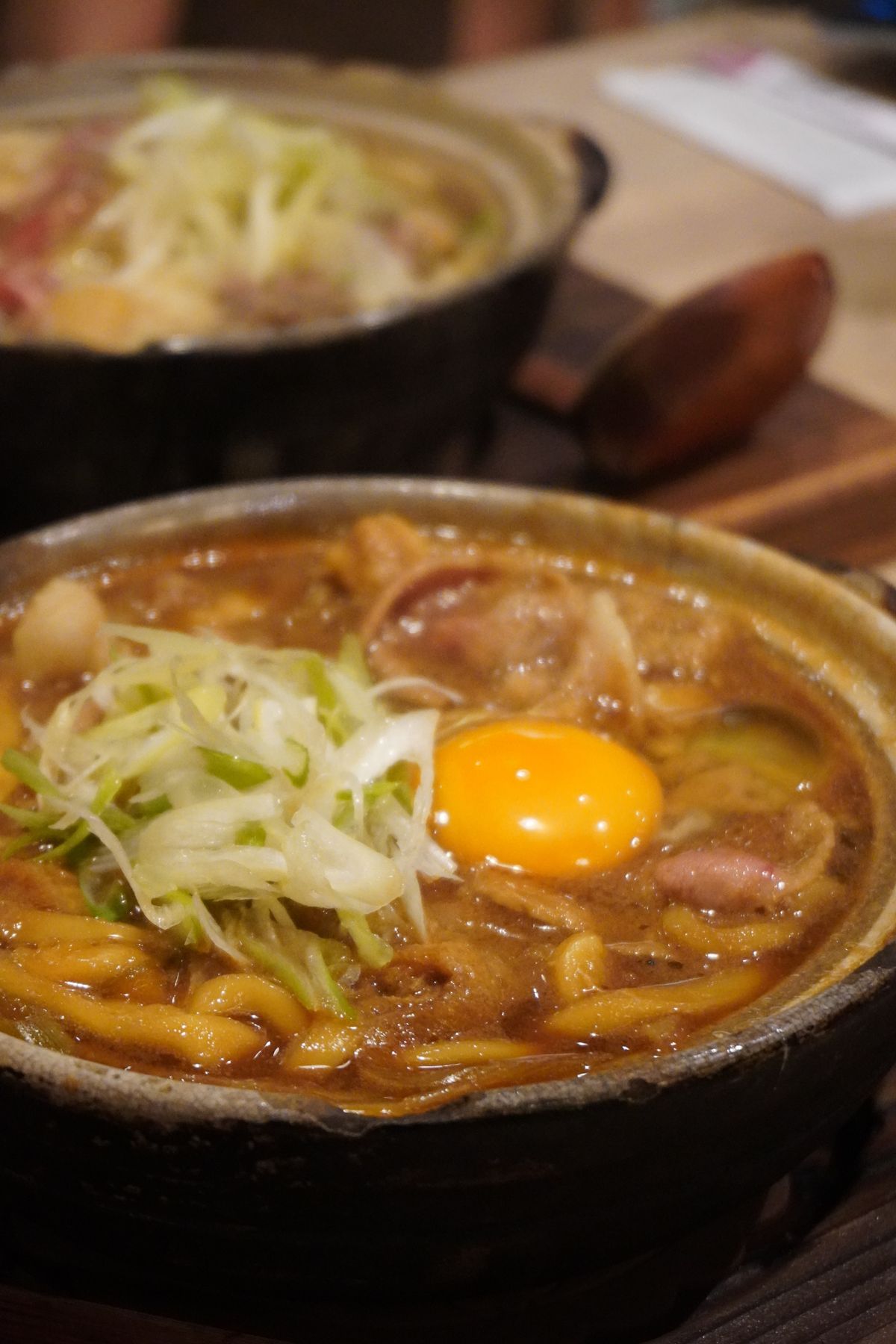
Kiritanpo is the dish Akita is known for nationally, and it earns the reputation. The preparation — rice pounded and pressed onto cedar skewers, grilled until the outside chars slightly, then simmered in a pot of Hinai-jidori (Akita native chicken) stock with burdock root, leek, maitake mushrooms, and seri herb — produces something that has no real equivalent elsewhere. Hinai-jidori chicken is one of Japan's three designated jidori (native chicken) breeds, and the broth quality matters enormously. The dish is seasonal (September–March) and Odate City, where it originated, is the correct place to eat it in its full form.
Akita sake is the prefecture's drink of national standing. The combination of Ou Mountain snowmelt water (exceptionally soft, low in iron and minerals) and Akita Komachi rice (a high-starch variety developed locally) produces sake with a light, clean, fruity character well-suited to junmai daiginjo grade production. Dewatsuru (established 1879 in Akita City) and Kariho (Mitane-cho) consistently win at national competitions. The prefecture has over 30 active breweries.
Inaniwa udon — hand-stretched thin noodles dried on wooden frames, originally produced in Inaniwa village (now part of Yuzawa City) — is the prefecture's most widely exported food product. The noodles are notably thinner and silkier than Sanuki udon; they are served cold in summer and in clear chicken broth in winter. The Sato Yosuke chain, which originated in Inaniwa, has restaurants across Japan, but eating the fresh-made version in Akita remains the reference experience.
Culture and Events
The Akita Kanto Festival (August 3–6) draws over a million visitors to Akita City for three evenings of lantern-pole balancing on Chuo-dori Avenue. The kanto tradition — originally a Bon Festival ritual to pray for a good harvest and ward off illness — has been refined over 400 years into a precise physical discipline. Performers practice daily for months before the festival. The Neburi Nagashi-Kan museum near Akita Station has year-round exhibits and daily live technique demonstrations.
The Namahage ritual (registered with UNESCO in 2018 as part of the "Raiho-shin" group of winter demon rituals) takes place on Oga Peninsula each New Year's Eve. Men wearing large oni masks of twisted straw and holding kitchen knives visit every house in their village, demanding to know whether the household has lazy members, crying children, or disobedient wives. The ritual functions as social enforcement dressed as supernatural visitation. The Namahage Museum in Oga displays over 150 mask variants and explains the village-by-village differences.
The Kakunodate Sakura Festival (late April) centres on the 400 weeping cherry trees (shidare-zakura) lining Bukeyashiki-dori — trees planted by the samurai families themselves in the Edo period, now classified as national natural monuments. The combination of dark earthen samurai walls and cascading pink blossom is among the most photographed spring scenes in Tohoku. The festival runs for about two weeks and includes boat rides on the Hinokinai River under the cherry canopy.
Weekends and the Outdoors
Lake Tazawa (Tazawako) is the prefecture's primary year-round outdoor destination. At 423 metres depth — the deepest lake in Japan — it cannot freeze, and its water takes on an intense cobalt blue in clear conditions. The 20km lakeside cycling circuit is flat and well-maintained. The statue of Tatsuko — a legendary beauty who prayed to remain young forever and was transformed into a dragon in the lake — stands at the western shore. In winter, the Tazawako Ski Resort operates on the Akita Komagatake volcano above the lake.
The Nyuto Onsen cluster, accessible by bus from Tazawako Station, comprises seven traditional ryokan deep in a mountain valley: Tsuru-no-yu (the oldest, in operation since the early Edo period), Magoroku, Ganiba, and others. Each has distinct water character — milky sulphurous white at Tsuru-no-yu, clear at others — and most have outdoor rotenburo baths fed directly from the mountain spring. Day visitors are accepted at most inns outside peak season.
Shirakami-Sanchi — the UNESCO World Heritage primeval beech forest straddling Akita and Aomori prefectures — contains the largest remaining tract of virgin beech (buna) forest in East Asia. The Aoike (Blue Pond) in the Akita section is a 30-minute walk from the Juniko lakes trailhead and produces the same mineral-blue colour as Lake Tazawa. The forest is best accessed from Higashitoiga or Fujisato in western Akita by car; there is limited public transport in summer only.