
Japan's Most Spectacular Summer Festival, the Best Cherry Blossoms in the Country, and the Sacred Volcano at the Edge of the World
Living in Aomori
Japan's northernmost Honshu prefecture: the Nebuta Festival's illuminated paper floats draw three million visitors in August, Hirosaki Castle's 2,600 cherry trees set the national benchmark for hanami, and Osorezan — a volcanic desolation believed to be a gateway to the afterlife — sits in the peninsula's barren interior.
Why People Choose Aomori
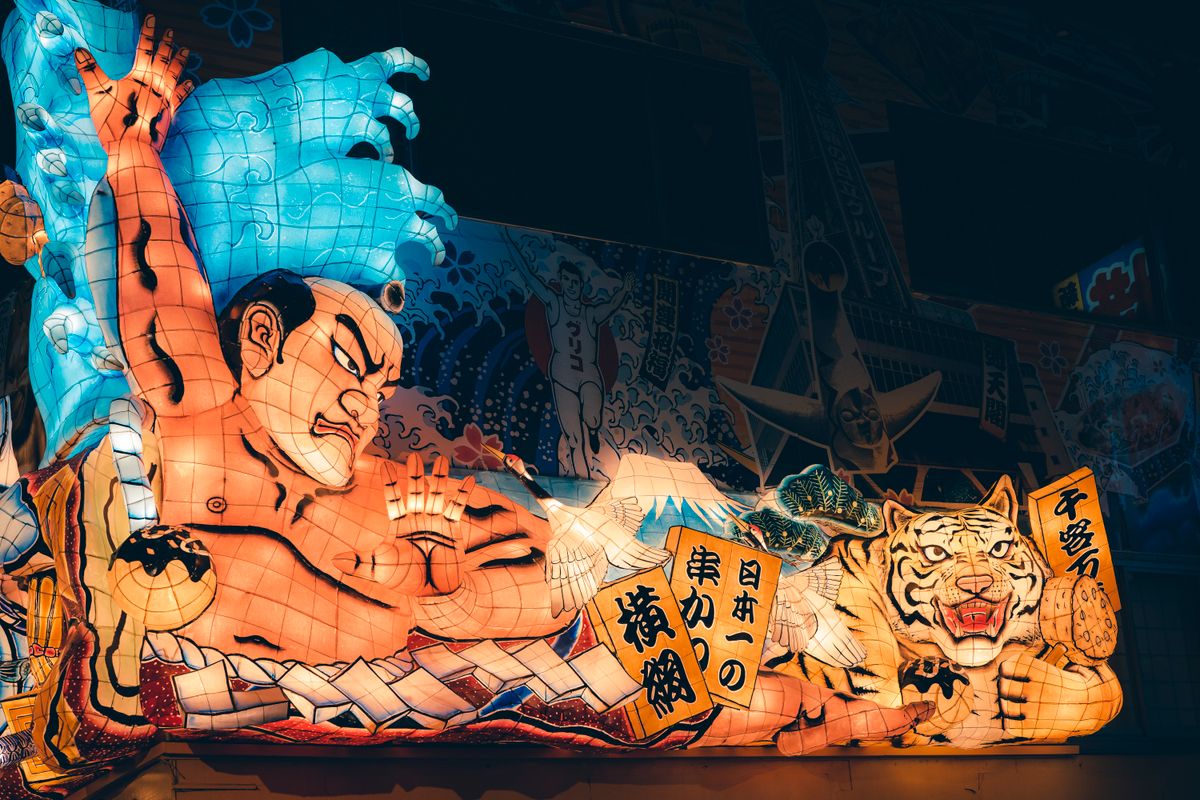
Aomori is chosen by people who have thought specifically about what they want rather than optimising for urban convenience. The Shinkansen connection (3h10 to Tokyo) is there; Sendai is 60 minutes away. But Aomori City itself has the character of a place that does not try to compete with larger cities — its identity is its own weather, its own festivals, its own apple orchards — and buyers who choose it are usually choosing it for those specific things rather than despite them.
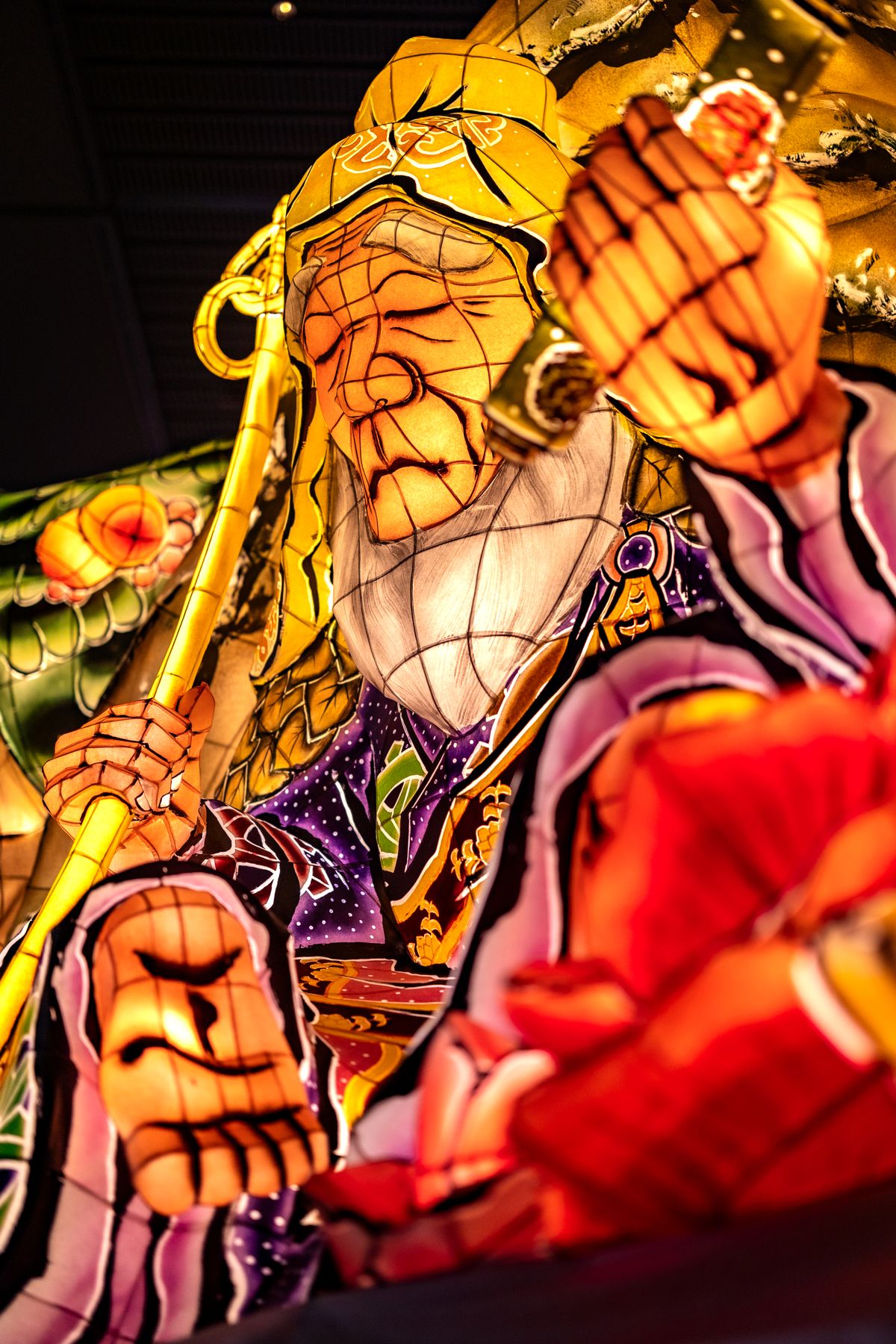
The Nebuta Festival is the centrepiece of the prefecture's identity. Running 2–7 August every year in Aomori City, it involves giant illuminated paper float constructions (nebuta) — each depicting a single figure from mythology, history, or folklore in the bold graphic style developed over generations by specialist craftspeople. The floats are backlit from inside; at night the warrior faces, mythological beasts, and heroic figures glow with vivid colour against the dark city streets, surrounded by the sound of taiko drums and the choreographed haneto dancers in their distinctive costumes. Three million visitors attend over six nights. The Nebuta Museum (wa-Rasse) on Aomori waterfront displays past floats year-round.
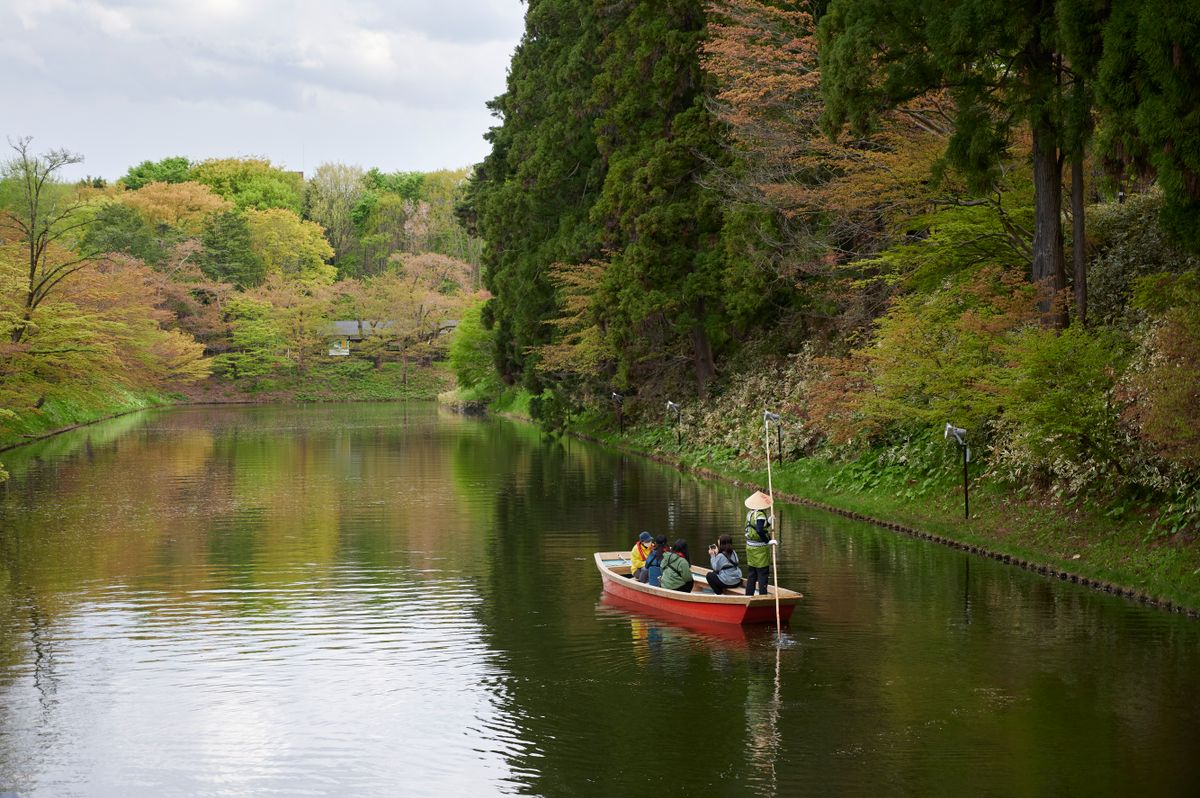
Hirosaki's cherry blossoms set the national benchmark — 2,600 trees, some more than 200 years old, lining five moats around the castle. The oldest trees have split trunks and ground-trailing branches that create silhouettes unlike the standard upright young trees planted at most Japanese parks; the contrast between the gnarled ancient trees and the pink blossom density is what distinguishes Hirosaki from other celebrated hanami sites. The Hirosaki Cherry Blossom Festival runs typically late April to early May; the forecast for peak bloom is watched nationwide.
Aomori City (population 270,000) is the prefectural capital — a working port city that is noticeably less polished than Sendai or Morioka but has a directness of character that its residents value. Heavy snowfall (3–5 metres annually, among Japan's highest for a prefectural capital) shapes the winter rhythm: snow removal is a community activity, the covered Auga shopping complex and New City Aomori arcade are central to winter daily life, and the snow festival A-Factory Apple Museum is year-round. Hirosaki (population 170,000) is quieter and more defined by the castle park and university (Hirosaki University) culture — it has the character of a castle town rather than a port city.
Tohoku-Hokkaido Shinkansen: Shin-Aomori to Tokyo in 3h10; to Sendai in 60 minutes. Aomori City is 3km from Shin-Aomori station (bus or taxi). Hirosaki: 35 minutes by local JR Ou Line from Aomori. Shimokita Peninsula (Osorezan) is remote — car strongly recommended, 90 minutes from Hachinohe. Apple orchards in the Tsugaru plain: best by car. Seikan Tunnel connects Shin-Aomori to Hokkaido's Shin-Hakodate-Hokuto in 50 minutes (Shinkansen via Seikan tunnel in operation since 2016).
Aomori City properties ¥2M–¥12M; Hirosaki ¥3M–¥15M. Tsugaru plain rural properties ¥500K–¥5M; significant akiya availability in the apple orchard communities. Shimokita Peninsula and coastal Mutsu Bay: ¥200K–¥3M. Some of the most affordable rural and small-town properties in Honshu, combined with high snow-clearing costs and cold winters that increase heating bills.
The port capital: Nebuta Museum (wa-Rasse), the Auga fresh market, the working port, and the Seikan Tunnel access to Hokkaido. Direct Shinkansen connection. Heaviest snowfall of any prefectural capital in Japan.
The castle town: Hirosaki Castle and 2,600 cherry trees, Hirosaki University, the Western-style Meiji buildings, and the Tsugaru shamisen tradition. More genteel pace than Aomori City; considered the cultural centre of the Tsugaru region.
The southern industrial and fishing port: Hachinohe Morning Market (one of Japan's three great morning markets), Shinkansen access without Aomori City's snow volumes, and a port-town character distinct from the rest of the prefecture.
The remote north: Osorezan sacred volcano, the Hotokegaura coastal rock formations, and a peninsula culture defined by fishing and a maritime faith tradition. Extremely affordable; extremely remote. For buyers who specifically want end-of-world isolation.
Where To Start
Four ways to start in Aomori
The Nebuta Festival runs 2–7 August in Aomori City. The parades occur from 7pm to 9pm (August 2–6) with the final parade and fireworks on August 7th. Each nebuta float is built over months by specialist craftspeople using a bamboo skeleton covered in washi paper and painted with thick black outlines and vivid pigments. The floats illuminate from inside; at night the warrior faces, dragons, and mythological figures glow with backlit colour against the dark streets. The <a href="https://www.nebuta.jp/en/" target="_blank" rel="noopener" class="text-blue-600 dark:text-blue-400 hover:underline">official Nebuta Festival site</a> has route maps and viewing stand ticket information. The wa-Rasse Nebuta Museum in Aomori City displays past floats year-round.
Hirosaki Castle Park's 2,600 cherry trees include specimens over 200 years old — ancient enough that the trunks have split and the branches trail the ground, creating a silhouette unlike the upright young trees of other famous hanami sites. The castle tower reflection in the moat is the defining image; it requires the east side of the inner moat at dawn before crowds arrive. The Hirosaki Cherry Blossom Festival (<a href="https://www.hirosakipark.jp/en/" target="_blank" rel="noopener" class="text-blue-600 dark:text-blue-400 hover:underline">Hirosaki Park</a>) typically runs late April to early May; the petals-on-the-moat phenomenon (hanaikada) in the final week, when fallen petals form a floating carpet, is the secondary attraction that extends the visit.
Osorezan (Mount Fear) on the Shimokita Peninsula is a volcanic caldera lake surrounded by white sulphurous wasteland — no vegetation, steam vents, and a bright turquoise lake at the centre. Buddhist belief holds it to be one of Japan's three gateways to the afterlife. Itako — blind women who act as mediums — traditionally gather here twice yearly (late July and October) to communicate with the dead on behalf of visitors. The <a href="https://www.mutsu-kanko.jp/en/" target="_blank" rel="noopener" class="text-blue-600 dark:text-blue-400 hover:underline">Mutsu Tourism</a> site lists the itako festival dates. The drive across the Shimokita Peninsula to reach Osorezan passes through sub-arctic forest and volcanic rock fields that have no equivalent elsewhere in Honshu.
Tsugaru shamisen is a Japanese stringed instrument tradition specific to the Tsugaru region of Aomori — the playing style is unlike formal shamisen elsewhere: rapid, percussive, improvisational, with a volume and attack that reflects its origins in blind itinerant musicians competing for donations on Tsugaru's cold streets. It is considered the most physically powerful sound in traditional Japanese music. Live performances are held regularly at <a href="https://www.tsugaru-shamisen.com/" target="_blank" rel="noopener" class="text-blue-600 dark:text-blue-400 hover:underline">the Tsugaru Shamisen Live House</a> in Hirosaki and at the Nebuta Festival (shamisen accompanies the haneto dance). The annual Tsugaru Shamisen World Competition is held in Goshogawara City each August.
Daily Life in Aomori
Aomori Prefecture's defining daily reality is snow. The city receives 3–5 metres of annual snowfall — among the highest of any prefectural capital in Japan — and winter life is organised around it. Covered shopping arcades (the Auga and New City Aomori shopping complexes) function as indoor public spaces for the four-month snow season. Snow removal from pedestrian paths is a civic activity; residents are responsible for clearing in front of their properties. Heating costs are significant (kerosene heaters are standard; the prefecture has the highest per-capita kerosene consumption in Japan). These are not hypothetical costs for buyers — they are material to the budget calculation.
Hirosaki has marginally less snowfall than Aomori City and a town character shaped by Hirosaki University (9,000 students) and the castle park. The city has a disproportionate number of Western-style Meiji-era buildings (missionary residences, churches, a former prefectural hospital) in the district around the castle — a legacy of the strong Christian missionary presence in the Tsugaru region in the late 19th century. The resulting architectural mix of timber-frame Western buildings and traditional Tsugaru merchant townhouses gives Hirosaki a visual character unusual for a city its size.
Apple orchards define the agricultural landscape of the Tsugaru plain between Aomori City and Hirosaki. From late August to November, roadside stalls and JAZ (Agricultural Cooperative) roadside stations sell the prefecture's 20+ apple varieties directly. Fuji, Orin, Tsugaru, and Mutsu are the major types; Aomori's Apple Museum in A-Factory and the Aomori Tourism Information Centre cover orchard tour experiences. Buying a property with an attached orchard plot is possible in the Tsugaru plain at significantly lower prices than the city.
Food and Drink
Aomori apples are the prefecture's most significant food identity and a genuine daily-life ingredient rather than a souvenir product. The prefecture grows approximately half of Japan's annual apple harvest — over 450,000 tonnes per year — and the range of varieties available at Aomori supermarkets and roadside stalls in autumn far exceeds what reaches other Japanese prefectures. The prefecture also produces Japan's most developed apple cider (cidre) culture: A-Factory in Aomori City is the public face of this, but regional cidre producers in the Tsugaru plain make small-batch products available at local depato and farm shops. Apple vinegar, apple wine, and apple-based shochu are all produced locally.
Seafood from Mutsu Bay and the Pacific coast defines Aomori's restaurant culture. Aomori scallops (hotate) are cultivated in Mutsu Bay and are among Japan's finest — the cold, clean bay water produces larger, sweeter shellfish than warmer production areas. Sea urchin (uni) from the Pacific coast east of Hachinohe is available June to August at the Hachinohe Morning Market (Tatehana Unloading Market, daily from 3am) — one of Japan's three great morning markets. The market sells directly from boats and the quality is consistently superior to what reaches Tokyo restaurants.
Senbei-jiru (煎餅汁) is Aomori's most distinctive regional dish — a wheat rice-cracker (senbei) that softens in a hot chicken or root vegetable broth, absorbing the soup and becoming a thick, chewy noodle-like ingredient. It is specific to the Hachinohe and southern Aomori region and has no equivalent elsewhere in Japan. The dish is available at izakaya and traditional restaurants throughout the Hachinohe area and is listed as a candidate for the national "Tohoku Local Specialty" cultural heritage register.
Culture and Events
The Aomori Nebuta Festival (2–7 August) is the Tohoku summer festival season's centrepiece and Japan's most visually spectacular matsuri. Six consecutive nights of float parades through the city centre; an estimated three million visitors over the period (approximately 10 times the city's permanent population). The floats (nebuta) range in size from 5 to 9 metres high and 7 to 12 metres wide; each is built by a dedicated float workshop (over 20 active workshops in Aomori City) over six months. The floats compete for judges' prizes in categories including artistry, construction quality, and execution. The accompanying haneto dancers — in distinctive costumes of brightly coloured jinbei with straw sandals — move in a continuous choreographed pattern around the float, calling "rassera rassera" in a chant unique to the festival. Visitors can participate as haneto dancers by renting the costume and joining the parade.
Tsugaru shamisen is Aomori's most significant contribution to Japanese traditional music — a style of shamisen (three-stringed lute) performance developed by blind itinerant musicians in the Tsugaru plain who relied on the instrument for income, creating a playing style that is rapid, percussive, and improvisational. The sound is the loudest in traditional Japanese music; the playing style uses the bachi pick with a slapping technique (tataki) against the skin head of the instrument. The annual Tsugaru Shamisen World Competition in Goshogawara City (August) draws competitors from Japan and internationally.
The Hirosaki Castle Cherry Blossom Festival (late April to early May, exact dates vary by bloom year) is Aomori's second major annual event. The festival has operated since 1918 and the 2,600 trees include specimens planted in the castle grounds over 300 years of Tsugaru domain administration. Night illumination (yozakura) turns the moat reflection into a mirror of pink blossom after dark; the festival grounds within the castle park host food vendors, performances, and the historic Starbucks Hirosaki Park branch (housed in a preserved 1917 building at the park entrance).
Weekends and Escape
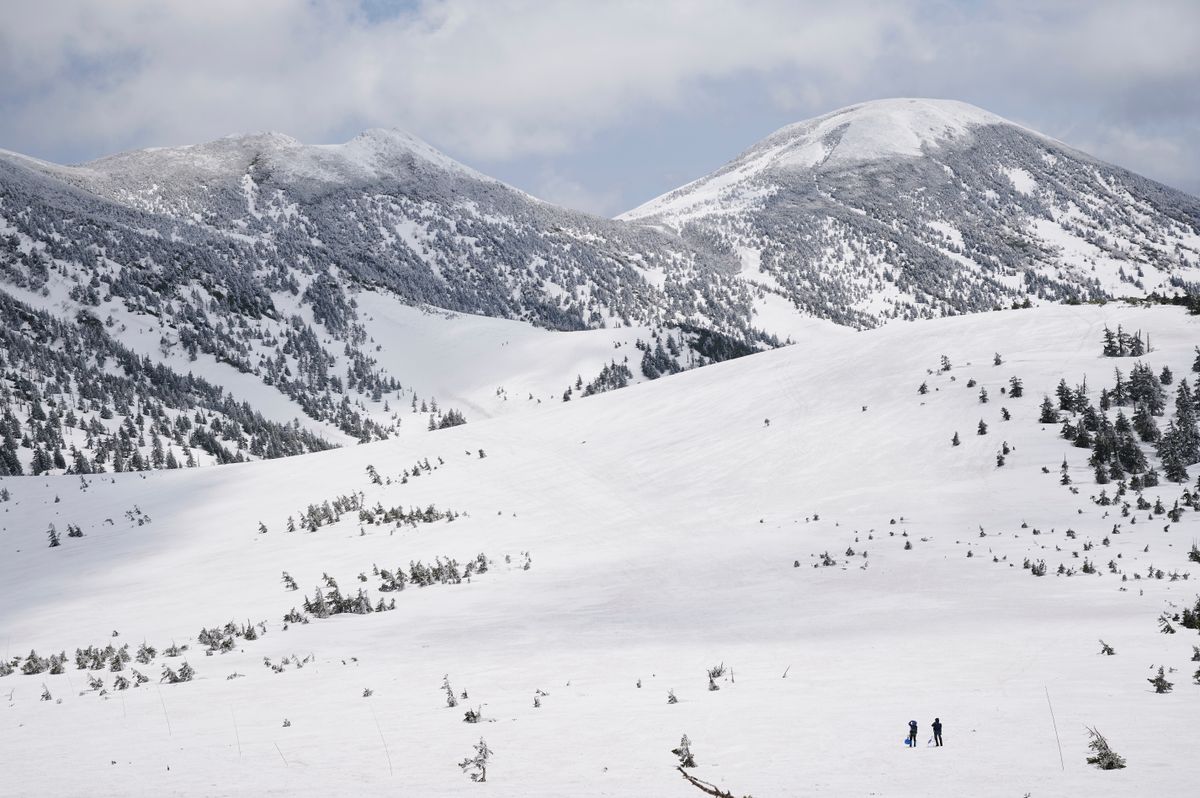
Hakkoda Ropeway and ski resort is 30 minutes from Aomori City — a volcanic mountain range with annual snowfall of 8–12 metres, making it one of the deepest natural snow areas in the world accessible by ropeway. The Hakkoda Ropeway (upper station 1,324m) gives access to the ski terrain and the juhyo (snow monster) fir trees that form on the upper ridge from December to March. Summer hiking on the Hakkoda plateau connects crater lakes, steam vents, and high-altitude wetlands across a 4–6 hour circuit. The mountain range was the site of a famous 1902 military disaster — the Hakkoda Mountains Incident — in which 199 soldiers died in a snowstorm, commemorated by a memorial on the Tamogi-dake summit.
Osorezan (Mount Osore) on the Shimokita Peninsula is a 90-minute drive from Aomori City across the base of the peninsula — the most remote and singular landscape in Aomori Prefecture. The volcanic desolation of the caldera (named for Buddhist hell imagery: the Sanzu River, the stone piles for dead children, the coloured geothermal pools named after hell realms) surrounds the Entsuji temple complex that has operated as a place of mourning pilgrimage since the 9th century. Mutsu City Tourism covers access from Aomori by train and bus (the Shimokita Express train from Aomori to Shimokita station, then bus). The caldera lake (Usoriyama) glows turquoise-green in clear weather; the silence of the volcanic landscape broken only by steam vents is unlike anything in southern Japan.
The Seikan Tunnel connecting Aomori to Hokkaido (opened 1988 for rail, Shinkansen 2016) makes Hokkaido weekend day trips feasible from Aomori in a way that is not possible from any other Honshu city. Shin-Hakodate-Hokuto station is 50 minutes from Shin-Aomori on the Hokkaido Shinkansen; Hakodate city (morning market, Goryokaku fort, ropeway views over the bay) is 15 minutes from there by local train. A day trip to Hakodate from Aomori is entirely practical. Aomori residents describe the Seikan Tunnel as transforming their relationship to Hokkaido from a separate island to an accessible extension of their weekend range.