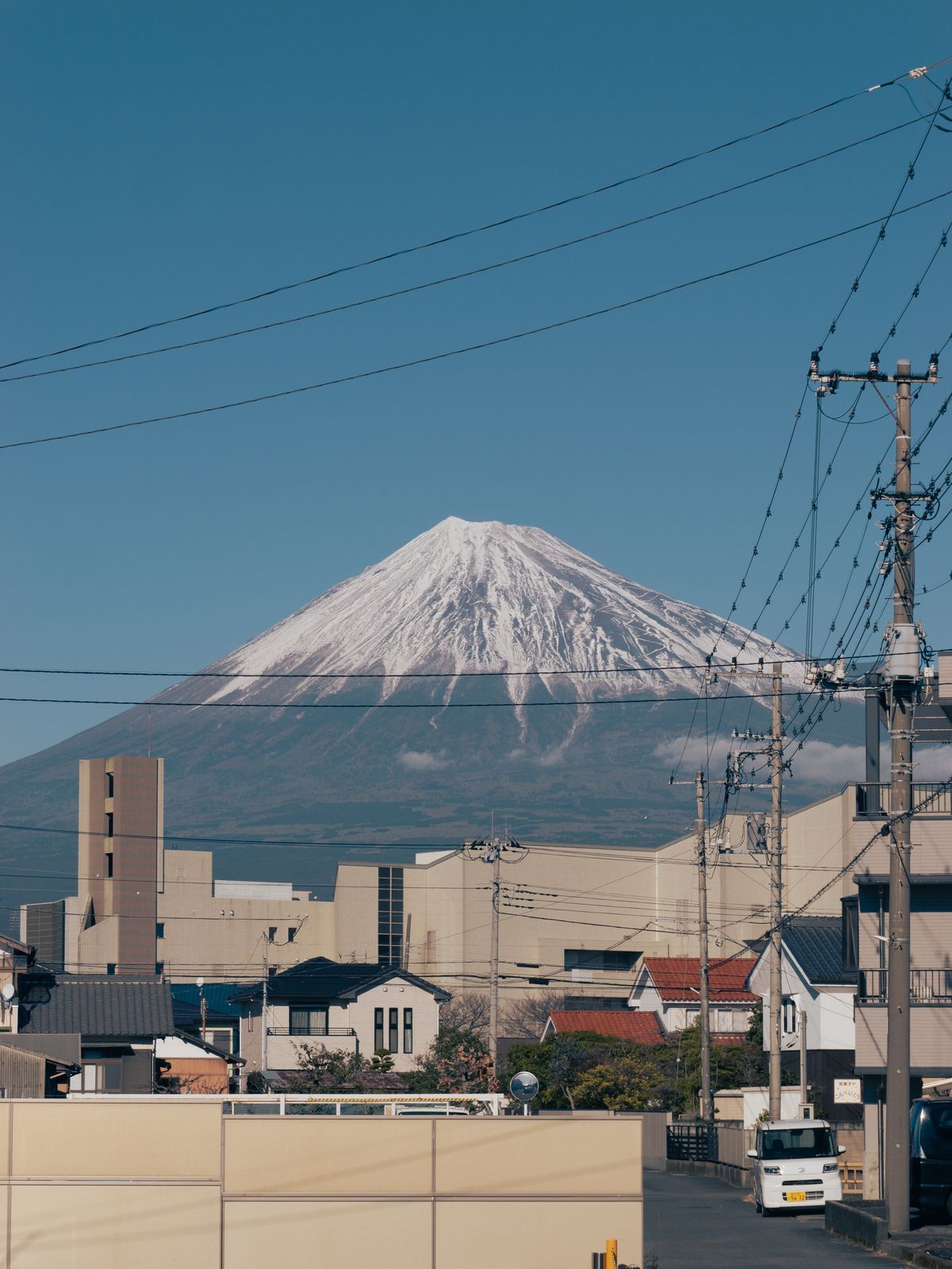
Japan's snow country — yukiguni — is one of the snowiest inhabited regions on Earth. A band of mountains running along the Sea of Japan coast catches moisture-laden Siberian air masses, dumping 5 to 15 meters of snow annually across prefectures from Niigata to Hokkaido. This same geography produces world-class ski terrain, thousands of natural hot springs, and some of the cheapest property prices in the developed world.
For foreign buyers looking at akiya in snow country, the opportunity is compelling: properties priced at a fraction of what comparable homes cost in warmer regions, access to ski resorts that attract millions of international visitors, onsen towns where you can soak in volcanic hot springs after a day on the slopes, and municipal subsidy programs designed to lure new residents to depopulating communities. The trade-off is real winter maintenance — but the numbers often still work decisively in your favor.
This guide maps the major snow country regions, breaks down what you can expect to pay, explains the ski and onsen lifestyle, and walks you through the practical realities of owning property in Japan's winter heartland.
Understanding Japan's Snow Belt
Japan's snow country is defined by a meteorological phenomenon: cold Siberian winds cross the Sea of Japan, absorb moisture, and slam into the mountain spine running down Honshu's center. The result is staggering snowfall concentrated on the Sea of Japan side. Niigata Prefecture averages 5.78 meters annually, with towns like Tokamachi recording over 11 meters (460 inches) in heavy years. Akita averages 5.32 meters. Even Nagano, further inland, sees 4.23 meters on average.
For context, most North American ski resorts consider 7–10 meters a banner year. Japan's snow country gets that as a baseline — and the snow quality is legendary. The dry, ultra-light powder that falls on resorts like Niseko, Myoko, and Nozawa Onsen has made Japan one of the world's premier ski destinations.
The Snow Country Prefectures
The core snow country prefectures, from south to north, include:
- Niigata — The gateway to snow country. Home to Yuzawa, Myoko, and dozens of ski resorts accessible by bullet train from Tokyo. Average annual snowfall: 5.78 meters.
- Nagano — Japan's alpine heartland. Hakuba, Nozawa Onsen, Shiga Kogen, and Madarao draw international skiers. The 1998 Winter Olympics put Nagano on the global map. Average snowfall: 4.23 meters.
- Toyama — Wedged between Niigata and Ishikawa, with heavy snow and the dramatic Tateyama Snow Wall that reaches 20 meters high each spring.
- Akita — Deep Tohoku snow country with some of Japan's lowest property prices and most generous municipal subsidies. Average snowfall: 5.32 meters.
- Yamagata — Famous for Zao Onsen's "snow monsters" (juhyo — frost-covered trees) and Gassan's summer skiing. Affordable and onsen-rich.
- Aomori — The northern tip of Honshu. Hakkoda and Aomori Spring (formerly Ajigasawa) offer some of Japan's deepest snow. Average snowfall: 4.09 meters.
- Hokkaido — Japan's northern island and international ski tourism epicenter. Niseko alone averages 12–15 meters of snowfall annually. Furano, Rusutsu, and Tomamu round out the offerings.
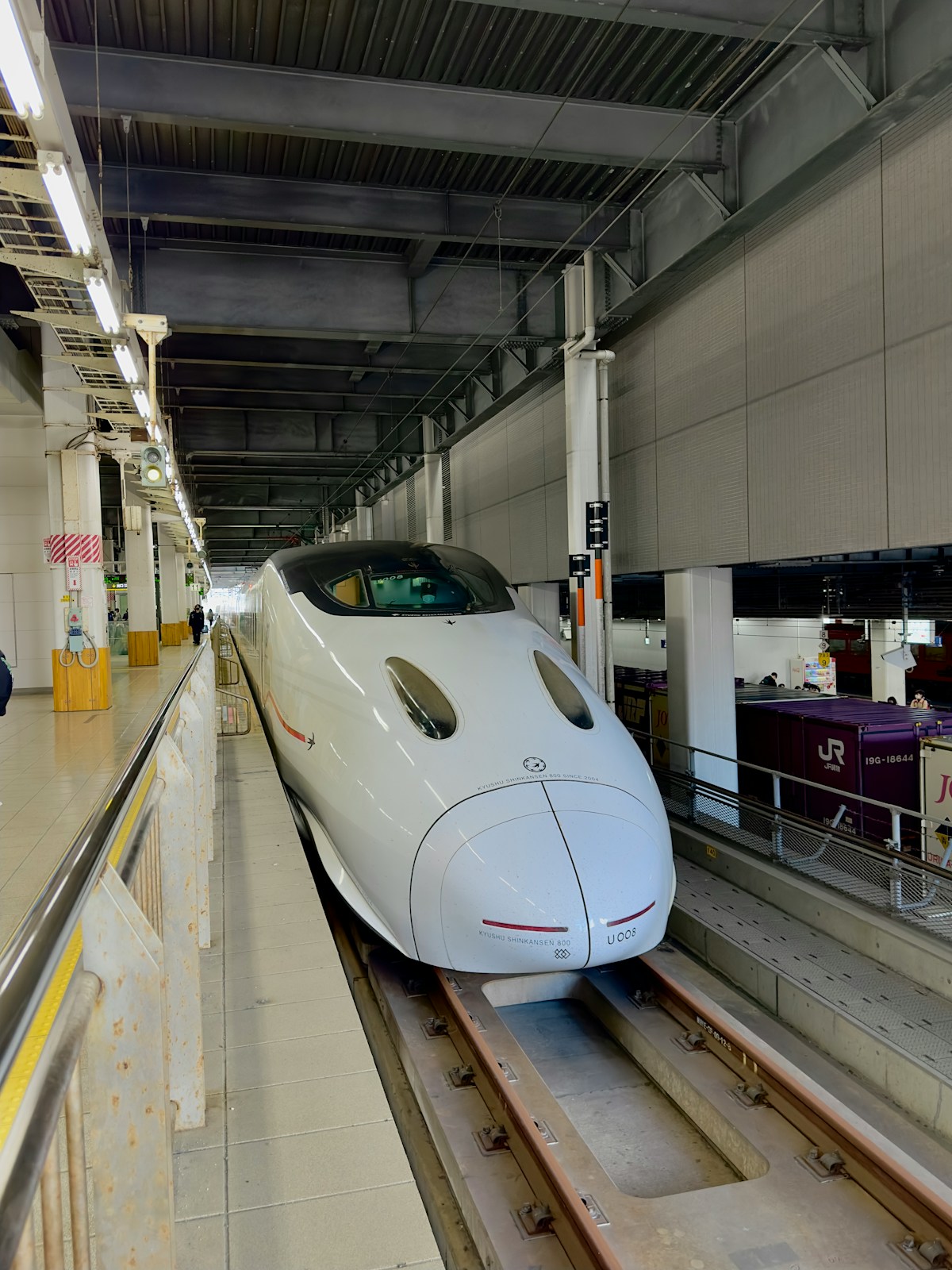
Japan's shinkansen network connects snow country to major cities — many ski resorts are under two hours from Tokyo by bullet train — Unsplash
What Snow Country Akiya Actually Cost
Snow country property prices are among the lowest in Japan, and the reason is straightforward: winter maintenance deters many Japanese buyers. A house that might cost ¥15,000,000 in Chiba or Kanagawa could list for ¥3,000,000 in Niigata or Akita — or less. This price differential is your opportunity.
Budget Tiers
Here's what each budget level opens up in snow country:
- Under ¥1,000,000 ($6,500 USD) — Available in Akita, Yamagata, and rural Niigata. Expect older traditional homes (kominka) needing significant renovation. Some akiya banks list properties at ¥0 (free) with conditions like residency requirements. These are project properties, not move-in ready.
- ¥1,000,000–¥5,000,000 ($6,500–$33,000 USD) — The sweet spot for snow country akiya. Solid older homes, many with traditional construction. Niigata's Yuzawa corridor, Nagano's smaller towns, and most of Tohoku fall here. Nearly 8,000 houses across Japan's snow belt are priced under ¥5,000,000.
- ¥5,000,000–¥15,000,000 ($33,000–$100,000 USD) — Move-in ready homes, some already winterized, in desirable locations near ski resorts or onsen towns. You'll find well-maintained properties in places like Myoko, Madarao, and Nozawa Onsen at this level.
- ¥15,000,000–¥50,000,000 ($100,000–$330,000 USD) — Renovated homes and newer construction near popular resorts. Myoko's renovated alpine homes list around ¥22,000,000. Purpose-built ski chalets in Hakuba or Nozawa start here.
- ¥50,000,000+ ($330,000+ USD) — Premium resort properties. Niseko condos, Hakuba luxury apartments, and branded residences. A one-bedroom in Hakuba's La Vigne complex lists around ¥117,000,000 ($760,000 USD). Niseko premium ski-in/ski-out properties command ¥1,500,000–¥3,000,000 per square meter.
The price gap between snow country's affordable tiers and its luxury resort segment is enormous. You could buy a dozen habitable akiya in Akita for the price of a single studio apartment in Niseko. Both are snow country — the difference is international resort infrastructure and brand recognition.
Region-by-Region Guide
Niigata: The Bullet Train Advantage
Niigata is the most accessible snow country prefecture from Tokyo and arguably the best value proposition for snow country akiya. The Joetsu Shinkansen puts Echigo-Yuzawa Station just 70–80 minutes from Tokyo Station. GALA Yuzawa ski resort has lifts departing directly from the shinkansen station — you can literally be on Tokyo's Yamanote Line at breakfast and skiing by lunch.
Key areas within Niigata:
- Yuzawa — Former resort bubble town with abundant ski-season condos and houses. Prices collapsed after the 1990s boom, leaving bargains. Many one-room resort apartments sell for under ¥500,000 (maintenance fees can be high — check before buying).
- Myoko — Rapidly transforming. Patience Capital Group is investing ¥210 billion ($1.4 billion) over the next decade, with Six Senses hotel construction beginning in April 2026 and MGallery properties planned for 2027. Properties here will likely appreciate significantly. Current prices are still accessible: ¥22,000,000–¥32,000,000 for renovated homes, much less for unrenovated akiya.
- Tokamachi and Tsunan — Deep snow country (11+ meters annually). Extremely affordable but remote. Best for those who genuinely want immersion in rural winter life, not casual ski-trip convenience.
Niigata also has excellent onsen access. Echigo-Yuzawa alone has dozens of public baths, and the Myoko area sits on volcanic springs that feed both public and private facilities.
Nagano: The Olympic Legacy
Nagano hosted the 1998 Winter Olympics, and the infrastructure investment from that era — upgraded rail connections, expanded resorts, modern facilities — continues to benefit property buyers today. The Hokuriku Shinkansen reaches Nagano Station in about 80–90 minutes from Tokyo.
Key areas within Nagano:
- Hakuba Valley — Ten interconnected ski resorts and Japan's most internationally recognized alpine destination after Niseko. Property here skews expensive by snow country standards but offers genuine four-season appeal (hiking, mountain biking, rafting in summer). A bus transfer from Nagano Station takes about 60 minutes.
- Nozawa Onsen — A picture-perfect onsen village with an excellent ski resort on the slopes directly above. Public onsen baths are free for residents. Traditional wooden architecture and a strong community identity make Nozawa feel like living inside a postcard.
- Madarao — Less famous internationally but beloved by those who know it. Deep powder, tree skiing, and lower prices than Hakuba or Nozawa. PCG's development plans in nearby Myoko will likely bring spillover attention.
- Shiga Kogen — Japan's largest linked ski area with 18 resorts on a single pass. Higher elevation means a longer season and reliable snow. Properties in the surrounding Yamanouchi area (also home to the famous snow monkeys) are reasonably priced.
Hokkaido: The International Magnet
Hokkaido is snow country on a different scale. Niseko averages 12–15 meters of snow annually — nearly three times what most Honshu ski areas receive. The island's powder quality has turned it into an international ski destination that increasingly rivals the Alps and Rockies.
- Niseko — The most expensive ski property market in Japan by a wide margin. Well-managed chalets achieve 6–10% gross yields during winter season, with summer activities supporting shoulder-season demand. Foreign buyers from Australia, Asia, and North America dominate the market. Entry-level condos start around ¥30,000,000; premium ski-in/ski-out properties can exceed ¥300,000,000.
- Furano — A more Japanese experience than Niseko, with excellent powder and a fraction of the price. The town has a vibrant local culture (lavender fields in summer, wine and cheese production) and consistently excellent snow.
- Rusutsu — World-class resort with comparatively affordable surrounding property. Tree skiing and consistent powder make it a favorite of experienced skiers.
- Kiroro — One of Japan's snowiest resorts, about 40 minutes from Otaru. Less developed than Niseko, which means lower property prices but also less rental infrastructure.
Hokkaido's downside for property buyers is accessibility: no shinkansen reaches the ski areas yet (the Hokkaido Shinkansen currently terminates in Hakodate, with the Sapporo extension expected in the early 2030s). New Chitose Airport near Sapporo is the main gateway, with ski resorts 2–3 hours by car.
Tohoku: The Deep Value Play
Akita, Yamagata, and Aomori form Japan's affordable snow country frontier. Property prices here are consistently the lowest in the nation, and municipal subsidy programs are the most generous. These prefectures are for buyers who want genuine rural Japanese life, not resort-adjacent convenience.
- Akita — Traditional farmhouses with thick beams and spacious tatami rooms regularly sell for under ¥500,000. Nyuto Onsen, a cluster of seven ryokan in deep beech forest with a history stretching to the 17th century, was voted the best onsen area by foreign tourists. Tazawako ski resort offers solid skiing with minimal crowds.
- Yamagata — Home to Zao Onsen, one of Japan's most famous ski and onsen destinations. The "snow monsters" — trees encased in frost on Zao's upper slopes — attract photographers from around the world. Gassan offers the rare experience of summer skiing (open May–July). Property prices in surrounding areas are extremely low.
- Aomori — Hakkoda offers expert-level backcountry skiing in impossibly deep snow. Aomori city and surrounding towns have abundant akiya stock. The Tohoku Shinkansen reaches Shin-Aomori in about 3 hours from Tokyo.
In the strongest subsidy environments — Akita, Yamagata, and parts of Niigata — it's mathematically possible for subsidies to exceed your net cost. A ¥500,000 house with ¥3,000,000 in renovation, offset by ¥1,500,000 in combined subsidies, puts your net cost at ¥2,000,000 ($13,000 USD) for a fully renovated home.
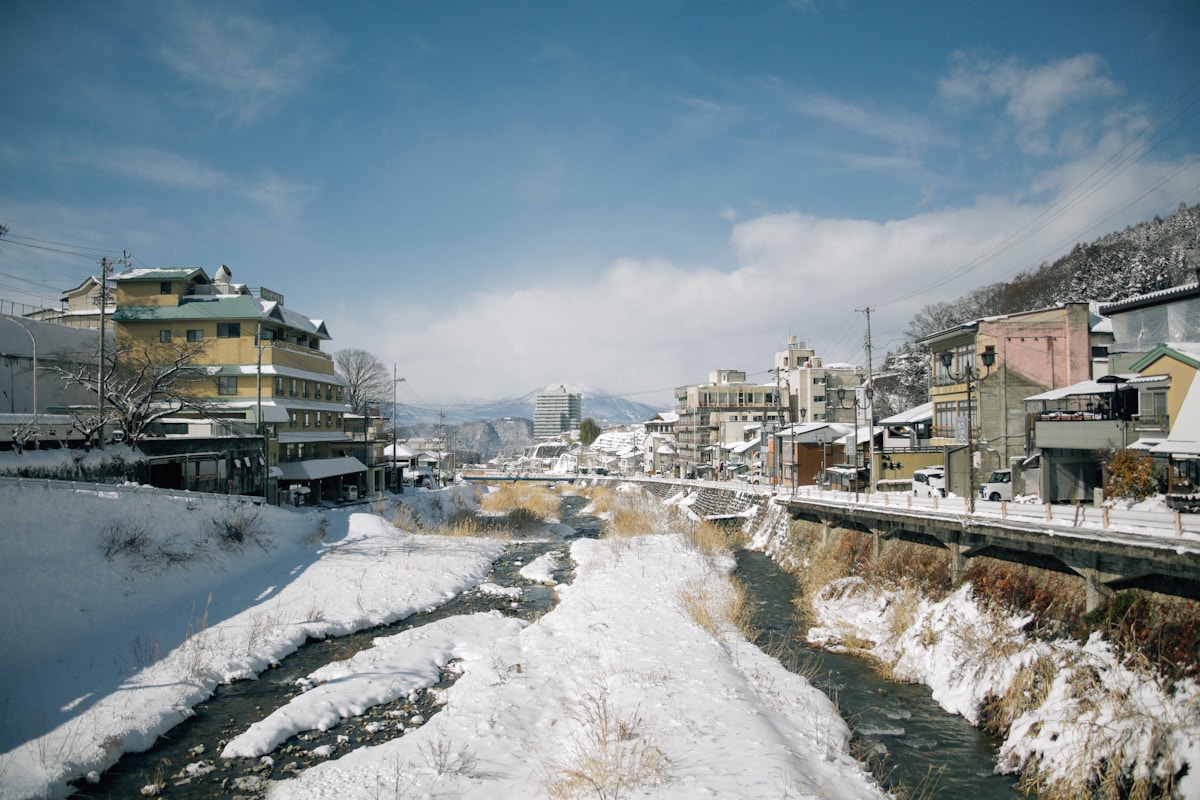
A river winds through a snow-blanketed onsen town — many snow country communities combine hot spring culture with stunning winter scenery — Unsplash
The Ski and Onsen Lifestyle
Ski Access: What's Realistic
Japan has over 500 ski resorts — more than any country except the United States. Many snow country akiya put you within 20–30 minutes of lift-served skiing. But "near a ski resort" means different things in different regions:
- Walk-to-slopes — Properties in Nozawa Onsen village, central Hakuba, Myoko Suginohara area, or Niseko Hirafu can be within walking or very short driving distance of lifts. These command premium prices.
- Short drive (10–30 minutes) — The realistic option for most affordable akiya. Towns surrounding Hakuba, Myoko, Madarao, Shiga Kogen, and Zao offer this. In snow country, "short drive" means you need winter tires and confidence driving in heavy snowfall.
- Day-trip access — Properties further from resort cores but within an hour's drive. Lower prices, but skiing becomes a planned outing rather than a daily routine.
Onsen: Snow Country's Hidden Advantage
Snow country is hot spring country. The same volcanic geology that creates Japan's mountains feeds thousands of natural onsen. For many buyers, the onsen lifestyle is the real draw — skiing is seasonal, but hot springs are year-round.
What onsen access looks like in practice:
- Public baths — Most onsen towns have multiple public facilities charging ¥300–¥700 per visit. In Nozawa Onsen, the 13 public sotoyu baths are free. Many snow country towns maintain communal baths funded by resident associations.
- Private onsen — Some properties include their own onsen source (onsen-tsuki), particularly in active volcanic areas. These are rare and command higher prices but eliminate the need to visit public facilities.
- Rotenburo (outdoor baths) — Soaking in an outdoor hot spring while snow falls around you (yukimi rotenburo) is one of Japan's iconic winter experiences. Many ryokan and public facilities in snow country offer this.
Notable onsen areas in snow country include Nozawa Onsen (Nagano), Echigo-Yuzawa (Niigata), Nyuto Onsen (Akita), Zao Onsen (Yamagata), Noboribetsu and Jozankei (Hokkaido), and Myoko (Niigata).
Beyond Winter: Four-Season Appeal
Snow country is not a one-season destination. Summer temperatures in the mountains run 5–10°C cooler than Tokyo, making these areas popular escapes from the brutal urban heat. Activities shift with the seasons:
- Spring — Cherry blossoms arrive later in snow country (late April to early May), snowmelt fills rivers for rafting, and mountain roads open to reveal dramatic landscapes.
- Summer — Hiking, mountain biking, fishing, and rice paddy scenery. Hakuba transforms into an adventure sports hub. Furano's lavender fields attract tourists. Higher elevations offer natural air conditioning.
- Autumn — Japan's fall foliage (koyo) is spectacular in mountainous areas, drawing photographers and hikers. The season is short but vivid.
- Winter — Skiing, snowboarding, onsen, and snow festivals. Niigata's Tokamachi Snow Festival and Akita's Yokote Kamakura Festival (snow hut festival) are cultural highlights.
Practical Realities of Snow Country Ownership
Winterization Is Not Optional
Any property in snow country needs proper winterization. This is covered extensively in our dedicated article on winterizing your akiya, but the key costs to budget for include:
- Insulation upgrades — Older akiya often have minimal insulation. Retrofitting walls, ceilings, and floors typically costs ¥500,000–¥1,500,000 depending on the property's size and condition.
- Heating systems — Kerosene heaters are standard but modern heat pumps are more efficient. Budget ¥200,000–¥500,000 for a proper heating system.
- Pipe protection — Frozen pipes are the most common winter damage. Heat tape, insulation, and proper drainage systems are essential.
- Roof reinforcement — Snow loads in heavy snow areas can exceed 500 kg per square meter. Traditional snow country homes have steep roofs designed to shed snow, but flat-roofed buildings (common in bubble-era construction) may need structural reinforcement.
- Snow removal equipment — A snowblower (¥100,000–¥500,000) or a contract with a local snow removal service. In areas with 3+ meters of accumulation, this is a weekly necessity, not an occasional chore.
Annual Winter Costs
Beyond the initial winterization investment, expect recurring seasonal expenses:
- Heating fuel — ¥100,000–¥300,000 per winter season for kerosene, or comparable electricity costs for heat pumps.
- Snow removal — ¥50,000–¥200,000 per season if contracted out, free if you do it yourself (but it's hard physical work).
- Maintenance and repairs — Snow and freeze-thaw cycles accelerate wear. Budget ¥100,000–¥200,000 annually for upkeep.
- Vacant property care — If you're not living there full-time, you'll need someone to check on the property, clear snow from the roof and access, and run the heating periodically to prevent pipe freezing. Property management services charge ¥10,000–¥30,000 per month.
Even including these costs, the total cost of ownership for a snow country akiya — purchase price plus renovation plus annual maintenance — is often less than 5 years of rent in Tokyo.
Driving and Transportation
A car is essential in most snow country locations outside of shinkansen-adjacent towns. Winter driving in Japan requires:
- Winter tires — Legally required in some prefectures, practically required everywhere in snow country. Studless snow tires (sutaddoresu taiya) are standard. Budget ¥40,000–¥80,000 for a set.
- Four-wheel drive — Not strictly necessary on maintained roads but strongly recommended for rural areas and steep terrain.
- Road conditions — Major roads are cleared promptly. Rural roads may take longer. Some mountain passes close entirely from December through April.
For those without a car, the shinkansen-accessible locations — Echigo-Yuzawa, Nagano city, and towns along the Hokuriku line — offer the most practical snow country living. Local bus services connect stations to ski resorts, though schedules are infrequent outside ski season.
Community and Culture
Snow country communities have a particular character shaped by centuries of harsh winters. Mutual aid (kyojo) is deeply ingrained — neighbors help each other clear snow, maintain community infrastructure, and prepare for winter. New residents, especially foreign ones, who participate in community snow-clearing duties and local events are quickly accepted.
Many snow country communities practice yukikaki (snow-clearing) as a communal activity. Participation isn't technically mandatory, but it's a powerful way to build relationships. The shared experience of surviving a serious winter together creates bonds that are harder to form in milder climates.
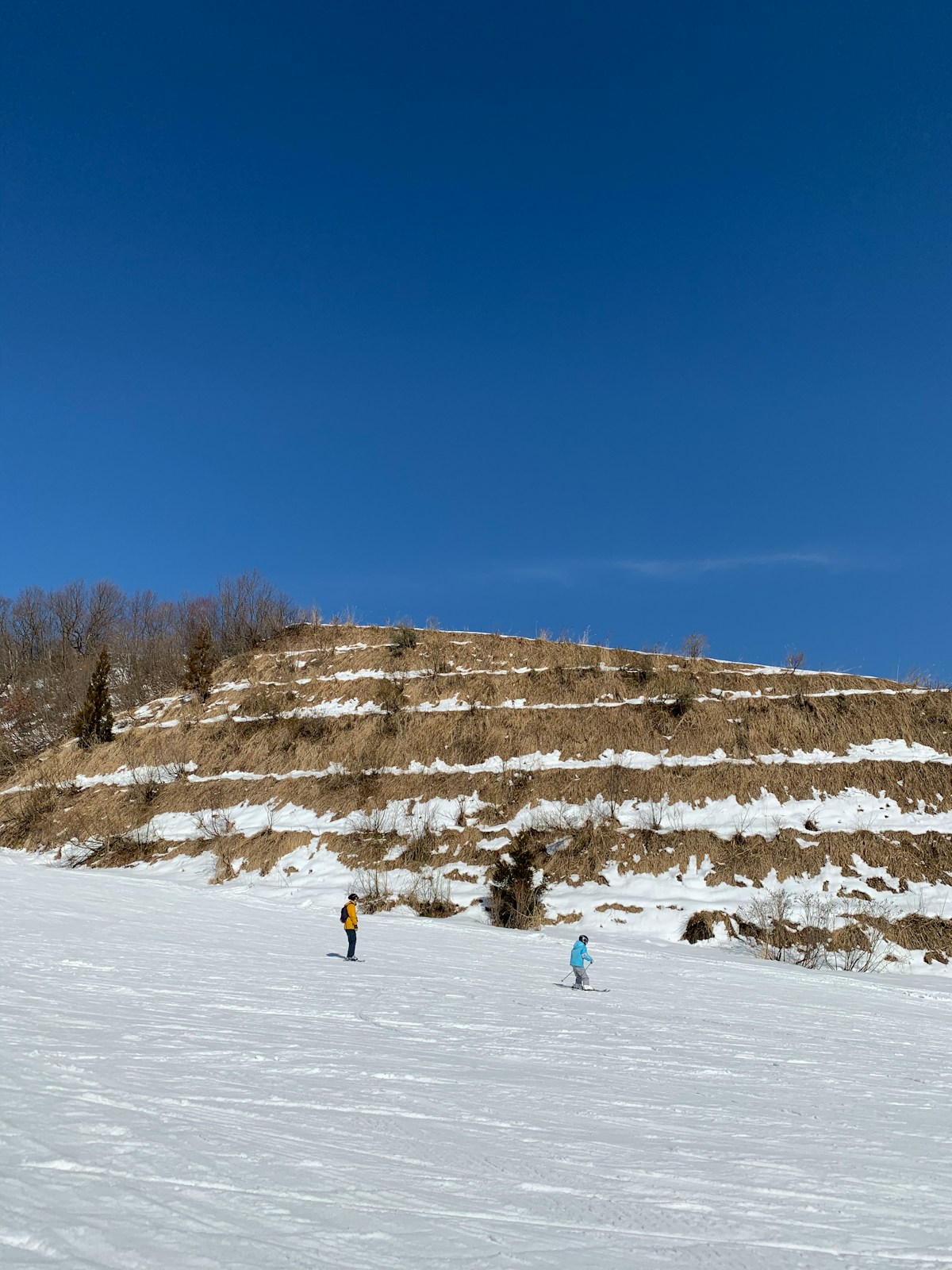
Skiing in Niigata's powder snow — Japan's snow country receives some of the heaviest snowfall of any inhabited region on Earth — Unsplash
Subsidies and Financial Incentives
Snow country municipalities are among Japan's most aggressive in offering relocation subsidies. Depopulation hits these areas hard — young people leave for cities, and the remaining residents struggle to maintain communities built for larger populations. Municipal governments actively recruit new residents, including foreigners.
What's Typically Available
- Purchase grants — ¥500,000–¥2,000,000 toward the cost of buying an akiya, often through the municipal akiya bank. Tohoku municipalities tend to offer the most generous amounts.
- Renovation subsidies — Coverage of up to 50–75% of renovation costs, typically capped at ¥1,500,000–¥3,000,000. These are particularly valuable in snow country where winterization work qualifies.
- Family relocation bonuses — Additional grants for families with children, sometimes ¥100,000–¥500,000 per child.
- Energy efficiency upgrades — National programs for insulation, double-glazing, and heat pump installation that stack on top of municipal subsidies. Particularly relevant for upgrading older akiya to modern comfort standards.
Important Caveats
Subsidies come with conditions. The most common requirements include:
- Residency — You must register as a resident (jumin toroku) in the municipality. This typically requires a valid visa allowing residence in Japan.
- Minimum stay periods — Often 5–10 years. If you leave before the commitment period, you may need to repay some or all of the subsidy.
- Property use restrictions — The property must be your primary residence, not a vacation home or rental.
- Application timing — Many programs have annual application windows and limited budgets. Apply early in the fiscal year (April).
For foreign buyers without Japanese residency, subsidies are harder to access but not impossible. Some programs only require property ownership, not residency. Check with the specific municipality — requirements vary widely.
Vacation Rental Income Potential
Snow country properties, especially those near ski resorts, have genuine vacation rental potential. Japan's minpaku (private lodging) law, enacted in 2018, permits short-term rentals for up to 180 days per year nationally, though local governments can impose additional restrictions.
Seasonal Economics
The rental calendar for snow country properties follows a predictable pattern:
- Peak season (December–March) — Ski season drives the highest nightly rates, particularly during Japanese holidays (New Year, February school break) and the international peak weeks (Christmas through early January, Chinese New Year). Well-positioned properties near popular resorts can command ¥15,000–¥50,000 per night depending on size and quality.
- Summer season (July–September) — Mountain escapes from urban heat generate moderate demand. Rates are lower (¥8,000–¥20,000/night) but the season is longer.
- Shoulder seasons (April–June, October–November) — Low occupancy. Autumn foliage brings a brief bump in October. Spring snowmelt and mud season are the quietest period.
Gross yields of 6–10% are achievable in established resort areas like Niseko, Hakuba, and Myoko, though management costs, cleaning, and platform fees reduce net returns. Properties in less-known areas will generate lower income but also cost far less to acquire.
Regulatory Requirements
To operate a vacation rental legally:
- File a minpaku notification with the prefectural government (or designated city)
- Install required safety equipment (fire extinguishers, smoke detectors, emergency lighting)
- Display your registration number on all listings
- Maintain a guest register
- Ensure neighbors are notified of your rental operation
Alternatively, obtaining a ryokan (hotel/inn) license removes the 180-day cap but requires meeting stricter building codes and health regulations. Some snow country municipalities actively encourage this — tourism is a vital part of their economy.
The Myoko Transformation: A Case Study in Resort Investment
Myoko Kogen in Niigata Prefecture offers a real-time case study in how international investment is reshaping Japan's snow country. Patience Capital Group (PCG), led by Ken Chan — former head of Singapore's sovereign wealth fund GIC in Japan — is investing ¥210 billion ($1.4 billion) to transform Myoko into a luxury destination rivaling Aspen, Whistler, and St. Moritz.
The development includes a Six Senses hotel and 21 branded residences (construction starting April 2026), MGallery properties at both Madarao Kogen and Lime Resort Myoko (opening 2026–2027), and plans for 30–40 retail outlets alongside additional hotels through 2034.
For akiya buyers, the Myoko story illustrates a pattern: international investment raises the profile and infrastructure of a snow country area, which in turn lifts property values in the surrounding region. Properties purchased now in the broader Myoko area — particularly in adjacent towns like Taguchi, Akakura, and the Madarao area — are likely to benefit from the rising tide of resort development.
This is not a guaranteed strategy. Plenty of Japanese ski areas have seen ambitious development plans stall or fail. But the scale of PCG's investment and the involvement of Six Senses and MGallery brands suggests this particular transformation has serious backing.
Buying Process: Snow Country Specifics
The general process of buying akiya in Japan applies to snow country properties, but there are specific considerations:
Due Diligence Checklist for Snow Country
- Roof condition and snow load rating — The single most important structural concern. Have a professional assess whether the roof can handle the local snow load. Replacement costs ¥1,000,000–¥3,000,000.
- Foundation and structural integrity — Freeze-thaw cycles can crack foundations. Check for signs of water infiltration and frost heave.
- Heating system — What exists? What condition is it in? Replacing a heating system is expensive and essential.
- Insulation level — Many older homes have little to no insulation. Budget for this upgrade regardless.
- Water supply — Some rural properties use well water that can freeze. Confirm the water source and its winter reliability.
- Road access — Is the road to the property maintained (plowed) by the municipality in winter? Some rural roads are not.
- Snow removal responsibility — Who clears the road and driveway? Is there a community arrangement?
- Vacant property history — How many winters has the property sat empty? Homes that have gone through multiple unheated winters may have hidden damage from ice, moisture, and pest intrusion.
When to Visit
Ideally, visit a snow country property in two seasons: summer (to see the property at its best and assess the general condition) and winter (to understand what you're actually signing up for). A February visit, when snow accumulation peaks, will show you the reality of access, snow load, and heating demands. If you can only visit once, choose winter — anyone can live in a Japanese countryside home in summer.
Working with a Licensed Agent
Snow country properties involve technical considerations that go beyond a standard Japanese real estate transaction. Understanding snow load specifications, winterization requirements, local subsidy eligibility, and seasonal access issues requires expertise. For foreign buyers navigating these complexities in a second language, working with a licensed agent who has experience with snow country properties and international clients is not a luxury — it's practical risk management. Teritoru, our licensed partner agent, specializes in helping foreign buyers through the purchase process, including the due diligence steps specific to snow country and rural properties. You can book a consultation to discuss specific properties or regions.
Who Should — and Shouldn't — Buy in Snow Country
Snow Country Is Right for You If:
- You ski or snowboard and want a base in one of the world's best powder regions
- You love onsen culture and want daily access to natural hot springs
- You're looking for the lowest entry price to Japanese property ownership
- You're physically able and willing to deal with snow maintenance (or can afford to hire it out)
- You enjoy rural Japanese culture, community events, and seasonal rhythms
- You plan to use the property as a vacation rental during ski season to offset costs
Think Twice If:
- You want a low-maintenance property you can ignore for months at a time — snow country homes demand attention, especially in winter
- You dislike driving in winter conditions and the property isn't shinkansen-accessible
- You're buying purely as a financial investment — snow country property appreciation is modest outside resort zones, and rental income is highly seasonal
- You have mobility limitations that make snow and ice navigation difficult
- You plan to live there year-round but work remotely — internet connectivity in deep rural areas can be limited (verify before buying)
Getting Started
The most practical path into snow country property ownership follows these steps:
- Define your priority — Ski access? Onsen lifestyle? Lowest possible price? Rental income? Each priority points to different regions and property types.
- Research regions — Use our property search to browse available snow country listings by prefecture and price range. Filter by Niigata, Nagano, Akita, Yamagata, Aomori, or Hokkaido.
- Check akiya banks — Municipal akiya banks in snow country prefectures often have properties not listed on private real estate sites, sometimes at ¥0 plus conditions.
- Visit in winter — There is no substitute for experiencing snow country firsthand during peak season. Stay in a local guesthouse, drive the roads, talk to residents, visit the onsen.
- Budget honestly — Purchase price plus winterization (¥500,000–¥1,500,000) plus annual winter costs (¥250,000–¥700,000). The total is still remarkably affordable by international standards.
- Engage a licensed agent — Navigate the purchase, legal paperwork, subsidy applications, and renovation planning with professional support.
Japan's snow country offers something rare in the global property market: affordable homes in a landscape that millions of people pay thousands of dollars to visit each winter. The snow that keeps prices low is the same snow that makes these mountains world-class. Whether you want a ski base, an onsen retreat, or the most affordable entry point into Japanese property ownership, snow country delivers — as long as you go in with clear expectations and a good pair of winter boots.