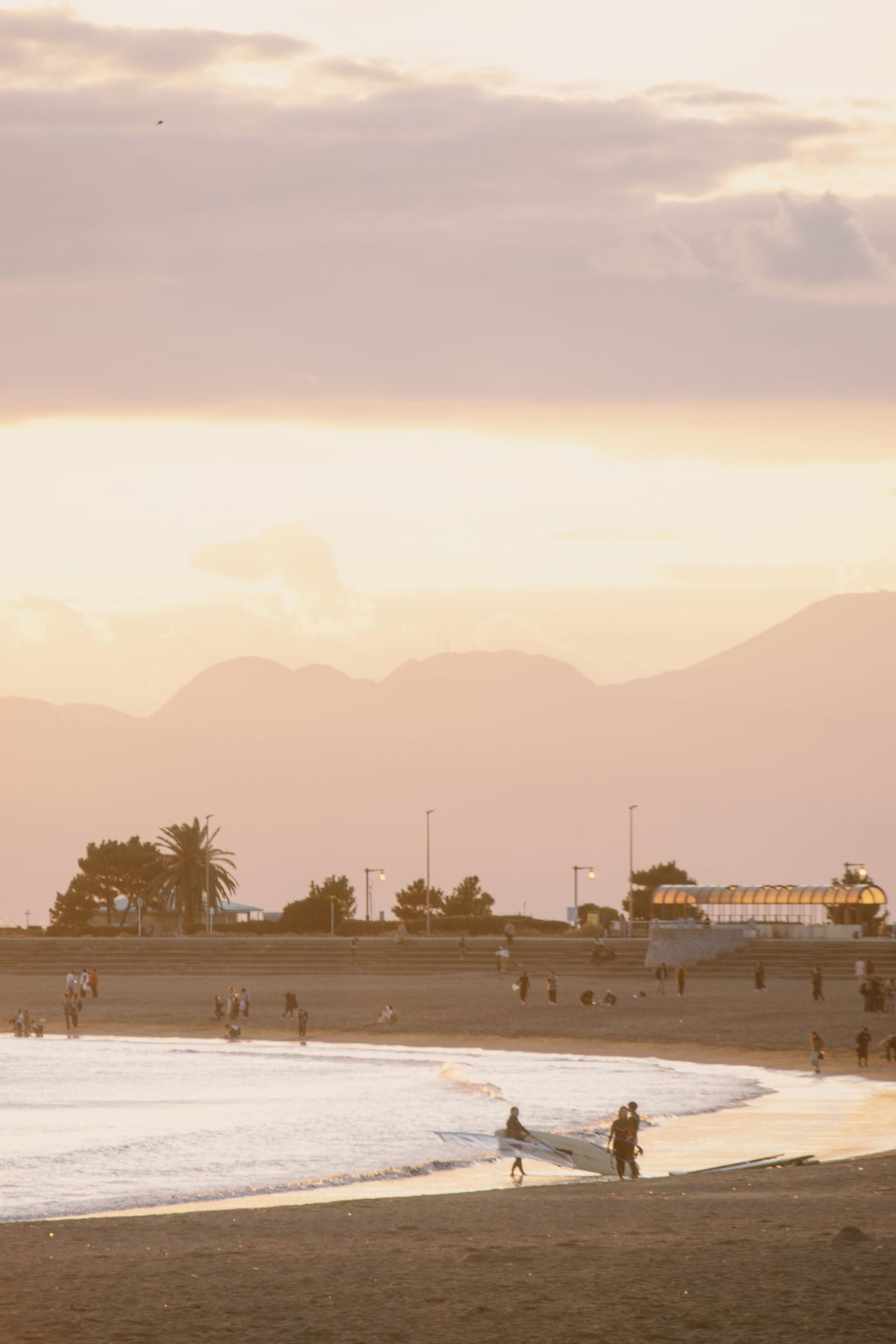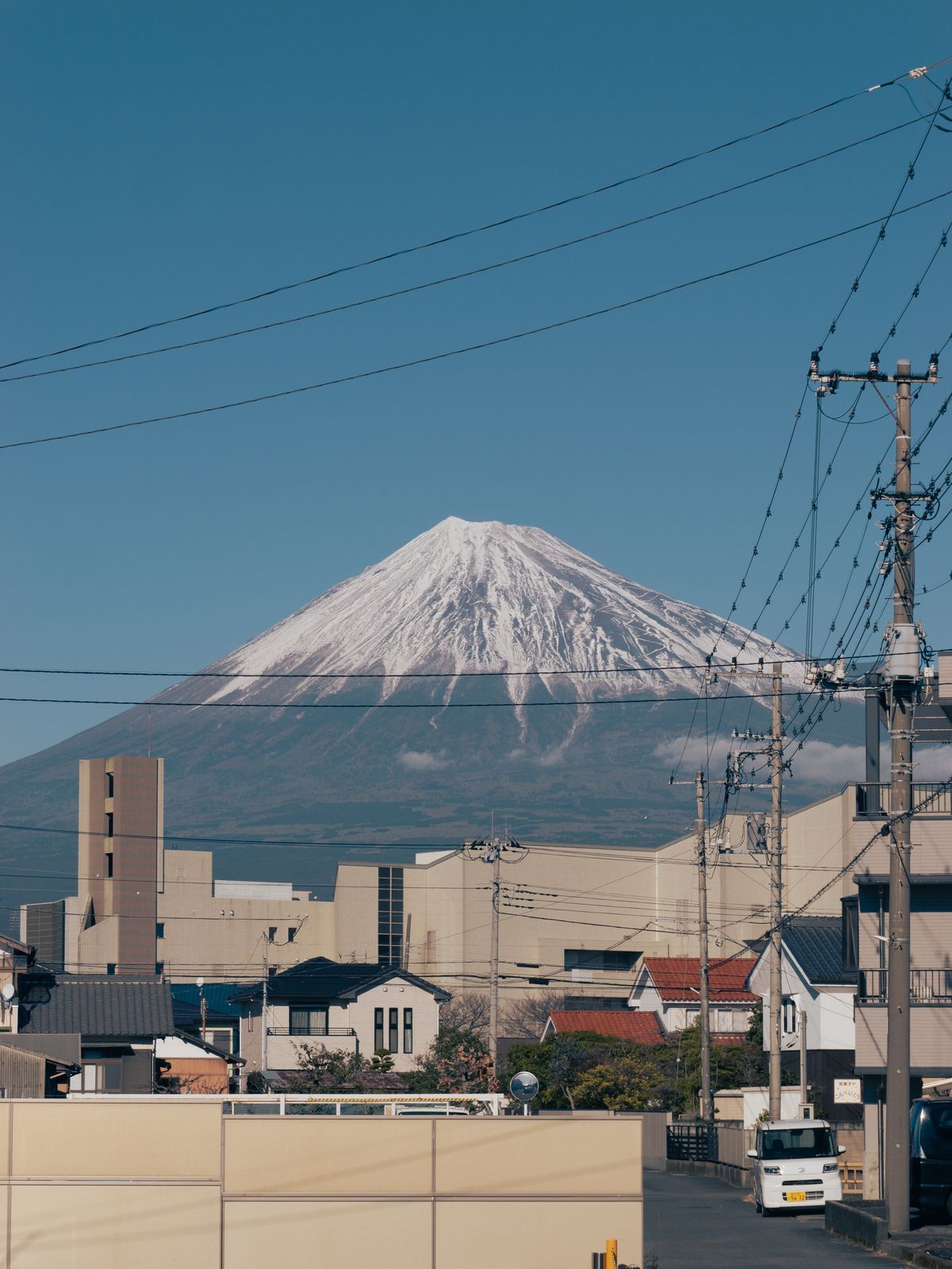
Shizuoka sits on the Pacific coast between Tokyo and Nagoya, two of Japan's largest cities. The Tokaido Shinkansen passes through it. The climate is mild year-round. Mount Fuji's southern face — the one on the postcards — belongs to this prefecture. And yet, when foreign buyers search for Japanese property, Shizuoka barely registers.
That gap between quality and attention is exactly what makes it worth examining. Shizuoka has onsen towns, a coastline stretching hundreds of kilometres, tea plantations that produce 40% of Japan's green tea, and property prices that regularly undercut neighbouring prefectures. For buyers willing to look beyond the usual suspects — Tokyo, Osaka, Kyoto — Shizuoka offers a rare combination of access, affordability, and scenery.
Where Exactly Is Shizuoka?
Shizuoka Prefecture stretches along the south-central coast of Honshu. Its eastern border sits roughly 100 kilometres from central Tokyo. The western side reaches toward Nagoya. The entire Izu Peninsula — a popular resort area since the Edo period — falls within its borders.
From Shizuoka Station, Tokyo is 54 minutes by Shinkansen. Nagoya is 57 minutes. That puts Shizuoka within practical commuting distance of two major metropolitan areas, though most buyers here are not commuters. They are looking for a primary residence with better quality of life, a second home, or a retirement property with mountain views and onsen access.
The prefecture divides roughly into three zones that matter for property buyers:
- Eastern Shizuoka (Izu Peninsula and surrounds) — resort towns, hot springs, coastal scenery. Higher prices but strong rental potential.
- Central Shizuoka (Shizuoka City, Shimizu) — the urban core. Good infrastructure, hospitals, schools. Moderate prices.
- Western Shizuoka (Hamamatsu and beyond) — Japan's instrument-manufacturing hub. Affordable, practical, less scenic.
The Izu Peninsula: Hot Springs and Coastal Living
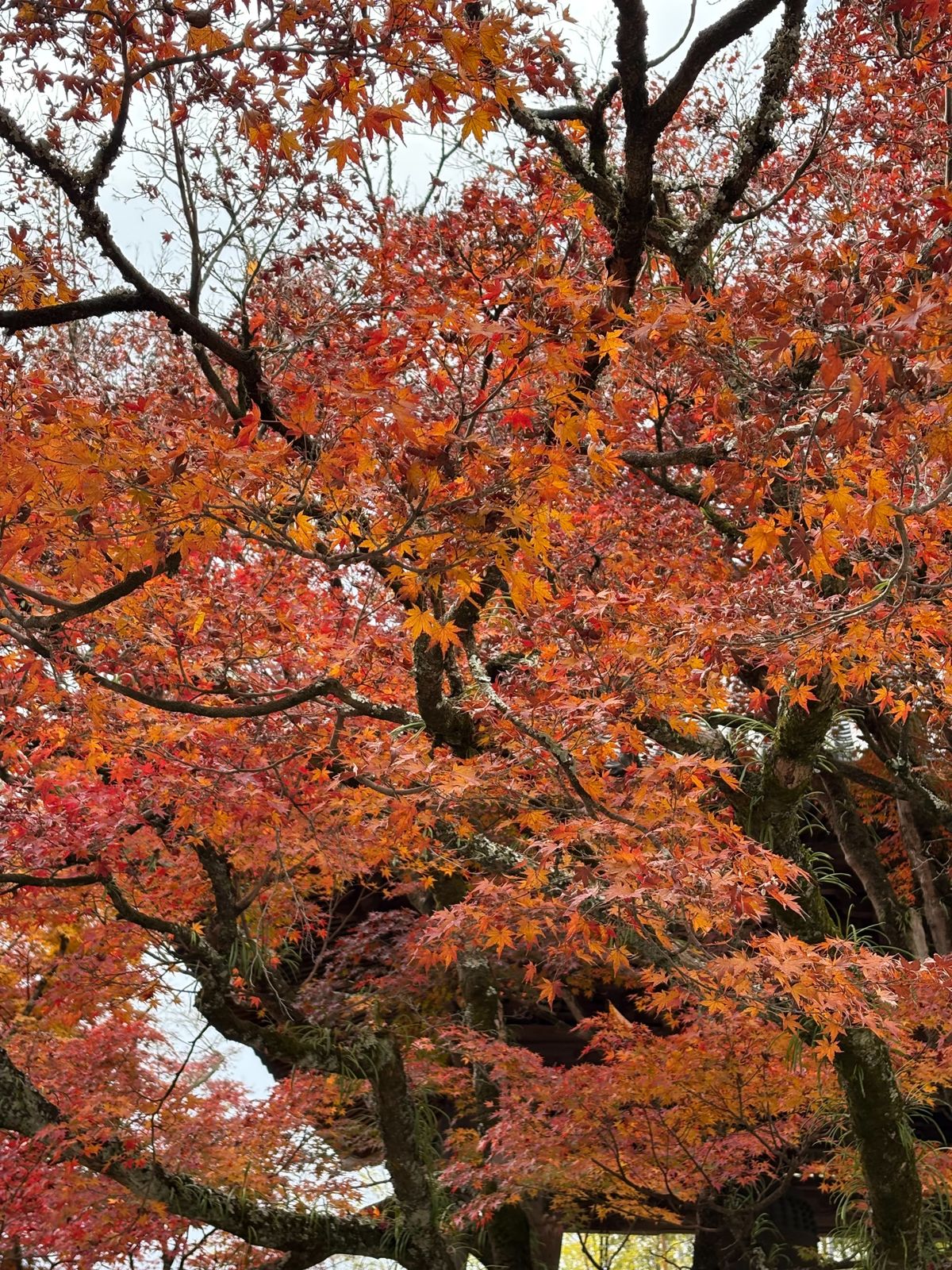
Izu is where Tokyo residents go when they want an onsen weekend without flying to Kyushu. The peninsula juts south into the Pacific, ringed by dramatic coastline and dotted with hot spring towns that have been operating for centuries.
Key areas for property buyers include:
Atami — the closest onsen resort to Tokyo (35 minutes by Shinkansen). Atami experienced a property boom during the 1980s bubble, crashed hard, and is now in the middle of a genuine revival. Restaurants, cafés, and renovated ryokan are opening. Property prices have risen from their lows but remain far below Tokyo levels. Expect to pay ¥5–15 million for a used apartment with ocean views, or ¥8–25 million for a detached house.
Ito — quieter than Atami, with more onsen sources per capita than almost any city in Japan. Older resort condominiums sell for as little as ¥1–3 million, though buyers should budget for renovation and check the management fees carefully — some older buildings carry high monthly costs.
Shimoda — at the southern tip of the peninsula. The beaches here are among the best in eastern Japan. Access is slower (no Shinkansen; the Izukyu line from Ito takes about an hour), which keeps prices low and crowds manageable outside summer.
Shuzenji — an inland onsen town with a literary history and a quieter, more residential character. Less tourist traffic than the coastal towns, which suits buyers looking for year-round living rather than holiday rental income.
Mount Fuji Views: Not Just Marketing
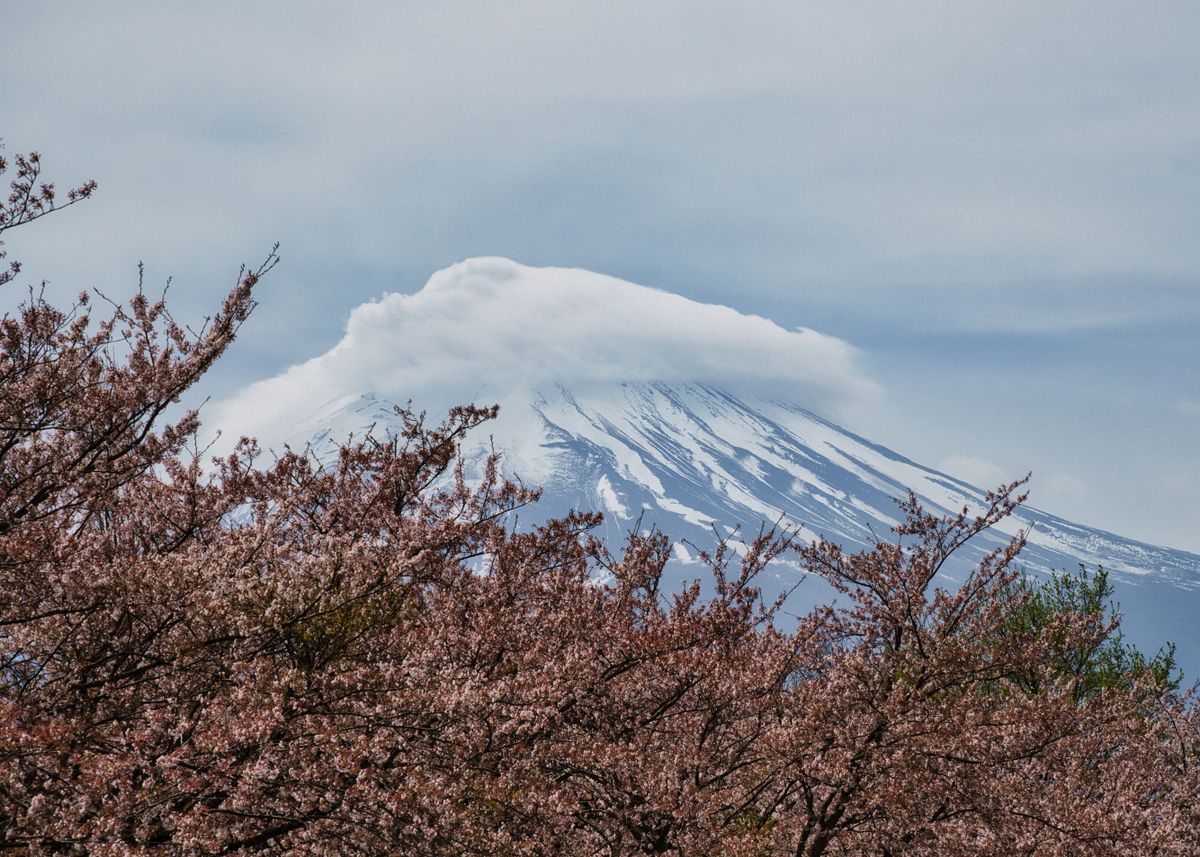
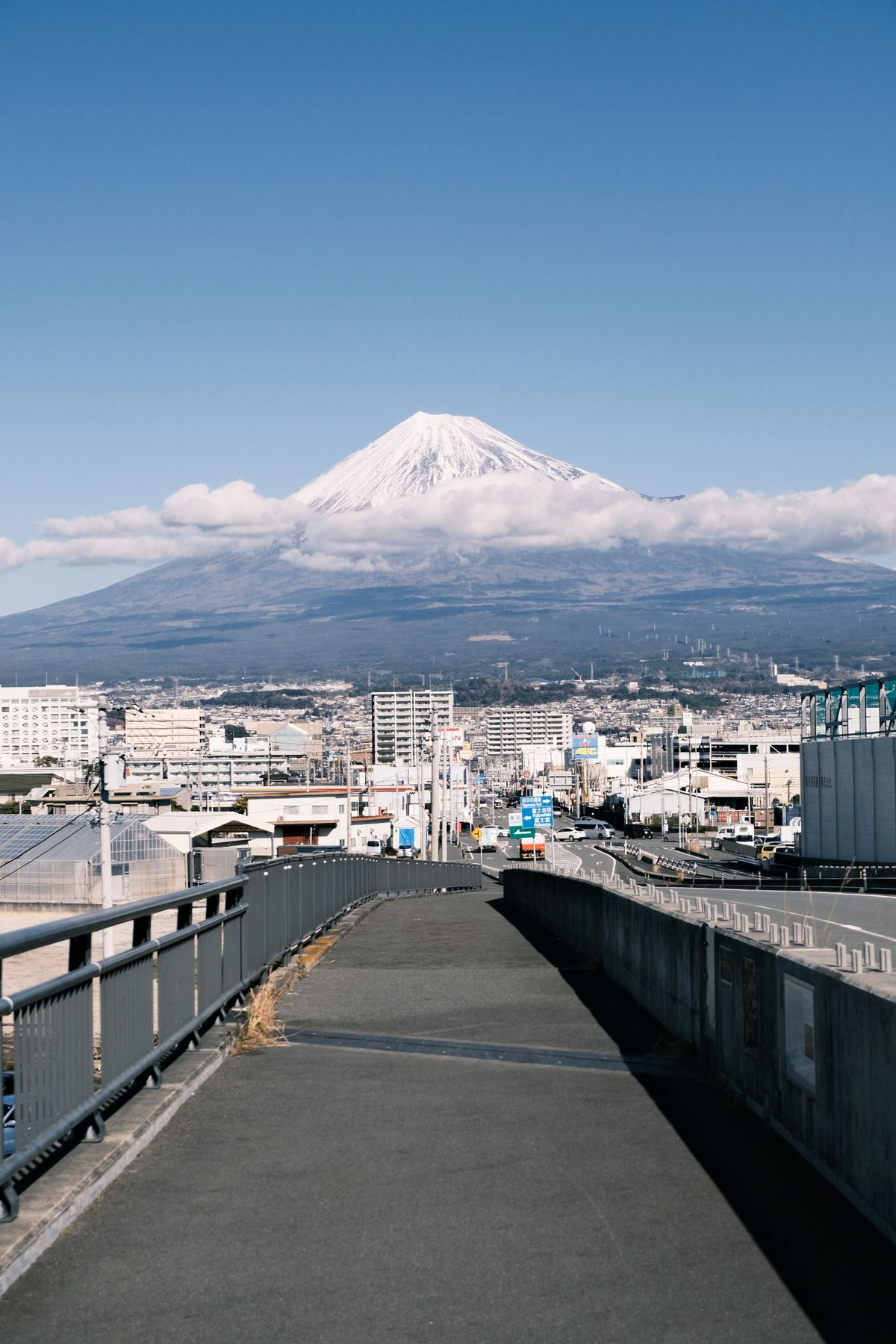
Shizuoka owns the iconic south-facing view of Mount Fuji. From Fujinomiya, Fuji City, and parts of Numazu, the mountain dominates the skyline. This is not a "clear day only" view — for many properties in these areas, Fuji is a permanent, unavoidable presence out the window.
Fujinomiya is particularly interesting for buyers. The town sits at the base of Fuji's southern slope and serves as the main access point for the Fujinomiya Trail, one of the four official climbing routes. Property here is surprisingly affordable — detached houses under ¥10 million are common, and akiya listings in the broader area occasionally dip below ¥5 million.
Numazu, on the coast where the Izu Peninsula meets the mainland, offers both Fuji views and Suruga Bay access. It has better urban infrastructure than Fujinomiya — a larger hospital network, more shopping, and direct Tokaido Line trains to Tokyo (about 2 hours by local express, or 50 minutes to Mishima for a Shinkansen transfer).
What Properties Actually Cost
Shizuoka's property market sits in a sweet spot: cheaper than the greater Tokyo area and Kanagawa, but with noticeably better infrastructure and climate than the deep countryside prefectures where sub-¥1 million houses come with significant trade-offs.
Rough price ranges for used residential property:
| Area | Detached House | Apartment/Mansion | Notes |
|---|---|---|---|
| Atami | ¥8–25M | ¥3–15M | Prices rising. Ocean-view premium. |
| Ito / Shimoda | ¥3–15M | ¥1–8M | Older resort stock available cheaply. |
| Shizuoka City | ¥10–30M | ¥5–20M | Urban convenience, good resale. |
| Fujinomiya / Fuji | ¥5–15M | ¥3–10M | Fuji views. Quieter market. |
| Hamamatsu | ¥8–25M | ¥3–15M | Industrial city. Practical, not scenic. |
| Rural / mountain | ¥1–8M | Rare | Akiya bank listings common. |
For context, there are currently over 250 akiya bank listings in Shizuoka on our platform, and several hundred more in the buy category under ¥5 million.
Climate: Shizuoka's Underrated Advantage
Shizuoka has one of the mildest climates on Honshu. The Kuroshio Current warms the Pacific coast, keeping winters short and relatively warm — Shizuoka City rarely sees snow. Summers are warm and humid (this is still Japan), but the coastal areas catch ocean breezes that inland prefectures miss entirely.
For property buyers, climate is a practical consideration, not just a lifestyle one. Mild winters mean lower heating costs, less risk of frozen pipes, and simpler maintenance on older buildings. Compared to snow country prefectures like Niigata or Nagano, a Shizuoka house requires significantly less winterization work.
The Izu Peninsula's microclimate is particularly favourable. Coastal towns like Shimoda see early cherry blossoms — sometimes weeks ahead of Tokyo — and the growing season is long enough for citrus farming. Several towns grow mikan (mandarin oranges) commercially, which tells you everything about how mild the winters are.
Tea Country and the Central Highlands
Shizuoka produces roughly 40% of Japan's green tea. The tea plantations — neatly trimmed rows of bushes covering entire hillsides — are concentrated in the Makinohara Plateau and the hills north of Shizuoka City. Driving through this area feels like a different Japan from the convenience-store-and-pachinko landscape of most prefectures.
For buyers, the tea-growing regions offer large plots, quiet surroundings, and prices well below the coastal zones. Properties with land suitable for small-scale farming or hobby agriculture appear regularly in akiya bank listings. The trade-off is access: these areas are car-dependent, with limited public transport and longer drives to hospitals and supermarkets.
Access and Transport
Shizuoka's transport links are among the best of any non-metropolitan prefecture:
- Shinkansen — Six stations on the Tokaido Shinkansen (Atami, Mishima, Shin-Fuji, Shizuoka, Kakegawa, Hamamatsu). Tokyo in under an hour from most of them.
- Mt. Fuji Shizuoka Airport — Small regional airport with domestic flights and some international routes (Seoul, Shanghai, Taipei). Not a hub, but useful.
- Expressways — The Tomei Expressway and Shin-Tomei Expressway run through the prefecture, connecting Tokyo and Nagoya by road.
- Local rail — JR Tokaido Line provides frequent local service along the coast. The Izukyu and Izuhakone lines serve the Izu Peninsula.
This transport network is a significant advantage over other affordable prefectures. A house in Shizuoka with Shinkansen access is a fundamentally different proposition from a house in a remote prefecture where the nearest city is a two-hour drive.
What to Watch Out For
Shizuoka is not without risks and considerations:
Earthquake and tsunami exposure. Shizuoka sits near the Suruga Trough, a known seismic zone. The prefecture takes this seriously — building codes are strictly enforced, and earthquake resistance should be a non-negotiable item on any property inspection. Coastal properties in Izu and along Suruga Bay should be checked against tsunami hazard maps.
Older resort stock in Izu. The 1980s bubble left a legacy of resort condominiums that are now 35–40 years old. These sell cheaply (sometimes under ¥1 million), but monthly management and onsen fees can run ¥20,000–40,000, and special assessment levies for building repairs are common. Always check the management association's finances before buying.
Car dependency outside cities. While the Shinkansen corridor is well-served, areas away from the coast and rail lines are firmly car-dependent. If you cannot drive in Japan (or do not plan to get a Japanese licence), focus your search on Shizuoka City, Atami, Mishima, or Numazu.
Humidity and typhoons. The Pacific coast catches typhoons between August and October. Coastal properties should be checked for storm damage history and adequate drainage. The humidity also means mould prevention is an ongoing maintenance task for any older wooden house.
Who Should Buy in Shizuoka?
Shizuoka works particularly well for:
- Tokyo-connected buyers who want a second home or retirement property within Shinkansen range of the capital.
- Onsen enthusiasts looking for a property with hot spring access — either private onsen plumbing or proximity to public baths.
- Climate-conscious buyers who want mild winters without moving to Okinawa or Kyushu.
- Budget buyers who still want infrastructure — Shizuoka offers ¥5–10 million houses that are 50 minutes from Tokyo, not 5 hours.
It works less well for buyers who specifically want ski access (head to Nagano or Niigata), urban nightlife (Tokyo or Osaka), or the absolute cheapest properties available (more remote prefectures will always beat Shizuoka on raw price).
Getting Started
Browse current Shizuoka listings on Akiya Japan to see what is available now. Filter by price, property type, and specific cities to narrow your search. If you are interested in akiya bank properties specifically, Shizuoka's akiya bank listings are a good starting point for the lowest-priced options.
For buyers ready to move forward, Teritoru, a licensed Japanese real estate brokerage specialising in foreign buyer support, can assist with property enquiries, viewing arrangements, and the purchase process.
Shizuoka will not stay under the radar indefinitely. Atami's revival is already attracting domestic and international attention, and the broader prefecture's combination of Shinkansen access, mild climate, and Mt Fuji views makes it a matter of time before prices adjust. For now, the window is open.