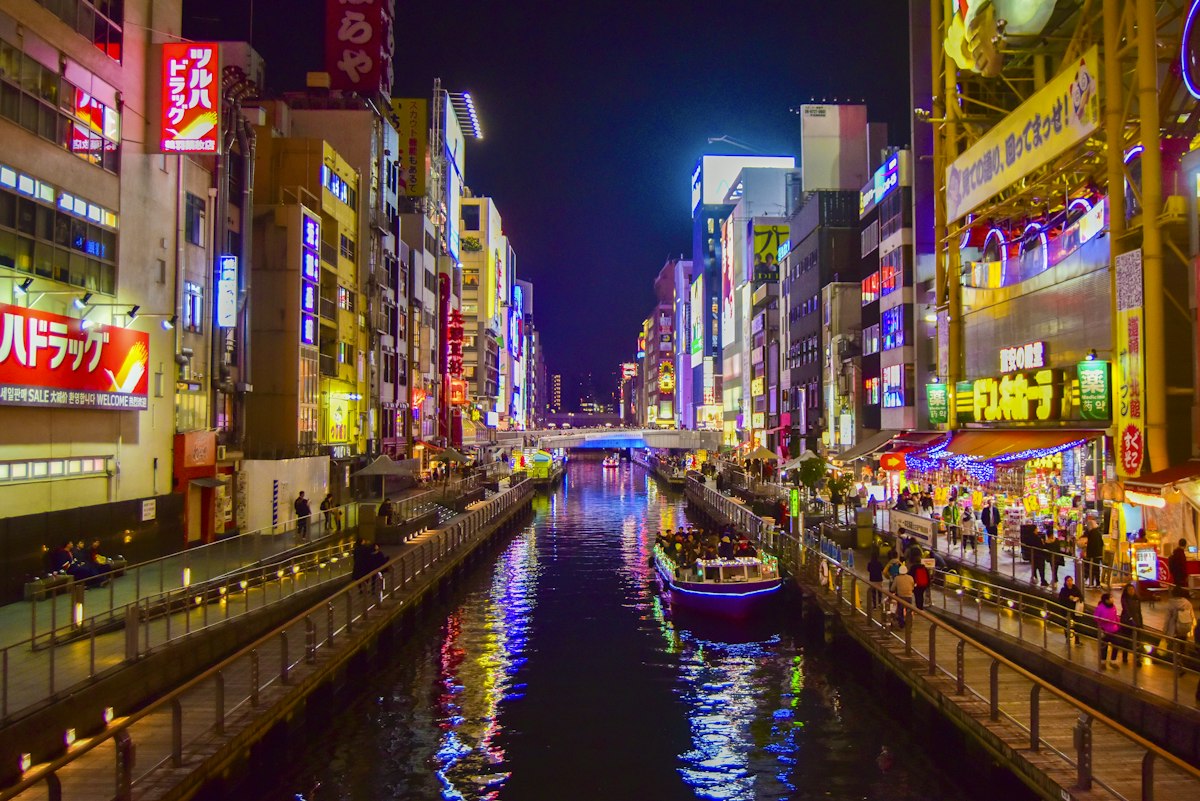
Osaka is not where most foreign buyers expect to find a deal. Japan's second city conjures images of Dotonbori neon, Universal Studios crowds, and spiralling hotel prices. Yet step outside the tourist postcards and the numbers tell a different story: over 13,000 properties listed for sale, hundreds through akiya banks, and a median price that would make buyers in comparable global cities do a double-take.
The Numbers Behind Osaka's Market
Osaka Prefecture currently has over 28,000 properties listed on Akiya Japan, making it one of the most active markets outside Tokyo. Of those, roughly 13,400 are available to buy. The breakdown is telling:
- Houses: 10,500+ listings — detached homes ranging from post-war wooden builds to modern steel-frame construction
- Apartments: 5,200+ listings — particularly concentrated in central wards and along major rail lines
- Land plots: 300+ listings for those who want to build from scratch
- Akiya bank properties: 825 listings sourced directly from municipal akiya banks
The median asking price for a buy-listed property sits at roughly ¥24.8 million (about $165,000 USD). That is substantially cheaper than Tokyo's equivalent figures, and it buys considerably more infrastructure than a similar price point in rural prefectures like Akita or Tottori.
Why Osaka Is Different from Rural Akiya Markets
The classic akiya pitch — a house for the price of a used car — applies to some Osaka listings too, particularly in the southern reaches of the prefecture. But Osaka's real advantage is not rock-bottom prices. It is what comes with the price tag.
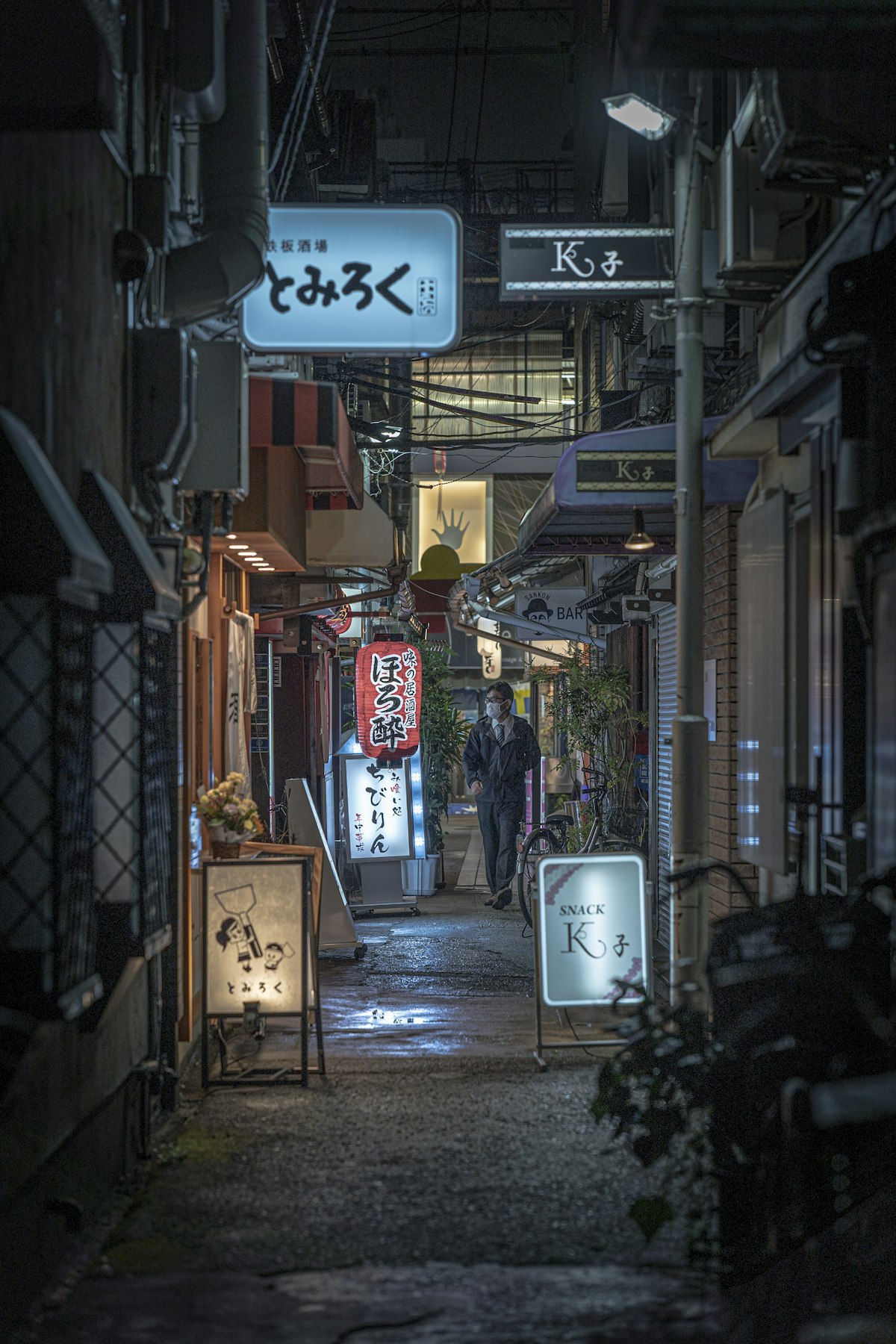
A ¥5 million house in rural Niigata may sit 40 minutes from the nearest supermarket. A ¥5 million house in outer Osaka is likely within walking distance of a train station, a convenience store, a clinic, and a school. The infrastructure gap between urban and rural Japan is enormous, and it shapes everything from daily quality of life to long-term property value.
Osaka's rail network is one of the densest in the world. JR West, Hankyu, Hanshin, Keihan, Kintetsu, and Nankai between them blanket the prefecture with stations every few hundred metres. For a foreign buyer who does not drive — or does not want to depend on a car — this connectivity is transformative.
Where to Look: Osaka's Top Property Cities
Osaka is not a monolith. The prefecture spans dense urban cores, established suburbs, and semi-rural edges. Each zone carries a different price and lifestyle profile.
Higashiosaka (2,370 listings)
The single largest concentration of properties in the prefecture. Higashiosaka is a working-class city wedged between Osaka City and the Ikoma mountains. Prices tend to sit below the prefectural median, and the housing stock is overwhelmingly detached houses built between 1970 and 1995. Rail access is excellent — the Kintetsu Nara Line puts central Osaka 20 minutes away.
Hirakata (1,167 listings)
A residential city in northern Osaka, popular with families commuting to Osaka or Kyoto. Hirakata sits on the Keihan Main Line, making it a genuine two-city commuter base. Green hills, established neighbourhoods, and noticeably more space per property than the central wards. Prices here often undercut nearby Takatsuki despite similar accessibility.
Central Osaka Wards — Kita, Chuo, Naniwa
The urban core. Listings here skew heavily toward apartments and mansion (condominium) units. Prices are higher, but so is rental demand if you are buying with income in mind. Kita ward alone has over 870 listings. These properties tend to be smaller but are walkable to major employment centres, Umeda station, and Namba.
Toyonaka and Takatsuki (860 and 800 listings respectively)
Northern Osaka's commuter belt. Both cities sit on major JR and Hankyu lines with 20-30 minute runs to Umeda. Toyonaka borders Osaka's Itami Airport and has a reputation as a family-friendly suburb with good schools. Takatsuki, sitting precisely between Osaka and Kyoto, offers a pragmatic base for those who want access to both cities.
The Akiya Bank Angle
Osaka's 825 akiya bank properties deserve special attention. Municipal akiya banks exist to move vacant houses that the private market has overlooked. Prices in these listings can be dramatically lower — sometimes ¥1 million or less — because the municipality's goal is occupancy, not profit.
The catch is process. Akiya banks typically require Japanese-language communication, may have residency or usage conditions attached, and move on municipal timescales. But for buyers willing to navigate the paperwork (or work with a local agent), these represent some of the best value in the entire Osaka market.
On Akiya Japan, you can filter directly for akiya bank listings in Osaka to see what is currently available.
What Does ¥5-10 Million Buy?
The sweet spot for budget-conscious foreign buyers in Osaka tends to fall between ¥5 million and ¥10 million ($33,000-$66,000). At this range, expect:
- A detached 3-4 room house in Higashiosaka, Yao, or Matsubara — likely built in the 1970s-80s, needing cosmetic renovation but structurally sound
- A compact 2DK or 2LDK apartment in a suburban mansion building with managed common areas
- Older properties with land plots large enough for a garden, parking, or small outbuilding
At the lower end of this range, renovation should be budgeted. A ¥5 million house will almost certainly need ¥2-5 million in updates to meet modern comfort standards — new kitchen, bathroom refresh, insulation, possibly roof work. But even factoring that in, the all-in cost remains a fraction of equivalent housing in Osaka's private rental market over a decade.
The Investment Case
Osaka's property market carries a tailwind that few other Japanese prefectures can claim: the upcoming integrated resort (IR) development in Yumeshima. While the casino project's direct impact on residential prices is debatable, the infrastructure investment it brings — new metro extensions, road upgrades, and commercial development — will benefit the broader prefecture.
Beyond the IR, Osaka hosted Expo 2025, which drove significant hotel construction and transport improvements across the region. The city's economy is diversifying, its population decline is slower than the national average, and its international profile continues to grow.
For property buyers thinking long-term, Osaka offers something rare in the Japanese market: an affordable entry point in a city that is still growing, still building, and still attracting both domestic and international investment.
Practical Considerations for Foreign Buyers
Language: Osaka's real estate market operates almost entirely in Japanese. While the city is more internationally oriented than most, property transactions require Japanese documentation. Working with a bilingual agent — such as Teritoru, who specialise in supporting foreign buyers — significantly smooths the process.
Access: Kansai International Airport (KIX) provides direct flights from most major international hubs. From the airport, central Osaka is 40-70 minutes by train depending on the service. For buyers who plan to visit properties, Osaka is one of the most accessible cities in Japan.
Neighbourhood research: Use Akiya Japan's map view for Osaka to see property clusters relative to train stations, schools, and commercial areas. The map's layers feature can overlay points of interest to help evaluate walkability and convenience before you visit.
Taxes and fees: The same acquisition taxes, registration fees, and agent commissions apply in Osaka as elsewhere in Japan — typically 6-8% of purchase price for the full suite of closing costs. Annual property and city planning taxes in Osaka are moderate by national standards, though they vary by ward and assessed land value.
Start Exploring
Osaka rewards the buyer who looks beyond the tourist map. The same energy that makes it Japan's most entertaining city also makes it one of its most liveable — and at current prices, one of the most accessible for foreign property buyers. Browse all Osaka properties for sale on Akiya Japan, or narrow your search to akiya bank listings for the deepest discounts.