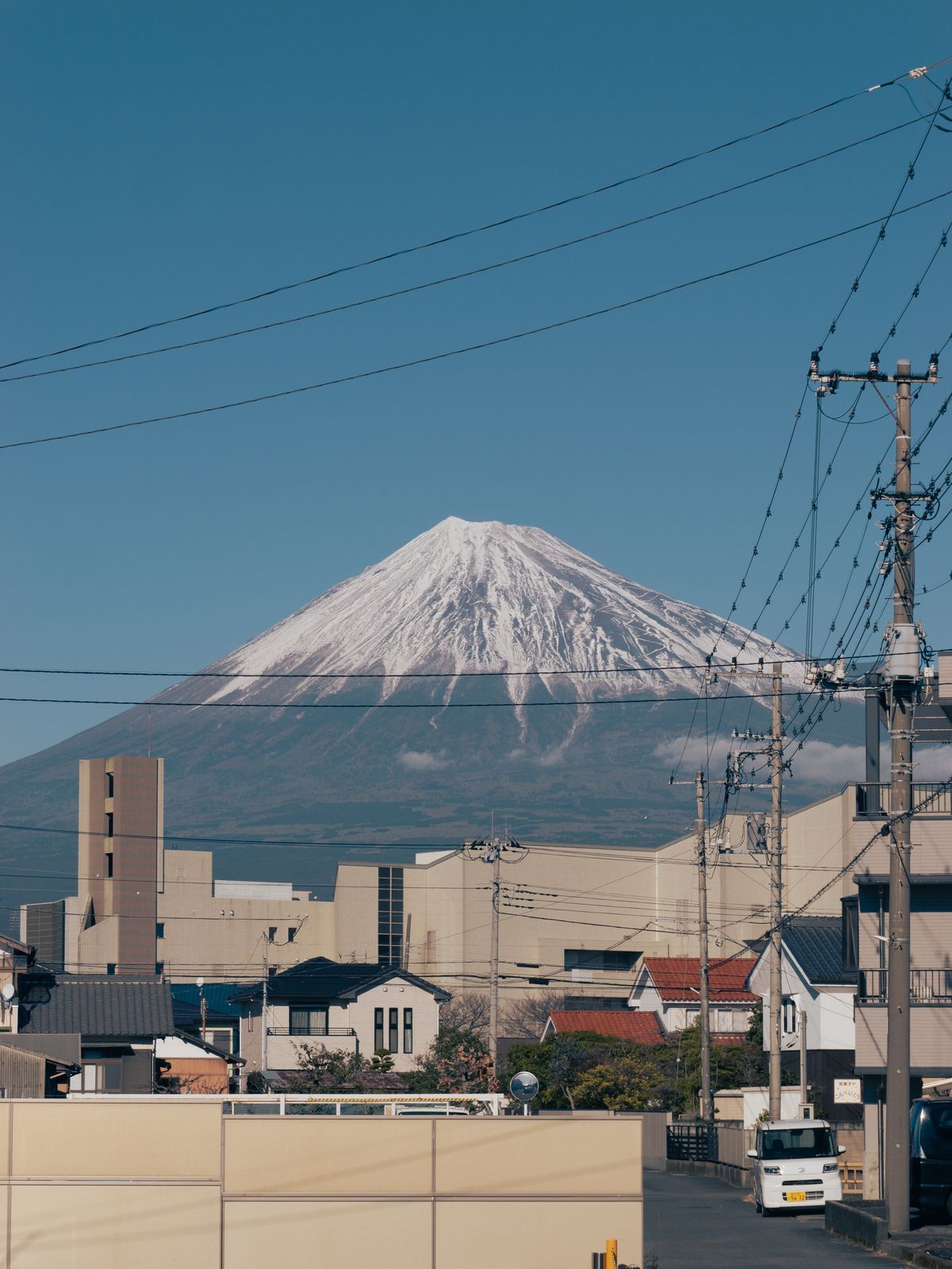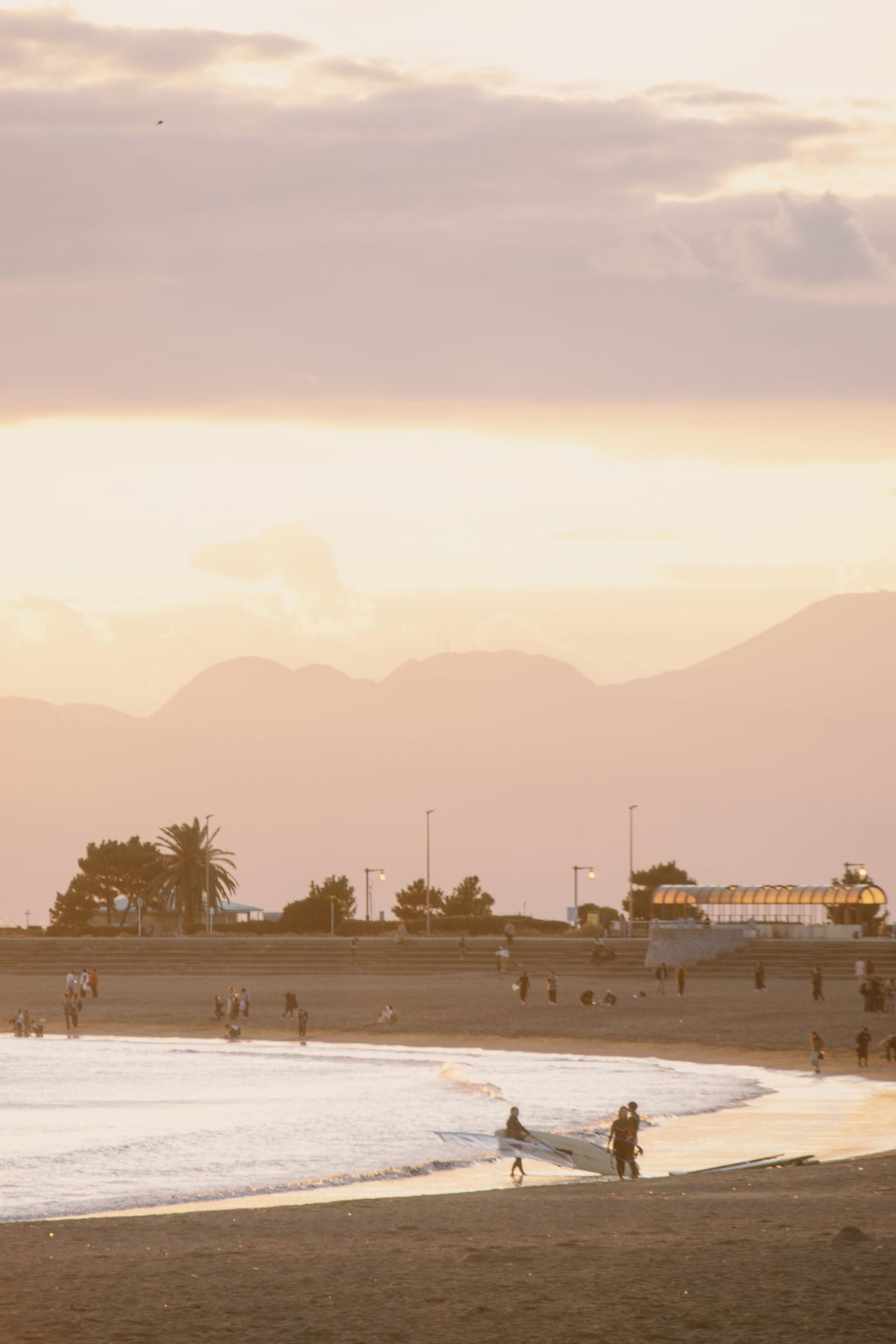
Kanagawa Prefecture sits immediately south of Tokyo, curving along Sagami Bay in a crescent of sand, cedar-covered mountains, and ancient hot spring towns. It is Japan's second-most-populated prefecture — yet step off the train at Kamakura, Miura, or Yugawara, and the pace of life drops by an order of magnitude. For foreign buyers watching the akiya market, Kanagawa offers something rare: lifestyle properties with genuine character, priced well below Tokyo, and reachable from Shibuya in under 90 minutes.
With 467,100 vacant homes recorded in the 2023 Housing and Land Survey — third-highest in Japan — Kanagawa's vacancy problem is concentrated in specific areas: the southern Miura Peninsula, Yokosuka's hillside neighborhoods, and smaller onsen towns where population decline has outpaced demand. The prefecture's overall vacancy rate of 3.2% sits far below the national average of 13.8%, but the pockets of opportunity are real, and they come with ocean views, hot spring access, and Shinkansen connections that rural akiya simply cannot match.
This guide breaks down the four zones where foreign buyers are finding the best value — and the sharpest lifestyle upgrades — in Kanagawa.
Zone 1: The Shonan Coast — Kamakura, Zushi, and Hayama
The Shonan Coast is Japan's answer to the French Riviera — a stretch of beach towns that have attracted Tokyo's creative class since the Meiji era. If you want walkable cafés, surfing, and a community of international residents, this is where to look. If you want a bargain, keep scrolling to Zone 2.
Kamakura: The Temple Town with a Surf Break
Kamakura needs little introduction. The former seat of Japan's first military government (1185–1333), it holds over 65 Buddhist temples and 19 Shinto shrines, anchored by the Great Buddha at Kotoku-in. But the town's appeal for modern buyers goes beyond history. Yuigahama and Zaimokuza beaches draw surfers year-round, and the narrow streets between Kamakura Station and the coast are lined with independent shops, bakeries, and galleries that could sit comfortably in Brooklyn or Shoreditch.
Transport: JR Shonan-Shinjuku Line from Shibuya to Kamakura: 52 minutes, no transfer. From Shinagawa via Yokosuka Line: 47 minutes. Commutable — and many residents do.
Prices: Kamakura is not an akiya bargain zone. Detached houses start around ¥19.5 million ($130,000 USD) for older properties and climb rapidly — desirable addresses near the coast or temples list at ¥80–250 million. Land prices have risen 5.33% year-on-year, reflecting sustained demand from both Japanese families and foreign buyers. Expect to pay a premium for Kamakura's cultural cachet.
Foreign buyer appeal: Kamakura, along with neighboring Zushi and Hayama, is "highly favored by expatriates living in Japan," with community-based real estate agents who specialize in serving international clients. English-speaking services are more available here than almost anywhere outside central Tokyo.
Zushi: Asia's First Blue Flag Beach
Immediately south of Kamakura, Zushi earned Asia's first simultaneous Blue Flag certification for both its beach and marina in 2022 — a water quality and environmental management standard administered from Denmark. The town serves as a bedroom community for Tokyo and Yokohama, with a yacht club atmosphere and a quieter, more residential feel than its famous neighbor.
Transport: Shinagawa to Zushi: 57 minutes via JR Yokosuka Line.
Prices: Apartments from ¥3.2 million for older units; detached houses from ¥19.5 million to ¥119 million. The market sits between Kamakura's premium and the more affordable southern peninsula.
Hayama: The Imperial Retreat
Hayama has been synonymous with understated luxury since the Imperial Family built their seaside villa here in 1894. Isshiki Beach, which fronts the villa, was named one of CNN's "100 Best Beaches in the World." The town has no train station — you reach it by bus from Zushi — and this deliberate inaccessibility is part of the charm. Hayama attracts artists, architects, and Tokyo media professionals seeking a slower rhythm.
Prices: This is Kanagawa's most expensive coastal market. Residential listings range ¥180–250 million ($1.25–1.7 million USD). True akiya at discounted prices are exceptionally rare here. Hayama is mentioned not as a bargain opportunity but as context: it demonstrates the ceiling of what Kanagawa coastal property commands, and why the same prefecture's southern towns offer such striking value by comparison.
Zone 2: The Southern Peninsula — Miura and Yokosuka
Drive 30 minutes south of Kamakura and the real estate market shifts dramatically. The Miura Peninsula's southern tip — Miura City and the Misaki fishing port — is where Kanagawa's akiya opportunity is most concentrated. Population decline here is measurable and accelerating, creating genuine supply for buyers willing to trade Kamakura's polish for a working fishing town's authenticity.
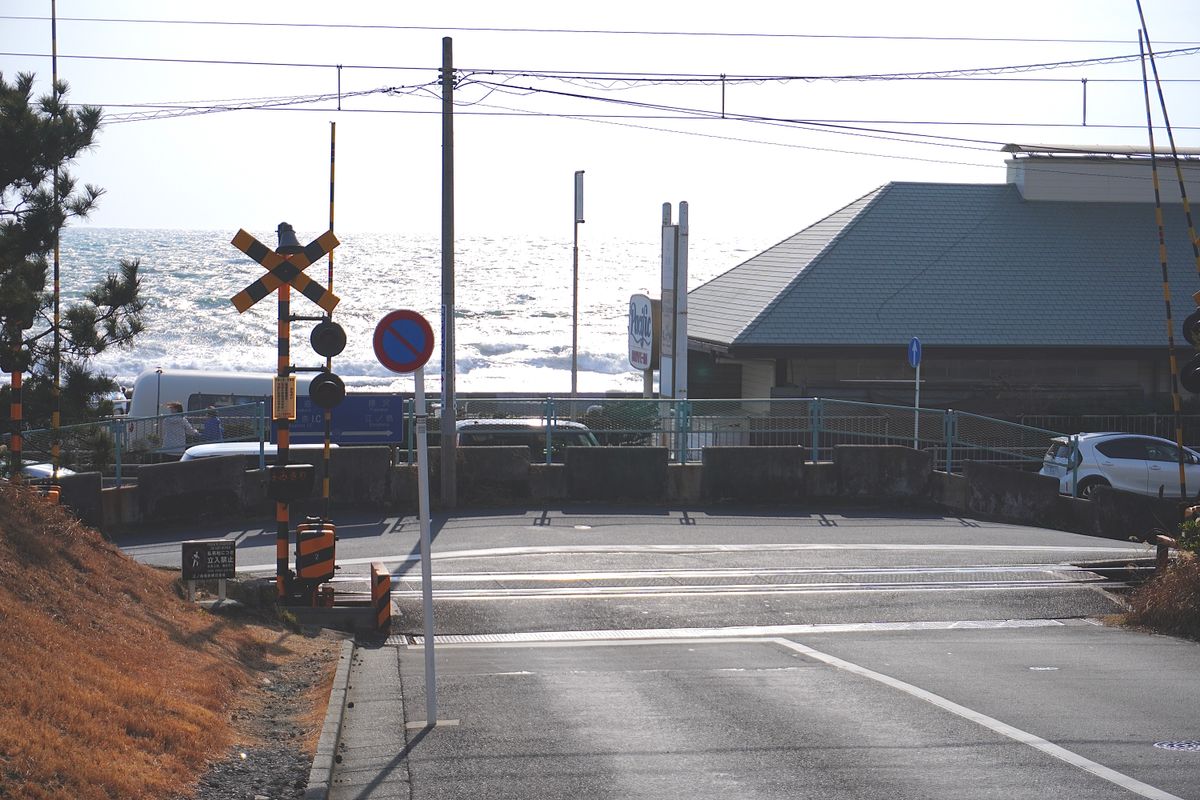
The Kanagawa coast where rail lines hug the shoreline — Photo by John One on Pexels
Miura City: Tuna Town
Miura City's population has fallen from 49,861 (2005) to approximately 44,000 today — losing roughly 1,000 residents per year. The economy centers on Misaki Port, Japan's second-largest tuna landing port, where 400–1,000 tuna are traded daily at the market. The Urari Marché, a waterfront market with 12 seafood vendor booths, draws weekend visitors from Yokohama and Tokyo.
Transport: Keikyu Line from Shinagawa to Miura Kaigan: approximately 90 minutes. To the southern tip at Misakiguchi: about 105 minutes. Commutable, but at the edge of what most people would tolerate daily.
Prices: Akiya in Miura typically list between ¥3–10 million ($20,000–67,000 USD). Ocean-view properties occasionally surface at the lower end of this range. Land prices rose only 1.08% year-on-year — the weakest growth on Kanagawa's coast — reflecting lower demand and creating buying opportunities. For a livable home with character, budget ¥3–4 million ($20,000–27,000 USD) plus ¥2–5 million for renovations.
What you get: A fishing town where morning starts at the port, fresh tuna costs a fraction of Tokyo prices, and the pace of life runs on tidal schedules. The Jogashima Island area, connected by bridge to Miura's southern tip, has dramatic cliff scenery and hiking. It is not glamorous, but it is genuine — and it is 90 minutes from Shinagawa.
Yokosuka: The Most Aggressive Akiya Program in Kanagawa
Yokosuka, historically known for its U.S. Naval base, faces acute vacancy problems in its yato topography areas — narrow hillside valleys where steep terrain makes development difficult and aging residents struggle with access. The city has responded with Kanagawa's most aggressive akiya incentive program.
Key incentive: Yokosuka offers a 50% property tax discount for buyers who renovate vacant homes. Combined with national-level renovation grants of ¥500,000–5,000,000 (depending on scope), the total subsidies can cover a significant portion of renovation costs.
Prices: Akiya in Yokosuka list from ¥3–10 million. The city's active akiya bank maintains regularly updated listings through the municipal office.
Zone 3: Mountain and Onsen Retreats — Hakone and Yugawara
Kanagawa's western edge rises into the Hakone volcanic caldera and the hot spring valleys of Yugawara — a landscape that has drawn visitors for over a thousand years. Property here comes with a dimension that coastal towns cannot offer: natural hot spring access.
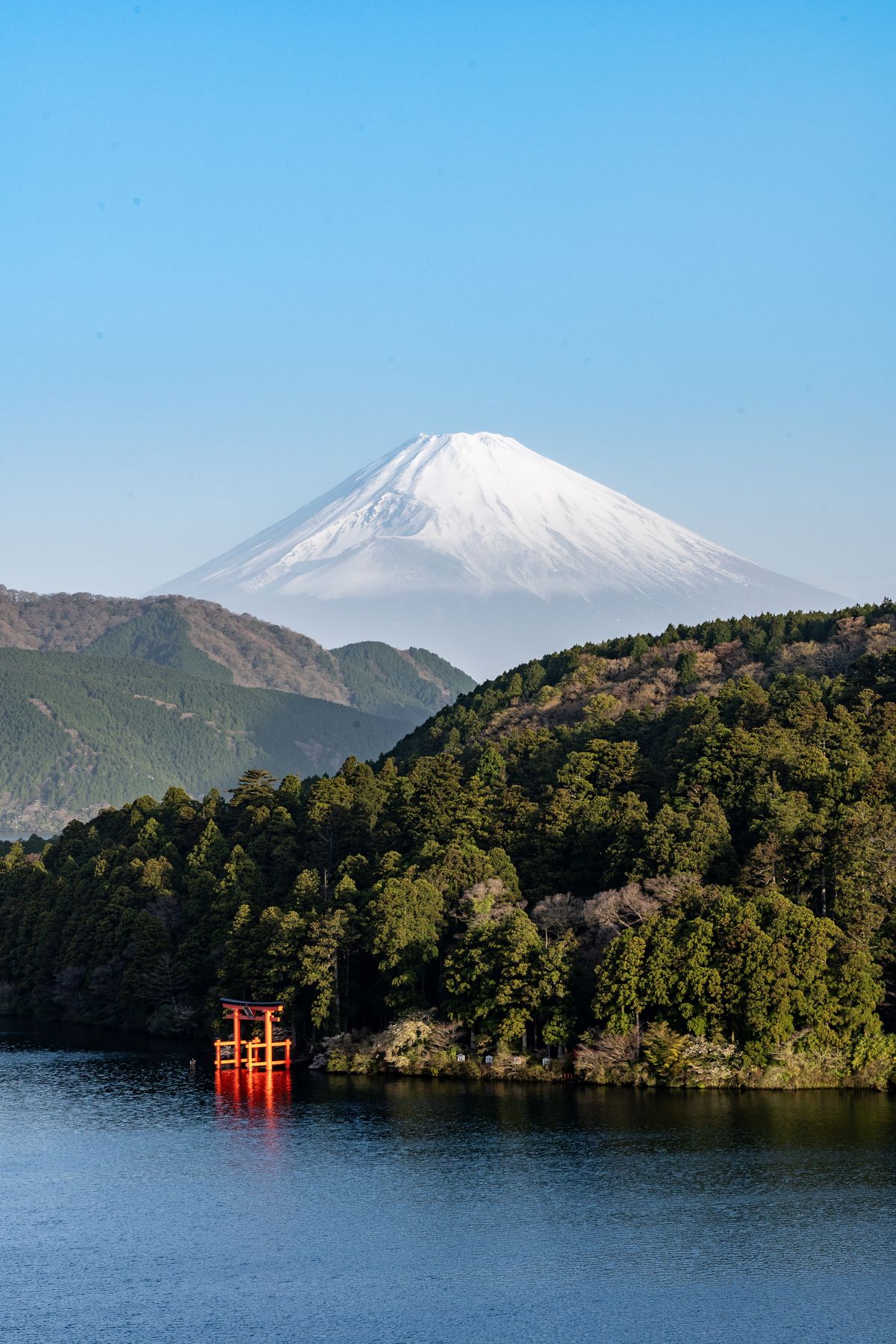
Mt. Fuji from Hakone — the volcanic caldera offers onsen properties with views that never get old — Photo by Jochen Meyer on Pexels
Hakone: Onsen Properties and Tourism Boom
Hakone is Japan's most famous hot spring resort area and the single most-visited day-trip destination from Tokyo. The town has experienced a sustained tourism boom driven by foreign visitors, with one onsen property broker reporting over 200 inquiries in a single month — 70% seeking luxury hot spring ryokans. Land prices are forecast to rise 56.3% over the next decade.
Transport: Odakyu "Romance Car" from Shinjuku to Hakone-Yumoto: 85 minutes. Alternatively, Shinkansen from Tokyo to Odawara (35 minutes) plus Hakone Tozan Railway (15 minutes) = approximately 50 minutes total. The Romance Car is more scenic; the Shinkansen route is faster.
Prices: Resort properties range ¥5–30 million ($33,000–200,000 USD). Properties with existing hot spring access command significant premiums. Raw land with hot spring rights occasionally lists at the lower end of this range.
Hot spring rights — what buyers need to know: Hakone Town operates buried hot spring pipes beneath its roads. Properties can connect to this municipal supply, which is far cheaper than drilling your own well. Key cost benchmarks:
- Connecting to existing municipal supply: Variable, but vastly more affordable than drilling
- Drilling a new private well: ¥10–50 million+ depending on depth and geology
- Installing an artificial onsen system (heated mineral water): ¥2–10 million
- Monthly maintenance for a private onsen: ¥30,000–100,000/month for water and heating
Under Japan's Hot Spring Law (Onsen-hō), water must emerge at a minimum 25°C with designated mineral content to legally qualify as "onsen." Properties marketed with "hot spring access" should be verified against this standard.
Minpaku restrictions — a critical warning: If you plan to operate a short-term rental in Hakone, know that Kanagawa Prefecture has imposed strict rules. In 18 districts designated as Category I Tourist Districts — where up to 80% of homes are holiday properties — short-term rentals face seasonal blackout periods: March 1–June 1, August 1–September 1, and October 1–December 1. That leaves roughly four months of the year for legal minpaku operation. Factor this into any investment calculation.
Yugawara: Japan's Oldest Named Onsen
Yugawara occupies Kanagawa's southernmost border with Shizuoka, spread along river valleys where natural hot springs have been flowing since before recorded history. It is the only onsen named by name in the Man'yōshū, Japan's oldest poetry anthology (compiled circa 759 AD) — giving it a literary pedigree that even Hakone cannot match.
Since the Meiji era, Yugawara has been a retreat for Japan's literary elite. Natsume Sōseki, Ryūnosuke Akutagawa, Jun'ichirō Tanizaki, and Akiko Yosano all lived or worked here — drawn by the same combination of hot springs, mountain scenery, and creative solitude that attracts buyers today.
Transport: JR Tōkaidō Line from Tokyo Station: approximately 60 minutes by limited express, 90 minutes by local train. Yugawara is a Kodama Shinkansen stop, though not served by faster Hikari or Nozomi services.
Prices: Properties list between ¥5.5–17 million ($37,000–115,000 USD) — more affordable than Hakone, more expensive than deep rural areas. Yugawara offers a middle ground: genuine onsen town character at prices that reflect its smaller tourist footprint compared to Hakone.
What you get: A town where the river steam rises year-round, public footbaths dot the walking paths, and the nearest convenience store might be a 10-minute drive. For buyers seeking a writing retreat, a weekend onsen escape, or a renovation project with hot spring potential, Yugawara delivers atmosphere that newer resort towns cannot replicate.
Zone 4: The Gateway — Odawara
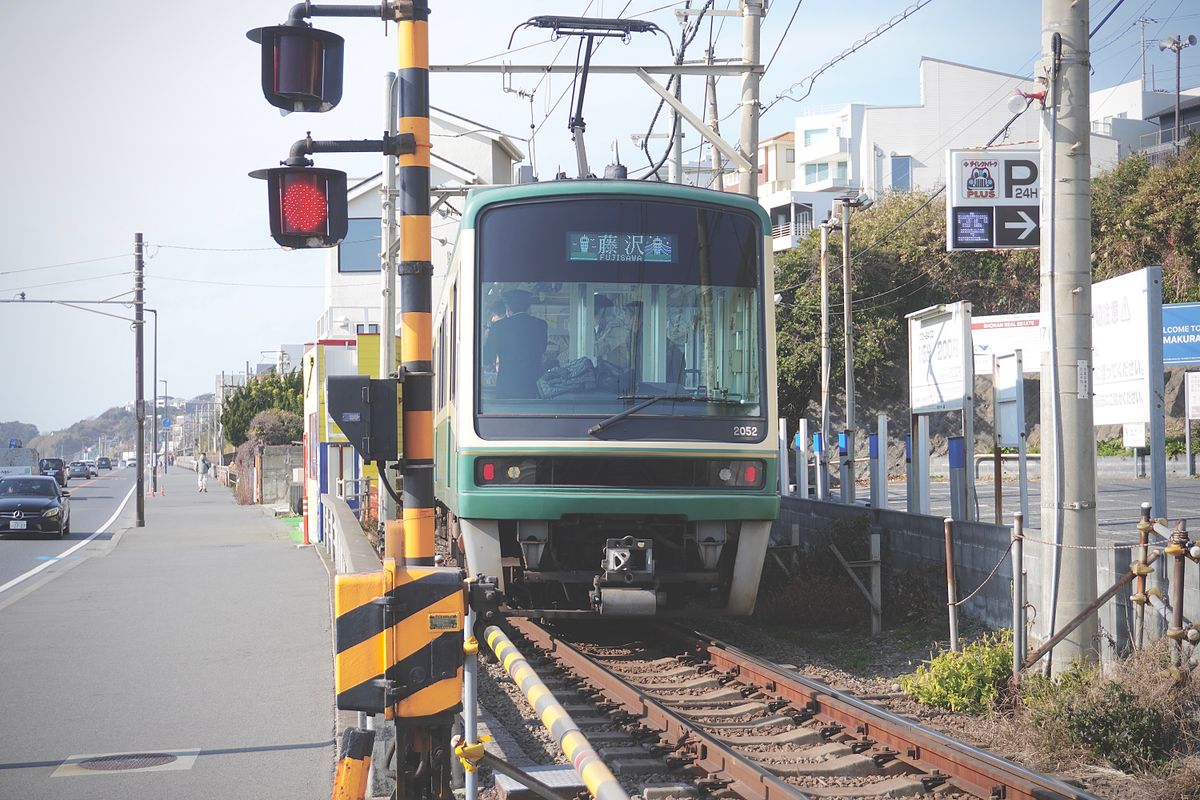
The coast near Odawara — 35 minutes from Tokyo by Shinkansen — Photo by John One on Pexels
Odawara is the strategic center of western Kanagawa — a 550-year-old castle town that sits at the junction of the Tōkaidō Shinkansen line and the Hakone Tozan Railway. Its killer advantage is simple: 35 minutes from Tokyo Station by Shinkansen. No other town on this list offers that speed of access.
Population: 185,000, declining from a peak above 200,000 in 2000 — but far more slowly than Miura or Yugawara. The city is actively investing in revitalization: Minaka Odawara, a new commercial complex at the station's east exit, recreates Edo-period castle town aesthetics with dining, shopping, and a public foot bath garden.
Prices: Land prices average approximately ¥120,000/m² — about 30% below the Kanagawa prefecture average of ¥170,000–280,000/m². Akiya and older detached houses list from ¥3–15 million ($20,000–100,000 USD). For buyers who need reliable, fast Tokyo access but want to avoid Tokyo prices, Odawara represents arguably the best value proposition in the prefecture.
Why it matters for Hakone buyers: Odawara is the gateway to Hakone — 15 minutes by Hakone Tozan Railway. Many buyers looking at Hakone properties use Odawara as their base for viewing trips, and some choose to buy in Odawara instead, trading onsen access for Shinkansen speed and lower prices.
Akiya Banks and Municipal Programs
Kanagawa's municipal akiya bank programs are less generous than those in depopulating rural prefectures — you will not find ¥1 homes or million-yen renovation grants here. But several programs offer meaningful support:
- Yokosuka: 50% property tax discount on renovated vacant homes, plus active akiya bank listings
- General renovation grants: ¥500,000–5,000,000 depending on scope and municipality. Some municipalities offer enhanced grants exclusively for properties purchased through their akiya bank
- Relocation subsidies: ¥100,000–300,000 for new residents, with additional bonuses for families with children
- Prefecture-wide resources: Kanagawa maintains a consolidated list of municipal subsidies and grants at the prefectural level
The process works like this: property owners register vacant homes with their local government, which lists them publicly on the akiya bank. Buyers apply through the municipal office, which often provides mediation and connects buyers with local contractors. The grants typically require a minimum residency commitment — usually 5–10 years — and properties must meet basic habitability standards after renovation.
Practical tip: Akiya bank listings in Kanagawa move faster than in rural prefectures. Properties in desirable locations like Kamakura or near train stations can receive multiple inquiries within days. If you find a listing that matches your criteria, act quickly — and having a licensed agent who can communicate in Japanese accelerates the process considerably.
Transport: The Complete Picture
Kanagawa's train network is dense and reliable, but travel times vary significantly depending on which zone you target. Here is a realistic breakdown from central Tokyo:
| Destination | From Shibuya/Shinjuku | Fastest Route | Best Line |
|---|---|---|---|
| Kamakura | 52 min | 47 min (Shinagawa) | JR Shonan-Shinjuku / Yokosuka Line |
| Zushi | 57 min | 57 min (Shinagawa) | JR Yokosuka Line |
| Hayama | 75–90 min | Train to Zushi + bus | JR + Keikyu Bus |
| Miura/Misaki | 100–110 min | 90 min (Shinagawa) | Keikyu Line |
| Odawara | 70–90 min (local) | 35 min (Shinkansen) | Tōkaidō Shinkansen |
| Hakone-Yumoto | 85 min (Romance Car) | 50 min (Shinkansen + Tozan) | Odakyu or Shinkansen |
| Yugawara | ~100 min | 60 min (limited express) | JR Tōkaidō Line |
Key insight: The Shinkansen changes everything for Odawara and Hakone. While Miura is geographically closer to Tokyo than Odawara, it takes nearly three times as long to reach by train. If your lifestyle requires frequent Tokyo trips — for work, school, or flights from Haneda — prioritize locations on the Tōkaidō or Yokosuka lines.
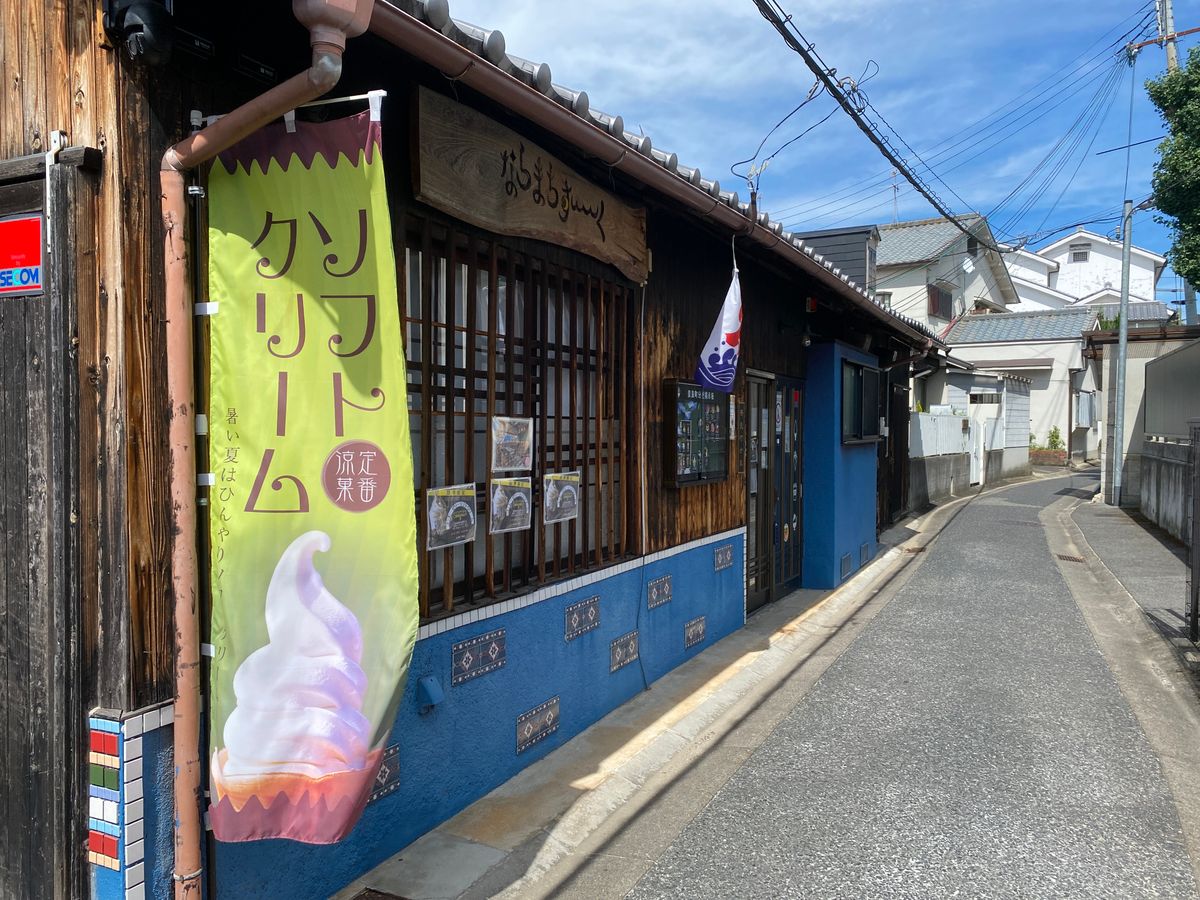
Enoshima's traditional shopping street — Kanagawa blends old-world atmosphere with beach town energy — Photo by kazuyoshi sakamoto on Pexels
Buying Considerations Specific to Kanagawa
Kanagawa Is Not Rural Japan
Readers familiar with ¥500,000 akiya in Tochigi or Akita need to recalibrate expectations. Kanagawa's proximity to Tokyo puts a floor under prices that rural prefectures simply do not have. The cheapest livable akiya in the prefecture will run ¥3–5 million ($20,000–33,000 USD), and most properties worth buying start at ¥5–10 million. You are paying for access, infrastructure, and resale potential — three things that deep rural akiya often lack entirely.
Earthquake Preparedness
Kanagawa sits on the boundary between the Philippine Sea Plate and the Eurasian Plate. The 1923 Great Kantō Earthquake devastated Kamakura and Odawara. Any property purchase should include a seismic assessment, and buyers should budget for earthquake reinforcement if the structure predates Japan's 1981 shin-taishin building code revision. Properties built after 2000 are generally built to modern standards, but anything older warrants professional inspection.
Tsunami Risk
Coastal properties in Miura, Kamakura, and the Shonan area carry tsunami risk. Check the municipality's hazard maps before purchasing — every city publishes them online. Properties above 20 meters elevation or set back from the coast carry substantially lower risk. This is non-negotiable due diligence for any coastal purchase.
The Renovation Reality
Most Kanagawa akiya will require renovation budgets of ¥2–10 million ($13,000–67,000 USD) depending on the property's age, condition, and your intended use. Common issues include:
- Roof repair: ¥500,000–3,000,000 depending on material and damage
- Plumbing modernization: ¥300,000–1,500,000 for aging water systems
- Earthquake reinforcement: ¥1,000,000–3,000,000 for pre-1981 structures
- Kitchen and bathroom updates: ¥1,000,000–5,000,000 depending on scope
- Termite treatment and structural repair: ¥200,000–2,000,000
For navigating renovation permits, contractor selection, and the legal complexities of purchasing property as a foreign national, working with a licensed agent who specializes in foreign buyer transactions can prevent costly mistakes. Teritoru, our licensed partner agent, has experience guiding international buyers through Kanagawa property purchases, from initial viewing through renovation completion. If you are considering a property that needs significant work, a consultation with their team can help you assess realistic renovation costs before committing.
Who Should Buy in Kanagawa — and Where
The right zone depends entirely on what you are optimizing for:
- Tokyo commuters who want beach lifestyle: Kamakura or Zushi. Expensive, but commutable and liquid markets with strong resale.
- Budget buyers seeking ocean-view akiya: Miura Peninsula. The lowest prices, genuine fishing town culture, and ocean proximity — at the cost of longer transit times.
- Onsen property seekers: Hakone for tourism potential (with minpaku restrictions noted), Yugawara for quieter literary-town atmosphere at lower prices.
- Speed-of-access prioritizers: Odawara. Nothing else in Kanagawa puts you 35 minutes from Tokyo Station at these prices.
- Luxury coastal living: Hayama. If budget is not the constraint, this is Japan's most prestigious beach address outside of Okinawa.
Kanagawa will never offer the ¥1 million fixer-uppers that make headlines in Akita or Tochigi. What it offers instead is the ability to own property with genuine lifestyle value — surfing, onsen, temple walks, fresh tuna — within practical reach of the world's largest metropolitan area. For buyers who want both the akiya experience and the safety net of Tokyo accessibility, there is no better prefecture in Japan.