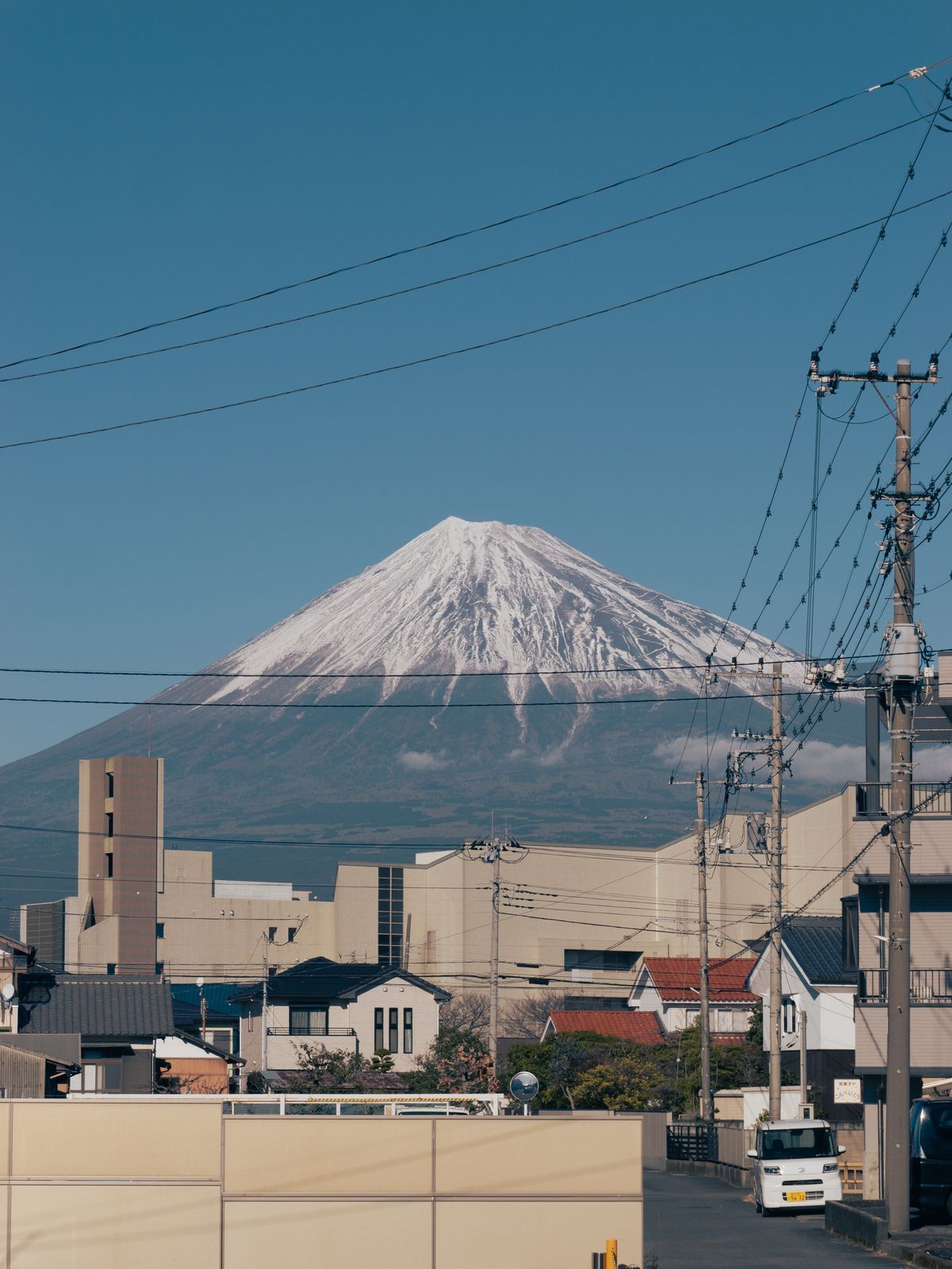
When Yasunari Kawabata opened his Nobel Prize-winning novel with "The train came out of the long tunnel into the snow country," he was writing about snow country — the region centered on what is now Niigata Prefecture. Nearly a century later, the same tunnel — now carrying bullet trains at 275 km/h — deposits you from Tokyo's Ueno Station into a landscape that receives more snow than almost anywhere else on the planet. And in this snow country, an astonishing 78,000 houses sit empty.
Niigata Prefecture is Japan's akiya paradox: a region blessed with world-class skiing, UNESCO heritage, the nation's finest rice and sake, and a 90-minute shinkansen link to Tokyo — yet suffering population decline severe enough to leave nearly one in five homes vacant in some municipalities. For foreign buyers willing to shovel snow and invest in insulation, that gap between quality and price creates some of the best-value property you'll find within bullet-train range of the capital.
The Numbers: Why Niigata's Akiya Market Is Wide Open
Japan's 2023 Housing and Land Survey recorded a national record of 9 million vacant homes — a 13.8% vacancy rate that has doubled since 1993. Niigata's contribution: 78,000 vacant houses, a 20% jump from the previous survey just five years earlier. While the prefecture's overall vacancy rate sits near the national average, the internal variation is dramatic.
Sado Island leads with a 24.9% vacancy rate — nearly one in four homes standing empty. Murakami, on the prefecture's northern coast, reports 17.3% of its 22,439 households as vacant. Itoigawa, tucked against the Nagano border, sits at 17%. Even in areas where the rate is lower, the raw volume of available properties is staggering: over 7,200 homes are currently listed for sale across the prefecture, with roughly 3,850 in Niigata City alone.
The driving force is demographic. Niigata lost 103,000 residents between 2015 and 2020 — the second-largest population decline of any prefecture after Hokkaido. The current population of roughly 2.07 million continues shrinking at about 0.25% annually. In some mountain villages, half the population is over 65. When those residents pass away or move into care facilities, their homes join the vacancy count.
What You'll Actually Pay
Niigata's land prices tell a story of persistent deflation. The prefecture has recorded 33 consecutive years of overall land price decline, with the 2023 average sitting at approximately 39,700 yen per square meter. For context, that's roughly a tenth of what comparable land costs in suburban Tokyo.
Akiya prices range wildly depending on location and condition:
- Under ¥1 million (under $7,000 USD): Available in remote mountain villages and depopulating coastal towns. These are typically older wooden houses needing significant renovation — structural work, full plumbing replacement, and insulation. Some municipalities list properties for as little as 1 yen through their akiya banks.
- ¥1–5 million ($7,000–$35,000 USD): The sweet spot for buyers willing to renovate. Expect detached wooden houses in small towns, often with generous land plots of 200–500 sqm. Many retain traditional features — tatami rooms, engawa verandas, exposed beams — that can be preserved during renovation.
- ¥5–15 million ($35,000–$100,000 USD): Move-in-ready or lightly renovated properties in towns with better infrastructure. Also includes some Yuzawa resort condominiums and properties in Niigata City suburbs.
- ¥15 million+ ($100,000+ USD): Niigata City properties, renovated countryside homes, and increasingly, Myoko-area properties where foreign investment is driving prices upward.
The Yuzawa Condo Exception
Yuzawa deserves special mention. During Japan's bubble economy of the late 1980s, developers built dozens of resort "mansions" (condominiums) near the ski slopes. When the bubble burst, prices collapsed. Today, you can find units listed for ¥500,000 to ¥3 million — but don't be seduced by the sticker price alone.
Monthly management and repair reserve fees for Yuzawa resort condos average around ¥36,650 ($250 USD). Over 40% of unit owners are aged 65 or older, and some management associations carry significant debt. Before purchasing any resort condo, investigate the management association's financial health, outstanding repair costs, and the percentage of owners who are current on their fees.
That said, Yuzawa has genuine appeal: direct shinkansen access from Tokyo (the train literally stops at the base of the ski slopes), functional hot spring facilities, and the beginning of a price recovery after decades of decline. Land prices in Yuzawa were among just 26 data points across Niigata to show increases in 2025.
90 Minutes from Tokyo: The Shinkansen Advantage
The Joetsu Shinkansen is Niigata's single greatest asset for property buyers. The fastest Toki service covers the 269.5 km between Tokyo and Niigata Station in approximately 90 minutes, stopping only at Omiya. Most services make six stops and arrive in about two hours. A one-way ticket costs ¥10,800–12,500 ($73–85 USD).
The line serves 12 stations, but the ones that matter most for property buyers are:
- Echigo-Yuzawa (approximately 80 minutes from Tokyo): Gateway to the Yuzawa ski resorts and the affordable condo market. The Tanigawa service terminates here.
- Urasa (approximately 95 minutes): Access point for the Uonuma region and transfer to the Hokuhoku Line toward Tokamachi.
- Nagaoka (approximately 100 minutes): Niigata's second city, known for its spectacular summer fireworks festival.
- Niigata (approximately 90–130 minutes): The prefectural capital, with ferry connections to Sado Island and domestic flights from Niigata Airport.
This connectivity matters enormously. Unlike affordable akiya in places like Shikoku or the San'in coast — where reaching Tokyo requires multiple transfers and four-plus hours — a Niigata property buyer can commute to the capital for weekend work, attend meetings, or simply access the international airports. The shinkansen effectively makes inland Niigata a viable weekend home for Tokyo-based professionals.
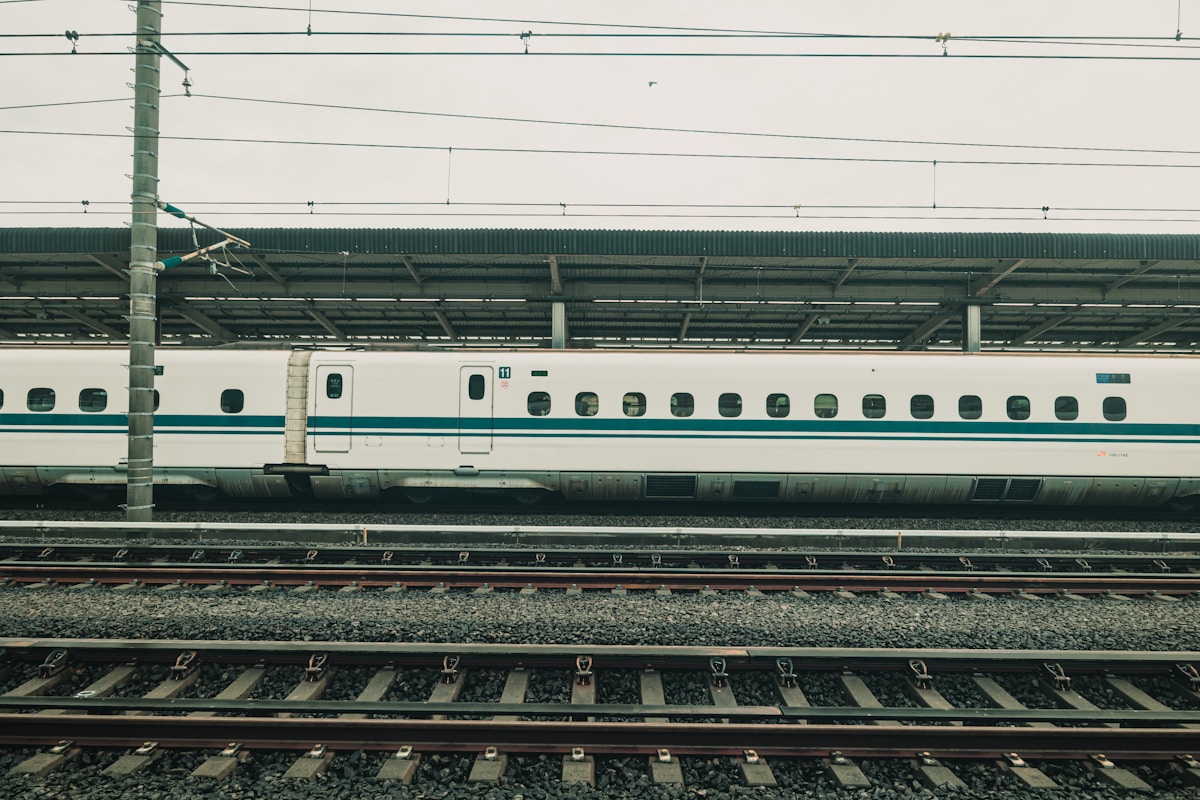
The shinkansen connects Niigata to Tokyo in just 90 minutes — making snow country surprisingly accessible — Unsplash
Snow Country: What It Really Means
Niigata is designated yukiguni — snow country — and the label is no understatement. While Niigata City on the coast receives a manageable 140 cm (55 inches) of snow annually, the inland mountains are among the snowiest inhabited places on Earth.
- Tokamachi: Average annual snowfall of 1,169 cm (38 feet), with a record of 2,159 cm (71 feet) in 1987.
- Myoko Kogen: Unofficial measurements show an average of 1,507 cm (49 feet) annually, with a record of 2,324 cm (76 feet) in 2012.
- Tsunan: Recorded a snow depth of 4.19 meters in February 2022 — the highest ever measured in Niigata.
To put this in perspective, Myoko Kogen's average snowfall would bury a five-story building. Even Tokamachi, a city of 50,000 people with shopping centers and train stations, receives more annual snow than most ski resorts in North America or Europe.
Snow and Your Property: The Non-Negotiable Costs
If you're buying in inland Niigata, snow isn't a novelty — it's the central fact of your property ownership. Here's what it demands:
- Structural integrity: Buildings must be engineered for the snow loads specific to their municipality. Japanese building code delegates snow-load requirements to designated local administrative agencies, and the standards in Tokamachi or Tsunan are dramatically higher than in coastal Niigata City. Any akiya purchase in heavy-snow areas needs a structural inspection confirming the building can handle the loads.
- Roof design: Optimal roof pitch for snow shedding is 3:12 to 6:12. Steeper pitches cause dangerous snow slides; flatter roofs risk collapse under accumulated weight. Many traditional houses have roof designs suited to their local conditions, but verify during inspection.
- Insulation: Japan divides the country into eight regional insulation zones. Niigata's inland areas fall into the higher-performance categories. Older akiya were typically built to minimal insulation standards — or none at all. Retrofitting walls, floors, ceilings, and windows is the single most impactful renovation investment you'll make.
- Heating systems: Most vacated akiya had their heating removed. Original heating was usually kerosene stoves or wood burners. Modern options include heat-pump air conditioning units, underfloor heating, and radiant panels. Budget for installation and ongoing fuel costs — winter electricity bills in snow country run well above the national average.
- Snow removal: You'll need equipment (a snow blower at minimum) and either physical ability or a paid service. Some municipalities operate snowplow services for residential roads, but clearing your own property is your responsibility.
- Moisture management: Heavy snow and seasonal humidity create mold risk. Proper ventilation, dehumidification, and moisture barriers are essential renovation elements.
We published a detailed guide to winterizing snow country akiya — see our article "Winterizing Your Akiya: What Snow Country Homes Need That Other Regions Don't" for specific product recommendations and contractor tips.
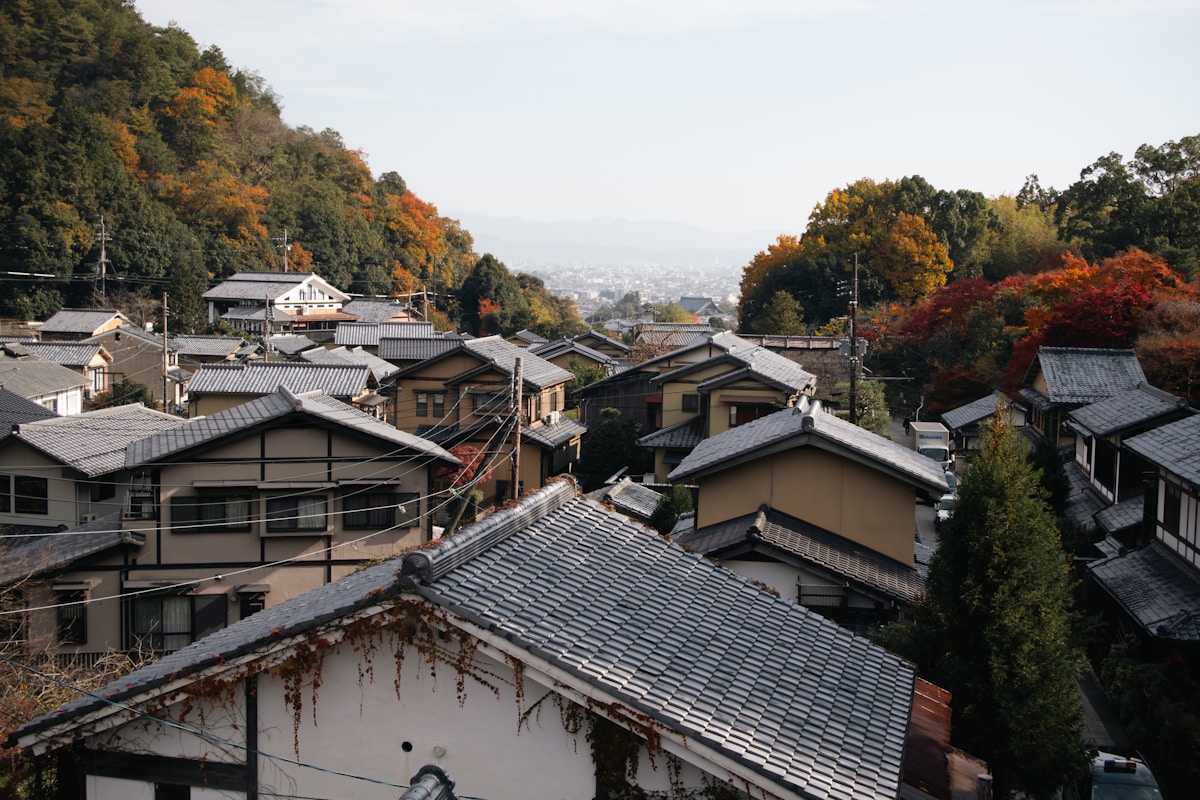
Traditional houses on a hillside in rural Japan — Niigata's mountain communities feature similar settings with homes available for a fraction of urban prices — Unsplash
Renovation Costs and Subsidies
The general rule for akiya renovation in Japan holds true in Niigata: expect to spend two to three times the purchase price on renovation. A complete renovation of a traditional Japanese house — structural work, plumbing, electrical, windows, floors, kitchen, and bathroom — averages approximately ¥275,000 per square meter, plus 10% consumption tax.
For a typical 100-square-meter akiya purchased for ¥2 million:
- Purchase price: ¥2,000,000
- Basic renovation (livability only — plumbing, electrical, kitchen, bathroom, some insulation): ¥5,000,000–8,000,000
- Comprehensive renovation (structural reinforcement, full insulation, modern heating, roof work): ¥15,000,000–27,500,000
- Total all-in cost: ¥7,000,000–29,500,000 ($47,000–$200,000 USD)
Snow country adds to these costs. Structural reinforcement for snow loads, comprehensive insulation retrofitting, and heating system installation are more expensive than in temperate regions. Budget an additional 20–30% over standard renovation estimates for inland Niigata properties.
Municipal Subsidies That Actually Help
Several Niigata municipalities offer renovation subsidies specifically for akiya purchases:
- Sado City: The most generous program. If you're relocating to Sado (migration track), the city covers two-thirds of renovation costs up to ¥1,000,000. Non-migrants receive half of costs up to ¥500,000. You must apply within one year of purchase or rental.
- Murakami City: The "Vacant House Renovation Subsidy System" provides up to ¥1,000,000 for renovation costs.
- Other municipalities: Many smaller towns across Niigata operate similar programs with subsidies ranging from ¥500,000 to ¥1,000,000. Check with each town's akiya bank or community development office.
National Relocation Grants
If you're moving from Tokyo's 23 special wards (and have lived or commuted there for five of the past ten years), Japan's national relocation subsidy program applies to Niigata moves:
- Single person: up to ¥600,000
- Couple or family: up to ¥1,000,000
- Per child under 18: additional ¥1,000,000 each (increased from ¥300,000 in April 2023)
- Starting a business: additional ¥2,000,000
A family of four moving from Tokyo to rural Niigata and starting a business could qualify for up to ¥5,000,000 in combined national grants — before adding municipal renovation subsidies on top. The catch: you must commit to living in the new location for at least five years.
Finding Akiya in Niigata: Where to Look
Niigata's prefectural government maintains a central akiya bank page that aggregates listings from municipal programs. Individual municipalities run their own akiya banks with varying levels of English support. Here are the key resources:
- Niigata Prefecture Akiya Bank Portal: The prefectural government's central page collects vacant house data from municipalities and distributes it online.
- Municipal akiya banks: Sado, Yuzawa, Murakami, Tokamachi, and other municipalities each maintain their own listing portals.
- National aggregators: Sites like Akiya Mart, All Akiyas, and of course our own listings here on Akiya Japan collect properties from across sources.
The Five Zones of Niigata Property
Think of Niigata's property market as five distinct zones, each with its own character and price dynamics:
- Niigata City (population ~794,000): The prefectural capital and only area showing consistent price stability. Urban amenities, international flights from Niigata Airport, ferry terminal to Sado. Akiya here are less common and more expensive than elsewhere, but the urban infrastructure is a significant lifestyle advantage.
- Yuzawa–Uonuma Corridor (shinkansen accessible): The closest Niigata zone to Tokyo, centered on Echigo-Yuzawa Station. Bubble-era resort condos at rock-bottom prices, proximity to ski slopes, and the beginning of foreign buyer interest. Rising prices in 2025 suggest the floor may have been reached.
- Myoko Highlands: The current hotspot. Singapore-based Patience Capital Group is investing $1.4 billion in a mega-resort development with 5-star hotels and branded residences, with Phase 1 opening in December 2028. Nine ski resorts, 800-year-old onsen tradition, and Suginohara's 8.5 km run — one of Japan's longest. Land prices are rising, foreign buyers are snapping up inns and businesses, and some locals are expressing concern about being "priced out." If you're looking for capital appreciation rather than bargain akiya, Myoko is the play — but act soon, because prices are moving.
- Tokamachi–Tsunan Art Country: The snowiest inhabited zone and home to the Echigo-Tsumari Art Triennale, one of the world's largest international outdoor art festivals covering 760 square kilometers with over 200 permanent installations. The 2018 edition drew 540,000 visitors. Art tourism has created year-round infrastructure — lodging, restaurants, galleries — in an area that would otherwise be in rapid depopulation. This is where you'll find the cheapest akiya, but also the heaviest snow loads and the most significant renovation requirements.
- Sado Island: A 35 km ferry ride off the Niigata coast, Sado was inscribed as a UNESCO World Heritage Site in July 2024 for its historic gold mines, which operated from 1601 to 1989. With a 24.9% vacancy rate and the prefecture's most generous renovation subsidies, Sado offers the deepest akiya discounts — but island living means limited services, ferry-dependent access, and a pace of life that isn't for everyone.
The Myoko Effect: Foreign Investment Reshaping a Region
No discussion of Niigata property is complete without addressing what's happening in Myoko. Patience Capital Group, founded by Ken Chan (former head of GIC Japan, Singapore's sovereign wealth fund), has acquired approximately 350 hectares of land including two ski slopes and two resorts.
The numbers are staggering for rural Niigata:
- Phase 1 (opening December 2028): Two hotels totaling 40,000 sqm, two commercial buildings, 30–40 retail outlets, and a 5-star hotel with branded residences
- Phase 2 (completion 2034): Two additional hotels totaling 22,000 sqm
- Investment: ¥70 billion ($1.4 billion) for Phase 1 alone
- Jobs: Approximately 1,000 new positions
- Hotel brand: Accor's MGallery has signed for two properties
- Room rates: Expected around $1,350 per night
Hot spring drilling has already begun. The development is explicitly modeled on the Niseko playbook — transforming a Japanese ski town into an international luxury destination. Many inns, ski rental shops, and restaurants in the Akakura area have already been purchased by foreign buyers.
For akiya buyers, Myoko presents a dilemma. Properties near the development zone are appreciating, making them poor candidates for bargain hunting but potentially strong investments. Properties in surrounding villages may benefit from spillover tourism demand. And the development is creating employment in a region that desperately needs it, potentially stabilizing population decline and supporting property values long-term.
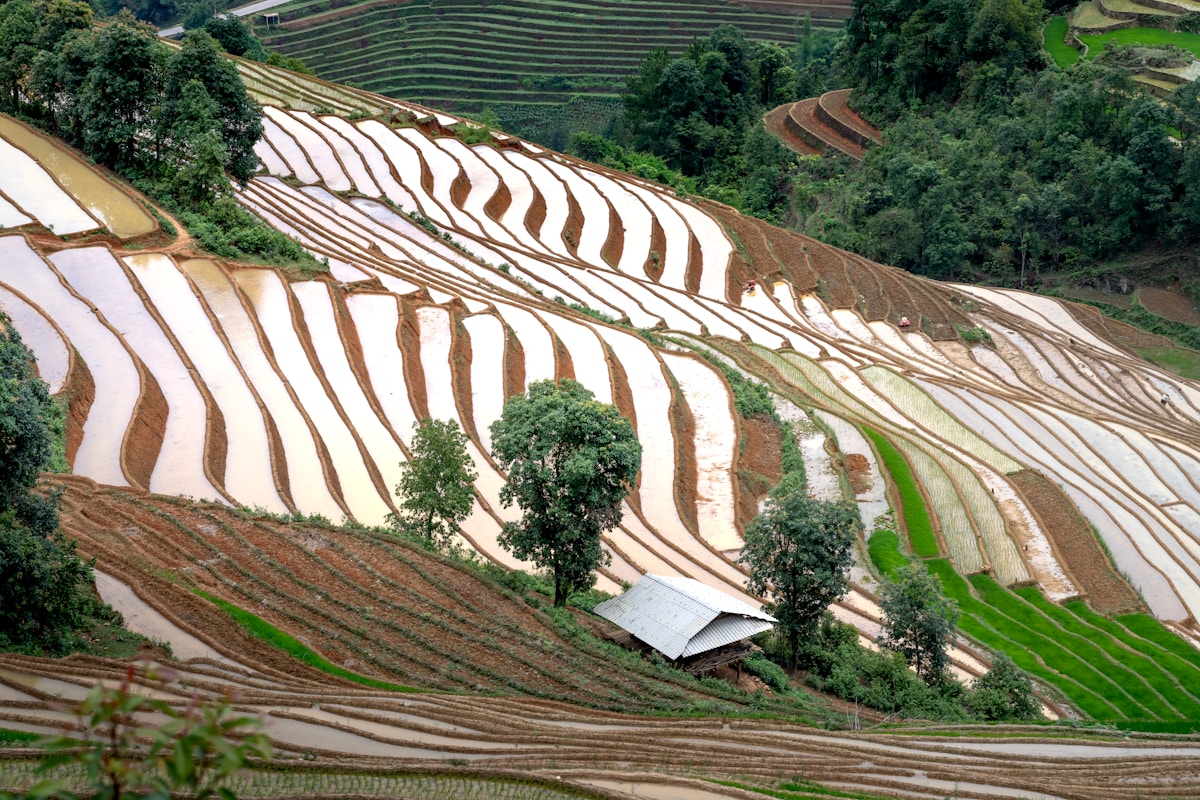
Rice paddies stretching to the horizon — Niigata is Japan's top rice-producing prefecture and the birthplace of premium Koshihikari rice — Unsplash
Beyond Property: What Makes Niigata Worth Living In
An akiya is just a building. The question is whether you want to live — or spend significant time — in the place it stands. Niigata has genuine lifestyle appeal that sets it apart from equally cheap (but less interesting) alternatives:
Rice, Sake, and Food Culture
Niigata is Japan's number one rice-producing prefecture, and its Koshihikari variety is widely considered the finest rice in the country. This agricultural heritage supports 89 sake breweries — more than any other prefecture — making Niigata the third-largest sake producer by volume. The local style, known as tanrei karakuchi (clean and dry), is prized by connoisseurs. Living in Niigata means access to some of Japan's best food at countryside prices.
Ski Culture
Niigata's ski infrastructure is extensive and accessible. Myoko's nine resorts include Akakura (operating since 1937) and Suginohara, with its 8.5 km run. Naeba and Kagura offer some of Japan's longest seasons, opening in late November and running into late May thanks to high altitude. The Yuzawa area puts multiple resorts within walking distance of a shinkansen station — a convenience unmatched anywhere in Japan.
Art and Cultural Heritage
The Echigo-Tsumari Art Triennale, first held in 2000 as a rural revitalization initiative, has grown into one of the world's largest international art events, with over 200 permanent installations scattered across 760 square kilometers of rice paddies, forests, and abandoned villages. Sado Island's 2024 UNESCO World Heritage inscription for its gold mines adds another layer of cultural significance. These aren't just tourist attractions — they represent a genuine community commitment to cultural vitality in the face of depopulation.
Natural Environment
Niigata is Japan's fifth-largest prefecture by area (12,584 sq km), with geography ranging from Sea of Japan coastline to 2,000-meter peaks. The onsen tradition in Myoko dates back 800 years, with waters fed by the volcanic Mount Myoko. Sado Island offers coastal hiking, traditional tarai-bune (tub boat) fishing, and the Toki — Japanese crested ibis — which was saved from extinction here.
The Buying Process: What Foreign Buyers Need to Know
Japan places no restrictions on foreign property ownership. You don't need residency, citizenship, or a special permit to buy land or buildings. Foreign buyers receive the same ownership rights as Japanese citizens — full freehold title, inheritable and transferable.
Starting April 2026, a new rule requires foreign buyers to declare their nationality when registering property and submit copies of their passport or residence card. This is a declaration requirement, not a purchase restriction — the Japanese government has explicitly stated that an outright foreign buyer ban is "highly unlikely."
The practical challenges of buying in Niigata are less about legal barriers and more about process:
- Language: Municipal akiya bank staff, real estate agents, and legal professionals in rural Niigata rarely speak English. Sado City's Regional Promotion Division offers Level 2 English support — an exception, not the rule.
- Remote viewing: Properties in snow country look very different in August versus February. If possible, visit during winter to understand what you're committing to.
- Judicial scrivener (shiho shoshi): Required for property registration. Finding one who speaks English in rural Niigata may require looking in Niigata City or even Tokyo.
- Banking: Japanese banks rarely lend to non-residents for rural property purchases. Most akiya transactions are cash.
- Due diligence on snow-country homes: Standard Japanese property inspections don't always assess snow-load capacity, insulation quality, or heating adequacy. Hire an inspector familiar with yukiguni building requirements.
For working through these details — particularly the legal paperwork, municipal communications, and renovation contractor negotiations — working with a licensed agent experienced in foreign buyer transactions is strongly recommended. Teritoru, our licensed partner agent, specializes in supporting international buyers through the entire process, from property search to post-purchase renovation management. You can book an initial consultation via web conference to discuss your plans before committing to a trip.
Market Outlook: Why Now Matters
Several converging trends make 2026 a potentially significant year for Niigata property:
- Myoko's transformation: The $1.4 billion development is creating price pressure that will spread outward. Properties within the influence zone are appreciating now; properties in adjacent areas may follow as infrastructure and employment improve.
- Sado's UNESCO effect: Heritage inscription typically drives tourism growth for 5–10 years. Sado's vacant housing stock and generous subsidies make it a strong candidate for guesthouse or vacation rental conversion.
- Price floor signals: After 33 years of decline, Niigata's land prices are showing early stabilization — particularly in Niigata City, Myoko, and Yuzawa. Twenty-six data points recorded price increases in 2025, up from 23 the previous year.
- National policy support: The 2024 amendment to Japan's Akiya Special Measures Law introduced new programs to promote akiya utilization, and the Ministry of Land's FY2024 Housing Renovation Project supports private-sector akiya renovation.
- Relocation incentives at peak generosity: The national subsidy of ¥1,000,000 per child (tripled from ¥300,000 in April 2023) makes family relocation from Tokyo more financially viable than ever.
Who Should — and Shouldn't — Buy in Niigata
Niigata is ideal if you:
- Want affordable property within bullet-train range of Tokyo
- Love skiing, snowboarding, or winter sports and want a base
- Are drawn to Japanese food culture — rice country, sake country, fresh seafood from the Sea of Japan
- Want a renovation project with municipal subsidy support
- See investment potential in the Myoko or Sado tourism developments
- Are comfortable with — or excited by — heavy snowfall
Think carefully if you:
- Don't want to deal with significant snow removal (inland areas only — coastal Niigata City gets moderate snow)
- Need year-round warm weather
- Want a move-in-ready property with no renovation (they exist, but are rare and more expensive)
- Are uncomfortable with limited English support in daily life
- Don't have budget for renovation beyond the purchase price — a ¥1 million akiya needing ¥10 million in renovation is not a ¥1 million investment
Getting Started: A Practical Checklist
- Browse listings: Start with our Niigata property listings to understand current inventory and pricing.
- Research municipalities: Each town has different subsidy programs, snow conditions, and infrastructure levels. Narrow your search to 2–3 target areas.
- Check akiya banks: Municipal akiya banks often have properties not listed on commercial real estate sites — and sometimes at lower prices or with attached incentives.
- Visit in winter: If you're considering inland Niigata, a January or February visit will tell you more than a dozen summer photos. See the snow, feel the cold, test the roads.
- Budget realistically: Purchase price + renovation (2–3x purchase) + snow-country premium (20–30% above standard renovation) + first-year heating and equipment costs.
- Engage professional support early: A licensed agent, an English-speaking judicial scrivener, and an inspector familiar with snow-country construction will prevent costly mistakes.
- Apply for subsidies before starting work: Most municipal renovation subsidies require application before renovation begins. Don't start demolition and then discover you've voided your eligibility.
Niigata won't be Japan's cheapest akiya market forever. The combination of shinkansen access, UNESCO heritage, world-class skiing, and billion-dollar foreign investment is a formula for price recovery — even if that recovery takes years to materialize across the entire prefecture. The buyers who move now, while 78,000 houses sit empty and municipal governments are actively subsidizing renovation, are buying at the bottom — or close to it.