Gateway to Japan, Boso Coast, and Strawberry Country
Living in Chiba
A prefecture that begins at Narita International Airport's Terminal 1 and ends 100 kilometres south at Choshi's tuna port and soy sauce breweries — with Tokyo Disneyland, a Buddhist pilgrimage temple, Japan's longest ocean beach, and strawberry farms in between.
Why People Choose Chiba
Chiba's primary selling point is straightforward: Tokyo access at significantly reduced cost. The Keiyo and Sobu lines carry commuters from Chiba City to central Tokyo in under 40 minutes, and property prices run 30–45% below equivalent-commute locations within the capital. But the case for Chiba extends beyond the commuter calculation.
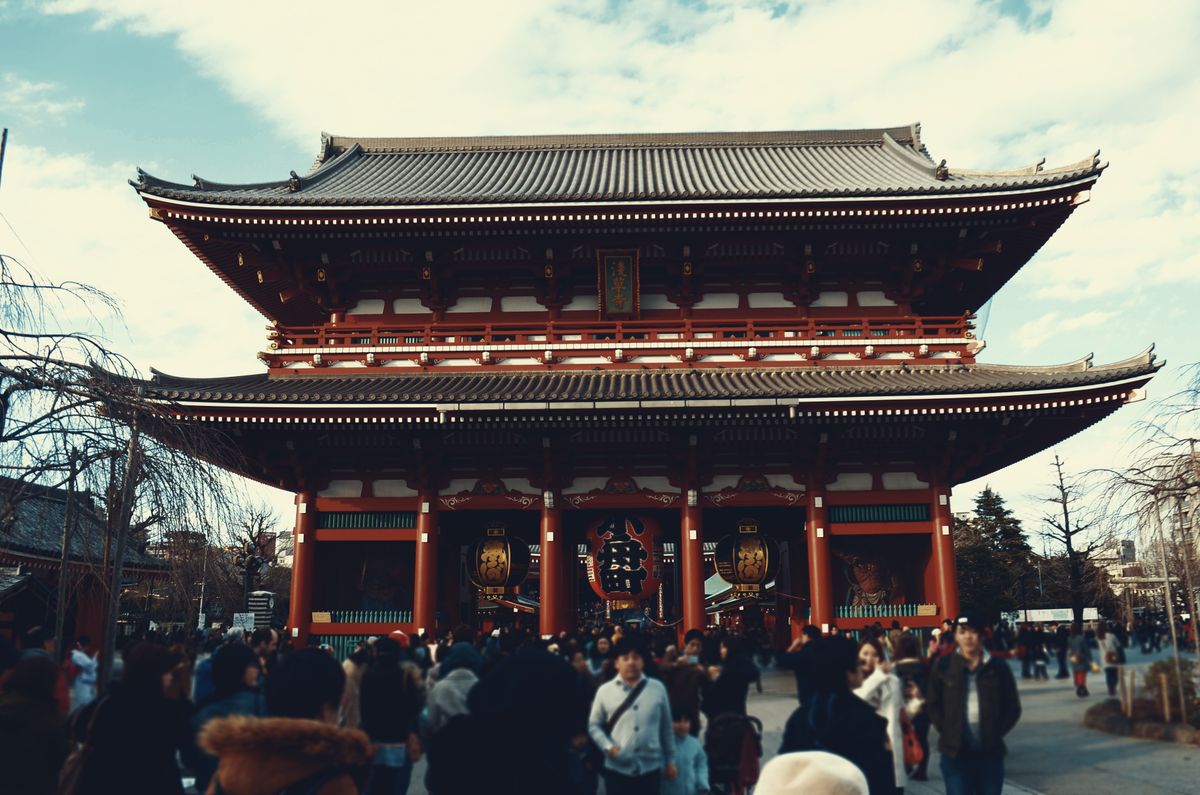
Naritasan Shinshoji Temple — the Shingon Buddhist complex in Narita city — draws around 12 million annual visitors, more than Kyoto's Kinkaku-ji or Nara's Todai-ji. The temple has operated continuously since 940 CE and the approach street (Omotesando) retains its Edo-period merchant character: eel restaurants, sembei shops, and lacquerware sellers that have traded from the same locations for generations. International residents landing at Narita Airport often discover the temple complex is directly accessible — and that living near Narita means living within 10 minutes of one of Japan's most significant Buddhist sites.
The Boso Peninsula broadens the appeal further. Kujukuri Beach runs 66km along the Pacific coast without a resort hotel in sight — one of Japan's longest unbroken shorelines. The southern tip has fishing towns, morning markets that have operated for centuries, and property prices that genuinely reflect their distance from Tokyo. Chiba Prefecture as a whole is the most internally varied prefecture in the Kanto region — airport, theme park, temple town, Pacific beach, soy sauce industry, and tuna port, all within a 100km drive.
Chiba City (the prefectural capital, population 970,000) is a full metropolitan centre with its own shopping districts, hospitals, universities, and direct subway access to central Tokyo via the Keiyo and Sobu lines. Beyond the commuter corridor, the Boso Peninsula slows down considerably — small fishing towns, roadside produce stands, and a daily rhythm tied to agricultural and fishing cycles. Many Chiba residents in the commuter belt hold Tokyo jobs without ever feeling like they live there.
Keiyo Line: Chiba to Tokyo Station in 39 minutes. Sobu Line rapid: Chiba to Shinjuku in 44 minutes. Narita to central Tokyo: 60–75 minutes via Narita Express or Keisei Skyliner. The Boso Peninsula requires a car for anything south of Chiba City — the Uchibo and Sotoboso lines exist but run infrequently. Narita Airport access makes Chiba practical for those who travel internationally.
Chiba City condos ¥10M–¥25M; detached houses ¥15M–¥35M. Commuter corridor towns (Funabashi, Ichikawa, Matsudo) ¥8M–¥20M. Boso Peninsula coastal towns ¥1M–¥8M with significant variation by condition. Tateyama and Kamogawa (southern tip) offer akiya-category properties from a few hundred thousand yen. Strawberry-belt area (Togane, Chiba Midori-ku) ¥5M–¥15M for detached houses.
The urban anchor: Makuhari Messe convention district, Chiba Marine Stadium, shopping along Chuo-ku, and a Metro line to Tokyo. Practical, well-serviced, and significantly cheaper than equivalent inner-Tokyo locations.
Narita city pairs airport proximity with a preserved Edo-period approach street to Naritasan Temple — the Omotesando — lined with eel restaurants and traditional shops unchanged since the 1800s. Sakura to the west has a historic samurai quarter and one of Japan's best national history museums.
Southern Boso coastal towns with fish markets, ocean swimming, and the kind of lifestyle that attracts Tokyo emigrants looking for space. Katsuura's seafood market (Katsuura morning market, running daily for 400+ years) remains one of the Kanto region's most active fresh-fish markets.
The eastern cape: tuna port, two major soy sauce breweries open for tours, a lighthouse at the Pacific tip, and a working fishing town that has not been prettified for tourism. One of the more distinctive places to actually live in Chiba.
Where To Start
Four ways to start in Chiba
The 800-metre stone-paved approach to Naritasan Shinshoji Temple is lined with restaurants serving unaju (eel over rice) — a tradition tied to the temple's Edo-period pilgrimage trade. <a href="https://www.naritasan.or.jp/english/" target="_blank" rel="noopener" class="text-blue-600 dark:text-blue-400 hover:underline">Naritasan Shinshoji</a> draws pilgrims year-round; the approach is busiest at Hatsumode (New Year) when over 3 million visitors come in three days. On an ordinary weekday morning the lacquerware shops and sembei (rice cracker) vendors are largely to yourself.
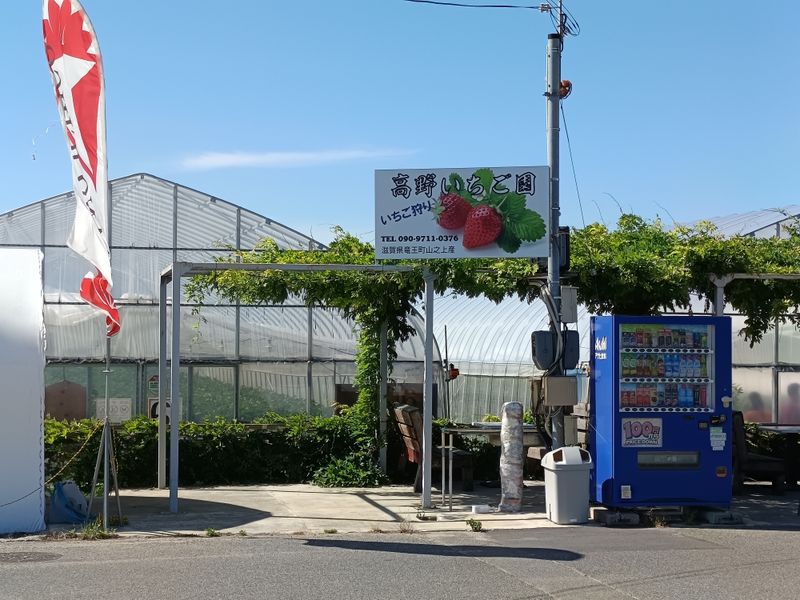
Chiba produces more strawberries than any other Kanto prefecture, and the farms around Togane, Chiba Midori-ku, and Yachiyo are open for 60-minute all-you-can-eat picking sessions from December through May. The dominant varieties are Benihoppe (sweet, large) and Akihime (pale, aromatic). Farms are typically 40–60 minutes from central Tokyo by expressway — easiest by car.
At 66km Kujukuri is one of the longest unbroken beaches in Japan, with consistent Pacific swells that support a quiet surf culture centred on the small towns of Ichinomiya and Shirako. The beach is almost entirely undeveloped beyond the surf schools and rental shops — no resort hotels, no pier attractions. On a midweek morning in autumn the entire horizon is empty.
<a href="https://www.yamasa.com/" target="_blank" rel="noopener" class="text-blue-600 dark:text-blue-400 hover:underline">Yamasa Soy Sauce</a> has brewed at the Tone River estuary in Choshi since 1645. The factory tour (free, advance booking required) covers the cedar moromi fermentation vats that have operated on the same site for nearly 400 years, and the tasting room stocks varieties unavailable outside the prefecture. The adjacent Higeta brewery offers similar access on alternating dates.
Day-of tickets sell out consistently. DisneySea is rated by enthusiasts as the most beautifully designed Disney park in the world — the 2024 Fantasy Springs expansion added Frozen, Tangled, and Peter Pan lands.
Daily Life in Chiba
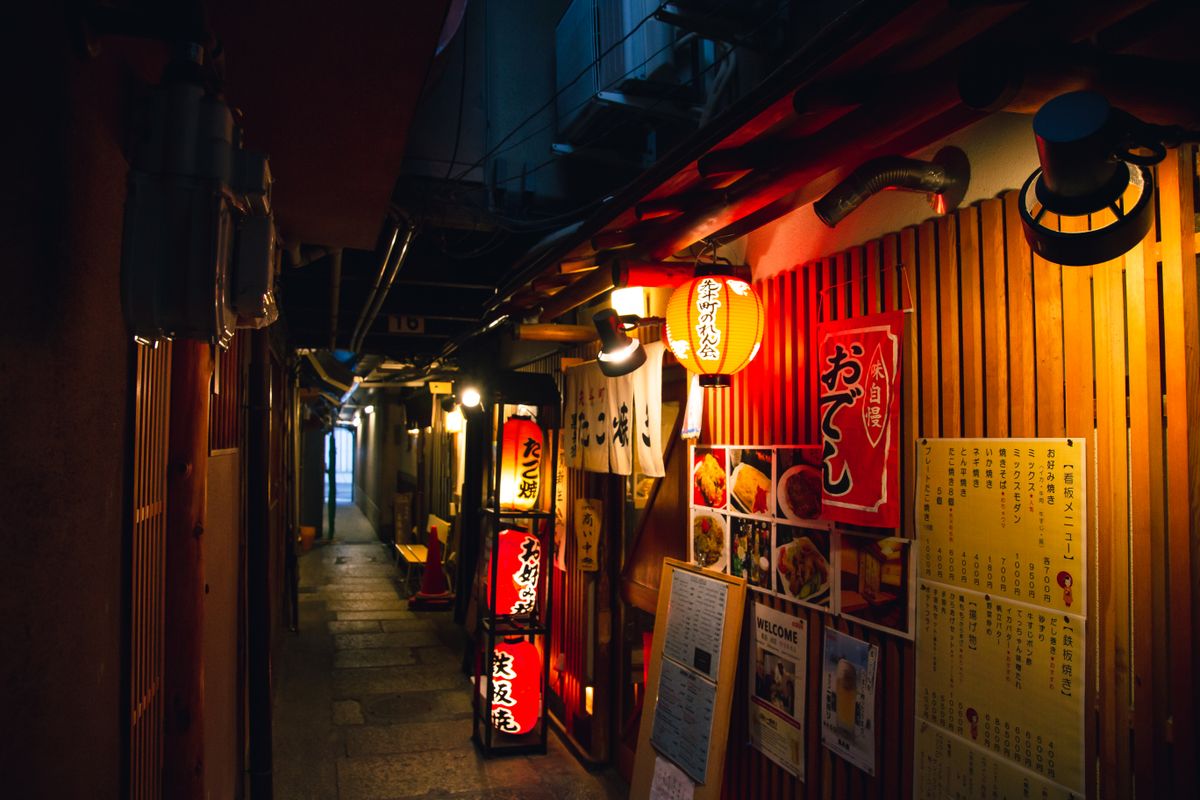
Chiba City operates as a genuine city in its own right. The Makuhari area has major corporations, a convention centre (Makuhari Messe — one of Japan's largest), shopping malls, and international schools. The Chuo and Inage districts have the full range of urban infrastructure — department stores, hospitals, clinics, international supermarkets. Residents of Chiba City often report they have no pressing reason to travel to Tokyo for everyday needs.
The commuter corridor towns (Funabashi, Ichikawa, Matsudo, Kashiwa) are quieter than Chiba City but well-serviced and directly connected to Tokyo. They have established shopping arcades (shotengai), independent restaurants, and community facilities that function without reference to the capital. Property here is meaningfully cheaper than equivalent Saitama or Kanagawa locations for similar commute times.
Further south on the Boso Peninsula the daily rhythm shifts. Katsuura, Tateyama, and Kamogawa are small coastal cities with morning fish markets, local agriculture, and a pace of life that resembles provincial Japan more than the Tokyo metropolitan area. International residents who have moved here typically describe it as "real Japan" — a phrase that means different things to different people but consistently points at the absence of tourist infrastructure and the presence of working daily life.
Food and Drink
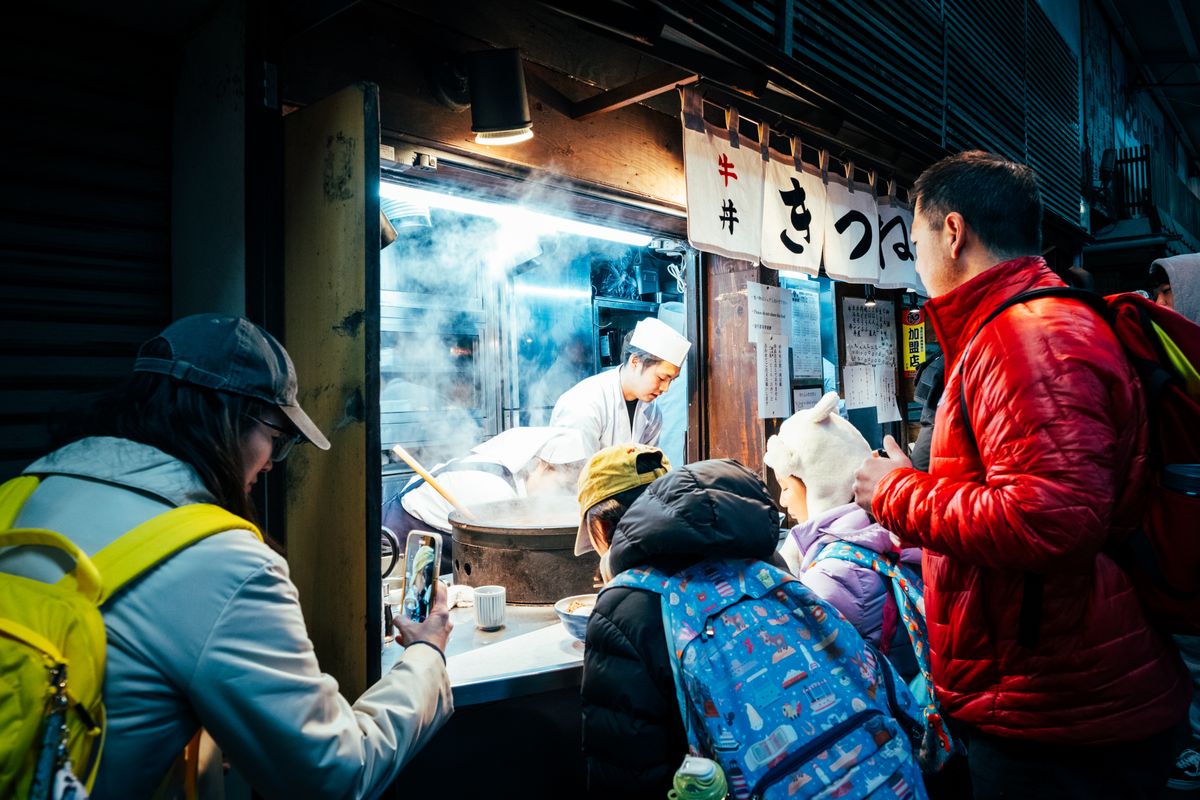
Choshi tuna and katsuobushi — Choshi Port is Japan's largest tuna landing port by annual volume. The bonito (katsuo) caught off the Pacific coast is also the basis for Choshi's katsuobushi (dried bonito flakes) industry, which supplies dashi stock to restaurants across the country. Fresh tuna sashimi available at the port market from early morning costs a fraction of its Tokyo restaurant price.
Naritasan-style unagi (eel over rice) is the Omotesando approach street's signature dish. The temple's Edo-period pilgrimage trade created a culinary tradition among the approach restaurants: thick-cut unaju, grilled over charcoal, lacquered with a proprietary tare sauce passed down through families for generations. Multiple restaurants on the street have operated since the 19th century.
Chiba strawberries (ichigo) are a seasonal institution from December through May. The prefecture's sandy, well-draining Boso soil and mild Pacific climate produce the Benihoppe and Akihime varieties — both eaten fresh at farms where 60-minute all-you-can-eat picking sessions cost ¥1,500–¥2,500. Choshi shoyu: the Yamasa and Higeta soy sauce breweries have produced at the same Tone River estuary location since the 1640s — the mineral-rich waters and sea-salt air of the Pacific cape are credited with the specific character of Choshi shoyu.
Culture and Events
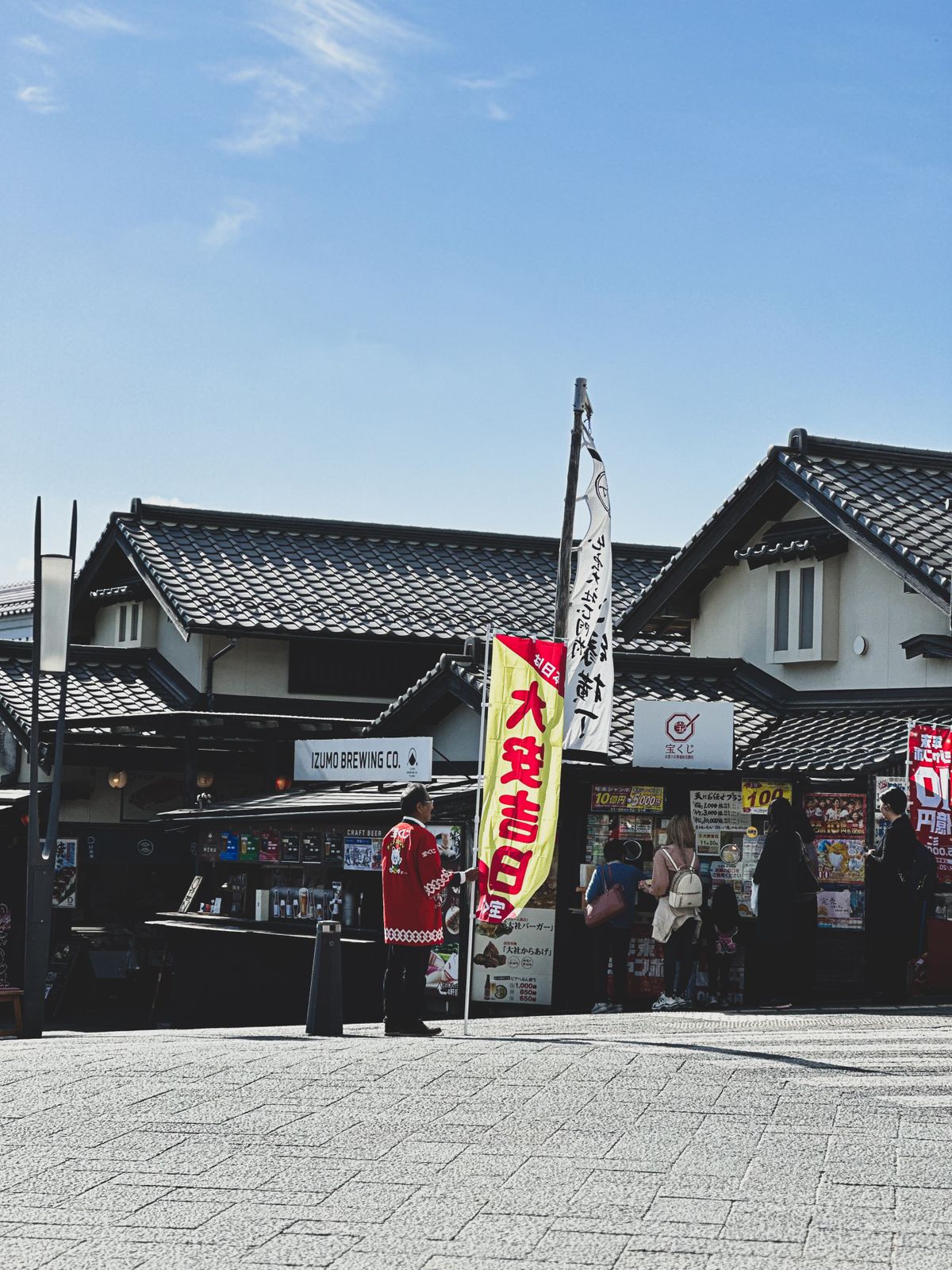
Naritasan Shinshoji follows a rich ritual calendar. Setsubun (early February) draws the largest non-Hatsumode crowd of the year — sumo wrestlers and celebrities throw beans from the temple's main stage in a ceremony broadcast nationally. The autumn Kikumatsuri (chrysanthemum festival, October–November) fills the temple gardens with sculpted chrysanthemum displays. Hatsumode (New Year visits, January 1–3) brings over 3 million pilgrims — the third-largest Hatsumode attendance in Japan after Naritasan's own reputation as an en-musubi (good fortune) destination.
The Sakura National Museum of Japanese History (Kokuritu Rekishi Minzoku Hakubutsukan) in Sakura city is one of Japan's premier history and folklore museums, with 220,000 artefacts spanning the Jomon period to the 20th century across six permanent galleries. It is 40 minutes from Narita and chronically undervisited by international residents.
Katsuura Big Hina Festival (March) displays 1,800 hina dolls on the stone steps leading from the town to Tomisaki Shrine — the dolls cascade down 60 steps of the hillside shrine approach in one of the Kanto region's most photogenic seasonal events. The Choshi Tone River Fireworks Festival (August) is among Chiba's largest summer festivals, with displays visible from the river estuary that has defined the town since the Edo period.
Theme Parks
Despite the name, Tokyo Disney Resort is not in Tokyo. Both parks sit in Urayasu, Chiba Prefecture — 15 minutes from Tokyo Station on the Keiyo Line to Maihama Station. This geographical quirk means that Chiba residents live next door to the most-attended theme park complex in Asia.
Tokyo Disneyland, which opened on 15 April 1983 as the first Disney park outside the United States, follows the Magic Kingdom model: Tomorrowland, Fantasyland, Adventureland, and a central castle. It is operated by Oriental Land Company under a Disney licence — not Disney itself — which gives it a distinctive institutional character. The parks are immaculately maintained to a standard that regularly exceeds the US originals, and guest feedback consistently rates Tokyo Disneyland highest globally for cleanliness, staff performance, and queue management.
Tokyo DisneySea, which opened in September 2001 on land reclaimed from Tokyo Bay, is the park that draws Disney enthusiasts from around the world specifically to Chiba. Its seven themed ports of call — Mediterranean Harbour, American Waterfront, Lost River Delta, Arabian Coast, Mermaid Lagoon, Mysterious Island, and the 2024 addition Fantasy Springs — form a coherent nautical narrative across the whole park. DisneySea is commonly cited as the world's most architecturally ambitious Disney park. Journey to the Center of the Earth, inside the convincingly geological Mount Prometheus, and Tower of Terror regularly appear on global top-ten ride lists.
The 2024 Fantasy Springs expansion added three new lands based on Frozen, Tangled, and Peter Pan — the first DisneySea expansion since opening. Access: JR Keiyo Line to Maihama (15 min from Tokyo Station), or direct buses from Chiba Station. The Disney Resort Line monorail loops between the station, both parks, and the three on-site Disney hotels. Day-of tickets sell out for both parks on peak dates — book two to four weeks ahead via the Tokyo Disney Resort app.
Weekends and Escape
The Boso Peninsula's Pacific coast is Chiba's primary outdoor draw. Kujukuri Beach — 66km of unbroken Pacific shoreline — is most visited for surfing (Ichinomiya and Shirako have the region's best consistent waves) but accessible for swimming in summer and coastal walking year-round. The beach is backed by pine forests rather than resort development, which gives it a character unusual for a beach within 80km of Tokyo.
Nokogiriyama (Saw Mountain) on the western Boso coast has a ropeway from the ferry terminal at Hama Kanaya, a cliff-face Buddha carved in 1783 (the largest in the Kanto region at 31.4 metres), and a stone path to a viewpoint over Tokyo Bay. The ferry from Kurihama (Kanagawa side) crosses in 35 minutes and operates hourly — making it a practical day trip from both sides of the bay.
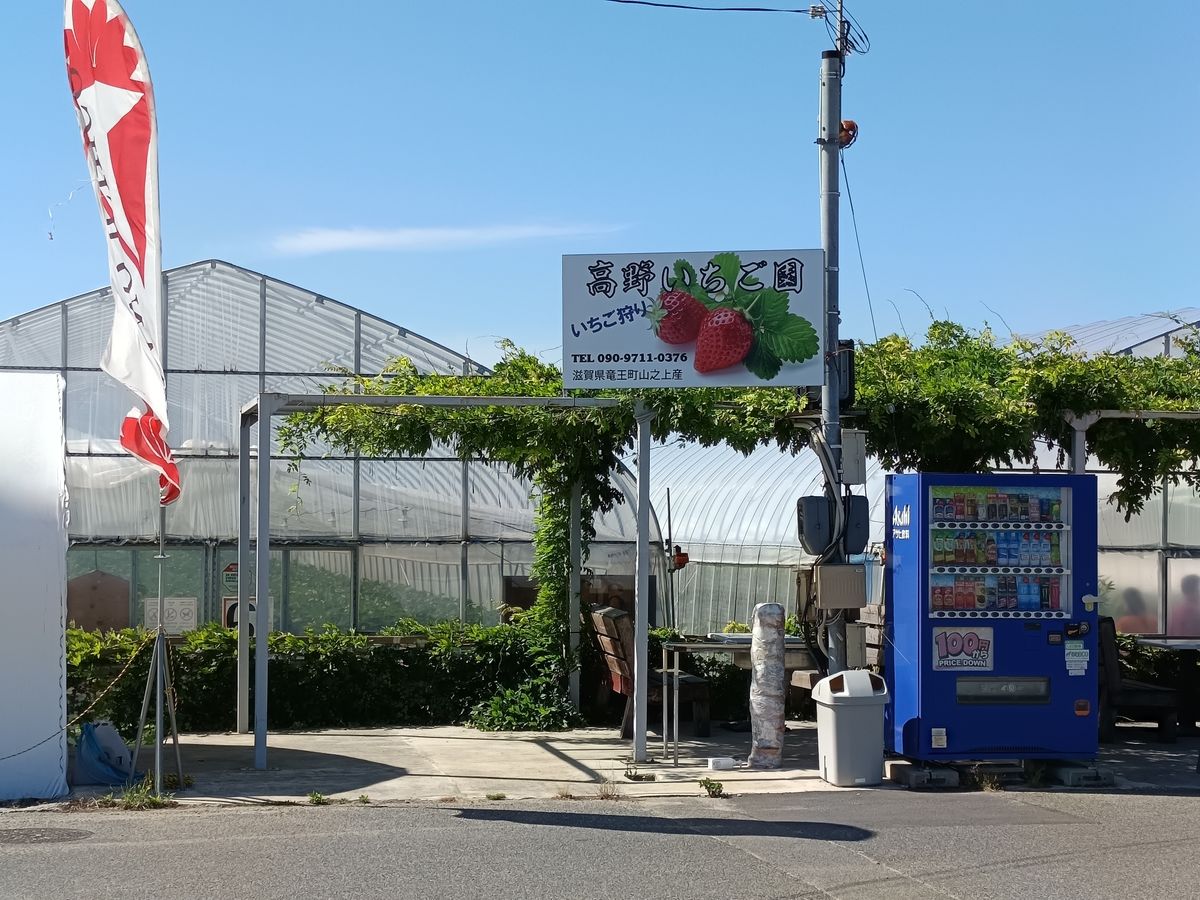
Strawberry picking in the inland Boso belt (Togane, Chiba Midori-ku, Yachiyo) runs December–May and is the region's most popular family activity. Most farms charge by time (60 minutes, all-you-can-eat) rather than weight. The season coincides with Ume (plum blossom) season in the same area — several farms have plum orchards immediately adjacent, making the combination a single outing from late January through March.
Three Days In Chiba
A simple first-trip route
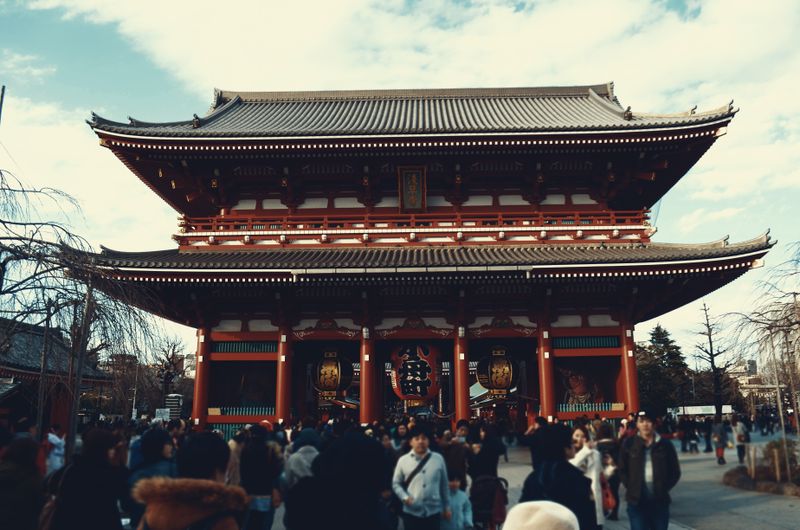
Narita is 60 minutes from central Tokyo on the Keisei Skyliner. Arrive at Narita Station and walk the Omotesando — the stone-paved approach street to Naritasan Shinshoji, lined with eel restaurants, sembei (rice cracker) shops, and traditional lacquerware merchants that have operated here since the Edo period. The temple complex itself covers 165,000 square metres, with the 1791 five-storey pagoda, the Garan main hall, and extensive pond gardens. Spend the afternoon in Narita's old Edo-period merchant quarter (Higashi-Narita and the Nakamachi streets) before returning via the Skyliner.
Drive south on the Boso Skyline to Kujukuri Beach. The beach runs unbroken for 66km — stop at Ichinomiya for the surf view, then continue to Katsuura for the morning market, which opens at 6am and runs daily (closed Wednesday). The market has operated for over 400 years and remains a working fish market — the tuna, sea bream, and spiny lobster from the Pacific coast are sold directly from the boats. Return north via the inland Boso Peninsula hills.
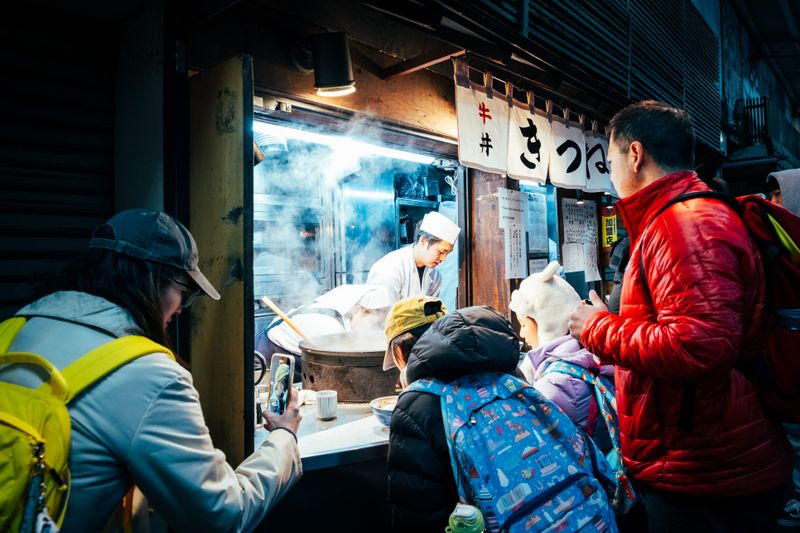
Choshi sits at the Pacific tip of the Boso Peninsula, 2 hours from Tokyo by train or 90 minutes by car. The tuna market activity peaks early morning at Choshi Port. The Yamasa and Higeta soy sauce factories are open for tours by advance reservation and take about 90 minutes each. Inubosaki Lighthouse (1874), at the northeastern tip of the Choshi cape, is one of Japan's oldest Western-style lighthouses and offers unobstructed Pacific views. Evening dinner at one of the port-side izakaya serving the day's catch.