
Eiheiji's Zen Training Temple, Japan's Dinosaur Capital, and Tojinbo's Basalt Cliffs
Living in Fukui
A compact Hokuriku prefecture built around Eihei-ji — the 1244 AD head temple of Soto Zen with 200 training monks in daily residence — Japan's single most productive dinosaur fossil site, Tojinbo's columnar basalt sea cliffs, Echizen washi paper (1,500 years old, UNESCO Intangible Heritage), and Echizen crab — the most expensive winter crab in Japan.
Why People Choose Fukui
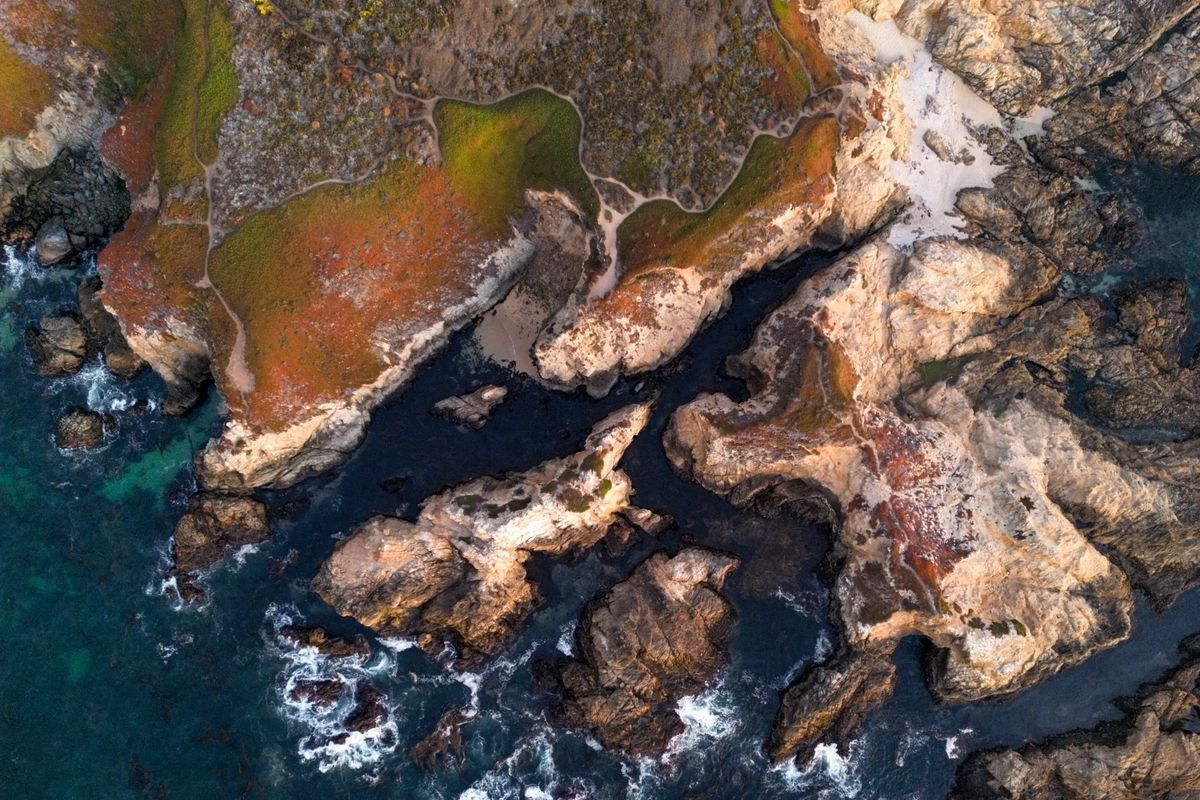
Fukui consistently ranks among Japan's top two or three prefectures in resident quality-of-life surveys — a fact that surprises visitors who associate "quality of life" rankings with prefectures they've heard of. The prefecture's low cost of living, low crime rate, strong local employment (textiles, precision manufacturing, eyeglass frames), and accessible nature are the factors that surveys capture. What they don't capture fully is the unusual density of genuinely significant sites in a small prefecture with few visitors.
Eihei-ji is not a heritage tourist site — it is a working monastery with 200 monks in active training. The distinction matters: the morning atmosphere, the sound of sutra chanting through cedar forest at dawn, the monks' precise ceremonial movements through the 70-building complex are not performed for visitors. They happen to be witnessed by visitors. Dogen Zenji established Eihei-ji in 1244 specifically in the most remote forested mountains of Japan he could find; it remains, by Japanese standards, genuinely remote.
The Fukui Prefectural Dinosaur Museum is world-class by any measure — the collection, the building, and the active excavation site. The Hokuriku Shinkansen's March 2024 Fukui extension (Tokyo to Fukui in 3 hours, Kanazawa to Fukui in 20 minutes) is changing Fukui's accessibility equation; property prices in the most central areas have begun to respond, though rural Fukui remains largely unaffected.
Fukui City (population 265,000) is a quiet, well-organised prefectural capital with a strong local economy in textiles (Fukui accounts for over 50% of Japan's eyeglass frame production and a major share of its synthetic fabric output), good public infrastructure, and a pace that regularly tops Japan's resident satisfaction surveys. Eihei-ji town is smaller and defined by the temple — the village exists in the context of the Zen complex. Sabae City is the eyeglass-frame capital of Japan (800+ manufacturers) and has an unusually strong local craft identity. The northern coast around Tojinbo and Obama is more rural with significant scenic value.
The Hokuriku Shinkansen extension to Fukui opened in March 2024 — Tokyo to Fukui now takes about 3 hours; connections to Kanazawa in 20 minutes and the planned Osaka extension will reduce Osaka–Fukui to about 1 hour. The Echizen Railway connects Fukui City to the Eihei-ji area (30 min). A car is strongly recommended for Tojinbo, the dinosaur museum area, Obama City, and the Obama–Wakasa coast.
Fukui City properties ¥4M–¥14M — among the most affordable prefectural capitals in Japan. Rural coast and mountain properties start below ¥2M. The 2024 Shinkansen opening has begun to push prices in the most central Fukui City locations; rural properties remain largely unaffected. The prefectural government has active support programmes for relocation including housing subsidies for families.
The prefectural capital: compact, well-serviced, affordable, with good Shinkansen access since March 2024. The highest per-capita happiness index of any Japanese prefecture (multiple surveys). Fukui Castle ruins, Ichijodani Asakura Clan Ruins, and the Echizen Washi village are all within 30 minutes.
A small village built around the head temple of Soto Zen. The approach road is lined with cedar, tofu shops (tofu is a Eiheiji speciality, made from the temple's mountain spring water), and craft vendors. A deeply unusual place to live — the temple's bell is audible from the residential areas.
A small city on the Wakasa Bay coast, historically significant as the producer of Wakasa-nuri lacquerware chopsticks (85% of Japan's chopstick market comes from Obama) and the ancient Wakasa-kaido (road that supplied sea produce to the Kyoto court). Excellent seafood, a preserved temple district, and reasonable prices.
The northwest coast from Tojinbo south to Echizen town — dramatic Sea of Japan coastline with the basalt cliffs, fishing villages, and the Echizen washi paper production centre in Imadate. A rural lifestyle zone with growing interest from craft workers and remote workers attracted by the coast scenery.
Where To Start
Four ways to start in Fukui
Eihei-ji's morning services begin before dawn — the 3:30am bell, 4am sutra chanting, and 5am morning ceremony (choka) in the Hatto (dharma hall) are open to overnight guests at the temple's guest lodgings and to early visitors. <a href="https://daihonzan-eiheiji.com/en/" target="_blank" rel="noopener" class="text-blue-600 dark:text-blue-400 hover:underline">Eihei-ji's English website</a> explains the visitor protocol. The cedar-forested approach corridor (sando) to the temple complex passes through 200-year-old cryptomeria trees; the walk takes 15 minutes from the Echizen Railway Eiheiji station and is best done in the early morning mist.
The <a href="https://www.dinosaur.pref.fukui.jp/en/" target="_blank" rel="noopener" class="text-blue-600 dark:text-blue-400 hover:underline">Fukui Prefectural Dinosaur Museum</a> in Katsuyama is genuinely world-class — 50 complete skeletons in a 44-metre dome, including the reconstructed skeleton of Fukuiraptor kitadaniensis (named 2000) and the recently classified Tyrannomimus fukuiensis (2023). The adjacent fossil excavation site at Kitadani is where most of Japan's dinosaur fossils have been found; supervised excavation tours are available in summer. Allow a full day — the Kasugayama Dinosaur Trail above the museum ridge connects to a hilltop panorama.
Tojinbo's 1km cliff walk is best at dusk, when the setting sun lights the basalt columns from the west. The geological formation — hexagonal and pentagonal lava pillars created 12–13 million years ago — is one of only three comparable sites in the world. The boat tour from the Tojinbo pier (25 minutes, running spring–autumn) passes through the sea caves at the base of the tallest columns, where the force of the Sea of Japan waves is most visible.
The Echizen Paper and Culture Museum in Imadate (10 min from Takefu station) sits within a village where over 100 paper workshops still operate — families who have made washi using the same water source and the same kozo fibre since the 6th century. The museum has a hands-on papermaking studio (reservation required) and shows the full process from raw bark to the finished sheet. The Echizen washi that was inscribed on the UNESCO list in 2014 still wraps the most expensive items at Japan's premium stationery shops.
Daily Life in Fukui
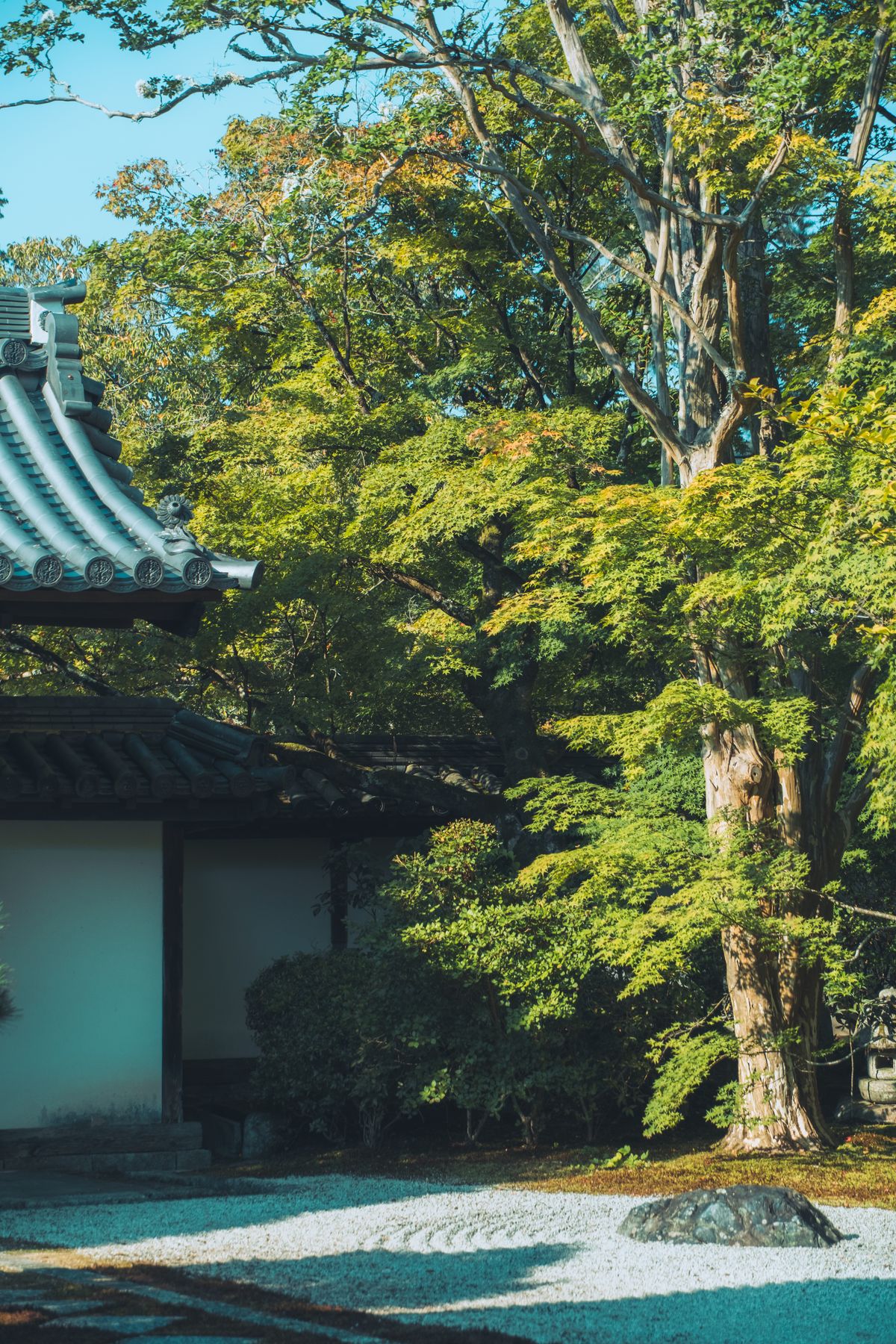
Fukui City is a compact, self-sufficient prefectural capital that functions well without being remarkable. The city's central covered shopping arcade (Katamachi), the Aeon shopping mall, Fukui City Hospital, and the prefecture's strongest public schooling infrastructure (Fukui's schoolchildren rank at or near the top of Japan's academic performance surveys every year) make it a functional base. The Hokuriku Shinkansen's arrival at Fukui station in March 2024 has added a new transportation node at the city centre, with associated commercial development.
Sabae City, 15 minutes from Fukui by train, is the eyeglass frame manufacturing capital of Japan and the world — over 95% of Japan's eyeglass frames, and about 20% of the global total, are produced by Sabae's 800+ specialist manufacturers. This has created an unusual economy of precision artisans and a strong local maker culture. The annual Sabae Grand Fair brings international buyers and visitors to a city that otherwise receives virtually no tourism.
The natural rhythms of Fukui are governed heavily by the Sea of Japan: winters are heavy with snow (Fukui City averages 150–180cm of annual snowfall), summers are hot and humid, and the coast in storm season is dramatic. The Echizen coast in November — crashing grey waves against the basalt sea stacks, fishing boats pulled high on the shore — is Fukui at its most elemental.
Food and Drink
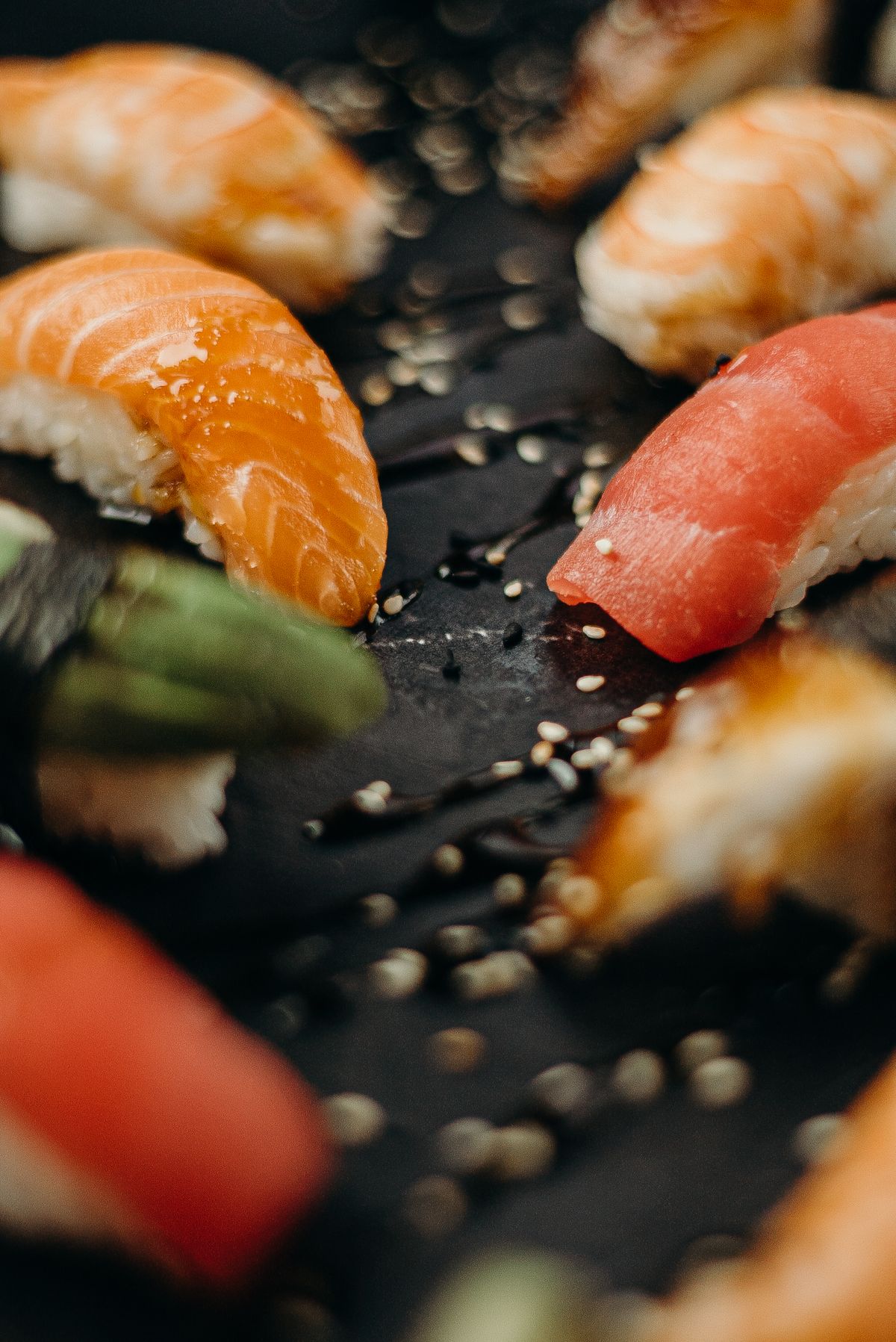
Echizen crab (越前がに) is the most expensive and ceremonially significant winter food in Fukui — snow crab caught in the Sea of Japan from November 6 (the fixed annual opening day, set by prefectural ordinance) through March. Each crab is tagged with a yellow plastic tag at the Tsuruga or Takefu port before sale, certifying Fukui origin. A full Echizen crab kaiseki course — crab sashimi, boiled legs, crab miso, zosui (crab rice porridge) — is available at specialized restaurants in Fukui City and Tsuruga from opening day. Premium crabs command ¥50,000–¥100,000 at auction, though market-grade crabs are available at more accessible prices throughout the season.
Eiheiji tofu is Fukui's other food identity — handmade tofu produced using the spring water that flows through the Eihei-ji cedar forest, sold at the vendors lining the approach to the temple. The Eihei-ji tofu is denser, more flavourful, and more expensive than supermarket tofu; it's used in the temple's shojin ryori and in the local izakaya dishes along the approach. Oroshi soba — buckwheat noodles served cold with a pile of grated fresh daikon radish — is Fukui's canonical everyday dish, and Fukui per-capita soba consumption is among Japan's highest.
Obama chopsticks are the product that links Fukui's food culture to its craft culture — 85% of Japan's chopsticks come from Obama City's Wakasa lacquerware industry. The Obama chopstick shops along the old Wakasa-kaido road sell traditional Wakasa-nuri chopsticks (abalone shell inlay, multiple lacquer layers, 65 production steps) at prices from ¥3,000 to over ¥50,000 per pair. The craft has been formally designated a National Traditional Craft.
Culture and Events
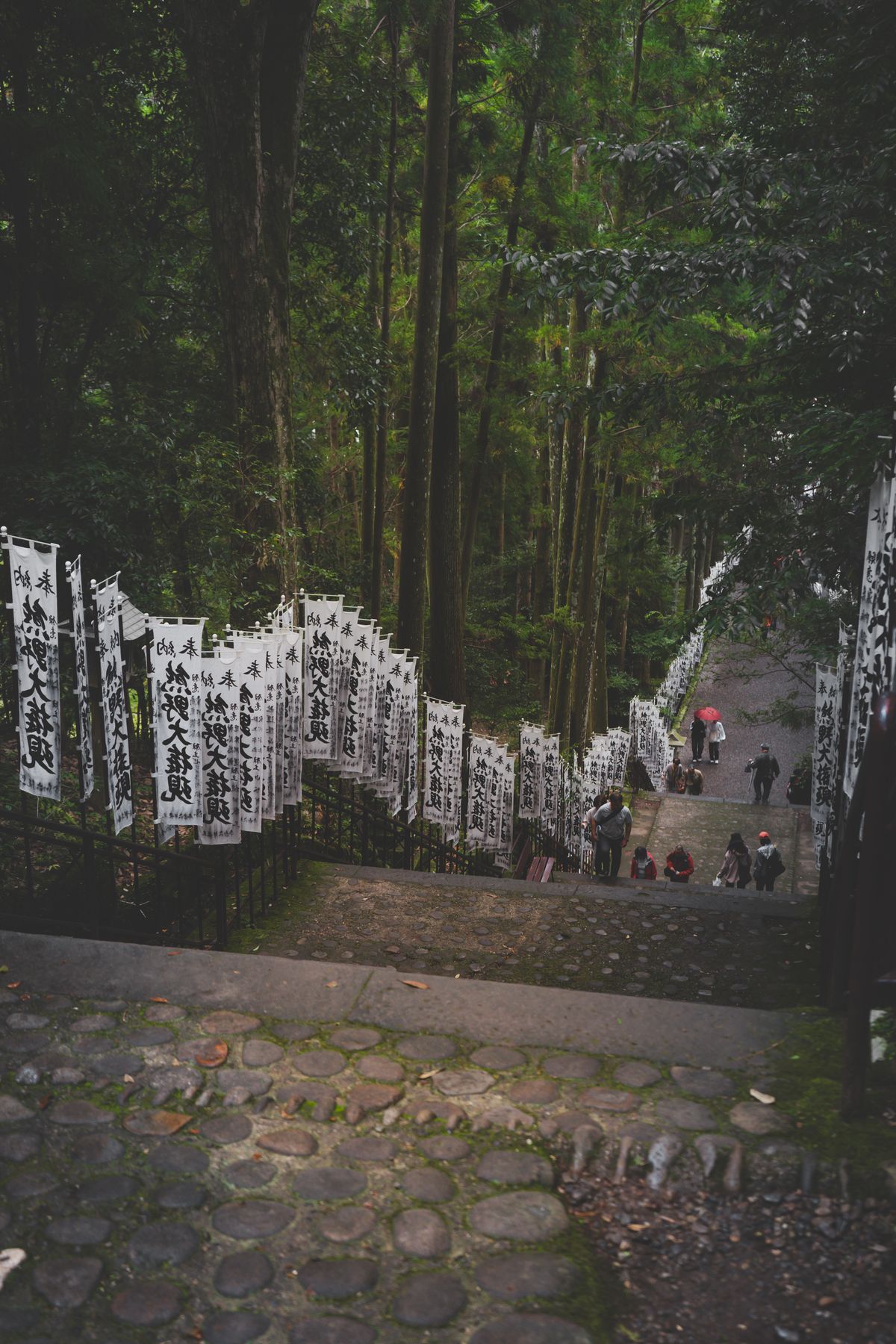
Eihei-ji's daily schedule is itself the primary cultural event: the pre-dawn bells, the barefoot monks moving in silence through covered wooden corridors, the morning sutra chanting in the Hatto that reverberates through the cedar forest. The temple conducts sanzen-ango (formal practice intensives) three times yearly and a public Nehan-e ceremony in February commemorating the Buddha's death. For overnight visitors, the temple offers zazen instruction and a direct experience of the monastic schedule.
The Ichijodani Asakura Clan Ruins south of Fukui City preserve a 40-hectare archaeological site of Japan's most completely excavated medieval castle town — the seat of the Asakura clan, destroyed by Oda Nobunaga in 1573. The excavation has uncovered samurai residences, merchant quarters, gardens, and the lower town in exceptional detail; a reconstructed portion of the merchant district opened in 2022 as a living history site, with costumed actors and working craft demonstrations.
The Echizen washi tradition (Imadate, 1,500 years) is inscribed on UNESCO's Intangible Cultural Heritage list and maintained by over 100 active workshops. The annual Echizen Washi no Sato Festival (November) opens the workshops to visitors for demonstrations, hand-papermaking sessions, and direct sales of the full range from rough craft paper to the finest handmade kozo sheets used in Japanese conservation and calligraphy.
Weekends and the Outdoors
Tojinbo is Fukui's most dramatic outdoor landscape — the 1km cliff walk above the Sea of Japan, passing sea stacks, surge channels, and the Tojinbo Tower viewpoint (36m, panoramic), is accessible in any weather. The boat tour from the Tojinbo pier (spring–autumn) runs through the narrow sea caves at the base of the basalt columns; the waves in the caves are significantly more impressive than from the top. The adjacent Tojinbo Onsen has a hot spring hotel with cliff views.
The Fukui Dinosaur Excavation Site at Kitadani, adjacent to the Dinosaur Museum in Katsuyama, runs supervised fossil excavation tours in summer (reservation required, 2 hours). The site is active — new fossil discoveries are made annually, and the tour includes a genuine possibility of finding fossil material in the exposed rock layer. The museum's 2023 expansion added an outdoor Dinosaur Valley with full-scale replicas in a forested ravine.
Skiing in Fukui: the Echizen Katsuyama Ski Jam resort (adjacent to the Dinosaur Museum) is one of Hokuriku's largest ski areas with 13 courses and a 4,000m maximum run — accessible from Fukui City in 45 minutes by car. The combined winter itinerary of dinosaur museum plus skiing is, notably, the prefecture's single highest-volume domestic tourism combination. The sea coast in winter — Echizen crabs being unloaded at Tsuruga port, the grey Sea of Japan storms against Tojinbo, the cedar forests heavy with snow — is Fukui at its most elemental.
Three Days In Fukui
A simple first-trip route
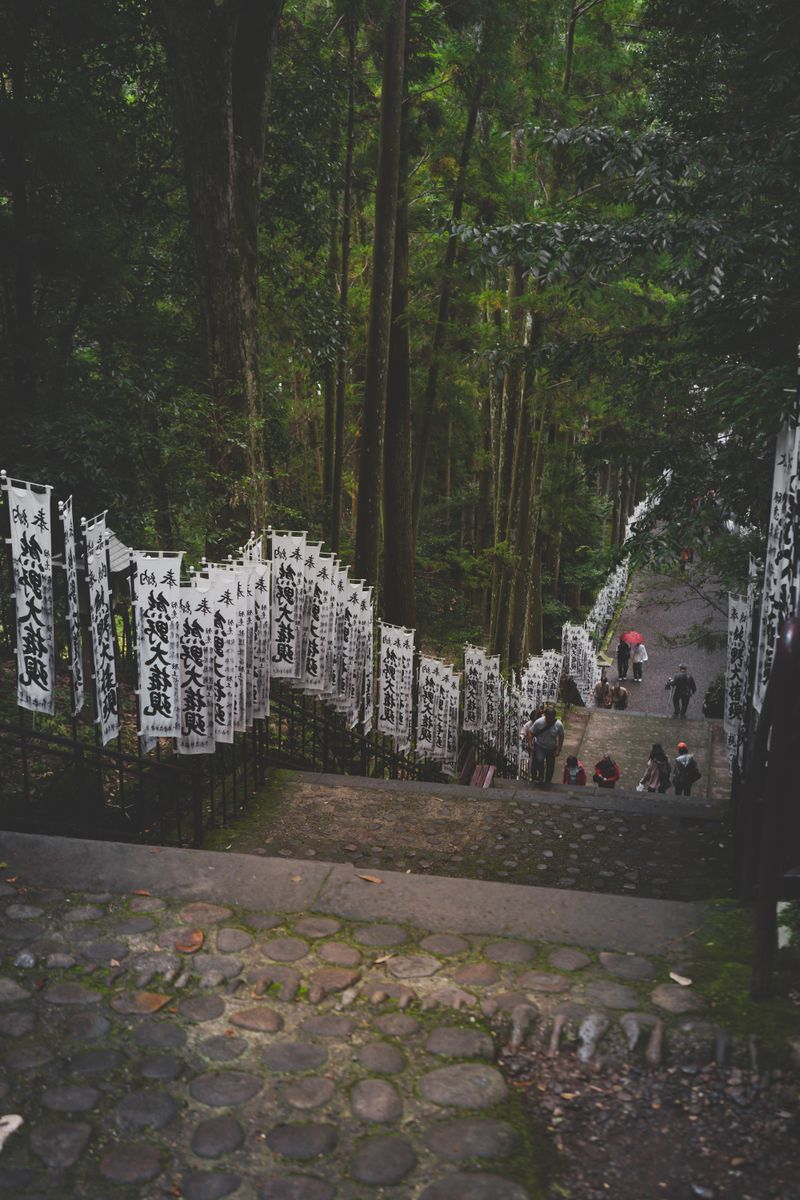
Stay overnight in Fukui City. Early morning: Echizen Railway from Fukui to Eiheiji-guchi, then shuttle bus to the temple (about 40 minutes total). Arrive by 5am for morning service in the Hatto (dharma hall). The temple complex of 70 buildings connected by covered wooden corridors climbs the forested hillside — the Hatto, Butsuden, Sanmon gate, and Joyozan meditation hall form the core. Return to Fukui City for lunch; afternoon at the Ichijodani Asakura Clan Ruins.
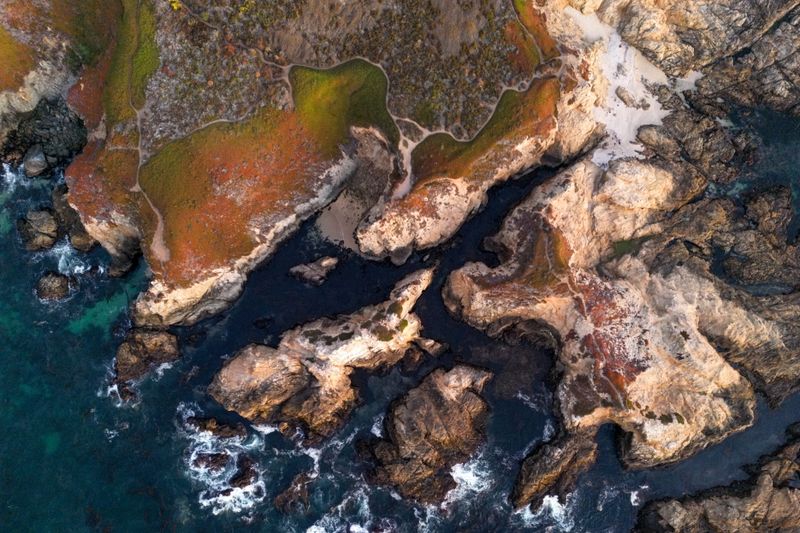
Drive north to Tojinbo (40 min from Fukui City). Walk the 1km cliff path above the Sea of Japan, then take the 25-minute boat tour from the pier through the sea caves at the base of the basalt columns. Drive south along the Echizen coast past fishing villages to Maruoka Castle — the oldest existing castle tower in Japan (built 1576, "stone drop" style). Evening return to Fukui City via the rural coastal road.
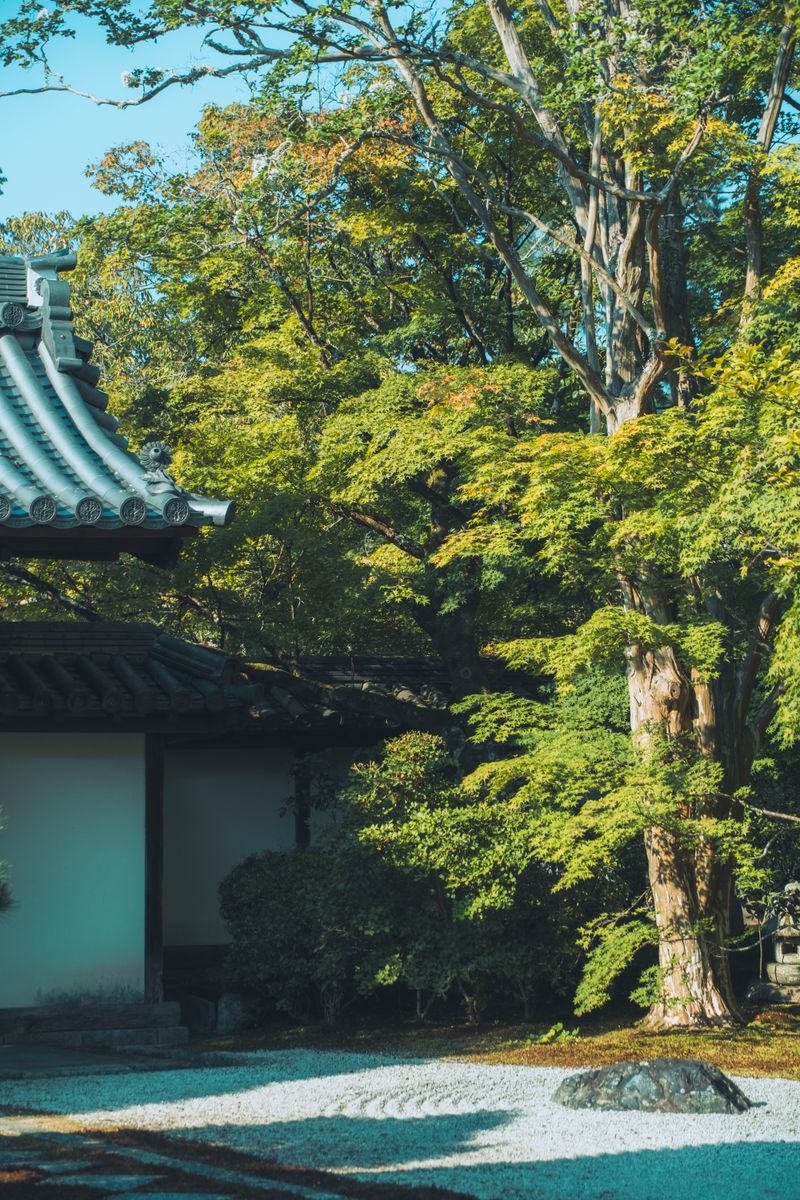
Drive to Katsuyama (40 min east of Fukui City). Full morning at the Fukui Prefectural Dinosaur Museum — 50 complete skeletons in the main dome, plus the outdoor Dinosaur Valley trail. Afternoon: drive back west to the Echizen washi village in Imadate — the papermaking museum and hands-on studio (book ahead). Return to Fukui City for the final evening, with dinner at an Obama wakasanuri restaurant if time allows.