Volcanic Lakes, Samurai Heartland, and Japan's Best Sake
Living in Fukushima
A prefecture of extraordinary contrasts: the vivid turquoise and cobalt lakes of the Bandai Plateau, the last samurai domain to fall in 1868, number-one peach production in Japan, and a sake industry that has won more national gold medals than any other prefecture in the country.
Why People Choose Fukushima
Fukushima's reputation was damaged by the 2011 nuclear incident at a coastal power plant 60km from the main population centres. The recovery has been thorough — radiation monitoring in the interior and agricultural zones has consistently returned normal readings for over a decade — but the reputation lag persists, and property prices in a prefecture with genuine natural and cultural assets remain below what the place deserves.
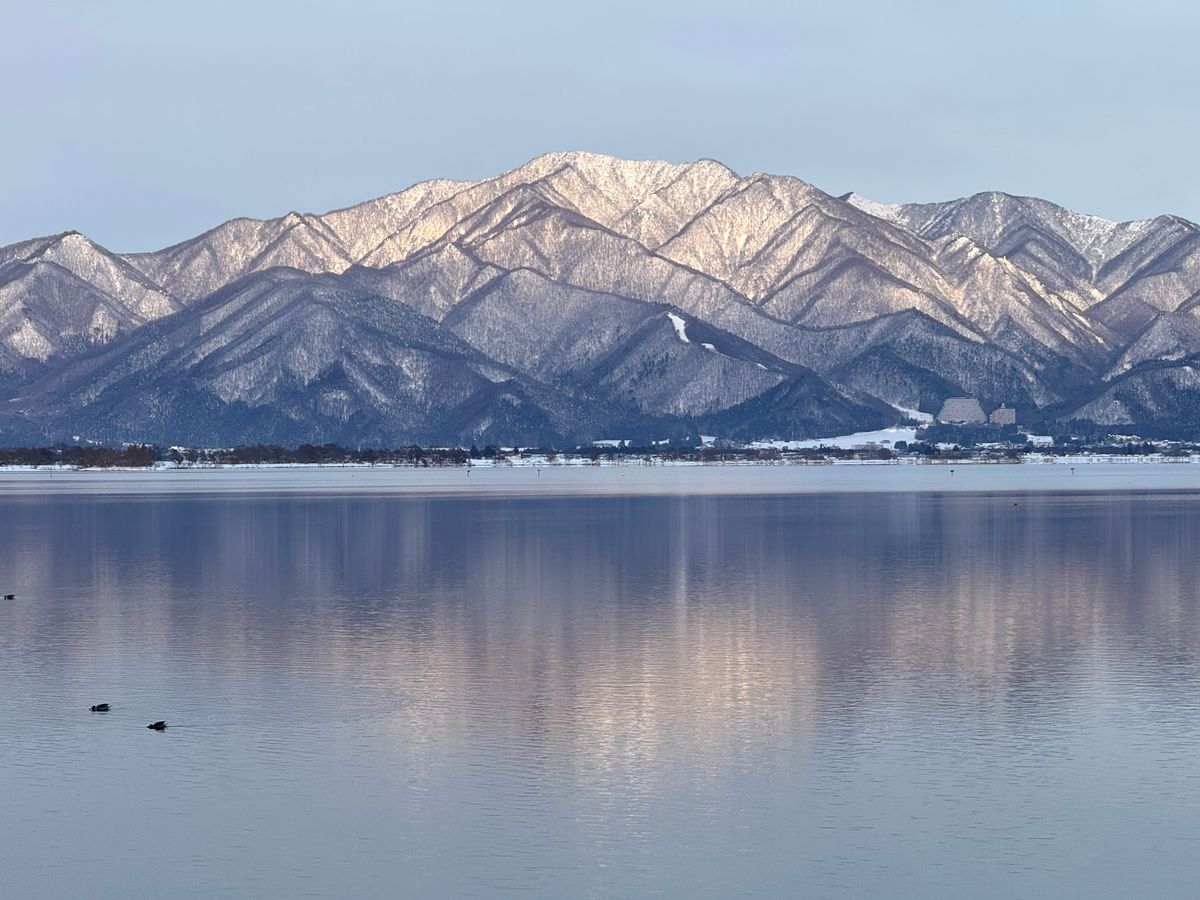
The Bandai Plateau in the northwest holds Goshikinuma, the Five-Colored Lakes: a chain of volcanic ponds formed by the 1888 Mount Bandai eruption, each a different colour from dissolved minerals — cobalt, turquoise, emerald, rust. The 4km nature trail through them is one of Tohoku's finest short walks. Lake Inawashiro, twenty minutes south, is Japan's fourth-largest lake, with the Bandai range reflected in it on clear winter mornings.
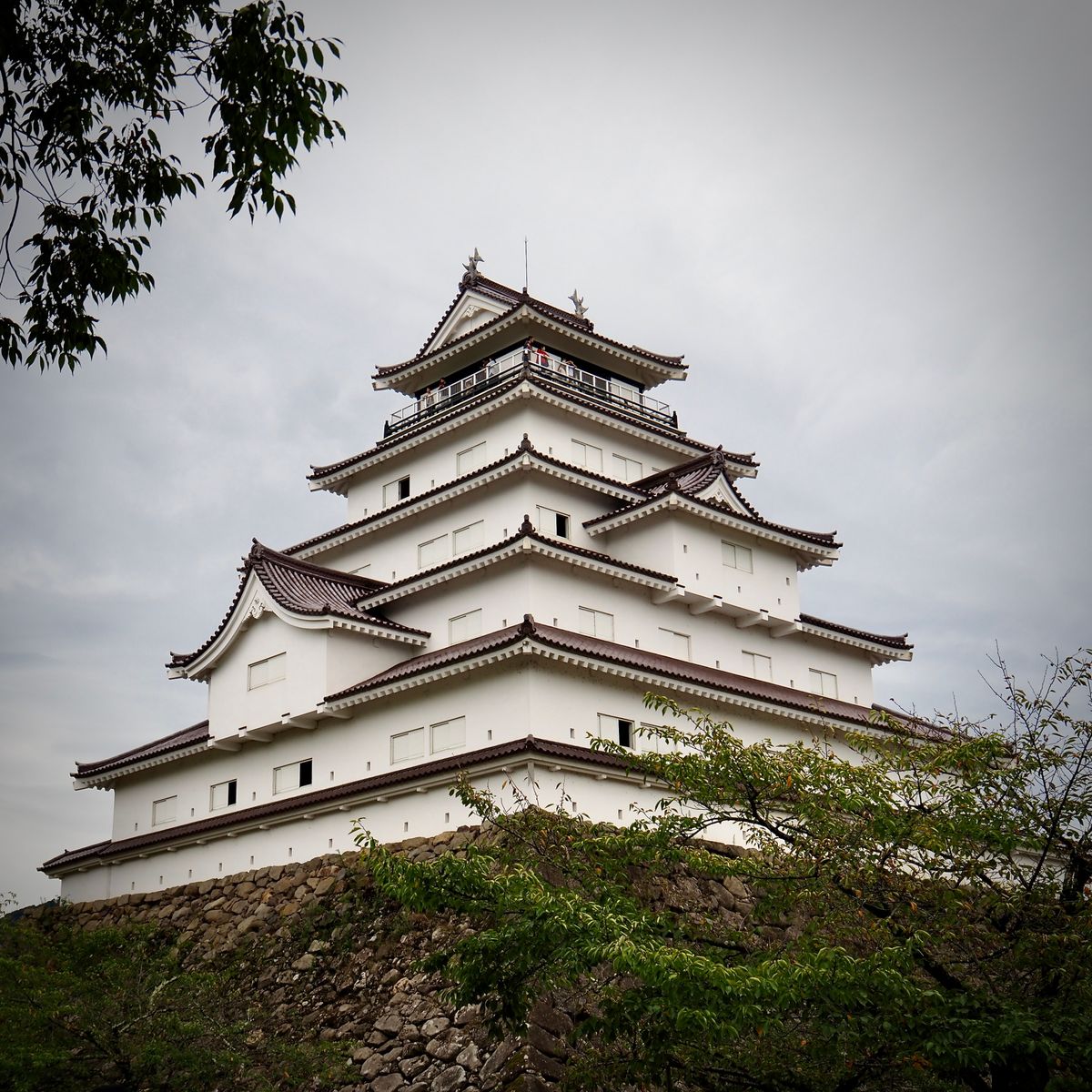
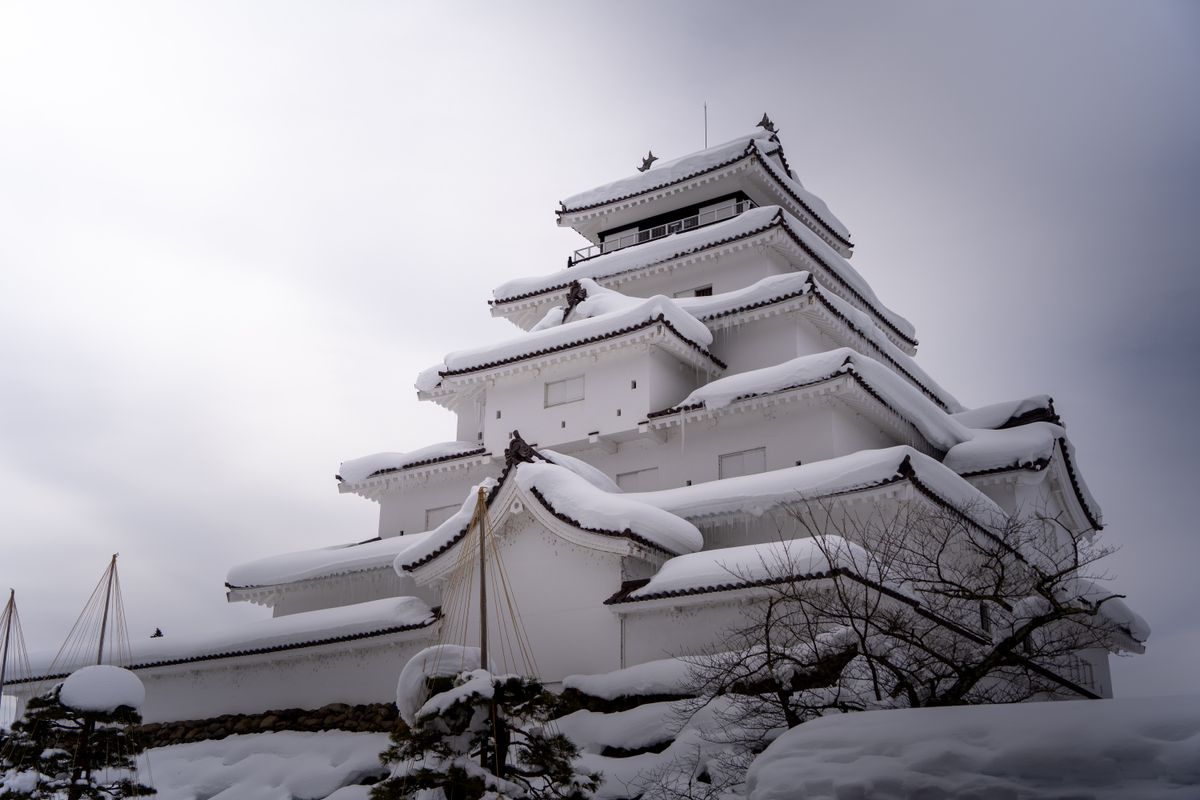
Aizuwakamatsu is the most intact castle town in Tohoku. Tsurugajo Castle — rebuilt in 1965, with its distinctive red-tiled roof unique in Japan — anchors a city that retained its samurai quarter, temple circuit, and sake brewing culture through the Meiji era and beyond. The Byakkotai memorial commemorates the teenage cadets who died defending the last Tokugawa-loyal domain in 1868 — a story that still shapes local identity. For buyers willing to look past the reputational discount, Fukushima offers a combination of mountain scenery, intact heritage, and national-champion agriculture that is hard to find elsewhere in Tohoku.
Fukushima City (population 290,000) is the prefectural capital and the commercial hub — full retail, hospital, and transport infrastructure, with direct Shinkansen access to Tokyo in 90 minutes. Aizuwakamatsu (population 115,000) is smaller and more defined by its castle-town identity, with a distinct local culture and strong community festivals. Rural areas in the Aizu basin and along the Tadami River line are quiet and agricultural with lower property prices.
Tohoku Shinkansen: Fukushima to Tokyo in 90 minutes from Fukushima Station. Aizuwakamatsu is served by the Ban'etsu West Line from Koriyama (Shinkansen connection). The Tadami Line — one of Japan's most scenic rural railways — connects the Aizu basin westward. A car is necessary in the Bandai Plateau and rural Aizu areas.
Fukushima City flats and houses ¥3M–¥12M; Aizuwakamatsu ¥2M–¥10M; rural Aizu basin properties from ¥500K with renovation required. Agricultural land prices are among the lowest in Tohoku. Prices are consistently well below equivalent Sendai-commuter properties, reflecting the prefecture's underdog reputation rather than any deficiency in the place itself.
The heritage centre: Tsurugajo Castle, Buke-yashiki samurai manor, Sazaedo temple, and the full cultural apparatus of the last Tokugawa-loyal domain. A living castle town with strong local identity and a dedicated sake culture.
The urban hub: Shinkansen access, full city infrastructure, and the gateway to the Abukuma Highlands. Less heritage character than Aizuwakamatsu but more practical for families and commuters.
The volcanic landscape: Goshikinuma, Lake Inawashiro, ski resorts, and mountain hiking. Predominantly used as a resort and second-home area with a range of lodge-style properties.
Pacific coast: the Soma Nomaoi samurai horse festival (UNESCO listed), coastal fishing culture, and the most affordable coastal properties in the Tohoku region.
Where To Start
Four ways to start in Fukushima
The 4km trail through the Five-Colored Lakes is best on a weekday morning when the surface of each pond is still. Bishamon-ike is the deepest cobalt; Ao-numa shifts from turquoise to grey with the weather. The colour of each lake changes throughout the year as mineral concentrations fluctuate. The <a href="https://www.urabandai-inf.com/" target="_blank" rel="noopener" class="text-blue-600 dark:text-blue-400 hover:underline">Urabandai visitor centre</a> has geology displays explaining the 1888 eruption that created them.
The <a href="https://www.buke-yashiki.com/" target="_blank" rel="noopener" class="text-blue-600 dark:text-blue-400 hover:underline">Aizu Buke-yashiki</a> is the most complete reconstruction of a domain samurai household in Japan — 38 rooms covering the full life of a middle-ranking retainer family in the Edo period. Combine with Tsurugajo Castle and the Byakkotai memorial on the same day-trip circuit.
Aizuwakamatsu has over a dozen breweries within the city, several with tasting rooms open to visitors. <a href="https://www.sake-suehiro.jp/" target="_blank" rel="noopener" class="text-blue-600 dark:text-blue-400 hover:underline">Suehiro Sake Brewery</a>, operating since 1850, has a museum and guided tasting in the original kura (sake storehouse). Fukushima's climate — cold winters, pure snowmelt water — is one reason the sake wins consistently.
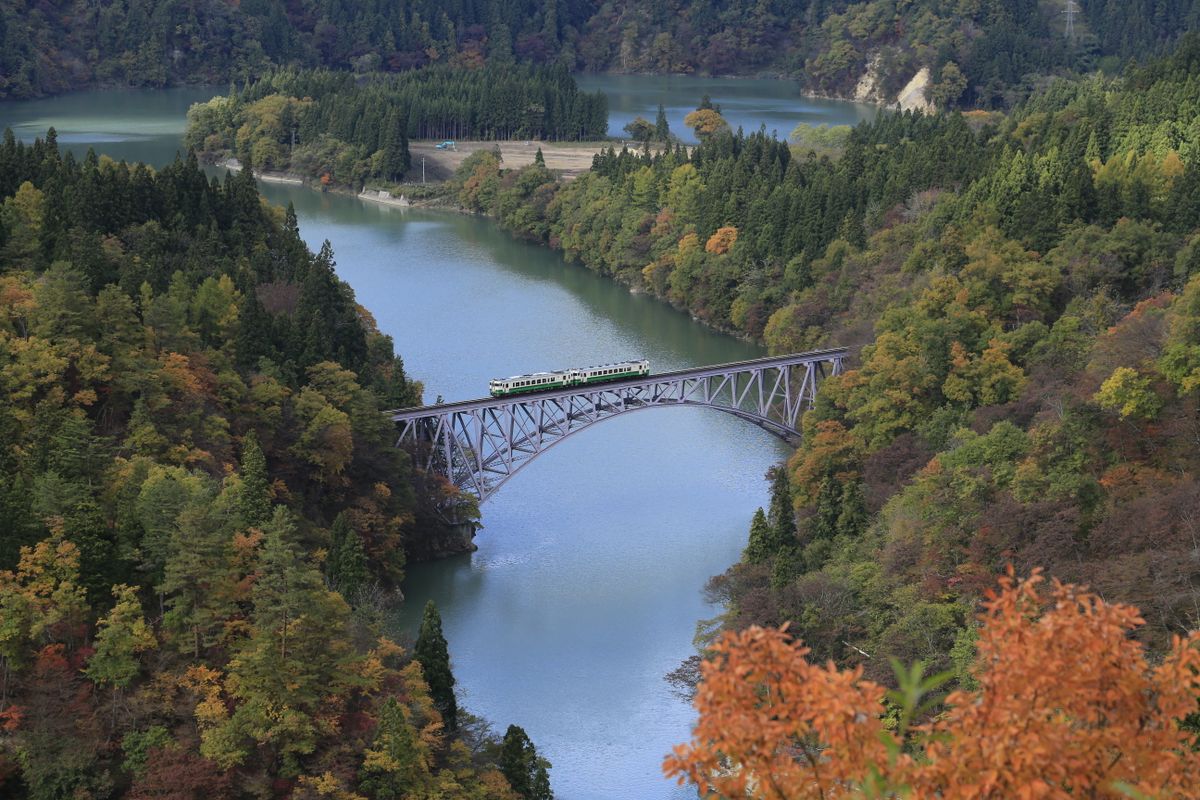
The Tadami Line between Aizuwakamatsu and Tadami is one of Japan's most photographed rural railways. The shot everyone knows — the red bridge curving over the Tadami River with autumn foliage — is taken from a hilltop viewpoint near Mishima station. The full line takes about 2.5 hours through mountain valley and river canyon.
Daily Life in Fukushima
Fukushima City (population 290,000) has the full infrastructure of a prefectural capital: department stores, major hospitals, universities, and direct Shinkansen access to Tokyo in 90 minutes. It has a strong commercial core around the station but less distinctive character than the city's heritage would imply. Aizuwakamatsu (population 115,000) is more defined by its identity as a samurai town — smaller, slower, with a well-maintained historic centre, a strong brewery culture, and a calendar of festivals that draw from its Aizu samurai heritage rather than manufactured tourism.
The Aizu basin that surrounds Aizuwakamatsu is agricultural flatland — rice, fruit orchards, and vegetable farms — giving the area a rhythm tied to seasons and harvests that is less common in more urbanised prefectures. Winter is cold and snowy in the basin; the Bandai Plateau above gets heavy snowfall and is a significant ski destination from December to March. Spring brings the peach and cherry orchards into bloom simultaneously, and summer evenings in the basin are warm and humid with a distinctive Tohoku intensity.
The Soma and Minamisoma area on the Pacific coast has a distinct character again — fishing towns, flat coastal farmland, and the extraordinary Soma Nomaoi festival (last weekend of July), where riders in full samurai armour race horses across a seaside plain in a tradition dating to the 10th century. The Pacific coast is the most affordable area in the prefecture by a wide margin.
Food and Drink
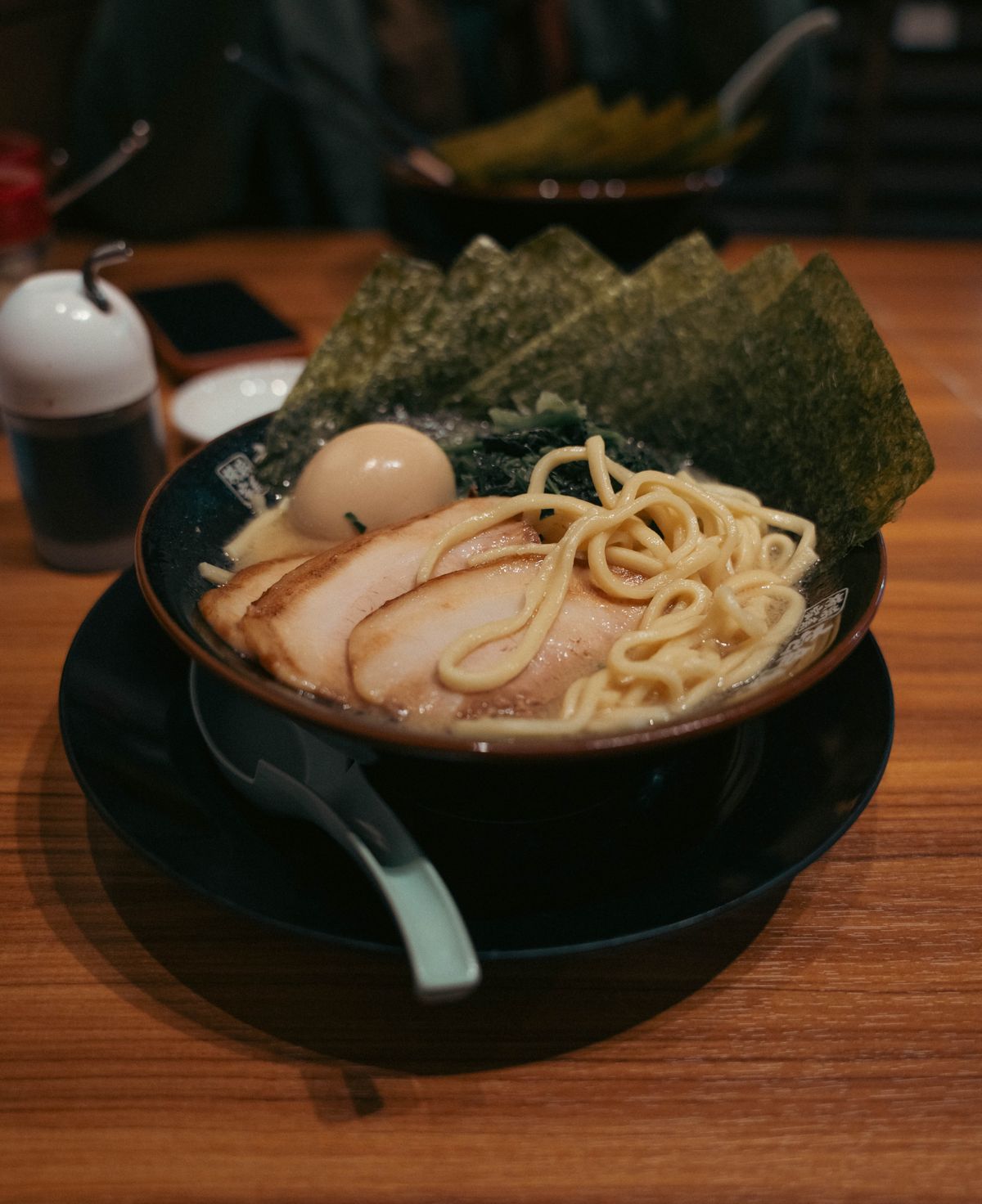
Kitakata ramen is one of Japan's three original regional ramen styles, alongside Sapporo and Hakata. The broth is a light, clear shoyu with a hint of pork and dried fish; the noodles are flat, wide, and curly — quite different from the thinner straight noodles of Tokyo. Kitakata (population 50,000) reportedly has the highest density of ramen restaurants per capita in Japan — over 100 shops in a small city — many of them open from early morning for the distinctly local habit of eating ramen for breakfast.
Fukushima sake has won more gold medals at Japan's National New Sake Appraisal than any other prefecture — seven times in eight years as of 2024. The climate works in the brewers' favour: long cold winters, pure snowmelt water from the Abukuma and Aizu mountains, and rice grown on the Aizu plain. The Aizuwakamatsu brewery district has over a dozen kura (sake storehouses) open for tasting, and the Suehiro Sake Brewery (est. 1850) runs guided tours in English.
Fukushima peaches are the number-one nationally by production volume and consistently rated highest for quality — the Fukushima basin's alluvial soil, warm summers, and temperature differentials between day and night produce the intensely sweet fruit. The harvest runs July to September; peach-picking experiences at orchards near Fukushima City and Date are a summer institution. Wappa meshi — local seasonal ingredients steamed in a cedar box over rice — is the other signature dish of Aizuwakamatsu, served in specialist restaurants near the castle.
Culture and Heritage
The Boshin War of 1868 — the conflict that ended the Tokugawa shogunate and installed the Meiji government — had its final chapter in Aizuwakamatsu. The Aizu domain was the last to resist the imperial forces; its month-long siege produced the story of the Byakkotai, seventeen teenage cadets who, believing the castle had already fallen, died by suicide on Iimori Hill rather than surrender. The memorial on that hill is among the most visited sites in Tohoku, and the Aizu domain's refusal to capitulate defines the local identity in ways that persist 150 years later.
Aizu Buke-yashiki is a reconstructed samurai household complex — 38 rooms covering the full domestic life of a mid-ranking retainer family in the Edo period. Unlike many such reconstructions, it extends to the outbuildings (stables, mill, storehouse) as well as the main residence. The Sazaedo spiral temple nearby is architecturally extraordinary: a double-helix wooden staircase inside a hexagonal pagoda, allowing visitors to ascend and descend without meeting on the same path — built 1796, functional until today.
The Soma Nomaoi horse festival on the Pacific coast (last weekend of July) is one of Japan's most dramatic historical events: 500 riders in full samurai armour race across a coastal plain in a tradition that has continued, almost unbroken, since the 10th century. It was inscribed as a UNESCO Intangible Cultural Heritage in 2011.
Weekends and the Outdoors
The Bandai Plateau is the primary outdoor destination for the Aizu area — a high volcanic plateau at 800m with ski resorts (Alts Bandai, Nekoma, Cat Yamakogen), summer hiking on the Bandai-Azuma Skyline, and year-round access to the Goshikinuma lakes. The plateau is less than an hour by car from Aizuwakamatsu and serves both day-trip and overnight visitors from the Tohoku corridor.
The Tadami Line is Japan's most scenic surviving rural railway — 135km through the Oku-Aizu mountain valley with no parallel road for much of its length. The famous photograph of the red steel bridge at Mishima (Daiichi Tadami River Bridge) is taken from a hilltop five minutes' walk from the station. The line is threatened with partial closure given low ridership; those who value it should ride it. The JR Tadami Line operates from Aizuwakamatsu to Tadami on most days.
Cycling and river activities: the Aizu basin's flat farmland makes it one of the better cycling areas in Tohoku — rental bikes are available from Aizuwakamatsu station and the signposted Aizu cycling route covers 80km of the basin with castle, temple, and brewery stops. Rafting on the Tadami and Agano rivers operates spring through autumn from operators in Kaneyama and Mishima.