What Are Akiya Banks?
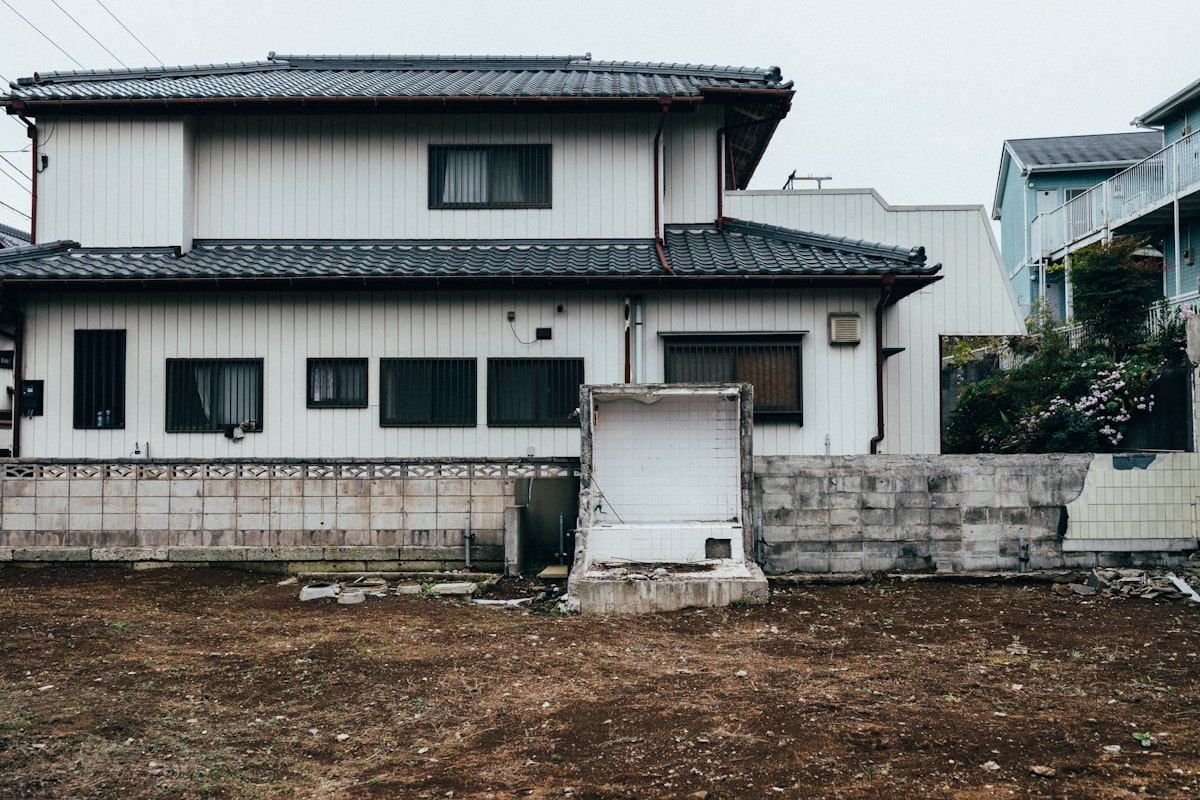
Japan has roughly 9 million vacant houses. The number grows every year as the population shrinks and young people concentrate in cities. Local governments — cities, towns, and villages — have responded by creating akiya banks (空き家 (akiya)バンク (akiya bank)), municipal databases that list vacant properties available for sale or free transfer.
Over 1,000 municipalities across Japan now operate some form of akiya bank program. The concept is straightforward: property owners register their vacant homes with the local government, the municipality lists them publicly, and prospective buyers apply through the municipal office. It is the most direct channel between abandoned property owners and buyers that exists in Japan.
The properties range from free — yes, ¥0 — to several million yen. Many come with renovation subsidies worth more than the house itself. For anyone looking at Japan's property market from the affordable end, akiya banks are where to start.
How Akiya Banks Work
The mechanics vary by municipality, but the general process is consistent across Japan:
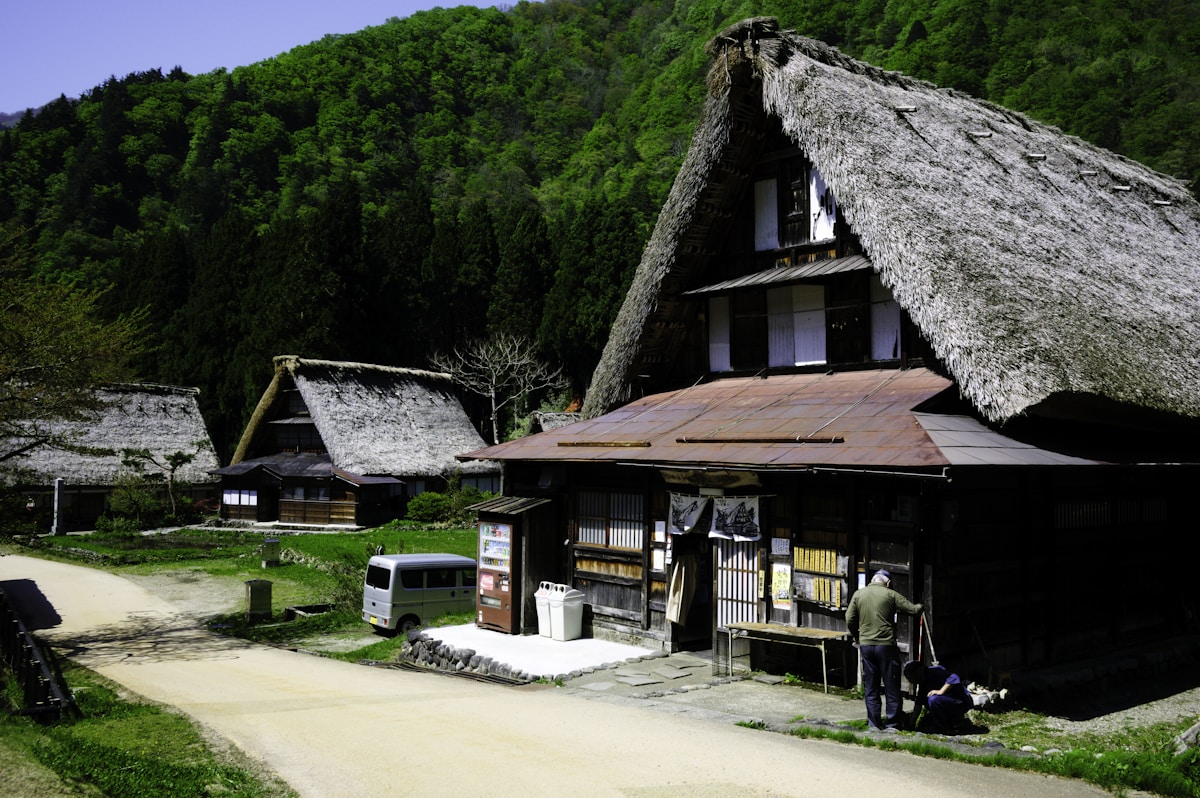
Traditional Japanese houses in a rural village — the kind of properties found on municipal akiya banks — Photo by kai muro on Unsplash
- Registration. A property owner contacts their local government and registers their vacant home with the akiya bank program.
- Listing. The municipality publishes the property on their website — sometimes as a proper database with photos and floor plans, sometimes as a PDF document, sometimes as a basic HTML page with a few details.
- Inquiry. Interested buyers contact the municipality directly. In some cases, the municipality connects you with a designated local real estate agent.
- Application. Buyers submit a formal application. The municipality reviews it and, if approved, facilitates the transaction between buyer and seller.
The key difference from standard real estate: the municipality acts as intermediary, not a private agent. This often means lower or zero agent fees, but a slower and more bureaucratic process.
Many akiya bank programs also bundle incentives to sweeten the deal:
- Renovation grants — ranging from ¥500,000 to ¥5,000,000 depending on the municipality
- Relocation subsidies — cash payments for families who move to the area
- Reduced property tax rates — temporary tax breaks for occupied former-vacant properties
- Child-rearing bonuses — additional subsidies for families with children
In depopulating rural towns, the subsidy package can exceed the property price by a factor of ten.
The Problem with Akiya Banks (for English Speakers)
Akiya banks are an excellent resource — if you read Japanese. For everyone else, they present a series of compounding problems:
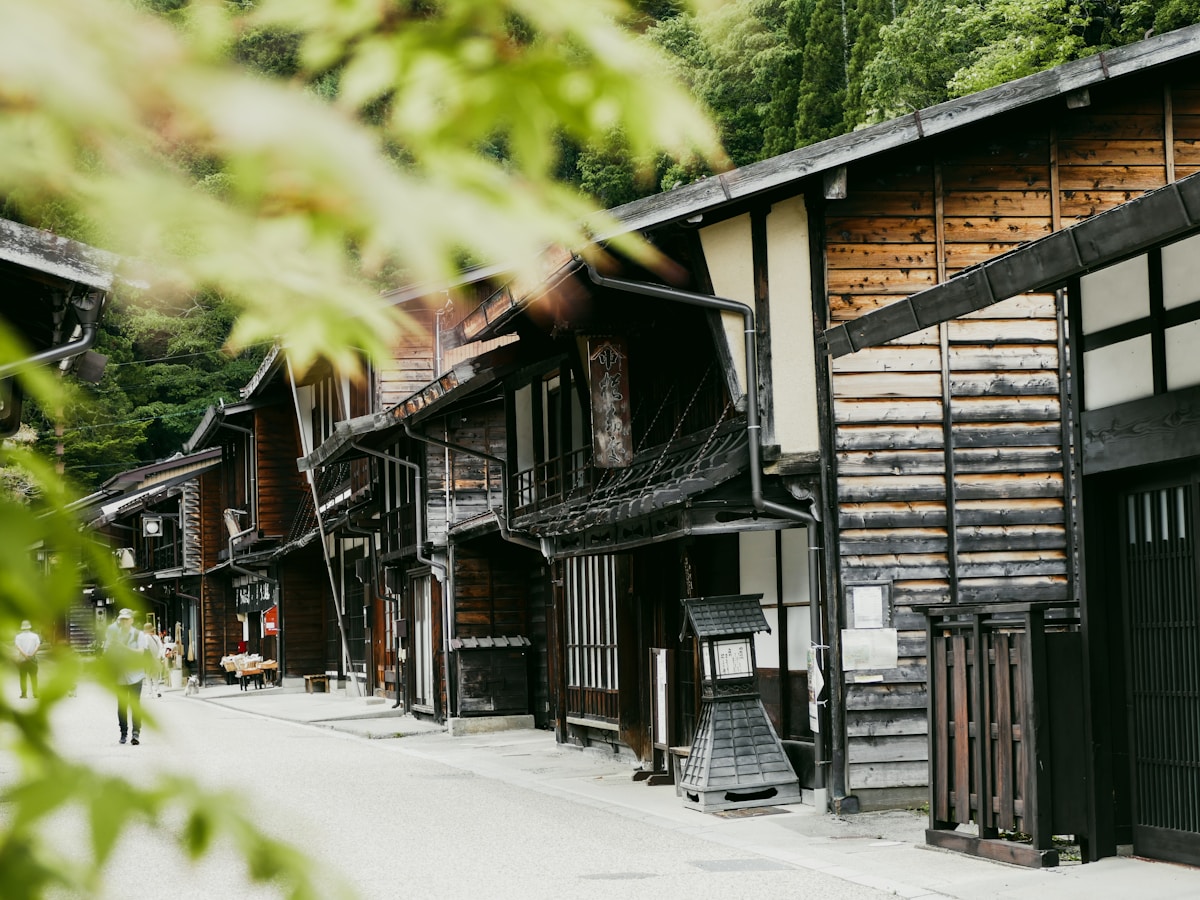
Preserved wooden houses in Narai-juku, Nagano — many akiya bank listings feature this style of traditional construction — Photo by Joris Beugels on Unsplash
Language barrier. Almost every akiya bank operates exclusively in Japanese. No English translations, no multilingual interfaces. The application forms, property descriptions, subsidy conditions, and correspondence are all in Japanese.
Fragmentation. There is no single akiya bank. There are over 1,000 separate ones, each run by a different municipality with its own website, its own format, and its own process. Searching for akiya bank properties means checking hundreds of individual municipal websites one by one.
Outdated listings. Municipal websites are not updated with the same urgency as commercial real estate platforms. Properties that sold months ago often remain listed. Contact information goes stale. Links break.
No standardized format. Some municipalities run proper searchable databases. Others post a single PDF that gets updated quarterly. Others maintain a basic HTML table. There is zero consistency.
Residency requirements. Some akiya bank programs require buyers to demonstrate intent to reside in the property — not just purchase it as an investment. The specific requirements vary by municipality and are rarely explained clearly, even in Japanese.
Bureaucratic process. Applications go through municipal offices. Response times are measured in weeks, not days. The process assumes you can communicate in Japanese, attend meetings in person, and navigate local government procedures.
The net effect: English speakers have historically been locked out of Japan's largest source of affordable property listings.
National Akiya Bank Initiatives
The Ministry of Land, Infrastructure, Transport and Tourism (MLIT) recognized the fragmentation problem and launched the Zenkoku Akiya Bank (全国版空き家 (akiya)バンク (zenkoku-ban akiya bank)) — a national-level initiative to aggregate akiya bank listings onto unified platforms.
MLIT designated two platforms to host these aggregated listings:
- LIFULL HOME'S Akiya Bank — run by one of Japan's largest property portals
- At Home Akiya Bank — run by another major Japanese real estate company
Both platforms aggregate listings from participating municipalities into searchable databases. Both are significant improvements over checking 1,000 municipal websites individually.
Both are entirely in Japanese.
Coverage is also incomplete. Participation in the national platform is voluntary, and many municipalities — particularly smaller towns with limited IT resources — continue to operate independent systems that are not connected to either platform. The national akiya bank is better than nothing, but it is not comprehensive, and it does nothing to solve the language barrier.
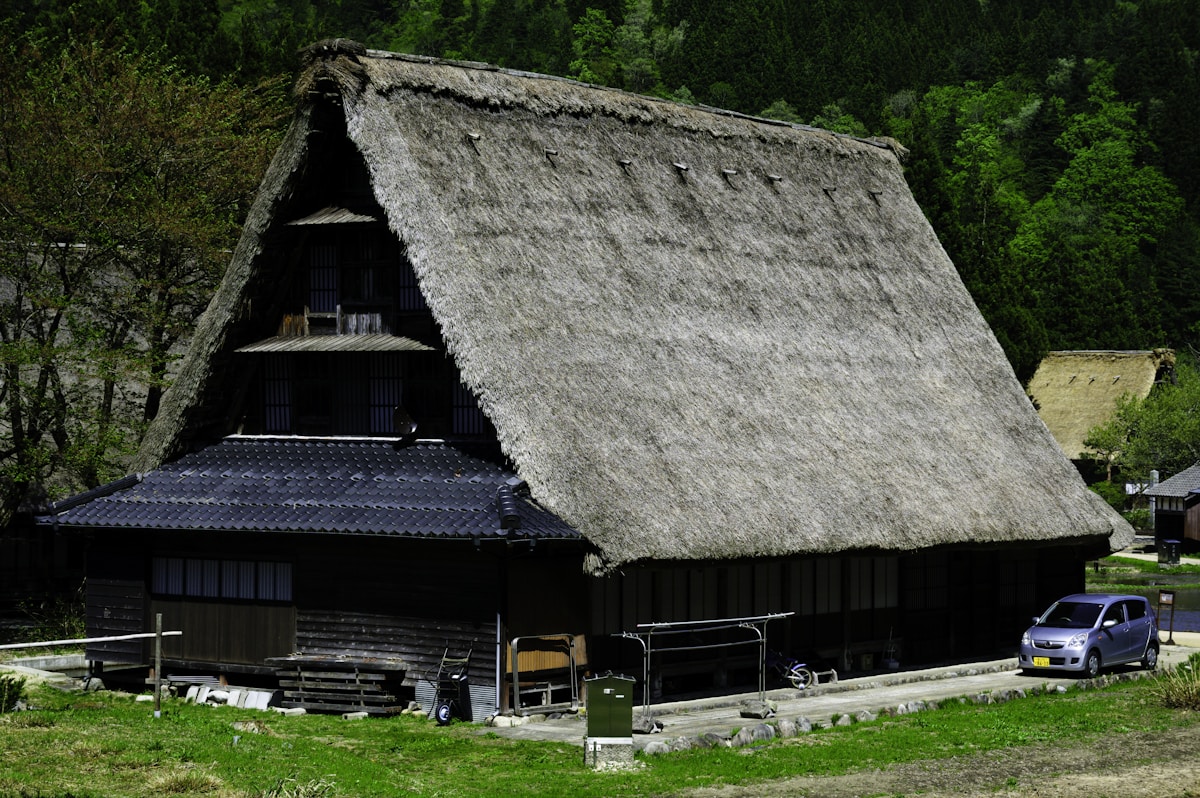
A thatched-roof kominka — some akiya banks list heritage properties like this for free or nominal prices — Photo by kai muro on Unsplash
Akiya Bank Listings by Prefecture
The distribution of akiya bank listings across Japan is uneven. Rural prefectures with higher vacancy rates and more active municipal programs tend to have the most listings. The following table shows the top 10 prefectures by akiya bank listing count, as aggregated and translated on Akiya Japan:
| Prefecture | Akiya Bank Listings | Region |
|---|---|---|
| Hyogo | 1,096 | Kansai |
| Toyama | 687 | Chubu |
| Hokkaido | 647 | Hokkaido |
| Okayama | 642 | Chugoku |
| Yamaguchi | 587 | Chugoku |
| Oita | 578 | Kyushu |
| Niigata | 570 | Chubu |
| Fukushima | 520 | Tohoku |
| Fukuoka | 498 | Kyushu |
| Ehime | 440 | Shikoku |
These figures represent English-translated, searchable listings aggregated from hundreds of individual municipal akiya bank programs. The total across all prefectures exceeds 14,400 active listings.
What You Can Find on Akiya Banks
Akiya bank listings skew heavily toward older, rural residential properties. Here is what to expect:
- Traditional wooden houses — the most common listing type. Many were built before 1981 (Japan's major seismic code revision), meaning they may not meet current earthquake resistance standards. Character and craftsmanship are often exceptional; structural condition varies widely.
- Rural farmhouses (kominka) — large properties with substantial land, often including outbuildings, storage, and agricultural plots. These are the classic "countryside dream" properties, but renovation costs can run into tens of millions of yen.
- Town houses in smaller cities — more modest urban properties in regional cities and towns. Often more immediately habitable than deep-rural listings.
- Land plots — vacant lots, sometimes with demolished structures. Less common but available.
- Small apartments and commercial properties — occasional listings for shops, small apartment buildings, or mixed-use properties in rural town centers.
- Free properties (¥0) — municipalities literally giving away houses to attract new residents. There are currently 23 such listings across Japan. Free does not mean zero cost — you will still pay transfer taxes, registration fees, and likely significant renovation expenses — but the acquisition price is zero.
On the pricing end, over 14,500 akiya bank listings are currently priced under ¥1,000,000 (approximately $6,700 USD). This is the most affordable segment of Japan's property market by a wide margin.
How to Search Akiya Bank Listings in English
There are realistically three approaches for English speakers:
Option 1: Use an Aggregated Search Platform
Akiya Japan aggregates over 14,400 akiya bank listings from hundreds of municipal programs into a single English-language search interface. All listings are translated, mapped, and filterable by prefecture, price, property type, and category. The akiya bank filter is available at the property search page using the "Akiya Bank" category — this is the fastest way to search the full inventory in English.
Option 2: Google Translate on Municipal Websites
You can visit individual municipal akiya bank pages and run them through Google Translate. This works in a basic sense — you will get rough translations of property descriptions. The problems: you need to find each municipal website first, translation quality is inconsistent (especially for property-specific terminology and legal conditions), and you would need to repeat this across hundreds of websites to get meaningful coverage. It is slow, unreliable, and does not scale.
Option 3: Hire a Bilingual Agent
A Japanese-speaking real estate agent or consultant can search akiya banks on your behalf. This gives you human-quality translation and someone who understands the municipal application process. The trade-off is cost and coverage — an agent will typically focus on one region, not search nationally across all programs.
Tips for Buying Through an Akiya Bank
If you find an akiya bank property you want to pursue, keep these points in mind:
You may still need a licensed agent. Even though the municipality acts as intermediary, many akiya bank programs require or strongly recommend that buyers work with a local licensed real estate agent (宅建業者 (takken gyōsha)) for the actual transaction. The municipality connects you; the agent handles the legal transfer.
Application does not guarantee acceptance. Akiya bank transactions are not purely first-come-first-served. Municipalities can be selective — they may prioritize families over individuals, residents-to-be over investors, or younger buyers over older ones. Some programs have explicit scoring criteria.
Budget for renovation. Most akiya bank properties need work. Many need significant structural work. A common rule of thumb: budget at least the purchase price again for renovation, and often two to three times more. Get a building inspection (建物調査) before committing.
Check for subsidies before applying. Research the municipality's full incentive package before you start the application process. Renovation grants, relocation bonuses, and tax breaks can be worth substantially more than the property itself — but they often have conditions (residency period, family composition, renovation timeline) that you need to understand upfront. Some subsidies must be applied for before purchase, not after.
A Japanese speaker is practically essential. Whether it is an agent, a friend, a consultant, or a translation service — you will need someone who can communicate with the municipal office in Japanese. The application forms, negotiations, and follow-up correspondence will all be in Japanese, and machine translation is not reliable enough for legal and financial documents.
Visit in person. Photos on akiya bank listings are often minimal and sometimes years old. The surrounding environment — neighbouring properties, access roads, proximity to services — matters enormously for rural properties and cannot be assessed remotely.
The Bottom Line
Akiya banks are the most affordable entry point into Japan's property market. They offer properties that simply do not exist on commercial platforms — houses for under ¥500,000, free transfers, subsidized renovations in towns actively recruiting new residents. The challenge has always been access and language: over a thousand fragmented municipal databases, all in Japanese, with no unified search. Platforms that aggregate and translate these listings into English eliminate that barrier and open the full inventory to international buyers.