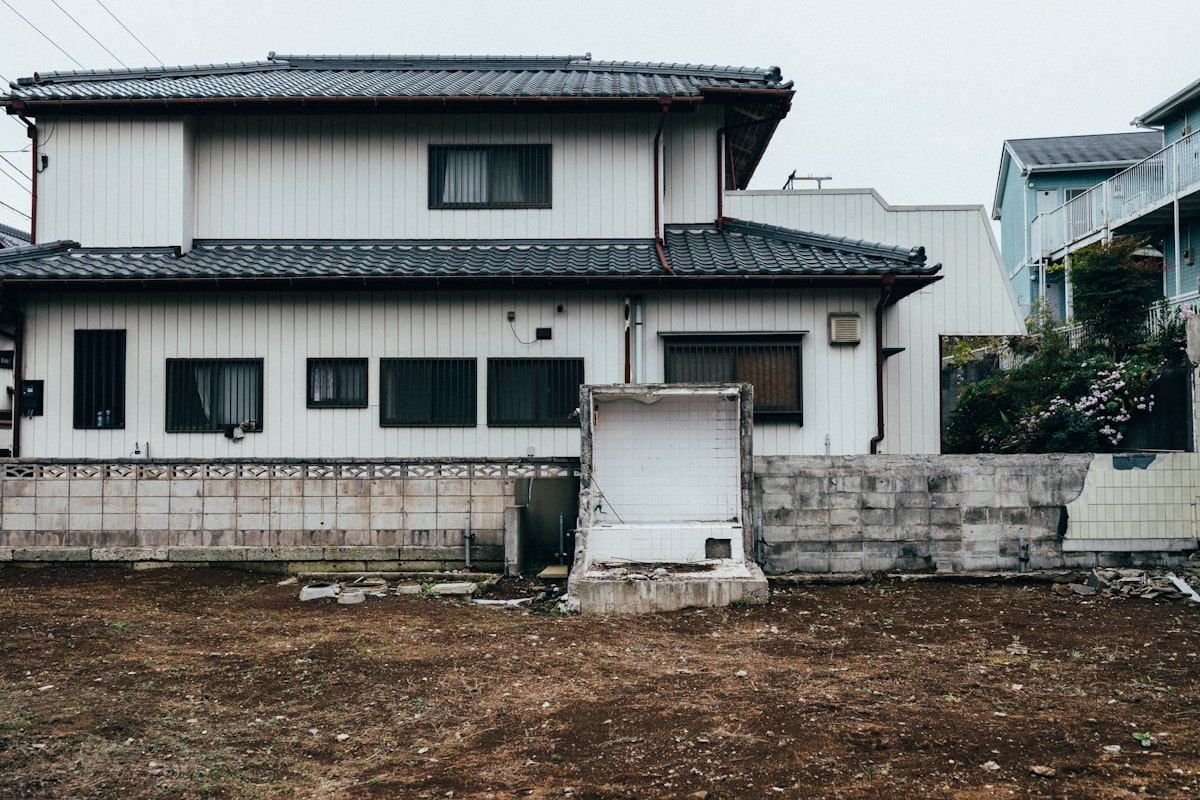
You've found an akiya listed for ¥2 million. The price seems almost too good. But then the question hits: what will it actually cost to make this livable?
The honest answer is that ¥5 million (roughly $33,000 USD) is a serious renovation budget in Japan — not luxurious, but enough to transform a neglected house into a comfortable home if you spend it wisely. This article breaks down exactly what that money buys, room by room, and where the hidden costs lurk.
The ¥5 Million Reality Check
Japanese renovation professionals generally recommend a budget of ¥5–10 million for a full akiya renovation. At the lower end of that range, you're making choices. You can't fix everything at once — and that's fine. The key is knowing what to prioritize.
A useful rule of thumb: plan for 130–150% of your initial estimate. Cost overruns of 20–30% are common because older homes hide their worst problems behind walls and under floors. A ¥5 million budget should really be thought of as ¥3.5–4 million in planned work, with ¥1–1.5 million held back for surprises.
What Each Room Actually Costs
Here's what Japanese contractors typically charge, based on current market rates:
| Work | Cost Range (¥) | Notes |
|---|---|---|
| Kitchen (system kitchen) | 500,000–1,500,000 | Standard domestic brand; imports push to ¥2M+ |
| Bathroom (prefab unit bath) | 500,000–1,500,000 | Tub, walls, floor as one unit; ~1 week install |
| Bathroom (custom hinoki) | 2,000,000–3,500,000 | Wooden soaking tub + specialized finish; 2–3 weeks |
| Toilet (washlet) | 50,000–100,000+ | Entry-level to premium, installed |
| Roofing | 500,000–3,500,000 | Lightweight metal preferred over heavy clay for seismic safety |
| Flooring (per tatami room) | 200,000–300,000 | Converting a 6–8 mat room to modern flooring |
| Electrical rewiring | 300,000–800,000 | Common in homes 30+ years old |
| Insulation + windows | 500,000–2,000,000 | Often bundled; subsidies may cover 30–50% |
| Earthquake retrofitting | 1,000,000–3,000,000+ | Biggest variable for pre-1981 buildings |
| Septic system | 1,500,000–2,500,000 | Required in many rural areas without public sewage |
| Termite treatment | 100,000–300,000 | Treatment only; structural repair adds ¥500K–2M+ |
Three Realistic ¥5 Million Scenarios
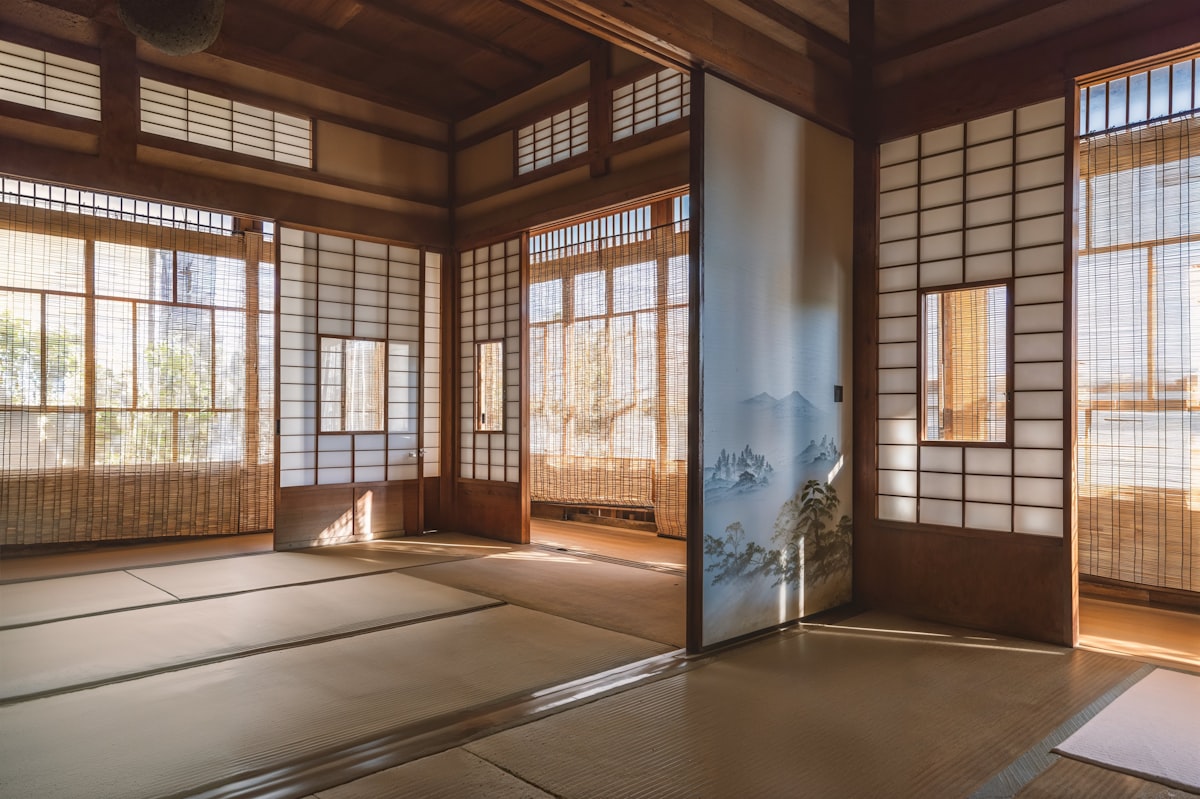
Scenario A: Cosmetic Refresh (Structurally Sound Home)
If the bones are good — roof holds, foundation solid, no termites — your ¥5 million goes far:
- New system kitchen: ¥800,000
- Prefab unit bath: ¥800,000
- Washlet toilet: ¥80,000
- Flooring in 3 rooms: ¥750,000
- Interior walls and paint: ¥500,000
- Tatami replacement: ¥300,000
- Electrical updates: ¥500,000
- Contingency: ¥270,000
- Total: ~¥4,000,000 (with ¥1M buffer)
This gives you a fully livable home with modern water fixtures and clean interiors. It won't be magazine-ready, but it will be comfortable.
Scenario B: Structural Priority (Needs Roof Work)
When the roof leaks or the structure needs attention, your budget shifts dramatically:
- Roof repair: ¥2,000,000
- Termite treatment: ¥200,000
- Basic kitchen: ¥500,000
- Basic bathroom: ¥500,000
- Essential flooring: ¥500,000
- Plumbing fixes: ¥500,000
- Contingency: ¥800,000
- Total: ~¥5,000,000
Less room for cosmetic touches here. You're prioritizing keeping water out and the structure standing. Cosmetic improvements can come in a second phase.
Scenario C: With Municipal Subsidy
Many Japanese municipalities offer renovation grants of ¥500,000–5,000,000, effectively stretching your budget to ¥6–7 million or more. This opens up the possibility of both structural repairs and a proper kitchen-bath renovation. More on subsidies below.
The Akiya Inspection Checklist
Before committing to any property, spend ¥50,000–100,000 on a professional building inspection. This single expense can save you millions. Here's what to watch for:
Termites (shiroari) are the number one enemy. Damage can be invisible from the surface while structural timber is hollowed out underneath. A licensed termite specialist inspection is non-negotiable.
Roof condition is the second priority. Years of neglect cause water infiltration that damages everything below. Ceiling stains are a red flag — roof repair alone can consume ¥3.5 million of your budget.
Foundation cracks are expensive to fix and often discovered late. Look for visible cracks, uneven floors, and doors that won't close properly.
Asbestos may be present in pre-1990s homes — in walls, ceilings, or insulation. Abatement is legally required and adds significant cost.
Plumbing and electrical systems in homes over 30 years old are often deteriorated. Complete rewiring is common, and rural properties may need septic system installation (¥1.5–2.5 million) if there's no public sewage connection.
Regional Cost Differences
Where your akiya sits changes what ¥5 million buys you:
- Tokyo/Osaka metro areas: Highest labor costs. Contractors are busy and charge a premium. Your ¥5 million buys less renovation here.
- Regional cities (Fukuoka, Sendai, Niigata): More reasonable labor rates with good contractor availability. The sweet spot for value.
- Deep rural areas: Lower labor costs, but fewer contractors means scheduling delays. Transportation of materials to remote locations adds cost. And the big hidden expense: septic system installation where public sewage doesn't exist.
Renovation Subsidies That Actually Help
Japanese municipalities are actively trying to repopulate rural areas, and they'll pay you to do it. These grants can transform a tight budget into a comfortable one:
- Akiya bank renovation grants: ¥500,000–5,000,000 depending on municipality, often bundled with purchase through the local akiya bank
- Earthquake retrofitting subsidies: Up to 50% of costs (max ¥1–3 million) for pre-1981 buildings
- Energy efficiency grants: 30–50% of costs for insulation, windows, and high-efficiency systems
- Cultural preservation grants: Up to ¥1,800,000 for kominka with historical value
- Relocation + renovation stacking: Some areas offer both — for example, Tsuruoka in Yamagata offers ¥600K–1M national relocation support plus up to ¥3M local renovation grants
Critical rule: Submit applications before construction starts. Retroactive claims are almost never approved. Deadlines often fall at the March/April fiscal year boundary.
The Phased Approach
Many experienced buyers don't try to do everything at once. A common strategy:
Phase 1 (¥3–5M): Roof, structural repairs, termite treatment, basic kitchen, basic bathroom, essential plumbing and electrical. Make it safe and livable.
Phase 2 (¥1–3M, 6–12 months later): Flooring upgrades, insulation, window replacement, cosmetic wall finishing. Make it comfortable.
Phase 3 (budget varies): Garden, exterior, custom touches. Make it yours.
This approach lets you live in the property while planning later phases, and it spreads the financial commitment over time.
Hiring Contractors in Japan
Finding the right contractor matters more than finding the cheapest one. A few practical tips:
- Get three quotes. Prices vary widely — sometimes by 50% or more for the same work.
- Ask the municipality. Local government offices often maintain lists of approved contractors, especially for subsidy-eligible work.
- Consider a bilingual construction coordinator if you don't speak Japanese. Communication failures during renovation are expensive.
- Written contracts are essential. Verbal agreements are common in rural Japan, but protect yourself with documentation.
If you're buying through an agent like Teritoru, they can often connect you with vetted contractors and help navigate the language barrier during the renovation process.
What ¥5 Million Won't Cover
Be realistic about what falls outside this budget:
- Full earthquake retrofitting on a seriously compromised structure (can exceed ¥3M alone)
- Complete kominka restoration (typically ¥275,000–500,000 per square meter)
- Custom hinoki bathroom plus full kitchen plus structural work — pick two
- Bringing a property up to modern insulation standards while also fixing structural issues
The buyers who succeed are the ones who go in clear-eyed: inspect thoroughly, budget conservatively, and phase their improvements. A ¥500,000 property with ¥5 million in smart renovation can absolutely become a comfortable, well-functioning home. It just requires knowing where every yen is going before the first wall comes down.