An Active Volcano in the City Bay, Primeval Island Forests, and Japan's Shochu Origin
Living in Kagoshima
A prefecture defined by one of the world's most active urban volcanoes — Sakurajima erupts over 1,000 times a year and residents track ash fall on their phones — plus a UNESCO island of 7,200-year-old cedars, the birthplace of Japanese sweet potato shochu, and the Satsuma clan that led the Meiji Restoration.
Why People Choose Kagoshima
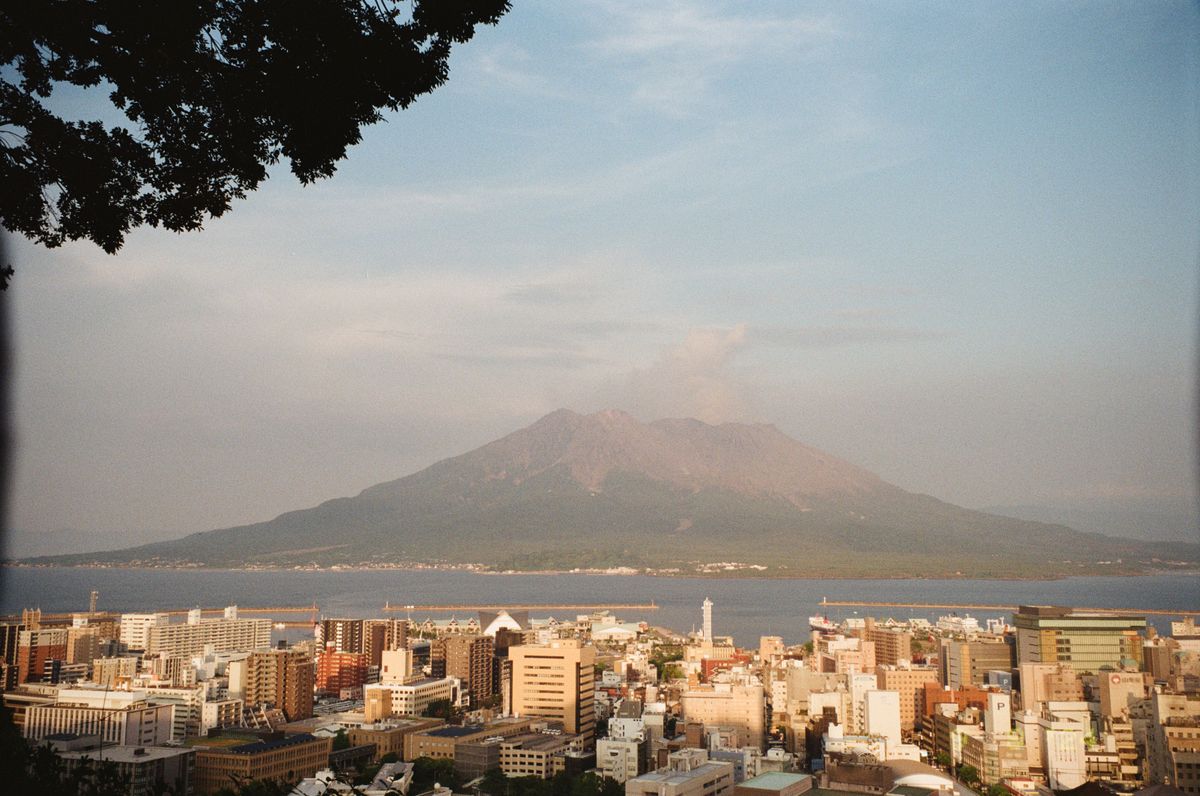
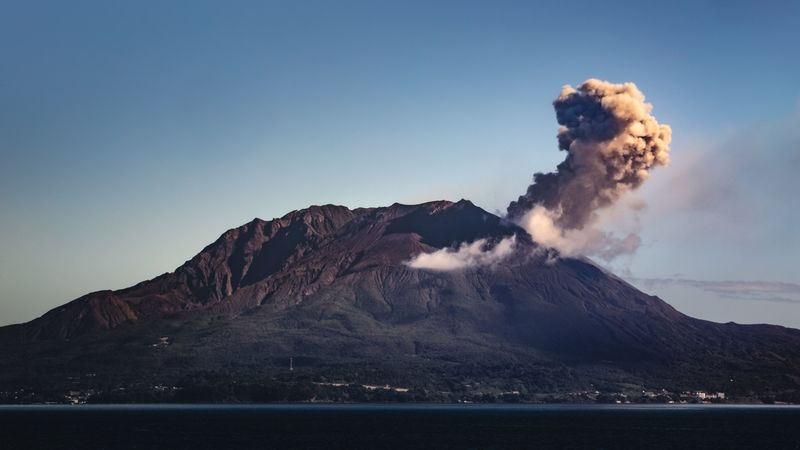
Kagoshima offers something unusual in Japan: a sense of living at the edge of something larger than the city. Sakurajima erupts over a thousand times a year and the ash plume is a presence in daily life — on calm days it drifts east over the peninsula, on westerly days it comes into the city. The volcano is not a tourist attraction; it is the weather. Residents check the Sakurajima monitoring page alongside the weather app.
The Satsuma domain — which controlled southern Kyushu as Japan's most powerful clan outside the Tokugawa shogunate — drove the Meiji Restoration and the opening of modern Japan. That history sits in the city's gardens, its museums, and its relationship with crafts: Satsuma-yaki (Satsuma pottery), koi-musubi textile work, and the shochu tradition are all products of a domain that was wealthy enough and independent enough to develop its own material culture. Sengan-en (Iso Garden), the 1658 Shimadzu villa, frames Sakurajima as a deliberate element of the garden design — the most literal expression of the domain's relationship with its volcano.
For property buyers the practical case is equally clear: Kagoshima prefectural capital prices run significantly below Fukuoka and well below Tokyo, the city has functional infrastructure for a place of 590,000 people, and the Shinkansen to Hakata takes 1h20. The population is stable rather than growing, which keeps prices accessible and also means less development pressure on the areas around the city.
Kagoshima City (population 590,000) is the largest city in southern Kyushu — a full metropolitan centre with good hospitals, universities, a functioning tram network, and shopping along the Tenmonkan arcade. The volcano is always in the background: ash fall is treated as a minor inconvenience rather than an emergency, and most residents keep a folding umbrella and a small brush in their bags. The pace is noticeably slower than Fukuoka, and housing costs reflect it.
Kagoshima-Chuo station is the southern terminus of the Kyushu Shinkansen — 50 minutes to Kumamoto, 1h20 to Hakata (Fukuoka). Yakushima is reached by Jetfoil (1h50) or ferry from Kagoshima Port; there is also a direct flight. Buses serve the Osumi Peninsula and most of the prefecture. A car is strongly recommended for anything beyond Kagoshima City and the main coastal towns.
Kagoshima City flats ¥3M–¥12M; detached houses ¥5M–¥18M. Secondary cities (Kirishima, Kanoya) ¥1M–¥8M. Rural Osumi Peninsula properties start from ¥300K with significant renovation costs. Kagoshima prices are among the most affordable for a prefectural capital city in Japan, reflecting its distance from Tokyo and the smaller demand pool.
The prefectural capital: tram network, Sengan-en garden, waterfront views of Sakurajima, Tenmonkan entertainment district, and the full infrastructure of a mid-sized Japanese city.
Inland hot spring and hiking city near the Kirishima-Yaku National Park volcano range — onsen culture, spiritual Kirishima Jingu shrine, and a quieter pace than the city.
Southern coastal resort famous for sunamushi — natural hot sand baths where you are buried up to your neck in geothermally heated black volcanic sand at the shoreline.
UNESCO forest island 40 minutes by Jetfoil — a separate world of ancient cedars, pristine rivers, sea turtles nesting on the beaches, and one of Japan's best long-distance hiking trails.
Where To Start
Four ways to start in Kagoshima
The first ferry from Kagoshima Port takes 15 minutes. From the Sakurajima ferry terminal a bus reaches Yunohira Observatory — at 373m elevation, the closest viewpoint to the active craters. The lava fields from the 1914 eruption that connected the island to the mainland are visible below, and on active days the ash plume is overhead. Return by late morning before afternoon activity increases.
Kagoshima's kurobuta black pork (Berkshire cross, raised on local sweet potato mash) is to this prefecture what Kobe beef is to Hyogo. The Tenmonkan arcade has several dedicated kurobuta restaurants, with Kumasotei and Kirishima-ya among the longest established. The cuts differ from standard pork in both flavour and fat distribution — more than worth the price premium over a Tokyo chain.
<a href="https://www.chiran-bukeyashiki.com/" target="_blank" rel="noopener" class="text-blue-600 dark:text-blue-400 hover:underline">Chiran's Bukeyashiki-dori</a> — a 700m samurai street of seven preserved Edo-period gardens — is one of the best-maintained samurai districts outside of Kanazawa. Adjacent is the Chiran Peace Museum, housing the personal effects and final letters of 1,036 tokko (kamikaze) pilots who flew from this base. Both require at least half a day; the contrast between the manicured historical gardens and the museum is intentionally unsettling.
The <a href="https://www.yakushima.or.jp/" target="_blank" rel="noopener" class="text-blue-600 dark:text-blue-400 hover:underline">Yakusugi Land</a> trail system (30 min–4 hour loop options) enters the ancient cedar forest without requiring the full Jomon sugi hike. The 150-minute course passes through stands of thousand-year cedars growing from moss-covered rock, with rivers and suspension bridges through terrain that genuinely resembles a film set. Book a lodge on the island the night before — the early morning forest is different from the midday tourist version.
Daily Life in Kagoshima
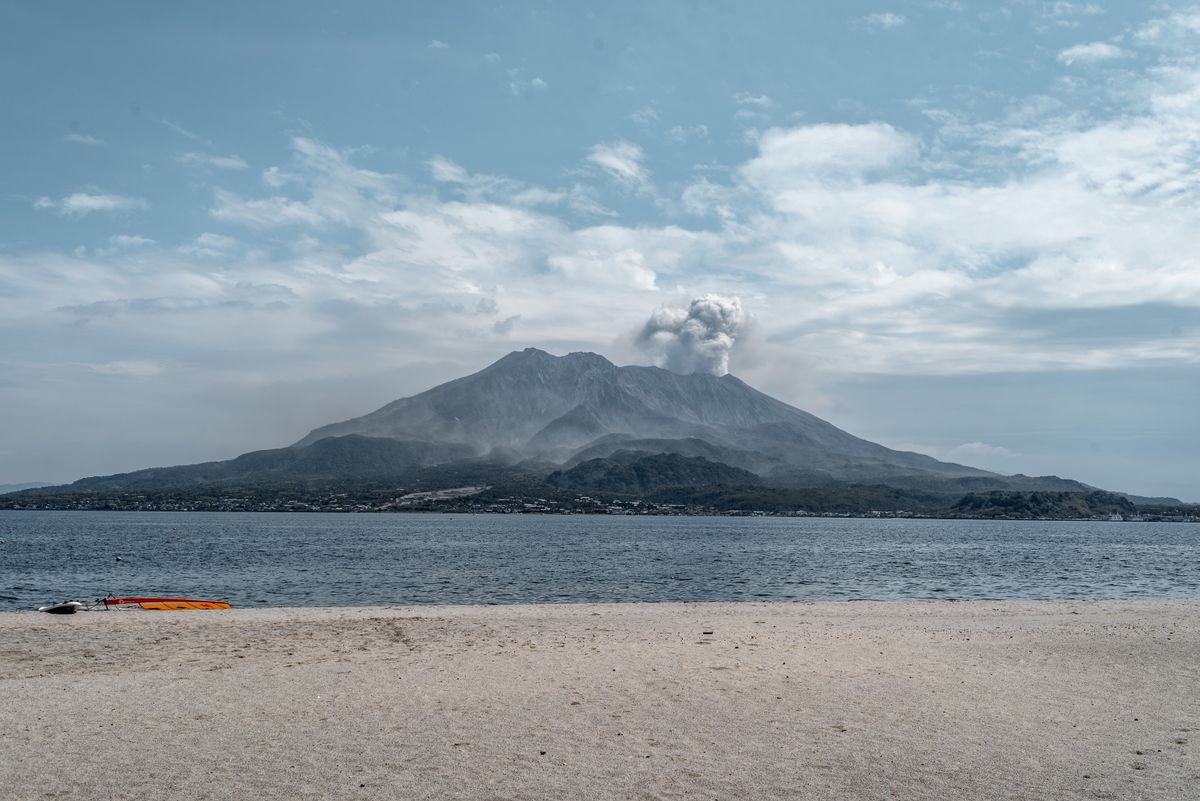
Kagoshima City has a working tram network (two lines, ¥170 flat fare) that connects the main stations, shopping districts, and the port. The Tenmonkan arcade is the commercial centre — 400m of covered shopping, restaurants, and bars that functions day and night. Hospital infrastructure is strong for a southern city: Kagoshima University Hospital and Kagoshima Medical Centre handle specialised care. Schools, including international curriculum options in the city, are available.
The sunamushi (sand bath) experience at Ibusuki's Saraku — where attendants bury you to the neck in naturally heated volcanic black sand — is not a tourist gimmick but a serious therapeutic practice recommended by dermatologists for circulatory and skin conditions. Many Kagoshima residents treat it as a seasonal health routine, not a sightseeing trip. The sand temperature is naturally 50-55°C, heated by geothermal activity below the beach.
Kagoshima's weather is the warmest in mainland Japan: typhoons track through in summer and autumn, winters are mild, and spring comes weeks earlier than in Tokyo. The subtropical classification means that gardens stay green year-round and the palm-lined streets along the waterfront are genuinely tropical in character.
Food and Drink
Kurobuta (black pork) is Kagoshima's flagship ingredient. The Berkshire-cross breed raised on local sweet potato mash produces pork with more fat marbling and a sweeter flavour than standard pig. Kagoshima produces around 40% of Japan's branded black pork, and the city's specialist shabu-shabu and tonkatsu restaurants treat it with the same care that Kobe gives its wagyu. Look for restaurants displaying the Kagoshima Kurobuta certification mark.
Imo-jochu — sweet potato shochu — is Kagoshima's contribution to Japanese drinking culture. The prefectural tradition of distilling from locally grown satsumaimo (sweet potato) dates to at least the 18th century, and Kagoshima is formally recognised as the origin of imo-jochu style. The flavour profile is earthier and more aromatic than the barley-based mugi-jochu of Oita; common in Tokyo but distinct in character from anything else. The Hamada Shuzo and Satsuma Shuzo distilleries both offer tours. Shochu bars in Tenmonkan stock hundreds of local labels.
Kagoshima's other food identity is kibinago — a small silver fish eaten raw as sashimi with a vinegared miso dip, or deep-fried as karaage. It is caught in the Kinko Bay and East China Sea and appears on almost every izakaya menu in the city. The raw version is one of those dishes that only tastes right within the prefecture — the fish does not travel well.
Culture and Heritage
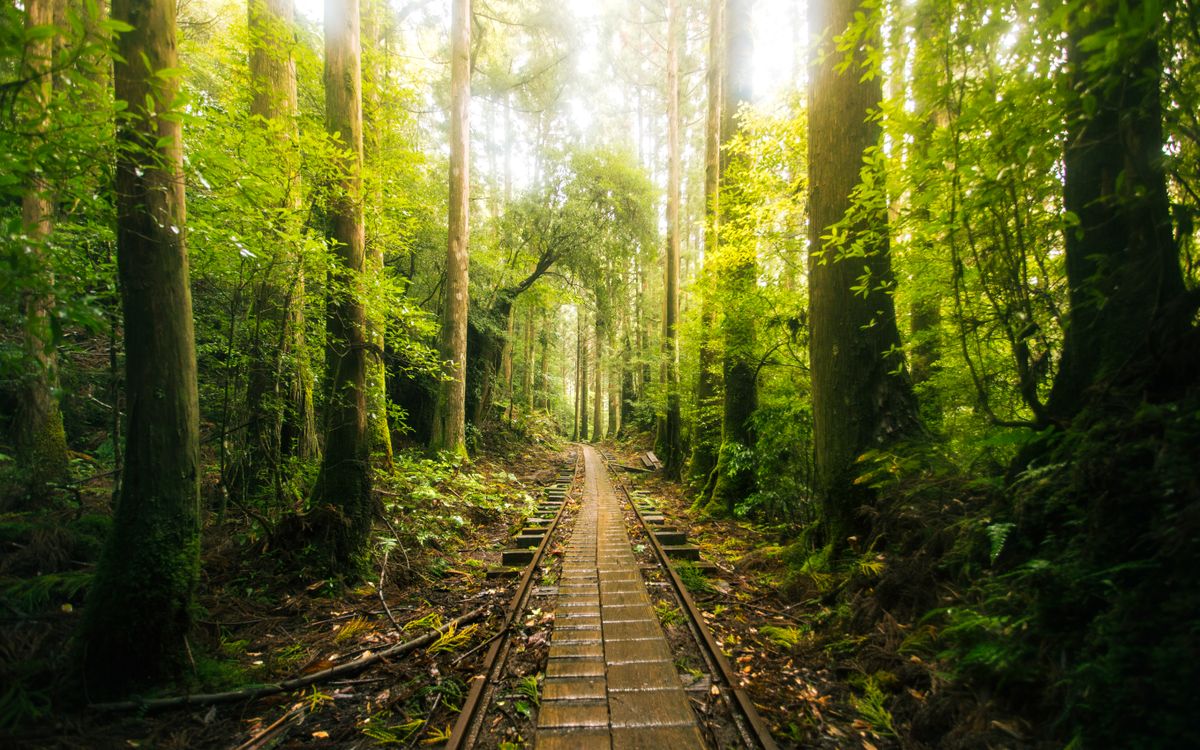
The Satsuma domain's legacy is preserved at Sengan-en — a feudal villa garden designed in 1658 to use Sakurajima and Kinko Bay as its borrowed landscape. The garden includes the original Shimadzu clan residence, a factory complex where the domain experimented with Western technology in the 1850s (glass, cotton, firearms), and a reverberatory furnace site. The Kagoshima City Museum of Culture (Reimeikan) covers Satsuma history in depth.
Yakushima is administered as part of Kagoshima Prefecture and is 40 minutes from Kagoshima Port by Toppy Jetfoil. The island's UNESCO designation covers the ancient cedar forests above 1,000m — Jomon sugi, the oldest confirmed individual tree, is between 2,170 and 7,200 years old depending on the dating method. The entire island is a study in what Japanese forest would look like without 1,200 years of agricultural clearance. Studio Ghibli's art team spent time here before production of Princess Mononoke; the moss-covered forest is unmistakably what appears in the film.
The Ohara Festival in November — one of Kyushu's largest dance festivals — brings 20,000 participants dancing the Ooharabushi and Satsuma Hantou Uta through the Tenmonkan district. The Kagoshima Kinko Bay Night Cruise runs summer evenings with views of the illuminated Sakurajima across the water.
Weekends and the Outdoors
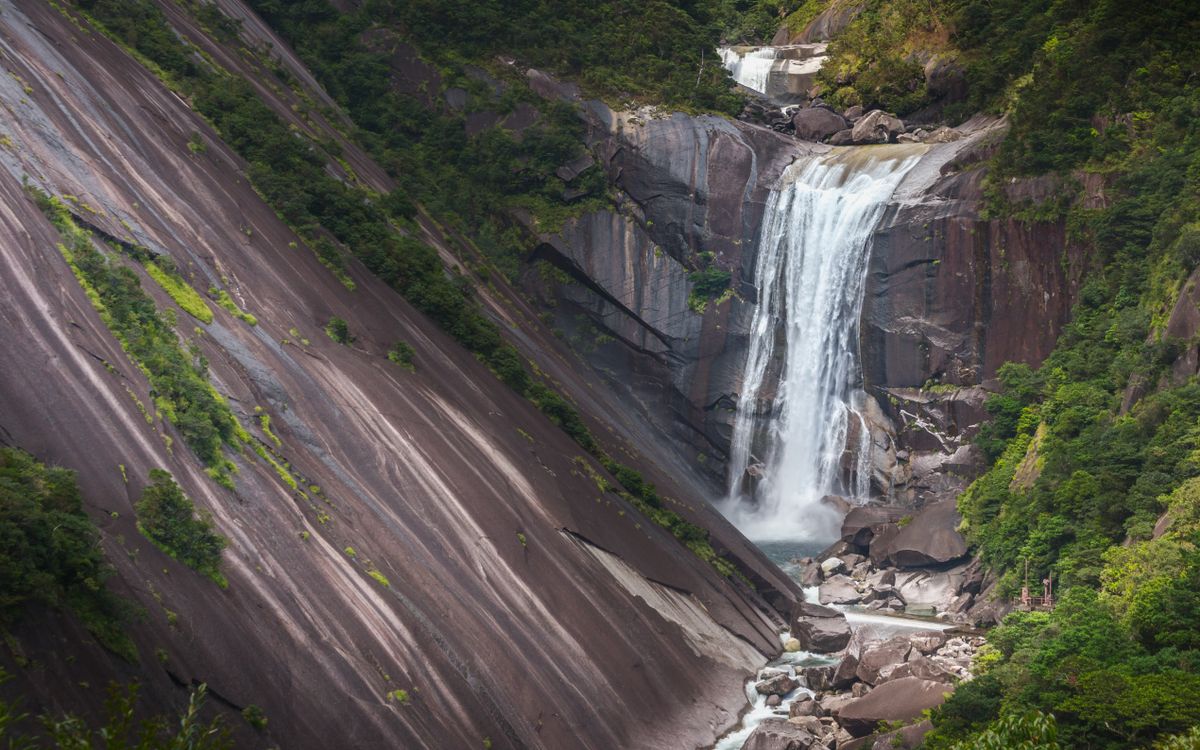
Yakushima is the obvious and correct first escape. The Yakusugi Land trail network has options from 30 minutes to 4 hours; the Jomon sugi day hike is 10 hours return and requires an early start from Miyanoura. The island also has sea turtle nesting beaches (July–August, guided tours only at night), snorkelling around Isso and Kurio points, and year-round trout fishing in the interior rivers.
Kirishima-Yaku National Park on the mainland has the Kirishima volcano range — a chain of 23 peaks including Karakuni-dake (1,700m) with crater lake views, and the ancient Kirishima Jingu shrine at the base. The Kirishima onsen district has several ryokan; the water ranges from sulphur to carbonated depending on the spring.
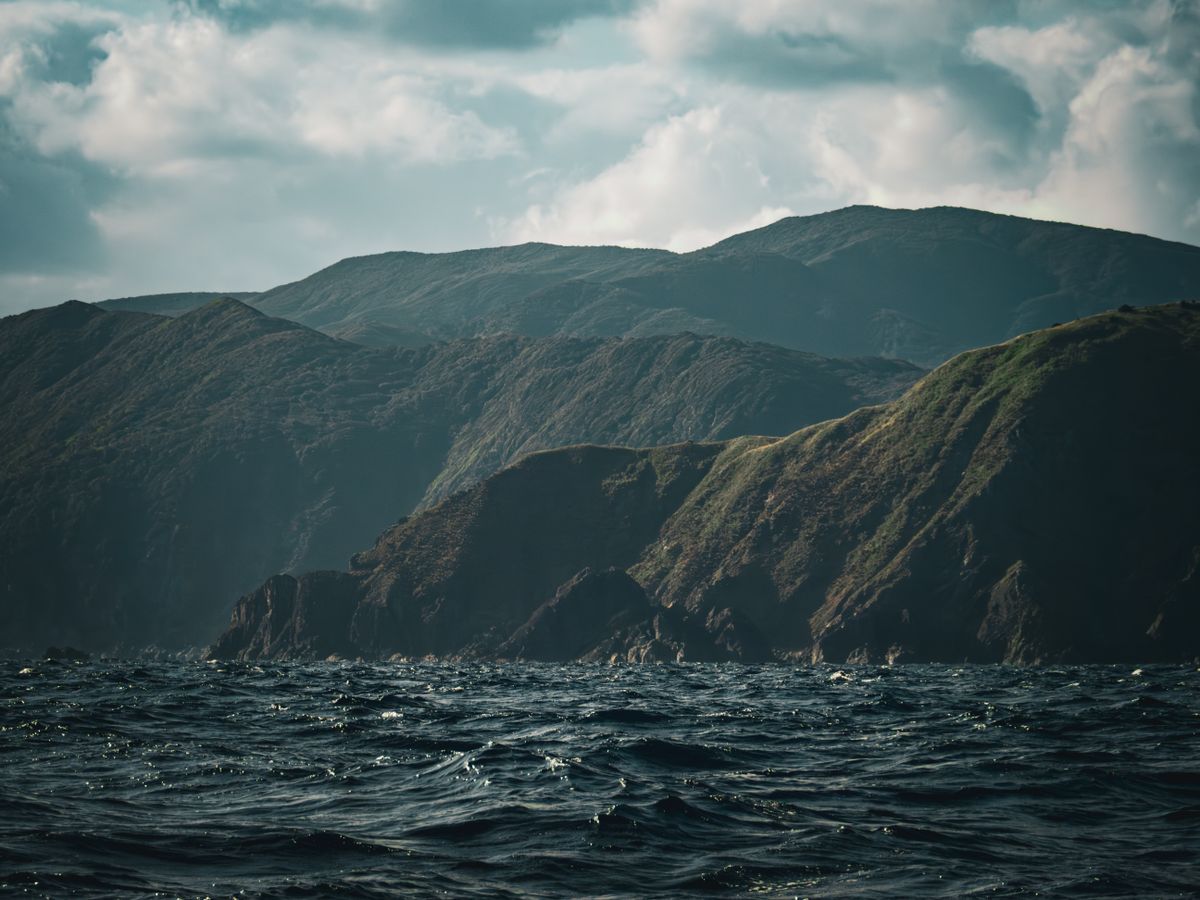
The Osumi Peninsula coast south of Kagoshima City has a dramatic landscape of volcanic cliffs, fishing villages, and the Sata Cape — the southernmost point of mainland Japan — with Cape Sata Lighthouse. The drive takes three to four hours from the city and passes through Uchinoura Space Center territory on the east coast.
Three Days In Kagoshima
A simple first-trip route
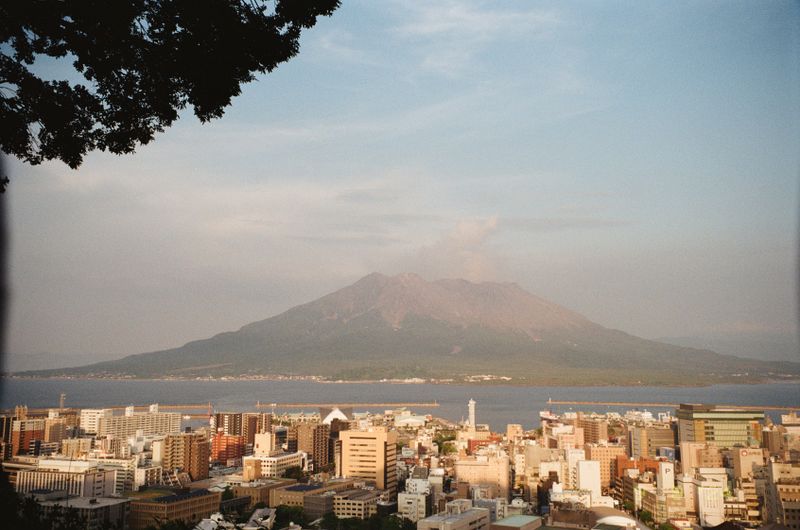
Start at Sengan-en (Iso Garden) — the 1658 Shimadzu clan villa with Sakurajima as its borrowed landscape backdrop, one of the best-maintained feudal gardens in Japan. Afternoon ferry to Sakurajima for the Yunohira Observatory. Return by evening for kurobuta dinner in the Tenmonkan arcade and shochu tasting at one of the specialist bars around Izumi-dori.
Rent a car or take the bus to Chiran (50 min south of Kagoshima City). The Bukeyashiki samurai district is best before 10am when tour groups arrive. Spend the afternoon at the Chiran Peace Museum — allow two hours, not one. Return via Ibusuki along the coast road; if timing allows, walk the sand bath area at dusk when the attendants are setting up the evening sessions.
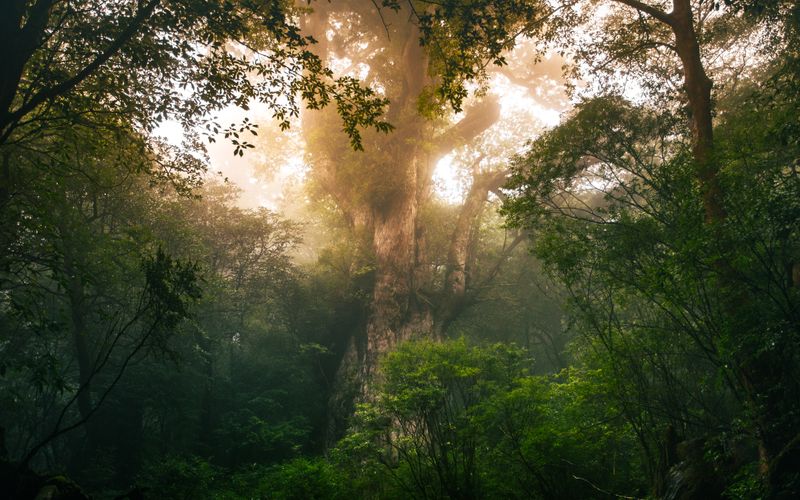
Take the 6am Jetfoil (1h50 to Miyanoura Port). Pick up a rental car or arrange the island bus. Do the Yakusugi Land 150-minute trail in the morning — the best light in the forest is before noon. Afternoon walk to Wilson Stump (a hollowed 3,000-year-old felled cedar with a heart-shaped opening in the ceiling) on the Arakawa Trail. Return Jetfoil at 5pm or stay overnight at a mountain lodge.