Japan's Oldest Porcelain, Asia's Largest Balloon Festival, and a 2,000-Year-Old Yayoi Settlement
Living in Saga
The prefecture where Japan's first porcelain was fired in 1616 — Arita-yaki ceramics shipped via Imari port to European courts — alongside the largest Yayoi-period settlement ever excavated, the Saga International Balloon Fiesta (100+ competing balloons every November), and Ariake Sea seafood from Japan's largest tidal flat.
Why People Choose Saga
Saga is the Kyushu prefecture that Tokyo residents have visited least and that Kyushu residents know best. It does not have Fukuoka's scale or Nagasaki's international profile, but it has three things that few prefectures anywhere in Japan can match: the origin of Japanese porcelain, Asia's largest balloon competition, and 23-minute Shinkansen access to Hakata opened in 2022 — which changed the prefecture's relationship with Fukuoka from distant neighbour to functional commuter zone.
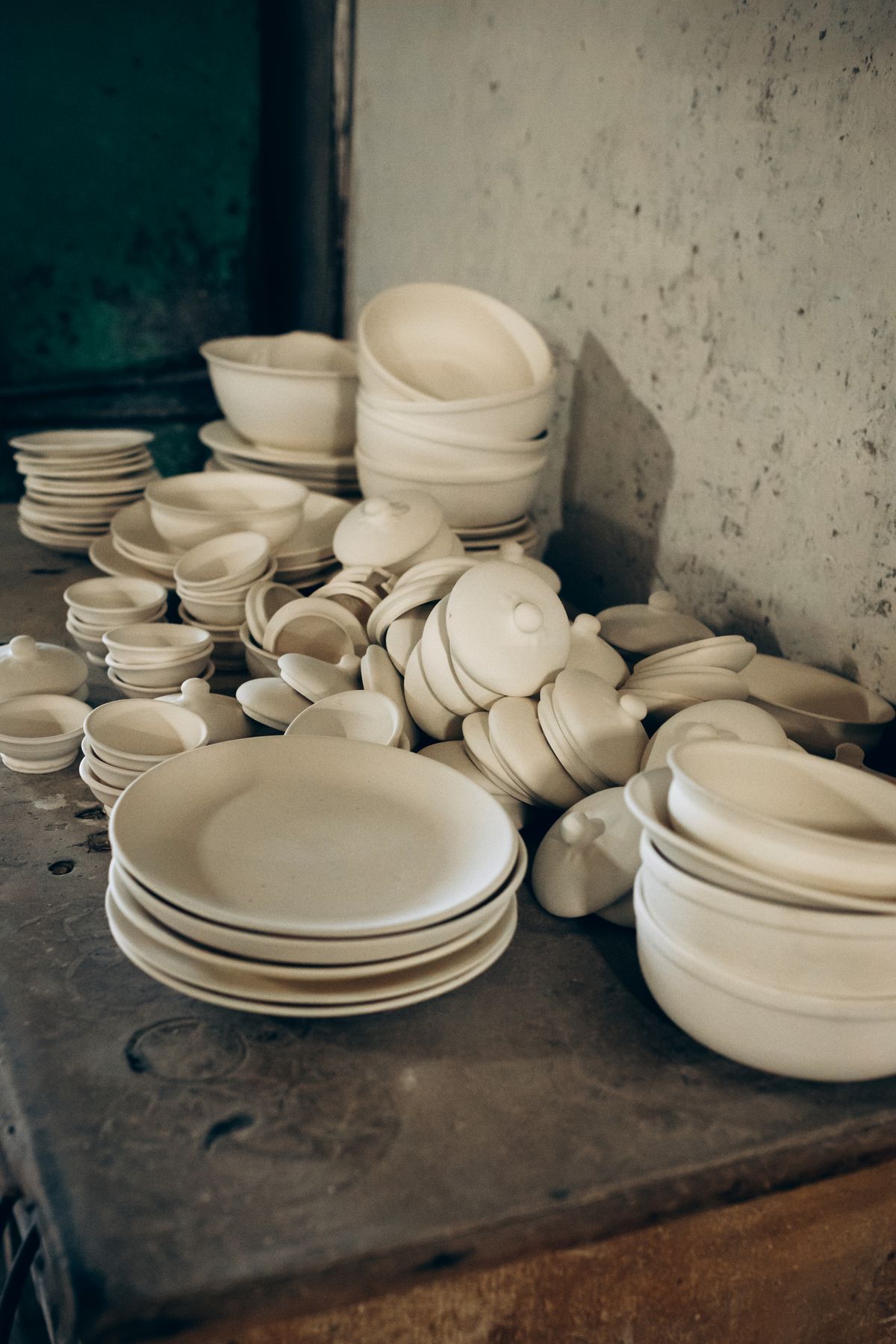
The Arita ceramics tradition is the most specific identity. In 1616, a Korean potter named Ri Sampei, working under the patronage of the Nabeshima clan, discovered a vein of the kaolin-grade clay needed for true porcelain at Izumiyama in Arita — the first in Japan. The resulting ware was exported through Imari port to the Dutch East India Company from the 1650s onward; it reached European royal collections as "Old Imari" and "Kakiemon" ware and influenced Meissen's development of European porcelain. Four hundred years later, Arita has over 100 active ceramics businesses and an annual festival that brings 800,000 visitors to a town of 20,000.
Property values here reflect the small population and underappreciated status: houses in Saga City cost a fraction of equivalent Fukuoka properties, and the Shinkansen journey to Hakata now takes less time than many within-Fukuoka commutes.
Saga City (population 235,000) is a compact prefectural capital with a slower pace than any of its Kyushu neighbours — in part because the Shinkansen passes through in a blur rather than stopping long. The city has the infrastructure for its size: Saga University Hospital, Saga Airport (direct flights to Tokyo Haneda), and enough of a city centre to function well. Residents talk about the quality of life in terms that emphasise accessibility and space over cultural density.
Saga Airport has direct flights to Tokyo Haneda (1h20). The Nagasaki Shinkansen (opened 2022) connects Saga to Hakata in 23 minutes — the first Shinkansen stop after Hakata heading west, making Saga effectively a Fukuoka commuter prefecture. The Chikuhi Line connects to Karatsu; Arita is accessible by train on the Matsuura Railway. A car opens Yoshinogari, the Ariake coast, and the Kanzaki mountain interior.
Saga City houses ¥4M–¥15M; flats from ¥2M. Karatsu coastal properties ¥3M–¥12M. Rural Ariake coast towns from ¥500K. Arita town properties ¥2M–¥8M. Saga Prefecture has among the lowest average property prices in Kyushu, reflecting the small population (810,000 — Japan's third least populous prefecture) and limited domestic demand. The Nagasaki Shinkansen connection to Hakata has begun to create upward pressure near Saga Station.
The compact capital: Sagajo (Saga Castle), Takeo Shrine, Saga Balloon Fiesta grounds on the Kase River, and the 23-minute Shinkansen to Hakata.
Sea-facing castle city: Karatsu Castle on the coast, the Karatsu Kunchi festival floats (November), the Nijinomatsubara pine forest, and Karatsu-yaki pottery tradition.
The porcelain heartland: Arita's Tozan shrine (kiln history), Imari's Okawachiyama potter's village (hidden valley of kilns), and Kyushu Ceramic Museum.
Japan's largest tidal flat: norito-mori mud surfing at low tide, fresh seafood from the Ariake fisheries, and the slow-paced fishing village culture of Shiroishi and Tara.
Where To Start
Four ways to start in Saga
The <a href="https://www.arita.jp/en/" target="_blank" rel="noopener" class="text-blue-600 dark:text-blue-400 hover:underline">Arita Ceramics Festival</a> (late April) and the <a href="https://www.kyushu-ceramic-museum.jp/en/" target="_blank" rel="noopener" class="text-blue-600 dark:text-blue-400 hover:underline">Kyushu Ceramic Museum</a> in Arita are both worth the trip from Hakata by Matsuura Railway. Tozan Shrine has a ceramic torii gate and a cemetery of old kiln tools. The Kotojiro-gama kiln and the nearby Arita Ceramics Institute offer workshop tours; the craft street between the station and the shrine has working potters with studios open to visitors year-round.
Okawachiyama is a small valley 3km from Imari Station where the Nabeshima clan established a secret kiln complex in the 17th century to protect the secret of true porcelain production. The valley has around 30 kilns today, many descended from the original families; the aesthetic here is Nabeshima-style (the luxury ware made exclusively for the shogunate, not export) rather than the blue-and-white export Imari ware. The valley is walkable in 90 minutes and has no crowds outside the major festival weekends.
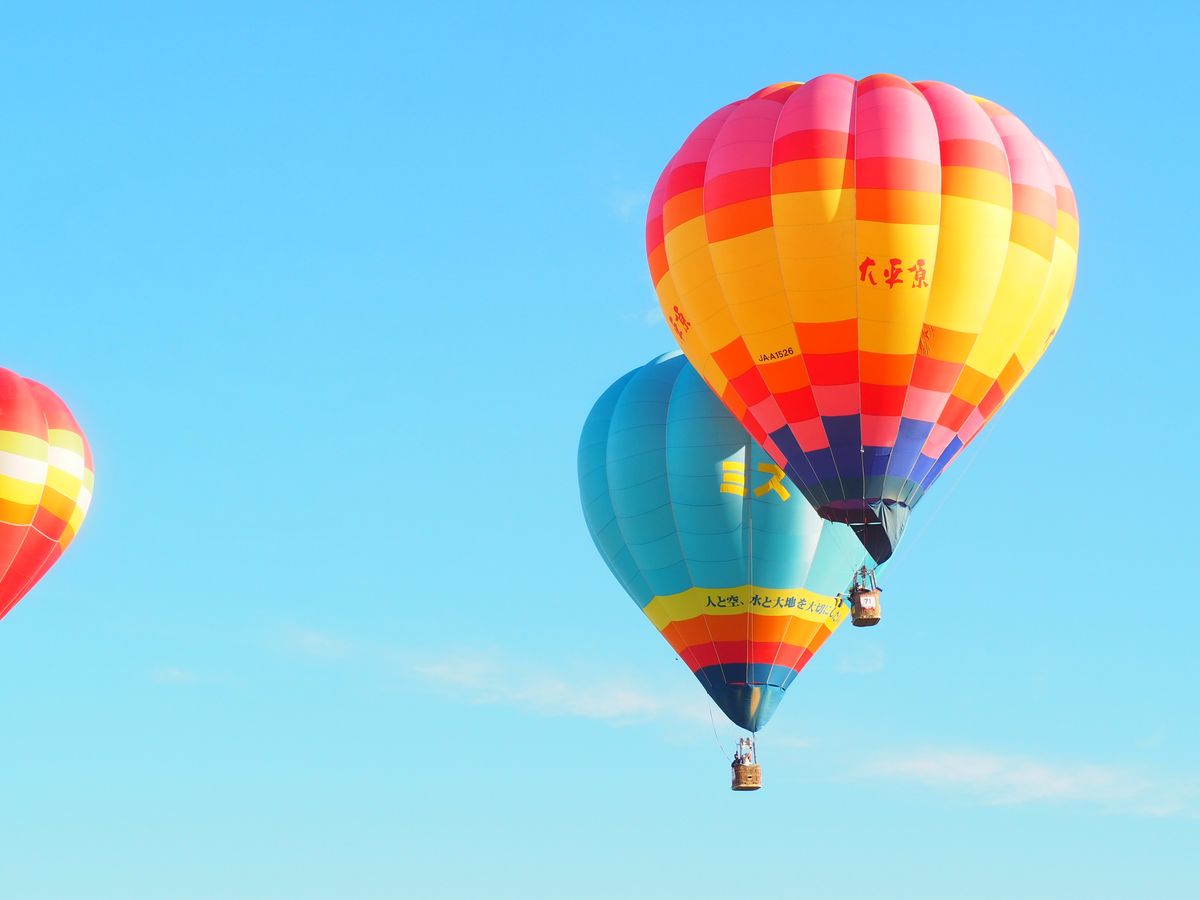
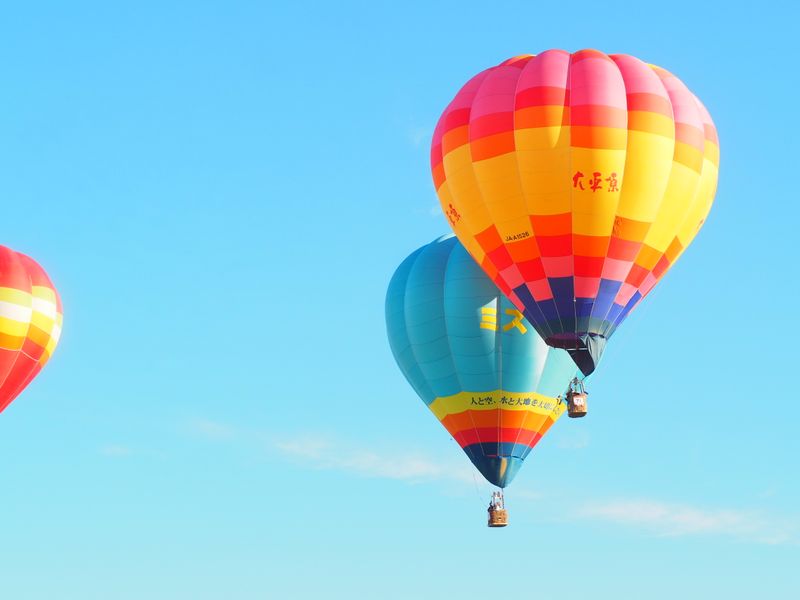
The <a href="https://www.sibf.jp/" target="_blank" rel="noopener" class="text-blue-600 dark:text-blue-400 hover:underline">Saga International Balloon Fiesta</a> takes place over four days in late October/early November at the Saga City balloon grounds on the Kase River. The competitive flights happen at dawn and dusk; the most visually spectacular event is the evening glow, where tethered balloons inflate and fire their burners simultaneously after dark. Entry is free for the event ground; the competitive balloon photography requires the early 6am flights when 70+ balloons ascend together.
The Ariake Sea has Japan's largest tidal flat — the 38-kilometre tidal range creates the conditions for specific seafood not found elsewhere: murasakiun (purple sea urchin), tachiuo (beltfish), and notably the mutsugoro (mudskipper), which is eaten raw, grilled, or in miso soup exclusively in the Ariake coastal communities. The Shiraishi town fish market (Ariake Seafood Centre) sells morning catch; the restaurants alongside serve mura-kaiseki — a locally specific multi-course format built around the tidal flat harvest.
Daily Life in Saga
Saga City is the quietest of Kyushu's prefectural capitals but not empty — the Takeo City Library (redesigned by Tsutaya CCC in 2013 and still considered one of Japan's best-designed public libraries) draws visitors from across the country and has changed the town's identity in ways that extend beyond the building itself. Saga University Medical Centre provides full hospital infrastructure. The main commercial area around Saga Station is modest but functional.
Karatsu has a stronger daily identity than Saga City — the castle above the sea, an active fishing port, the Karatsu Kunchi festival tradition that keeps the city's calendar anchored, and a surf beach at Niji-no-Matsubara that gives it the Pacific coast character that Saga City lacks. Karatsu is 50 minutes from Hakata by Chikuhi Line direct.
The Ariake coast — the prefecture's southern edge facing the Ariake Sea — is a landscape of rice paddies, fishing villages, and the huge tidal flat that emerges at low tide. The pace here is agricultural and maritime; Shiroishi town and Tara town are for people who are genuinely looking for a quiet fishing coast rather than a tourist-facing rural lifestyle.
Food and Drink
The Ariake Sea provides Saga's most distinctive seafood. The vast tidal flat — Japan's largest at 207 square kilometres — creates conditions for species found almost nowhere else in Japan: mutsugoro (mudskipper), eaten raw or grilled on skewers and served primarily in the coastal villages; nori (seaweed) of exceptional quality; and tachiuo (beltfish) pulled from the channels at low tide. The mura-kaiseki restaurant format — a multi-course meal built around whatever the tide brought that day — is specific to the Ariake coast communities.
Saga beef (Saga-gyu) is a Wagyu designation that receives less international attention than Miyazaki or Kobe equivalents but has won Japan Meat Grading Association awards for Kuroge Wagyu quality on multiple occasions. Saga City restaurants serve it at prices that reflect the prefecture's relative obscurity. The Saga Beef brand is certified through the Saga Livestock Cooperative.
Karatsu-yaki pottery is historically the most important tea ceremony ceramic in Japan — Toyotomi Hideyoshi is said to have prized it above all others, leading to the expression "first Ido, second Raku, third Karatsu." The aesthetic is deliberately rough and asymmetric compared with Arita's precise porcelain; the two traditions coexist within the same prefecture and form opposite poles of Japanese ceramic culture. Karatsu has several working kilns open for visits and purchases.
Culture and Heritage
The Yoshinogari Historical Park is Japan's most complete Yayoi-period site — 40 hectares covering an occupied settlement from 400 BC to 200 AD, including defensive ditches, burial mounds with wooden coffins, reconstructed watchtowers, a ceremonial quarter, and residential buildings scaled to archaeological evidence. The reconstruction is serious rather than folksy; the on-site museum contextualises how this period connects to the political structures that eventually became the Japanese state. The site is 25 minutes from Saga by train.
The Karatsu Kunchi Festival (November 2–4) is one of Japan's three great autumn float festivals alongside Nagoya's and Kyoto's. Fourteen Hikiyama (hikiyama-nuri) floats — enormous lacquered papier-mache constructions on wooden platforms, each representing a creature or warrior figure — are hauled through the city streets to the beach by teams of residents, accompanied by flutes and drums. The floats are housed year-round in the Hikiyama Exhibition Hall next to Karatsu Shrine.
The Saga International Balloon Fiesta in late October–November is Asia's largest hot air balloon competition — over 100 balloons from 20 countries competing in accuracy and distance events over the Kase River plain. The dawn mass ascents and evening glow shows (tethered balloons illuminating simultaneously after dark) are photographed events watched by 800,000 visitors over four days.
Weekends and the Outdoors
The Niji-no-Matsubara pine forest at Karatsu — a 3km stretch of 800,000 black pine trees planted as a windbreak 400 years ago — is one of Japan's three great coastal pine groves (alongside Miho-no-Matsubara near Fuji and Kehi-no-Matsubara in Fukui). The trees now average 25 metres and the forest floor is pine-needle carpeted; the Karatsu beach beyond is a clean Pacific-facing stretch accessible from the forest edge.
The Kanzaki Shrine and Mount Sefuri area north of Saga City provide the prefecture's best accessible hiking — the Sefuri mountain range runs along the Fukuoka border and has maintained trails from 500m to 1,076m (Sefurisan summit). The approach through Yoshinogari gives a combined history-and-hiking day without a car.
The Ariake Sea low-tide mudflat experience is genuinely unusual: at maximum ebb, the flat extends up to 5km from the shore in some areas. Norito-mori mud sliding — riding a wooden board down the mudflat behind a traditional flat-bottomed boat — is a local activity offered at the Shiroishi town agricultural park and requires neither equipment nor experience.
Three Days In Saga
A simple first-trip route
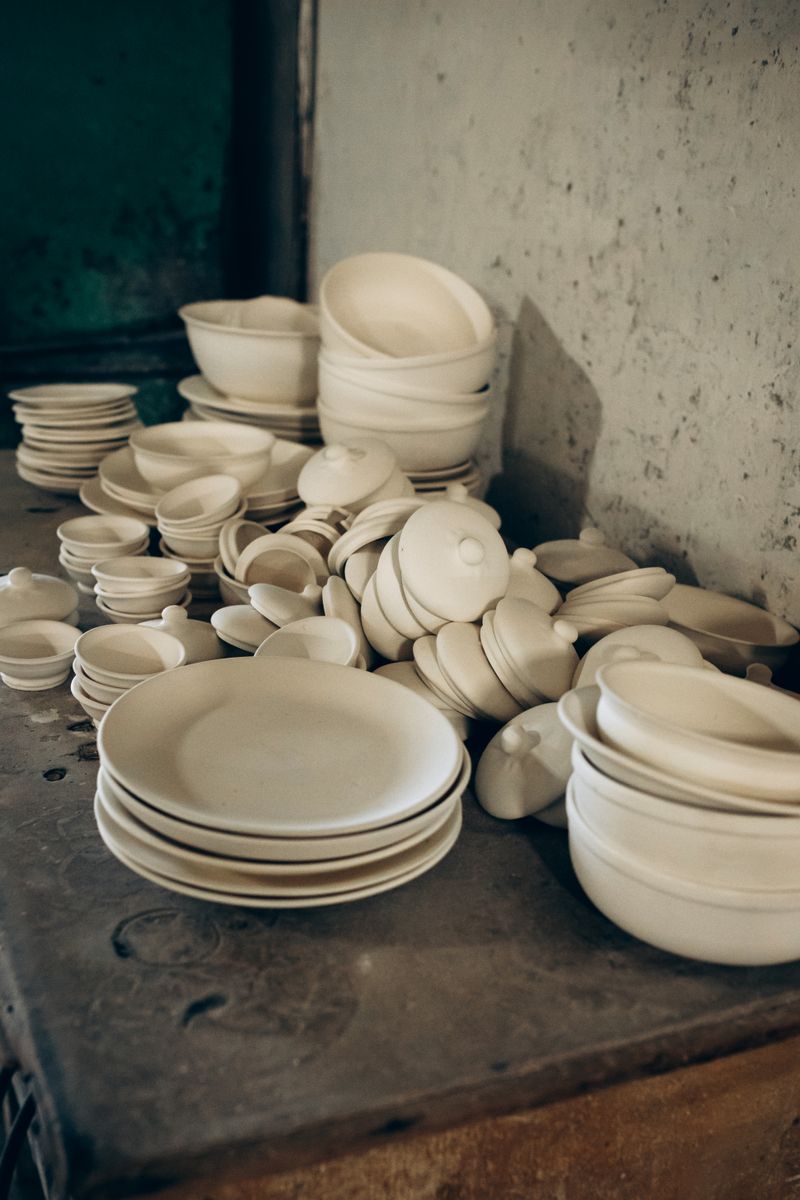
Take the Matsuura Railway from Imari or train to Arita. Start at the Kyushu Ceramic Museum for the historical context of Japanese porcelain origins (Ri Sampei, the Korean potter credited with discovering porcelain-grade clay in 1616, is commemorated at Tozan Shrine). Walk the ceramics street to Tozan Shrine and the old kiln areas. Afternoon: drive or taxi to Okawachiyama (3km from Imari) — the hidden valley of Nabeshima kilns where Japan's finest porcelain was produced for the shogunate. Dinner in Imari.
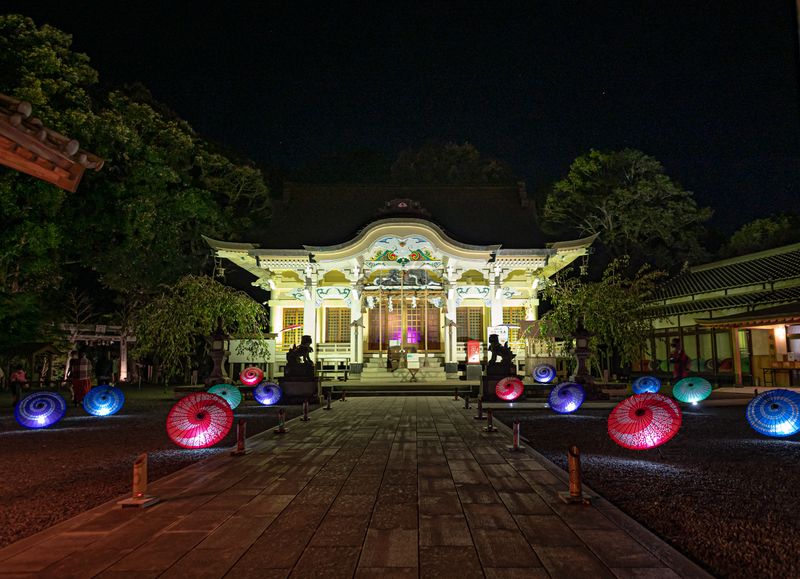
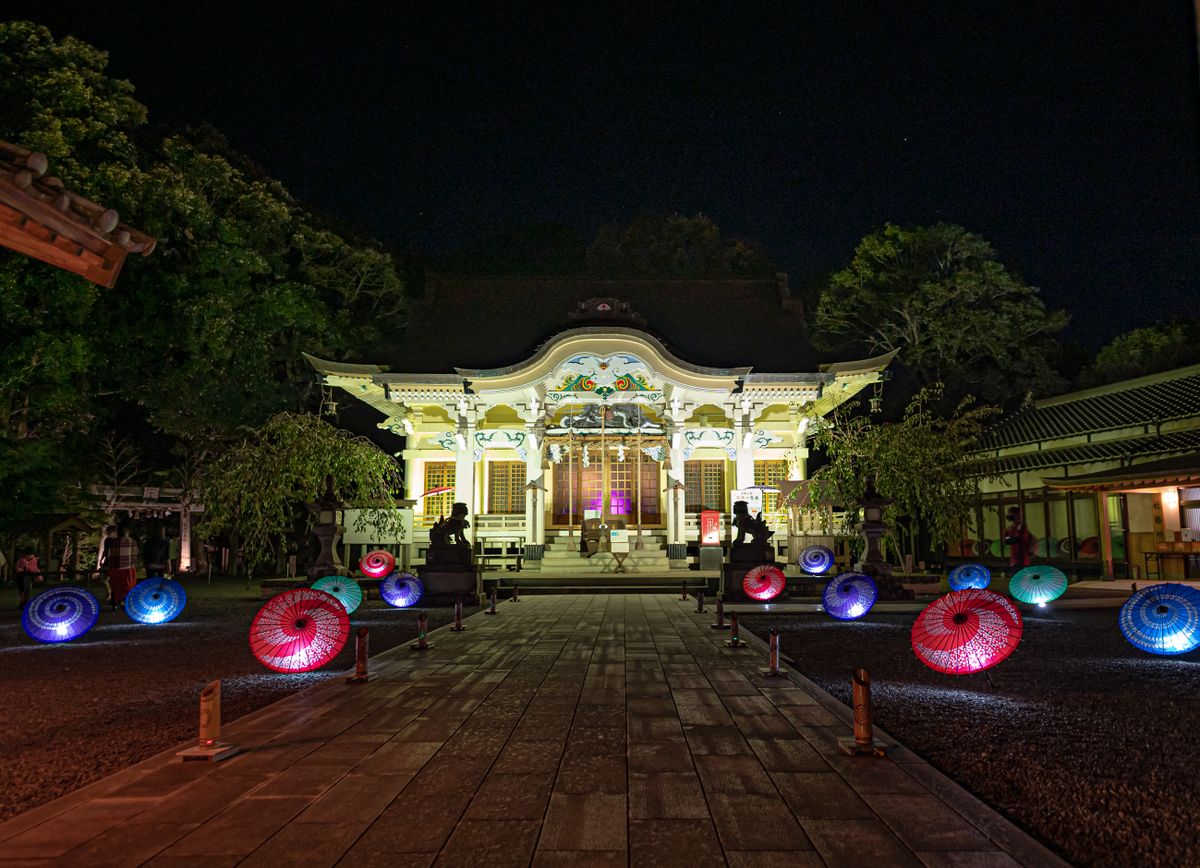
Take the JR Nagasaki Main Line to Yoshinogari-Koen station (25 min from Saga). The Yoshinogari site is Japan's largest Yayoi settlement — 40 hectares, with reconstructed watchtowers, storage buildings, ceremonial halls, and burial mounds that make 2,000-year-old daily life physically present rather than theoretical. Allow three hours. Afternoon: Saga City for Sagajo (the castle moat is intact; the reconstructed Tamonroji turret is original), and evening at Takeo Jinja — the shrine illuminated at night with coloured lanterns.
Take the Chikuhi Line to Karatsu (50 min from Hakata). <a href="https://www.karatsu-kankou.jp/en/" target="_blank" rel="noopener" class="text-blue-600 dark:text-blue-400 hover:underline">Karatsu Castle</a> (Maizuru-jo) stands on a promontory directly above the sea — the view from the keep is directly over the bay. The Karatsu Kunchi museum (open year-round) houses the 14 Hikiyama floats — enormous lacquered sculptures of a red lion, a golden sword, a sea bream — used in the November float procession. Nijinomatsubara pine forest (3km of protected coastal pine plantation planted 400 years ago) is 15 minutes from the castle by bicycle.