
Japan's Largest Dance Festival, Tidal Whirlpools, and the Most Isolated Valley in the Country
Living in Tokushima
A prefecture that hosts one million festival attendees over four days every August, where ocean whirlpools form twice daily at a tidal strait, and where a river gorge in the mountains was so isolated it developed its own distinct dialect, architecture, and culture.
Why People Choose Tokushima
Tokushima has a paradox at its core: one of Japan's most famous annual festivals (the Awa Odori) and one of its least-known permanent landscapes (the Iya Valley) occupy the same prefecture, drawing very different types of visitors and residents. The festival is urban, communal, and temporally concentrated — four days in August when the city becomes a continuous outdoor performance. The valley is the opposite: permanent, isolated, and requiring deliberate effort to reach.
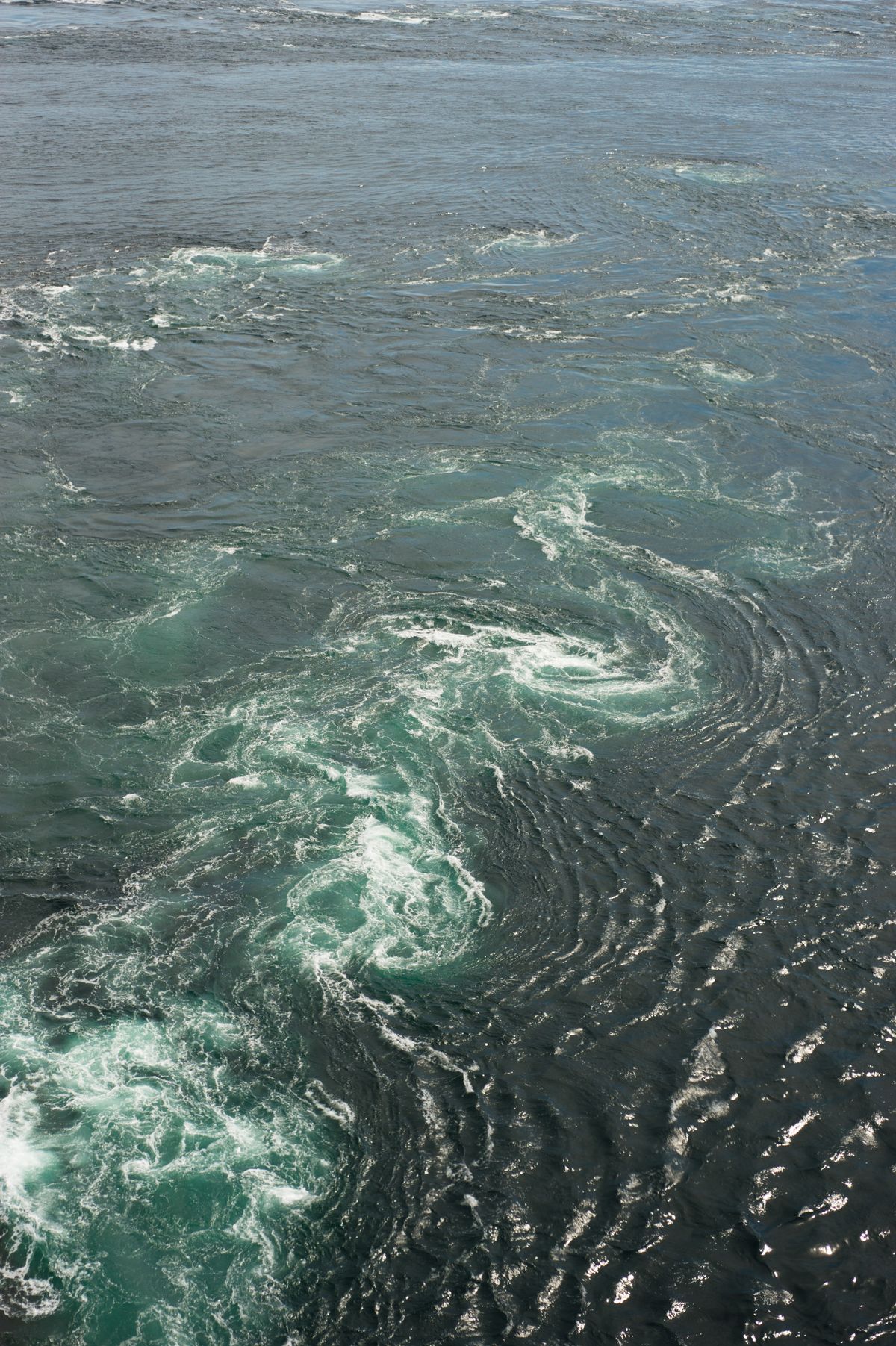
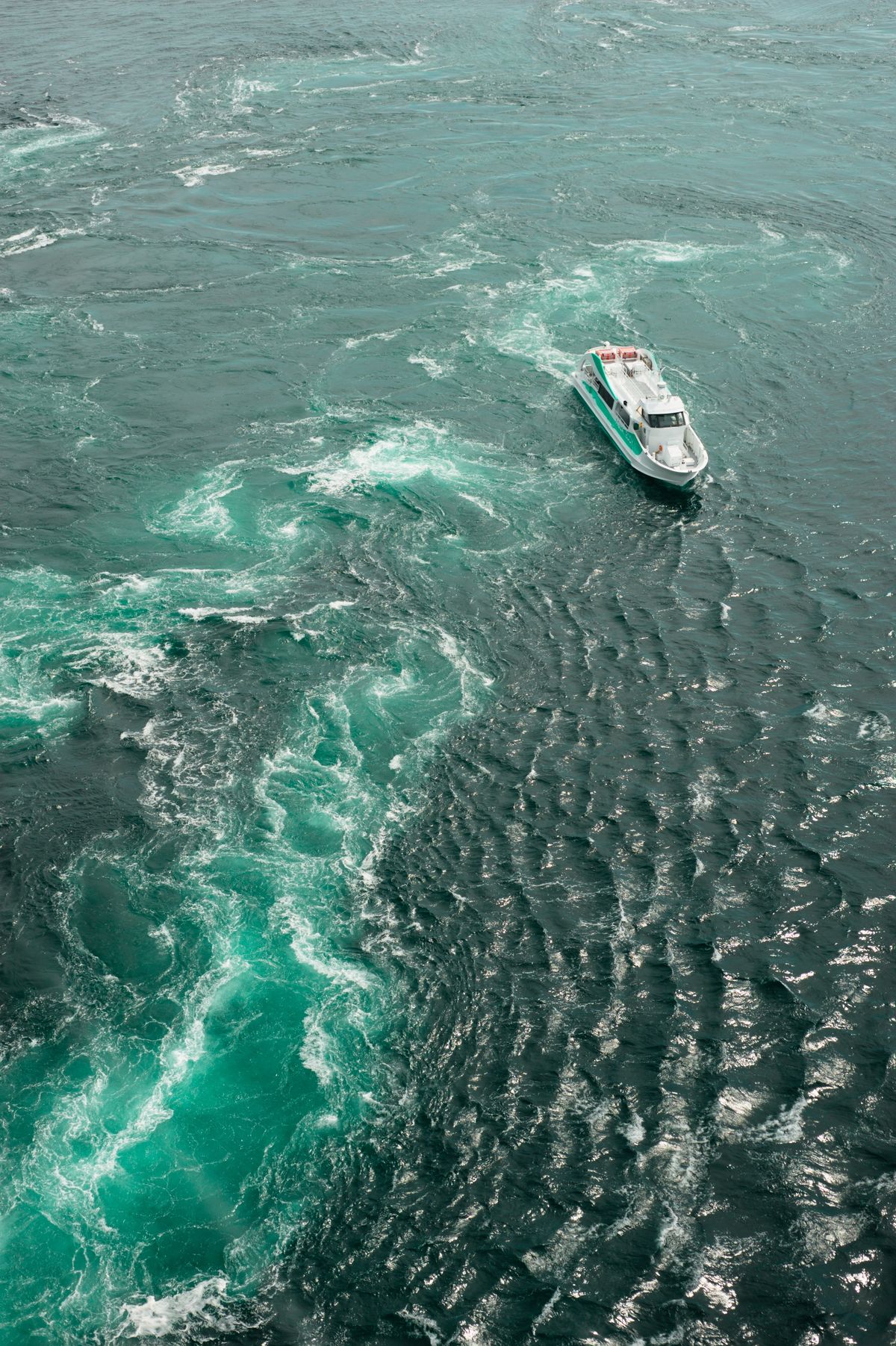
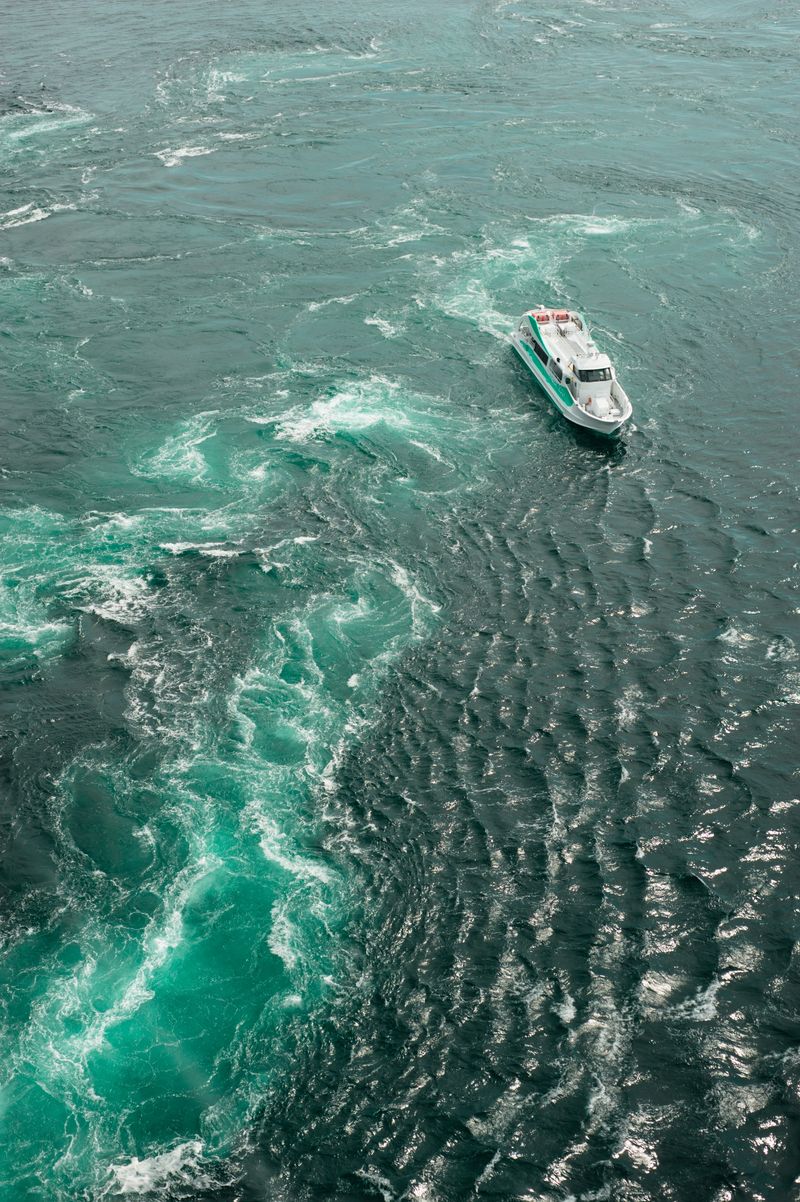
The Naruto whirlpools are a daily natural phenomenon within 30 minutes of the prefectural capital — an extraordinary proximity that means residents can watch the tidal current produce 20-metre whirlpools at the Naruto Strait on any day that the tide is right. The Otsuka Museum of Art is also in the Naruto area — the world's largest ceramic tile reproduction museum, where the Sistine Chapel ceiling has been rebuilt at full scale in a dedicated hall.
Property-wise: Tokushima is among the cheapest prefectures in Japan for traditional rural properties. The Iya Valley has a significant stock of traditional thatched and cedar farmhouses on steep land, some available at nominal prices but requiring complete renovation. The coastal plain and Yoshino River valley have accessible lower-priced properties within commuting range of Tokushima city. Proximity to Osaka via the Naruto-Awaji expressway (about 2.5 hours) gives the prefecture an edge over other Shikoku prefectures for buyers who need occasional Kansai access.
Tokushima city (population 250,000) is the prefectural capital — smaller than Matsuyama or Takamatsu, with a distinct identity around the Awa Odori as the organizing principle of the city's year. The Tokushima tram (Tokushima Electric Railway) covers the city corridor. Outside the city, the prefecture divides into the coastal plain and the Yoshino River valley (flat, agricultural, accessible) and the Iya Valley mountain area (steep, remote, car-only, genuinely isolated). The population has been declining steadily; the Iya Valley villages have particularly low populations and significant akiya stocks.
Tokushima Airport connects to Tokyo (1h05) and Osaka. JR Kotoku Line connects Tokushima to Takamatsu (1h05). The Naruto Strait bridge (Onaruto Bridge) connects to Awaji Island and from there to Osaka via expressway (about 2.5 hours to Osaka by bus). The Iya Valley requires a car — buses are infrequent and services have been cut. The Otsuka Museum of Art is accessible by bus from Naruto station.
Tokushima city apartments ¥2M–¥8M; houses ¥3M–¥12M. Naruto/coastal area ¥2M–¥10M. Iya Valley properties from ¥200K–¥3M for traditional farmhouses with land — some of the lowest prices for habitable traditional properties in Japan, reflecting the isolation and renovation requirements. Yoshino River valley towns ¥1M–¥6M.
The Awa Odori capital: a mid-sized city that spends 11 months a year preparing for and recovering from August, with good transport links to Osaka and the Naruto area.
The tidal strait town: whirlpool boat tours, the Otsuka Museum of Art (world's largest ceramic art reproduction museum), and quick access to Awaji Island and Osaka via bridge.
The isolated mountain gorge: vine bridges, traditional farmhouses, onsen, and a landscape unchanged for centuries. Extremely remote by Japanese standards; the properties are the most dramatic in Shikoku.
The rafting and outdoor corridor: whitewater on one of Japan's best rafting rivers, flat cycling routes along the levees, and accessible towns between the mountains and the city.
Where To Start
Four ways to start in Tokushima
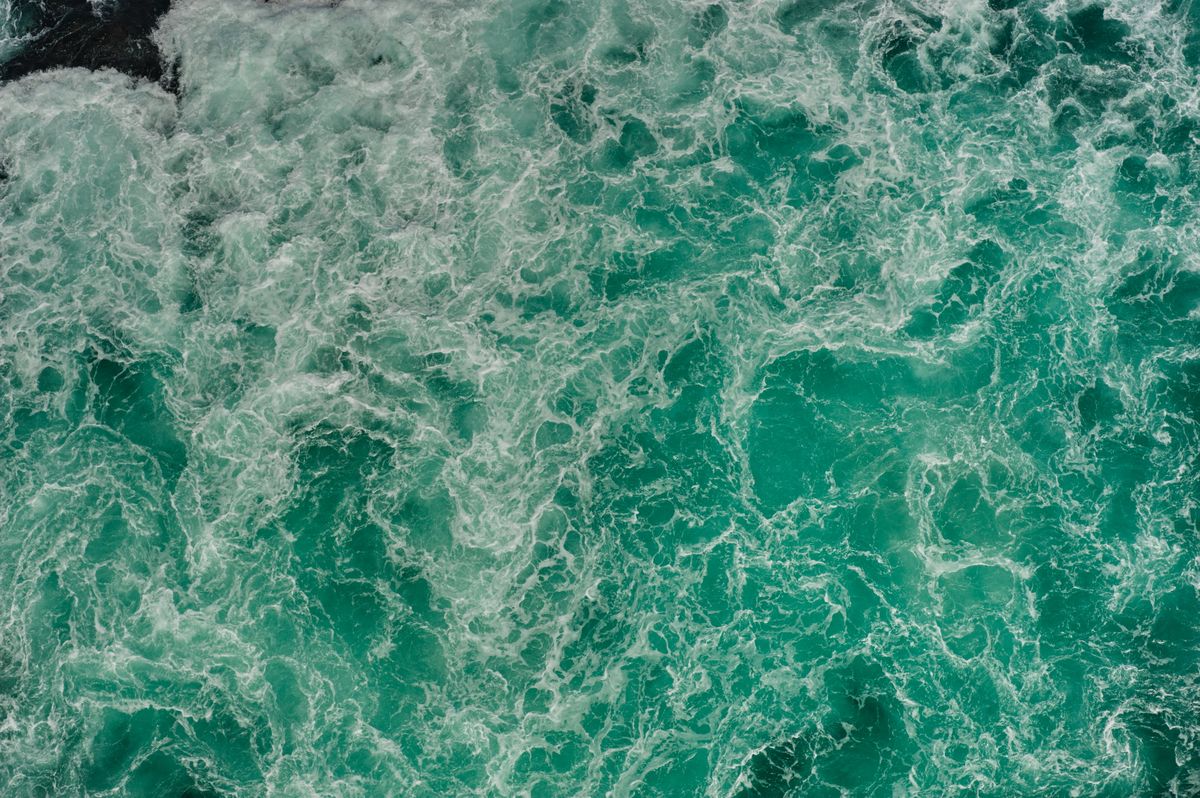
The <a href="https://www.uzushio-kisen.com/en/" target="_blank" rel="noopener" class="text-blue-600 dark:text-blue-400 hover:underline">Uzushio sightseeing boats</a> depart from Naruto port twice daily at peak tidal flow — timing changes with the tidal calendar, published monthly. The boat passes directly through the current at the moment of maximum formation; the whirlpools at peak reach 15-20 metres in diameter and rotate visibly for 10-15 seconds before dissipating. A glass-floored boat option allows viewing from directly above. The Onaruto Bridge walkway (45 metres above the strait) provides an aerial view but the boat gives the more visceral experience.
The Kazurabashi (vine bridge) over the Iya River in Nishi-Iya is a reconstruction of a type of bridge that once crossed the valley throughout — woven from the mountain wisteria vines (shirakuchikazura) and rebuilt every three years. The bridge sways and the slats are deliberately gapped. Come before 8am when the entrance fee applies and the valley mist is still in the gorge. Above the valley, <a href="https://www.kazurabashi.co.jp/" target="_blank" rel="noopener" class="text-blue-600 dark:text-blue-400 hover:underline">Iya no Kazurabashi</a> operates an accommodation complex in a restored thatched farmhouse.
<a href="https://o-museum.or.jp/en/" target="_blank" rel="noopener" class="text-blue-600 dark:text-blue-400 hover:underline">The Otsuka Museum of Art</a> in Naruto houses 1,000+ Western masterworks reproduced at full scale on ceramic tiles — the Sistine Chapel ceiling (reproduced at original dimensions in a dedicated hall), Monet's Water Lilies series in a room designed to match the Orangerie, El Greco's View of Toledo, and complete altarpiece panels from medieval European churches. The reproductions are technically exact — made from photographic analysis of the originals, kiln-fired for permanence, and installed in purpose-built architectural environments. Allow 3 hours minimum. The museum occupies five basement floors cut into a hillside above the Naruto Strait.
The Awa Odori's most democratic feature is that anyone can join the "niwaka ren" (impromptu group) — a designated team for unaffiliated visitors that performs on the main streets during the festival. No costume required; the basic step (right hand and right foot forward together, then left together — unlike normal walking where opposite limbs move) takes about five minutes to learn. The <a href="https://www.awanavi.jp/en/" target="_blank" rel="noopener" class="text-blue-600 dark:text-blue-400 hover:underline">Awa Odori Kaikan</a> in Tokushima city offers daily training sessions throughout the year in the basement dance hall — the only place to learn the steps before the festival.
Daily Life in Tokushima
Tokushima city (population 250,000) is organized around the Yoshino River, the Bizan mountain behind the city, and the Awa Odori calendar. The city's character outside August is noticeably quieter than its reputation would suggest — a mid-sized regional capital with a covered shopping street (Shinmachi), a tram connecting the station and waterfront, and the Awa Odori Kaikan where year-round training sessions and performances run for residents and visitors alike.
The Awa indigo dyeing tradition — Tokushima was Japan's primary indigo producer for three centuries — has experienced a modest revival, with young craftspeople re-establishing aizome workshops in the city and the Yoshino valley. The deep navy blue of authentic Awa indigo (suou) is a specific local product; dyeing workshops and fabric shops operate in several parts of the city.
In the Iya Valley, daily life is determined by geography. Roads are narrow, often single-lane with passing bays, and follow river gorge contours that make driving slow. The community that remains — several hundred permanent residents in the main valley settlements — maintains the rice terraces, the onsen, and the thatched farmhouse architecture that has made the valley internationally known. New residents in the Iya Valley tend to come with specific intentions: restoration projects, agricultural work, or the deliberate choice of extreme rural isolation.
Food and Drink
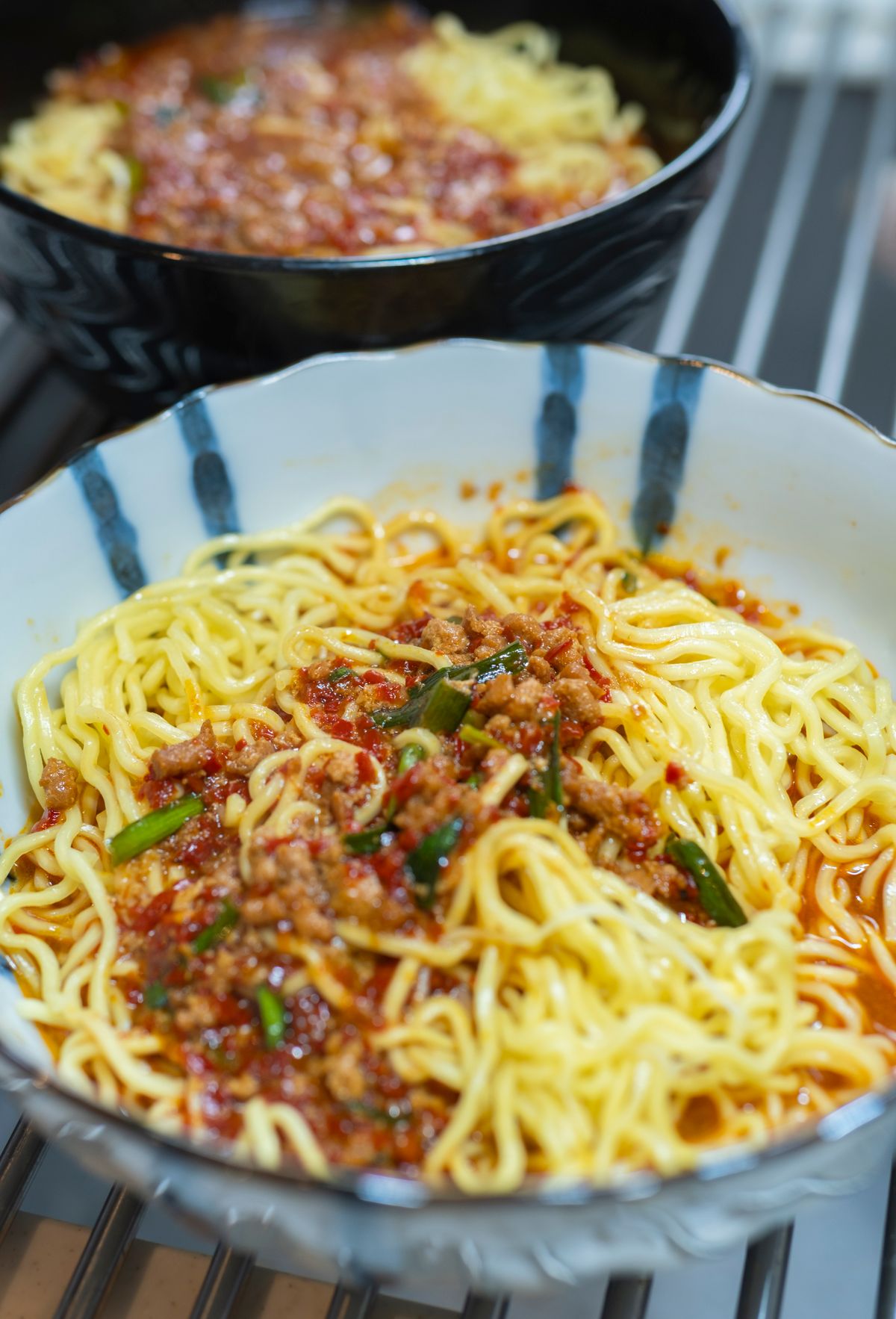
Tokushima ramen is one of Japan's most distinct regional ramen styles — brown pork-bone broth clouded with soy tare (tare), topped with braised pork belly, bean sprouts, green onion, and a raw egg cracked directly into the hot soup at service. The egg cooks slowly in the broth as you eat. The broth's depth comes from a longer pork bone reduction than most tonkotsu styles; the soy addition gives it a darker color and more aggressive savory note than the creamy white tonkotsu of Fukuoka. The defining establishments (Inotani, Tokyoken) are in Tokushima city; the style is not well-known outside Shikoku, which makes eating it here feel genuinely local.
Sudachi citrus is Tokushima's most specific agricultural product — a small, tart citrus squeezed over sashimi, grilled fish, and noodle dishes in the same way other regions use lemon or yuzu. Tokushima produces over 90% of Japan's sudachi crop; the season peaks September–November. Unlike yuzu (which is mostly used processed), sudachi is used fresh and immediately — the juice oxidizes quickly. At restaurants in Tokushima, a small dish of fresh-cut sudachi halves is a normal condiment.
Iya soba — buckwheat noodles from the mountain valley — is made in small quantities at farmhouses and specialist restaurants in the Iya Valley, using local buckwheat and mountain spring water. The noodles are thicker and more irregular than the refined soba of Tokyo; the dipping broth uses dried mushrooms from the valley forest. Iya-style jibuni (stew with root vegetables and mountain vegetables) accompanies the soba at traditional farmhouse restaurants.
Culture and Events
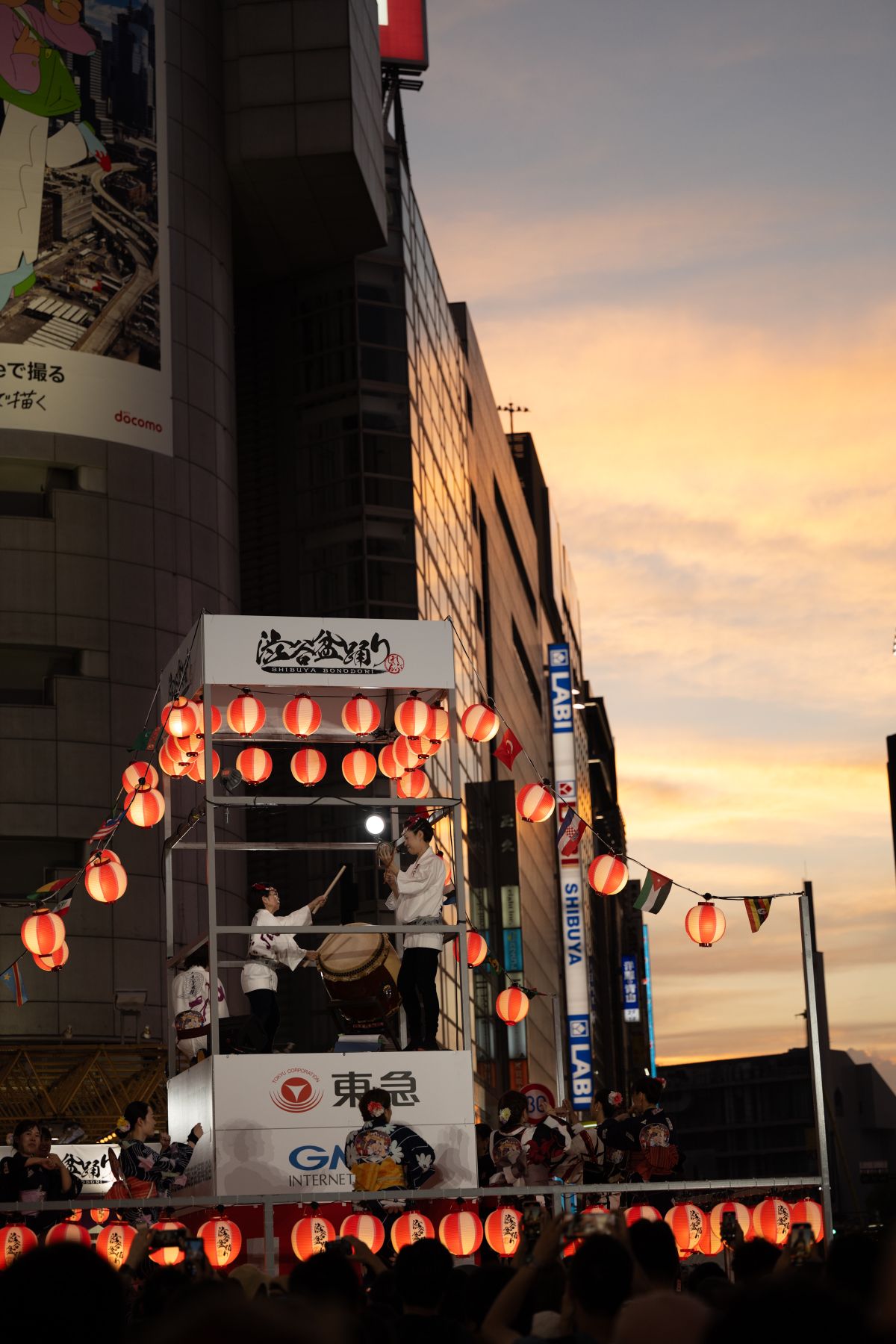
The Awa Odori Festival (August 12-15) is the most democratic of Japan's great festivals — the philosophy encoded in its founding song is that participation requires no skill, no preparation, and no membership in any group. 100,000 registered dancers from 1,000+ ren (teams) perform in designated venues and on the open streets; the "niwaka ren" (impromptu group) accepts anyone who shows up and wants to dance. The basic step is accessible in minutes. The music — shamisen, taiko drum, shinobue flute, and kane bell — follows a specific Awa Odori rhythm. Female dancers move in a tilted gliding step with arms raised; male dancers crouch lower with a more earth-bound posture. Both use naruko (wooden clappers) in the hands.
Awa Indigo (Awa Ai) is Tokushima's historic craft tradition. The prefecture was Japan's primary indigo producer from the 16th to 19th centuries — the Awa domain's lords controlled the crop and the Edo distribution network, making the region wealthy. The deep navy blue of authentic Awa indigo (produced from the sukumo fermentation process) is visually distinct from synthetic indigo; it develops depth with washing rather than fading. Working aizome workshops operate in Tokushima city; the Awa Dyeing and Weaving Research Institute documents the full production process.
The Tsurugi-san pilgrimage — Tsurugi-san being the second-highest mountain in Shikoku at 1,955 metres — draws hikers and Buddhist pilgrims from across Japan. The mountain is sacred in the Shugendo mountain ascetic tradition; the summit shrine dates from the Nara period. Ropeway access (summer only) reaches partway up the mountain; the full trail from the Iya Valley takes 4–5 hours. The mountain hosts a significant "sacred tree" old-growth forest that has never been logged.
Weekends and the Outdoors
The Iya Valley is Tokushima's primary outdoor destination and requires a full day minimum — the approach road from Oboke (JR station, 1h from Tokushima city) to the vine bridges takes 40 minutes by car through hairpin bends above the gorge. The Oboke Gorge boat tour runs spring to autumn from Oboke pier — a 30-minute circuit through the marble canyon where the Yoshino River has cut a path through blue-grey limestone and white marble boulders. The emerald green water color is consistent with the marble substrate.
Yoshino River rafting is one of Japan's best commercial whitewater experiences — the river drops through technical Class III–IV sections above Oboke from April to October. Rafting operators in the Miyoshi area run full-day and half-day trips; no experience required, minimum age typically 10–12. The same section is used for kayak touring at lower water levels.
The Naruto area offers a full-day itinerary beyond the whirlpools: the Otsuka Museum of Art (full 5 floors: 3–4 hours), the Onaruto Bridge walkway (glass-floored observation passage 45 metres above the strait), and the Awa Jurobe-yashiki puppet theatre museum in Tokushima city, where ningyo joruri (bunraku puppet theatre) — the art form that originated in the Awa domain in the 17th century — is performed daily for visitors. Awa bunraku uses oversized puppets (1.5m) operated by single puppeteers rather than the three-person teams of Osaka bunraku.
Three Days In Tokushima
A simple first-trip route
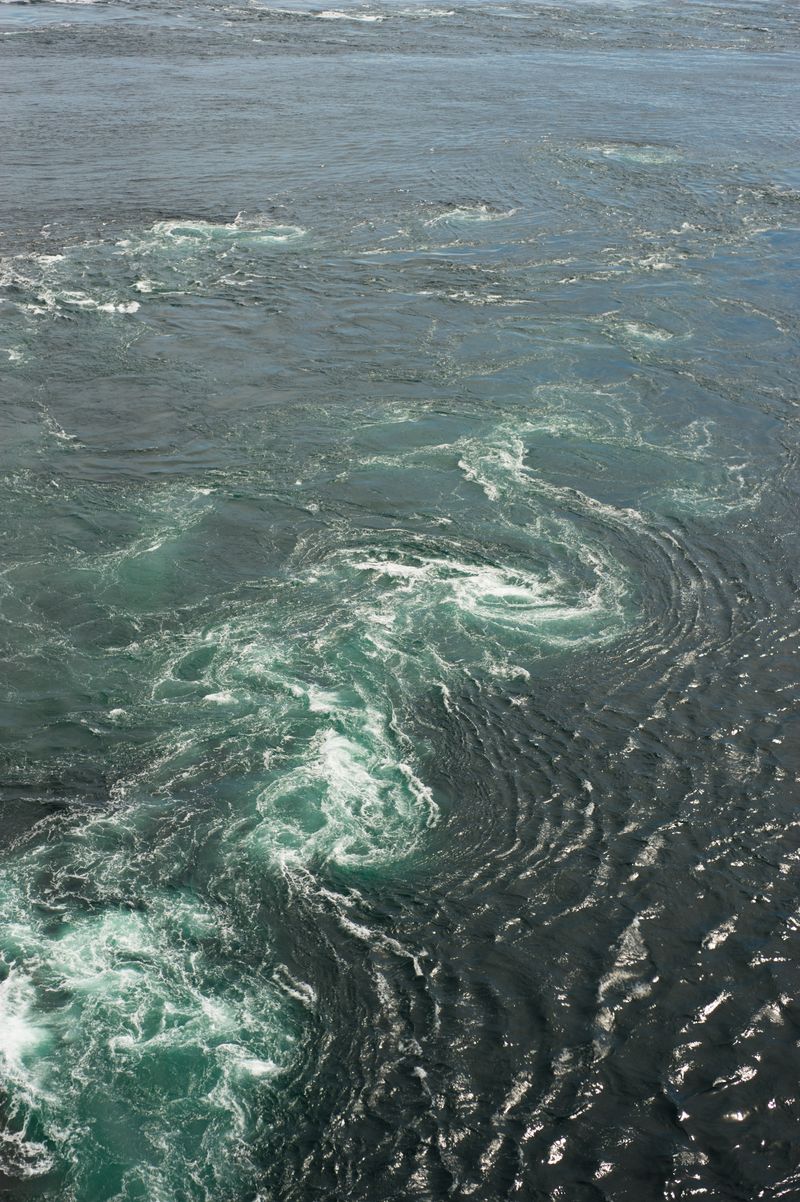
Arrive Tokushima (flight or bus from Osaka). Drive or take the bus to Naruto (30 minutes north of Tokushima city). Morning: check the tidal schedule and take the Uzushio boat tour at peak whirlpool formation — the boat leaves from Naruto Kanko Port and passes through the strait at current. Afternoon: Otsuka Museum of Art (allow 3 hours for the main circuit: Sistine Chapel hall, the Monet Nymphéas room, the Greek and Roman section). The museum does not close at 5pm sharp — last entry is 4pm. Evening back to Tokushima city for Tokushima ramen (brown tonkotsu-soy broth, raw egg added to hot soup).
Drive west from Tokushima city along Route 32 following the Yoshino River (about 90 minutes to Nishi-Iya). The valley narrows progressively; the gorge walls become vertical. Stop at the Kazurabashi vine bridge (arrive early morning for mist and no crowds). Continue upstream to Higashi-Iya for the double vine bridges (Oku-Iya Futakazu Kazurabashi) and the aerial gondola (a single-person car on a hand-pulled wire) that crosses the gorge at Tsurugi-san trailhead. Return via the Oboke Gorge — the emerald-green marble canyon through which the Yoshino River runs before flattening into the valley. Boat tours through the gorge run from Oboke pier.
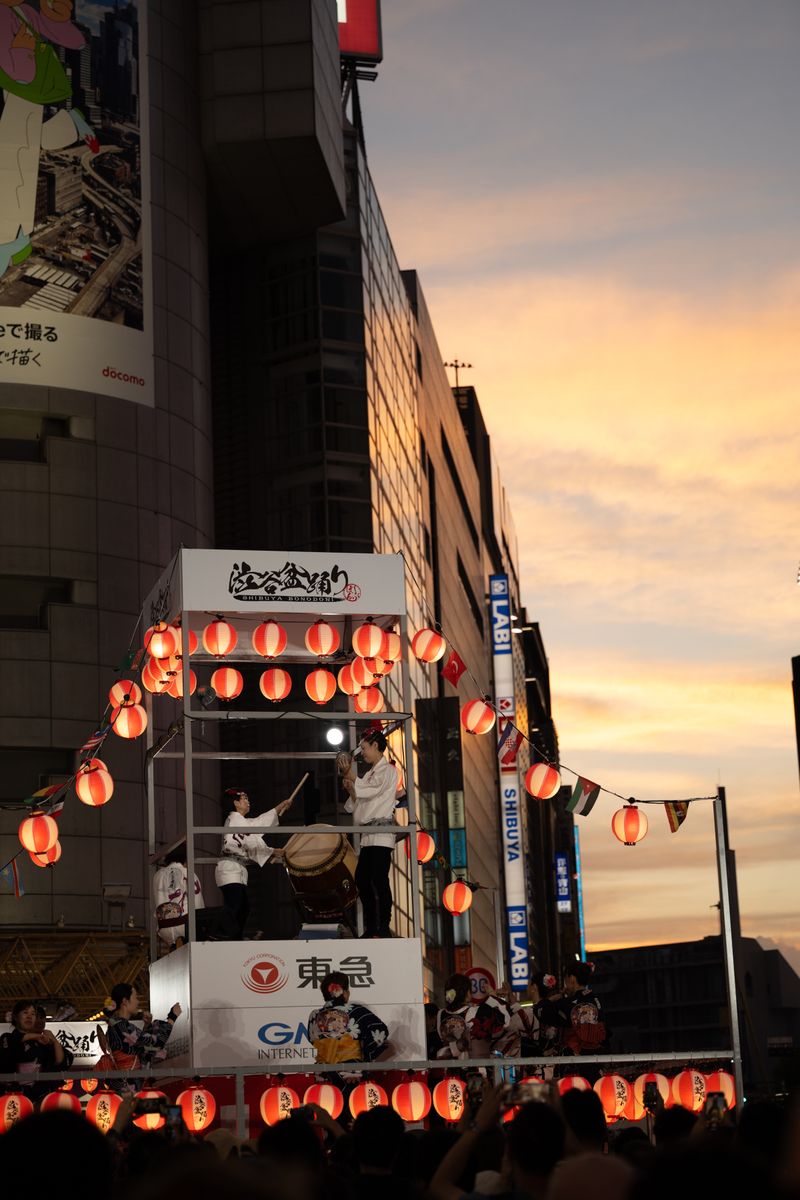
Return to Tokushima city. Morning: Awa Odori Kaikan — the dance museum and performance hall where Awa Odori teams perform daily shows and the basement training hall teaches the basic step. The rooftop offers views of the Yoshino River valley and the Bizan mountain behind the city. Midday: walk Shinmachi River canal and the Heiwa park bridges. Afternoon: the Tokushima Prefectural Museum in the castle ruins, which covers the Awa domain history and the distinctive indigo dyeing (Awa indigo, the source of the dark navy blue in traditional kendo wear and boro textiles) that was Tokushima's primary export for 300 years.