
Koyasan's Mountaintop Temples, the Kumano Kodo Pilgrimage, and Japan's Finest Tuna
Living in Wakayama
A prefecture anchored by two of Asia's most significant sacred landscapes — Koyasan's 117 mountaintop temples and the 1,000-year-old Kumano Kodo pilgrimage network — alongside Shirahama's white-sand beach, Japan's second-largest tuna port, and the country's most celebrated umeboshi plums.
Why People Choose Wakayama
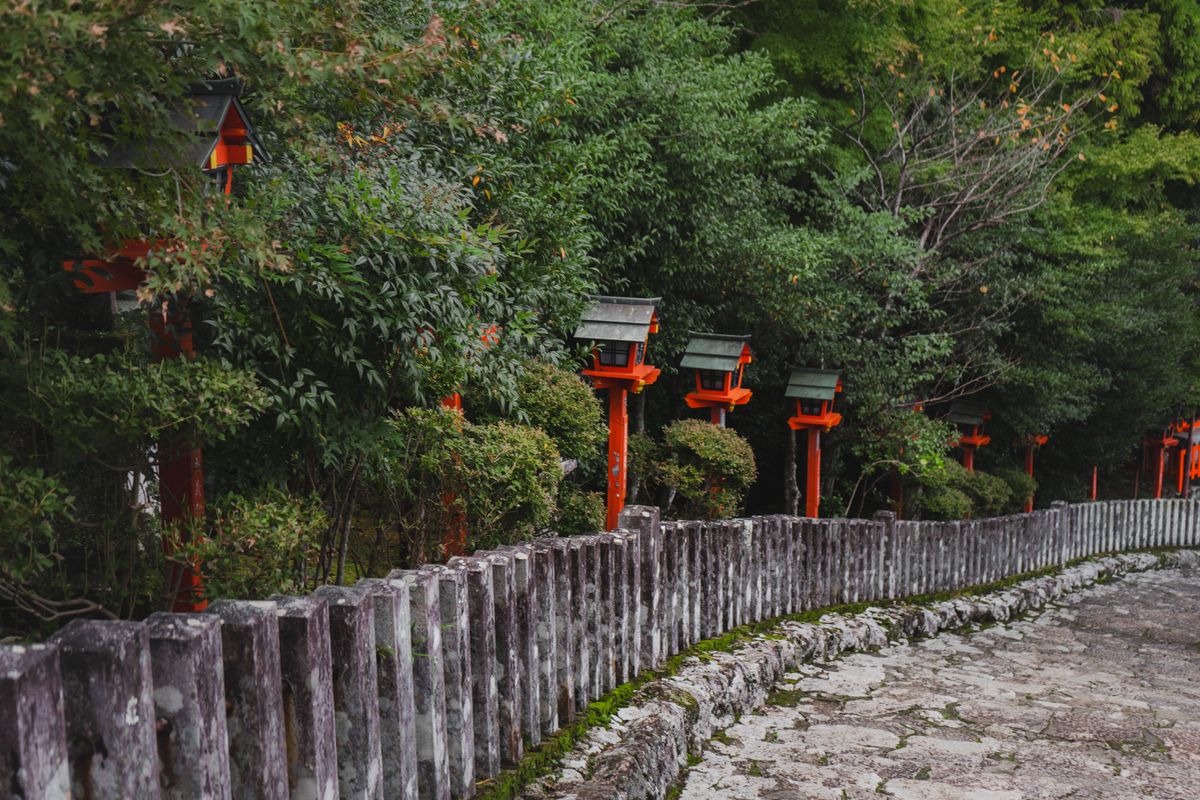
Wakayama is one of the most genuinely distinctive prefectures in Japan — not because of a single landmark but because it contains two of the most significant sacred landscapes in Asia, both operating continuously and both of a scale that requires multiple days to experience properly. This is not a prefecture that reveals itself in a day trip from Osaka.
Koyasan (高野山) is the headquarters of Shingon Buddhism, a mountaintop plateau at 900m containing 117 temples established since 816 AD when Kobo Daishi (Kukai) chose the site. More than 50 temples operate as shukubo — overnight lodgings where visitors sleep in tatami rooms, eat Buddhist vegetarian cuisine (shojin ryori), and attend morning services. Okunoin cemetery, at 200,000 graves the largest in Japan, is traversed on foot through 2km of ancient cedar forest to the mausoleum of Kobo Daishi himself — still revered as present, not dead, by Shingon adherents.
The Kumano Kodo pilgrimage network connects Koyasan to three Kumano Grand Shrines (Kumano Sanzan) via trails walked continuously since the Heian period. It is the only pilgrimage route in the world to share UNESCO status with Spain's Camino de Santiago — and the physical and spiritual weight of the two landscapes together make Wakayama one of the most consequential destinations in Japan for anyone interested in where the country's culture comes from.
Wakayama City (population 360,000) is the prefectural capital with full urban services — hospitals, universities, shopping, and fast rail connections to Osaka in 80 minutes on the Kinokuni line. Koyasan is a mountain community at 900m elevation — a small monastic town where life runs to temple schedules and the rhythm slows considerably. Shirahama is a beach-and-onsen resort town, quieter outside July–August. The Kumano region (Shingu, Tanabe, Nachikatsuura) is more rural, with smaller populations and a lifestyle tied to the sea and the pilgrimage industry.
Wakayama City is 80 minutes from Osaka-Namba on the Nankai line, or 50 minutes from Osaka on the Hanwa line. Koyasan is reached by Nankai Koya line from Namba to Gokurakubashi, then cable car (about 90 minutes total). The Kumano region is served by the JR Kinokuni line — the Kuroshio limited express connects Shingu to Osaka in around 3.5 hours. A car is strongly recommended for anyone living in the Kumano valleys or along the rural coast south of Shirahama.
Wakayama City properties run ¥5M–¥18M for town houses. Shirahama resort-area homes ¥8M–¥25M. Rural Kumano properties — particularly renovatable machiya and farmhouses — are among the most affordable in the Kansai region, starting below ¥2M with renovation costs on top. Koyasan's shukubo economy makes it a community unlike any other in Japan; residential properties are rare and typically held within temple families.
The prefectural centre: Wakayama Castle, good transport links to Osaka, full medical and commercial infrastructure, and a functioning city life at significantly lower cost than the neighbouring Kansai metros.
Japan's best white-sand beach on the Kansai coast, backed by a hot-spring (onsen) district. A resort town with established tourism infrastructure and a year-round resident population. Good base for day trips along the Kumano coast.
The gateway city for the Kumano Kodo and base for the Kumano Travel organisation. Quieter, strongly traditional, and increasingly popular with pilgrimage tourism operators and rural lifestyle buyers.
A fishing port town directly below Nachi Falls and the Kumano Nachi Taisha shrine. Home to Japan's second-largest tuna market. Property is cheap; the location is extraordinary.
Where To Start
Four ways to start in Wakayama
More than 50 of Koyasan's 117 temples accept overnight guests in shukubo lodgings. The standard format: tatami-mat rooms, shojin ryori (Buddhist vegetarian meals) with tofu, sesame, mountain vegetables, and miso — then pre-dawn morning prayers in the main hall with monks. The <a href="https://www.shukubo.net/eng/" target="_blank" rel="noopener" class="text-blue-600 dark:text-blue-400 hover:underline">Koyasan Shukubo Association</a> handles bookings in English. Walk Okunoin cemetery to the mausoleum of Kobo Daishi after dark, when the 200,000 graves are lit by stone lanterns — one of the most atmospheric experiences in Japan.
The Nakahechi is the most-walked of the Kumano Kodo's five main routes — a 70km path from Tanabe to Kumano Hongu Taisha through cedar forests, mountain passes, and small villages. Individual sections can be walked in half-day or full-day segments. <a href="https://www.kumano-travel.com/en/" target="_blank" rel="noopener" class="text-blue-600 dark:text-blue-400 hover:underline">Kumano Travel</a> offers English-language baggage forwarding and accommodation booking — a practical resource for first-time walkers.
Nachikatsuura's Maguro no Sato market opens early morning when the tuna fleet lands. The port supplies bigeye tuna (mebachi maguro) to sushi restaurants across the country; at the source, it is both excellent and considerably cheaper than Tokyo. The covered market near the port sells cuts, sashimi sets, and donburi to eat on the spot. The viewing platform above the port gives a view of the unloading process during peak season.
Nachi no Taki — 133m tall, 13m wide — is best seen in early morning from the Seigantoji Pagoda viewpoint before the first tour buses from Shingu and Katsuura arrive around 9am. The vermillion three-story pagoda framed against the falling water is among Japan's most photographed images. From the pagoda, a 30-minute uphill walk through cedar forest reaches the inner precinct of Kumano Nachi Taisha, where the falls are venerated as a kami (deity).
Daily Life in Wakayama
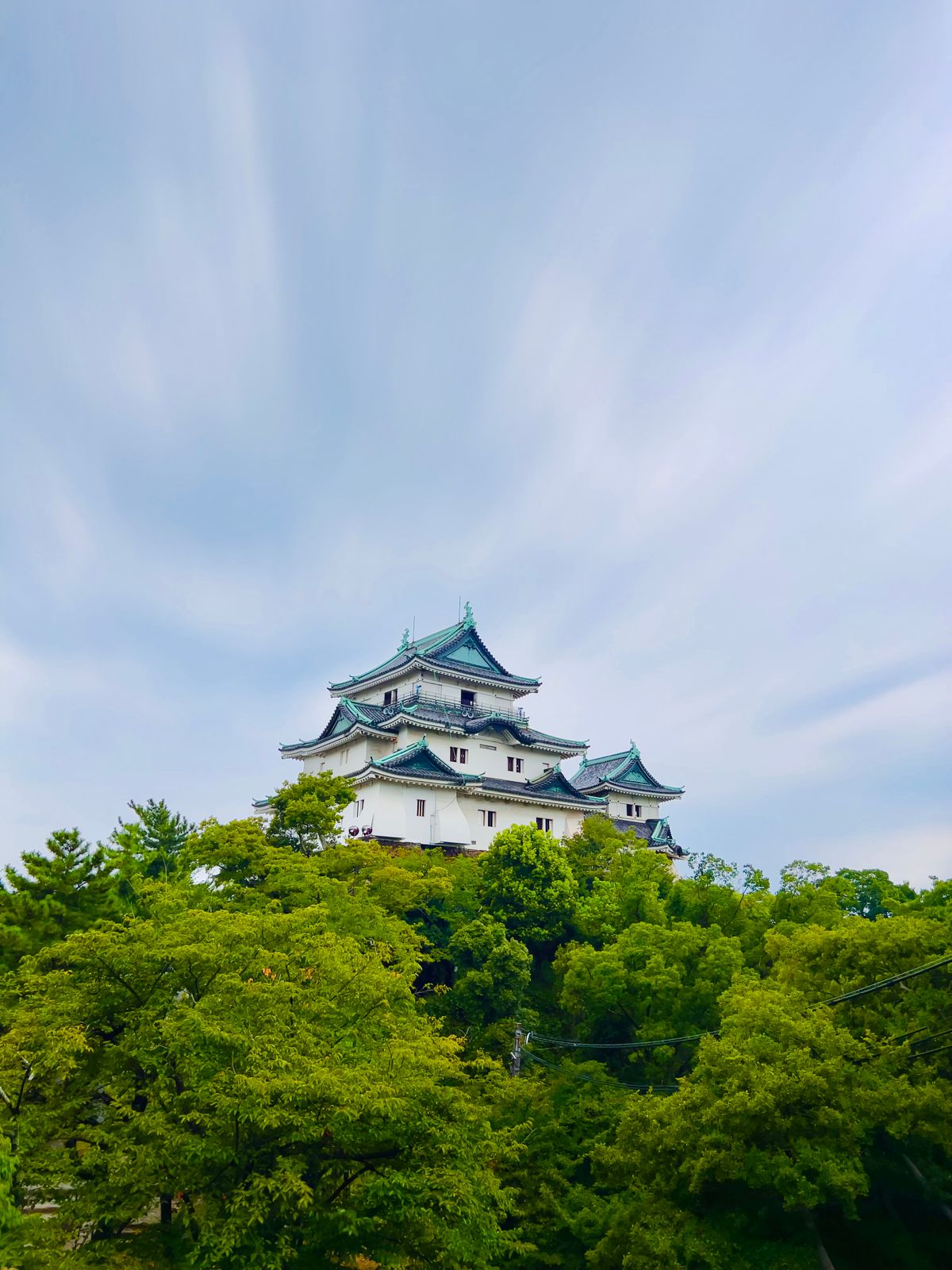
Wakayama City is a conventional mid-size Japanese city (population 360,000) with a functioning urban infrastructure — hospitals, universities, a castle, and direct rail access to Osaka in 80 minutes. It is not a tourist-dominated place. The city's primary draw is value: property prices run 35–45% below comparable Osaka-commutable towns, and the prefecture's connection to Kansai's broader economic network is well-established.
Shirahama operates differently — it is a coastal resort town where the local economy runs on tourism from July through September, hot-spring hotels that operate year-round, and a small permanent residential population that values the beach access and slower pace. Shirahama's onsen are technically open-air coastal hot springs (sotoyu), with several public bathhouses built directly on the rocks above the ocean — a practical combination of natural setting and town infrastructure.
The Kumano region — Nachikatsuura, Shingu, Hongu — is rural in a way that Wakayama City and Shirahama are not. The towns are small, the economy is a mix of fishing, forestry, and pilgrimage tourism, and the pace is deliberately slow. Mikan (mandarin orange) orchards and umeboshi (pickled plum) cultivation fill the slopes between the settlements; Wakayama produces more mikan per capita than any other prefecture in Japan, and Kishu nanko-ume from Minabe is the highest quality umeboshi designation in the country.
Food and Drink
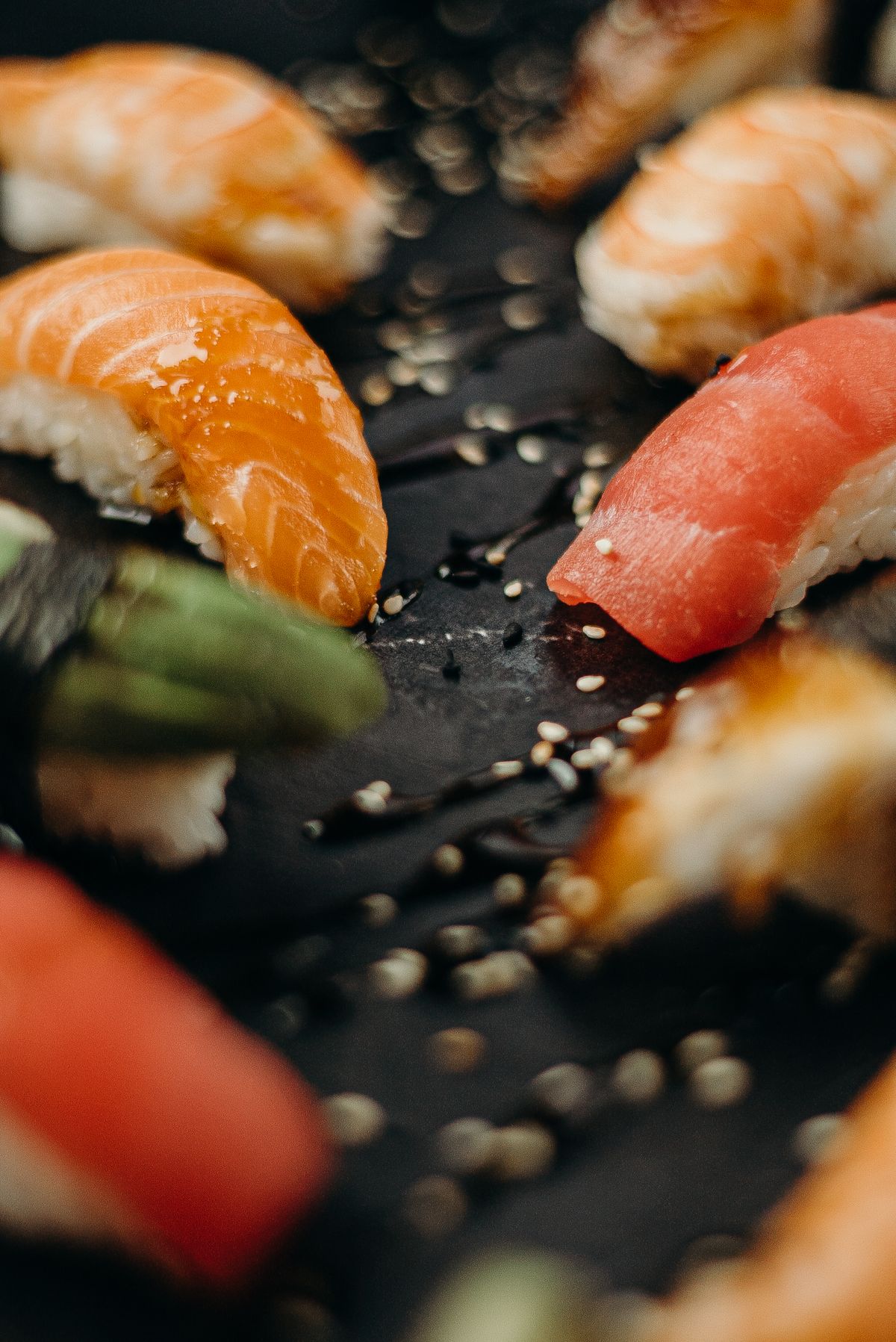
Maguro (tuna) is the centrepiece of Wakayama's food identity. Nachikatsuura is Japan's second-largest tuna port after Tokyo's Toyosu, and the port town's Maguro no Sato market serves fresh mebachi (bigeye) and kuromaguro (bluefin) at prices that reflect proximity to the source rather than retail markup. Katsuura-don — a tuna donburi bowl — is the canonical local dish, available from dockside restaurants and market stalls for under ¥2,000. The tuna here is caught in the Pacific off the Kuroshio Current and landed same-day.
Kishu nanko-ume plums from Minabe are the most prestigious umeboshi (salted pickled plum) in Japan — the brand commands premium prices in Tokyo department stores. The Minabe area is planted with over 2,200 hectares of plum orchards and hosts Japan's largest plum festival in February. Wakayama's mikan (Satsuma mandarin oranges) are eaten fresh between October and January; the coastal groves around Arida produce the prefecture's most celebrated crop.
Shojin ryori (Buddhist vegetarian cuisine) at Koyasan is a culinary tradition in its own right — strictly plant-based, precisely seasoned with miso, dashi from kombu, and mountain vegetables, served in lacquerware vessels in a sequence of small courses. It is available at all shukubo temple lodgings and at several restaurants in Koyasan's main street. The Wakayama Ramen style — a rich soy-and-tonkotsu broth with thin straight noodles — is distinct from both Kyoto and Osaka ramen and has a fierce local following.
Culture and Events
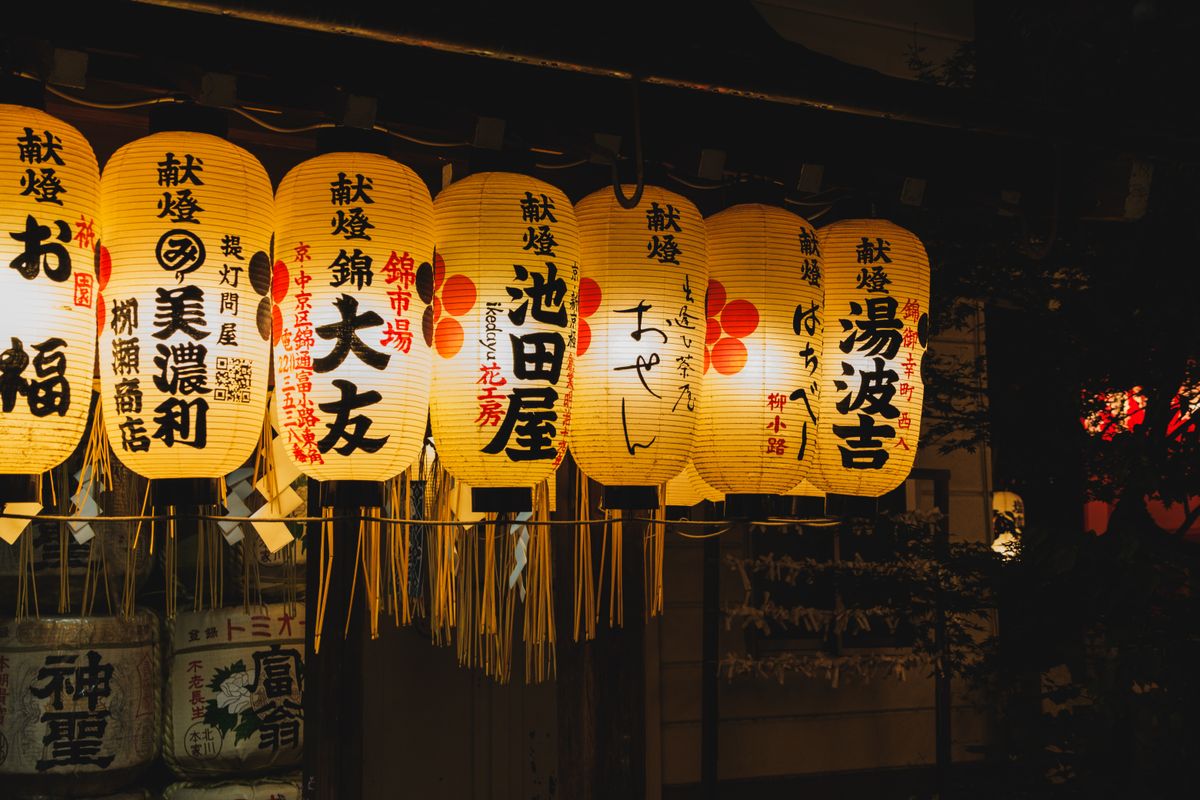
The spiritual calendar of Wakayama is one of the most active in Japan. Koyasan's Rosan-e Fire Festival (Aoba Matsuri, June 15) commemorates Kobo Daishi's birth and fills the complex with torchlit processions. The Ennichi festivals at Koyasan, held multiple times monthly, draw pilgrims from across Japan. Every day at Okunoin is, in some sense, ceremonial — monks in white robes carry morning offerings to Kobo Daishi's mausoleum twice daily, a practice unbroken since the 9th century.
Kumano Nachi Taisha's Hi Matsuri (Fire Festival), held July 14, is among Wakayama's most dramatic events: twelve large torches carried by white-clad priests process from the Nachi Falls to the shrine in a ceremony that has continued for 1,300 years. The falls are the original object of worship — the ritual formally re-enacts the greeting of the kami descending in fire from the waterfall.
Kishu Tokugawa history runs throughout the prefecture — Wakayama was the seat of one of the three Tokugawa branch houses (sanke) entitled to provide shogun successors. Wakayama Castle's collection covers the domain's 250-year Edo-period history. The Kimii-dera temple in Wakayama City (founded 770 AD, the second stop on the Saigoku Pilgrimage) has one of the most dramatic stone-staircase approaches in western Japan, lined with 231 steps flanked by old-growth trees.
Weekends and the Outdoors
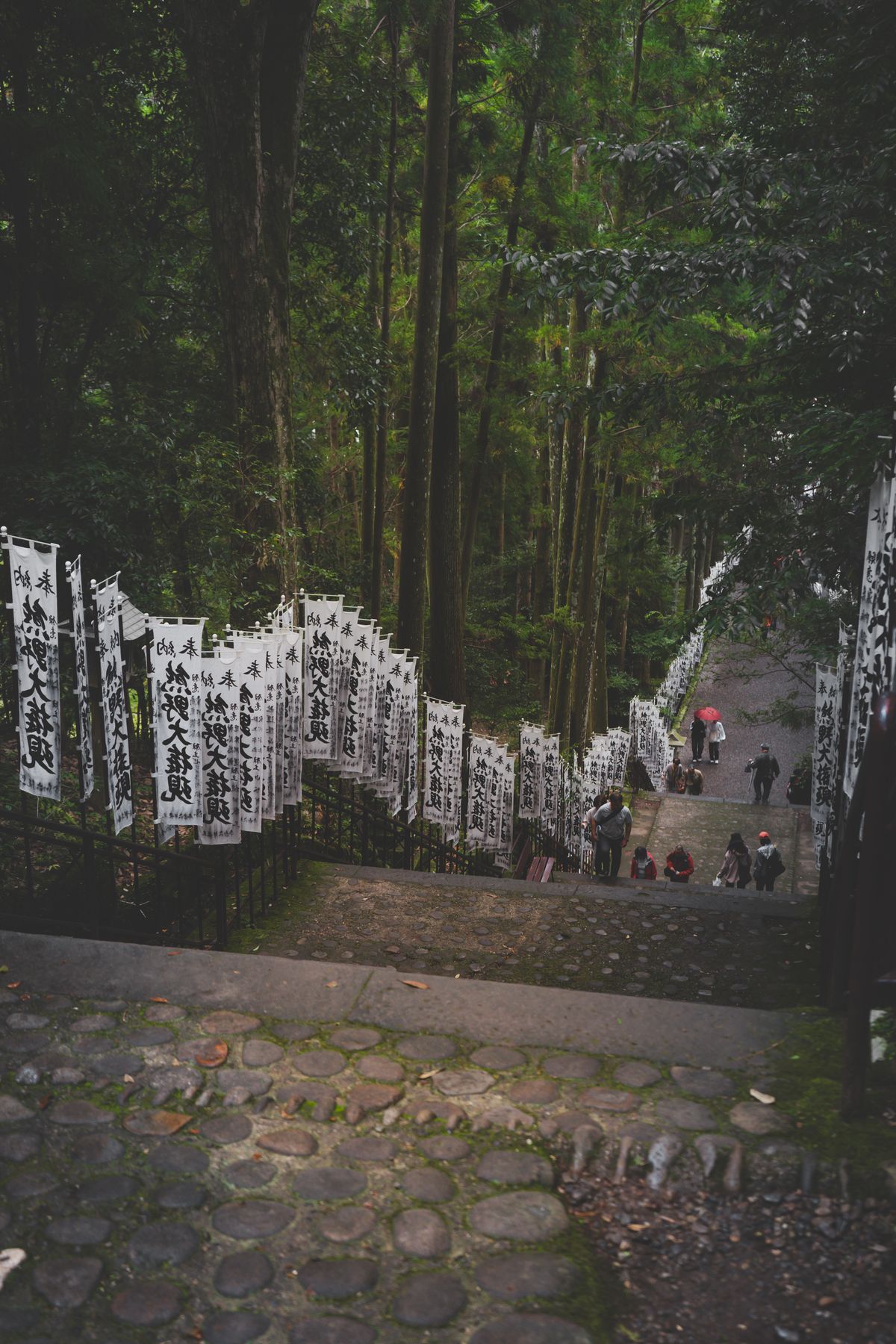
Wakayama's outdoor landscape is exceptional but not widely known outside Japan. The Kumano Kodo walking routes cover over 300km across the Kii Mountains — the Nakahechi (Imperial Route) and Kohechi (mountain crossing to Koyasan) are the most-walked. Multi-day walking with luggage forwarding and pre-booked accommodation at small guesthouses along the route is the standard format; it is genuinely accessible to reasonably fit walkers in any season except peak summer heat.
Shirahama is the best beach base on the Kii coast. The main Shirarahama beach (620m of white sand) is backed by the town's hotel and onsen strip. The nearby Sandanbeki Cliff walk — a sea-cave boat tour and cliff path — offers a coastal experience distinct from the beach. The Adventure World animal park in Shirahama (one of Japan's top-rated zoos and the country's most successful panda breeding facility) is the prefecture's single most-visited paid attraction.
For sea-kayaking and snorkelling, the Kushimoto and Susami coastline below Shirahama has some of the clearest water in the Kansai region and accessible reef marine life. The Nachi Primitive Forest trail above the Nachi Falls shrine is a genuine old-growth forest walk — limited visitor numbers, minimal infrastructure, and a quality of silence that the more-visited sections of the Kumano Kodo do not always provide.
Three Days In Wakayama
A simple first-trip route
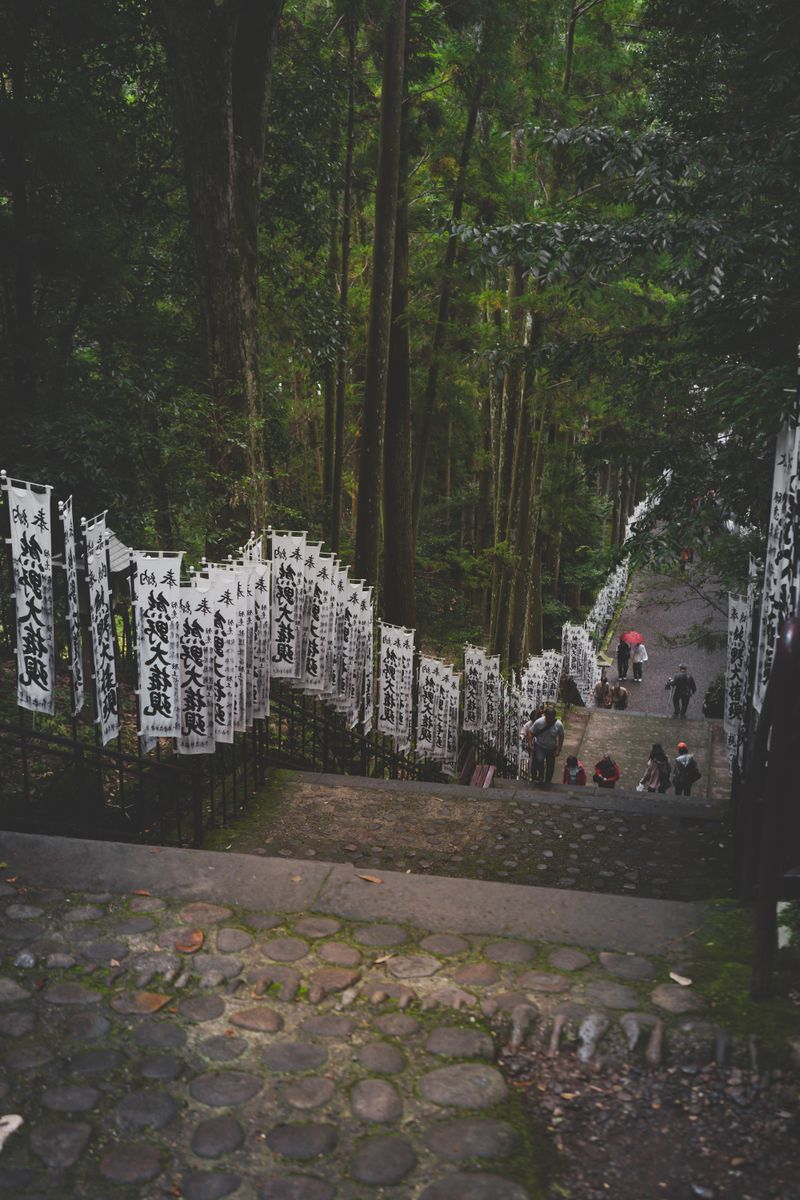
Take the Nankai Koya line from Osaka-Namba to Gokurakubashi, then the cable car to Koyasan (about 90 minutes total). Drop bags at your shukubo temple, then walk immediately to Okunoin — enter the cemetery from the Ichi-no-hashi bridge and walk the 2km cedar-lined path to Kobo Daishi's mausoleum. Return after dark when the lanterns are lit. Shojin ryori dinner in your temple; 6am morning service the following dawn.
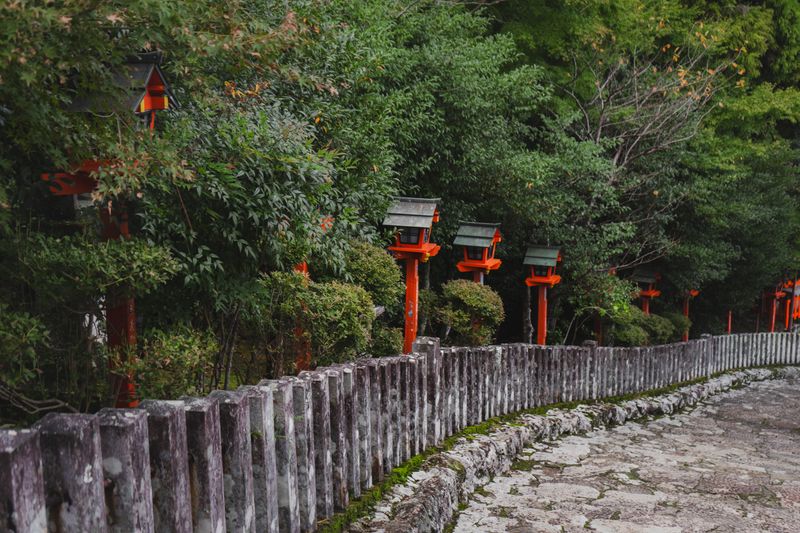
Transfer to Tanabe or Hongu by JR Kinokuni line (about 2.5 hours from Koyasan). Walk the final segment of the Nakahechi to Kumano Hongu Taisha — the approach path descends through cedar forest past stone torii gates to the largest wooden torii in Japan at the original shrine site (Oyunohara). The shrine itself sits on a forested ridge above, rebuilt after flooding in 1889.
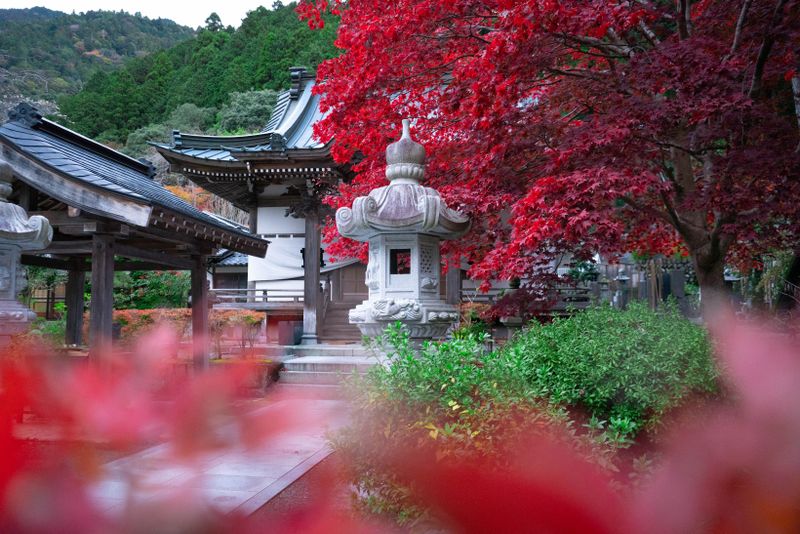
Continue east to Nachikatsuura by JR (about 1 hour from Hongu). Early morning: the fish market at the port for fresh maguro. Midmorning: bus to Nachi Falls — the 133m waterfall and Seigantoji pagoda are an easy 15-minute walk from the bus stop. Afternoon: walk uphill to Kumano Nachi Taisha and, if time permits, the Nachi Primitive Forest trail beyond the shrine complex. Return to Nachikatsuura for the evening.