
Blowfish Capital of Japan, 89 Consecutive Torii Gates at a Cliff Edge, and Japan's Largest Karst Plateau
Living in Yamaguchi
The westernmost prefecture on Honshu combines Shimonoseki — which processes 80% of Japan's fugu (blowfish) — with the most striking shrine photographs on the San'in coast, a preserved Meiji Revolution samurai town, a sweeping coastal bridge across turquoise sea, and Japan's largest underground karst cave system.
Why People Choose Yamaguchi
Yamaguchi is chosen by people who want a full Japanese experience without the crowds — Shinkansen access to Osaka and Hiroshima in under two hours, a well-developed food culture built around the finest fugu in Japan, dramatic coastal scenery, and a preserved historical town in Hagi that most visitors to western Japan still miss entirely. The prefecture has the density of the Chugoku region (accessible, connected, with a functioning urban base in Shimonoseki and university infrastructure in Yamaguchi City) without the visitor volumes of more promoted coastal prefectures.
Shimonoseki's fish market justifies the prefecture on its own as a food destination. The city processes 80% of all fugu consumed in Japan and has done so since the Meiji era, when Prime Minister Ito Hirobumi — a Hagi native — tasted the forbidden fish at Shunpanro restaurant and then personally lifted the national ban on fugu consumption (in effect since the 16th century when Toyotomi Hideyoshi banned it to prevent samurai deaths). The Karato Ichiba market sells prepped fugu on weekend mornings; the price for a full fugu set on-site is a fraction of what the same dish costs in Tokyo.
The combination of Hagi's Meiji history, the Motonosumi Shrine photographs, Tsunoshima Bridge, and Akiyoshido cave gives Yamaguchi an attraction profile that covers more distinct categories than many larger prefectures. Property prices reflect none of this — Hagi in particular has Edo-period townhouses available at prices that seem implausible for properties of their character and condition.
Yamaguchi City (the prefectural capital, population 185,000) is a mid-sized administrative city with a compact centre, several national universities, and a functioning service economy — but not many of the prefecture's headline attractions. Shimonoseki (population 255,000) is the largest city: a port city with ferry connections to South Korea, a well-developed food culture centred on the fish market, and a distinctly industrial-maritime character. Hagi (population 44,000) is smaller, slower, and the most atmospheric — a former castle town whose Edo-period street layout is essentially intact.
Sanyo Shinkansen: Shin-Yamaguchi Station reaches Osaka in 1h40; Hiroshima in 30 minutes; Tokyo in under 4 hours. Shimonoseki to Fukuoka is 30 minutes by train (with the Kanmon Strait crossing). Hagi is on the San'in coast — reached by bus or car from Shin-Yamaguchi (1h20) or the local San'in Line train (slow but scenic). Ube Kita Airport serves domestic routes. A car is strongly recommended for the Motonosumi Shrine, Tsunoshima Bridge, and Akiyoshidai plateau.
Yamaguchi City properties ¥4M–¥15M; Shimonoseki ¥3M–¥12M; Hagi ¥1M–¥6M; coastal rural properties ¥300K–¥3M. Hagi's historic district has some genuinely beautiful Edo-period townhouses at low prices — many with preserved plaster walls and garden courtyards. The combination of Shinkansen access (from Shin-Yamaguchi) and very low property prices in the western Chugoku region is unusual.
The port city: fugu restaurants, Karato fish market, Kanmon Strait views, ferry connections to Kyushu and South Korea. A functioning city with good food infrastructure and reasonable prices.
The heritage anchor: Edo-period samurai streets, Meiji Restoration birthplaces, Yoshida Shoin school, and a preserved castle town character unique in western Japan. Best for buyers who want character and history over urban convenience.
The administrative capital: Xavier Memorial Church (Xavier visited in 1550), Rurikoji Temple's five-storey pagoda (one of the finest in western Japan), and university-town character with lower tourist pressure.
Cave and plateau country: access to Japan's largest karst system, rural mountain character, and the lowest property prices in the prefecture.
Where To Start
Four ways to start in Yamaguchi
The <a href="https://www.karatoichiba.com/" target="_blank" rel="noopener" class="text-blue-600 dark:text-blue-400 hover:underline">Karato Ichiba fish market</a> in Shimonoseki sells fugu directly to the public on weekend mornings — prepped and plated, available to eat on the spot or take away. Tessa (thinly-sliced fugu sashimi arranged in chrysanthemum patterns) is the classic presentation; fugu nabe (hot pot) is available at adjacent restaurants. The market also sells live fugu in tanks, tiger prawns, and the full range of Kanmon Strait catches. Visit before 10am for the best selection.
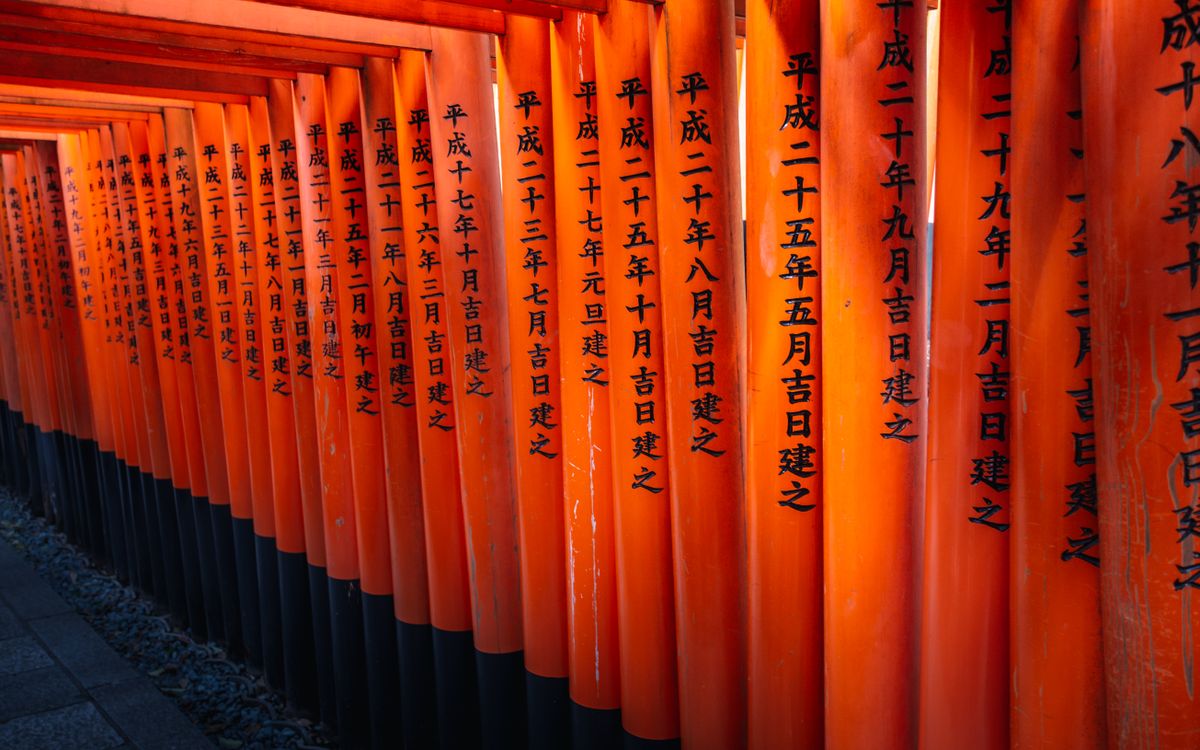
The shrine is 90 minutes by car from Shimonoseki, on the San'in coast near Nagato City. The 89 vermilion torii descend a forested cliff to a ledge above the Pacific Ocean — the path takes about 15 minutes to walk, with the ocean framed through every gate. The donation box is positioned at the very top of the first (uppermost) torii — visitors must throw coins from below and land them in the box to have their wish granted. <a href="https://www.nagato-city.jp/kankou/en/" target="_blank" rel="noopener" class="text-blue-600 dark:text-blue-400 hover:underline">Nagato Tourism</a> has access details and parking.
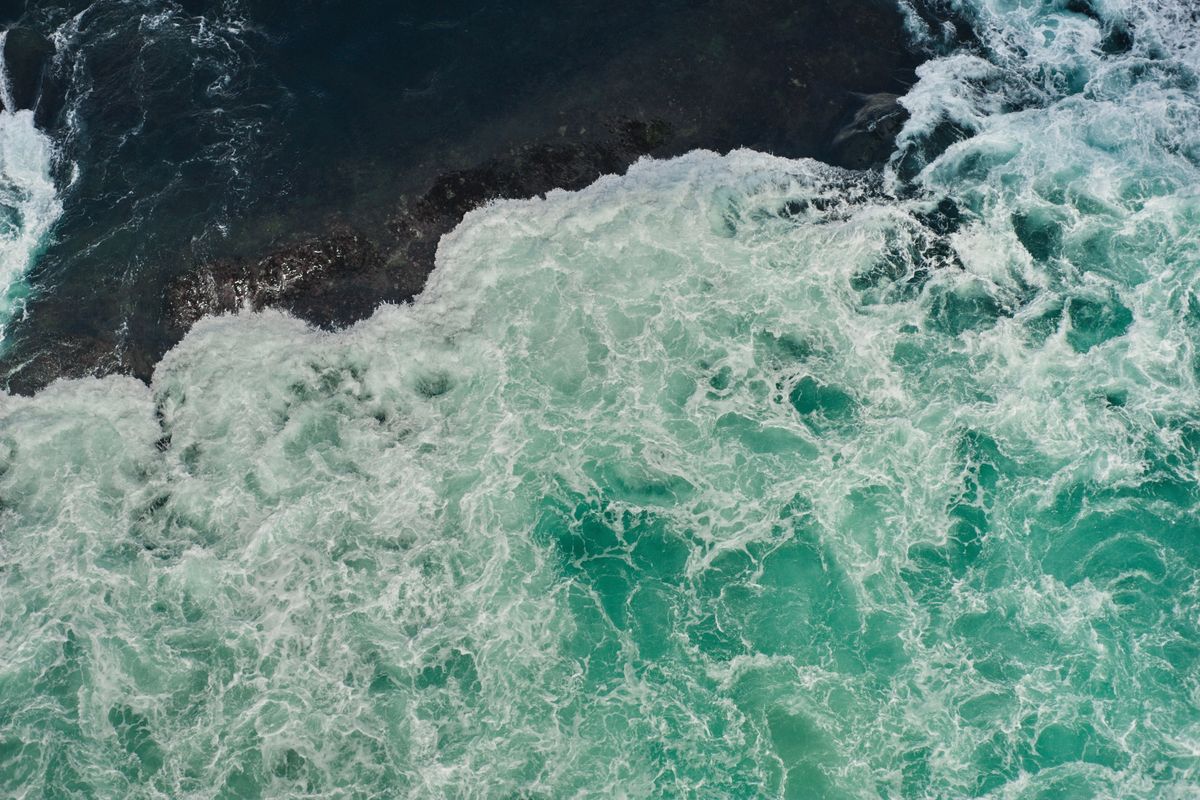
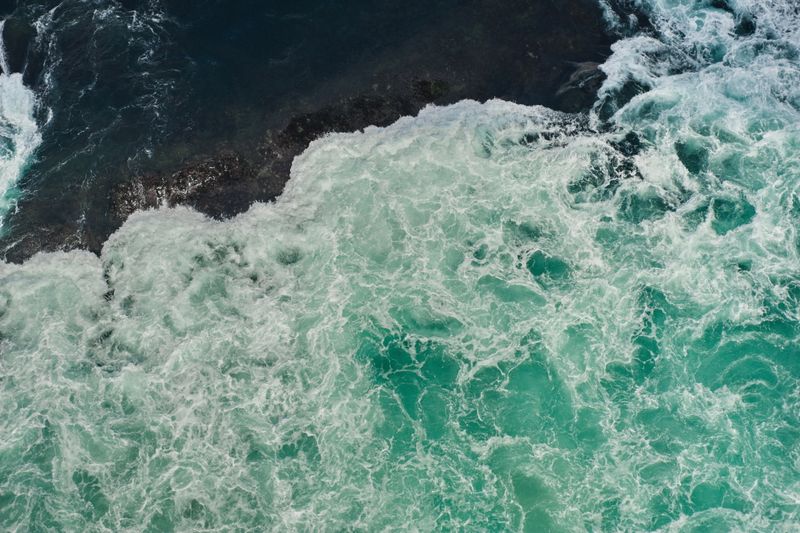
Tsunoshima Bridge is a 1.7km concrete arc connecting Tsunoshima Island to the mainland across water that turns an extraordinary shade of turquoise in clear weather — the shallow bay over white sand. The bridge is best in spring and early summer when the light is clear and the water colour most vivid. Drive slowly; there are designated stopping areas. The island at the end has a preserved traditional fishing village, a lighthouse, and a swimming beach (Shiraihama) surrounded by coral. <a href="https://www.tsunoshima-bridge.jp/" target="_blank" rel="noopener" class="text-blue-600 dark:text-blue-400 hover:underline">Tsunoshima Island Tourism</a>.
The <a href="https://www.city.hagi.lg.jp/kanko/en/" target="_blank" rel="noopener" class="text-blue-600 dark:text-blue-400 hover:underline">Hagi UNESCO World Heritage sites</a> include the Shoka Sonjuku — Yoshida Shoin's school where he taught, in a cramped building barely larger than a room, the revolutionary ideas that his students used to dismantle the Tokugawa Shogunate. Shoin's students included many of the architects of modern Japan. The school, the Hagi Yaki ceramic workshop district, and the preserved samurai streets (with original gates and whitewashed mud walls) can all be walked in half a day from Hagi Station.
Daily Life in Yamaguchi
Shimonoseki is the most urban base: a port city whose history is inseparable from the Kanmon Strait — the 600-metre channel between Honshu and Kyushu that controlled maritime trade for centuries. The city has a full range of commercial services, good hospitals, several universities, and a food culture that remains the reason most Japanese visitors come specifically. The Shimonoseki aquarium (Kaikyokan) has the largest fugu display in Japan and is popular with families; the undersea pedestrian tunnel connecting Shimonoseki to Kitakyushu (Fukuoka Prefecture) is walkable in 15 minutes and historically significant.
Hagi operates at a different tempo entirely. The castle town's Edo-period street plan is essentially intact — the grid of samurai quarter streets, the whitewashed mud walls, the garden gates and traditional shopfronts. The population (44,000) gives it a quiet rhythm with an older demographic; the annual tourist influx is predictable and seasonal. Hagi yaki (Hagi ware pottery) is one of Japan's most respected ceramic traditions, considered second only to Raku ware in the tea ceremony hierarchy — several active kilns in the city accept visitors.
Rural Yamaguchi — the Akiyoshidai plateau, the Mine valley, the San'in coastal towns — is genuinely depopulated. The akiya bank lists properties throughout this region at very low prices; the landscape is dramatic but the services are thin and a car is absolutely essential. The climate is milder than the San'in coast north of the prefecture — the southern Pacific coast around Shimonoseki has warm winters and very little snow.
Food and Drink
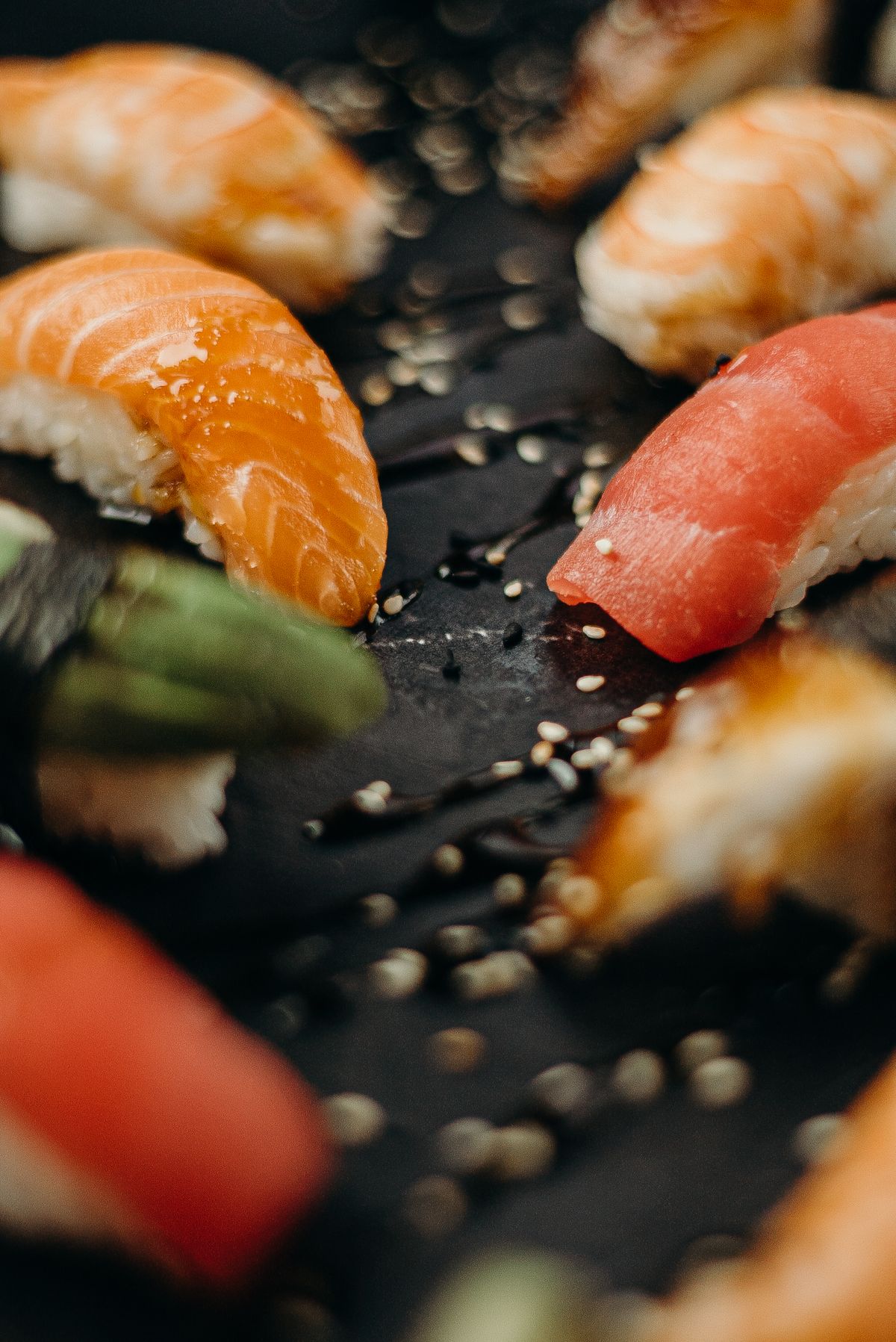
Fugu is the defining food product of Yamaguchi. Shimonoseki handles 80% of the national supply — the fish are caught off the Kanmon Strait and surrounding waters, processed at the Shimonoseki market, and distributed to certified restaurants across Japan. The local name for fugu in Shimonoseki is "fuku" (fortune) rather than "fugu" (河豚, the kanji for "river pig") — a deliberate renaming intended to avoid the homophony with "fukeru" (to grow old). Shunpanro, open since 1873, was the first restaurant to receive an official fugu preparation licence in 1888; a full fugu course here includes tessa sashimi, fugu nabe (hot pot), fried fugu karaage, and zosui rice porridge finished in the crab broth.
Hagi udon is the noodle tradition of western Yamaguchi — thinner than Yoshida udon, made with local wheat, and typically served in a clear dashi broth. Hagi's castle town has a handful of udon shops using the same wheat-growing tradition that supplied the castle kitchens. Funanori — marinated mackerel pike on vinegared rice — is the local sushi form of the San'in coast; the mackerel pike (saury) caught in autumn off the Yamaguchi coast is distinctively fatty.
Kanmon Strait seafood — the fast-moving current between Honshu and Kyushu produces exceptionally well-developed fish from the physical exertion of fighting the current. Tiger puffer (torafugu, the legal and most prized fugu species), spotted sea bass, and natural oysters from the Hiroshima Bay-adjacent waters are all available fresh at Karato Ichiba. The market's weekend morning openings (8am–noon) allow direct purchase of prepped fugu and other catches; eating on-site at the waterfront tables is one of the genuine food experiences in western Japan.
Culture and Events
Hagi's Meiji Industrial Revolution sites were inscribed on the UNESCO World Heritage List in 2015 as part of the broader "Sites of Japan's Meiji Industrial Revolution" cluster. The Shoka Sonjuku school — Yoshida Shoin's tiny classroom where he taught revolutionary politics to students who would become the architects of modern Japan — is the most important of these. Shoin himself was executed in 1859 at age 29 for plotting against the Shogunate, but his students carried his ideas through to the Meiji Restoration of 1868. The school building is unchanged; the surrounding district preserves the atmosphere of a Tokugawa-era provincial castle town.
The Hagi Okan Ohori — the ring moat and earth rampart system of the original Hagi Castle — remains largely intact and is accessible as a walking circuit. The castle keep was demolished in the Meiji period, but the stone rampart foundations, moats, and tower bases survive across an area of 500 metres, giving a clear sense of the castle town's original scale. The adjacent Shizuki Park has cherry trees planted along the moat walls — the blossom season here (late March to early April) is uncrowded and among the most atmospheric in western Japan.
The Akiyoshido Cave hosts seasonal illumination events and the plateau above (Akiyoshidai) has an annual burning — the controlled grass fire that maintains the karst plateau ecosystem and produces extraordinary flame photographs when conducted in late winter. The cave is the largest accessible limestone cave in Japan by volume, with a 1km lit public route, underground rivers, and formations including a series of terraced limestone pools (hyakumai-sara, "hundred rice paddies in stone") that are among the most visually striking geological features in the country.
Weekends and the Outdoors
Tsunoshima Island is the best single half-day trip in the prefecture. The island is connected by the 1.7km Tsunoshima Bridge — no walkway, cars only, but the bridge is driveable in both directions with stopping areas. On the island: the Shirahama beach with some of the clearest water in western Honshu, a 19th-century stone lighthouse (the original lighthouse for Kanmon Strait navigation), and a preserved fishing village of whitewashed stone buildings. The island has limited accommodation; day trips from Shimonoseki (1h45 by car) are most practical.
Akiyoshidai and Akiyoshido make an outstanding full-day combination. The plateau (130 sq km of exposed limestone terrain) is best walked from the Ochi trailhead on the southern edge — a 4km circuit through the mushroom-shaped limestone formations, viewpoints over the plateau, and the cave entrance at the far end. Akiyoshido cave is 10km long in total (1km public section); the underground river, the terraced pools, and the ceiling formations are accessible without specialist equipment on the guided route. Akiyoshidai Quasi-National Park has trail maps.
The San'in coast north of Hagi is largely undeveloped and dramatically beautiful: a series of headlands, sea-caves, and small fishing ports accessible by the slow San'in Line railway or by car. The Omijimakyokan Gorge near Nagato (accessible on foot from Nagatoyumoto Onsen) follows a river canyon through bamboo and cedar forest to a series of waterfalls — a 2-hour round trip on well-marked paths. The Nagatoyumoto Onsen town itself is worth an overnight stay: a small riverside hot-spring resort with a public communal bath and a heron colony nesting in the trees above the river.
Three Days In Yamaguchi
A simple first-trip route
Take the Shinkansen to Shin-Yamaguchi, transfer to Shimonoseki (30 min). Head directly to Karato Ichiba market — best before 11am on weekends. Buy prepped fugu sashimi at the market stalls; sit at the waterfront tables and watch the Kanmon Strait traffic. Afternoon: Akama Shrine (built to appease the ghost of the child emperor Antoku, who drowned in the 1185 Battle of Dan-no-ura, fought in the waters directly outside), then the Kanmon Strait promenade for views of Kyushu across 600m of fast current. Walk through the Karato shopping arcade — a covered arcade with 19th-century cast-iron frame architecture still intact.
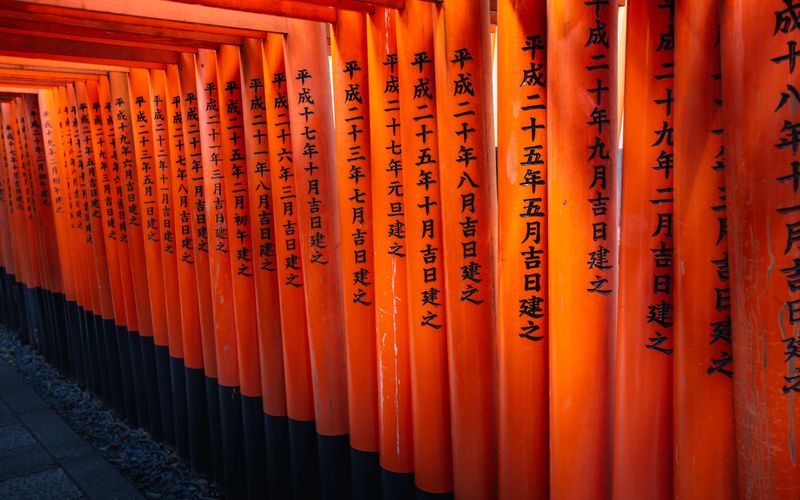
Drive north on the San'in coast from Shimonoseki (1h30 to Motonosumi). Arrive at Motonosumi Inari early — the torii-gate path to the cliff face takes 15 minutes, best photographed in morning light with the sea behind. Try the donation box throw at the top gate. Continue 30 minutes west to Tsunoshima Bridge: drive the 1.7km causeway and walk down to Shiraihama Beach on the island. The turquoise water is at its most vivid in May–July. Return south through Nagatoyumoto Onsen (a quiet hot spring town worth a brief stop) before reaching the overnight accommodation in Hagi.
Morning in Hagi: Yoshida Shoin school (UNESCO site), Kikuya House samurai residence (open to visitors, original 1604 construction), and the Hagi Yaki kiln district. Lunch at a soba restaurant in the castle-town arcade. Afternoon: drive 1h15 south to Akiyoshidai — Japan's largest karst plateau. Walk the 4km plateau trail through the limestone formations (mushroom-shaped erosion pillars, known as kazekoshi-iwa) above the Akiyoshido cave entrance. Descend into Akiyoshido — 1km of lit cave passage, stalactite chambers, and an underground river — before returning to Shin-Yamaguchi for the Shinkansen home.