DIY Your Own Castle in a Town of Craftsmanship
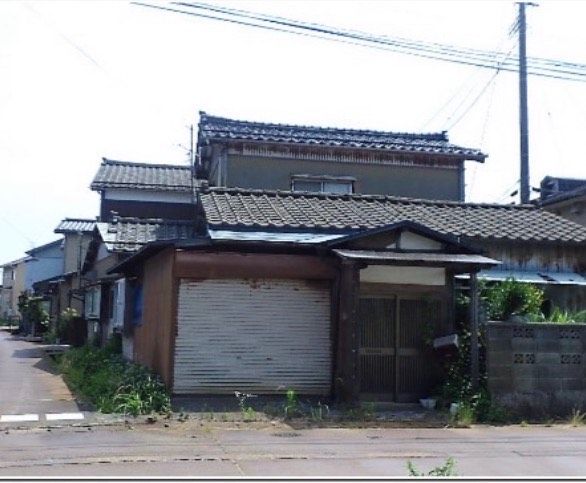
This unique property in Tsubame City, Niigata Prefecture, presents a rare opportunity: a combined "nikoichi" house formed by merging two separate buildings. Originally a single-story home, the previous owner's parents purchased the neighboring two-story property, creating one large residence. It has been vacant for approximately 10 years since the owner's mother entered a care facility. The current owner purchased it with DIY renovation intentions but is now selling due to distance and time constraints.
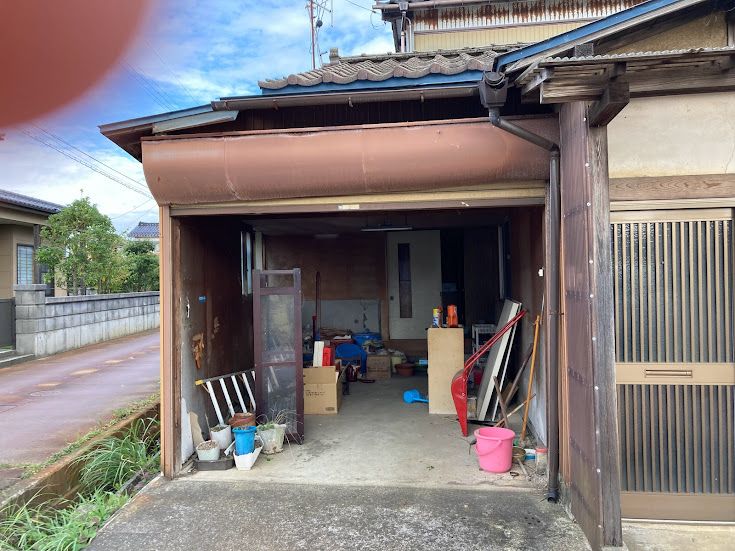
The property features a garage with direct indoor access—a major convenience in any weather. It is situated on a corner lot with snow-melting equipment on the front road. The house requires overall renovation due to its decade of vacancy. Specific issues include kitchen flooring that needs reinforcement or replacement, partial peeling of the exterior wall, and a traditional Japanese-style (non-flush) toilet that will need conversion. Some items present during photography have been disposed of, but other remaining items are planned to be handed over as-is.
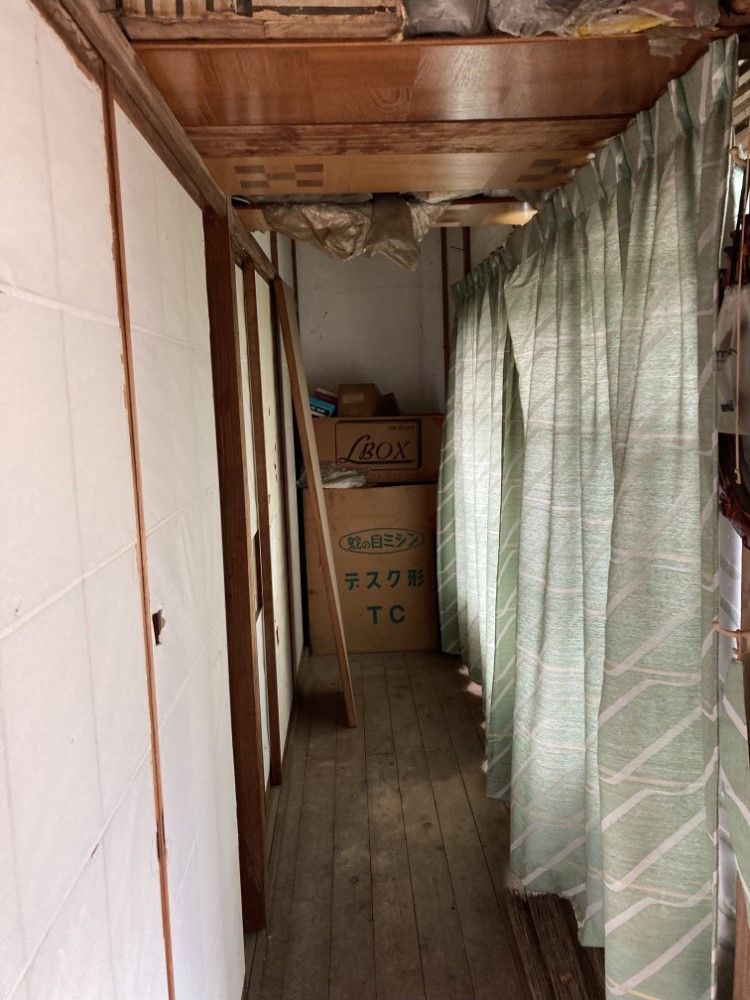
Inside, the layout is spacious. It includes a kitchen, bathroom, and toilet, along with two 4.5-tatami Japanese-style rooms, two 6-tatami Japanese-style rooms, and one large Western-style room on the second floor. The hallway is bright and features clever overhead storage. The bathroom has charming lavender tiles and a stainless steel bathtub set one step down.
Tsubame City, often grouped with neighboring Sanjo City, is renowned as a town of craftsmanship ("monozukuri no machi"). Interestingly, techniques from Tsubame were used in the monument for the 2012 London Olympics. The city has a friendly connection with the Tokyo Yakult Swallows baseball team due to the shared "tsubame" (swallow) name, and the team's mascot, Tsubakuro, even appears on city officials' business cards. The area is also home to the Omigawa River, nicknamed the "Panama Canal of the East," and hosts the nationally famous "Oiran Dochū" festival in April, where participants dress as courtesans and parade in traditional attire.