
Sunset Views Over Lake Shirarutoro: A Log House with Garage and Hot Spring in Hokkaido
Perched on a hill overlooking the serene waters of Lake Shirarutoro, this distinctive log house offers a rare opportunity for a permanent residence, second home, or guest house operation in the heart of Eastern Hokkaido. Located in the Tōro area of Shibecha Town, the property sits at the boundary between the Konsen Plain and the Kushiro Wetlands, providing a front-row seat to stunning sunsets and the graceful flight of visiting red-crowned cranes.
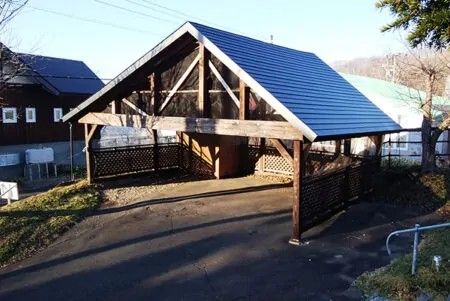
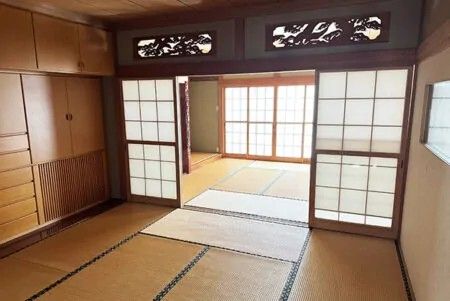
The property features a spacious and luxurious layout. The large living area capitalizes on the westerly views, while a broad bath allows enjoyment of a hot spring with abundant water flow. A large hall provides ample space for entertaining guests. The building, constructed in 1986 (Showa 61), underwent renovations around August 2014 (Heisei 26). It includes a separate wooden garage. The structure is a two-story wooden building with a zinc-coated steel plate roof. Essential equipment includes electricity, a private water supply, and an individual septic tank. A note on the boiler indicates it requires replacement.
Special notes clarify the property's status: it is located in an ordinary area of the Kushiro Wetland National Park and falls under the Hokkaido Landscape Plan. The land, classified as forest, spans a generous 792 sqm (approximately 239.58 tsubo). The total floor area is 216.27 sqm (65.41 tsubo), comprising 146.61 sqm on the first floor and 69.66 sqm on the second. Access is via a paved private road approximately 5.8m wide on the west side. Monthly fees for water and hot spring usage are 11,000 yen.
The area is a haven for nature lovers, situated roughly 20 minutes south of central Shibecha Town. It is close to both Lake Tōro and Lake Shirarutoro. The region is a major gateway for exploring Eastern Hokkaido's outdoor activities. A notable landmark is the vast Kushiro Shitsugen (Kushiro Wetland), Japan's largest wetland and a UNESCO World Heritage site, renowned for its unique ecosystem and as a habitat for the Japanese red-crowned crane.