Registered Tangible Cultural Property: A Rare Early Showa Western-Style Building in Nabari City
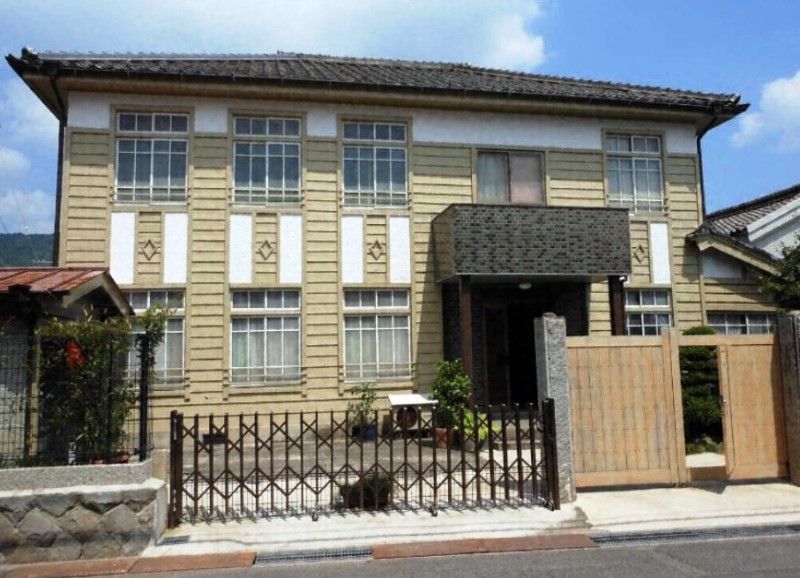
This property is a nationally designated Registered Tangible Cultural Property, featuring a rare Western-style architectural design from the early Showa period. Constructed in 1932 (Showa 7), the building originally served as a private medical clinic. The main structure is a two-story wooden building with a total floor area of approximately 546.08 square meters, situated on a land area of approximately 853.34 square meters. The property includes two traditional storehouses (kura).
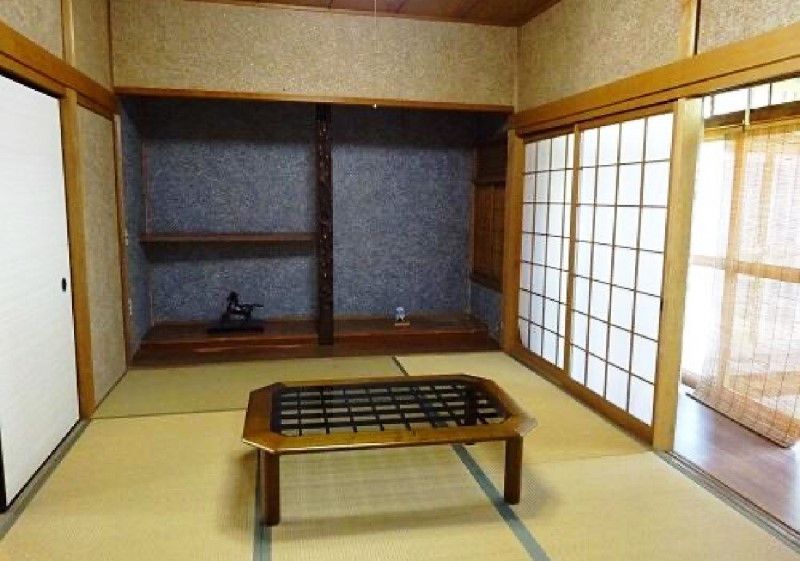
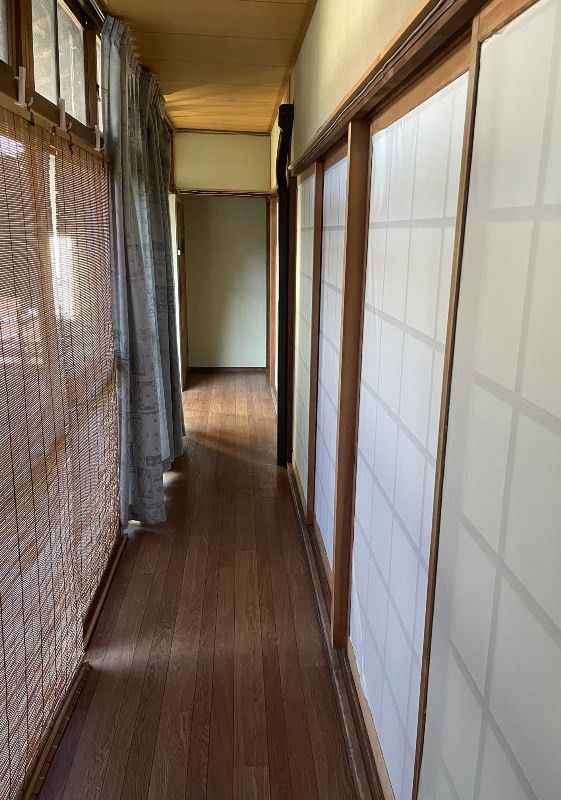
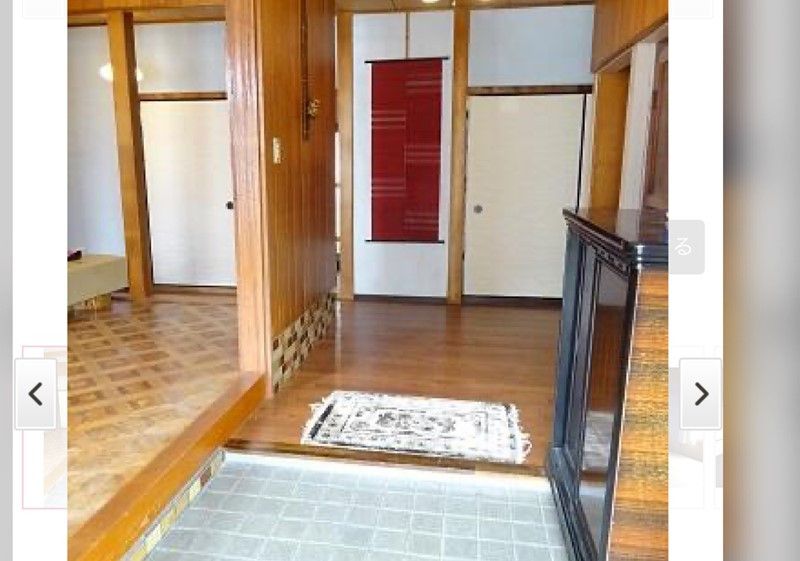
The building has undergone some aging since renovations were carried out in the 1960s (Showa 40s). It is currently occupied, but renovation work is considered necessary, particularly for the water and utility areas. Some sections of the flooring have collapsed. The property offers a large 15LDK layout, making it suitable not only for residential use but also for commercial or business purposes. Utility connections include city water, sewage, and Kintetsu gas.
The property is located in the old town area of Nabari City, Mie Prefecture, where many buildings from the Showa and Taisho eras still remain. It is conveniently situated within walking distance of daily amenities: a large shopping center is a one-minute walk away, and convenience stores, a post office, a bank, and clinics are all within walking distance. The nearest station, Nabari Station, is a 12-minute walk from the property. From Nabari Station, Osaka is reachable in one hour without any transfers, and access to Kyoto and Nagoya is also convenient. Nearby natural attractions include Akame Falls and Shozenji Lake.
The property is sold in its current condition (genjō watashi). Furniture and appliances will be removed. Renovation is required for comfortable living. The property is eligible for subsidies for renovation, as well as reductions in fixed asset tax and inheritance tax.