Historic Kyoto Machiya with Courtyard Garden, Currently Operating as a Guesthouse
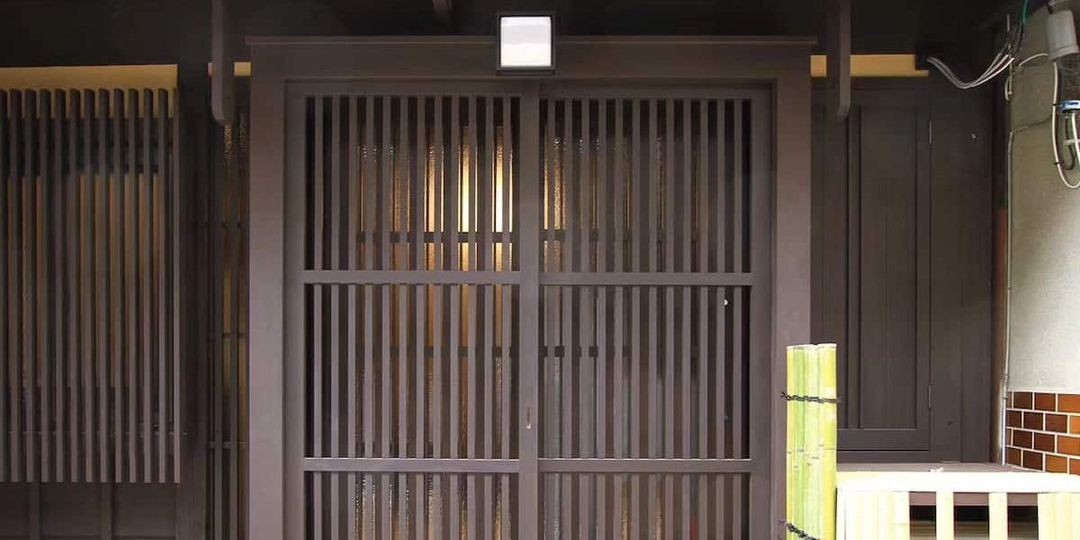
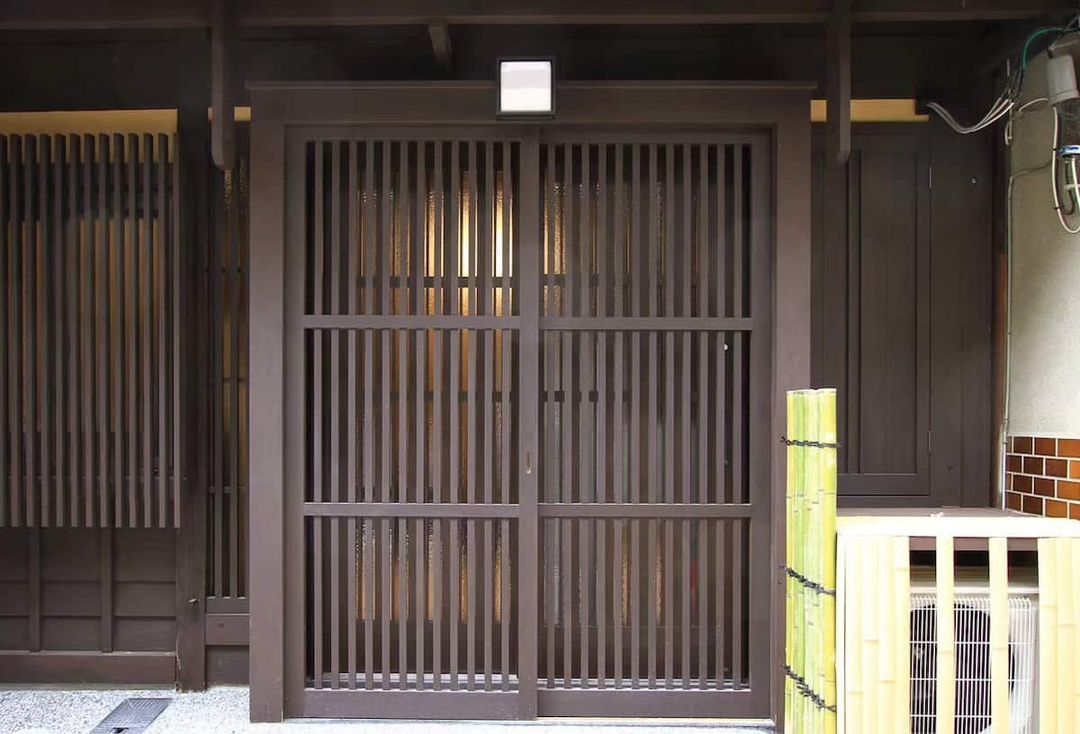
This two-storey wooden townhouse, with a tiled roof, is located in the Nishinokyo Ikenouchi-cho district of Nakagyo Ward, Kyoto City. The property is currently operating as a rental guesthouse and presents a turnkey opportunity for a new owner to continue the business. The building retains its traditional exterior, which has been nurtured over a long period of time.
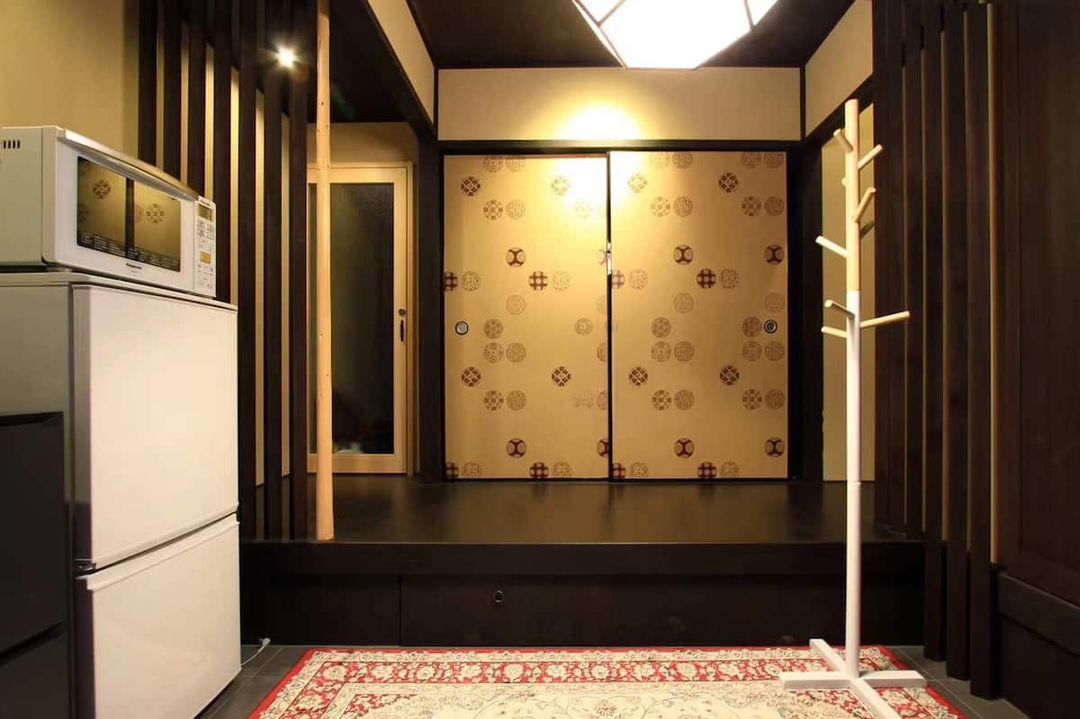
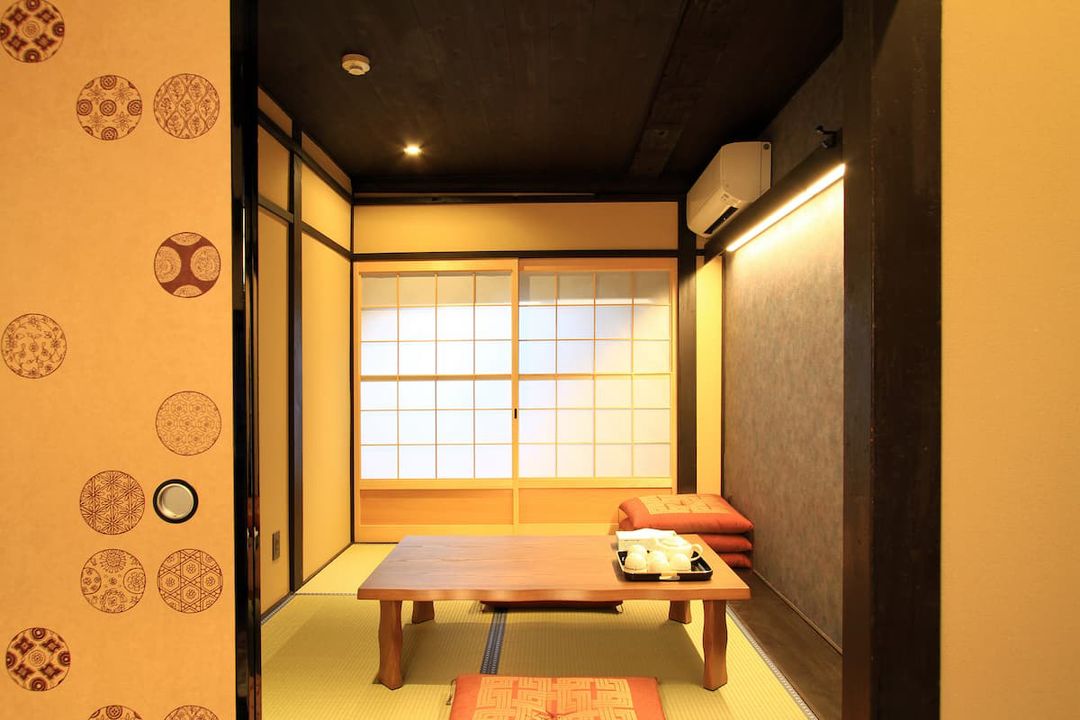
The interior features a calm atmosphere that feels removed from the urban environment. On the ground floor, the tiled entrance genkan leads into a kitchen-equipped living space. Cooking utensils and a refrigerator are included, making it suitable for long-term stays. The first floor also contains a traditional tatami room, where soft light filters through the shoji screens. A small courtyard garden (tsuboniwa), enclosed by a wooden fence, can be glimpsed from the veranda (engawa). The garden features a tree, moss, and white sand, and is also visible from the bathroom. The second floor houses a spacious tatami bedroom, with an exposed beam ceiling that is a notable feature. This room includes a tokonoma (alcove) and storage space, and is designed for sleeping on futons laid directly on the tatami.
The property is situated in a quiet residential area, just a short walk from the lively Sanjo-kai Shopping Arcade, which offers a mix of traditional shops and cafes. The area is also within walking distance of Shinsen-en, a historic temple connected to the origins of the Gion Festival, and the UNESCO World Heritage site Nijo Castle. The location benefits from access to three railway lines: JR San-in Line (Nijo Station, 7 min walk), Subway Tozai Line (Nijo Station, 8 min walk), and Hankyu Kyoto Line (Omiya Station, 12 min walk), providing convenient commuting to Osaka and other parts of Kyoto. The property is a 3K layout with a total floor area of 43.55 m², on a 32.85 m² plot. It is connected to city water, sewer, electricity, and gas. The year of construction is unknown, but a tax assessment record indicates a date from the Taisho era (1912-1926).