Needs Verification
This listing hasn't been verified recently. Tap to request a priority check!
Help Keep Listings Accurate
Spotted a wrong price, sold property, or bad data? Tap Report — your feedback helps train the system.
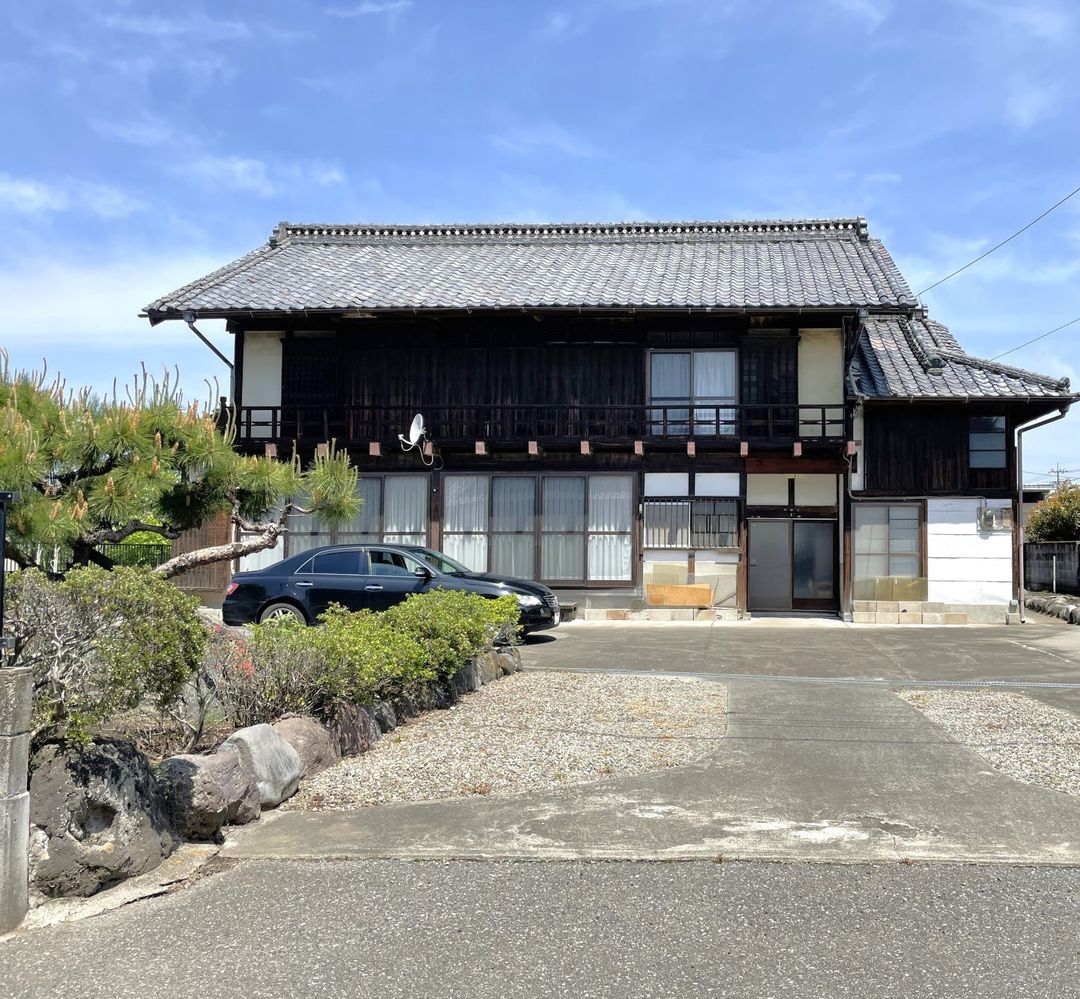
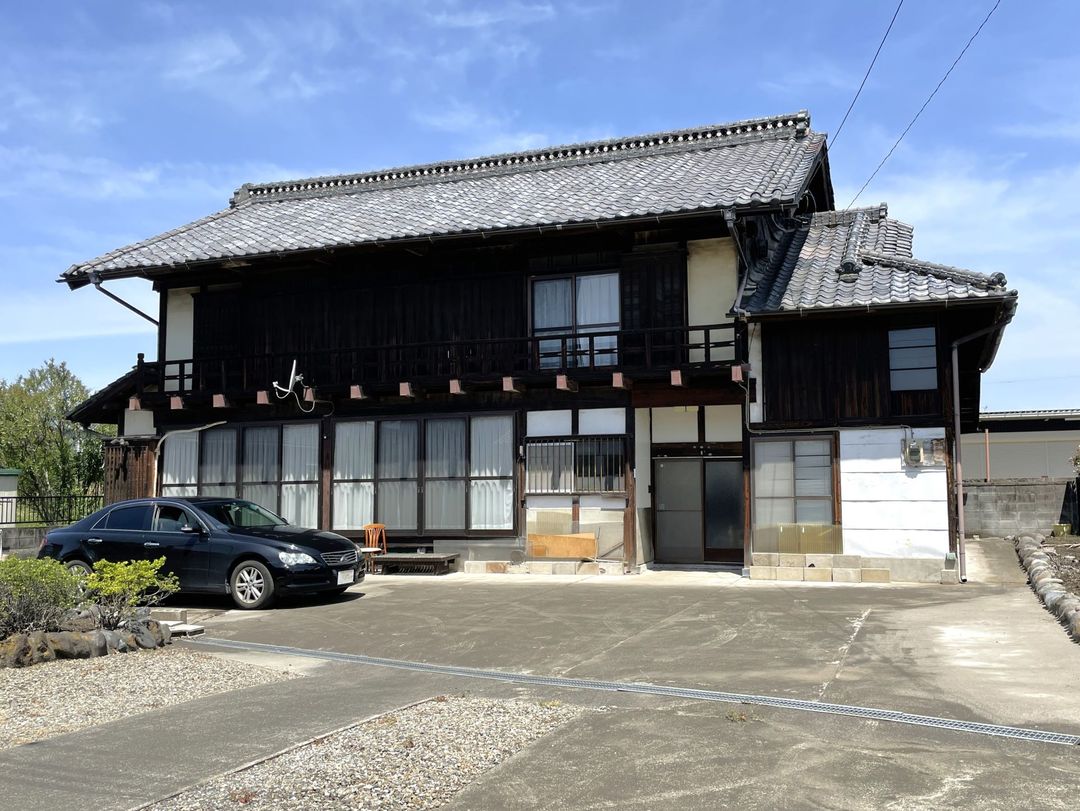
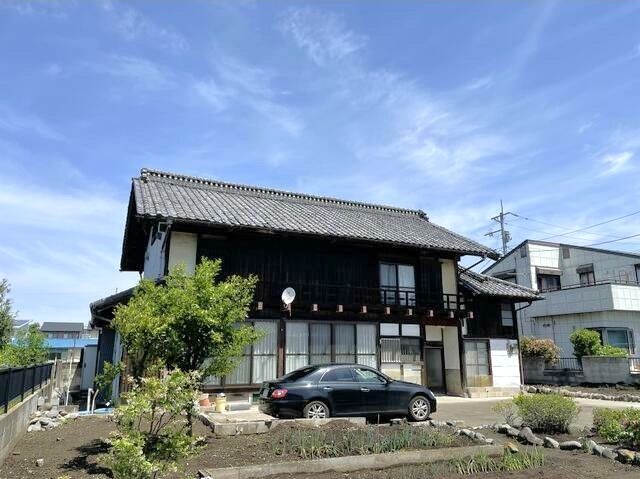
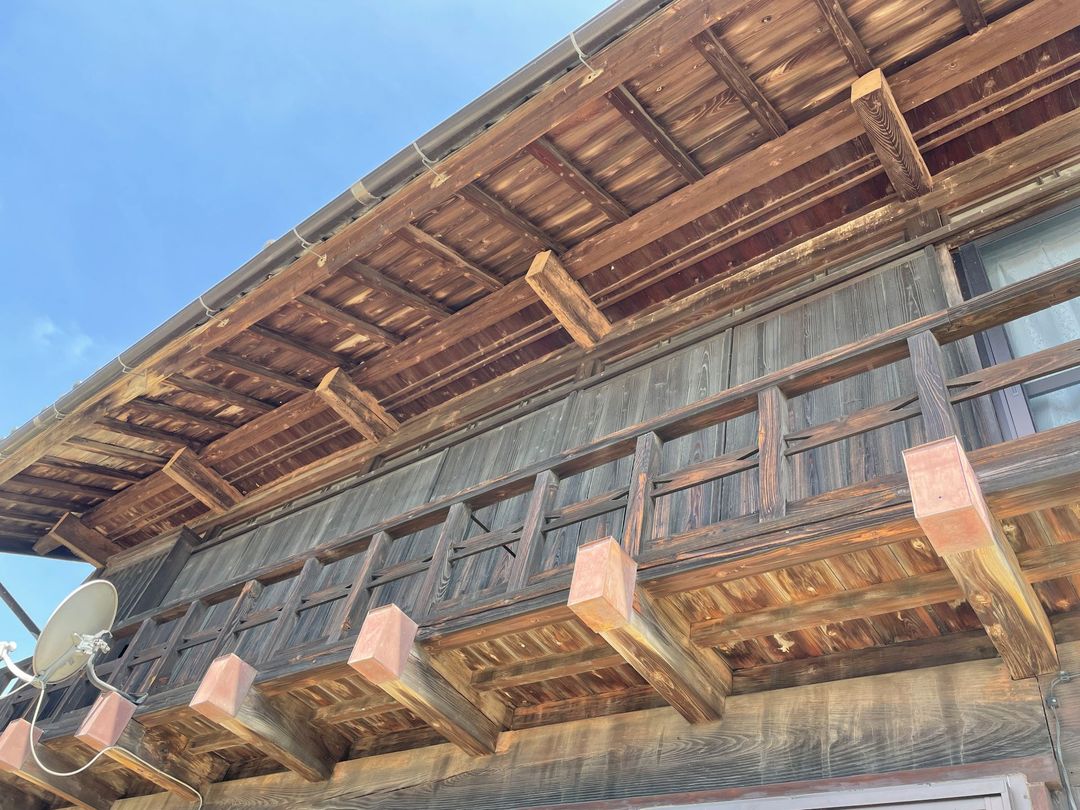
231-1, Kami-shinden-machi, Maebashi city, Gunma Prefecture
群馬県前橋市上神町231-1
Know someone who would love this? Gift them a subscription
Traditional Kominka House for Sale in Maebashi, Gunma
Summary
Short-Term Rental (Minpaku)
Nearby Konbini
 Family Mart
— 1 min walk
Family Mart
— 1 min walk
 Seven Eleven
— 4 min walk
Seven Eleven
— 4 min walk
 Lawson
— 9 min walk
Lawson
— 9 min walk
Internet Connectivity
Natural Hazard Assessment
231-1, Kami-shinden-machi, Maebashi city, Gunma Prefecture
群馬県前橋市上神町231-1
All figures are illustrative estimates only and do not constitute financial, investment, or legal advice. Consult a qualified professional before making any investment decision. Terms apply.
Map & Street View
Location Accuracy Notice: Although we try to make the map accurate with coordinates or address details provided, the location data is provided by the agent. This map data should be used as reference for the surrounding area foremost.
| Location | Type | Beds | Price | Land | House | View | ||
|---|---|---|---|---|---|---|---|---|
* Sold properties shown for price comparison only. Prices reflect historical sale data.
| Location | Type | Beds | Rent/Month | Land | House | View | ||
|---|---|---|---|---|---|---|---|---|
* Rental prices shown are monthly rates. Contact property owner for current availability.
Browse More Properties in Japan
Create a free account to keep browsing
Unlock hazard data, cost estimates & property alerts
Check your inbox