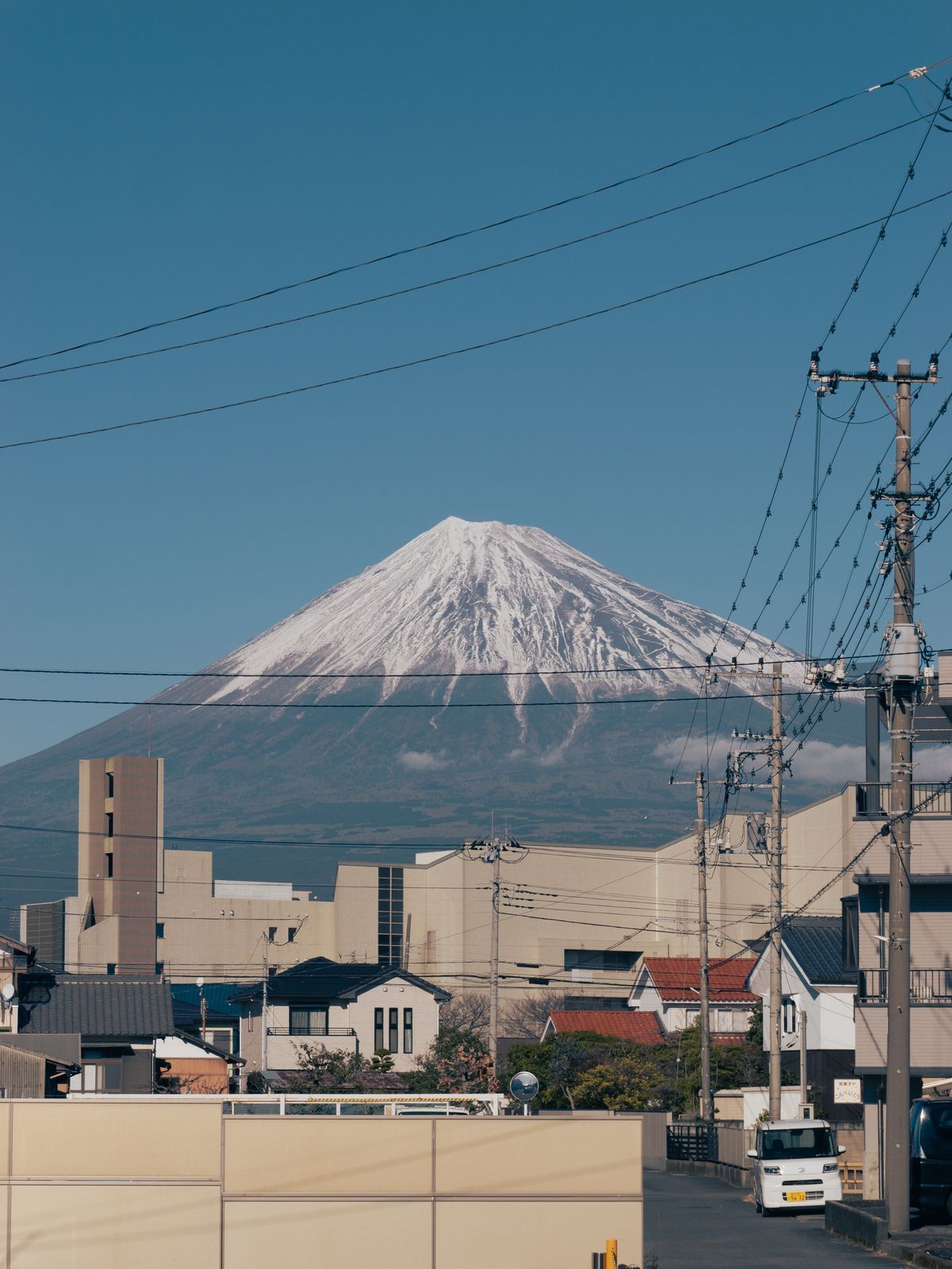
If you spend any time browsing property listings on Akiya Japan, you will notice a pattern. Chiba Prefecture quietly dominates saved-property lists despite receiving virtually zero English-language coverage as a buying destination. While the internet overflows with guides to "cheap houses in rural Japan" pointing readers toward Akita, Tochigi, and Niigata, the buyers who are actually putting properties into their shortlists keep circling back to the same peninsula east of Tokyo.
This is not an accident. Chiba occupies a rare sweet spot in Japanese real estate: close enough to Tokyo for a practical commute, affordable enough for genuine akiya bargains, and lifestyle-rich enough to justify living there full-time. It is the prefecture that experienced buyers discover after they have done their homework — and the one that first-timers consistently overlook.
This guide is the English-language resource that Chiba's akiya market has been missing. We will cover the real numbers, the geography, the transport links, the legal framework, the subsidies, and the honest risks — everything you need to decide whether Chiba deserves a place on your shortlist too.
Chiba by the Numbers
Chiba Prefecture sits immediately east of Tokyo, forming the bulk of the Boso Peninsula that juts into the Pacific Ocean. With a population of approximately 6.28 million, it is Japan's sixth most populous prefecture — large enough to support excellent infrastructure, small enough outside its northern cities to offer genuine rural character.
The geography matters enormously for property buyers. Chiba's northern border is effectively part of the Tokyo metropolitan sprawl, with cities like Funabashi, Matsudo, and Ichikawa functioning as dense commuter hubs. But travel south down the peninsula and the landscape transforms rapidly: rice paddies, forested hills, fishing villages, and long stretches of Pacific coastline replace the apartment blocks within 60 to 90 minutes.
According to Japan's 2023 Housing and Land Survey, Chiba has approximately 382,500 vacant houses, ranking it sixth nationally in raw numbers. The national vacancy rate hit a record 13.8% in 2023, with 9 million empty homes across Japan. While Chiba's vacancy rate is lower than deeply rural prefectures like Wakayama (21.2%) or Tokushima (21.3%), it is meaningfully higher than neighboring Kanagawa (3.2%) or Saitama (3.8%). This middle ground is precisely what makes Chiba interesting: enough vacant stock to find genuine deals, but enough demand and infrastructure to give your investment long-term stability.
One more number that defines Chiba: Narita International Airport sits inside the prefecture, roughly 60 kilometers east of central Tokyo. For international buyers who plan to travel frequently between Japan and their home country, this proximity is not a footnote — it is a genuine lifestyle advantage that no other affordable prefecture can match.
The Three Chibas: Understanding the Geography
One of the most common mistakes foreign buyers make is treating Chiba as a single market. In reality, the prefecture splits into three distinct zones, each with different price points, lifestyles, and akiya availability.
Northern Chiba: The Tokyo Commuter Belt
Cities like Funabashi, Ichikawa, Matsudo, and Kashiwa are functionally part of Greater Tokyo. Over 100,000 residents commute daily to the capital. Average land prices here approach ¥200,000 per square meter or more, and genuine akiya bargains are rare. Properties that do come on the market tend to be aging condominiums rather than standalone houses, priced from ¥12 million to ¥18 million (approximately $77,000 to $115,000 USD) for a 35 to 45 square meter unit in a building that is 20 to 35 years old.
This zone is relevant if your priority is Tokyo access with slightly lower prices than buying within the capital itself. Condo prices here rose 7.55% year-on-year as of mid-2025, driven by buyers priced out of central Tokyo, where prices climbed 12.62% over the same period.
Central Chiba: The Transition Zone
Cities like Chiba (the prefectural capital), Narita, Sakura, and Togane form a middle band where urban infrastructure meets suburban pricing. Chiba city itself has a population of roughly one million and offers full urban amenities: shopping centers, hospitals, universities, and direct express train service to Tokyo Station in 40 to 45 minutes.
Akiya properties begin appearing more frequently in this zone, particularly in older residential neighborhoods where Japan's demographic shift is creating natural turnover. Expect to find detached houses from ¥3 million to ¥10 million ($19,000 to $64,000 USD), though many will require renovation budgets of ¥2 million to ¥5 million on top of the purchase price. The average land price in Chiba Prefecture was ¥137,900 per square meter in 2024, but this number is heavily skewed by the expensive northern cities — central and southern areas can be dramatically lower.
Southern Chiba: The Boso Peninsula
This is where Chiba's akiya market gets genuinely exciting. The Boso Peninsula — encompassing cities like Tateyama, Kamogawa, Katsuura, Isumi, and the famous surf town of Ichinomiya — offers a combination that is almost unique in Japan: beachfront or near-beach living within two hours of central Tokyo, at prices that would barely cover a parking space in Minato-ku.
Standalone akiya houses in southern Chiba regularly list between ¥1 million and ¥5 million ($6,400 to $32,000 USD). Some municipalities list properties through their akiya banks for as little as a few hundred thousand yen — or occasionally free, with the understanding that the buyer will renovate and inhabit the home. The trade-off is distance: while northern Chiba puts you 40 minutes from Tokyo, the southern tip of the Boso Peninsula is a two-hour-plus journey by local train.
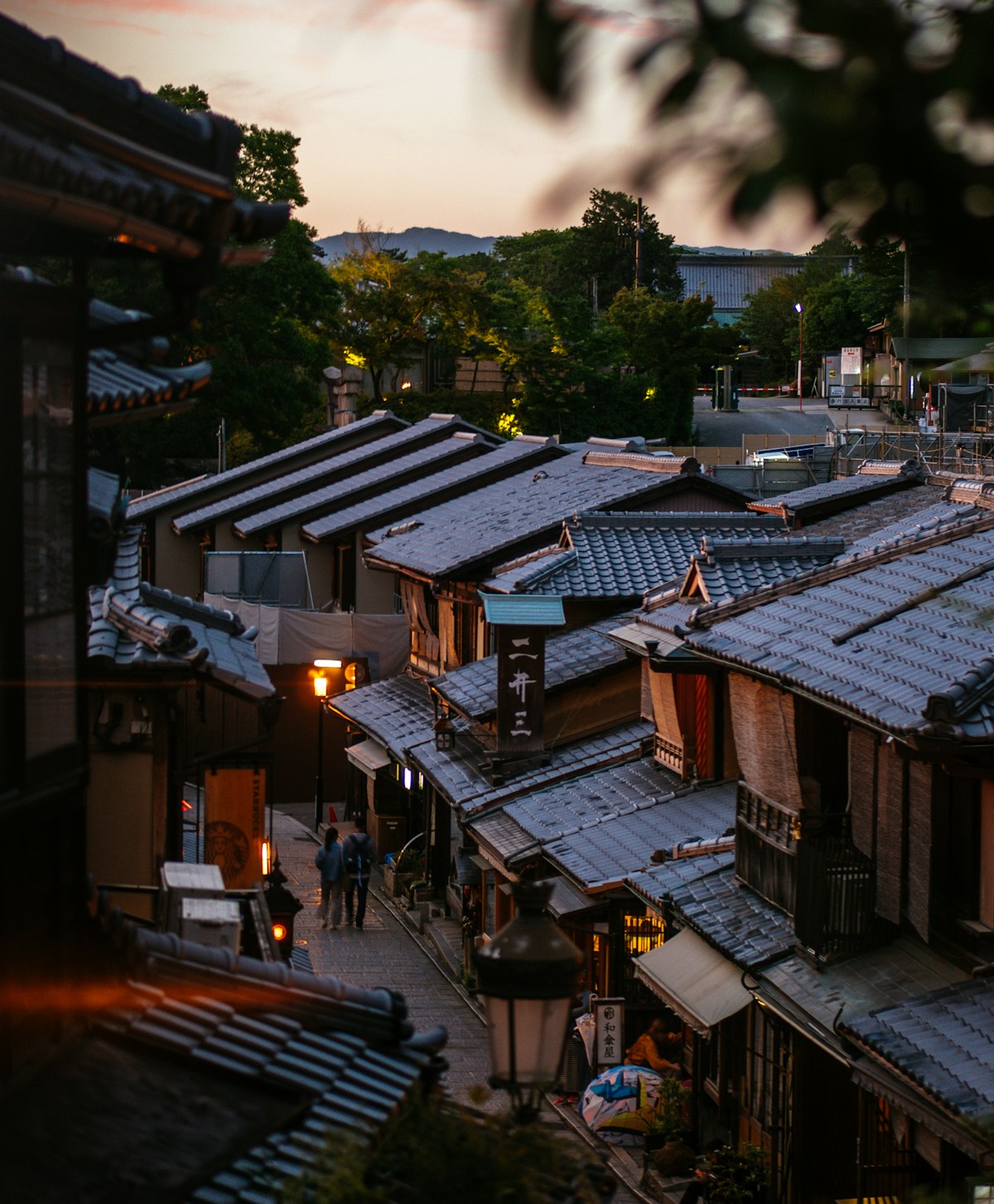
Traditional wooden houses in a Japanese historic district — the type of character properties found in Chiba's older towns — Unsplash
The Boso Lifestyle: More Than Just Cheap Houses
Price alone does not explain why Chiba's southern coast keeps drawing interest from international buyers. The Boso Peninsula has developed a distinctive lifestyle culture that blends traditional Japanese rural life with a relaxed, ocean-oriented identity that feels unlike anywhere else in the country.
The Surf Coast
Ichinomiya made international headlines when it hosted surfing's Olympic debut at the Tokyo 2020 Games (held in 2021). But the town's surf culture long predates the Olympics. Tsurigasaki Beach sits at the center of a roughly 100-kilometer surf coast stretching from Kamogawa in the south to Choshi in the northeast, drawing an estimated 600,000 surfers annually.
The area has earned the affectionate nickname "Chibafornia" — a nod to its California-like blend of surf culture, laid-back energy, and agricultural hinterland. Behind the beaches, steep forested hills give way to serpentine valleys filled with rice paddies: the classic satoyama pattern of Japanese rural settlement. It is a landscape where surf shops sit next to Shinto shrines and "surfer-farmers" divide their days between waves and vegetable plots.
The Expat Community
Unlike more isolated rural prefectures, the Boso Peninsula has a small but established international community. Some, like Canadian writer John R. Harris, have lived in Chiba's forests for over 20 years. Others are drawn by the surfing, the proximity to Narita (less than an hour's drive from many Boso towns), or the simple appeal of affordable coastal living within reach of Tokyo's cultural offerings.
This matters practically: an existing international presence means you are more likely to find English-speaking services, community networks, and neighbors who understand the experience of building a life in rural Japan as a foreigner.
Isumi: The Quiet Alternative
Just south of Ichinomiya, the coastal city of Isumi has become a draw for lifestyle migrants — both Japanese and international — seeking a quieter version of the surf-town experience. The Isumi Railway, one of Japan's most photogenic rural train lines, connects the area to the JR network while maintaining a distinctly unhurried character. Isumi offers excellent surfing, gorgeous sandy beaches, and abundant local seafood, all while remaining pleasantly off the beaten tourist track.
Transportation: How Connected Is Chiba Really?
For most international buyers, the make-or-break question is access. Can you actually get to Tokyo? Can visitors reach you from Narita? How practical is daily life without a car? The answers depend entirely on which part of Chiba you are considering.
The Rail Network
Chiba is served by several JR East lines that fan out from Tokyo:
- JR Keiyo Line: Runs from Tokyo Station along Tokyo Bay to Soga Station. The fastest commuter option at approximately 45 minutes, with trains arriving every 3.2 minutes during peak hours. Fare: approximately ¥740.
- JR Sobu Line (Rapid): Connects Tokyo and Chiba Station, with some services continuing to Kazusa-Ichinomiya (Sotobo Line) or Kimitsu (Uchibo Line). A reliable trunk line with frequent service.
- JR Chuo-Sobu Line (Local): Runs between Mitaka and Chiba Station, taking about 70 minutes from Shinjuku. Slower but connects to more stations.
- JR Uchibo Line: Runs along the western (Tokyo Bay) coast of the Boso Peninsula from Chiba to Awa-Kamogawa. Scenic route with less frequent service.
- JR Sotobo Line: Runs along the eastern (Pacific) coast from Chiba to Awa-Kamogawa. This is the line for the surf coast and Isumi area.
Additionally, the Keisei Electric Railway's Skyliner provides express service between Narita Airport and central Tokyo, and the JR Narita Express connects the airport to Tokyo Station, Shinagawa, Shibuya, and Shinjuku.
The Car Reality
Here is the honest truth: if you are buying in the southern Boso Peninsula, you will need a car. Train service south of Chiba city becomes progressively less frequent, with some stretches of the Uchibo and Sotobo lines running only one or two trains per hour. This is standard for rural Japan and should not be a dealbreaker, but it is a cost and logistical factor to budget for. A used kei car (light vehicle) can be purchased for ¥200,000 to ¥500,000, with annual insurance and shaken (inspection) costs of roughly ¥100,000.
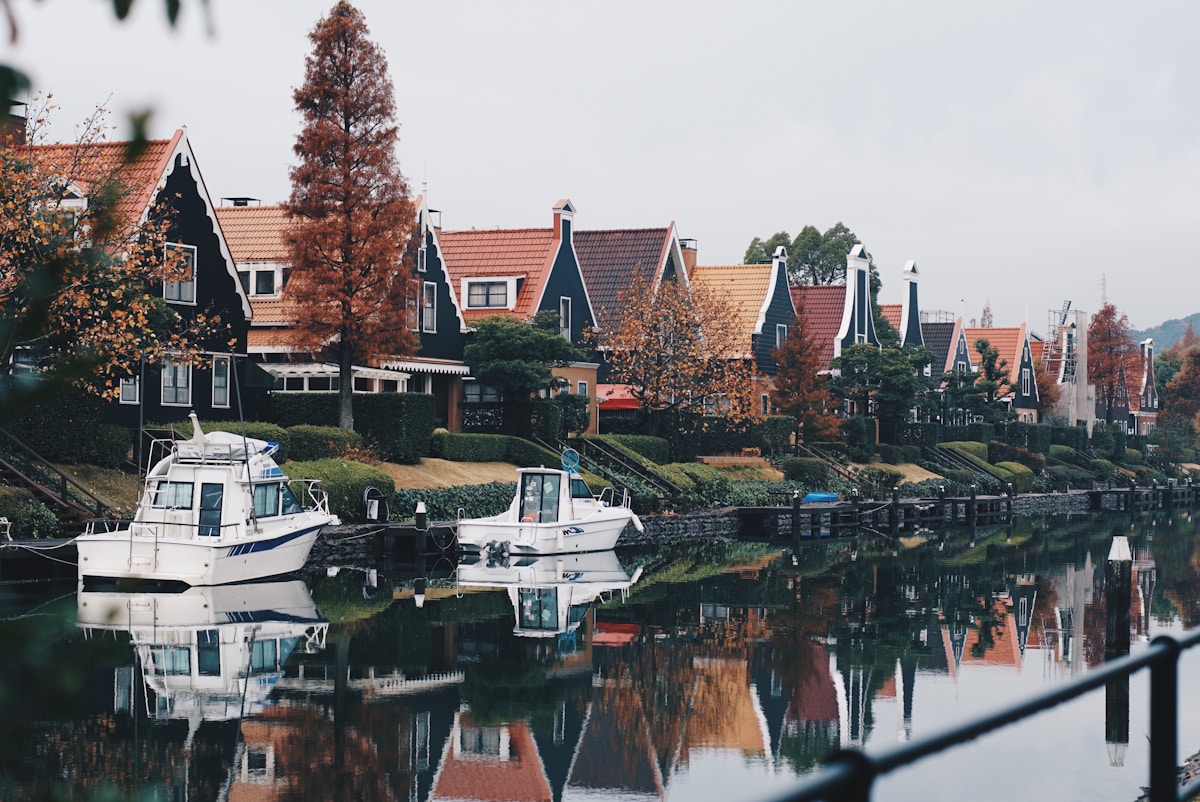
A waterfront town with traditional buildings — Chiba's coastal communities offer similar riverside charm — Unsplash
What Properties Actually Cost: A Realistic Breakdown
Let us move beyond headline numbers and talk about what you will actually spend to acquire and make habitable an akiya property in Chiba. These ranges are based on current market data and typical renovation scenarios.
Purchase Price Ranges (2025-2026)
- Free to ¥1 million ($0-$6,400): Available through municipal akiya banks, typically in the most rural southern areas. Expect significant renovation needs. These properties are usually listed because the owner wants to transfer maintenance responsibility.
- ¥1 million to ¥5 million ($6,400-$32,000): The sweet spot for southern Boso Peninsula properties. Detached houses, often with land, sometimes with ocean views. Condition varies from "needs everything" to "move in with basic cleaning."
- ¥5 million to ¥10 million ($32,000-$64,000): Better condition properties in central Chiba or well-located southern properties. More likely to have recent renovations or to need only cosmetic work.
- ¥10 million to ¥20 million ($64,000-$128,000): Properties in the northern commuter belt, newer construction, or renovated properties in desirable Boso locations close to surf spots or scenic coastline.
Buying Costs Beyond the Purchase Price
Japan's property transaction costs add roughly 5% to 8% of the purchase price for an akiya-range property. Here is the breakdown:
- Real Estate Acquisition Tax (不動産 (fudōsan)取得税 (fudōsan shutoku-zei)): 3% of the assessed value for residential properties and land, valid until March 2027 under current government incentives. Note: the assessed value is typically lower than the purchase price.
- Registration and License Tax (登録免許税 (tōroku menkyo-zei)): 0.3% to 2% for buildings and 1.5% to 2% for land, depending on whether it qualifies as a primary residence.
- Stamp Duty (印紙税 (inshi-zei)): ¥1,000 to ¥10,000 for most akiya-range purchases (based on contract value).
- Judicial Scrivener Fees: ¥100,000 to ¥200,000 for handling the registration paperwork. A judicial scrivener (shiho shoshi) is required for property registration in Japan.
- Agent Commission: Up to 3% + ¥60,000 + consumption tax. For lower-value akiya, agents sometimes charge a flat fee.
Foreign buyers face the same tax rates as Japanese buyers — Japan imposes no additional surcharges on foreign property purchases. However, qualifying for reduced rates on registration tax can be more difficult without Japanese residency documentation.
Renovation Budget
This is where realistic planning matters most. A common mistake is budgeting heavily for the purchase and leaving too little for renovation. For a typical Chiba akiya that has been vacant for several years:
- Basic habitability (roof repair, plumbing, electrical, pest treatment): ¥1 million to ¥3 million
- Comfortable modernization (kitchen, bathroom, flooring, insulation): ¥3 million to ¥7 million
- Full renovation (structural work, complete interior refit, earthquake retrofitting): ¥7 million to ¥15 million
A practical rule of thumb: budget at least the same amount for renovation as you spend on the purchase. A ¥3 million house with a ¥3 million renovation budget gives you a far better outcome than a ¥6 million house that needs no work — and you get a home customized to your needs.
Municipal Subsidies and Akiya Banks
Many Chiba municipalities actively want new residents and offer financial incentives to attract them. These programs change annually, so always verify current availability directly with the municipal office, but here is what these programs typically look like.
Akiya Banks (空き家 (akiya)バンク (akiya bank))
Most municipalities in southern and central Chiba operate akiya banks — databases of vacant properties whose owners have registered them for sale or rent, often at below-market prices. These differ from commercial real estate listings in that they are government-facilitated and sometimes include properties available for free or near-free transfer.
To access Chiba's akiya banks, start with the national aggregator at the Zenkoku Akiya Bank (全国版空き家 (akiya)バンク (zenkoku-ban akiya bank)) portal, which links to individual municipal databases. You can also search by region on sites like akiyabanks.com. Each municipality manages its own listings and application process — some require that buyers commit to residing in the property, while others allow vacation or investment use.
Renovation and Relocation Subsidies
Typical subsidy programs available in Chiba municipalities include:
- Renovation grants: Usually covering 30% to 50% of eligible renovation costs, capped at ¥500,000 to ¥1,000,000 per property. Some municipalities with aggressive depopulation strategies offer up to ¥2,000,000.
- Earthquake retrofitting subsidies: Can cover up to 50% of seismic reinforcement costs, with caps ranging from ¥500,000 to ¥3,000,000. Particularly relevant for older wooden structures common in the akiya market.
- Relocation incentives: The national government's regional revitalization program offers substantial subsidies for people moving from Tokyo's 23 special wards to designated rural areas. Families can receive up to ¥3 million, with additional per-child allowances. Chiba municipalities that participate in this program can offer these on top of their own local incentives.
- Energy efficiency grants: Available for insulation upgrades, solar panel installation, and other energy improvements to older homes.
Foreign residents are eligible for these subsidies provided they meet all other conditions — there is no nationality restriction. However, most programs require that you are registered as a resident of the municipality (or plan to register), which means having a valid residence status in Japan.
The Legal Framework: What the 2023 Revised Akiya Act Means for Buyers
Japan's approach to vacant houses changed significantly with the 2023 revision of the Act on Promoting Measures to Address Vacant Houses (originally enacted in 2015). Understanding this law is important because it directly affects both pricing dynamics and your obligations as a property owner.
Key Changes That Affect Buyers
The revised law introduced the category of "poorly managed akiya" (管理不全空家) alongside the existing "specified vacant house" (特定空家 (tokutei akiya), tokutei akiya) designation. Municipal governments can now:
- Designate neglected properties that are not yet dangerous but are deteriorating. Owners who fail to improve the property after receiving guidance lose their residential land tax reduction — meaning property taxes can increase three to six times.
- Simplify demolition procedures for genuinely hazardous vacant houses, making administrative subrogation (government-ordered demolition at the owner's expense) faster to execute.
- Designate "Akiya Utilization Promotion Areas" where certain Building Standards Act restrictions are relaxed, making it easier to renovate and repurpose old houses for new uses like guesthouses, cafes, or co-working spaces.
Why This Benefits Buyers
The tax pressure created by the revised law is pushing more reluctant owners to sell or give away properties they have been holding passively. This is expanding the supply of available akiya, particularly in municipalities that are actively enforcing the new provisions. For buyers, this means more inventory, more motivated sellers, and in some cases, lower prices as owners seek to offload properties before incurring higher tax burdens.
Conversely, as a buyer, you need to understand that purchasing a property does not exempt you from these obligations. If you buy an akiya and then neglect it, you face the same escalating tax consequences. Budget for maintenance or have a clear renovation and use plan before purchasing.
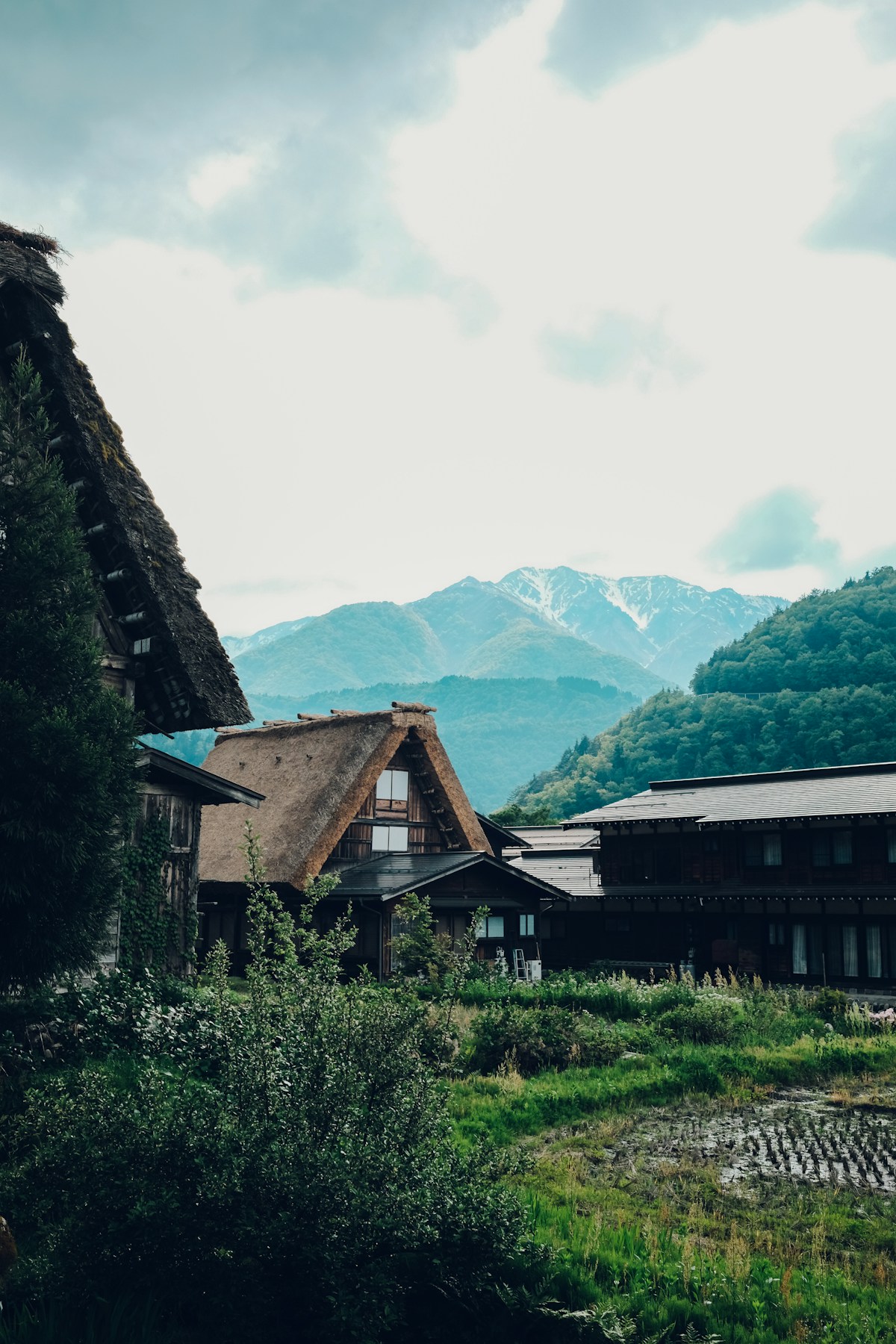
Rural houses surrounded by nature — scenes like this are common throughout southern Chiba's countryside — Unsplash
Honest Risks and Considerations
No responsible guide would present Chiba's akiya market without addressing the genuine risks. Understanding these upfront will help you make better decisions.
Natural Disaster Exposure
Chiba faces real natural disaster risks that directly affect property decisions:
- Earthquakes: There is more than a 20% probability of damaging earthquake shaking in Chiba within the next 50 years. Any pre-1981 wooden house (when Japan updated its seismic building codes) should be assessed for earthquake resistance, and retrofitting should be factored into your renovation budget.
- Tsunamis: Coastal Chiba has a high tsunami hazard classification, with more than a 40% chance of a potentially damaging tsunami within 50 years. Check your target property's elevation and distance from the coast, and review the municipal hazard map before committing.
- Typhoons: Typhoon Faxai in 2019 damaged over 65,000 houses in Chiba and disrupted essential services for a month. Roof condition and storm preparedness should be priorities in any renovation plan.
Practical step: Before purchasing any property, request the municipal hazard map (hazādo mappu) for the specific area. These maps show flood zones, landslide risk areas, tsunami inundation projections, and evacuation routes. They are free and available from every city or town office.
Rural Depopulation
Southern Chiba, like much of rural Japan, is experiencing population decline. This is the fundamental force that creates akiya supply — and it also means that some areas may see reduced services, school closures, and fewer local businesses over time. When evaluating a property, consider not just the house itself but the trajectory of the surrounding community. Towns with active akiya bank programs and relocation incentives are generally signaling that they have the political will and budget to fight depopulation, which is a positive indicator.
Language Barriers
While northern Chiba has multilingual services due to its proximity to Tokyo and Narita, rural Boso municipal offices, contractors, and neighbors will almost exclusively speak Japanese. If you do not speak Japanese, you will need either a bilingual agent or a trusted translator for the purchase process, renovation management, and ongoing municipal interactions. Working with a licensed agent who specializes in foreign buyer transactions, such as Teritoru, our licensed partner agent, can bridge this gap and prevent costly miscommunications — particularly around renovation specifications, permit applications, and municipal subsidy paperwork.
Renovation Surprises
Older Japanese houses frequently contain asbestos in insulation and roofing materials, termite damage that is not visible during initial inspection, inadequate electrical wiring for modern appliances, and plumbing that does not meet current standards. Always commission a professional building inspection (kenchiku bukken chōsa) before purchasing, even if the property appears to be in good condition. The inspection cost of ¥50,000 to ¥100,000 is insignificant compared to the cost of discovering structural problems after closing.
The Buying Process: Step by Step
For international buyers new to Japanese real estate, here is the practical sequence for acquiring an akiya in Chiba:
- Search and shortlist: Browse listings on platforms like Akiya Japan, municipal akiya banks, and Japanese real estate portals. Narrow to 3 to 5 serious candidates.
- Engage an agent: While akiya bank properties can sometimes be purchased directly from the municipality, having a licensed real estate agent (takkenshi) is strongly recommended. They handle due diligence, negotiate, and ensure legal compliance. For foreign buyers, an agent with bilingual capability is practically essential. Booking a consultation with Teritoru is a practical first step — they specialize in helping international buyers through exactly this process.
- Property inspection: Visit in person if possible. Commission a professional inspection. Check the hazard map. Talk to neighbors if you can.
- Purchase agreement: Sign the sales contract (baibai keiyaku), pay the deposit (typically 5% to 10%), and pay stamp duty.
- Due diligence period: Your agent and judicial scrivener verify the title, check for liens, confirm boundaries, and prepare registration documents.
- Settlement: Pay the balance, receive the keys. The judicial scrivener files for title transfer at the Legal Affairs Bureau.
- Post-purchase registration: Register your ownership with the municipal tax office. If you plan to claim renovation subsidies, apply before starting renovation work — most programs require pre-approval.
- Renovation: Engage local contractors. If applying for earthquake retrofitting or renovation subsidies, ensure the work plan meets the municipal requirements.
The entire process from offer to settlement typically takes 1 to 3 months. Foreign buyers without Japanese residency can purchase property — Japan places no restrictions on foreign property ownership — but will need to meet additional documentation requirements.
Why Chiba, Why Now
Several converging factors make 2025 and 2026 a particularly interesting window for Chiba akiya buyers:
- The yen remains historically weak, making Japanese property exceptionally affordable for buyers holding USD, EUR, GBP, or AUD. A property priced at ¥5 million costs roughly $32,000 USD at current exchange rates — a fraction of what comparable coastal property costs in most developed countries.
- The revised Akiya Act is expanding supply. As tax penalties on neglected properties take effect, more owners are choosing to sell rather than face multiplied property tax bills. This is a multi-year trend that is still accelerating.
- Current tax incentives are time-limited. The reduced real estate acquisition tax rate (3% instead of 4%) and stamp duty reductions are valid until March 2027. Buying before these expire saves real money.
- Infrastructure improvements continue. Chiba is benefiting from ongoing investment in the Keiyo Line and other commuter rail improvements. The post-Olympic development of the Ichinomiya and wider Boso coast area continues to add amenities without destroying the area's character.
- Remote work has changed the equation. The shift toward hybrid and remote work models means that a property in southern Chiba is no longer limited to retirees and vacation buyers. If you can work remotely for all or most of the week, a Boso Peninsula home with occasional Tokyo commutes becomes genuinely practical.
What Makes Chiba Different
Chiba is not the cheapest prefecture in Japan for akiya. It is not the most dramatic or Instagram-worthy. What it is, consistently, is the most practical — the prefecture where lifestyle quality, Tokyo access, international connectivity via Narita, natural beauty, and affordability overlap more completely than almost anywhere else in the country.
The data backs this up. When people browse from a distance, they dream about mountain retreats in Nagano or tropical escapes in Okinawa. When they get serious and start saving properties to their shortlists, they keep coming back to Chiba. The gap between Chiba's popularity among actual active buyers and its near-total absence from English-language real estate coverage is one of the more puzzling blind spots in Japan property writing.
This guide is a starting point. The next step is to browse current Chiba listings, identify areas that match your priorities, and start building a picture of what your budget can realistically achieve. The properties are there. The infrastructure is there. The community is slowly but steadily growing. The only thing missing has been clear, English-language information. The data has been pointing toward Chiba for years.