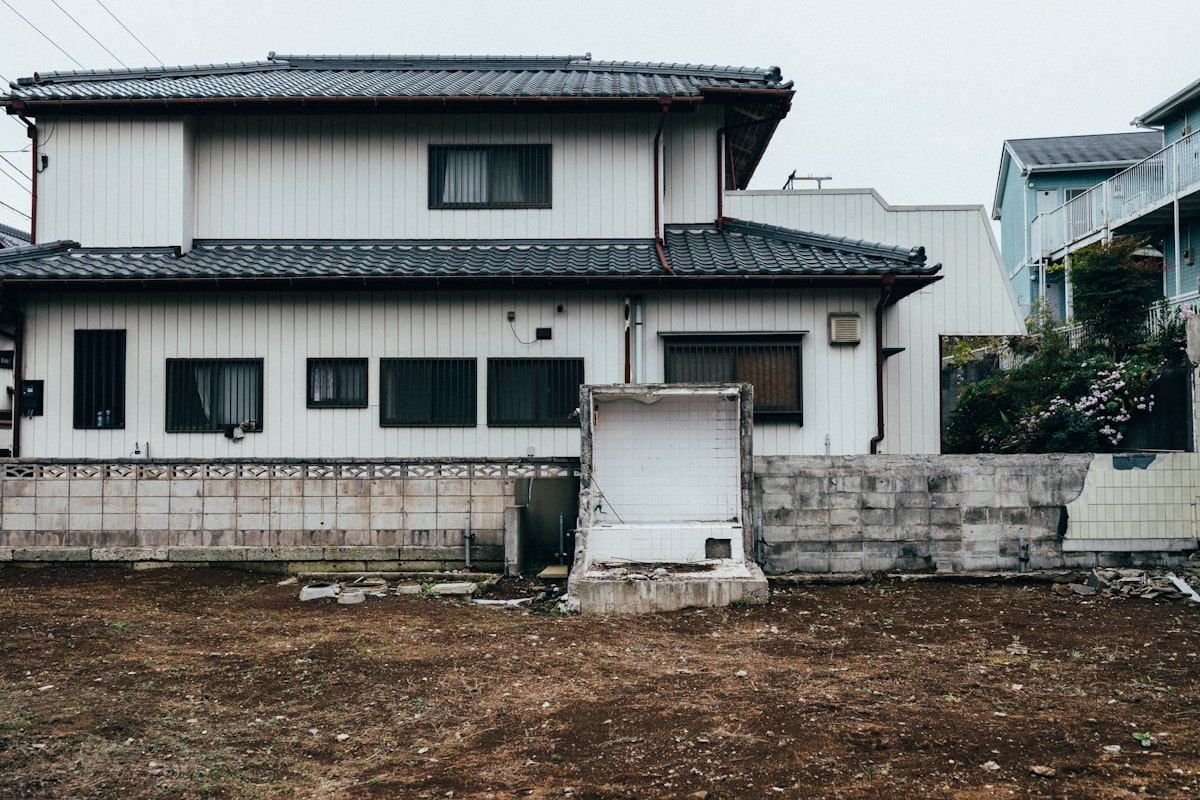
Yes, zero-yen houses in Japan are real. No, "free" is not what it sounds like. The short version: you can acquire a Japanese house for ¥0 in purchase price, then spend ¥800,000–¥15,000,000 ($5,300–$100,000) making it livable. Whether that's a good deal depends entirely on what you're walking into — and most people asking this question haven't been told the full picture yet. Here it is.
What "Zero Yen" Actually Means
A property listed at ¥0 is not charity. It's a transaction where the seller's cost of holding the asset exceeds the asset's value to them — so they've priced it at zero to find someone willing to take it off their hands.
The mechanics are straightforward. Japan's population has been declining for two decades. Rural and secondary cities are losing residents faster than housing stock disappears. When a property owner dies, their heirs — often living in Tokyo, Osaka, or abroad — inherit a house they don't want, can't sell, and are now legally responsible for. Annual property taxes apply. If the structure becomes a safety hazard, the municipality can issue improvement orders, and since the 2015 Vacant House Special Measures Act, local governments can designate problem properties as "specified vacant houses" — stripping the preferential tax treatment that previously made holding empty land cheaper than demolishing it.
That tax change was significant. Before 2015, keeping an old house standing reduced the fixed asset tax on the underlying land by up to one-sixth. After 2015, municipalities could revoke that reduction for specified vacant houses. Suddenly, letting a deteriorating property sit became more expensive. Owners who couldn't sell started listing on akiya banks — municipal registries of vacant properties — at minimal or zero prices, just to transfer the liability.
So when you see ¥0, you're looking at a property someone wants to escape from. That tells you something about the asset before you've seen a single photo.
The Real Costs of a "Free" House
The purchase price is one line item. Here are the others you'll encounter before — and after — you get the keys.
| Cost Item | Yen Range | USD Range |
|---|---|---|
| Registration tax | ¥30,000–¥100,000 | $200–$670 |
| Judicial scrivener (shihoshoshi) | ¥50,000–¥150,000 | $330–$1,000 |
| Property inspection | ¥30,000–¥80,000 | $200–$530 |
| Translation / agent fees (overseas buyers) | ¥200,000–¥500,000 | $1,330–$3,330 |
| Renovation — light cosmetic | ¥500,000–¥2,000,000 | $3,330–$13,330 |
| Renovation — moderate | ¥2,000,000–¥8,000,000 | $13,330–$53,330 |
| Renovation — full structural | ¥8,000,000–¥15,000,000 | $53,330–$100,000 |
| Annual fixed asset tax | ¥30,000–¥150,000/yr | $200–$1,000/yr |
| Fire / earthquake insurance | ¥50,000–¥120,000/yr | $330–$800/yr |
Run the numbers at the conservative end: registration tax, scrivener, inspection, translation, and light renovation. You're already at roughly ¥810,000 ($5,400) before you've touched a wall. That assumes nothing unexpected — no termite remediation, no illegal extensions that need to be brought up to code, no septic system replacement.
Zero-yen properties are disproportionately likely to have those surprises. That's not cynicism — it's selection bias. Properties in good condition get priced and sold. Properties with serious problems get listed at ¥0.
The Demolition Trap
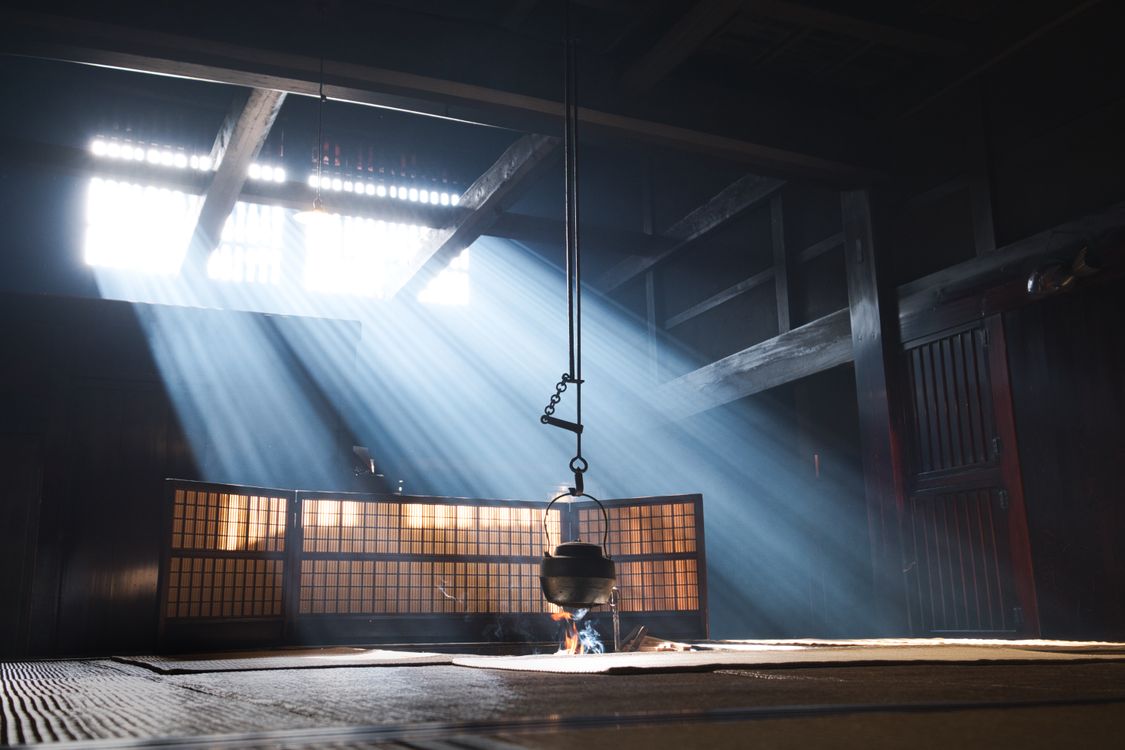
Some zero-yen listings come with a condition that doesn't appear prominently in the headline: you are required to demolish the existing structure. The municipality or owner has decided the building is beyond useful life and wants the land cleared. Transferring the property at ¥0 is simply the cheapest way to transfer the demolition liability.
Demolition costs in Japan are not trivial. A standard single-family house runs ¥800,000–¥3,000,000 ($5,330–$20,000) depending on size, materials (concrete vs. wood), and whether asbestos is present. Pre-1975 construction has a meaningful probability of asbestos in insulation, roofing, or floor tiles — which requires specialist removal and adds ¥200,000–¥500,000 ($1,330–$3,330) to the bill.
So: a "free" house becomes a ¥1,000,000–¥3,500,000 ($6,670–$23,330) demolition project, after which you own a cleared plot of land — and still need to build or buy something to live in.
The inverse problem also exists. In certain preservation districts and historic townscape zones, demolition is prohibited or requires a lengthy approval process. You may acquire a property you cannot tear down and are obligated to maintain at period-appropriate standards. The renovation constraints in these zones can make restoration costs substantially higher than standard work.
Before accepting any zero-yen property, get written confirmation on two questions: Is demolition required? Is demolition permitted? Both answers matter.
The Social Contract You're Signing
Japanese residential life comes with community obligations that don't show up in property listings. Understanding them before you commit avoids friction later.
Most neighborhoods have a jichikai — a neighborhood association that handles local coordination: collecting dues for communal maintenance, organizing seasonal cleanup days, distributing municipal notices, and liaising with local government. Membership is technically voluntary. In practice, opting out means you don't receive neighborhood bulletins, may not participate in shared waste disposal arrangements, and signal to neighbors that you're not planning to integrate. For a foreign buyer who is rarely present, the pragmatic choice is usually to join and pay the dues — typically ¥500–¥2,000 per month.
Beyond the jichikai, municipal akiya bank programs often attach specific conditions to transfers:
Residency registration requirements. Many programs require you to register as a resident (junminhyo) within a specified period — often one year. This is a formal administrative step that requires physical presence and a visa status that permits residence. If you're planning to use the property only as a holiday home from the US, confirm whether the program permits this or requires full residency.
Renovation timeline requirements. Some municipalities require renovation work to begin within 12 months of transfer, with proof of completion within a further specified period. This is not optional — failure to comply can trigger clawback clauses in the transfer agreement, requiring you to return the property or pay a penalty.
Use restrictions. Akiya bank programs in rural and regional areas are trying to attract people who will actually live in the community, not investors buying and flipping. Many programs explicitly prohibit short-term rental use (Airbnb-style) for the first several years. If your plan involves generating income from the property, verify this is permitted before signing anything.
None of this makes zero-yen properties a bad idea. It does mean they come with a set of obligations that priced market listings do not — and US buyers accustomed to arm's-length real estate transactions sometimes find the community-integration expectations unexpected.
When Cheap Beats Free
Here is the finding that surprises most people who've spent time in the market: the ¥1,000,000–¥5,000,000 ($6,700–$33,500) range frequently delivers better total outcomes than zero-yen listings.
Why? Because a priced property has been evaluated. The seller — whether an individual, an estate, or a regional bank — has made a judgment that the asset is worth something. That judgment, even if it's just ¥500,000 ($3,330), usually means someone has looked at the structure, the title is clean, and the condition has been at least loosely documented. The due diligence has been started for you.
Contrast that with a zero-yen listing, where the pricing signals that no one has been able to value it positively. There may be a reason that hasn't been disclosed.
Additional advantages of the ¥1M–¥5M range:
- These properties are less likely to be enrolled in restrictive municipal programs — meaning fewer residency requirements, fewer timeline mandates, fewer use restrictions
- Condition is usually documented in the listing, making renovation scope more predictable
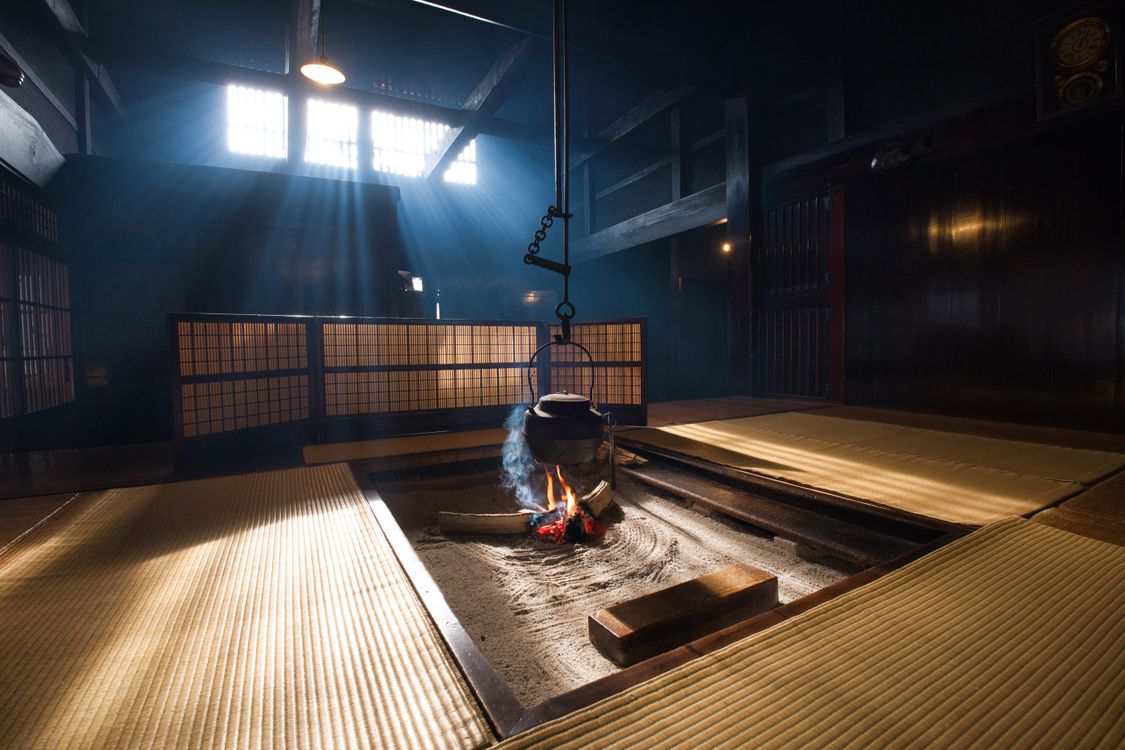
- Traditional features — tatami rooms, fusuma sliding doors, engawa verandas — are more often intact, since no one has stripped them for salvage
- The total cost of ownership (purchase price plus renovation) frequently comes out lower than a zero-yen property requiring full structural work, because the renovation scope is bounded
- Resale is more straightforward — a property with a documented purchase price has an established basis for future valuation
For buyers targeting a livable result rather than a multi-year project, the ¥3,000,000–¥8,000,000 ($20,000–$53,330) range with a moderate renovation budget often produces the most predictable outcomes. You know what you're getting, the paperwork is standard, and the renovation contractor has something to work with.
Browse low-priced properties starting under ¥1M
Red Flags to Walk Away From
These are the signals that a zero-yen listing is likely to cost you more than you expect — or create legal complications that aren't easily resolved from overseas.
- No inspection report available — on a property listed at zero, this is non-negotiable. Decline to proceed without one.
- The owner or intermediary wants a signature before an in-person visit — legitimate sellers do not require commitment before inspection.
- "Renovation not required" stated for a structure that is clearly 40+ years old — this is either false or the standard being applied is not the one you'd use.
- Demolition required — you're buying a demolition liability, not a house.
- Demolition forbidden — you're acquiring a maintenance obligation you cannot exit from.
- No confirmation of utility reconnection costs — water, gas, and electricity connections to a long-vacant property can require significant work, especially in areas where infrastructure has been reduced due to depopulation.
- Listed through a third-party intermediary rather than the actual municipality or owner — paid consultants sometimes relist akiya bank properties with their own fees layered on. Go to the source.
- Multiple previous applicants declined the property — ask why. If the intermediary doesn't know or won't say, that's your answer.
- Property located in a special fire prevention zone (防火地域 or 準防火地域) — rebuilding and renovation restrictions in these zones are strict, and non-compliant structures cannot be rebuilt as-is if significantly damaged or demolished.
FAQ: 7 Quick Answers
Can foreigners own property in Japan?
Yes. Japan places no restrictions on foreign ownership of real estate. Non-residents can buy, sell, inherit, and renovate property without a visa or residency requirement. The process involves more paperwork than a domestic purchase — particularly around the seal certificate equivalent for foreign nationals — but it is entirely legal and well-documented.
Do you need to live in Japan to buy an akiya?
Not for market listings. For municipal akiya bank programs, most attach a residency registration requirement within a set period, commonly one year. If you're planning to use the property part-time from the US, the open market is more flexible than the akiya bank route. Check the specific program terms before applying to any municipal listing.
Are there really houses listed at ¥0?
Yes — but they're rarer than the headlines suggest, and they are the listings with the most attached conditions. The more common akiya bank price range is ¥100,000–¥500,000 ($670–$3,330). True zero-yen properties exist; they are disproportionately the ones with structural problems, demolition requirements, or the most restrictive program conditions.
Is renovation financing available for foreigners?
Japanese banks rarely lend to non-residents, and when they do, the terms require substantial documentation of Japan-sourced income or significant collateral. Some regional banks and credit unions will lend to permanent residents. The practical reality for most foreign buyers is cash purchase or home-country financing secured against other assets. Factor this into your budget planning before you identify a specific property.
What's the minimum realistic budget?
For a livable result on a cheap property, budget ¥3,000,000–¥5,000,000 ($20,000–$33,500) all-in — purchase price plus light-to-moderate renovation. For a full renovation that restores a neglected structure to comfortable living standard, budget ¥5,000,000–¥15,000,000 ($33,500–$100,000). Below ¥3M all-in, you are looking at a multi-year project with significant ongoing cost and effort.
Are there ongoing costs after purchase?
Yes. Fixed asset tax is assessed annually and varies by location and assessed value — typically ¥30,000–¥150,000 ($200–$1,000) per year for a modest rural property. Fire and earthquake insurance runs ¥50,000–¥120,000 ($330–$800) per year. Add jichikai dues and routine maintenance, and annual ownership costs on a modest property run roughly ¥150,000–¥400,000 ($1,000–$2,670) before any major repairs.
Where do I find legitimate akiya listings?
Municipal akiya banks are the primary source — accessed through Japan's national akiya bank portal or directly through individual municipality websites. Aggregators that consolidate listings across sources save significant research time. Akiya Japan aggregates 287,000+ properties across Japan, with filters for price, region, and property type. Avoid paid "Japan property consultant" services that charge for information available free through official channels.
The Verdict
Free houses in Japan are real. Zero-yen listings exist, transfers happen, and people do acquire properties for no purchase price. That part of the story is accurate.
What the headlines leave out: the acquisition costs, renovation realities, social obligations, and program conditions that come with those listings. "Free" describes one number on one line of a transaction that has many other numbers. Treated honestly, most zero-yen properties cost ¥800,000–¥5,000,000 ($5,330–$33,500) minimum to reach livable condition — and that assumes nothing seriously wrong was hiding under the surface.
For most buyers, the better strategy is targeting the ¥1M–¥5M range with a realistic renovation budget. You pay something upfront, but you get a property with documented condition, cleaner title history, fewer program strings, and a renovation scope you can actually plan around. The total cost of ownership usually compares favorably to a nominally free property that needed full structural work. If you want to go deeper on how the purchase process actually works: How to buy an abandoned house in Japan.