Snow, Seafood, and Wide Open Space
Living in Hokkaido
Japan's northern frontier — vast farmland, world-class powder skiing, abundant seafood, and a city in Sapporo that works as well as any in the country.
Japan's largest prefecture with its lowest density outside Okinawa's outer islands — wide roads, big farms, unbroken forests, and actual horizons.
Three types of crab in rotation, Okhotsk uni, salmon in season, and Hokkaido milk, butter, and cheese that set the national standard.
Niseko's powder draws skiers from four continents. Rusutsu and Furano offer comparable snow with less development and lower prices.
Japan's fifth-largest city with grid streets, excellent ramen, a world-class snow festival, and a food culture built entirely around local production.
Hokkaido in Winter
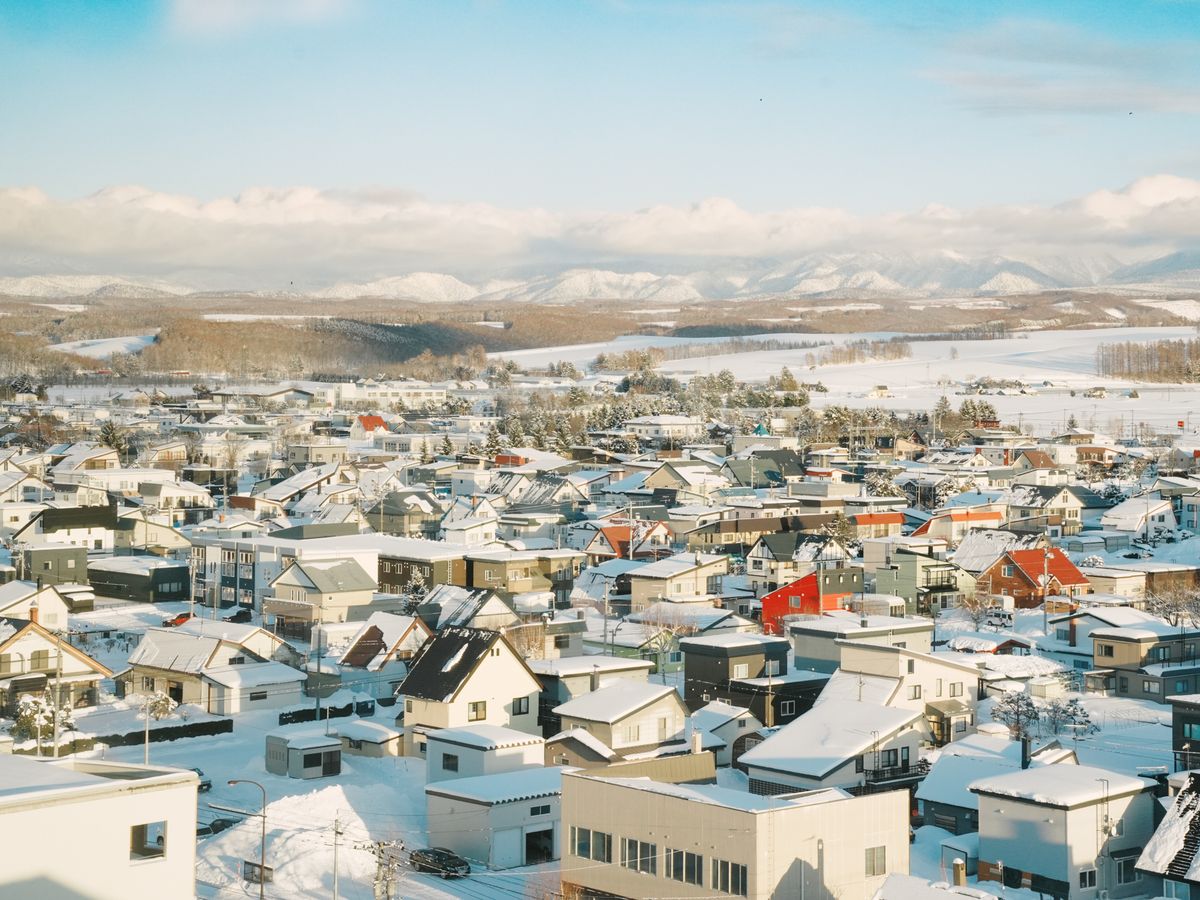
A Hokkaido village from above in deep winter — the scale of open space between settlements is unlike anywhere else in Japan.
Otaru Canal District
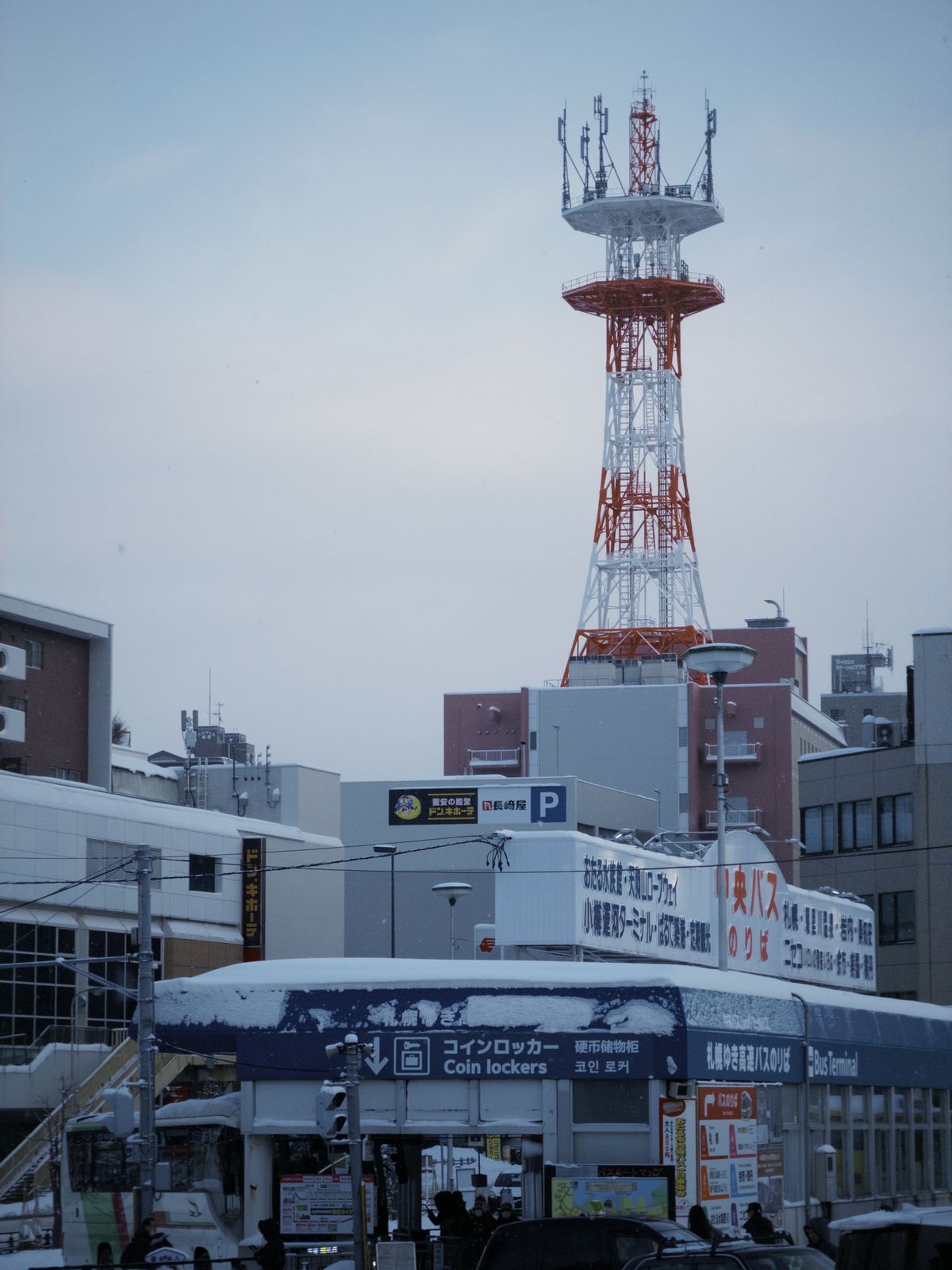
Otaru's former herring-industry canal district — 30 minutes from Sapporo, with preserved warehouses and the best sushi on the Sea of Japan coast.
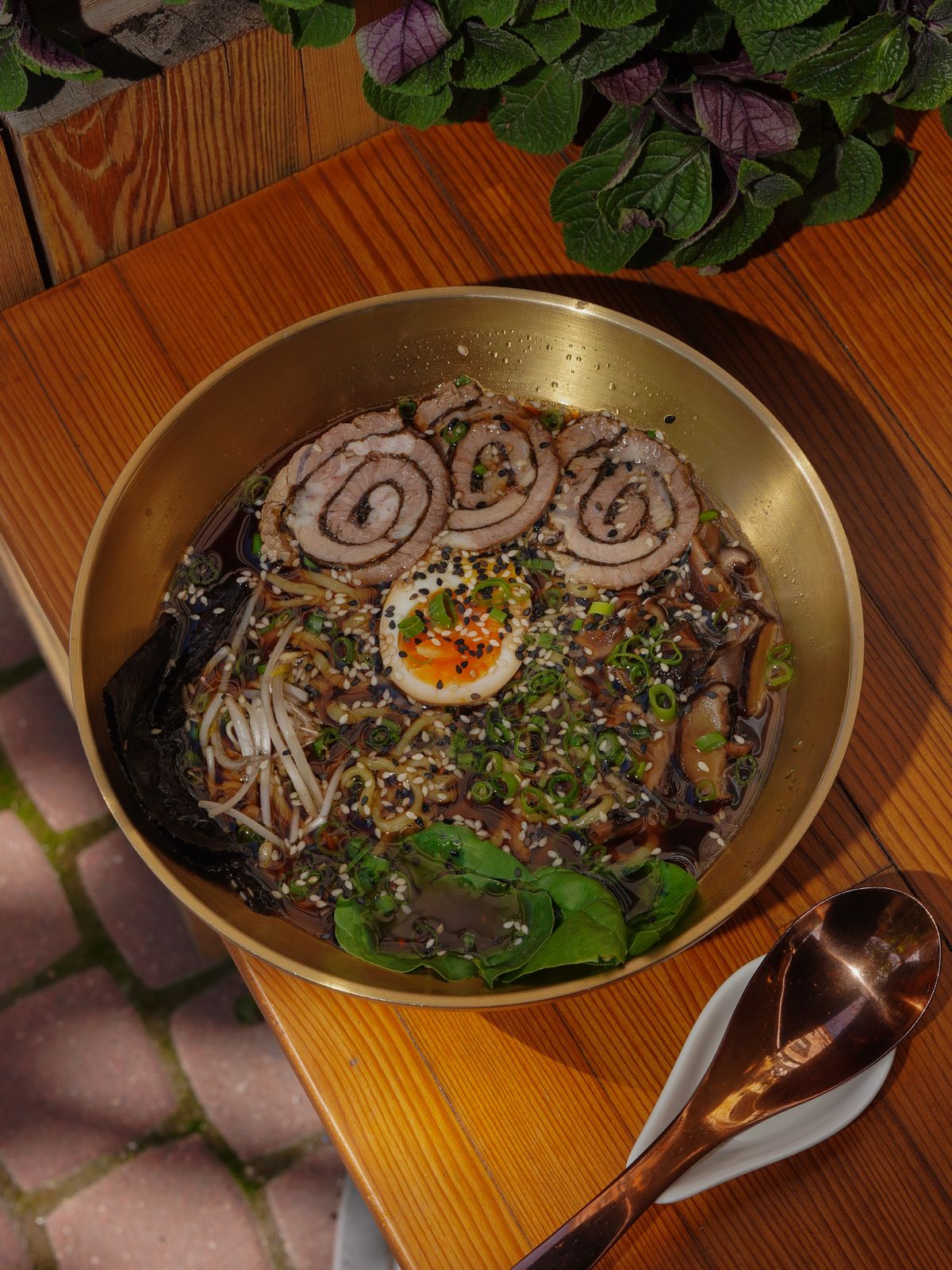
Sapporo Miso Ramen
Sapporo miso ramen — the style invented here, served with corn and butter. Ramen Alley in Susukino is the right starting point.
Why People Choose Hokkaido
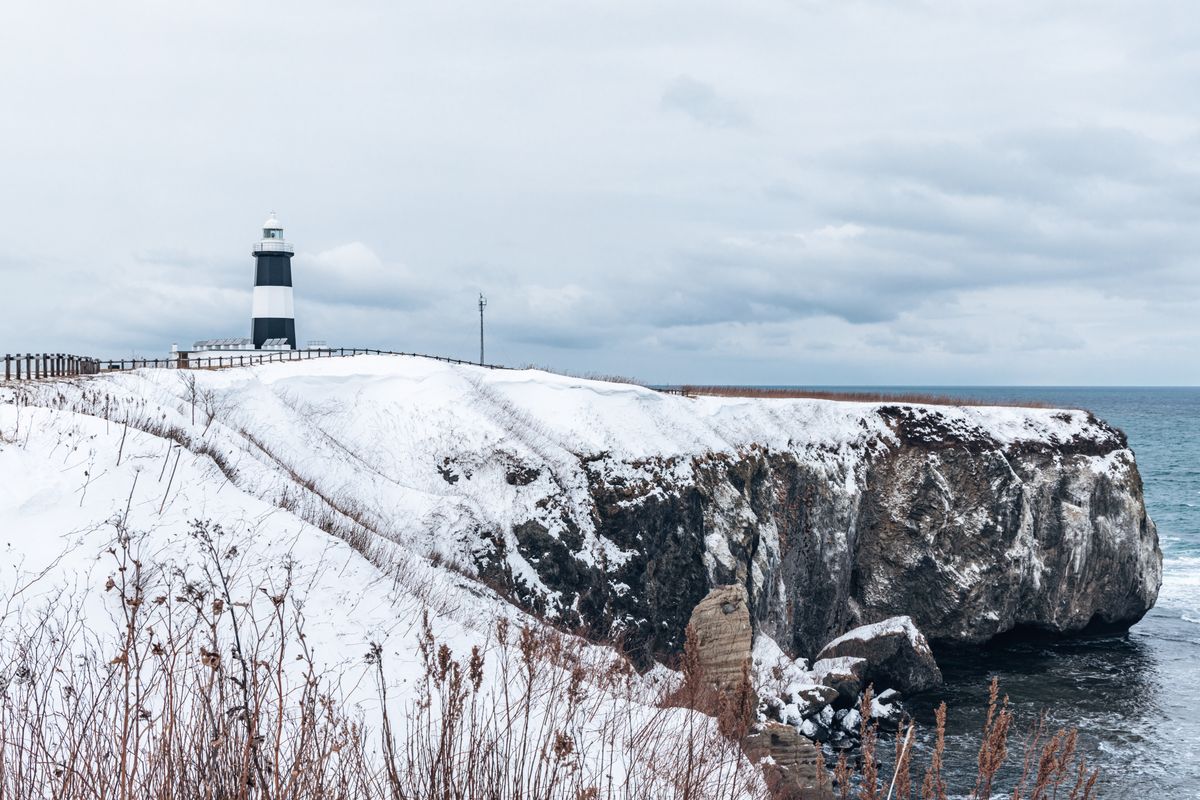
Hokkaido is Japan's largest prefecture by area and its least densely populated. The combination produces something rare in this country: genuine space. Roads are wide, farms are large, forests are unbroken for tens of kilometres, and the horizon appears in a way it rarely does on the mainland. For buyers who find the density and noise of Japanese urban life exhausting, Hokkaido is the clearest counterargument in the country.
The practical draw is substantial. Sapporo is a fully equipped city of two million that does not ask you to sacrifice urban functionality for clean air and wide streets. Beyond the city, property prices reflect the space — agricultural akiya in the interior are among the cheapest in Japan. The food and the winter sports are genuine world-class, not regionally adjusted world-class.
Sapporo runs like any large Japanese city — subway, covered shopping arcades, dense restaurant districts. Outside the city it shifts to a slower, car-dependent rhythm. Winters are real — Sapporo averages 6 metres of snowfall per year.
Hokkaido Shinkansen reaches Sapporo (from Tokyo) via Shin-Hakodate. Flights from Sapporo New Chitose Airport to Tokyo are 90 minutes. Within Hokkaido: expressways are fast in summer, can close in winter. Car is essential outside Sapporo.
Sapporo apartments ¥5M–¥20M. Rural Hokkaido houses ¥500K–¥3M. Agricultural akiya in Tokachi, Kamikawa, and Okhotsk regions from ¥300K. Ski resort zone (Niseko) is expensive — the international buyer premium is real.
The city base: Odori Park, Susukino entertainment district, subway network, and everything you need for everyday urban life in a Japanese city of two million.
Thirty minutes from Sapporo: a former trading port with a preserved canal district, high-quality seafood, and a quieter pace that makes it a popular Sapporo commuter town.
The agricultural heartland — lavender fields, patchwork hills, cheese, and dairy. Popular in summer; ski access in winter. Smaller towns, strong food identity.
The southern gateway: a port city with European-influenced architecture, outstanding morning markets, squid and crab from the Tsugaru Strait, and a night view rated among Japan's best.
Where To Start
Four ways to start in Hokkaido
Use Sapporo as your operational base — it has everything, it's easy to navigate, and it gives a clear first read on whether Hokkaido's pace and climate suit you. Odori Park, Susukino, and Ramen Alley in one evening.
The 30-minute train is one of the easiest day-trips in Hokkaido: the canal district, the herring warehouse restaurants, and the sushi bars on Sushiya-dori feed you well while showing you a scale of living that's very different from the capital.
The patchwork hill country around Biei and Furano is Hokkaido's pastoral identity in concentrated form — dairy farms, lavender in July, agricultural roads, and a food culture built on what's produced right there.
Hakodate is architecturally distinctive in a way that most of Hokkaido isn't. The morning fish market and the evening view from Mount Hakodate are the two things to plan around; everything else is the city itself.
Daily Life
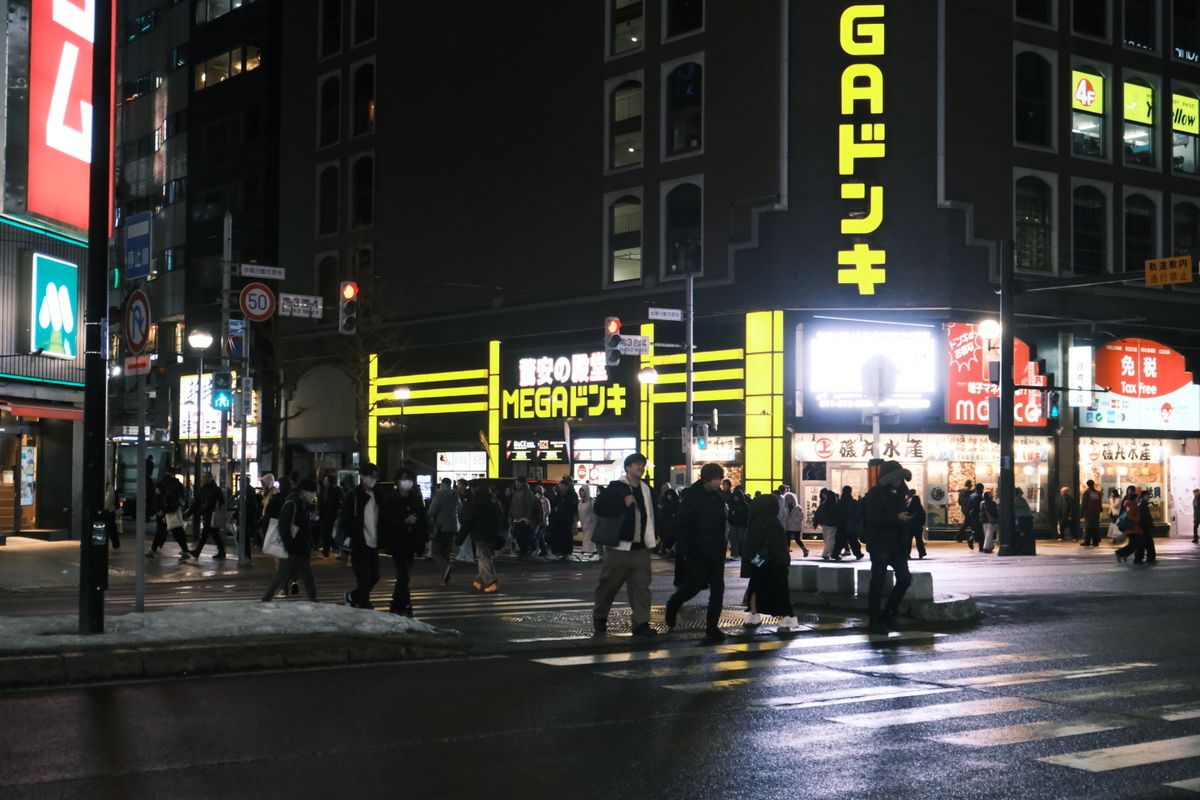
Sapporo was designed as a city. Its grid street plan (borrowed from American models after the Meiji government hired US agricultural engineers to develop Hokkaido) makes it navigable in a way that most Japanese cities are not. The subway connects the main residential and commercial zones; Tanuki Koji's covered arcade and the Susukino entertainment district are the two areas most visitors and residents cycle through repeatedly. Sapporo Factory, built in a former Sapporo Beer brewery, and the Stellar Place department complex above the main station cover everyday shopping.
Outside the city, Hokkaido has a car culture that is more honest than most of Japan's. Distances are real, roads are fast and wide, and the experience of driving through Hokkaido countryside — past dairy farms, fields of corn and wheat, volcanic lakes — is meaningfully different from driving in Honshu. Winters demand preparation: the snowfall is significant, roads can close, and heating systems matter. Residents treat winter as part of the contract, not an obstacle.
Food and Drink
Hokkaido's food identity is built on what the land and sea produce. The crab category alone runs to three distinct species harvested in rotation across the year: kegani (hairy crab, most prized, available April–May), tarabagani (king crab, autumn–winter), and zuwaigani (snow crab, winter). Hokkaido uni — eaten as a seasonal morning market purchase in Hakodate or Otaru, or as sashimi in Sapporo — is the most talked-about in Japan. The dairy (milk, butter, soft-serve ice cream, cheese) is ubiquitous and genuinely excellent.
Sapporo miso ramen — invented in the city in the 1950s, served with corn and a knob of butter in the rich miso broth — is the dish most people associate with Hokkaido. Soup curry (a Sapporo-specific thin spiced broth containing a whole chicken drumstick and large vegetable chunks, served with rice on the side) is the city's other signature and has been exported to the mainland but is still best here. Jingisukan — lamb and mutton grilled on a dome-shaped cast iron pan said to resemble Genghis Khan's helmet — is the Hokkaido BBQ, eaten in dedicated restaurants with Sapporo Beer on tap.
Culture and Events
The Sapporo Snow Festival (early February) fills Odori Park with snow sculptures of international scale — some are multi-storey architectural reproductions — and draws two million visitors across ten days. It is the largest winter event in Japan and, for many Hokkaido residents, the annual marker around which the rest of winter is organized. The Yosakoi Soran festival in June (a high-energy dance competition derived from both the Kochi Yosakoi festival and the Sea of Japan fishing song) brings 40,000 performers into Sapporo's streets.
The Ainu are the indigenous people of Hokkaido, and their cultural presence in the prefecture has become more visible in recent years following the 2019 passage of legislation recognizing them as an indigenous people. Upopoy National Ainu Museum in Shiraoi opened in 2020 as the national centre for Ainu culture — an architectural and curatorial project that presents language, music, embroidery, and traditional knowledge at a level not previously possible in Japan.
Weekends and Escape
Niseko is the most internationally recognised ski resort in Asia — specifically for the quantity and consistency of its powder, driven by Siberian weather systems picking up moisture over the Sea of Japan before depositing it on Hokkaido's mountains. The resort zone around Mount Yotei has developed significantly with international investment, and prices reflect it. For residents, the nearer Kiroro and Rusutsu resorts offer similar snow with smaller crowds.
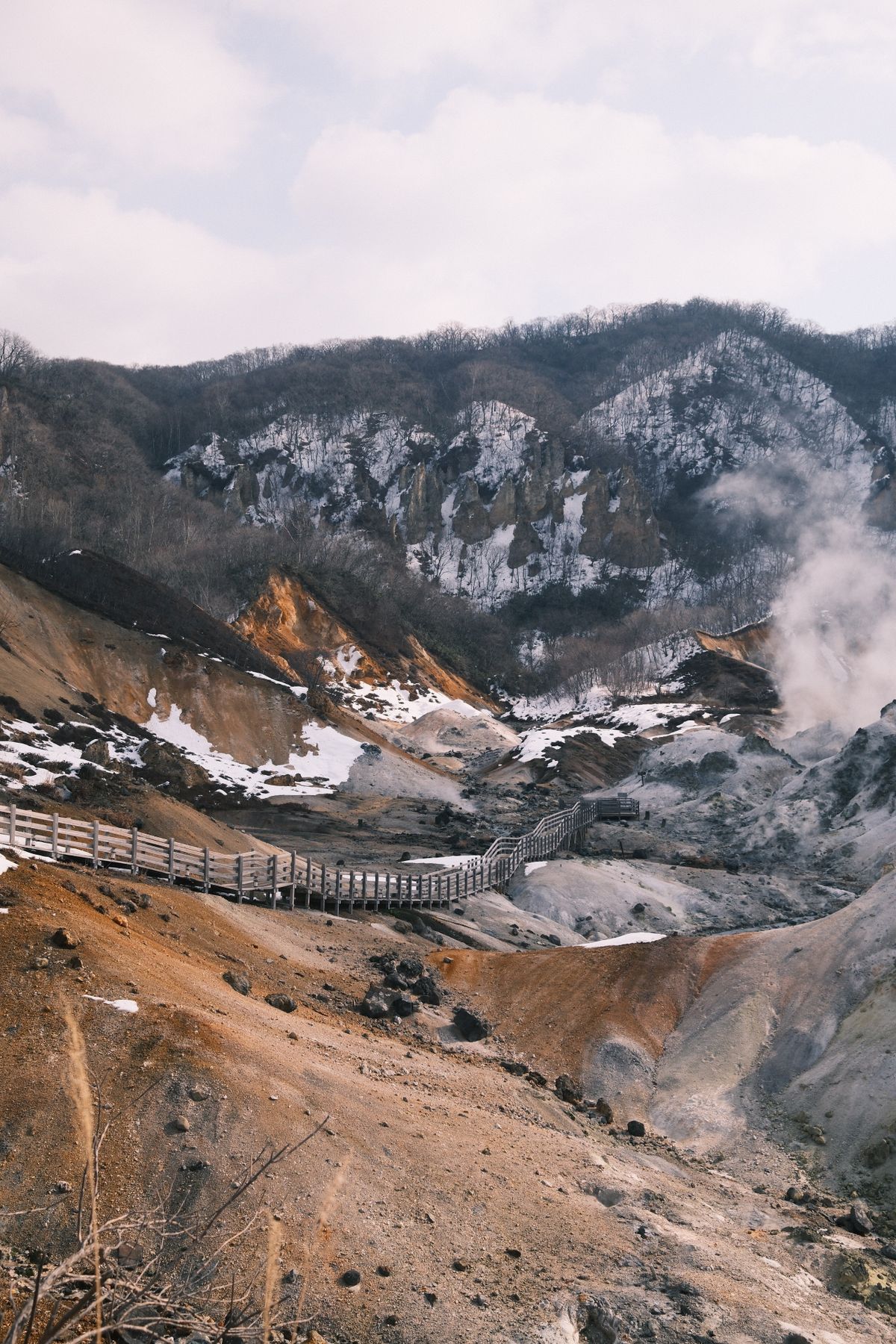
Noboribetsu in summer and autumn is the classic Hokkaido hot-spring town: nine different spring types within a small valley, a volcanic hell valley to walk through, and a dense concentration of traditional inns. Further east, Lake Akan and the Shiretoko Peninsula (UNESCO World Heritage, accessed by brown bears in spring) give a sense of what Hokkaido's interior looks like at its most undeveloped.
Three Days In Hokkaido
A simple first-trip route
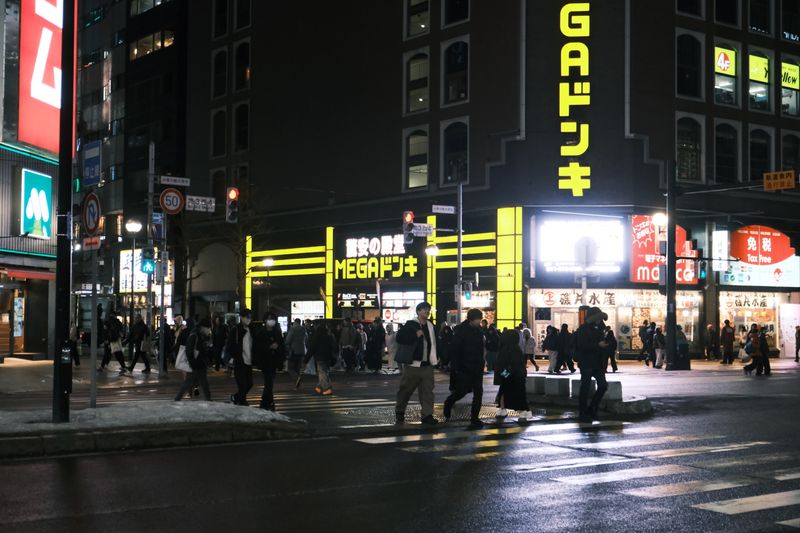
Morning at Nijo Market for crab and uni on rice, afternoon around Odori Park and the TV Tower, evening in Susukino for miso ramen and jingisukan at two separate spots.
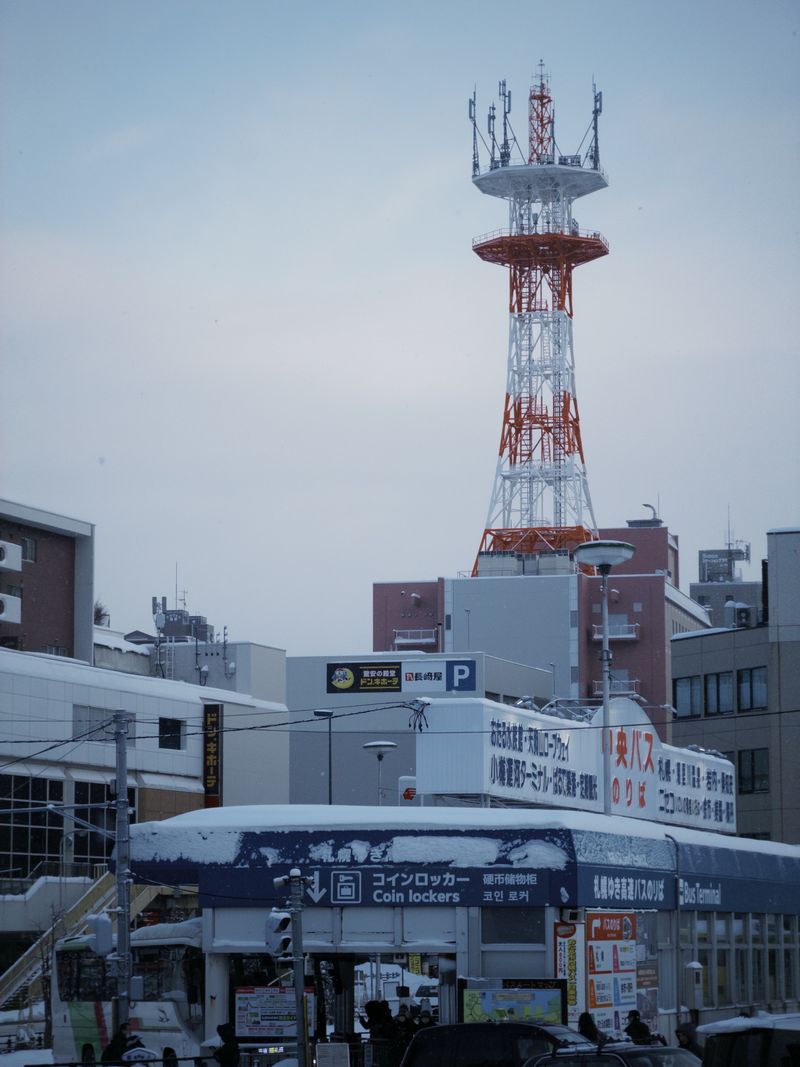
Take the 30-minute train to Otaru, walk the canal district in the morning, spend the middle of the day on Sushiya-dori eating through whatever the strait brought in that morning, return to Sapporo by evening.
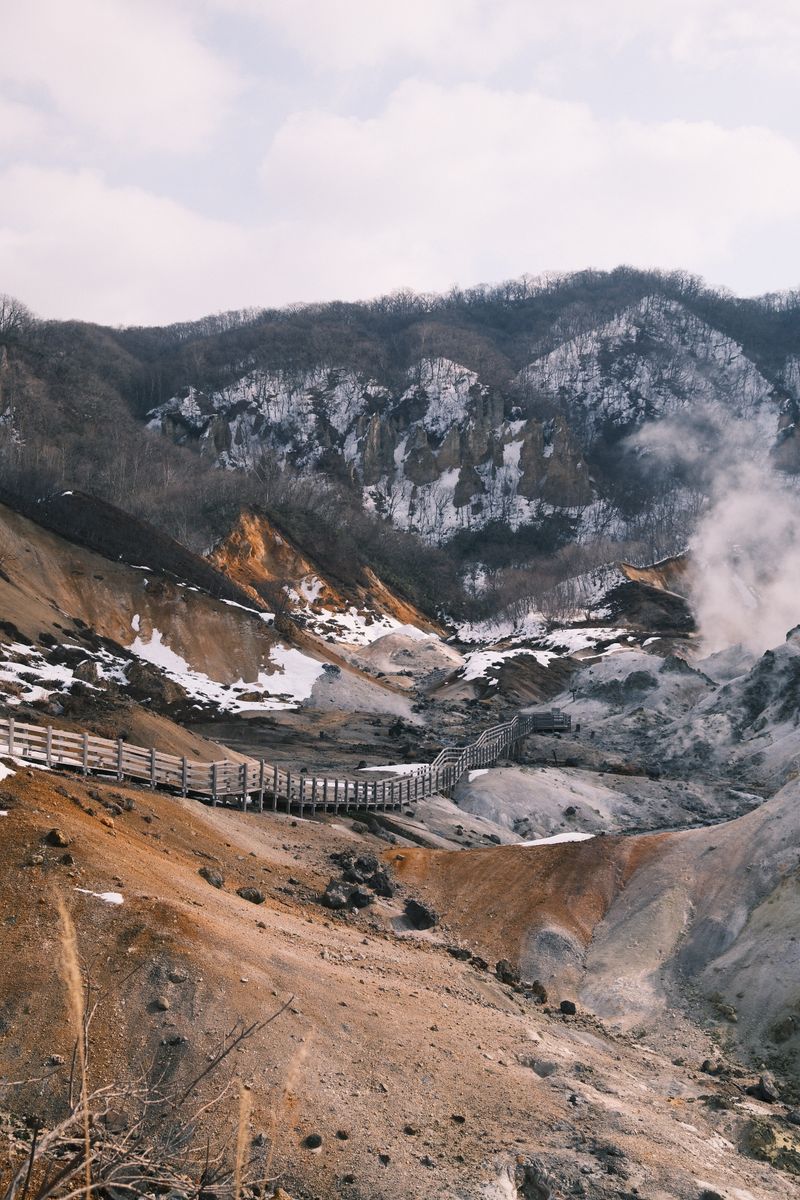
Rent a car and go either east to Furano for the agricultural patchwork, or up into the mountains for a hot-spring inn stay. Either choice tells you whether the Hokkaido countryside is what you actually want.