
Japan's Alps, Japan's Oldest Castle, and More Soba per Capita than Anywhere
Living in Nagano
A landlocked prefecture containing Japan's densest concentration of mountains above 3,000 metres, the best-preserved feudal castle in the country, a snow monkey hot spring park that has no equivalent anywhere in the world, and a soba noodle culture so embedded in daily life that the prefecture consumes more buckwheat per person than any other in Japan.
Why People Choose Nagano
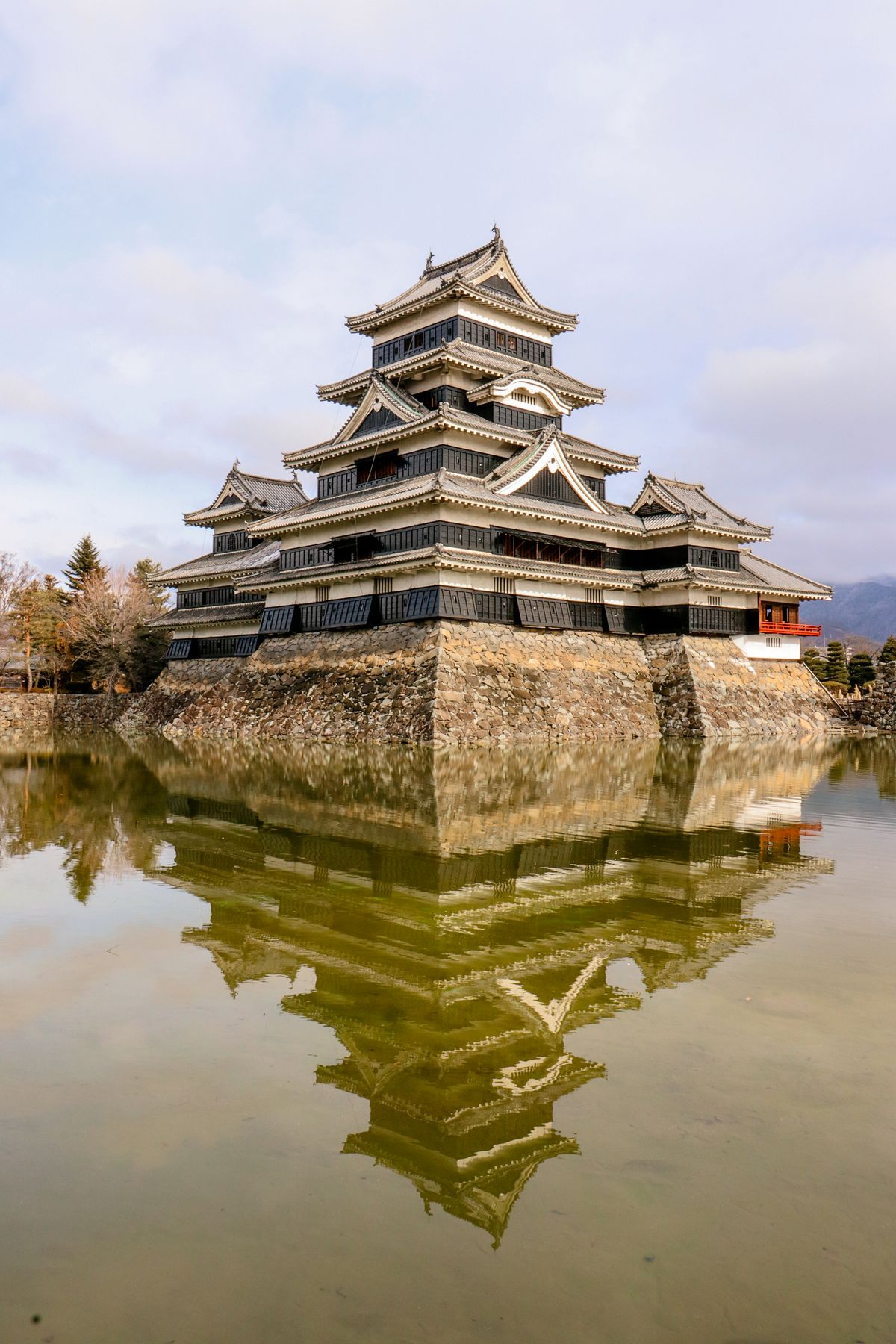
Nagano attracts two distinct groups: people who want mountain lifestyle with Japan's best outdoor access, and people who want Shinkansen proximity to Tokyo with meaningfully lower property costs. Both find what they are looking for here.
The outdoor case is almost unmatched in Japan. Eight peaks above 3,000 metres in the Northern Alps alone, including Yari-ga-take (3,180m) and Hotaka-dake (3,190m). Nine ski resorts in Hakuba Valley, most under 3 hours from Tokyo. Hiking trails connecting Nagano to Yamanashi and Gifu via the Japan Alps route. The Nakasendo historic highway passes through Nagano's Tsumago and Magome post towns — among the best-preserved sections of Japan's Edo-period road network. Jigokudani's snow monkeys. The Shiga Kogen plateau (Japan's largest ski area by connected terrain). All of this is within the prefecture.
The cultural case is equally strong. Matsumoto Castle is the only Sengoku-period tenshu to survive with its original timber structure. Zenkoji Temple has received pilgrims for 1,400 years — its hidden main Buddha deity (the Ikkō Sanzon Amida Nyorai) has not been publicly displayed in recorded history and is represented only by a copy shown every six years at the Gokaicho festival. The Hokusai Museum in Obuse has the world's largest collection of late Hokusai works, including the festival float ceilings he painted in his 80s during a stay in the town.
Nagano City (population 370,000) is a mid-sized Japanese city with full urban infrastructure — hospitals, universities, department stores, direct Shinkansen access — oriented around its temple culture and administrative role. Matsumoto (population 240,000) is the cultural and commercial centre of the south, with an active arts scene, a well-preserved castle town core, and the Matsumoto City Museum of Art (designed around its local artist Yayoi Kusama). Mountain resort towns (Hakuba, Nozawa Onsen, Karuizawa) have distinct seasonal rhythms: packed in winter and summer, quieter in spring and autumn, with a permanent population of farmers, resort workers, and increasing numbers of remote workers.
Hokuriku Shinkansen: Nagano to Tokyo in 68 minutes, Karuizawa to Tokyo in 71 minutes. Azusa Limited Express: Matsumoto to Shinjuku in 2h30. A car is essential for Hakuba, Jigokudani, Nozawa Onsen, and rural areas. Winter driving requires snow tyres from November to April at most mountain elevations. The ski resorts have shuttle buses from Nagano City during ski season.
Nagano City detached houses ¥10M–¥25M; Matsumoto ¥8M–¥22M. Karuizawa vacation properties ¥15M–¥80M+ (premium resort pricing). Hakuba resort condos ¥5M–¥20M; detached houses more. Rural agricultural areas (Ina Valley, Chikuma River basin) from ¥500K–¥5M with significant renovation required. Nagano has one of Japan's highest densities of genuine akiya (vacant house) listings relative to its total housing stock.
The cultural capital: Matsumoto Castle, a strong arts scene (Yayoi Kusama Museum, jazz festival), mountain access, and a food culture built around soba, sake, and local alpine produce. More cosmopolitan than its population suggests.
The prefectural capital: Zenkoji Temple, Shinkansen connectivity, full urban infrastructure. The 1998 Winter Olympics left a legacy of sports facilities (M-Wave skating arena, Olympic ski jump hills accessible for tours) still active today.
Japan's most established mountain resort town: forest villas, the Shiraito waterfall, a Mikado cycling circuit, shopping outlets, and a culture of Tokyo weekend escape that has persisted since the Meiji-era foreign missionary community established it as a summer retreat.
Nine ski resorts in one valley, with the Northern Alps as the backdrop. Summer hiking on the same terrain. An international community (particularly Australian) established since the 1990s, with English-language infrastructure unusual for rural Japan.
Where To Start
Four ways to start in Nagano
<a href="https://www.matsumoto-castle.jp/en/" target="_blank" rel="noopener" class="text-blue-600 dark:text-blue-400 hover:underline">Matsumoto Castle</a> opens at 8:30am and the first hour draws only a fraction of the later crowds. The interior retains the original timber beam structure, gun ports, and iron-reinforced stone-drop windows from the late 16th century. The top floor gives 360-degree views of the Northern Alps and the castle moat below — the "floating in the mountains" effect that the location was designed to create. On a clear winter morning the black tenshu against snow-covered Alps is one of the most photographed architectural views in Japan.
The <a href="https://jigokudani-yaenkoen.co.jp/en/" target="_blank" rel="noopener" class="text-blue-600 dark:text-blue-400 hover:underline">Jigokudani Monkey Park</a> is accessible year-round but the classic image — snow monkeys in steaming water, snow on the cedar branches — requires a January or February visit with overnight snow. The park is a 30-minute walk from Kanbayashi Onsen parking area through cedar forest. Arrive before 9am to avoid tour groups. The macaques (around 160 individuals in the Shiga-Kogen troop) are entirely habituated to human presence and interact at close range with the water.
Nagano produces and consumes more soba per capita than any other Japanese prefecture. The Matsumoto basin's climate — cold, dry, high altitude — produces particularly flavourful buckwheat, and the region has soba establishments that mill on-site and serve same-day-ground noodles. The soba at traditional restaurants is served mori-style (cold, on a bamboo mat, with dipping broth) or kake-style (hot broth) — the cold presentation is the local preference and reveals the grain's flavour most directly.
<a href="https://www.hakuba-valley.com/en/" target="_blank" rel="noopener" class="text-blue-600 dark:text-blue-400 hover:underline">Hakuba Valley</a>'s nine resorts include Happo-One, which hosted the 1998 Olympic downhill and super-G events and has 23km of piste descending from 1,831 metres. In summer the same lifts carry hikers to trailheads connecting to the Shirouma-dake traverse (one of Japan's 100 Famous Mountains at 2,932m). Snow in Hakuba averages 11 metres per season — among the deepest in Japan outside Hokkaido.
Daily Life in Nagano
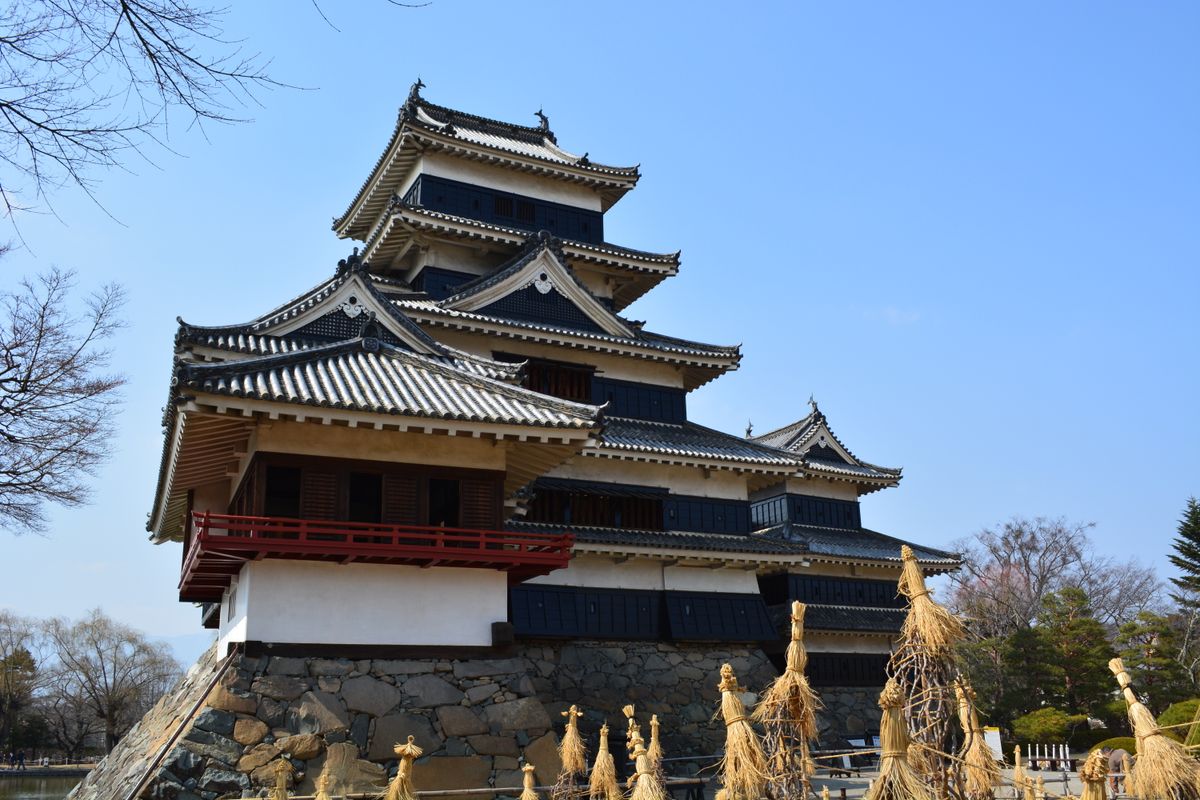
Matsumoto operates as one of Japan's more culturally active provincial cities. The Matsumoto Saito Kinen Festival in August (now Seiji Ozawa Matsumoto Festival) has drawn international orchestras and soloists for 30 years — founded by conductor Seiji Ozawa, it remains one of Japan's most respected classical music events. The permanent Yayoi Kusama collection at the Matsumoto City Museum of Art draws visitors from across Japan. Nakamachi's preserved kura storehouses house working galleries, craft studios, and independent food businesses. The city has a resident population of international artists, musicians, and designers unusual for a city its size.
Nagano City is more conventional in character but better connected. The 1998 Winter Olympics left specific infrastructure: the M-Wave long-track speed skating arena, the Big Hat ice arena, and the Hakuba ski runs are all still active. The city's hospital network (Shinshu University Medical Faculty Hospital among them) is a draw for families prioritising healthcare access.
In the mountain resort towns — Karuizawa, Hakuba, Nozawa Onsen — daily life has a pronounced seasonal character. Winters in Hakuba (2.5–3 hours from Tokyo by Shinkansen and bus) are fully snow-covered from November through April, and the town runs around skiing, snow clearing, and the extended international visitor community. Summer brings hiking, cycling, and the green season visitors. The permanent community of farmers, resort workers, and remote workers forms a distinct culture somewhere between Japanese countryside and international mountain town.
Food and Drink
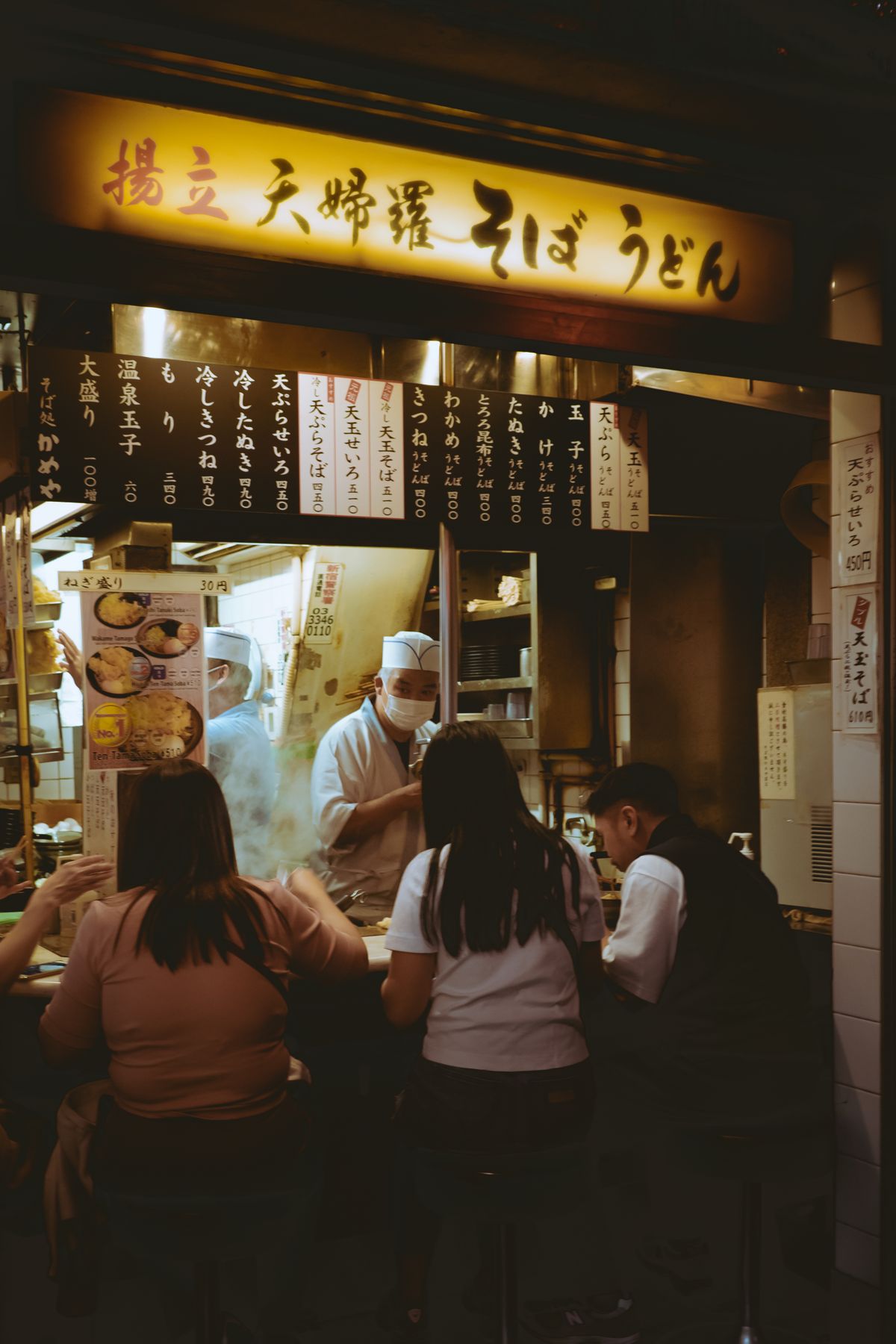
Soba — buckwheat noodles — is Nagano's defining food. The prefecture consumes more per capita than anywhere else in Japan, and the cold, high-altitude climate of the Matsumoto and Ina basins produces buckwheat with a pronounced nutty flavour. Mori-soba (served cold on a bamboo mat) is the canonical form; the noodles are eaten by dipping briefly in a cold broth (mentsuyu) made from dashi, mirin, and shoyu. Traditional shops in the Matsumoto basin and Suwa area still mill on-site: the grey-speckled "juwari" (100% buckwheat, no wheat binding) variety breaks easily but has the strongest flavour.
Oyaki are Nagano's snack: thick wheat-and-buckwheat dough balls filled with nozawana pickled greens, red bean, or kabocha pumpkin, griddled on an iron plate. They have been made in the same form in Nagano for at least 300 years and are sold from street vendors near Zenkoji Temple and at markets across the prefecture.
Sake from the Suwa basin has a national reputation. Masumi (Miyasaka Brewing) in Suwa produces internationally distributed junmai daiginjo using the pure snowmelt water of the Suwa basin. The yeast strain they developed in 1946 — Masumi yeast, also called Kyokai No.7 — became the dominant sake fermentation yeast in Japan. Nagano has over 80 active sake breweries, the third-highest concentration in the country.
Culture and Events
Zenkoji Temple's Gokaicho is held once every six years (next: 2027) and is one of Japan's most significant Buddhist events — the only occasion when a copy of the hidden main deity is publicly displayed. Millions of pilgrims travel to Nagano for the 10-week display period, and subsidiary Gokaicho events take place simultaneously at over 100 temples across Japan that hold copies of the Zenkoji image. The temple's regular calendar includes the morning o-asaji service (open to all, 5:30am) and the Okaidan-meguri — a subterranean corridor walk in total darkness beneath the main hall.
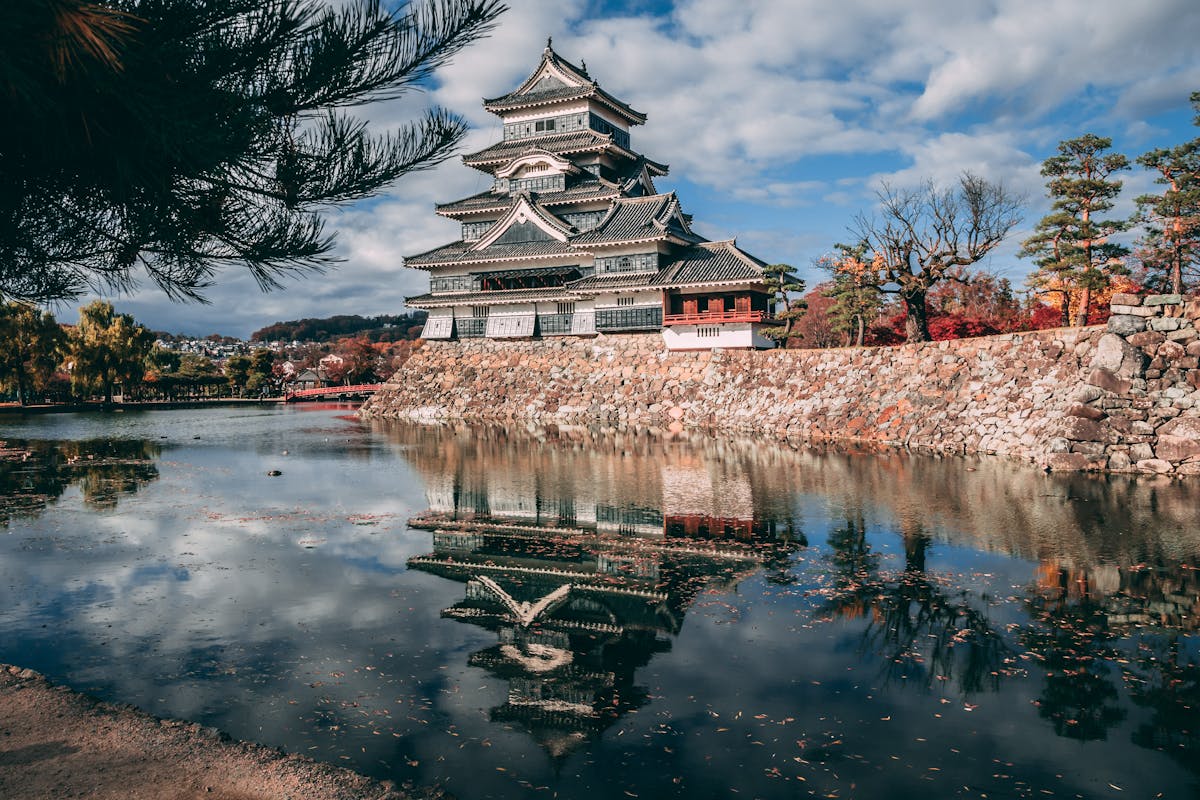
The Matsumoto Castle Cherry Blossom Festival (Rinjō-sai, late April) coincides with the Somei Yoshino cherry blossoms surrounding the moat and is one of the most photographed castle-sakura combinations in Japan. The same grounds host the Matsumoto Castle Bon Festival in mid-August with traditional dancing. The Obuse Hokusai Museum in the town of Obuse holds special exhibitions of the festival float ceilings Hokusai painted there in his final years — the scale and condition of these ceiling panels is not replicated elsewhere.
Hakuba's FIS Alpine Ski World Cup returns periodically to the 1998 Olympic downhill course at Happo-One — the event draws international racing teams and spectators from across Japan to a venue that is otherwise accessible for recreational skiers daily throughout the winter season.
Weekends and the Outdoors
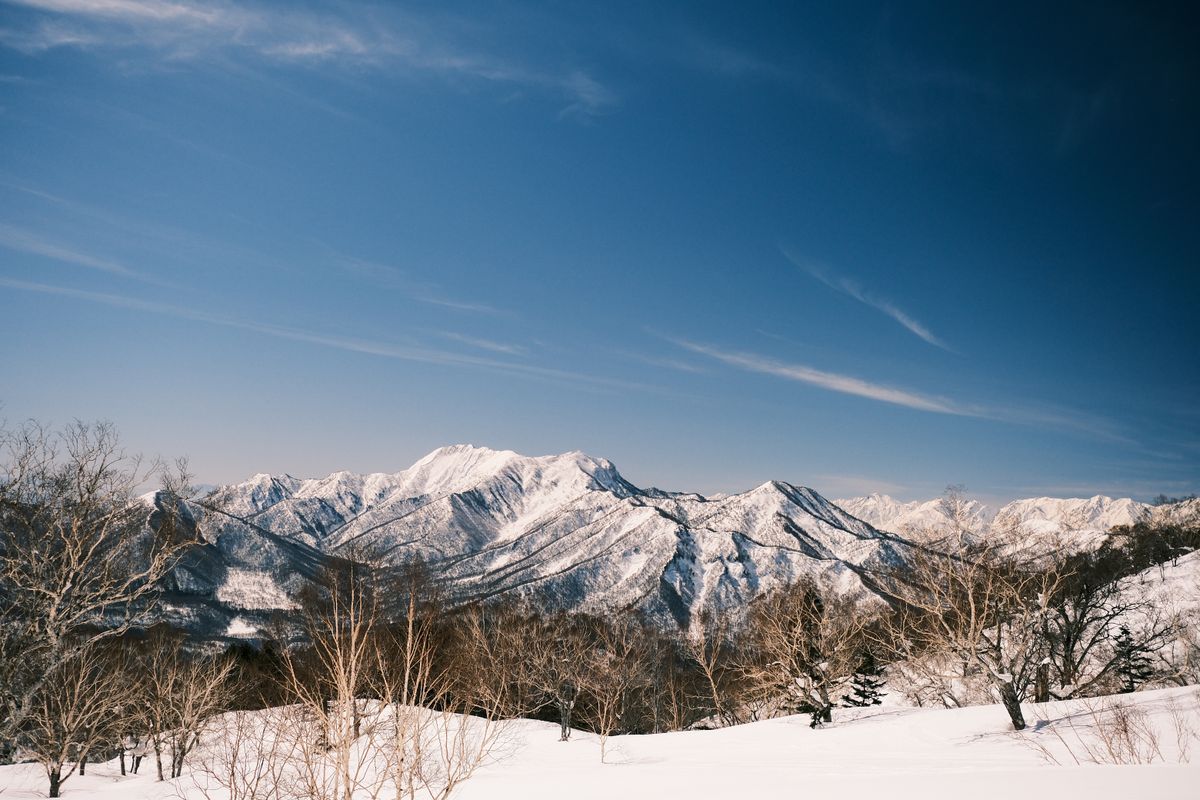
Hakuba Valley has nine interconnected resorts and the Northern Alps as its backdrop — the terrain includes the 1998 Olympic downhill course at Happo-One (23km of piste, top elevation 1,831m) and the gentler Goryu-Toomi and Iwatake areas. Snow averages 11 metres per season, and the base elevation keeps it cold enough to maintain powder quality through mid-March. In summer the Happo-One gondola continues to run for hiking access to the Shirouma-dake ridge (2,932m), with trails connecting to Hakuba Oike (one of Japan's most photographed alpine ponds) and the rock field routes to the summit.
The Nakasendo walking route passes through the southern Nagano towns of Tsumago and Magome — two post towns preserved under a 1969 town ordinance that forbids telephone poles, vending machines, and new construction in the historic core. The 8km walk between them takes 2–3 hours and passes through cedar forest, stone-paved lanes, and watermill sites that have functioned since the Edo period. The route can be combined with the Ena Gorge or Kiso Valley for multi-day walking.
Karuizawa's Shiraito Falls — a 3-metre-high, 70-metre-wide curtain waterfall fed entirely by rainwater percolating through the volcanic Asama plateau — is one of the few major Japanese waterfalls not sourced from a river. The flat, forested plateau around Karuizawa (including the Mikasa cycling route) is bikeable year-round outside winter and is the primary outdoor activity for the resort town's non-skiing visitors.
Three Days In Nagano
A simple first-trip route
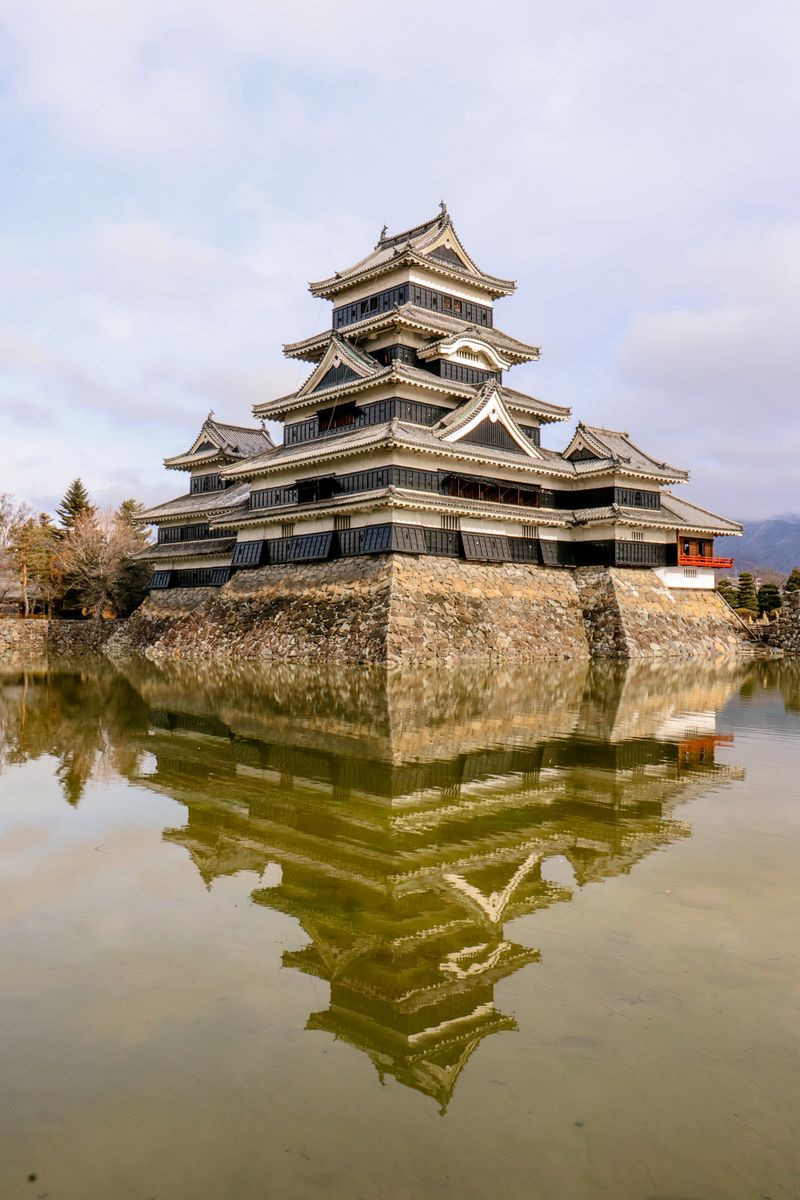
Take the Azusa Limited Express from Shinjuku (2h30) or the Shinkansen to Nagano then transfer (40 min). Start at Matsumoto Castle at opening — the morning light on the black tenshu reflected in the moat is the classic composition. Walk through Nakamachi, Matsumoto's preserved merchant quarter with Edo-period kura storehouses now operating as galleries, craft shops, and cafes. Lunch at one of the buckwheat mill soba restaurants in the Agata-machi district. Afternoon at the Matsumoto City Museum of Art for the permanent Yayoi Kusama collection.
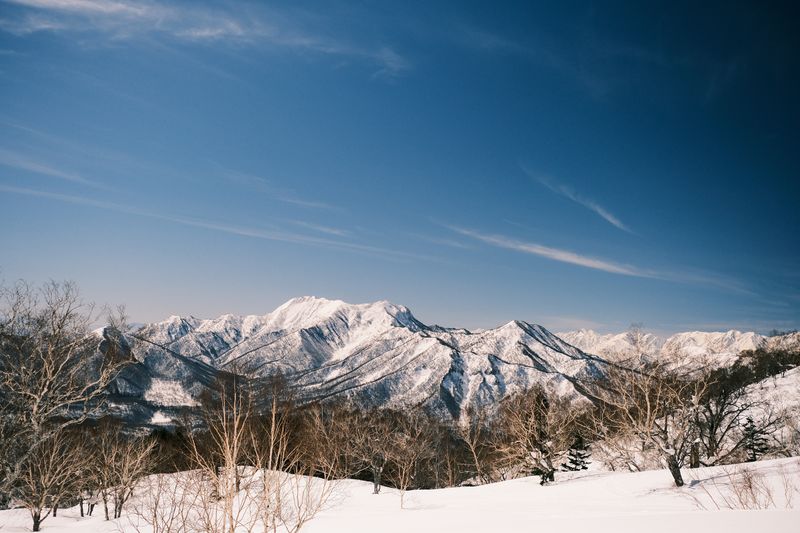
Train north from Nagano City to Yudanaka Station (50 min on the Nagano Electric Railway), then bus or taxi 15 minutes to the park trailhead. Walk 30 minutes through cedar forest to the Jigokudani valley floor, where the snow monkey troop gathers around the geothermal pool. The park has no fences — the macaques move freely between the water and the surrounding forest. Return to Yudanaka for the evening and stay at one of the Shibu Onsen town's historic ryokan — the nine public baths on the Shibu Onsen bath walk are exclusive to guests staying overnight in the onsen town.
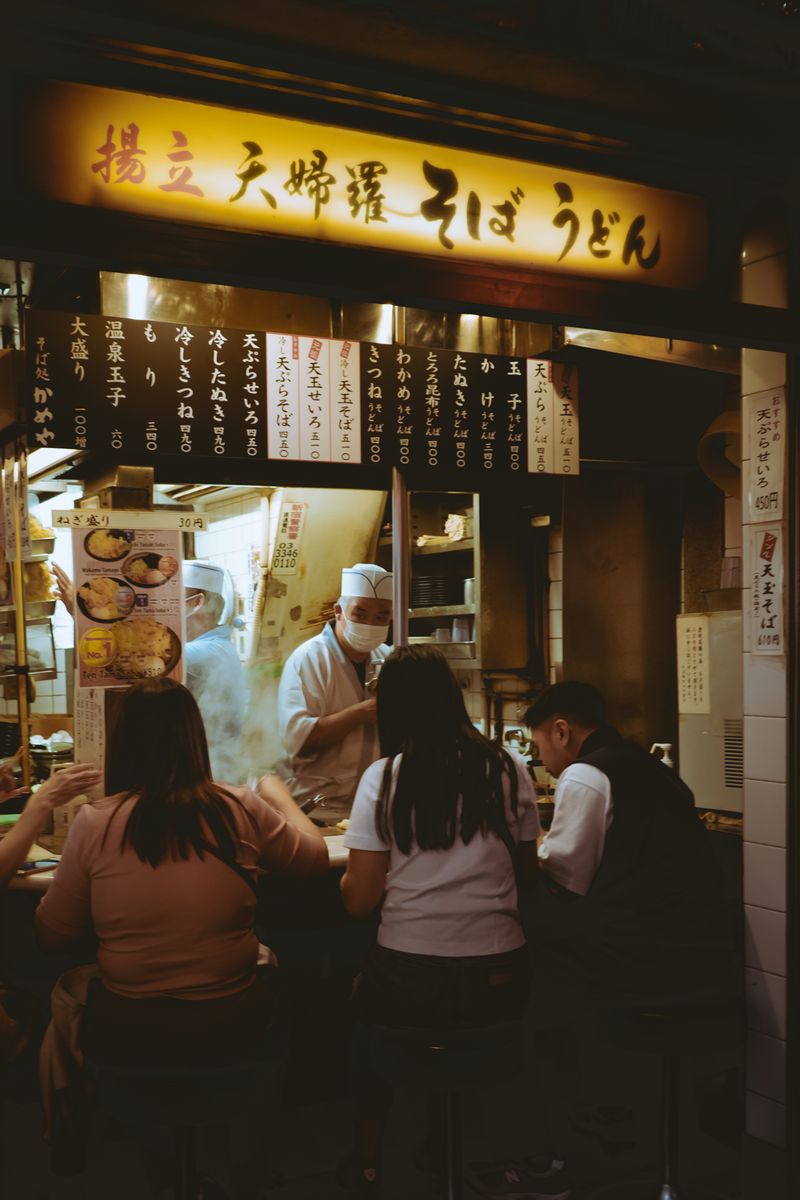
Nagano City is 70 minutes from Tokyo on the Shinkansen or 45 minutes from Yudanaka by private railway. <a href="https://www.zenkoji.jp/en/" target="_blank" rel="noopener" class="text-blue-600 dark:text-blue-400 hover:underline">Zenkoji Temple</a> opens at 5:30am for morning prayers (o-asaji) — arrive early to walk the pitch-black underground "key to paradise" passage (kaidan meguri) before tour groups. The Omotesando approach to the temple is Nagano's commercial and culinary heart — oyaki (grilled stuffed dumplings filled with nozawana greens or red bean) sold from street vendors are the canonical temple snack. Afternoon: visit one of the Nagano City sake breweries — Masumi (Miyasaka Brewing) in nearby Suwa is among the most accessible and internationally known.