
Little Edo, Mountain Escapes, and Tokyo Access at a Fraction of the Price
Living in Saitama
A prefecture that combines a preserved Edo-period merchant town with mountain rafting valleys, Japan's foremost bonsai district, and some of the fastest Tokyo commutes in the country — at property prices that still reflect its underdog status.
Why People Choose Saitama
The honest answer is that Saitama gets chosen for value. Property prices run consistently 30–40% below equivalent-commute locations inside Tokyo, and with multiple lines connecting the prefecture to central stations in under 40 minutes, the practical case for Saitama is straightforward. But the underestimation runs deeper than prices: Saitama has built up a body of actual places that justify visiting, not just inhabiting.
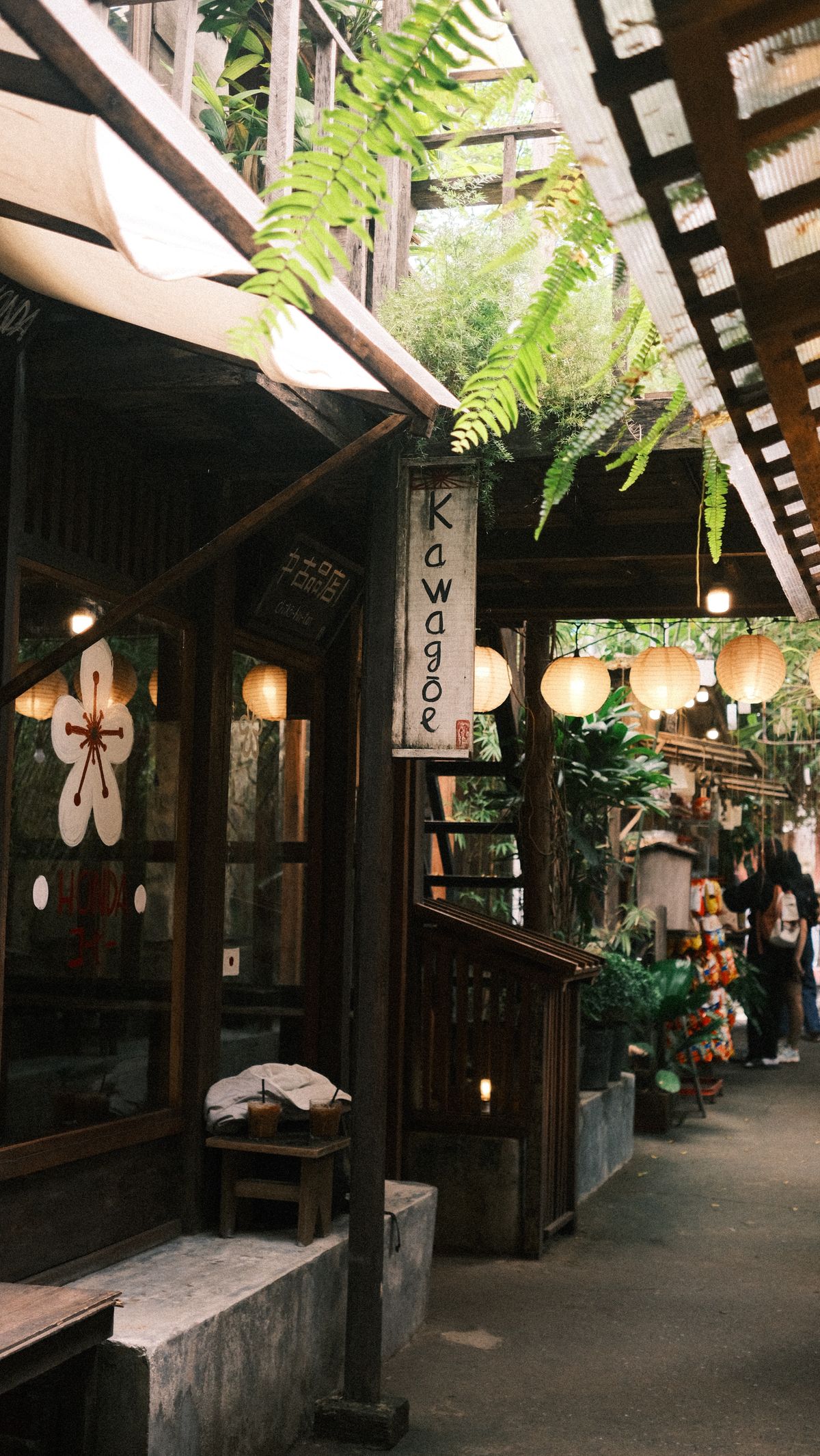
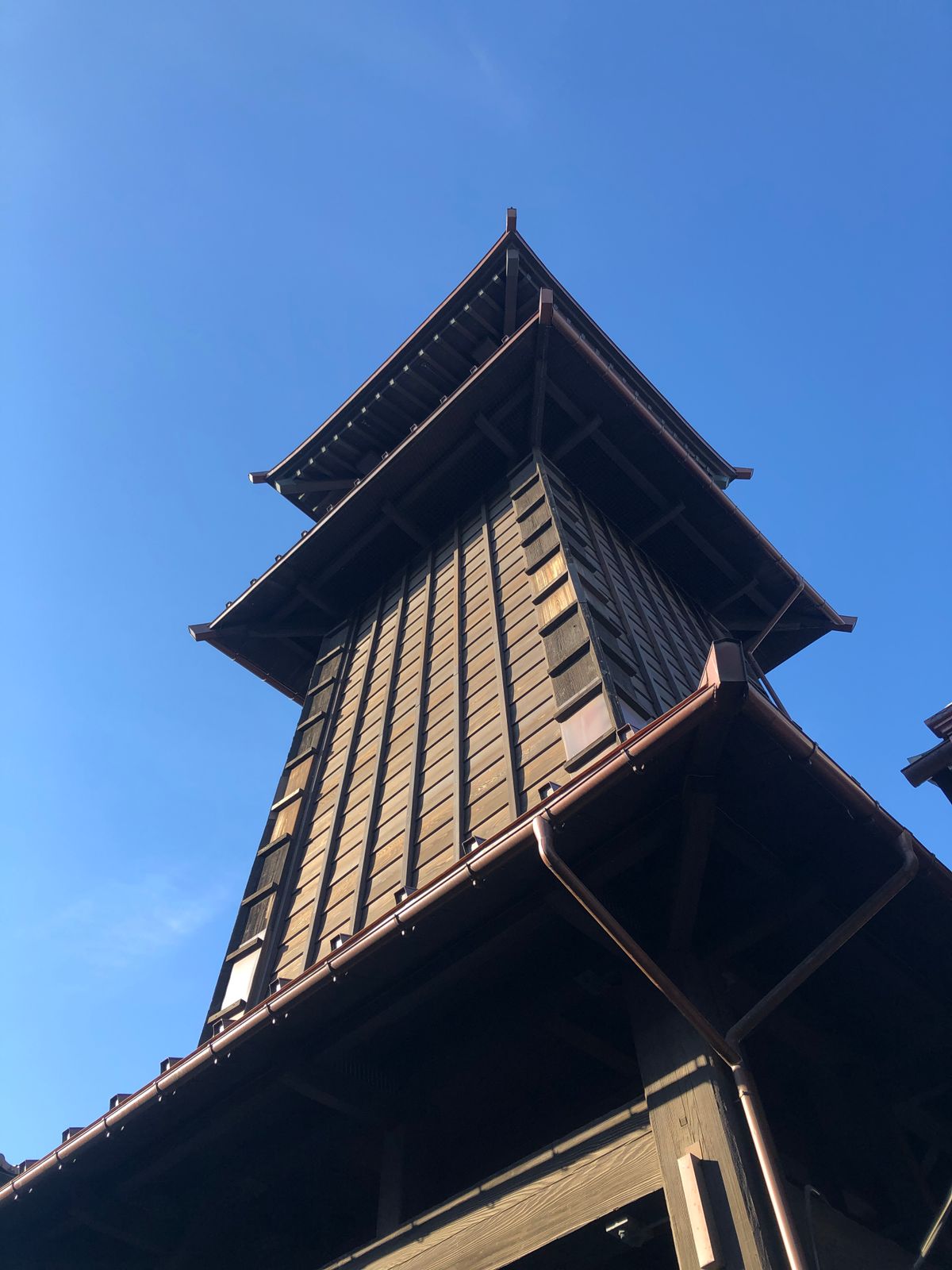
Kawagoe — Koedo, "Little Edo" — is the centrepiece. The Kurazukuri district contains 60+ intact Edo-period kura storehouses on a single street, operated as shops and restaurants behind thick earthen walls and black plaster facades that survived the fires that destroyed most of Edo-era Japan. The Toki no Kane bell tower, rebuilt in 1893 after a fire, has rung at noon and dusk since 1624. Kashiya Yokocho candy lane has operated continuously since the Meiji era, with multiple manufacturers making traditional sweets from local sweet potatoes — a Kawagoe crop cultivated in the region's distinctive clay soil for 300 years.
Beyond Kawagoe, the prefecture has a mountain valley (Chichibu) an hour and twenty minutes from Ikebukuro, Japan's foremost railway museum in Omiya, the largest bonsai nursery district in the country, and the Chichibu Night Festival — listed by Japan's government for UNESCO recognition as one of three great float festivals alongside Kyoto's Gion. The prefecture's reputation as a featureless dormitory has become increasingly difficult to defend.
Saitama City (the prefectural capital, population 1.3 million) is a large, well-serviced urban area with good hospitals, schools, and transport. Kawagoe is smaller and more defined by its heritage district — quieter, walkable, with a clear local identity. Both feel genuinely separate from Tokyo rather than extensions of it, which is either the selling point or the drawback depending on what you are looking for.
Tohoku Shinkansen: Omiya to Tokyo in 25 minutes. Multiple JR and private railway lines (Tobu Tojo, Seibu Shinjuku, Saikyo, Keihin-Tohoku) connect Saitama towns to central Tokyo in 30–50 minutes. A car is needed for Chichibu and the rural northwest, but is not required in the urban corridor.
Saitama City flats ¥5M–¥15M; Kawagoe town houses ¥8M–¥20M; commuter-corridor towns (Ageo, Koshigaya, Kumagaya) ¥3M–¥10M. Chichibu area properties start around ¥500K with significant renovation investment required. Prices consistently run 30–40% below equivalent Tokyo-commute properties in the capital itself.
The heritage anchor: preserved kura storehouses, the Toki no Kane bell tower, Hikawa Shrine, and a functioning market town around the tourist core. More character than any other Saitama city.
The urban centre: Shinkansen access, major hospitals, universities, and the full infrastructure of a large Japanese city. Omiya and Urawa have distinct neighbourhood identities.
Mountain valley, river rafting, onsen, shibazakura in spring, and the Chichibu Night Festival in December. The most dramatic landscape in the prefecture and the most accessible countryside from central Saitama.
Mid-corridor commuter towns with lower prices and good Shinkansen-corridor access for buyers prioritising value over the Kawagoe heritage premium.
Where To Start
Four ways to start in Saitama
The kura storehouse district is most visible — and most crowded — on weekends. Come on a weekday morning, walk the Ichibangai from the Toki no Kane bell tower south, and the scale of the preservation becomes clear: 60+ continuous Edo-period merchant buildings, many of them still operating as shops. The bell rings at noon and 6pm; time your visit to hear it.
The Seibu Chichibu Limited Express (about 1h20 from Ikebukuro or Hanno) takes you from Tokyo's commuter belt into a mountain valley within the same prefecture. Nagatoro river gorge walk, Hitsujiyama Park for shibazakura in late April, and onsen at the terminus before the return.
Eight specialist bonsai nurseries in a single district of Omiya — the largest concentration of bonsai masters in Japan. <a href="https://www.bonsai-omiya.com/en/" target="_blank" rel="noopener" class="text-blue-600 dark:text-blue-400 hover:underline">Bonsai-omiya</a> has an English-language visitor guide; the nurseries vary from museum-scale to small working workshops. Not for a rushed hour — plan three or four.
Kawagoe's famous sweet potato culture (Kawagoe imo) runs through the candy lane, where small manufacturers have operated since the Meiji era. Try the imo yokan (sweet potato jelly cake), imo udon, and the more unusual imo beer — all made from Kawagoe's distinctively clay-soil-grown sweet potatoes that have cultivated here for 300 years.
Daily Life in Saitama
Saitama's urban corridor — the line of cities running north from Tokyo through Warabi, Kawaguchi, Saitama City, Kawagoe, and Kumagaya — is Tokyo metropolitan-standard in terms of infrastructure. Hospitals, international schools, large shopping centres, and the full range of everyday services operate here at a scale and quality that is genuinely independent of Tokyo. Saitama City (population 1.3 million) is Japan's 10th largest city and functions as a full regional capital.
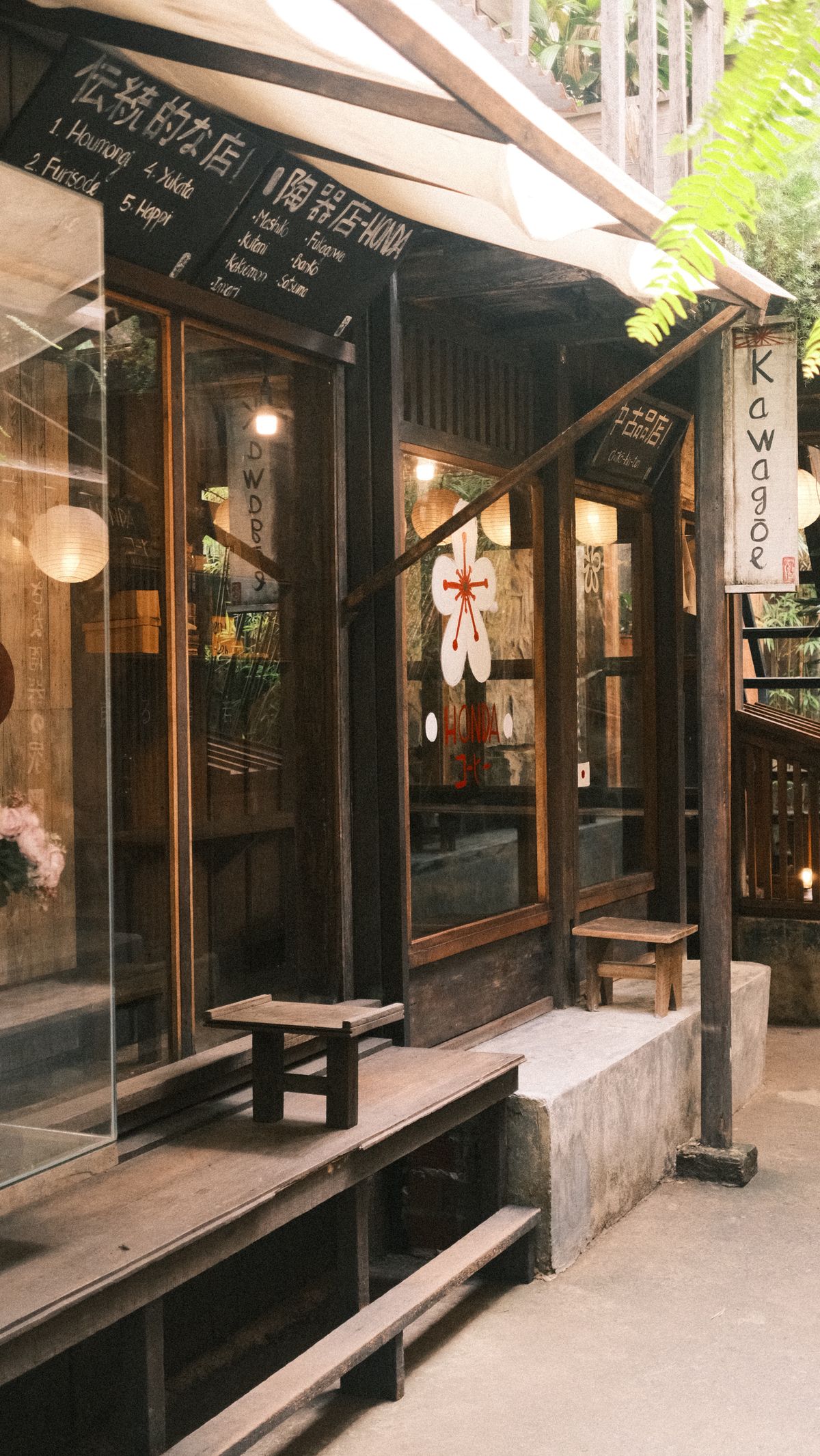
Kawagoe (population 360,000) is smaller and more defined by its heritage district, which gives it a character unusual for a commuter town. The historic core is walkable — Toki no Kane to Hikawa Shrine in about 30 minutes, with shops, cafes, and temples along the route. The city's regular rhythm of markets, festivals, and seasonal events (the chrysanthemum exhibition in autumn, Hikawa Shrine's summer festival, the October parade in full Edo costume) gives it a calendar that residents participate in rather than observe as visitors.
Chichibu operates at a quieter tempo: a small city in a mountain valley with a strong festival tradition, an active onsen culture, and the kind of outdoor lifestyle — rafting, hiking, cycling — that is genuinely accessible to daily residents rather than just weekend visitors from Tokyo.
Food and Drink
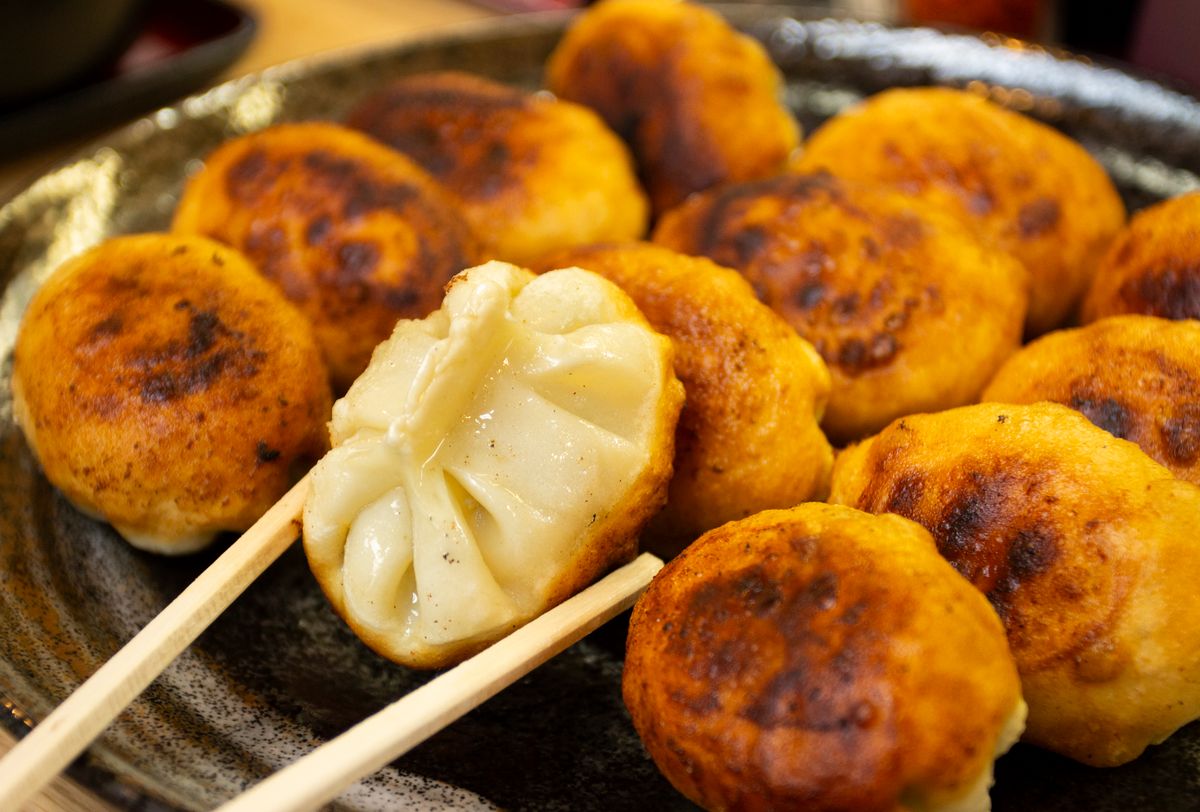
Kawagoe imo — sweet potato grown in Kawagoe's distinctive clay-rich soil — is the foundational ingredient. The crops have been cultivated here since at least 1700 and the range of preparations has evolved considerably since then: yokan (sweet potato jelly cake), imo udon (sweet potato noodles), imo korokke (croquette), imo yokan ice cream, and, more recently, craft sweet potato beer from the Coedo Brewery — one of Japan's pioneering craft beer operations, which has used Kawagoe sweet potatoes in its Beniaka amber ale since the mid-2000s. The candy lane (Kashiya Yokocho) has small manufacturers open daily.
Chichibu whisky is the prefecture's other drink of international reputation. Venture Whisky's Ichiro's Malt, produced at the Chichibu Distillery, has won multiple international awards and is among the most sought-after Japanese whiskies outside Nikka and Suntory. The distillery's card series bottlings — rare releases from the founding family's Hanyu distillery — have sold for tens of thousands of dollars at international auction.
Beyond these specialties: Saitama City has a full metropolitan food range concentrated around the Omiya and Urawa districts, including long-established soba culture (buckwheat noodles are a regional staple), multiple depachika with serious sake and food selections, and the independent restaurant scene that comes with a city of 1.3 million people not trying to compete with Tokyo.
Culture and Heritage
The Chichibu Night Festival (Chichibu Yomatsuri) takes place on the 2nd and 3rd of December each year and is among Japan's three great float festivals alongside Kyoto's Gion and Hidatakayama. Six massive floats — some equipped with puppet theatre stages — are hauled by rope through the city streets to a finale of fireworks over the Arakawa riverbank, with the entire town in festival dress. The festival has operated continuously for at least 300 years and has been formally proposed for UNESCO Intangible Cultural Heritage listing.
Musashi Ichinomiya Hikawa Shrine in Kawagoe is one of the oldest shrines in the Kanto region, with a history stretching back nearly 1,500 years. It is also one of Japan's rare en-musubi (love and relationships) shrines — the tunnel of hanging vine-ring ema (votive tablets) leading to the inner shrine is among the most photographed religious sites in Saitama Prefecture. The adjacent Kita-in temple complex houses Japan's only remaining original Edo Castle structures, moved from central Edo after the 1657 fire.
The Omiya Bonsai Village occupies a single district of northern Omiya with eight nurseries in close proximity. Several trace their lineage to the Meiji-era bonsai masters who relocated here from central Tokyo after the 1923 earthquake. Trees range from 100-year seedlings to specimens over 800 years old; prices from a few thousand yen to millions. The associated Omiya Bonsai Art Museum (opened 2010) is Japan's first public bonsai museum.
Weekends and the Outdoors
Chichibu is the prefecture's primary outdoor destination. The Nagatoro gorge walk — 3km along a river canyon with dramatically eroded red-striped boulders — requires no special equipment and can be done year-round. Nagatoro river rafting operates spring through autumn from the town of the same name. Above the valley, Hitsujiyama Park's shibazakura hillside (moss phlox in pink and white) blooms in late April and early May, attracting significant visitor numbers — worth visiting midweek to avoid the weekend crowds.
Hiking routes in the Chichibu-Tama-Kai National Park connect the valley to trails in Yamanashi and Tokyo's Okutama district. The Chichibu 34-Temple Pilgrimage — a Buddhist circuit of 34 temples across the Chichibu basin, traditionally walked in two to three weeks — offers a longer slow-travel format that has attracted both Japanese and international walkers. Individual temples can be visited in half-day sections by rental bicycle from Seibu Chichibu station.
Closer to the urban corridor: the Railway Museum in Omiya is Japan's most comprehensive rail history collection, with 36 trains from 1898 to the latest Shinkansen, interactive driving simulators, and a rooftop terrace with live Shinkansen views. The Saitama Prefecture Museum of History and Folklore in Saitama City has strong permanent exhibitions on the Kanto region's ancient history, including artefacts from the Sakitama ancient burial mounds — among the most significant kofun tumuli in the Kanto region.