Sea, Alps, and Everyday Ease
Living in Toyama
Seafood culture built around one of Japan's richest bays, alpine terrain within day-trip range, and a city that has rethought what liveable actually means.
Toyama Bay in front, the Northern Alps behind. The Alpine Route — seven modes of transport, 20-metre snow walls — starts from the city.
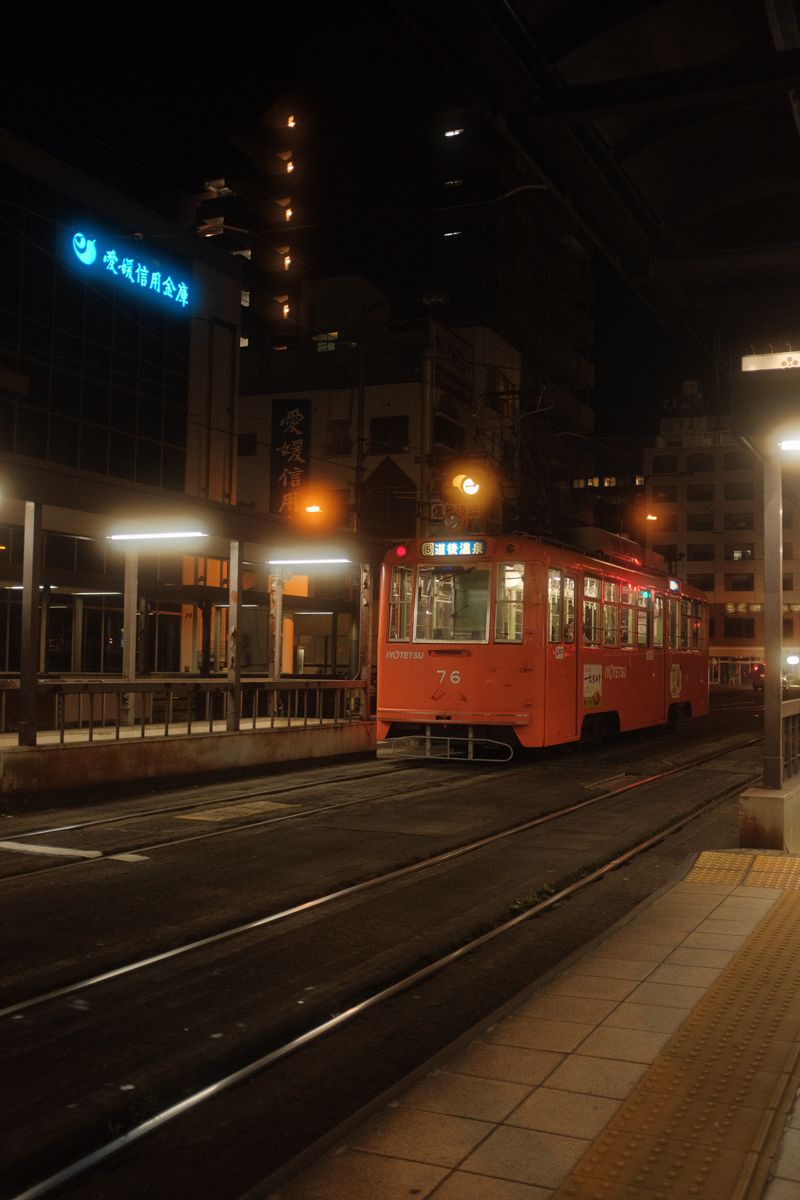
An urban renaissance with tram, Kengo Kuma museum, and a walkable city philosophy that planners from elsewhere come to study.
Shiro ebi, hotaru-ika, buri, and masu zushi from one of Japan's richest bays — a daily-life advantage, not just a tourism talking point.
Owara Kaze-no-Bon in September, 300 years of medicine-trade heritage, and Takaoka's living metalwork tradition.
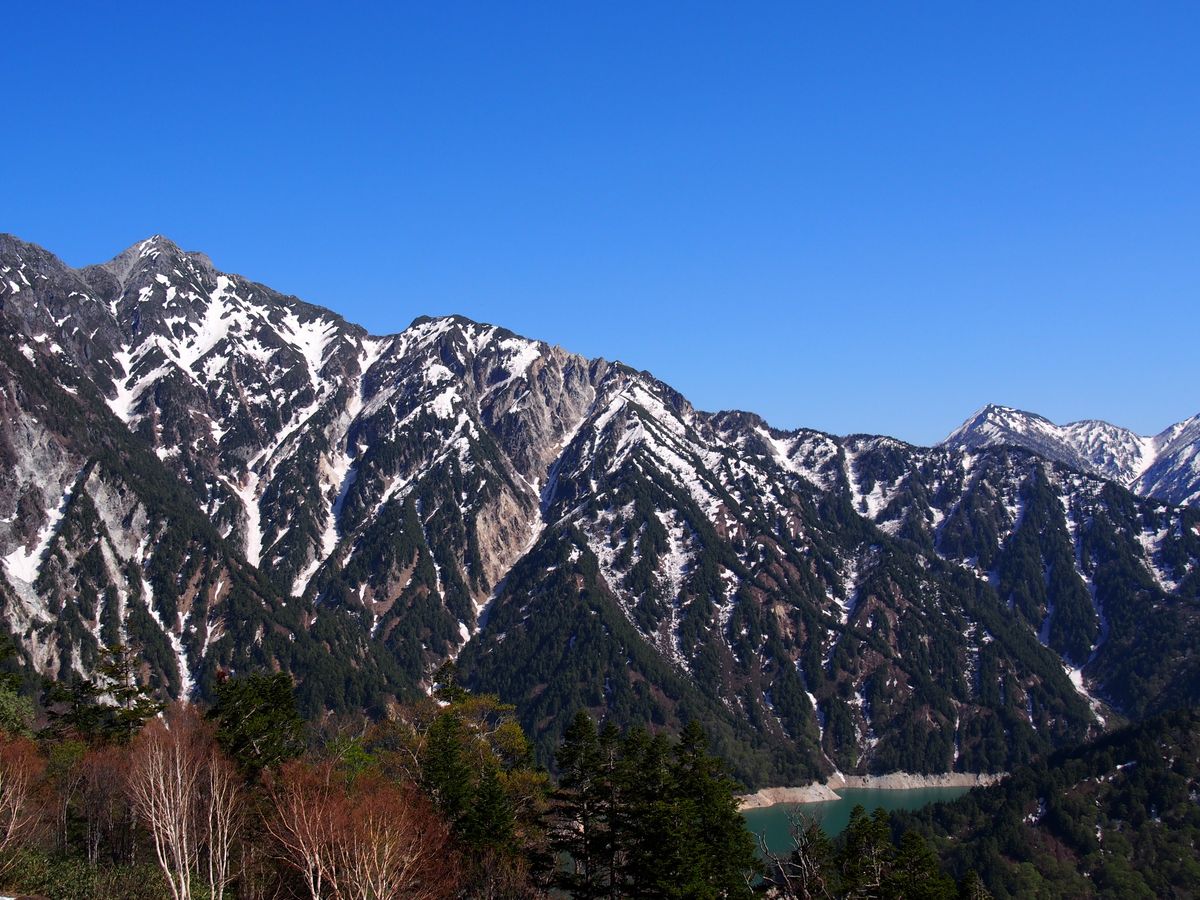
Northern Alps from Kurobe
Kurobe, Toyama. The Northern Alps rise straight from the coast — some peaks top 3,000 metres and are visible from the city on clear days.
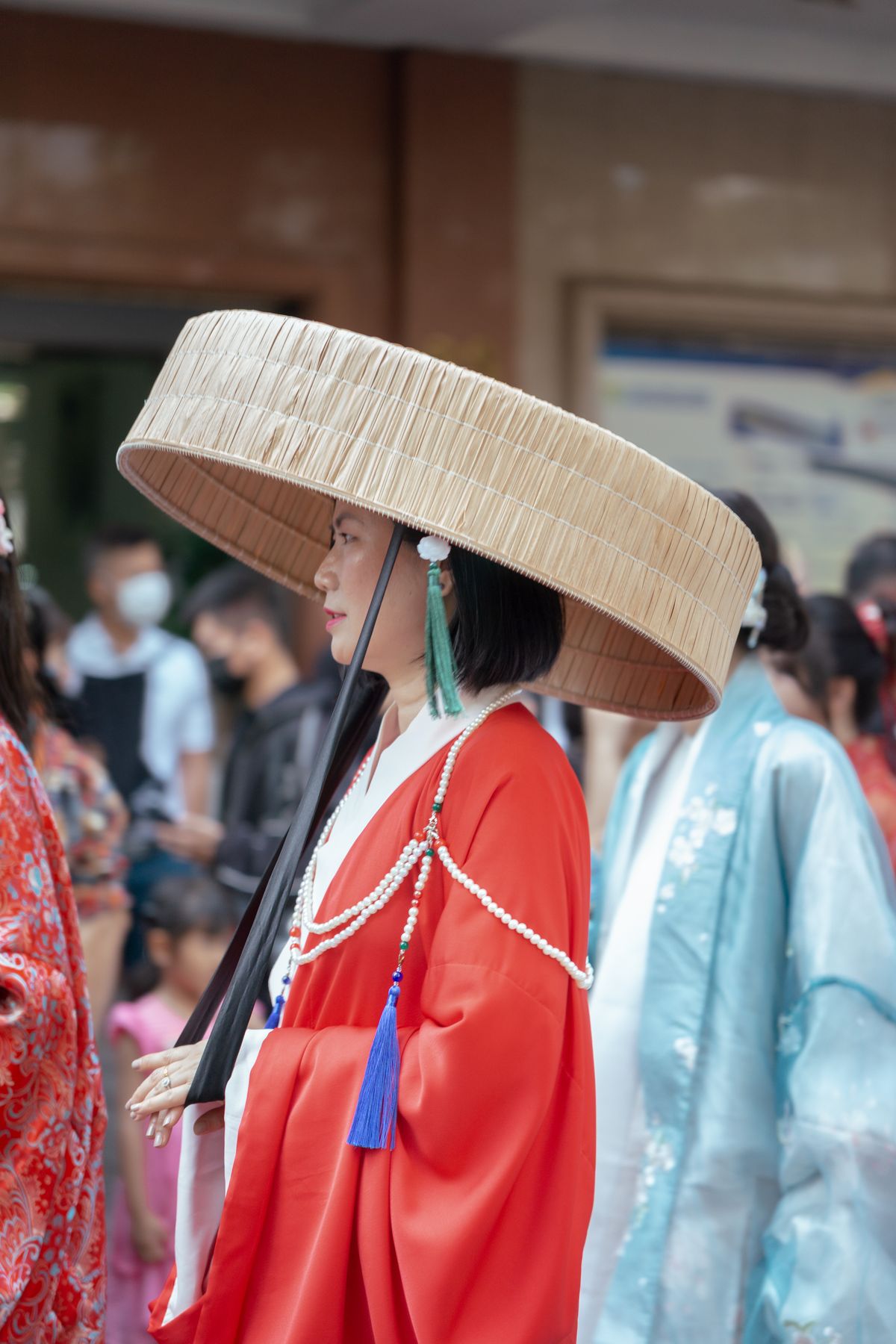
Owara Kaze-no-Bon
The most atmospheric festival in Japan's Sea of Japan coast — three nights each September in Yatsuo, performed from dusk until dawn in the old town streets.
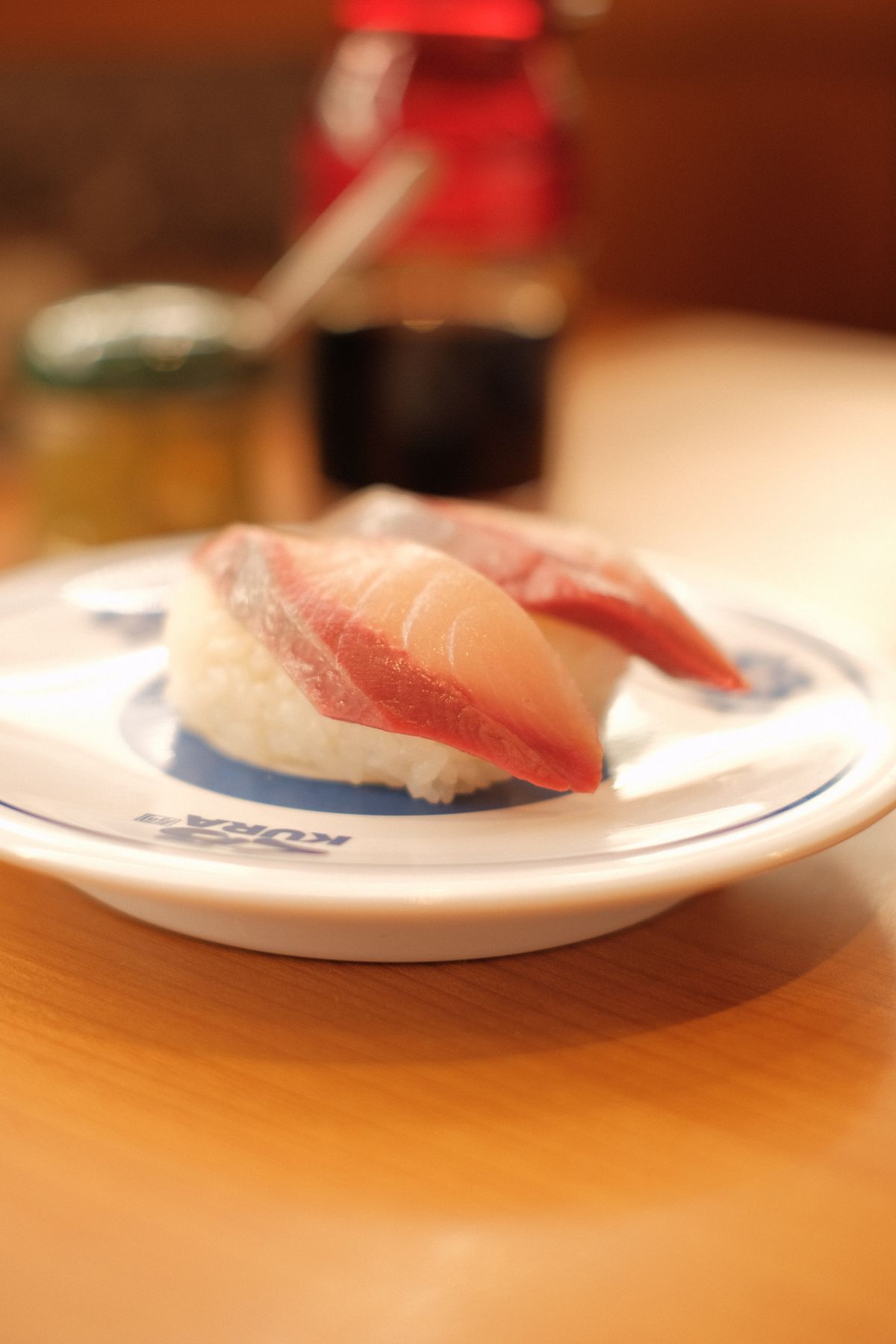
Toyama Bay Sushi
Buri yellowtail nigiri — Toyama Bay's signature winter fish. Locals track the buri migration through the bay the way others track weather.
Why People Choose Toyama
Toyama is a prefecture that reveals itself slowly and then astonishes. Toyama Bay is shaped like a vast natural fish trap — depths plunge to 1,000 metres just offshore, concentrating cold and warm currents in a way that produces some of Japan's most prized seafood. Shiro ebi (white shrimp, so translucent they glow), hotaru-ika (firefly squid that migrate to the surface in spring and bioluminesce in the pre-dawn dark), and buri (yellowtail, whose winter migration through the bay is tracked like a weather event) are the three pillars of a food culture that Toyama takes extremely seriously. The fish markets in Toyama city and Himi are worth a detour from anywhere.
Behind the coast, the Northern Alps. Between them: a compact regional capital that has rethought what liveable looks like, and a range of smaller towns — Takaoka's craft quarter, Himi's fishing docks, Nanto's mountain-village atmosphere — that give buyers a genuine choice about what kind of daily life they are actually buying into.
Compact city core, walkable tram district, and good cafes. Quieter socially than the big metros — this is a feature if you want space, a drawback if you need dense nightlife.
Hokuriku Shinkansen to Tokyo in 2h10, Kanazawa in 10 minutes. A car unlocks the coast, mountains, and smaller towns properly.
City houses ¥4M–¥12M. Surrounding towns (Takaoka, Himi, Uozu) ¥2M–¥8M. Mountain valley akiya from ¥300K. Property prices have not caught up with quality of life.
The practical base: trams, stations, everyday services, museums, and the most urban rhythm in the prefecture.
Seafood, bay views, and a more coastal pace that feels very different from the city.
Craft history, stronger local identity, and easier access to western Toyama communities.
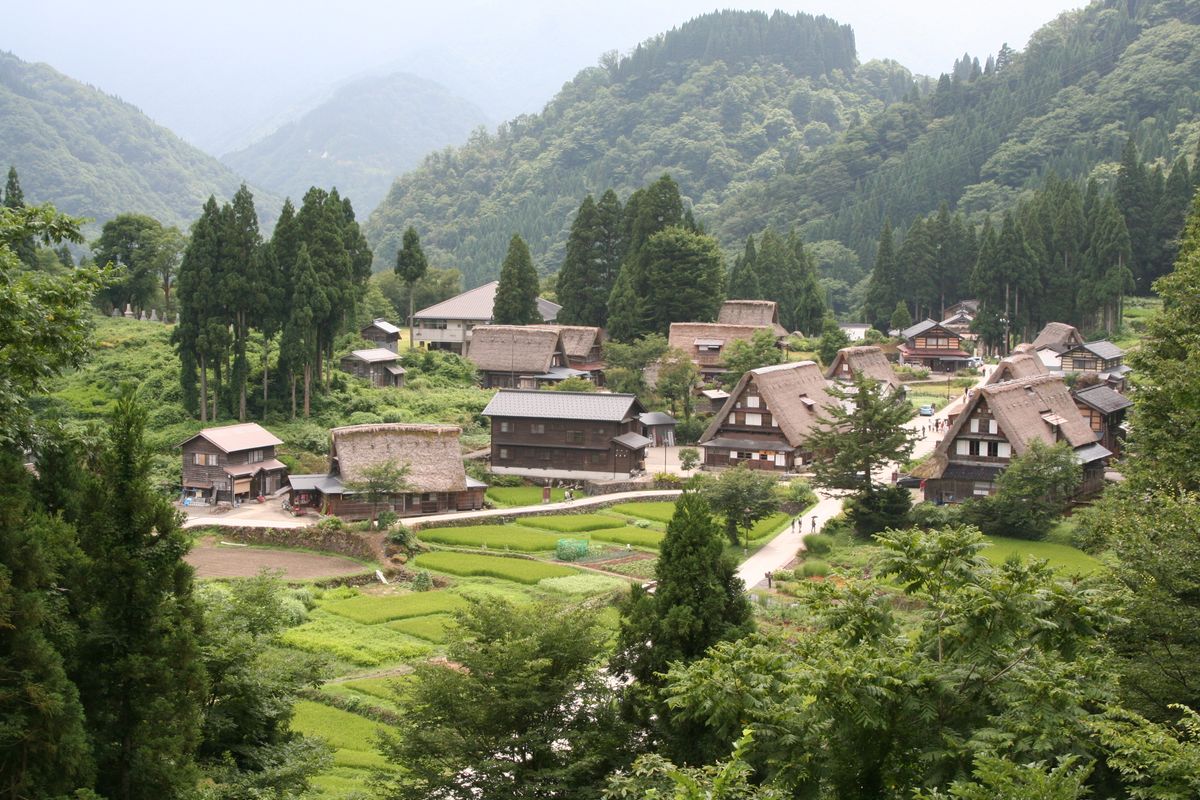
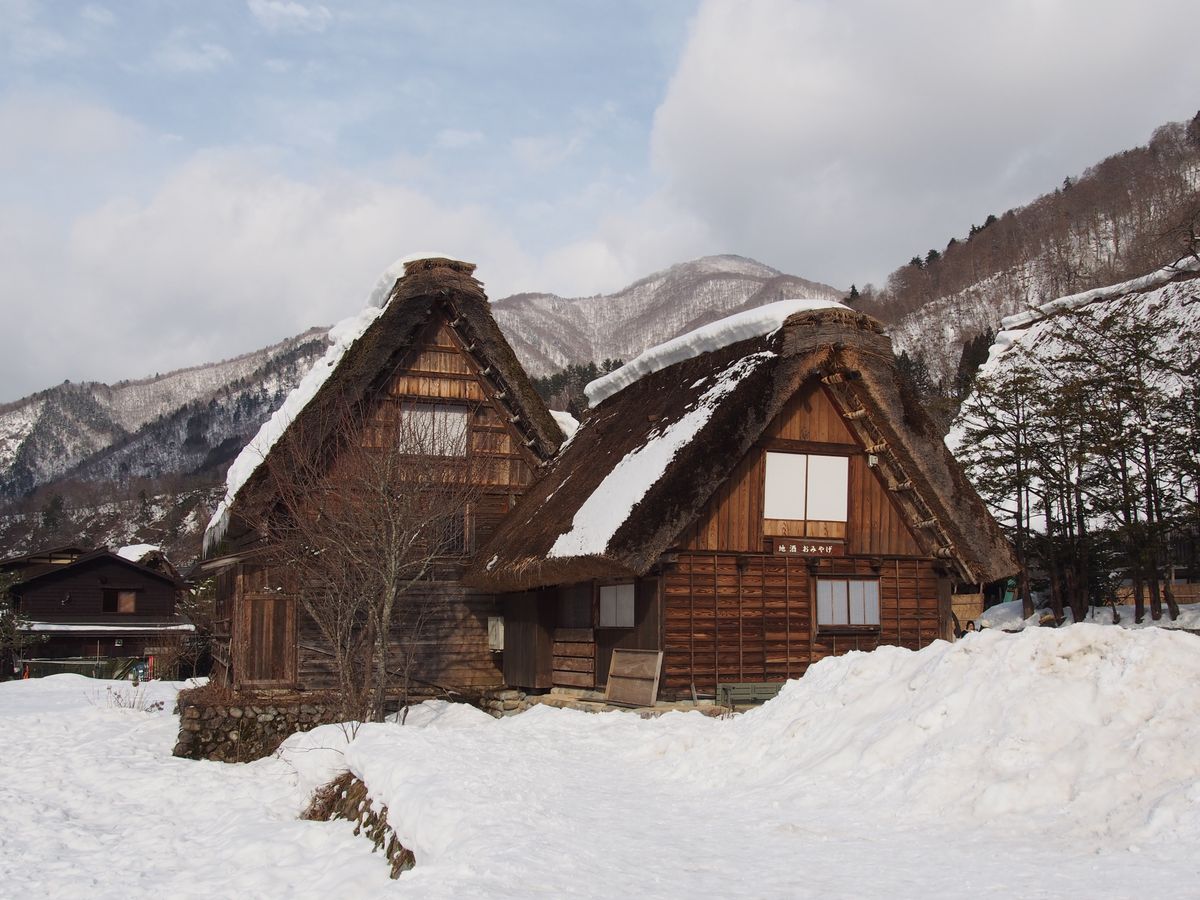
Mountain-side atmosphere, traditional villages, and the more rural version of Toyama life buyers imagine.
Where To Start
Four ways to start in Toyama
Use the city for your first base: tram rides, Kansui Park, the Glass Art Museum, and an easy first read on whether Toyama feels practical enough for daily life.
Make Himi your coast day: bay views, fish markets, sushi, and the kind of food-led lifestyle that sells Toyama better than any brochure line.
Spend time around the old town and craft areas if you want a place with stronger historical texture and more local identity than the prefectural capital.
This is the mountain-village version of Toyama: steeper scenery, older houses, slower roads, and the clearest test of whether rural romance matches your real tolerance.
Daily Life
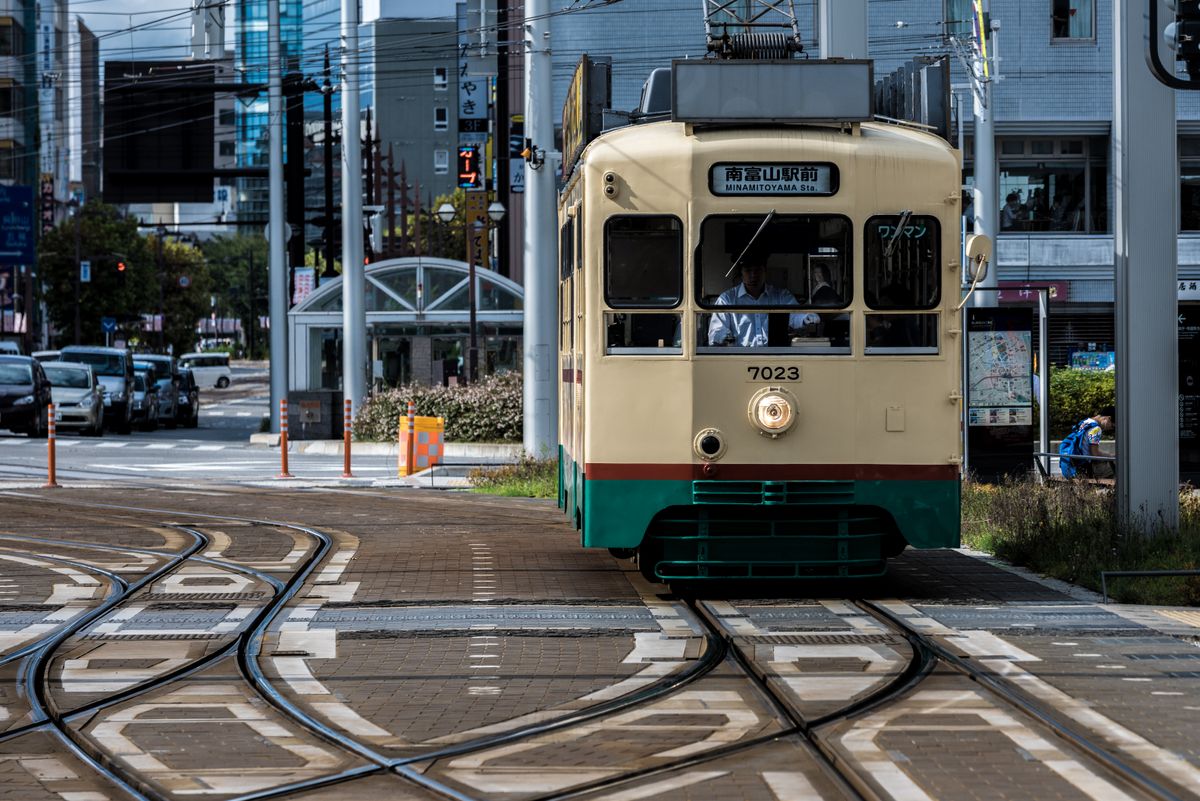
Toyama city has undergone a quiet urban renaissance. A tram network was extended and redesigned around a compact urban core; riverbank areas were redeveloped with public space; the city developed a walkable philosophy that urban planners from other countries have visited specifically to study. The Toyama Glass Art Museum — designed by Kengo Kuma and sharing a building with the main public library — is a genuinely excellent contemporary museum in a city that could be forgiven for coasting on its seafood reputation alone.
This is not a place that rewards passive living. Outside the capital, the character shifts fast: Himi is a fishing town where the relationship with food is visceral and seasonal; Takaoka is older and quieter, with a craft identity in metalwork going back centuries; Nanto and Gokayama are the mountain version, where older houses and steeper roads change the entire mood. A car unlocks the prefecture properly — the combination of coast, mountains, and city within range is the real proposition here.
Food and Drink
Toyama Bay sushi is a formal institution: local sushi restaurants use a dedicated set menu built around whatever the bay is producing that week — shiro ebi pressed onto rice, seared buri, hotaru-ika in spring, kuruma-ebi in autumn. Masu zushi (pressed trout sushi layered in bamboo leaves and packed into a round wooden box) is the portable version and one of the best train bento in Japan. The fish market in Himi and the Kittokitto market in Toyama city are the right starting points for understanding what this food culture is actually about.
Residents talk about Toyama's seafood the way people in wine country talk about wine — as a genuine daily-life advantage that makes ordinary dinners feel like events. Local sake from Toyama's soft mountain water has its own following. The combination of serious ingredients, serious craft, and prices that have not yet caught up with the quality makes eating in Toyama feel like a discovery.
Culture and Events
Owara Kaze-no-Bon runs for three nights each September in the small town of Yatsuo, about 30 minutes south of Toyama city. It is a dance of mourning and harvest, performed in the streets from dusk until dawn by performers in wide-brimmed wicker hats, accompanied by kokyuu fiddles and shamisen. It draws around 200,000 visitors over three days and has the quality of something genuinely old — not reconstructed, not commodified, still rooted in the community it belongs to. Arrive on foot from Etchu-Yatsuo station and find a position before dark.
Toyama's other defining cultural thread is less obvious: the prefecture was the centre of Japan's medicine trade for 300 years, with travelling salesmen (baiyaku) who would leave medicines in households on a trust-and-account system, returning seasonally to resupply and collect payment. The legacy shaped commercial culture across the region and is still invoked in how Toyama businesses describe themselves. Takaoka's metalwork craft tradition — Buddhist altarware, copperware, and bronze casting — is a parallel identity, visible in workshops and small studios throughout the old town.
Weekends and Escape
The Tateyama Kurobe Alpine Route is arguably Japan's most dramatic mountain crossing. Beginning in Toyama city, the route climbs through seven different modes of transport — including a trolleybus bored through a mountain, a ropeway above snowfields 3,000 metres high, and a cable car through sheer gorge walls — before descending to Nagano's Omachi on the other side. In April, the snow walls in the Murodo corridor reach up to 20 metres; you walk through a trench of white with the sky a narrow strip above. The route is open April to November only.
Kurobe Gorge offers a different register: a narrow-gauge railway (open to tourists) runs through deep forested gorge for 20 kilometres to Keyakidaira, where riverside hot-spring baths and a suspension bridge above the river are the terminus. Gokayama, southwest in the mountains, has World Heritage thatched gassho-zukuri farmhouses and a village atmosphere that has not been entirely hollowed out by tourism. For buyers weighing the weekend proposition, Toyama offers coast, city, mountain, and historic village — all within two hours. The combination is not common.
Three Days In Toyama
A simple first-trip route
Start with the compact city center, ride the tram, walk Kansui Park, visit the Glass Art Museum, and finish with a serious seafood dinner to see how easy ordinary life feels here.
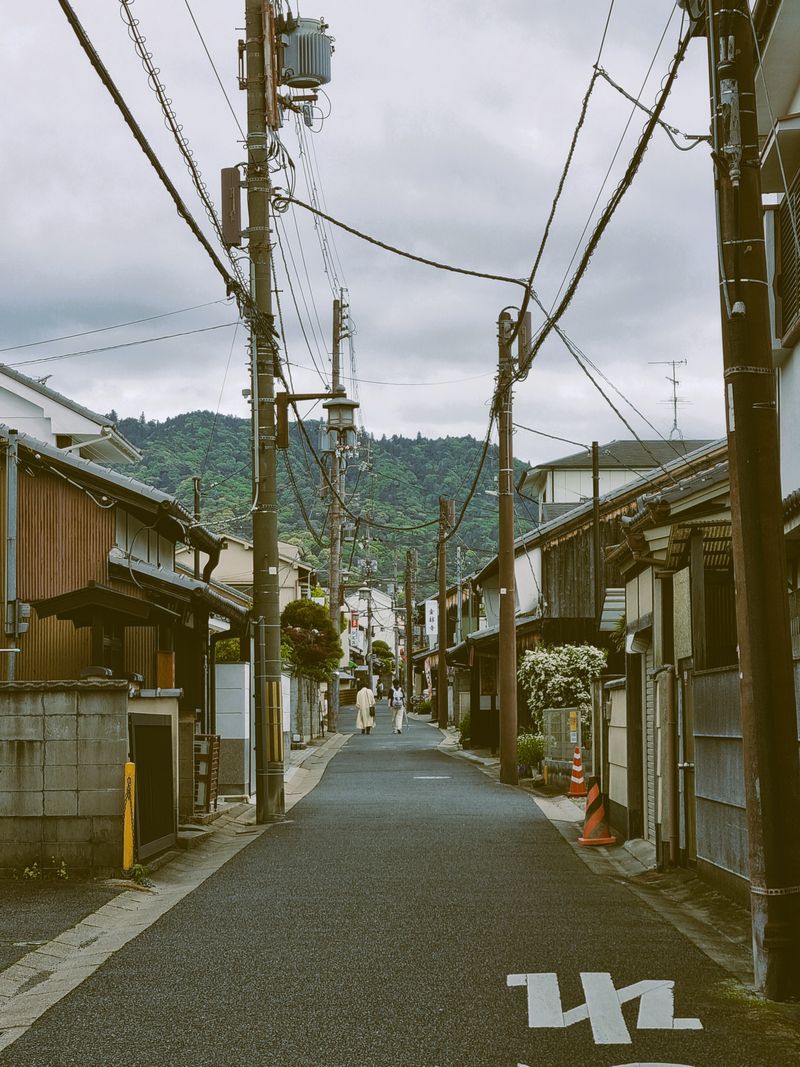
Choose Himi if you care most about the coast, seafood, and bay atmosphere. Choose Takaoka if you want temples, old streets, and a stronger sense of regional history.
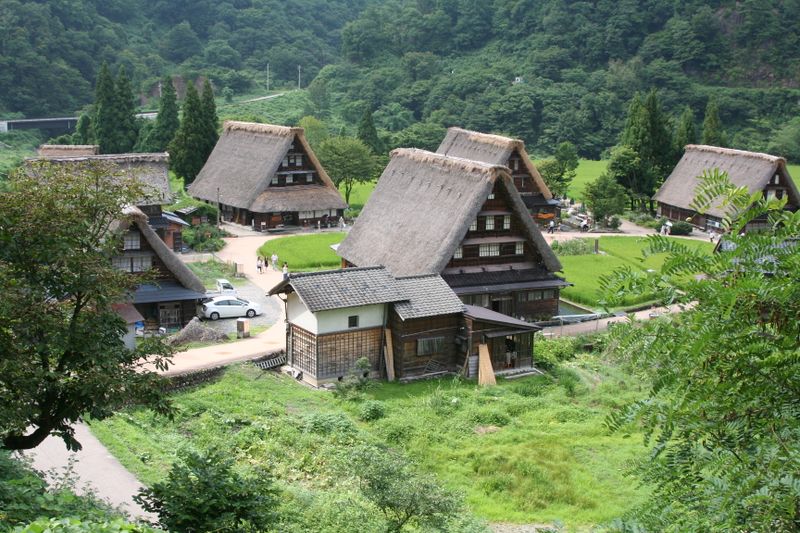
Use the last day for the mountain-side version of Toyama: village atmosphere, older housing stock, steeper roads, and the practical reality behind the prettiest photos.
Sources and references
- Wikipedia: Toyama Prefecture
- Britannica: Toyama prefecture
- Visit Toyama: Toyama Glass Art Museum
- Visit Toyama: Tateyama Kurobe Alpine Route
- Visit Toyama: Kurobe Gorge
- Visit Toyama: Toyama Bay Sushi
- Visit Toyama: Owara Kaze-no-Bon
- Visit Toyama: Tonami Tulip Fair
- Reddit: Life in Toyama as a foreigner
- Reddit: Kanazawa & Toyama