A friend calls from Calgary in June 2026. His natural gas bill has doubled. His mortgage — taken out at 2.1% in 2021 — reset to 5.8% on renewal, adding over $1,200 to his monthly payment. He asks what you're paying in Japan.
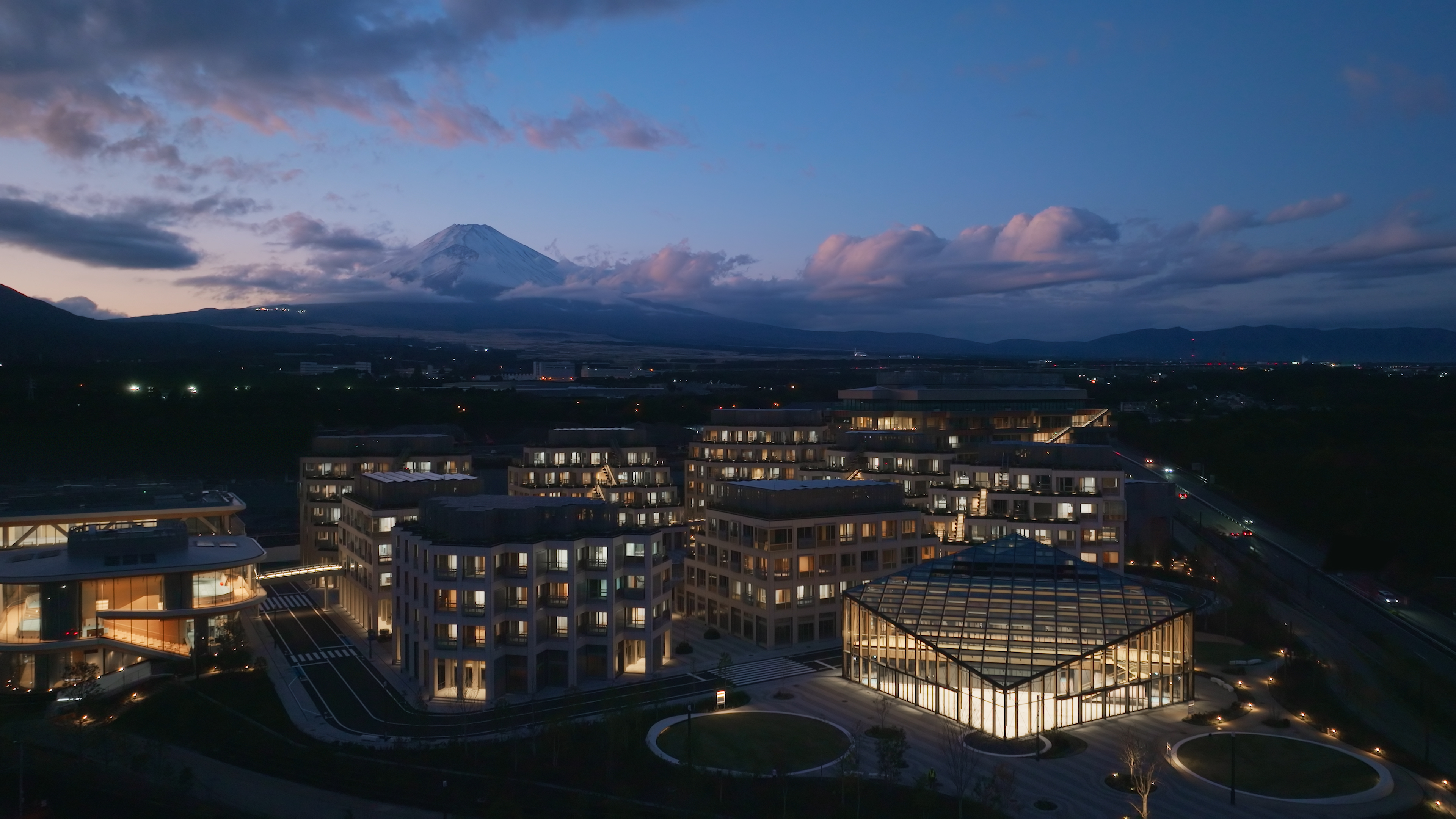
You tell him: ¥47,000 a month. Fixed, just under 1%. That's roughly $415 Canadian. Four bedrooms, exposed timber beams, a traditional garden. Train station eight minutes' walk. You haven't owned a car in three years.
He goes quiet for a moment.
This is not a story about Japan being immune to the oil crisis. It isn't. Gas prices in Japan hit a record ¥191 per litre in March 2026 — an 18% jump in a single week — and the government rushed out fuel subsidies to bring them back toward ¥170. Economists at Moody's Analytics warned that Japan's GDP could flatline if the disruption persists. The crisis is real here too.
The question is whether it changes the fundamental case for living in Japan rather than your home country. For most of the things that make daily life expensive and stressful in 2026 — mortgage payments, car costs, property prices, the sheer financial pressure of home ownership — it doesn't.
If You Don't Own a Car, ¥191/Litre Is Somebody Else's Problem
Japan's record petrol price matters far less to most residents than it would to someone in Sydney, Calgary, or Houston. The reason is structural: Japan has one of the world's most comprehensive rail networks, roughly 27,000 kilometres serving a country the size of California. In Tokyo, Osaka, Fukuoka, and most regional cities, the train is not an alternative to driving — it is simply how life works. Groceries, commutes, school runs, social visits.
The 1973 oil crisis so badly damaged Japan — first post-war GDP contraction, double-digit inflation — that the country spent fifty years systematically reducing household dependence on oil. That shift didn't make Japan immune to oil price shocks. It did mean that when petrol hits ¥191/litre, the impact on most urban households is indirect — food logistics, heating costs — rather than a direct hit to the commute budget every working day.
If you do own a car in Japan, the kei car class — defined by 660cc engine limits, strict maximum dimensions, designed after 1973 explicitly for fuel efficiency — accounts for roughly 28% of all new passenger vehicles sold. Running a kei at ¥191/litre still costs a fraction of running a North American or Australian vehicle over equivalent distances.

The Honda N-Box, Japan's best-selling vehicle. The kei car class was built after 1973 to make fuel efficiency non-negotiable — Photo: Wikimedia Commons
Your Mortgage Payment vs Theirs
In April 2026, the Bank of Japan's overnight call rate stands at 0.75%. Australia's RBA cash rate is 4.10%. The Bank of Canada's overnight rate is 2.25%. The Bank of England base rate is 3.75%.
A ¥30 million loan at 0.9% over 35 years costs approximately ¥82,000 per month — around $530 USD. Finance the equivalent at a standard current Australian variable rate and the monthly payment more than triples. In Toronto or Vancouver, a modest semi-detached house at CAD $800,000 financed at current rates carries a monthly payment above CAD $4,700.
The oil crisis hasn't touched this. The Bank of Japan's rate trajectory is driven by domestic inflation and decades of low-growth monetary policy — not by Hormuz. The mortgage gap between Japan and the West existed before the crisis and will outlast it.
What That Money Actually Buys
In Sydney, AUD $650,000 currently buys roughly a two-bedroom apartment in an outer suburb — shared walls, no garden. In Toronto or Vancouver, CAD $800,000 gets you something detached, but on a street where every neighbour's financial situation tracks the same interest rate cycle yours does.
In a regional Japanese city — Kanazawa, Matsumoto, Tottori — ¥15-25 million (roughly $97,000-$162,000 USD at current exchange rates) buys a detached house of 100-200 square metres, often with a garden and traditional features that simply don't exist in new construction at any price.
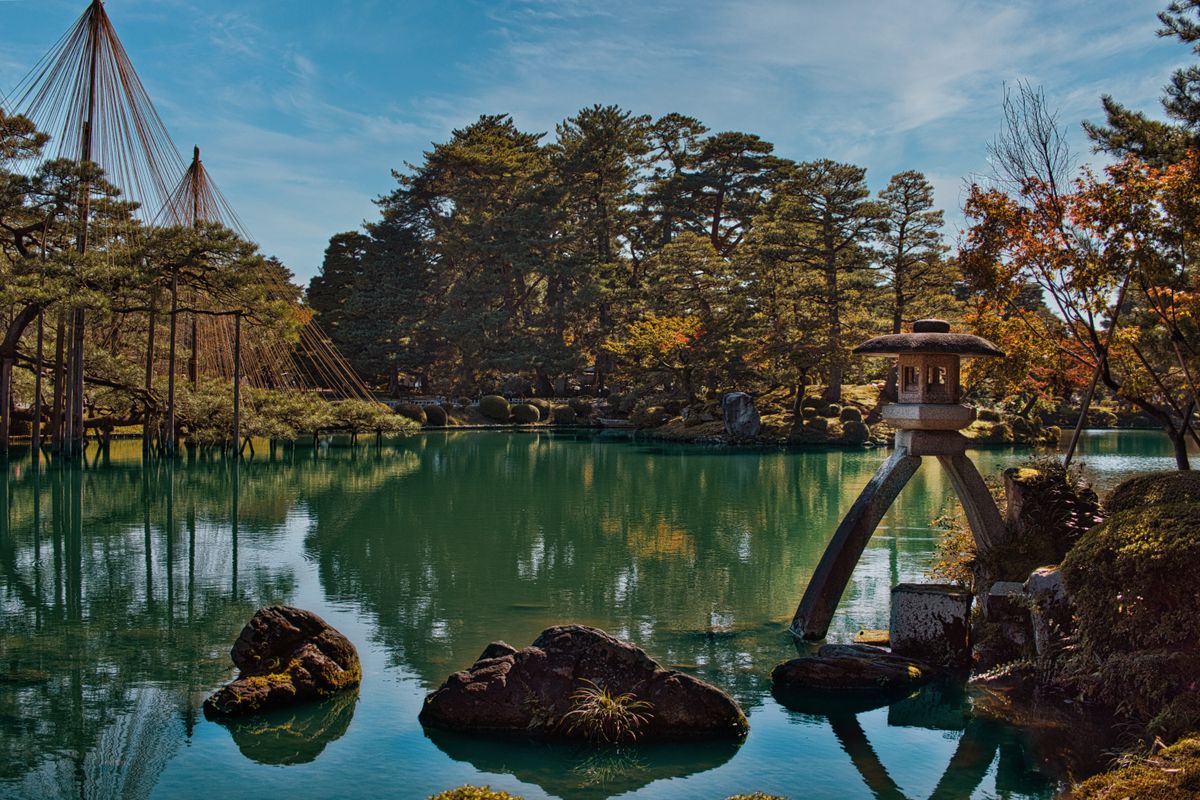
Kenrokuen Garden, Kanazawa — one of Japan's three great gardens, in a city where ¥20 million still buys you a house with a garden — Photo via Pexels
Government renovation subsidies cover up to 50% of eligible work, with grants from ¥500,000 to ¥3,000,000 depending on scope. Earthquake retrofitting grants add ¥1-3 million. Some municipalities offer additional cash incentives and reduced property taxes as part of regional revitalisation programs.
Japan Is Taking a Hit — But It Prepared for This
The record gas prices and government subsidies are not a sign Japan is failing. They are what fifty years of crisis preparation looks like in practice. When prices spiked in March 2026, Japan had three immediate tools: fuel subsidies deployed within days, strategic petroleum reserves covering approximately 254 days of consumption — one of the largest buffers of any developed economy — and long-term supply contracts covering 67.1% of crude imports, which blunted spot price exposure.
That doesn't eliminate the shock. Moody's Analytics was honest: if the disruption persists, "those buffers start failing and then it starts feeding through to the domestic economy." Japan's GDP could flatline. This is a real risk — not a hypothetical.
What it means for a property buyer is context, not comfort. Japan entered this crisis with $1.375 trillion in foreign currency reserves, a record ¥31.87 trillion current account surplus in 2025, and a property market that had risen 5% nationally in the year to November 2025. It is absorbing a shock from a position of structural strength. Australia and Canada face the same oil price shock while also managing elevated mortgage rates, commodity export exposure, and property markets with far thinner insulation from the rate cycle.
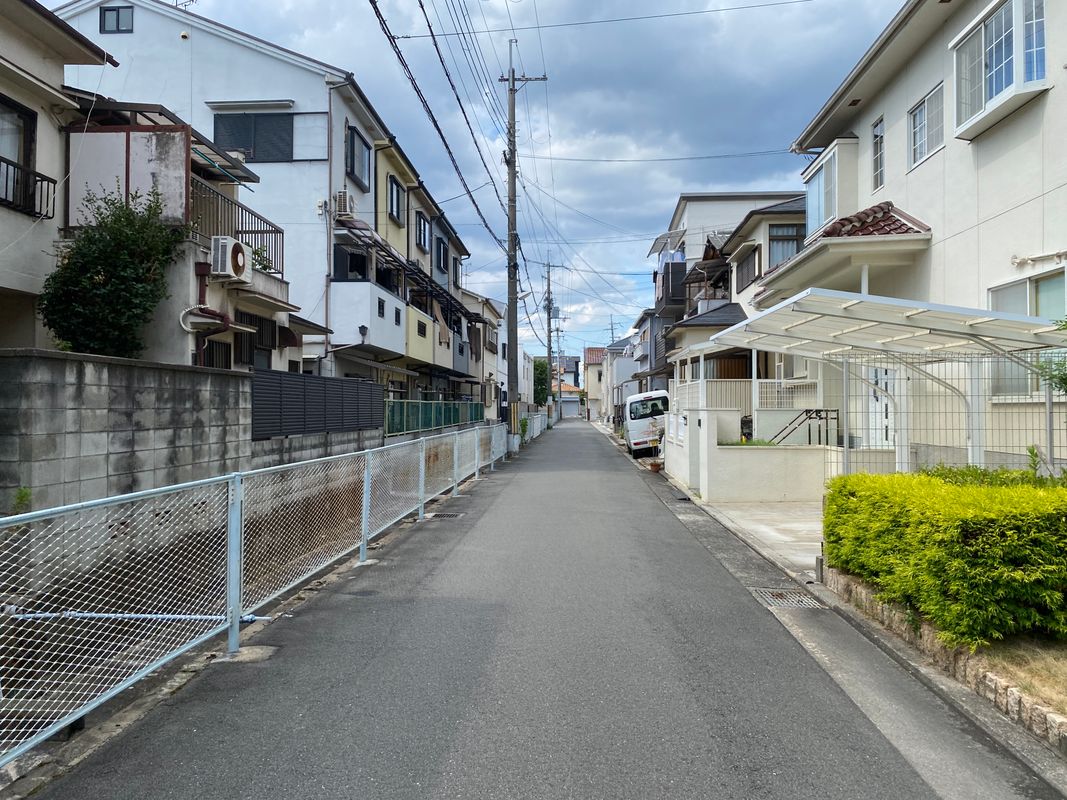
An everyday street in urban Japan — the oil crisis is real here, but its impact on daily life depends heavily on whether you own a car — Photo via Pexels
The Yen and the Akiya
Since December 2020, the yen has lost approximately 54% of its value against the US dollar. At USD/JPY ¥159 (April 2026), a property that cost USD $270,000 equivalent in 2020 costs around $188,000 today — even after yen-denominated prices have risen 10-15% over that period. The currency effect substantially exceeds the price appreciation.
Japan's approximately 9 million akiya (空き家, vacant houses) — roughly 13.8% of all housing stock — exist because demographic decline has outrun property markets in many regions. The oil crisis is not touching akiya dynamics. Rental demand for well-renovated akiya is driven by domestic demographics, local infrastructure, and renovation quality. Typical gross yields run 6-10%. A renovated akiya in Kanazawa and an oil-sector condo in Calgary are not exposed to the same risks — and that uncorrelated exposure is increasingly valuable.
Navigating an akiya purchase from abroad requires local knowledge most buyers don't arrive with. Teritoru Inc., a licensed Japanese real estate brokerage led by Ai Hioki, specialises in guiding foreign buyers through the full process: sourcing, legal transfer, renovation coordination, and post-purchase management. Web conference consultations make the initial steps accessible regardless of where you're based.
What You're Trading Away
Language is the obvious barrier. Day-to-day life in a Japanese city runs in Japanese, and regional towns — where the most interesting akiya are — offer less English than Tokyo or Osaka. Distance from family and familiar infrastructure is real. Healthcare is excellent and affordable, but if your support network is in Toronto or Perth, you will feel the gap.
Renovation budgets need conservative planning. Properties priced at ¥1-5 million often require ¥5-15 million in work before reaching modern habitable standards. All-in costs of ¥8-20 million remain dramatically below comparable property in Australia or Canada — but the work needs a trusted local team on the ground.
The Life You Are Comparing Against
Japan is not unscathed by the 2026 oil crisis. Gas prices are at a record. The government is deploying subsidies. Economists are watching carefully. The honest version of this article has to say that.
But your friend in Calgary is not comparing macroeconomic datasets. He is comparing his life — a mortgage payment $1,200 higher than it was three years ago, a fuel bill that tracks a war he has no influence over, a property market tied to the same commodity price that is squeezing him everywhere else simultaneously.
The structural things that make daily life in Japan different — a near-zero mortgage rate, a train you can actually use, a house that doesn't cost a lifetime's salary, a government that deployed subsidies within days of a price spike because it had prepared for exactly this — were true before the crisis. They remain true through it.
Sources
- The New York Times — Gas Prices in Japan Hit Record High, Testing Leader's Cost-of-Living Pledge (March 19, 2026)
- Ministry of Finance Japan — International Reserves March 2026
- The Japan Times — Japan logs record current account surplus for 2nd consecutive year in 2025
- Global Property Guide — Japan Residential Real Estate Market 2026
- Seasia — Japan's strategic petroleum reserves: 254 days
- Energy Tracker Asia — Japan and Strait of Hormuz disruption risk
- Bank of Canada — Overnight rate 2.25%, March 2026
- Bank of England — Base rate 3.75%, March 2026